

Sports Outdoor Gear: Essential Equipment for Every Athlete
Athletes, coaches, and sports organizations face an ever-expanding market of sports outdoor gear designed to enhance performance, ensure safety, and support effective training. Whether you're equipping an entire team, preparing for individual competition, or managing a school athletic program, understanding the landscape of outdoor sports equipment helps you make informed decisions that balance quality, durability, and budget. From fundamental game-day essentials to specialized training tools, the right gear creates the foundation for athletic success and player development at every competitive level.
Understanding Sports Outdoor Gear Categories
The world of athletic equipment spans numerous categories, each serving distinct purposes for different sports and training scenarios. Team sports equipment includes balls, goals, nets, and field markers that form the backbone of practice and competition. Protective gear encompasses helmets, pads, guards, and safety equipment designed to minimize injury risk during contact sports and high-intensity activities.
Essential Team Sports Equipment
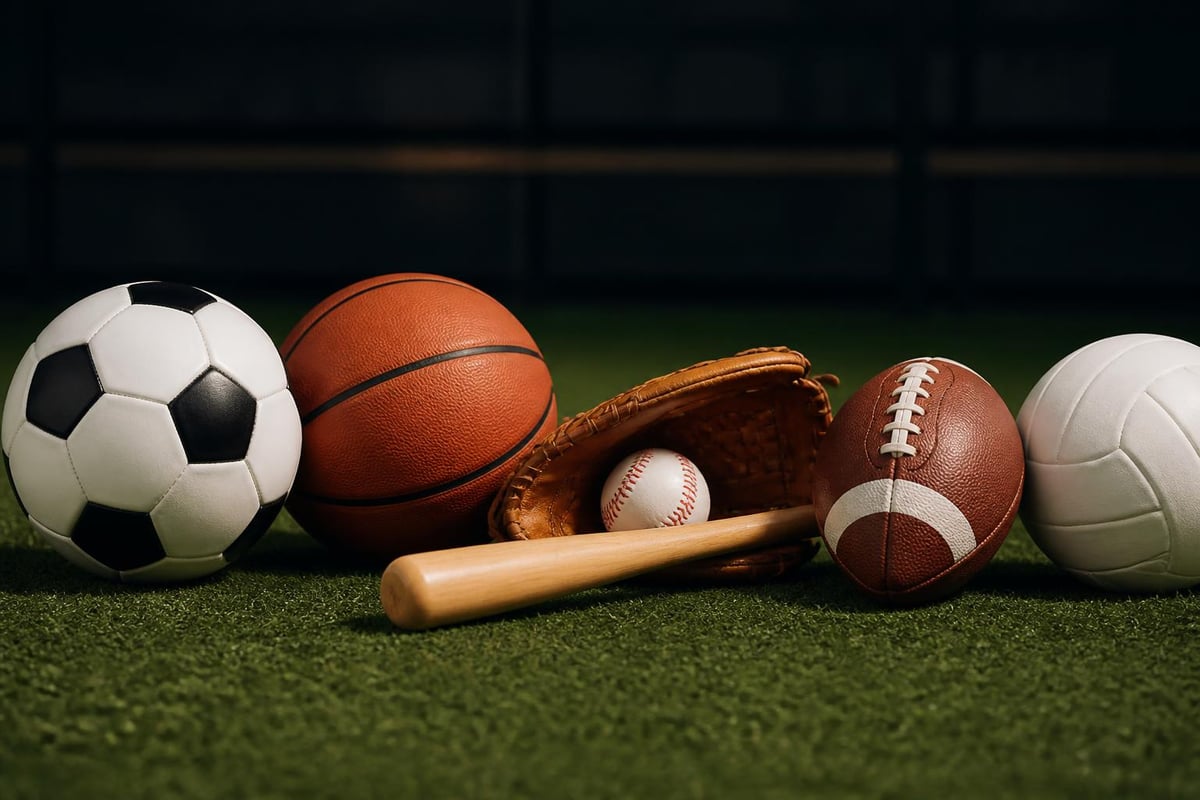
Team sports demand reliable, durable gear that withstands repeated use across practices and games. Soccer teams require regulation balls in various sizes, portable goals, corner flags, and training cones. Basketball programs need quality hoops, practice jerseys, and basketball equipment that meets competition standards.
Baseball and softball organizations invest in bats, gloves, helmets, bases, and training machines that develop batting skills. Football teams source pads, helmets, blocking sleds, and agility equipment. Volleyball programs require nets, standards, balls, and court equipment that meet official specifications.
Key considerations for team equipment:
- Regulation compliance for competitive play
- Durability for frequent use
- Age-appropriate sizing
- Weather resistance for outdoor use
- Storage and portability requirements
Protective Gear and Safety Equipment
Safety remains paramount in athletic programs, making protective sports outdoor gear a non-negotiable investment. Modern protective equipment combines advanced materials with ergonomic design to provide maximum protection without compromising mobility or performance.
Head and Face Protection
Helmets designed for football, baseball, lacrosse, and hockey incorporate impact-absorbing materials and ventilation systems. Face guards, mouth guards, and eye protection shield athletes from sport-specific hazards. Quality hockey equipment includes certified helmets with properly fitted cages or visors.
| Protection Type | Primary Sports | Key Features |
|---|---|---|
| Hard Shell Helmets | Football, Hockey, Lacrosse | Impact absorption, ventilation, adjustable fit |
| Batting Helmets | Baseball, Softball | Ear protection, lightweight, NOCSAE certified |
| Headgear | Wrestling, Rugby | Ear protection, secure fit, minimal restriction |
Body and Limb Protection
Shoulder pads, chest protectors, shin guards, and elbow pads protect vulnerable areas during contact and collision. Youth football pads require special attention to proper sizing and weight distribution. Goalkeepers across multiple sports need specialized padding systems designed for their unique positional demands.
The outdoor gear testing process has evolved significantly, with comprehensive reviews from sources like OutdoorGearLab helping athletes and coaches evaluate protective equipment performance across real-world conditions.
Training and Skill Development Equipment
Beyond game-day essentials, sports outdoor gear for training accelerates skill development and builds athletic fundamentals. Training equipment creates controlled environments where athletes repeat movements, improve technique, and develop muscle memory.
Agility and Speed Training Tools
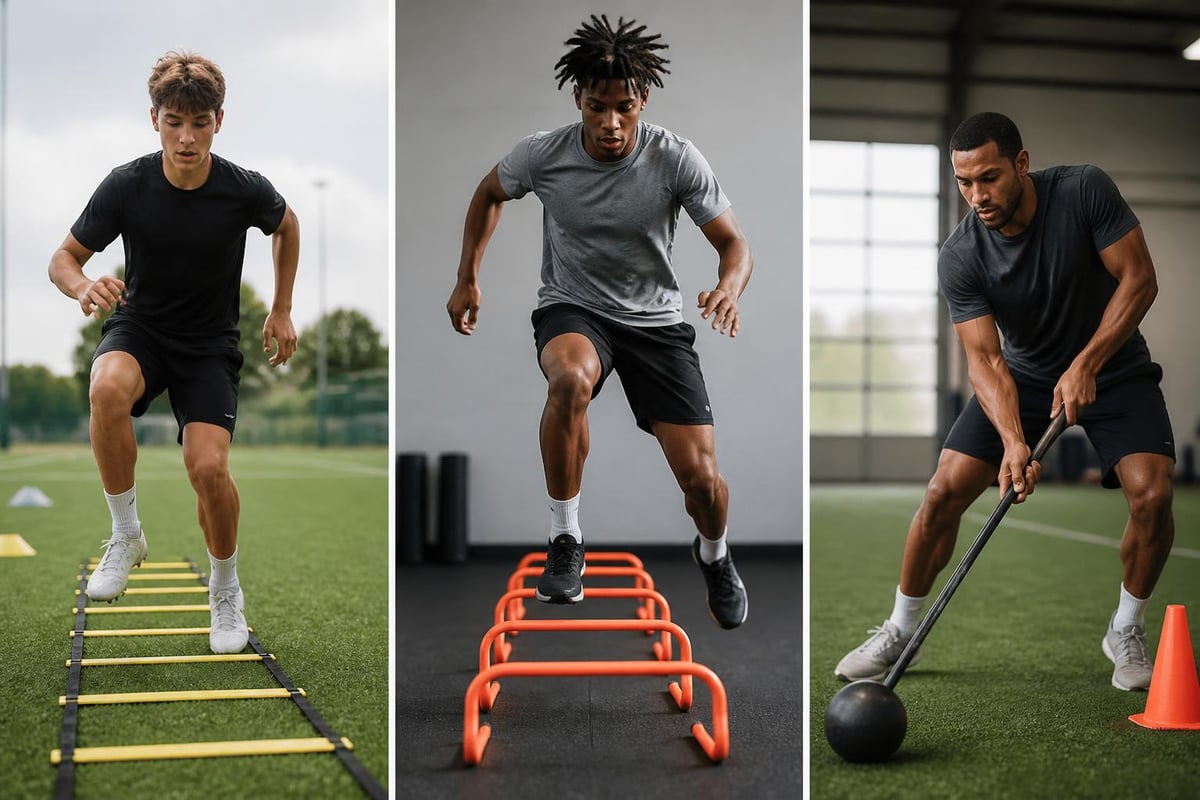
Agility ladders, speed parachutes, resistance bands, and cone sets form the foundation of conditioning programs. Plyometric boxes, hurdles, and coordination rings develop explosive power and footwork precision. These versatile tools adapt to multiple sports and training objectives.
Effective agility training equipment includes:
- Adjustable hurdles for various heights and spacing
- Non-slip agility ladder with carrying case
- Heavy-duty training cones in multiple colors
- Speed and resistance training parachutes
- Reactive agility balls for hand-eye coordination
Sport-Specific Training Aids
Specialized training tools address the unique demands of individual sports. Pitching machines, rebounders, and ball return systems enable athletes to practice independently. Baseball training machines replicate game-speed pitching for batting practice without requiring a live pitcher.
Tennis players use ball machines and rebound nets. Soccer programs invest in passing arcs, shooting targets, and goal training systems. Basketball coaches deploy shooting sleeves, dribbling goggles, and rebounding devices. According to GearJunkie, modern training equipment increasingly incorporates technology for performance tracking and feedback.
Seasonal and Weather Considerations
Sports outdoor gear selection must account for seasonal variations and weather conditions that impact both equipment performance and athlete safety. Different climates and playing surfaces require specific adaptations in gear materials, design, and maintenance protocols.
Cold Weather Equipment Adaptations
Winter sports and cold-climate training demand gear that maintains performance in low temperatures. Footballs, soccer balls, and basketballs manufactured with cold-resistant materials prevent hardening and cracking. Protective equipment requires additional insulation layers without compromising mobility.
Cold weather gear essentials:
- Thermal base layers for under-uniform wear
- Insulated gloves for non-contact positions
- Sideline heaters and warming equipment
- Weather-resistant equipment covers
- De-icing solutions for metal components
Hot Weather and Sun Protection
High temperatures create different challenges for sports outdoor gear. Breathable fabrics, moisture-wicking materials, and UV-resistant construction protect athletes during summer training and competition. Hydration systems, cooling towels, and shade structures become critical safety equipment.
The research published in sports technology journals demonstrates how wearable technology monitors heat stress and guides equipment choices for outdoor athletic activities.
Quality Indicators and Material Selection
Understanding quality markers in sports outdoor gear helps purchasers distinguish between premium products and budget alternatives. Material composition, construction methods, and manufacturing standards directly impact equipment longevity and performance reliability.
Material Durability Standards
Leather versus synthetic materials present trade-offs in cost, maintenance, and performance. Natural leather offers superior feel and durability in items like baseball gloves but requires more maintenance. Synthetic materials provide weather resistance and consistent performance with minimal upkeep.
| Material | Advantages | Disadvantages | Best Applications |
|---|---|---|---|
| Full-Grain Leather | Durability, comfort, break-in | Higher cost, maintenance needs | Premium gloves, balls |
| Synthetic Leather | Weather resistance, affordability | Less breathable, shorter lifespan | Training equipment, budget gear |
| Composite Materials | Lightweight, consistency | May lack traditional feel | Bats, sticks, protective shells |
| Natural Rubber | Grip, flexibility | Temperature sensitive | Balls, grips, protective padding |
Construction and Assembly Quality
Double-stitching, reinforced stress points, and quality control standards separate professional-grade equipment from recreational products. Proper construction ensures sports outdoor gear withstands the rigors of competitive play and intensive training schedules. Reviews from Field & Stream provide insights into construction quality across various equipment categories.
Budget Management and Cost-Effectiveness
Athletic programs and individual athletes must balance quality requirements with budget constraints. Strategic purchasing approaches maximize equipment value while ensuring safety standards and performance needs remain uncompromised.
Bulk Purchasing and Team Orders
Volume purchasing reduces per-unit costs for sports outdoor gear across multiple athletes and seasons. Team sales programs offer discounted pricing structures that benefit schools, clubs, and organizations. Coordinated ordering ensures consistent equipment quality and appearance across team rosters.
Cost-saving strategies include:
- Planning annual equipment needs in advance
- Combining orders across multiple teams or sports
- Timing purchases during off-season sales
- Negotiating multi-year supply agreements
- Comparing price match guarantees across suppliers
Long-Term Value Assessment
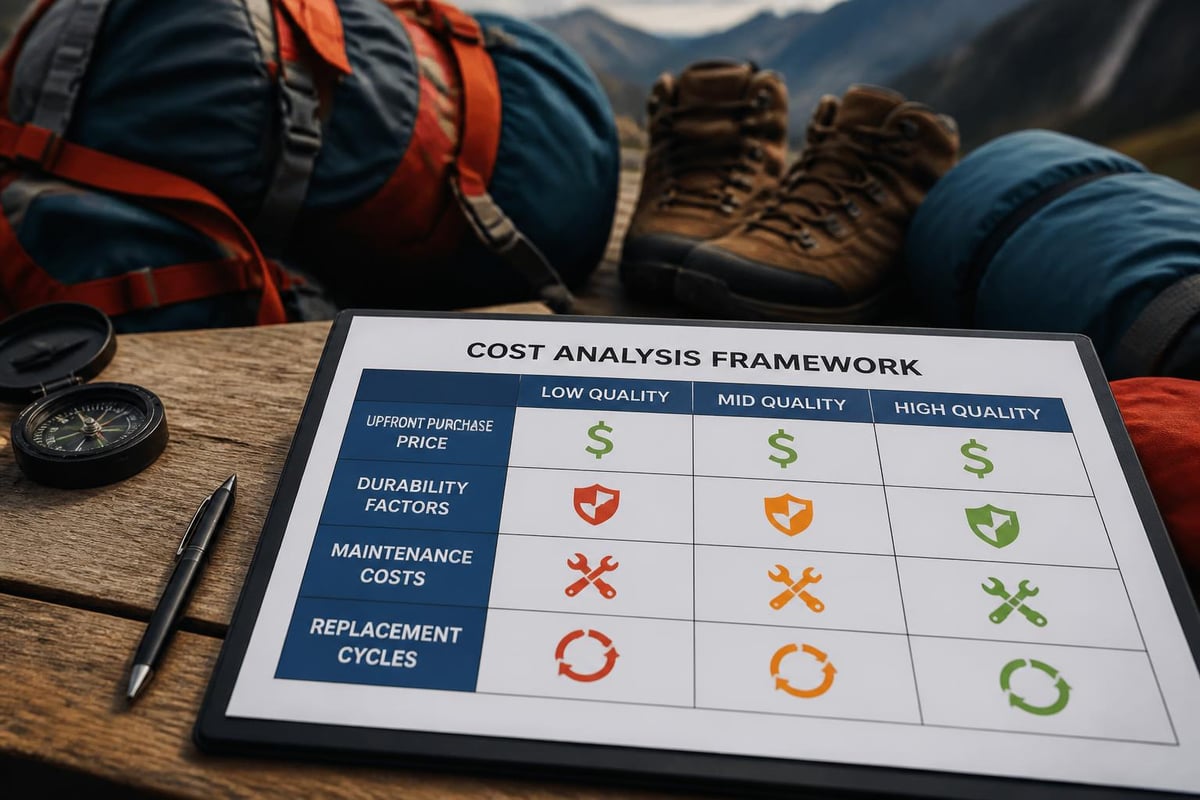
Initial purchase price represents only one factor in total cost of ownership. Durability, warranty coverage, and replacement frequency significantly impact overall equipment expenses. Higher-quality sports outdoor gear often delivers better long-term value despite elevated upfront costs.
Maintenance requirements, storage needs, and potential for multi-season use influence true cost-effectiveness. Equipment that serves multiple purposes or adapts to different skill levels extends useful life and improves return on investment.
Storage and Maintenance Best Practices
Proper care extends the functional life of sports outdoor gear and maintains performance characteristics throughout multiple seasons. Systematic storage and maintenance protocols protect equipment investments and ensure game-day readiness.
Organized Storage Systems
Dedicated storage solutions prevent damage from environmental exposure and physical stress. Climate-controlled facilities protect leather goods from moisture damage and metal components from rust. Proper organization facilitates inventory management and quick access during practices and competitions.
Essential storage practices:
- Separate wet or muddy equipment for drying
- Use ventilated containers to prevent mildew
- Store inflated balls at proper pressure
- Hang protective padding to maintain shape
- Label and organize by sport or team
Cleaning and Repair Protocols
Regular cleaning removes dirt, sweat, and bacteria that degrade materials and create health hazards. Different sports outdoor gear requires specific cleaning approaches based on material composition and construction. Leather items need conditioning treatments, while synthetic materials often accept machine washing with proper settings.
Minor repairs addressed promptly prevent complete equipment failure. Re-stitching worn seams, replacing damaged straps, and refinishing protective coatings extend usable life. Industry insights from SGB Outdoor track emerging maintenance technologies and product innovations.
Emerging Trends and Technology Integration
The sports outdoor gear industry continuously evolves with technological innovations and material science advances. Smart equipment, sustainability initiatives, and performance optimization drive current development trends.
Smart Equipment and Performance Tracking
Connected devices embedded in sports outdoor gear collect data on impact forces, movement patterns, and usage intensity. Smart sensors in protective equipment monitor impact severity and alert coaches to potential concussion risks. Training tools incorporate Bluetooth connectivity for real-time performance feedback.
Sustainable Materials and Manufacturing
Environmental consciousness influences modern equipment design and production. Recycled materials, biodegradable components, and sustainable manufacturing processes reduce environmental impact without sacrificing performance. According to WIRED's outdoor gear coverage, eco-friendly innovations are reshaping consumer expectations and industry standards.
Multi-Sport Versatility and Cross-Training
Versatile sports outdoor gear that serves multiple athletic disciplines offers practical advantages for budget-conscious programs and multi-sport athletes. Cross-training equipment supports comprehensive athletic development while maximizing equipment utilization.
Universal Training Tools
Certain equipment types transcend individual sports and support general athletic development. Agility ladders, resistance bands, plyometric boxes, and medicine balls enhance speed, strength, and coordination across all sports. These fundamental tools form the core of effective cross-training programs.
Fitness sports equipment designed for general conditioning complements sport-specific gear and extends training capabilities. Universal weight training equipment, cardio machines, and bodyweight training apparatus support year-round athlete development.
Adaptable Game Equipment
Some sports outdoor gear adapts to multiple sports with simple adjustments. Adjustable volleyball nets accommodate different court sports and age groups. Multi-purpose goals serve soccer, lacrosse, and field hockey with interchangeable components. Portable basketball systems adjust for various age divisions and skill levels.
Vendor Selection and Supplier Relationships
Choosing reliable suppliers for sports outdoor gear impacts product quality, delivery timelines, and long-term support capabilities. Strategic vendor relationships provide consistent access to necessary equipment and professional guidance for program development.
Evaluation Criteria for Suppliers
Key supplier assessment factors:
- Product range breadth and depth
- Quality certification and standards compliance
- Order fulfillment speed and reliability
- Customer service responsiveness
- Return and warranty policies
- Technical expertise and consultation services
Established athletic equipment retailers like sporting goods specialists understand the unique needs of competitive programs and individual athletes. Their expertise helps navigate product selection, sizing considerations, and regulatory compliance requirements.
Building Long-Term Partnerships
Consistent supplier relationships streamline ordering processes and provide preferential service during peak demand periods. Trusted vendors offer seasonal planning assistance, equipment demonstrations, and staff training on product features. Regular communication ensures access to new product releases and industry innovations highlighted by resources like Pro Mountain Sports.
Specialized Equipment for Emerging Sports
Growing participation in alternative and emerging sports creates demand for specialized sports outdoor gear previously considered niche products. Pickleball equipment, slackline kits, and non-traditional training tools reflect evolving athletic interests and program expansion opportunities.
Supporting Diverse Athletic Programming
Modern athletic programs increasingly incorporate varied sports to attract broader participation and develop diverse skill sets. Equipment for lacrosse, ultimate frisbee, rugby, and field hockey expands program offerings. Investment in emerging sport equipment demonstrates organizational commitment to comprehensive athletic development.
Specialized gear requirements for these sports often include unique protective equipment, playing implements, and field markers. Understanding sport-specific regulations ensures compliance while meeting safety and performance standards.
Equipping athletes, teams, and training programs with quality sports outdoor gear requires careful consideration of performance needs, safety requirements, and budget parameters. From fundamental game-day essentials to specialized training tools, the right equipment creates opportunities for skill development and competitive success. Sideline Sport Supply delivers the reliable, affordable athletic equipment that coaches, athletes, and organizations need to focus on what matters most-developing talent and competing at the highest level. Explore our comprehensive selection of game-ready gear designed to support your program's success.