

Sports and Outdoor Gear: Complete Equipment Guide 2026
Selecting the right sports and outdoor gear has become increasingly strategic for teams, schools, and athletic organizations navigating a dynamic equipment landscape. With wholesale sales of sporting goods reaching record levels exceeding $130 billion in 2025, the market offers unprecedented choice alongside complex decisions. Whether outfitting an entire school district, managing a competitive club team, or supporting individual athlete development, understanding how to evaluate, select, and maintain quality equipment directly impacts both performance and budget efficiency. This comprehensive guide examines critical considerations for procuring sports and outdoor gear that balances durability, functionality, and cost-effectiveness.
Understanding the Modern Sports Equipment Landscape
The sports equipment industry has evolved significantly over the past decade, driven by technological innovation, changing participation patterns, and shifting consumer expectations. Market analysis projecting growth through 2033 indicates substantial expansion across multiple categories, creating both opportunities and challenges for equipment buyers.
Market Forces Shaping Equipment Selection
Several key trends influence how organizations approach sports and outdoor gear procurement today. Performance technology integration has moved beyond elite levels, making advanced features accessible across price points. Sustainability considerations increasingly factor into purchasing decisions as manufacturers adopt recycled materials and improved production processes. The rise of multi-sport athletes has created demand for versatile equipment that serves diverse training needs rather than single-purpose specialization.
Budget constraints remain paramount for schools and youth organizations, making value proposition assessment critical. Equipment that delivers reliable performance over extended periods often proves more economical than cheaper alternatives requiring frequent replacement. Understanding total cost of ownership rather than initial purchase price helps organizations maximize their investment.

Category-Specific Considerations
Different sports categories present unique equipment requirements and challenges:
Team Sports Equipment
- Basketballs, soccer goals, volleyballs, and footballs represent core needs
- Consistency across equipment sets ensures fair practice and game conditions
- Bulk purchasing often provides significant cost advantages
- Storage and transportation requirements influence selection
Training and Development Tools
- Baseball training machines and pitching equipment enhance skill development
- Agility ladders, cones, and markers support fundamental training
- Resistance bands and bodyweight training gear offer versatile conditioning options
- Video analysis tools increasingly complement physical equipment
Field and Facility Equipment
- Goals, nets, and boundary markers define playing spaces
- Scoreboards and timing systems support competitive events
- Protective padding and safety equipment meet regulatory requirements
- Maintenance tools extend equipment lifespan
Evaluating Quality in Sports and Outdoor Gear
Quality assessment requires examining multiple dimensions beyond initial appearance or brand recognition. Understanding what distinguishes durable, performance-oriented equipment from inadequate alternatives protects organizations from costly mistakes.
Material Construction and Durability
The materials used in sports and outdoor gear directly determine longevity and performance consistency. High-quality equipment typically features:
- Weather-resistant materials that withstand outdoor conditions without degradation
- Reinforced stress points at seams, joints, and high-impact areas
- UV-stable components that resist sun damage and color fading
- Corrosion-resistant hardware for long-term functionality
Testing protocols and quality certifications provide objective measures of equipment standards. Look for products meeting recognized safety and performance standards relevant to specific sports. Warranty coverage often reflects manufacturer confidence in product durability, with comprehensive warranties indicating superior construction.
| Quality Indicator | Premium Equipment | Budget Equipment |
|---|---|---|
| Material Grade | Commercial-grade synthetics, reinforced leather | Standard consumer materials |
| Construction | Double-stitched, reinforced stress points | Single-stitch, minimal reinforcement |
| Weather Resistance | All-season rated, UV-protected | Limited outdoor durability |
| Warranty Coverage | 2-5 years comprehensive | 30-90 days limited |
| Expected Lifespan | 5-10 years with maintenance | 1-3 years typical use |
Performance Specifications
Sports and outdoor gear must meet specific performance criteria to support effective training and competition. Basketball systems require proper height adjustment mechanisms and stable bases. Baseball machines need consistent pitch delivery and adjustable speed settings. Soccer goals must withstand repeated impacts while maintaining structural integrity.
Evaluating performance specifications involves comparing:
- Functional range: Does equipment adjust to accommodate different skill levels and age groups?
- Consistency: Does the equipment perform reliably across repeated use?
- Versatility: Can the equipment serve multiple purposes or adapt to various settings?
- User-friendliness: Is setup, adjustment, and operation straightforward for coaches and athletes?
Strategic Procurement Approaches
Developing systematic procurement strategies helps organizations maximize value while ensuring equipment availability when needed. Thoughtful planning prevents rushed purchases driven by immediate needs rather than long-term considerations.
Inventory Assessment and Planning
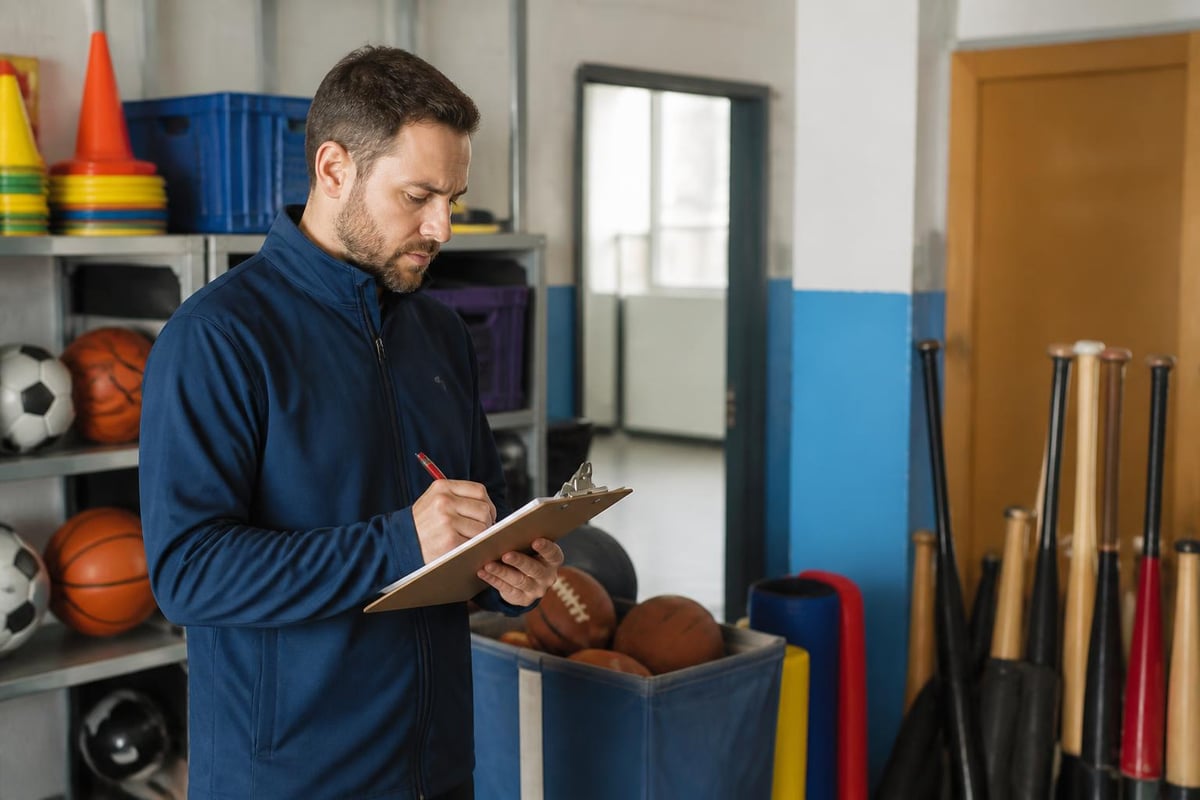
Effective procurement begins with comprehensive inventory assessment. Cataloging existing equipment reveals what requires replacement, what remains serviceable, and what gaps exist in current inventory. This process should evaluate:
- Current condition and expected remaining lifespan of existing equipment
- Usage patterns and frequency across different sports and seasons
- Safety compliance status and any regulatory updates requiring upgrades
- Storage capacity and organization systems
Planning procurement around seasonal cycles and budget allocation periods allows organizations to capitalize on favorable pricing while avoiding rushed decisions. Many athletic equipment suppliers offer better pricing during off-season periods when demand decreases.
Vendor Relationship Development
Building relationships with reliable equipment suppliers provides advantages beyond individual transactions. Established relationships often yield:
- Priority access during high-demand periods
- Flexible payment terms for large orders
- Technical support and product guidance
- Early notification of new products and closeout opportunities
When evaluating potential suppliers, consider their specialization in sporting goods and their experience serving similar organizations. Suppliers focused on schools, clubs, and competitive teams better understand specific needs and constraints compared to general retailers.
Bulk Purchasing and Team Sales
Volume purchasing delivers substantial cost savings for organizations outfitting multiple teams or facilities. Team sales programs often provide:
- Tiered discounting based on order volume
- Customization options including team colors and logos
- Coordinated delivery scheduling
- Dedicated account management
Organizations should group purchases across departments or multiple teams when possible to reach higher volume thresholds. Coordinating with other schools or organizations within a district or league can aggregate purchasing power for even greater savings.
Equipment Categories Essential for Multi-Sport Programs
Comprehensive athletic programs require equipment spanning multiple categories. Understanding core requirements across common sports helps organizations prioritize investments and identify opportunities for equipment sharing.
Field Sports Equipment Essentials
Outdoor field sports share common equipment needs while requiring sport-specific items:
Soccer Equipment
- Portable and permanent soccer goals for practice and competition
- Corner flags and field markers
- Training cones, agility equipment, and passing arcs
- Ball pumps and storage carts
Football and Rugby
- Tackling dummies and blocking sleds
- Field markers, chains, and down indicators
- Kicking tees and holder equipment
- Protective training gear
Baseball and Softball
- Batting cages and softball machines for hitting practice
- Field maintenance equipment including rakes and drags
- Bases, pitching rubbers, and home plates
- Protective screens and L-screens
Indoor Sports Configuration
Indoor facilities require equipment adapted to space constraints and surface considerations. Indoor equipment specifications differ from outdoor counterparts in materials, sizing, and safety features.
Basketball Systems
- Wall-mounted or portable basketball goals with appropriate backboard sizes
- Shot clocks and scoreboards for competition
- Ball carts and storage racks
- Floor marking tape and boundary markers
Volleyball Equipment
- Net systems with proper tension mechanisms
- Referee stands and padding
- Volleyball training machines for serving practice
- Antenna and boundary markers
Multi-Purpose Training Areas
- Fitness and training equipment including resistance bands and medicine balls
- Agility ladders, hurdles, and plyometric boxes
- Weight training accessories like lifting gloves
- Foam rollers and recovery tools
Maintenance Strategies Extending Equipment Lifespan
Proper maintenance dramatically extends the functional life of sports and outdoor gear, delivering substantial cost savings over time. Establishing systematic maintenance protocols ensures equipment remains safe and functional throughout its intended lifespan.
Regular Inspection Protocols
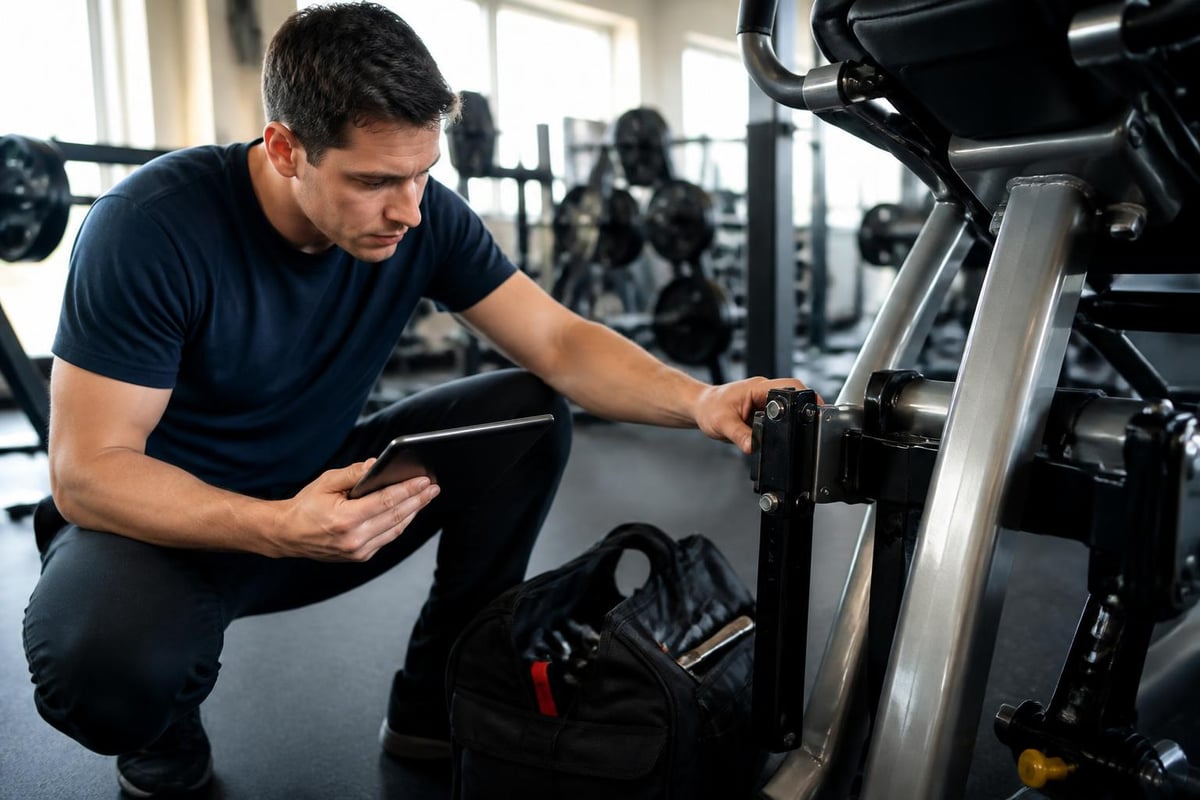
Implementing scheduled inspection routines identifies issues before they compromise safety or performance. Inspection frequency should align with usage intensity, with high-use equipment receiving more frequent assessment.
| Equipment Type | Inspection Frequency | Key Inspection Points |
|---|---|---|
| Goals and Nets | Weekly during season | Anchor stability, net integrity, hardware tightness |
| Training Machines | Before each use | Power cords, moving parts, safety guards |
| Balls and Protective Gear | Monthly | Inflation pressure, surface damage, strap condition |
| Field Markers and Cones | Quarterly | Visibility, stability, weather damage |
Documentation of inspections creates maintenance records useful for warranty claims and helps predict replacement timing. Digital systems or simple logbooks can track inspection dates, findings, and corrective actions taken.
Storage and Seasonal Preparation
Proper storage protects sports and outdoor gear from environmental damage and organizational wear. Climate-controlled storage prevents material degradation from temperature extremes and moisture exposure. Equipment organization systems including labeled bins, wall racks, and cart storage improve accessibility while preventing damage from improper stacking or placement.
Seasonal transitions require specific preparation steps:
- Clean and dry all equipment before storage
- Deflate balls to recommended off-season pressure
- Apply protective treatments to leather and metal components
- Inspect and repair minor damage before extended storage
- Inventory equipment and note items requiring replacement
Repair vs. Replacement Decision Framework
Determining when to repair versus replace equipment involves evaluating multiple factors beyond simple cost comparison. Consider:
- Safety implications: Any compromise to safety warrants immediate replacement
- Repair cost ratio: Repairs exceeding 50% of replacement cost typically favor buying new
- Remaining lifespan: Equipment near end-of-life may not justify repair investment
- Performance impact: Degraded performance affecting training quality suggests replacement
- Availability of parts: Discontinued equipment with scarce parts presents ongoing challenges
Minor repairs like re-stitching, replacing nets, or tightening hardware extend equipment life cost-effectively. Major structural repairs or repeated failures indicate replacement timing.
Technology Integration in Modern Equipment
Contemporary sports and outdoor gear increasingly incorporates technology enhancing training effectiveness and performance measurement. Understanding available technologies helps organizations make informed decisions about where technology investment delivers meaningful value.
Training Enhancement Technologies
Performance tracking and feedback systems provide athletes and coaches with actionable data previously accessible only at elite levels. Sports-specific machines incorporating variable speed settings, programmable sequences, and safety features have become standard across categories including soccer machines, football machines, and rugby machines.
Modern training equipment offers features such as:
- Adjustable difficulty levels accommodating various skill levels
- Programmable routines simulating game situations
- Digital displays showing performance metrics
- Remote controls for coach-directed sessions
- Battery and electric power options for field portability
While technology-enhanced equipment typically commands premium pricing, the training efficiency and engagement benefits often justify the investment for competitive programs. Organizations should evaluate whether specific technological features address actual training needs rather than purchasing technology for its own sake.
Smart Equipment and Data Analytics
Emerging smart equipment integrates sensors and connectivity enabling performance tracking and analysis. While research on wearable and egocentric activity recognition demonstrates technological capabilities, practical application for most school and club programs remains developing.
Current smart equipment applications include:
- Shot tracking systems monitoring shooting percentages and locations
- Speed and agility measurement for conditioning programs
- Video analysis integration with practice equipment
- Connected scoreboards linking to statistics systems
Organizations should assess whether data collection capabilities align with coaching staff capacity to analyze and apply insights. Technology without supporting processes for interpretation and application provides limited value.
Budget Optimization Without Compromising Quality
Financial constraints represent reality for most athletic programs, requiring strategic approaches balancing quality with affordability. Understanding where to invest premium dollars versus where economical options suffice helps maximize available budgets.
Prioritization Frameworks
Not all sports and outdoor gear requires equal investment. Prioritizing spending based on safety criticality, usage frequency, and performance impact ensures funds support the most important needs first.
High-Priority Investment Areas:
- Safety equipment including protective padding and helmets
- High-frequency use items experiencing rapid wear
- Equipment directly impacting skill development and training quality
- Items requiring regulatory compliance or certification
Moderate-Priority Investment Areas:
- Seasonal equipment used intensively but for limited periods
- Replacement inventory for consumable items
- Facility equipment supporting but not central to training
- Technology enhancing but not essential to programs
Lower-Priority Investment Areas:
- Specialty equipment for occasional use
- Aesthetic upgrades not affecting functionality
- Convenience items with workaround alternatives
- Experimental or unproven new products
Value Engineering Approaches
Value engineering identifies opportunities to reduce costs while maintaining functional requirements. Strategies include:
- Multi-purpose equipment selection: Choosing versatile items serving multiple sports or training purposes
- Phased implementation: Spreading large purchases across budget cycles rather than immediate full investment
- Certified refurbished equipment: Accessing quality gear at reduced prices through manufacturer refurbishment programs
- Direct manufacturer relationships: Eliminating intermediary margins when purchasing volumes support direct buying
- Seasonal timing: Capitalizing on end-of-season closeouts and promotional periods
Organizations should also explore fitness sports equipment that supports multiple athletic programs, maximizing investment efficiency across departments.
Grant Funding and Alternative Financing
Supplementing operational budgets with grant funding and alternative financing expands equipment acquisition capacity. Sources to investigate include:
- Youth sports development grants from national governing bodies
- Community foundation funding for youth athletics
- Corporate sponsorship of specific sports programs
- Booster club fundraising earmarked for equipment
- Equipment leasing programs for expensive items
Grant applications strengthened by demonstrating equipment impact on participation, safety, and program quality increase approval likelihood. Detailed equipment specifications, pricing, and justification enhance application credibility.
Trends Shaping Sports Equipment Through 2026
Understanding emerging trends helps organizations anticipate future needs and make forward-looking purchasing decisions. Industry forecasts identifying key influence areas through 2034 provide context for strategic planning.
Sustainability and Environmental Consciousness
Environmental considerations increasingly influence equipment design and purchasing decisions. Manufacturers adopting recycled materials, reducing packaging waste, and implementing take-back programs respond to growing sustainability awareness. Organizations can support these initiatives by:
- Prioritizing suppliers with documented sustainability commitments
- Selecting durable equipment reducing replacement frequency
- Implementing recycling programs for worn-out equipment
- Choosing repairable designs over disposable alternatives
Inclusive Design and Accessibility
Equipment design increasingly accommodates diverse abilities and body types, expanding participation opportunities. Adjustable equipment, adaptive gear, and universal design principles make sports more accessible across populations. This trend aligns with growing emphasis on inclusive athletic programs serving broader student and community populations.
Casual Consumer Influence
Market analysis showing casual consumer growth demonstrates recreational participation expanding beyond traditional competitive athletics. This shift influences equipment development toward user-friendly, versatile products requiring less specialized knowledge. Organizations benefit from equipment designed for broader accessibility while maintaining performance standards for competitive use.
Supplier Selection and Partnership Considerations
Choosing equipment suppliers involves evaluating factors beyond product pricing and availability. Strong supplier partnerships provide ongoing value through expertise, support, and reliability.
Evaluation Criteria for Equipment Suppliers
Assess potential suppliers across multiple dimensions:
Product Range and Specialization
- Breadth of sports categories and equipment types offered
- Depth of selection within specific categories
- Availability of complementary products and accessories
- Expertise in athletic program needs versus general retail focus
Service and Support Capabilities
- Technical knowledge for product selection guidance
- After-sale support including assembly assistance and troubleshooting
- Return and exchange policies for defective or unsuitable equipment
- Educational resources and training materials
Business Practices and Reliability
- Order fulfillment accuracy and timeliness
- Communication responsiveness and professionalism
- Transparent pricing without hidden fees
- Financial stability ensuring ongoing availability
Organizations should also verify price match guarantees and competitive pricing policies ensuring value throughout the relationship.
Communication and Relationship Management
Establishing clear communication protocols with suppliers streamlines procurement and resolves issues efficiently. Designating primary contacts on both sides prevents confusion and ensures continuity. Regular check-ins beyond transaction periods strengthen relationships and keep organizations informed about new products, inventory updates, and special opportunities.
Providing feedback to suppliers about product performance, delivery experiences, and service quality helps them better serve organizational needs. Constructive feedback creates partnership dynamics rather than transactional relationships.
Safety Standards and Regulatory Compliance
Sports and outdoor gear must meet applicable safety standards and regulatory requirements protecting athletes and organizations from liability. Understanding relevant standards and verification processes ensures compliant equipment selection.
Relevant Safety Certifications
Different equipment categories have specific safety certifications and testing standards:
- ASTM International standards for playground and recreational equipment
- NOCSAE certifications for protective equipment including helmets
- NCAA and NFHS equipment specifications for competitive sports
- Consumer Product Safety Commission regulations for youth equipment
Purchasing from reputable suppliers who verify certification compliance provides assurance that equipment meets required standards. Documentation of certifications and testing should be readily available for organizational records and potential inspections.
Inspection and Maintenance Documentation
Maintaining records of safety inspections and maintenance activities demonstrates organizational diligence and supports liability protection. Documentation should include:
- Initial equipment specifications and certifications at purchase
- Regular inspection schedules and findings
- Maintenance activities and repairs performed
- Incident reports involving equipment issues
- Replacement decisions and timing
Digital record systems facilitate retrieval during audits while simple paper logs serve smaller organizations adequately. The key is consistency and completeness rather than system sophistication.
Successfully outfitting athletic programs with appropriate sports and outdoor gear requires balancing quality, budget, and specific performance requirements while maintaining equipment through proper care and timely replacement. Organizations investing time in strategic procurement planning, supplier relationship development, and maintenance protocols achieve superior outcomes compared to reactive, rushed purchasing decisions. Sideline Sport Supply provides athletic programs with reliable, affordable equipment backed by expertise in team needs and straightforward pricing that simplifies procurement while ensuring quality. Whether equipping a single team or an entire district, partnering with specialists focused on athletic program success helps organizations spend less time sourcing equipment and more time developing athletes.