

Ultimate Guide to Volleyball Nets: Choosing the Best in 2026
Did you know that selecting the right volleyball nets can transform your playing experience and ensure lasting safety? In 2026, new standards and innovative features make choosing the ideal net more important than ever for schools, clubs, and backyard enthusiasts alike. This comprehensive guide will show you how to navigate the latest volleyball nets, covering everything from types and materials to installation, maintenance, and expert recommendations. Imagine seamless matches, enhanced safety, and professional-level play quality. Ready to elevate your facility or home court? Read on to discover how to make the smartest purchase for your needs.
Understanding Volleyball Net Types
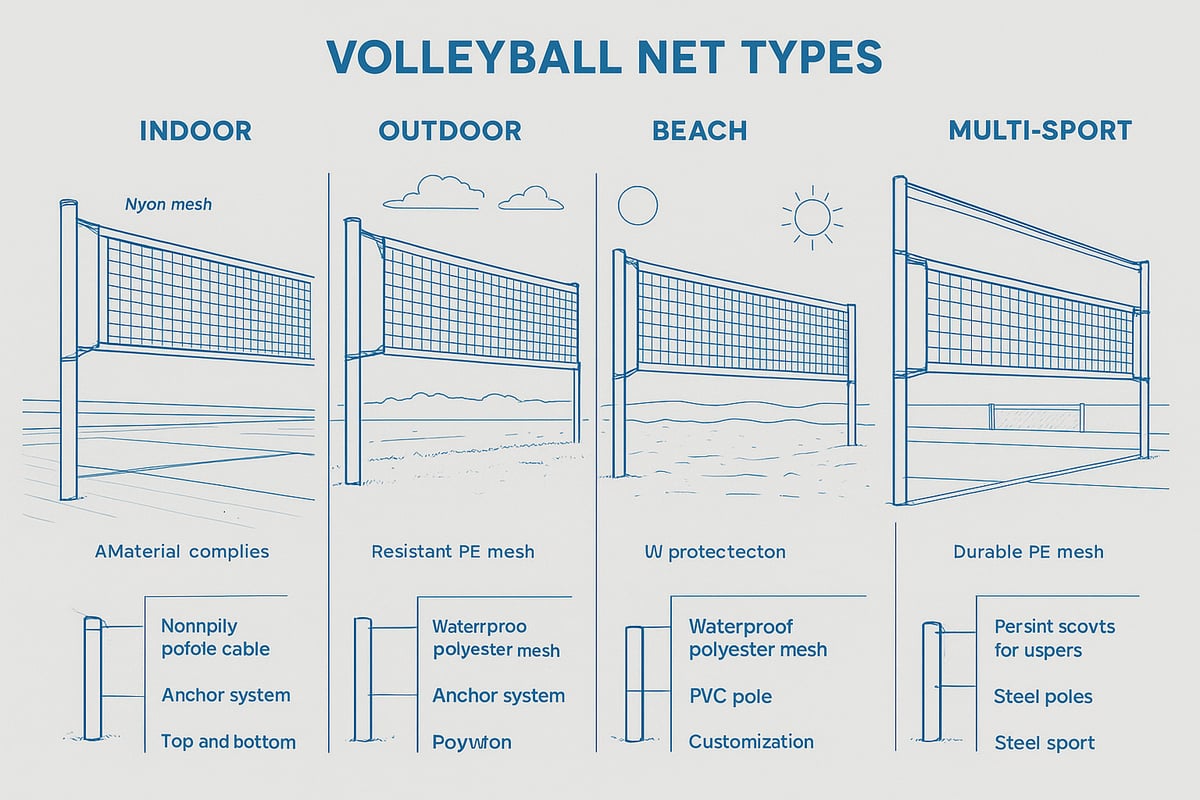
Choosing the right volleyball nets is essential for every environment, from professional arenas to backyard courts. Each net type is designed with specific materials and features to optimize performance, durability, and safety. Understanding the distinctions between indoor, outdoor, beach, pool, and multi-sport volleyball nets ensures you select the best fit for your needs.
Indoor Volleyball Nets
Indoor volleyball nets are engineered for precision and high performance. These nets often feature carbon, aluminum, or steel support systems to maintain optimal tension and withstand repeated use. The construction focuses on tight, uniform netting and robust cables for consistent play.
Compliance with official standards, such as NCAA, NFHS, and USA Volleyball, is crucial for competitive environments. Most schools, clubs, and professional facilities use volleyball nets that meet these guidelines. A prime example is the Senoh HM50, widely used in NCAA Championships for its durability and reliability.
For a deeper dive into selecting the right indoor volleyball nets, consult this comprehensive Volleyball net buying guide.
Outdoor Volleyball Nets
Outdoor volleyball nets are built to handle the elements. Unlike indoor nets, outdoor volleyball nets use materials specifically chosen for UV and moisture resistance, such as weatherproof polyester or vinyl-coated nylon. This construction prevents rot and fading, extending the net’s life.
There are several types: recreational, competition-grade, and custom outdoor volleyball nets. Parks, schools, community centers, and home courts all benefit from these specialized designs. For competitive play, systems often include heavy-duty anchors and reinforced posts to withstand wind and varying terrain.
UV protection is a key feature, ensuring volleyball nets perform reliably throughout changing seasons and weather conditions.
Beach Volleyball Nets
Beach volleyball nets must endure unique challenges like constant sun, sand abrasion, and strong winds. These nets feature sturdy anchor systems, padded poles, and reinforced top cables to maintain stability in loose sand.
Standard dimensions and FIVB compliance are essential for official tournaments. Materials are selected for their resistance to sun and salt, preventing premature wear. Professional circuits often use Senoh and FIVB-approved volleyball nets, which are recognized for exceptional durability and playability.
Durability is critical, as beach volleyball nets face harsher conditions than other types.
Pool Volleyball Nets
Pool volleyball nets are designed for aquatic environments and require materials that will not degrade in water or with chlorine exposure. These nets often use rust-resistant stainless steel or plastic components to ensure long-term performance.
Installation varies for in-ground and above-ground pools, with adjustable straps or suction cups for secure placement. Residential and recreational users favor these volleyball nets for their ease of use and quick setup, making pool games accessible and fun for all ages.
The stability and water resistance of pool volleyball nets set them apart from other categories.
Multi-Sport and Custom Nets
Multi-sport and custom volleyball nets offer unmatched versatility. These nets are adjustable in height and length, allowing them to be used for badminton, tennis, or pickleball. Schools and multi-use facilities appreciate the adaptability and cost-effectiveness.
Customization options include branding, color selection, and sizing to match specific needs or showcase team spirit. Tournament organizers and event planners often choose custom printed volleyball nets for added visibility and marketing impact.
This flexibility makes multi-sport volleyball nets a practical choice for facilities with diverse programming.
Key Features to Consider When Choosing a Volleyball Net
Selecting the best volleyball nets for your facility or backyard involves evaluating several critical features. Understanding these key aspects ensures you invest in equipment that delivers on performance, safety, and longevity.
Net Material and Construction
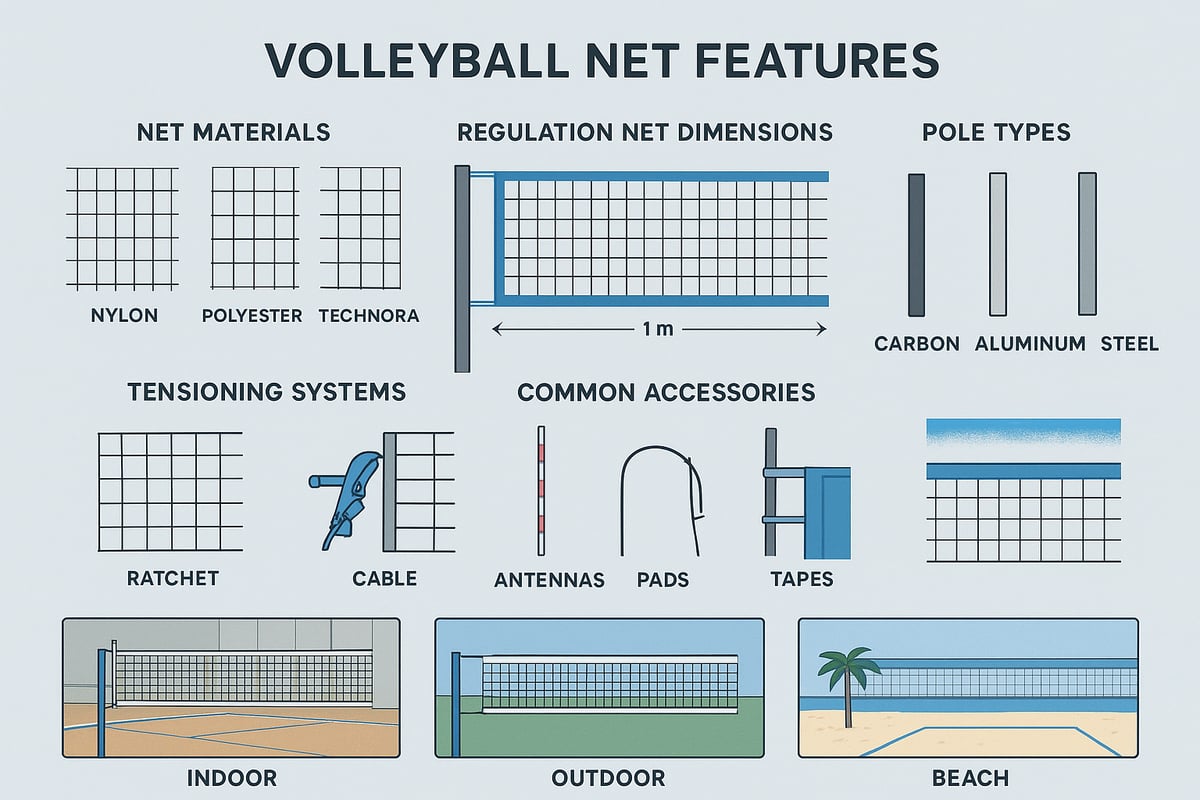
The foundation of quality volleyball nets lies in their construction and materials. Most nets use nylon or polyester, with elite models featuring Technora fibers for superior strength and tension retention.
Compare braided versus knotted netting: braided options offer better durability and resist fraying, making them ideal for high-traffic environments. Steel cables reinforce the top of premium volleyball nets, maintaining consistent tension across the court. Weather resistance is vital, especially for outdoor play, so look for UV-treated and moisture-resistant materials. Investing in the right material guarantees longevity and reliable play.
Size and Regulation Standards
Volleyball nets come in various sizes to meet different standards. Official indoor nets measure 32 feet long and 39 inches tall, while beach volleyball nets are slightly smaller.
Net heights vary: men's play uses 7 feet 11 5/8 inches, women's is set at 7 feet 4 1/8 inches, and junior or sitting volleyball has different requirements. Ensuring your volleyball nets comply with NCAA or FIVB standards is crucial for tournament or league use. Always consult official regulation charts before purchasing to avoid mismatches and guarantee a fair playing experience.
Pole and Support Systems
Support structures are as important as the volleyball nets themselves. Choose from carbon, aluminum, or steel poles, depending on your priorities for weight, portability, and stability.
Portable poles make setup and transport easy, while permanent systems offer maximum rigidity for dedicated courts. Look for models with safety features, such as pole pads and secure anchor systems, to minimize injury risks. For multi-location use, lightweight yet sturdy poles are ideal. The right support system enhances both play quality and safety.
Net Tensioning and Adjustment
Proper net tension is essential for fair and consistent play. Volleyball nets utilize ratchet systems, tension straps, or integrated cable mechanisms to achieve the correct tautness.
Consistent tension keeps the net at regulation height and prevents sagging, which can affect gameplay. Adjustable systems allow you to modify net height quickly, accommodating different age groups or game formats. Net height adapters are especially useful for facilities hosting a range of programs. Prioritizing easy-to-use tensioning ensures smooth operation for all users.
Accessories and Add-Ons
Accessories can significantly enhance your volleyball nets' functionality and safety. Essential add-ons include antennas for official matches, top net tapes for visibility, and custom court labels.
Referee stands, pole pads, and storage carts improve the playing environment and streamline setup. Training attachments, such as target zones or blocking aids, support skill development. For a comprehensive selection of volleyball nets and accessories, explore the Volleyball equipment collection to find options tailored to your needs and budget.
Innovations and Trends in Volleyball Nets for 2026
The world of volleyball nets is rapidly evolving in 2026. New technologies and design philosophies are shaping the future of gameplay, safety, and performance. Staying ahead of these trends ensures that your facility or team benefits from the latest advancements.
Advanced Materials and Durability
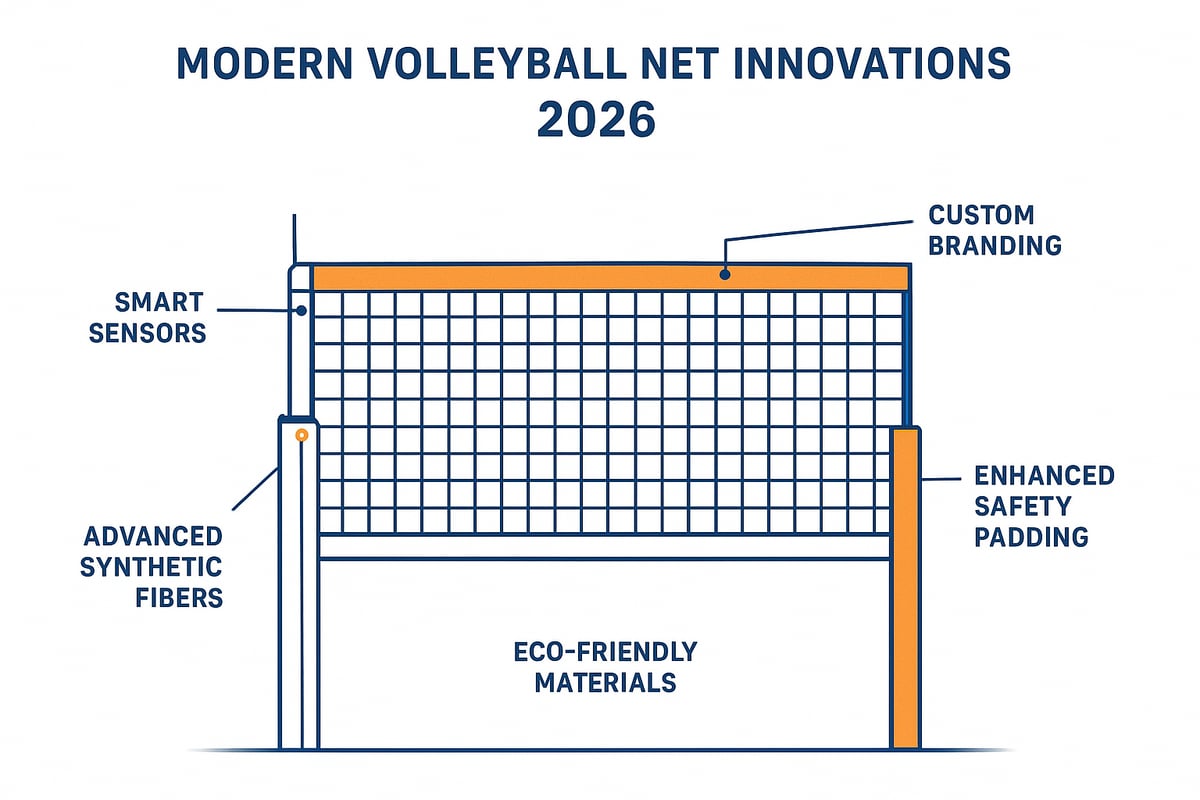
Recent years have seen a major shift in the materials used for volleyball nets. Manufacturers are adopting advanced synthetic fibers such as Technora and improved polyester blends for greater durability and tension retention.
These materials are engineered to resist UV rays and moisture, making them ideal for both indoor and outdoor use. Eco-friendly production is now a priority, with recyclable components being introduced to reduce environmental impact.
If your current system is showing signs of fraying or sagging, it may be time to consider an upgrade. Learn more about critical durability factors and when to replace your net by reading 5 Signs It's Time to Upgrade Your Volleyball Net System.
Smart Nets and Technology Integration
Technology is transforming volleyball nets in 2026. Smart nets now feature integrated sensors that detect net touches and monitor line calls, providing instant feedback to officials and players.
Some models offer digital scoring capabilities and connect to training apps for performance analysis. These innovations are gaining popularity in elite leagues and youth programs, making gameplay more efficient and data-driven.
Expect app connectivity and real-time analytics to become standard features in high-end volleyball nets.
Customization and Branding
Customization is a growing trend for volleyball nets, especially for schools, clubs, and event organizers. Teams can now order nets with custom colors, logos, and messaging to enhance their brand presence.
This level of personalization boosts team spirit and provides valuable marketing opportunities during tournaments. Schools are increasingly adopting branded volleyball nets to create a professional atmosphere at events and foster a sense of community.
The ability to tailor nets to specific needs or sponsors is now a key feature for many buyers.
Safety and Accessibility Enhancements
Safety remains a top priority in the design of volleyball nets for 2026. Manufacturers are introducing improved pole padding, better anchoring systems, and reinforced net edges to minimize injury risk.
Adjustable net heights allow for inclusive play, accommodating youth, adaptive, and sitting volleyball formats. New regulations are driving the development of safer equipment, and there is a noticeable increase in demand for accessible sports solutions.
These enhancements ensure that volleyball nets support a safe and welcoming environment for all athletes.
Step-by-Step Guide to Selecting the Best Volleyball Net
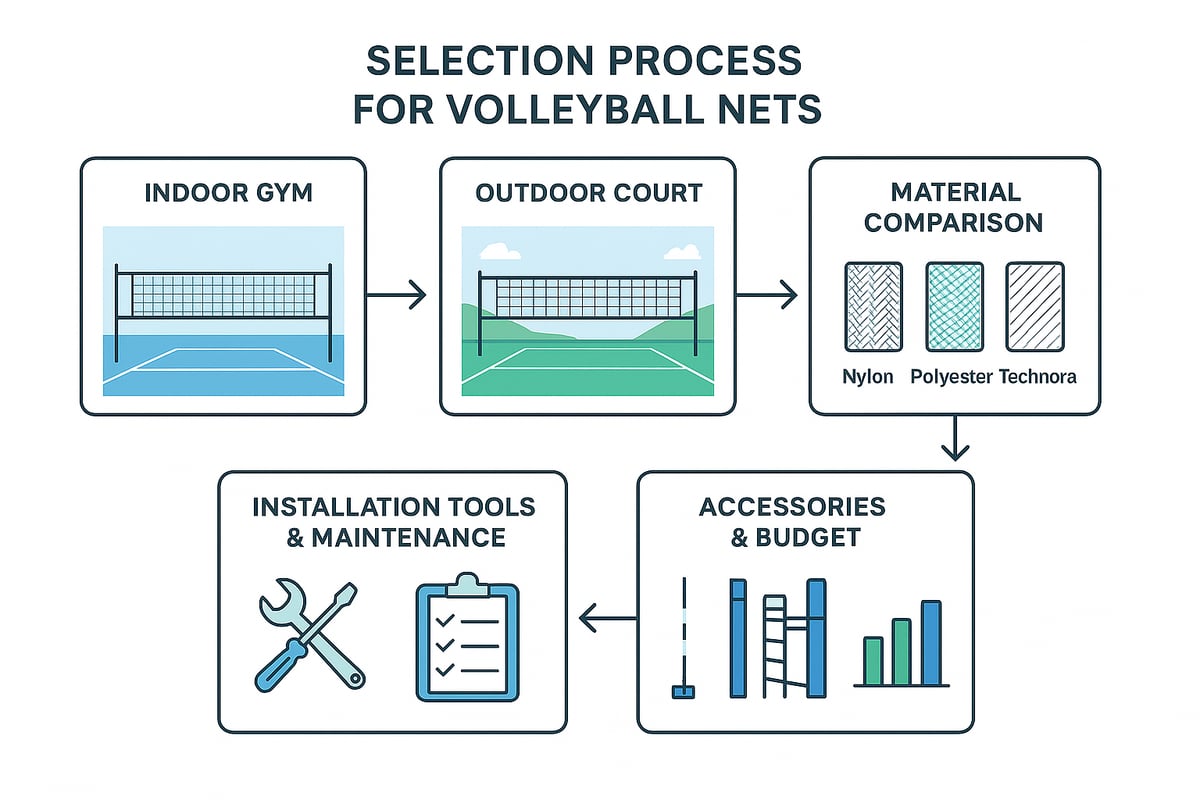
Choosing the right volleyball nets in 2026 can feel overwhelming, but breaking it down into practical steps makes the process manageable. Consider your environment, play level, facility needs, materials, setup, and budget. This guide walks you through each critical factor so you can confidently select volleyball nets that deliver safety, performance, and value.
Step 1: Determine Your Level of Play and Environment
Start by clarifying where and how your volleyball nets will be used. Are you outfitting a high school gym, a backyard, or a public beach? The level of play—recreational, school, or professional—impacts the required net type and standards.
- Indoor volleyball nets are ideal for gyms, clubs, and competitive facilities.
- Outdoor volleyball nets are designed for parks, home setups, or community centers.
- Beach volleyball nets cater to sand environments and require different installation.
Matching your facility and play level to the appropriate volleyball nets ensures optimal gameplay and longevity.
Step 2: Match Net Type to Facility Needs
Next, align your volleyball nets selection with your facility's unique requirements. Permanent systems suit dedicated courts, while portable and multi-sport nets offer flexibility for shared spaces.
- Permanent volleyball nets work well for schools and sports clubs with fixed courts.
- Portable systems are excellent for events, temporary setups, or locations with multiple courts.
- Multi-sport nets allow you to switch between volleyball, badminton, or pickleball easily.
Assess how often your facility will use the nets and whether you need to accommodate different sports or age groups.
Step 3: Evaluate Material and Construction Quality
High-quality materials and construction are vital for durable volleyball nets. Look for features that withstand frequent use and various weather conditions.
- Nylon and polyester are common, but Technora offers superior strength for elite play.
- Check for reinforced cables and sturdy bindings to maintain net tension.
- Official certifications, such as NCAA or FIVB compliance, ensure your volleyball nets meet competitive standards.
Carefully compare warranties and reviews to select nets that offer both performance and longevity.
Step 4: Consider Installation and Maintenance Requirements
Installation and upkeep are essential when choosing volleyball nets. Easy-to-use ratchet systems, floor sleeves, or anchor kits can save time and effort.
- Prioritize volleyball nets that come with clear instructions and all necessary hardware.
- Maintenance includes regular cleaning, inspection for wear, and proper storage.
- For detailed advice on extending the life of your equipment, explore these Volleyball Equipment Maintenance Tips.
Investing in simple setup and maintenance-friendly volleyball nets pays off through reduced downtime and increased safety.
Step 5: Factor in Accessories and Budget
Finally, account for essential accessories and budget considerations when selecting volleyball nets. Accessories like antennas, pole pads, and referee stands enhance safety and gameplay.
- Make a checklist of must-have add-ons for your environment.
- Compare initial costs with long-term value, considering warranties and replacement expenses.
- Investing in a complete volleyball net system often yields better safety and convenience.
Balancing features, accessories, and budget ensures your volleyball nets deliver reliable performance year after year.
Installation, Care, and Maintenance Tips
Proper installation, care, and maintenance are essential for maximizing the lifespan and safety of your volleyball nets. Whether you are setting up in a gym, on sand, or in a backyard, following best practices will ensure optimal performance. This section breaks down key steps to help you install, maintain, troubleshoot, and keep your volleyball nets safe for every match.
Proper Net Installation Techniques
Begin by selecting a suitable location and confirming that your volleyball nets meet regulation height and width for your play environment. Use secure floor sleeves or ground anchors for indoor and outdoor setups to ensure stability.
When assembling the net, attach cables or ropes to the poles, making sure the net is centered and taut. Use ratchet systems or tension straps for precise adjustment. Proper tension prevents sagging and maintains consistent play. Always install pole pads to minimize injury risk.
Essential tools include a measuring tape, wrenches, and a level. Double-check that the volleyball nets are at the correct height before play begins.
Routine Maintenance and Inspection
Regular inspection of volleyball nets is crucial to detect wear early and maintain safety. Check for fraying, damaged netting, and loose cables before each use. Inspect all hardware, such as ratchets and anchors, for corrosion or fatigue.
For cleaning, use mild soap and water on the net and support components. Avoid harsh chemicals that could weaken fibers. Store nets in a dry, cool place during the off-season to prevent mold and UV damage.
For official guidance, refer to the Maintenance and Inspection Guidelines for FIVB Official Beach Volleyball Net to ensure compliance and extend net longevity.
Common Issues and Troubleshooting
Sagging nets, loose cables, and damaged netting are among the most frequent problems with volleyball nets. If the net sags, adjust the tension cables or ratchet system for a firmer setup. For torn netting, patch small holes or replace the net if damage is extensive.
Pole instability can result from improper anchoring or worn hardware. Inspect anchors and floor plates regularly, tightening or replacing components as necessary. When the top net tape is worn out, replace it to restore proper tension and performance.
If persistent issues occur, consult manufacturer instructions or seek professional help to avoid compromising the integrity of your volleyball nets.
Safety Best Practices
Safety should always be a priority when using volleyball nets. Ensure all poles are properly padded and anchored to prevent player injuries. Follow facility and league safety standards by checking equipment before each session.
Adjust net height and tension for different age groups and levels to reduce accident risks. Implement clear guidelines for safe use during play and training.
For a comprehensive overview of maintenance routines and safety protocols, review the Volleyball Net System Safety: What Coaches And Facility Managers Need To Know article. Adopting these practices will help you create a safer playing environment and extend the life of your volleyball nets.
Top Volleyball Nets and Systems for 2026
Selecting the right volleyball nets in 2026 means considering quality, durability, and compliance with the latest standards. Whether you manage a professional facility, a school gym, or a recreational setup, the right system can elevate performance and ensure safety. Below, we break down the top volleyball nets and systems for every environment and level of play.
Elite Competition Nets
Elite volleyball nets for 2026 are engineered for high performance, meeting the strictest standards set by organizations like NCAA and FIVB. These nets use advanced materials such as Technora fiber, reinforced steel cables, and heavy-duty side tapes to ensure maximum tension and longevity. Systems like the Senoh HM50 are favored in collegiate and international competitions for their reliability and official certification.
For those outfitting indoor facilities, exploring a curated Indoor sports equipment selection can help find certified volleyball nets and complete systems that meet tournament requirements. Investing in these professional-grade nets ensures consistent play and long-term value for any competition venue.
Best Outdoor and Beach Volleyball Nets
Outdoor and beach volleyball nets must be built to withstand the elements. In 2026, top options feature weatherproof materials with UV protection, sand-resistant anchors, and quick-drying fabrics. These nets are ideal for parks, schools, and community centers, as well as competitive beach events. Look for systems that offer easy setup and takedown, plus reinforced hardware for stability on grass or sand.
When searching for durable outdoor volleyball nets, consider browsing the Outdoor equipment for volleyball collection for gear designed to handle sun, wind, and moisture. Leading brands incorporate high-tension cables and adjustable heights for versatile use across multiple environments.
Portable and Recreational Volleyball Nets
For casual players and multi-use spaces, portable volleyball nets are a game-changer. These systems are lightweight, easy to assemble, and often adjustable for different sports or age groups. Popular models come with telescoping poles, tension straps, and carry bags for effortless transport.
Portable volleyball nets are perfect for backyards, parks, or school fields where flexibility and convenience are priorities. Many of these systems also support quick height adjustment, making them suitable for junior, women's, and men's play. Investing in a quality portable net ensures reliable recreation for years to come.
Custom and Branded Volleyball Nets
Custom volleyball nets are increasingly popular for schools, clubs, and event organizers seeking a unique touch. In 2026, manufacturers offer a wide range of customization options, including team logos, school colors, and sponsor branding. These nets not only foster team spirit but also provide valuable marketing opportunities at tournaments and community events.
Custom volleyball nets can be designed for both indoor and outdoor use, with options for various sizes, materials, and durability levels. Many facilities now choose branded nets to stand out at competitions or to build a cohesive look across their courts.
Essential Accessories and Upgrades
The right accessories can enhance both the performance and safety of volleyball nets. Key add-ons include antennas for boundary calls, colored top net tapes for visibility, and court labels for clear markings. Referee stands, padded pole covers, and storage carts are essential for organized and safe play.
Training attachments, such as target zones or blocking aids, help athletes develop specific skills. Upgrading to high-quality accessories ensures that volleyball nets remain competition-ready and safe for all participants, supporting both training and official matches.