

Hockey Referee Equipment Guide: Essentials for 2026
Step onto the rink with confidence by choosing the right hockey referee equipment for your next game. The right gear is not just about looking professional—it is essential for your safety, comfort, and authority on the ice.
This guide presents a comprehensive review of the latest hockey referee equipment standards for 2026. You will discover updated requirements, must-have gear, innovative technology, and expert strategies for gear maintenance.
Whether you are new to officiating or a seasoned professional, learn how to upgrade your kit and stay ahead of the game with the best equipment choices for the coming season.
The Critical Role of Proper Equipment for Hockey Referees
Stepping onto the ice as a referee presents unique challenges that require more than just knowledge of the game. The right hockey referee equipment is essential for safety, authority, and performance. Every piece of gear plays a critical role in keeping officials protected and respected throughout the game.
Ensuring Referee Safety and Injury Prevention
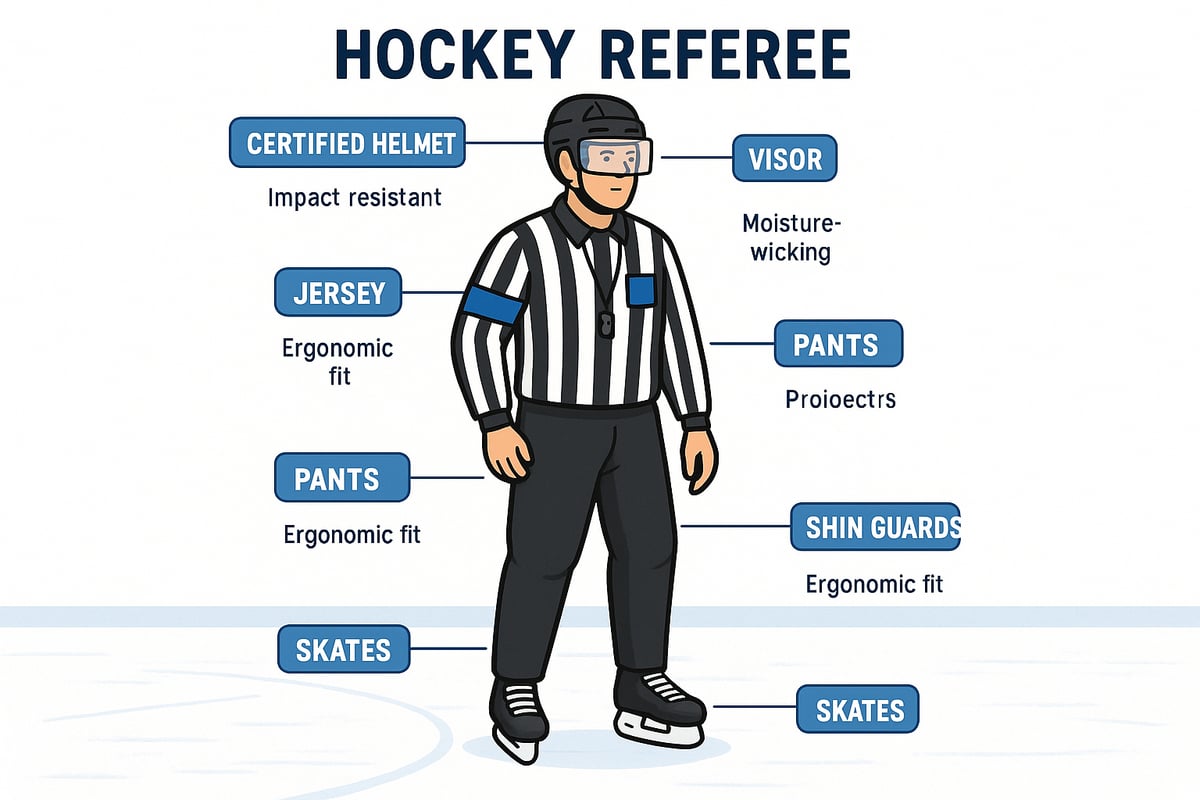
Hockey referees face constant exposure to hazards, including high-speed pucks, collisions with players, and hard falls on the ice. The right hockey referee equipment is vital to safeguard against injuries. Certified helmets, padded pants, and impact-resistant shin guards provide a defense against serious harm.
Recent seasons have shown that up-to-date, properly fitted gear can reduce injury rates among officials. For example, a study found that lower-leg injuries dropped by 20% after new shin guard standards were implemented. Major organizations like the NHL and IIHF require adherence to strict equipment protocols. According to the USA Hockey Protective Equipment Guidelines, officials must use certified protective gear that meets current safety standards.
Proper hockey referee equipment has prevented head injuries, fractures, and severe bruises. These requirements not only protect referees but ensure the game continues smoothly and safely for everyone involved.
Maintaining Authority and Professional Appearance
Professionalism on the ice begins with a referee’s appearance. Uniform standards for hockey referee equipment are designed to promote respect and authority from players, coaches, and spectators. Clean, well-fitted jerseys, matching pants, and polished skates signal attention to detail and commitment to the role.
Instances of uniform violations, such as wearing non-standard striping or faded gear, can result in penalties or removal from the game. Players are more likely to question or challenge an official whose gear appears neglected or mismatched. Experienced referees emphasize that first impressions matter. A sharp, standardized appearance helps maintain order and sets the tone for fair play.
Officials who consistently wear proper hockey referee equipment project confidence and command respect, reinforcing their authority on the rink.
Enhancing Performance and Comfort
Comfort and mobility are crucial for referees who spend long hours skating and making split-second decisions. Modern hockey referee equipment incorporates lightweight, ergonomic designs that allow for full range of motion. Features like moisture-wicking fabrics and ventilated helmets help manage temperature and reduce fatigue.
Upgraded gear has been shown to improve on-ice performance. For instance, referees wearing advanced moisture-managing jerseys report feeling less distracted and more focused during games. Testimonials from elite officials highlight the comfort benefits of new padding materials and streamlined fits.
Choosing the right hockey referee equipment not only boosts comfort but also enhances overall performance, enabling officials to stay sharp and responsive throughout every period.
Essential Uniform Components: Head-to-Toe Breakdown
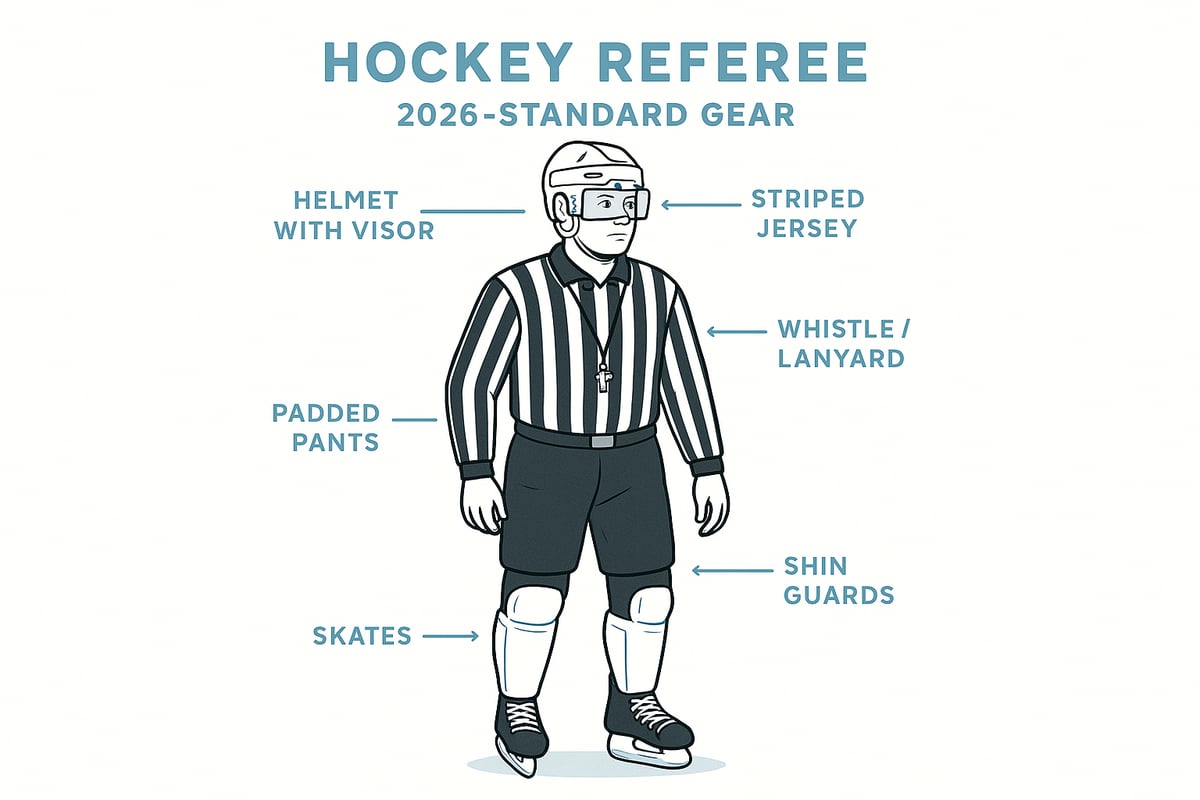
Stepping onto the ice in 2026 requires more than just confidence—it demands the right hockey referee equipment from head to toe. Each component works together to provide safety, authority, and peak performance for officials. Here is a comprehensive look at the critical uniform elements every referee needs.
Helmets and Visors
A certified helmet is the cornerstone of hockey referee equipment in 2026. Helmets must meet updated safety standards, featuring adjustable fit systems and advanced impact protection. Key features include multi-vent designs for airflow and lightweight construction, making long games less taxing.
Visors are now essential, offering anti-fog and scratch-resistant coatings for optimal vision. Optical clarity is crucial for tracking fast-paced play. Leading brands, such as Bauer and CCM, have improved helmet-visor integration for seamless comfort. Officials at all levels are encouraged to upgrade to models that meet the latest certification requirements.
Jerseys and Sweaters
Jerseys are more than just a uniform—they are a symbol of authority and visibility. Modern hockey referee equipment includes moisture-wicking, breathable fabrics that keep officials dry during intense matches. Standardized black-and-white striping ensures clear differentiation from players.
Customization is common, with options for nameplates and league patches. Professional leagues often require additional details, while youth and amateur levels may have more flexibility. Choosing the right jersey helps maintain a polished appearance and supports performance.
Pants and Girdles
Referee pants must balance protection with unrestricted movement. Integrated padding in the hips, thighs, and tailbone areas is essential for safety. Stretch panels and reinforced seams add durability, ensuring the pants stand up to repeated use.
Fit is a top priority—pants that are too loose or tight can hinder mobility. Top officials recommend models with adjustable waistbands and ventilation zones for extra comfort. Girdles worn underneath further enhance protection without adding unnecessary bulk to your hockey referee equipment.
Shin Guards and Protective Undergarments
Lower-leg injuries are a real risk, making shin guards a vital part of hockey referee equipment. Many modern designs integrate seamlessly with referee pants, providing discreet yet effective protection. Officials can choose between lightweight and heavy-duty options, depending on their level and personal preference.
An anatomical fit is critical to prevent shifting during quick moves. Data from recent seasons show that properly fitted shin guards significantly reduce injury rates among referees. Compression sleeves and padded undergarments add another layer of defense and comfort.
Skates and Laces
Referee skates differ from player models, prioritizing stability and lighter weight. The blade profile is often flatter to support quick stops and starts. When selecting skates as part of hockey referee equipment, consider features like moisture-resistant liners and reinforced eyelets for durability.
Lace choice matters—waxed laces provide a secure, long-lasting fit, while unwaxed options may require more frequent adjustment. Regular skate maintenance, including blade sharpening and boot inspection, ensures safety and optimal glide. Leading referees often share tips on preserving skate performance throughout the season.
Whistles and Lanyards
A whistle is an indispensable tool in any hockey referee equipment kit. Sound output and tone should be matched to rink size, with many officials preferring pealess designs for reliability. Anti-microbial materials are gaining popularity for hygiene, and easy-grip shapes help prevent slips.
Lanyards must allow quick access without interfering with movement. Attachment methods range from wrist wraps to breakaway neck cords. Notable brands like Fox 40 and Acme are favorites among professional referees. For those sourcing or upgrading gear, explore a wide range of options through Shop by sport categories for tailored solutions.
Advanced Protective Gear: Innovations for 2026
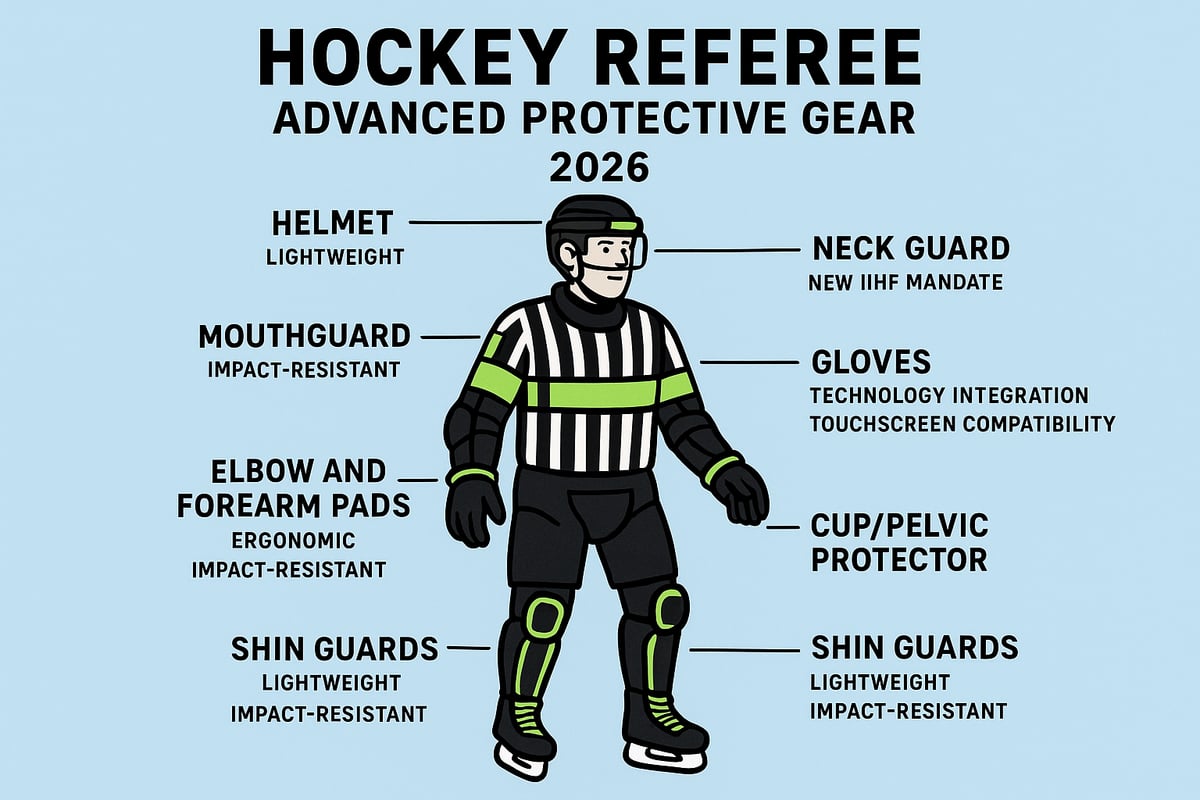
Modern hockey referee equipment must keep pace with the evolving speed and physicality of the game. For 2026, advanced protective gear is not just about meeting regulations but also about maximizing safety, comfort, and performance for officials at every level. New materials, ergonomic designs, and regulatory updates all play a role in shaping the latest innovations.
Elbow and Forearm Protection
Elbow and forearm injuries remain a real threat, making this area a top priority for hockey referee equipment manufacturers. The latest 2026 gear features ultra-lightweight, low-profile padding that does not hinder arm movement or add bulk under uniforms. New materials such as advanced impact foams and carbon fiber composites absorb shock more efficiently than previous generations.
Many elbow and forearm guards now integrate seamlessly with sleeves, preventing slippage during high-intensity play. This integration improves both comfort and protection, a crucial factor for referees who spend long hours on the ice.
- Impact foam dissipates energy from falls and collisions
- Carbon fiber shells increase durability without extra weight
- Anatomical shaping ensures a secure fit for all-day wear
Data from recent seasons shows that officials wearing upgraded hockey referee equipment experienced fewer contusions and sprains. In 2026, investing in quality elbow and forearm protection is essential for any referee aiming to reduce injury risk.
Neck Guards and Mouthguards
Neck protection is now mandatory for many officials, reflecting growing concern over laceration and impact injuries. For the 2026 Olympics, the IIHF has implemented a new mandate requiring all players and referees to wear certified neck guards. According to the IIHF Mandates Neck Guards for 2026 Olympics, this rule highlights the evolving safety standards in hockey referee equipment.
Modern neck guards offer cut resistance, breathability, and ergonomic comfort. They are available in both collar-style and bib-style versions, allowing referees to choose their preferred fit. Mouthguards, too, have advanced, with custom-fit and boil-and-bite options providing both protection and clear communication.
Incidents in recent years have proven that properly fitted hockey referee equipment can prevent life-altering injuries. Officials should prioritize gear that meets or exceeds the latest certification standards.
Gloves and Hand Protection
Hockey referee equipment for 2026 includes gloves specifically designed for officiating needs, distinct from player gloves in several ways. Referee gloves prioritize flexibility and tactile sensitivity to ensure a secure grip on the whistle and accurate hand signals.
Key features include:
- Extra padding on the whistle hand for impact protection
- Reinforced thumb and finger areas for durability
- Touchscreen-compatible fingertips for communication devices
Top models are lightweight and breathable, balancing warmth with dexterity. Referees report that newer gloves reduce hand fatigue and improve control, especially during long games. As technology becomes more integrated into officiating, hockey referee equipment must keep up, making glove innovation a clear priority.
Cup and Pelvic Protectors
Protective equipment for the pelvic area is vital for both male and female officials. Innovations in hockey referee equipment for 2026 focus on ergonomic designs that allow for full mobility and comfort, allowing referees to skate for hours without discomfort.
There are two main options:
- Integrated protectors built into compression shorts
- Separate, adjustable cups or pelvic shields
Surveys show that usage rates of pelvic and cup protectors are rising as awareness of their importance grows. The latest models use lightweight, moisture-wicking fabrics and secure fit systems to prevent shifting during rapid movements. When choosing hockey referee equipment, prioritizing pelvic protection is a smart decision for long-term safety.
Game Management Tools and Accessories
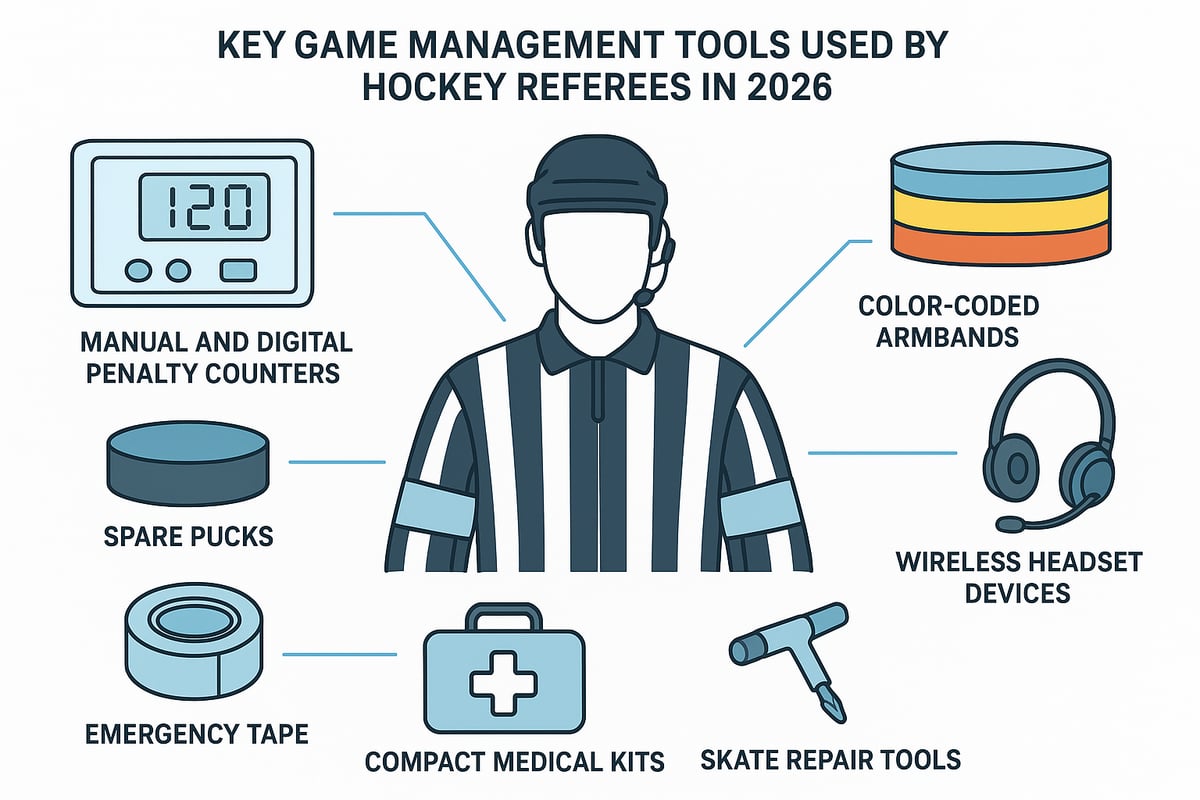
Game management tools are a crucial part of hockey referee equipment, enabling officials to maintain order, track game progress, and respond swiftly to unexpected situations. As the demands of officiating evolve, having reliable and modern accessories is essential for accuracy and professionalism on the ice.
Penalty and Goal Counters
Accurate tracking of penalties and goals is non-negotiable for officials. Hockey referee equipment now includes both manual and digital counters. Manual models are valued for their simplicity and reliability, while digital versions offer integration with smart devices and automated scorekeeping.
A quick comparison:
| Feature | Manual Counter | Digital Counter |
|---|---|---|
| Power Needed | No | Yes (battery/USB) |
| Integration | None | Links to scorekeeping systems |
| Durability | High | Moderate to high |
| Ease of Use | Simple | Varies, often intuitive |
Most elite referees choose digital counters for high-level games, citing durability and real-time data transfer as major benefits. When evaluating hockey referee equipment, look for counters with large displays, rugged casings, and easy reset functions.
Referee Armbands and Identification
Clear identification is vital for distinguishing head referees from line officials. Modern armbands use vibrant color coding, typically orange for head referees and red or green for linesmen, ensuring instant recognition by players and coaches.
Key features to consider:
- Placement: Worn on the upper arm, over the jersey sleeve
- Material: Breathable, stretch-resistant fabric for comfort
- Visibility: Reflective accents for low-light rinks
- Customization: Options for league logos or tournament branding
Case studies show that consistent use of these accessories improves communication and reduces confusion during tense moments. Proper armbands are a must-have in every hockey referee equipment kit.
Pucks, Tape, and Emergency Supplies
Preparedness is a hallmark of a professional official. Carrying extra pucks and hockey tape allows for rapid responses to lost or damaged game equipment. Many referees also keep a compact emergency medical kit and skate repair tools on hand.
Common emergency items include:
- Spare pucks (official size/weight)
- Rolls of black and white tape
- First-aid essentials (bandages, ice packs, antiseptic)
- Mini screwdriver or lace puller for skate repairs
There are countless stories of games saved by a well-stocked supply pouch. Data from recent seasons highlights tape and pucks as the most frequently used hockey referee equipment accessories.
Communication Devices (Where Allowed)
Wireless communication devices have revolutionized officiating in leagues that permit them. Headsets and earpieces enable seamless dialogue between crew members, reducing missed calls and speeding up decisions. When selecting these devices as part of your hockey referee equipment, consider range, battery life, and resistance to interference.
It's important to note that regulations governing this technology vary. For example, the USA Hockey Rule Change Process Explained provides insight into how evolving rules impact the adoption of new gear.
Testimonials from referees report increased confidence and game control when using approved communication systems. Always verify league guidelines before investing.
Equipment Care, Maintenance, and Replacement Cycles
A well-maintained set of hockey referee equipment is essential for safety, performance, and professionalism on the ice. Regular care routines, timely inspections, and smart replacement decisions ensure your gear remains reliable season after season. Let’s break down the best practices for keeping your kit in top shape.
Cleaning and Sanitizing Procedures
Proper cleaning of hockey referee equipment starts with a consistent routine. After each game, wipe down helmets, visors, and skates with a disinfectant spray to remove sweat and bacteria. Jerseys and undergarments should be machine washed on a gentle cycle, then air-dried to prevent fabric breakdown.
For odor control, use specialized gear sprays or place odor-absorbing pouches in your bag. Pay special attention to high-contact items like whistles and gloves, which should be sanitized frequently. Regular cleaning not only extends the life of your hockey referee equipment but also helps prevent skin infections and unpleasant smells.
Inspection and Wear Monitoring
Inspecting your hockey referee equipment before and after each game is crucial. Look for cracks in helmets, loose stitching on jerseys, and worn padding in shin guards. Check for frayed laces and compressed foam in protective gear, as these signs indicate reduced effectiveness.
Create a checklist to monitor each component’s condition throughout the season. Data shows that timely inspections reduce injury risk and help referees avoid last-minute equipment failures. Maintaining detailed records of inspections ensures you stay ahead of potential issues and keep your hockey referee equipment game-ready.
Repair vs. Replace: Making the Right Call
When your hockey referee equipment shows signs of wear, decide whether to repair or replace it based on safety and cost-effectiveness. Minor repairs, such as sewing up small tears or replacing laces, can extend gear life at a low cost. However, if you notice compromised helmet shells, flattened padding, or broken buckles, replacement is the safer choice.
Consult manufacturers’ warranties and support policies for guidance. For trusted advice and quality gear, consider suppliers with a strong track record, such as those highlighted in the About Sideline Sport Supply page. Prioritizing timely replacement of critical items ensures your hockey referee equipment always meets current safety standards.
Off-Season Storage and Transport Tips
Storing hockey referee equipment properly during the off-season prevents mold, mildew, and unnecessary wear. Always dry gear thoroughly before storing, using a ventilated area or drying rack. Avoid leaving items in sealed bags where moisture can accumulate.
Use dedicated equipment bags with compartments to keep gear organized and protected during transport. Veteran referees recommend storing items in a cool, dry place and checking gear monthly for any early signs of damage. With the right care, your hockey referee equipment will remain reliable and ready for the next season.
Choosing the Right Equipment: Buying Guide for 2026
Selecting the best hockey referee equipment for the 2026 season requires careful planning and research. With evolving standards and new technologies, your choices can directly impact your safety, comfort, and authority on the ice. This guide will help you navigate the process, ensuring every purchase is informed and purposeful.
Assessing Your Officiating Level and Needs
Before purchasing hockey referee equipment, evaluate your officiating level. Requirements differ between youth, amateur, and professional leagues. Review your league's mandates for gear specifications, which are often updated to reflect the latest safety standards. For instance, recent updates from the Hockey Canada Officiating Program Management Update highlight new expectations for referees across all levels. Consider your frequency of officiating, environment, and the intensity of games, as these factors influence the durability and features you should prioritize.
Sizing and Fit Considerations
Proper fit is crucial for hockey referee equipment. Ill-fitting gear may reduce protection or hinder your movement. Measure yourself for each gear component, following manufacturer guidelines. When possible, try on equipment in person to ensure comfort and mobility. Common sizing mistakes include ignoring specific brand sizing charts or not accounting for underlayers. Always check for adjustable features, such as helmet straps or pant waistbands, to fine-tune your fit. A well-fitted uniform boosts confidence and performance.
- Use a flexible tape measure for accuracy
- Consider layering when sizing jerseys and pants
- Test mobility with basic skating motions in-store
Evaluating Brands, Models, and Warranty Options
Not all hockey referee equipment is created equal. Compare top brands for durability, innovation, and comfort. Look for reviews from other officials and seek peer recommendations. Consider warranty and return policies, which can offer peace of mind if issues arise. Many premium brands provide extended warranties on helmets and skates, reflecting their confidence in product longevity. Use the table below to compare key features:
| Brand | Durability | Innovation | Warranty |
|---|---|---|---|
| Brand A | High | Advanced | 2 years |
| Brand B | Medium | Standard | 1 year |
| Brand C | High | Moderate | 3 years |
Where to Buy: Retailers and Online Options
Finding authentic hockey referee equipment is vital for both safety and compliance. Official suppliers and pro shops offer certified gear, while online marketplaces provide convenience and access to a wider range. If outfitting multiple officials, consider Team sales and bulk orders for standardized equipment and potential discounts. Always verify product certification, especially when purchasing online. Look for seasonal sales or bundles designed specifically for referees to maximize value.
Budgeting and Planning for Upgrades
Create a replacement schedule for your hockey referee equipment to prevent unexpected failures. Budget for major upgrades, such as helmets or skates, every few years, depending on usage and league requirements. Track warranty periods to avoid unnecessary expenses. Consider spreading purchases throughout the year to manage costs. Planning ahead ensures you never compromise on safety due to outdated or worn gear.
- Prioritize protective gear upgrades first
- Monitor gear condition after each season
- Take advantage of off-season sales and bundles
Expert Recommendations and Referee Testimonials
Veteran officials often stress the importance of investing in high-quality hockey referee equipment. Many recommend products that combine lightweight design with robust protection, especially for helmets and shin guards. Common pitfalls include underestimating the importance of fit or neglecting warranty details. Learning from experienced referees can help you avoid costly mistakes and select gear that stands up to the demands of modern officiating.
Listening to those who have spent years on the ice can guide your choices, ensuring you stay safe, comfortable, and confident in every game.