

Sporting Good Shop: Essential Guide for Teams & Athletes
Finding the right sporting good shop can make the difference between a well-equipped team and a frustrated coaching staff scrambling for last-minute gear. Whether you're outfitting an entire school athletic program, building a competitive youth team, or training individual athletes, the quality and reliability of your equipment supplier directly impacts performance on game day. The modern sporting good shop has evolved far beyond simply stocking balls and bats-it serves as a strategic partner that understands the unique demands of different sports, the budget constraints of schools and organizations, and the timeline pressures that coaches face throughout every season.
Understanding the Modern Sporting Good Shop Landscape
The athletic equipment industry has transformed significantly in recent years, with sporting goods retail experiencing major shifts toward omnichannel strategies that blend online convenience with personalized service. Today's sporting good shop must balance traditional retail expertise with digital accessibility, creating seamless experiences for bulk team orders and individual purchases alike.
Physical location still matters for many purchasing decisions, particularly when coaches need to evaluate equipment quality firsthand or when athletes require proper fitting for protective gear. However, the best sporting good shop operations now integrate online catalogs, streamlined ordering systems, and efficient delivery options that serve time-pressed athletic directors and coaches who can't always visit during business hours.
The Role of Specialization in Equipment Retail
Different sports demand distinct expertise from suppliers. A sporting good shop that truly understands baseball will know the specifications coaches need for baseball training machines and can guide teams toward equipment that matches their skill level and budget. Similarly, specialists in emerging sports like pickleball understand the nuanced differences in paddle construction and court equipment.
Key specialization areas include:
- Team sports equipment (football, basketball, soccer, baseball, hockey)
- Individual training and fitness gear
- Protective equipment and safety gear
- Sport-specific accessories and consumables
- Facility equipment and field maintenance supplies
Selecting Equipment for Different Athletic Programs
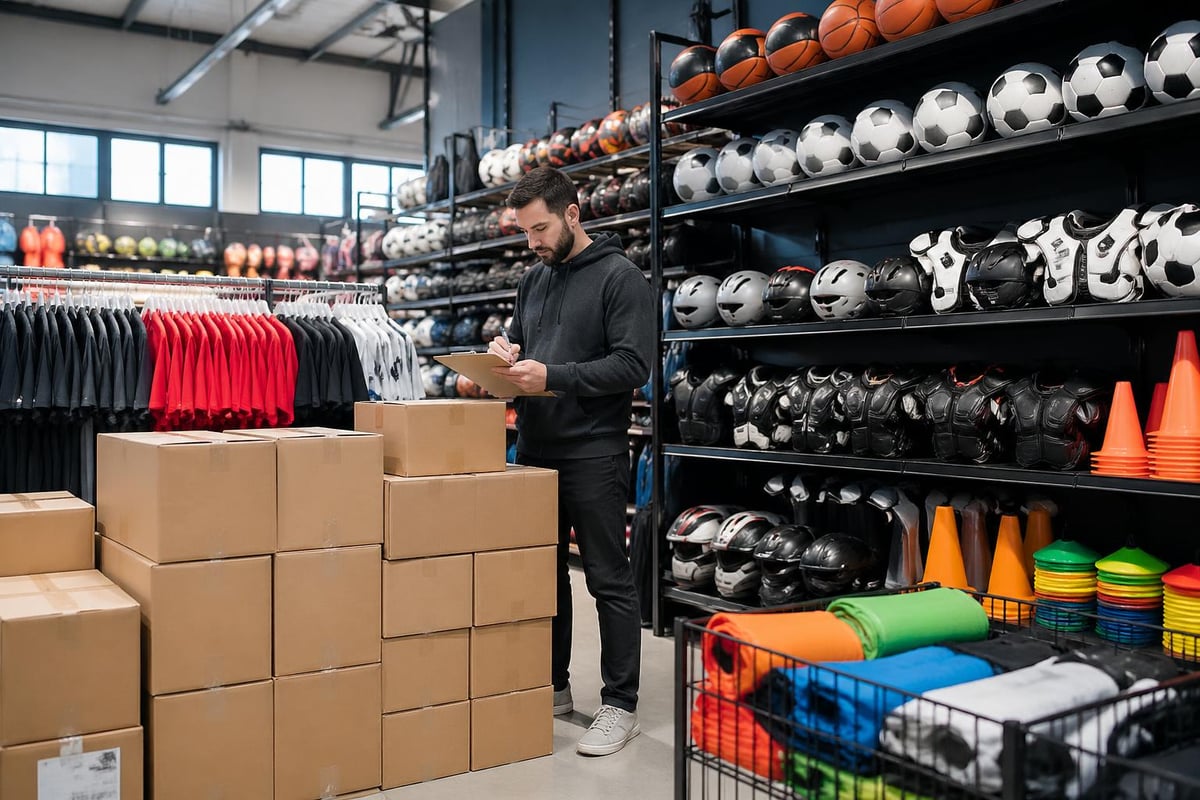
School athletic programs face unique challenges when working with a sporting good shop. Budget limitations, varying skill levels across teams, and the need for durable equipment that withstands heavy use all factor into purchasing decisions. The most effective suppliers understand these constraints and offer tiered product options that don't sacrifice safety or basic quality.
| Program Type | Primary Needs | Key Considerations |
|---|---|---|
| High School Varsity | Competition-grade equipment | Durability, performance, team customization |
| Youth Recreation | Entry-level gear | Affordability, safety standards, sizing variety |
| Training Academies | Specialized training tools | Performance enhancement, durability for repeated use |
| Multi-sport Facilities | Diverse equipment range | Storage efficiency, maintenance requirements |
Youth programs particularly benefit from a sporting good shop that maintains strong inventory depth across sizes. Growing athletes need properly fitted equipment, and programs can't afford to wait weeks for backordered items when the season has already started.
Navigating Team Orders and Bulk Purchasing
Team orders represent a significant portion of business for any sporting good shop focused on institutional clients. These transactions require careful coordination around timing, customization, and budget approval processes. Successful suppliers streamline this experience through dedicated account management, bulk pricing structures, and clear communication about lead times.
When placing team orders, coaches and athletic directors should expect:
- Detailed product specifications and comparison information
- Transparent pricing with volume discounts clearly outlined
- Realistic delivery timelines that account for customization
- Flexible payment terms that align with school budget cycles
- Quality guarantees and straightforward return policies
The ordering process becomes significantly more efficient when a sporting good shop provides digital tools for reordering commonly purchased items. Season after season, teams need replacement balls, practice pinnies, goal nets, and other consumables-making streamlined reordering a valuable time-saver.
Training Equipment and Performance Enhancement
Individual athletes and specialized training programs require equipment beyond standard team gear. A comprehensive sporting good shop serves this market segment with products designed for skill development, strength training, and sport-specific conditioning. These items often represent higher-margin products but require knowledgeable staff who can guide customers toward appropriate selections.
Training equipment purchases differ fundamentally from team gear orders. Athletes seek specific performance improvements, whether developing batting skills, improving agility, or building sport-specific strength. The right sporting good shop provides guidance based on training goals rather than simply moving inventory.
Essential Training Categories
Performance-focused athletes increasingly invest in specialized equipment for home and facility training. Fitness sports equipment has expanded beyond traditional weights and benches to include technology-integrated tools, sport-specific resistance systems, and precision training aids.
Popular training equipment categories:
- Pitching and batting trainers for baseball and softball
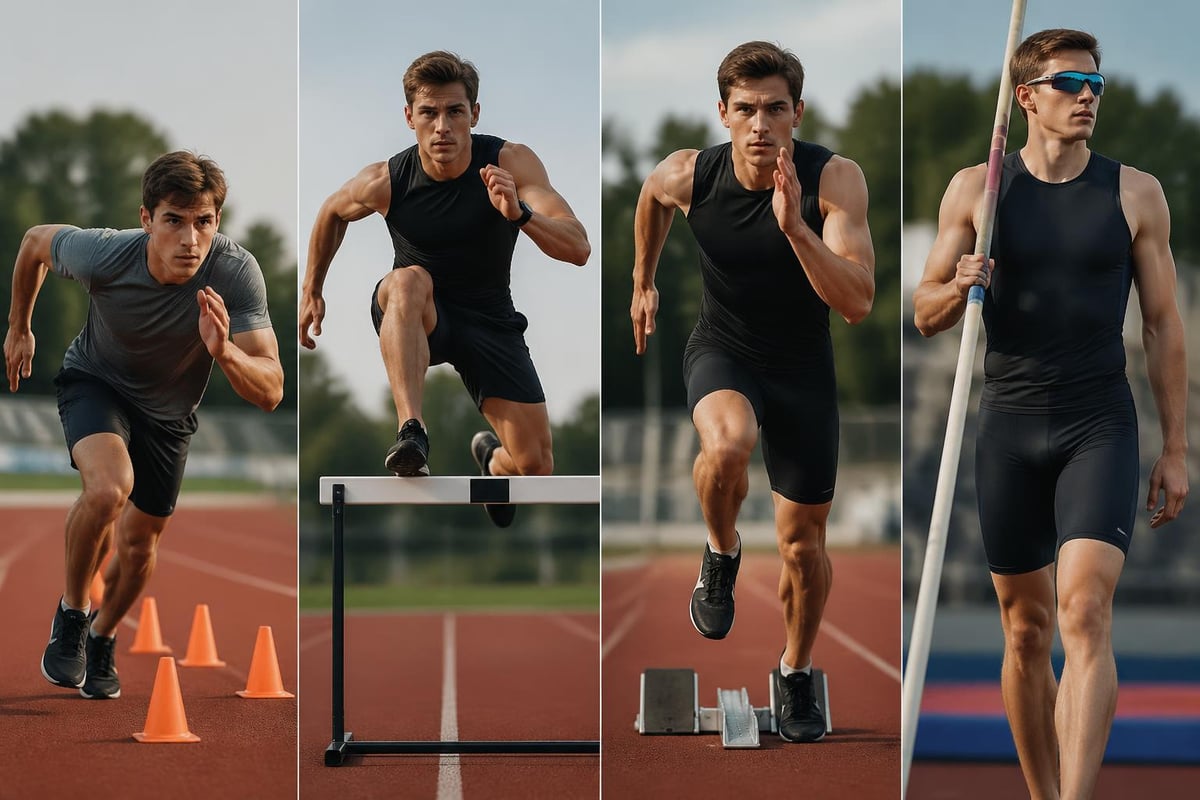
- Agility ladders, cones, and speed training tools
- Resistance bands and sport-specific strength equipment
- Video analysis tools and timing systems
- Recovery and injury prevention products
Athletes pursuing sports like fishing often combine general fitness training with sport-specific practice. Resources like Find Fishing Spots help anglers locate training grounds, while a well-stocked sporting good shop provides the tackle, gear, and accessories needed for serious pursuit of the sport.
Inventory Management and Product Availability
Behind every successful sporting good shop lies sophisticated inventory management that balances seasonal demand fluctuations, sport-specific buying patterns, and the financial reality of carrying diverse product lines. Schools and teams depend on reliable availability, particularly during pre-season ordering periods when entire programs need outfitting simultaneously.
The challenge intensifies when multiple sports overlap seasonally. Fall brings football, soccer, cross country, and volleyball-all requiring different equipment sets. A capable sporting good shop anticipates these demand patterns and maintains appropriate stock levels without overextending on slow-moving items.
Seasonal Planning and Procurement
Smart inventory planning considers not just what sells but when it sells. Recent industry analysis reveals how inactivity trends present opportunities for sporting good shops to expand offerings that encourage participation across broader demographics.
| Season | Peak Sports | Inventory Priorities | Lead Time Considerations |
|---|---|---|---|
| Spring | Baseball, softball, lacrosse, track | Bats, gloves, batting cages, field equipment | Order by January for March delivery |
| Summer | Summer camps, conditioning programs | Multi-sport training gear, camp supplies | Flexible inventory, quick replenishment |
| Fall | Football, soccer, volleyball, cross country | Pads, balls, nets, timing equipment | Critical pre-season window (June-August) |
| Winter | Basketball, hockey, wrestling, indoor track | Court equipment, protective gear, mats | Holiday sales impact inventory |
Effective suppliers communicate proactively about upcoming inventory needs, reaching out to regular customers well before seasonal deadlines. This partnership approach prevents the crisis ordering that leads to rushed shipping costs and compromised product selection.
Quality Standards and Safety Compliance
Equipment safety represents a non-negotiable consideration for any reputable sporting good shop serving schools and youth organizations. Protective gear must meet current safety certifications, training equipment should be constructed to withstand intended use without failure, and all products should comply with relevant regulatory standards.
The consolidation within sporting goods retail-including major acquisitions like Dick's Sporting Goods' purchase of Foot Locker-affects how smaller specialized shops compete on both price and product quality. Independent sporting good shop operators often differentiate through superior product knowledge, personalized service, and curated selections focused on specific sports or market segments.
Protective Equipment Requirements
Different sports impose varying protective equipment standards. Football requires extensive padding and certified helmets, hockey demands comprehensive protection from helmets to shin guards, and baseball needs appropriate headgear for batters and catchers. A knowledgeable sporting good shop maintains current awareness of certification requirements and stocks only compliant products.
Critical safety equipment categories:
- Helmets and headgear: Sport-specific designs with current safety certifications
- Padding and guards: Properly sized protection for shoulders, knees, elbows, shins
- Mouthguards and facial protection: Custom-fit and standard options
- Footwear: Appropriate cleat types and support levels for different surfaces
- Eye protection: Sport-specific eyewear meeting impact standards
Beyond meeting minimum standards, quality-focused suppliers guide customers toward equipment that provides appropriate protection levels for competitive intensity and age groups. Youth programs particularly benefit from this expertise, as proper equipment sizing and fit directly impact both safety and performance.
Pricing Strategies and Budget Management
Cost considerations drive many purchasing decisions in athletic equipment, particularly for schools operating on limited budgets and families supporting young athletes. An effective sporting good shop balances competitive pricing with product quality, avoiding the race-to-bottom pricing that compromises equipment durability and safety.
Transparent pricing builds trust with institutional buyers who must justify expenditures to administrators and boards. Hidden fees, unclear bulk discounts, or inconsistent pricing erode confidence and make budgeting difficult for programs planning annual equipment needs.
Value Beyond the Lowest Price
Smart buyers recognize that the cheapest option often costs more long-term when equipment fails prematurely or requires frequent replacement. A sporting good shop that educates customers about total cost of ownership-factoring in durability, warranty coverage, and performance-provides genuine value that extends beyond invoice totals.
Price transparency matters particularly for:
- Team uniform packages with customization costs clearly itemized
- Bulk equipment orders showing per-unit pricing at different quantities
- Seasonal promotions with genuine discounts rather than inflated "sale" prices
- Shipping and handling fees calculated accurately upfront
- Replacement part availability and pricing for repairable equipment
Programs that budget effectively appreciate a sporting good shop willing to provide multi-year pricing guidance, helping plan for equipment refresh cycles that balance performance needs with financial realities.
Customer Service and Expertise
Technical knowledge separates exceptional sporting good shops from mere product distributors. Staff who understand sports from participation experience can guide customers toward appropriate equipment selections, troubleshoot performance issues, and recommend complementary products that genuinely enhance athletic performance.
Coaches particularly value suppliers who speak their language, understanding the tactical requirements of different positions and the training methodologies that drive equipment needs. This expertise proves especially valuable when introducing new athletes to sports or when programs explore unfamiliar equipment categories.
Building Long-Term Partnerships
The relationship between a sporting good shop and its institutional customers should extend beyond individual transactions. Successful suppliers invest in understanding each program's specific needs, budget constraints, and seasonal rhythms-becoming trusted advisors rather than simple vendors.
Partnership-focused service includes:
- Pre-season planning consultations to identify upcoming equipment needs
- Product demonstrations and trial programs for evaluating new equipment
- Emergency inventory access for urgent replacement needs
- Educational resources about equipment care and maintenance
- Direct communication channels to account managers who know your program
This relationship-focused approach generates loyalty that withstands competitive pricing pressure from larger chains or online-only retailers. When a sporting good shop proves reliable during critical moments-rushing replacement equipment for broken items before championship games, for example-they earn customer retention that transcends price shopping.
Emerging Sports and Market Opportunities
Growth sports present opportunities for sporting good shops willing to invest in specialized inventory before mass-market demand develops. Pickleball exemplifies this trend, evolving from a niche recreational activity to one of America's fastest-growing sports. Suppliers who stocked pickleball equipment early captured market share before larger competitors recognized the opportunity.
Staying current with sport trends requires attention to participation data, youth program adoption patterns, and consumer preferences in athletic footwear and equipment design. Forward-thinking sporting good shop operators attend industry trade shows, monitor participation statistics, and maintain relationships with coaches who spot emerging interest in new sports or training methodologies.
Adapting to Changing Participation Patterns
Youth sports participation evolves as generational preferences shift and new sports gain mainstream acceptance. A responsive sporting good shop monitors these changes and adjusts inventory accordingly, avoiding overcommitment to declining sports while gradually building presence in growing categories.
Recent growth areas include:
- Pickleball equipment and court supplies
- Multi-sport training equipment supporting athletic development models
- Recovery and wellness products emphasizing injury prevention
- Technology-integrated training tools with performance tracking
- Inclusive equipment designs supporting adaptive sports programs
Market responsiveness separates thriving sporting good shops from those struggling to maintain relevance as customer needs evolve. The ability to pivot inventory toward emerging opportunities while maintaining core offerings requires both market awareness and inventory flexibility.
Digital Integration and Ordering Systems
Modern athletic programs expect digital convenience alongside traditional service. A sporting good shop that forces customers to visit physical locations during limited hours or place orders through phone calls and fax machines creates unnecessary friction in the purchasing process. Online catalogs, digital ordering platforms, and automated reordering systems streamline operations for both buyers and sellers.
Digital tools particularly benefit programs managing multiple teams or sports. Athletic directors can review entire product catalogs, compare specifications, check real-time inventory availability, and place orders at times that fit their schedules rather than store hours. This convenience doesn't diminish the value of personal relationships-it simply removes administrative obstacles from routine transactions.
Technology Supporting Traditional Service
The most effective digital integration enhances rather than replaces personal service. Online tools handle routine reorders and product research, freeing account managers to focus on consultative interactions about new equipment evaluations, seasonal planning, and problem-solving.
Essential digital capabilities:
| Feature | Benefit | User Impact |
|---|---|---|
| Online product catalogs | 24/7 browsing and research | Self-service product discovery |
| Real-time inventory visibility | Accurate availability information | Reduced order delays |
| Order history access | Quick reordering of standard items | Time savings on routine purchases |
| Digital invoicing and payment | Streamlined accounting processes | Simplified budget tracking |
| Shipment tracking | Delivery visibility | Better planning for equipment arrival |
Technology also enables more sophisticated inventory management on the supplier side. Advanced systems help sporting good shops predict demand patterns, optimize stock levels, and identify slow-moving inventory requiring clearance pricing-creating efficiency that supports competitive pricing without sacrificing service quality.
Fulfillment Speed and Logistics
Delivery timeline reliability matters enormously in athletic equipment supply. Practices begin on specific dates, games follow set schedules, and athletes need properly fitted equipment before competition starts. A sporting good shop that consistently delivers orders as promised becomes invaluable to programs operating on tight timelines.
Rush situations inevitably occur-a equipment failure before playoffs, enrollment surges requiring additional uniforms, or replacement needs following theft or damage. Suppliers who maintain adequate inventory depth and offer expedited shipping options provide critical support during these emergencies, even if premium shipping costs apply.
Managing Expectations and Communication
Clear communication about realistic timelines prevents disappointment and enables programs to plan appropriately. A sporting good shop should provide accurate lead times for standard items, customized products, and backordered equipment-then meet those commitments consistently.
Proactive communication becomes essential when unexpected delays occur. Manufacturing issues, shipping disruptions, or supplier problems impact even well-managed operations. Suppliers who immediately notify customers about delays and offer alternative solutions maintain trust through difficulties, while those who ignore problems until customers inquire damage relationships irreparably.
Fulfillment best practices:
- Quote realistic timelines accounting for customization and shipping
- Communicate immediately when delays occur beyond control
- Offer partial shipments when some items are ready before others
- Provide tracking information for all shipments
- Follow up after delivery to confirm satisfaction and address any issues
Programs increasingly expect the fulfillment standards set by major e-commerce platforms-fast shipping, accurate tracking, and hassle-free returns. A competitive sporting good shop must match these expectations while providing the specialized knowledge and product selection that mass-market retailers lack.
Supporting Multi-Sport Programs and Facilities
Schools and athletic facilities operating multiple programs simultaneously need sporting good shop partners capable of supporting diverse equipment requirements. A buyer might need to source football equipment, volleyball nets, and track and field supplies within the same ordering cycle. Suppliers with broad product knowledge across sports provide one-stop convenience that simplifies procurement.
Multi-sport support also requires understanding how different programs share facility resources and budget allocations. A comprehensive sporting good shop helps customers maximize budget effectiveness through strategic purchasing that serves multiple programs-selecting versatile training equipment usable across sports, for example, or coordinating bulk orders that capture better pricing.
Cross-Sport Equipment and Shared Resources
Certain equipment categories serve multiple sports effectively, making them smart investments for programs managing limited budgets across several teams. General conditioning equipment, timing systems, storage solutions, and basic training tools provide value to multiple programs simultaneously.
Shared equipment categories include:
- Agility and speed training tools used across all sports
- Strength and conditioning equipment for athletic development
- Medical and first aid supplies for all athletic activities
- Storage systems and equipment transport solutions
- Field marking and facility maintenance supplies
A knowledgeable sporting good shop identifies these opportunities and guides customers toward purchasing decisions that maximize budget impact across entire athletic departments rather than optimizing for individual teams in isolation.
Selecting the right sporting good shop partner directly impacts program success, athlete development, and budget efficiency for schools, teams, and organizations at every competitive level. The combination of specialized product knowledge, reliable fulfillment, competitive pricing, and responsive customer service creates partnerships that extend far beyond individual transactions. Whether you're outfitting a championship team or supporting recreational programs, Sideline Sport Supply delivers the quality equipment, straightforward pricing, and dependable service that keeps athletes focused on performance rather than equipment concerns.