

Baseball Training Machines Guide: Expert Tips for 2026
Are you ready to unlock your full potential on the diamond in 2026? The latest baseball training machines are transforming how athletes at every level sharpen their skills and gain a competitive edge.
In this expert-backed guide, you will discover the essential tips and insights for choosing, using, and getting the most out of baseball training machines. Explore the newest machine types, must-have features, proven usage strategies, maintenance routines, and future trends.
Whether you coach a youth team or train as a pro, this guide will help you make smarter decisions and achieve next-level performance. Let’s start your journey to a stronger, smarter game.
Understanding Baseball Training Machines
Unlocking peak performance on the diamond increasingly depends on the tools players use. Baseball training machines are at the forefront of this evolution, offering athletes precise, consistent, and safe ways to hone their skills year-round. Whether you are a coach, player, or parent, understanding these machines is key to maximizing player development.
What Are Baseball Training Machines?
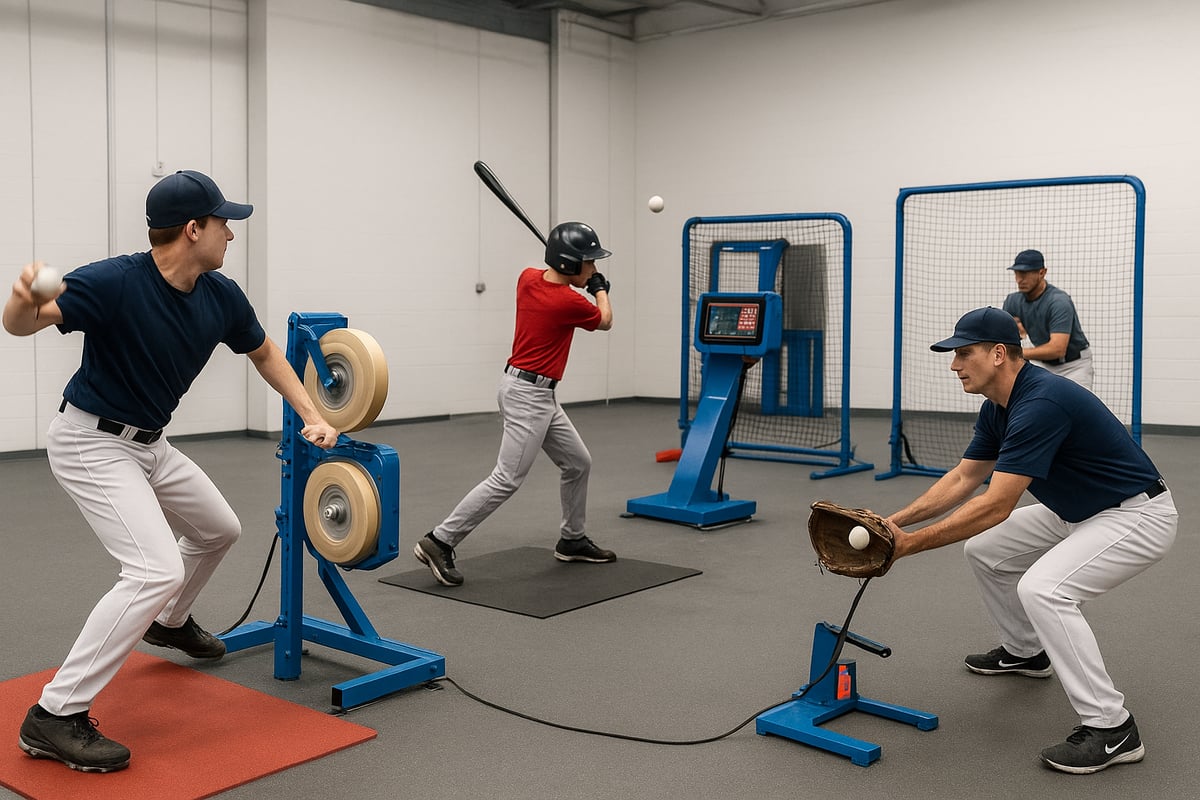
Baseball training machines are specialized devices engineered to simulate game scenarios for players. Their primary function is to deliver consistent, repeatable practice opportunities that would be difficult to achieve manually.
These machines replicate pitching, hitting, and fielding situations, allowing athletes to practice mechanics, timing, and reaction skills. By integrating baseball training machines into practice routines, teams and individuals can target specific areas for improvement in a controlled environment.
Evolution of Baseball Training Machines
The journey of baseball training machines began with simple mechanical pitching aids. Early models relied on basic spring-loaded or manual mechanisms to toss balls at batters.
Over decades, advancements in engineering and technology transformed these machines. Today, programmable systems can mimic professional-level pitches with precise speed and spin control. Innovations continue to push boundaries, making baseball training machines smarter, safer, and more effective for every level of play.
Key Categories of Training Machines
Baseball training machines now fall into several main categories:
| Category | Function | Typical Users |
|---|---|---|
| Pitching Machines | Deliver various pitch types | All levels |
| Batting Trainers | Aid swing mechanics and feedback | All levels |
| Fielding Machines | Simulate grounders and fly balls | Youth to pro |
| Multi-Function | Combine multiple training modes | Teams, advanced |
For a closer look at available options, the Baseball Training Machines Collection showcases a wide array of models tailored to every skill level and training requirement.
Who Uses Them?
The adoption of baseball training machines spans the entire sport. Youth leagues rely on them to introduce players to safe, consistent pitching. High schools and colleges use advanced models for skill-specific drills and competitive preparation.
Professional teams integrate these machines into daily routines for both hitters and fielders. The versatility and scalability of baseball training machines make them essential across all age groups and competitive levels.
Advantages and Myths
The benefits of baseball training machines are numerous:
- Deliver uniform pitches or fielding scenarios for reliable practice.
- Minimize risk of injury by reducing unpredictable throws.
- Enable targeted drills for batting, fielding, and reaction time.
- Allow for year-round practice regardless of weather.
However, some misconceptions persist. One common myth is that reliance on machines can hinder a player’s ability to adjust to live play. In reality, when properly integrated, baseball training machines enhance adaptability and confidence.
Real-World Impact and Usage Data
Industry data indicates that over 60 percent of U.S. high school baseball programs use baseball training machines as a core part of their practice regimen. For example, a high school team in Texas improved its collective batting average by 15 percent after incorporating regular sessions with pitching machines, illustrating the measurable impact these tools can have on player performance.
Baseball training machines continue to redefine how athletes train, making advanced skill development more accessible than ever.
Key Features and Innovations in 2026
Baseball training machines in 2026 are transforming the way athletes develop their skills, offering a level of precision and intelligence never before seen. Whether for individual players or entire teams, these machines now combine performance-enhancing features and cutting-edge technology to deliver a customized training experience.
Speed and Pitch Variability
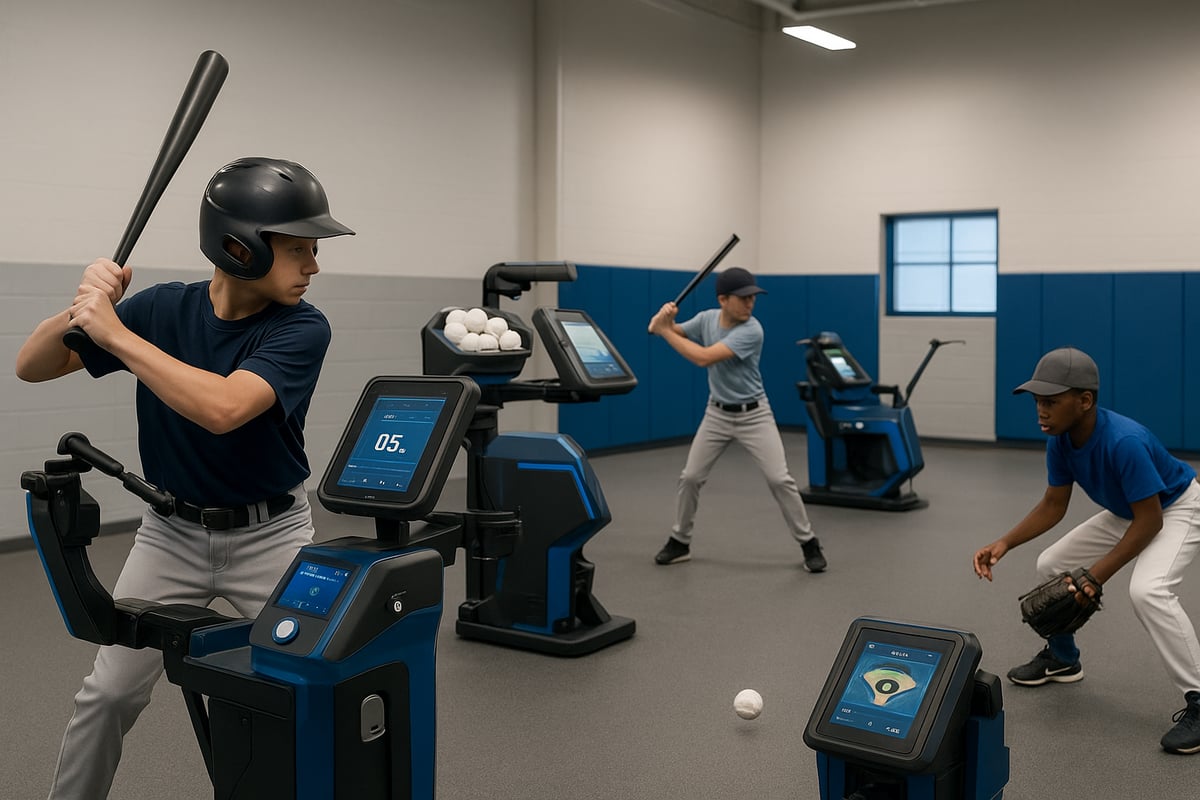
One of the most significant advancements in baseball training machines is their expanded range of speed and pitch types. Machines can now simulate fastballs, curveballs, sliders, and more, all with programmable speeds tailored to the player's needs. Randomization features allow for unpredictable pitch sequences, closely mimicking live-game conditions.
Coaches and players benefit from the ability to adjust settings in real time, making sessions more dynamic and effective. This versatility ensures that training stays challenging and relevant for all skill levels.
Smart Technology and Data Integration
Smart technology is redefining baseball training machines in 2026. Many models now feature Bluetooth connectivity, enabling seamless integration with mobile apps for real-time tracking and analysis. Players and coaches can monitor swing speed, pitch recognition, and reaction times, turning every session into actionable insights.
Some high-tech pitching machines even mimic the unique throwing styles of professional athletes, expanding the scope of training possibilities. For example, the Trajekt Arc is a high-tech pitching machine that mimics MLB pitchers, offering programmable pitch types and trajectories. This level of sophistication helps bridge the gap between practice and live competition, ensuring that players are always prepared for the next challenge.
Safety and User-Friendly Features
Safety remains a top priority in the latest baseball training machines. Modern models feature improved ball feeding systems, protective shields, and emergency stop functions. These enhancements minimize the risk of injury and allow for more confident, focused practice.
User interfaces have also evolved. Machines now offer intuitive touchscreens, remote controls, and programmable routines, making it easy to set up and modify drills. Whether for youth athletes or seasoned professionals, these upgrades ensure a safe, efficient, and enjoyable training process.
Portability and Durability
Portability and durability are critical considerations for teams and individuals alike. Many baseball training machines now come in lightweight, foldable designs, making them easy to transport and store. Battery-powered options add flexibility for training in various environments, both indoors and outdoors.
Manufacturers are also emphasizing robust materials and weather-resistant finishes to ensure long-lasting performance. Extended warranties and improved service support further enhance the value proposition for coaches and organizations investing in new equipment.
2026 Innovations and Adoption Rates
The latest baseball training machines showcased at major 2026 sports equipment expos highlight several game-changing innovations. Features like AI-driven pitch simulation, enhanced data analytics, and fully customizable training routines are gaining traction across all levels of play.
Recent statistics indicate that the adoption rate of smart training machines has surged in youth, collegiate, and professional programs. Teams recognize the measurable benefits of integrating technology into their development strategies, resulting in more efficient practices and improved player outcomes.
As the landscape continues to evolve, staying informed about the key features and innovations in baseball training machines is essential for maximizing player growth and maintaining a competitive edge.
Expert Tips for Maximizing Training Machine Effectiveness
Unlocking the full potential of baseball training machines requires strategic planning, smart integration, and a focus on safety. With expert-backed routines and a data-driven approach, coaches and players at every level can accelerate skill development while minimizing risks.
Building Smart Practice Routines
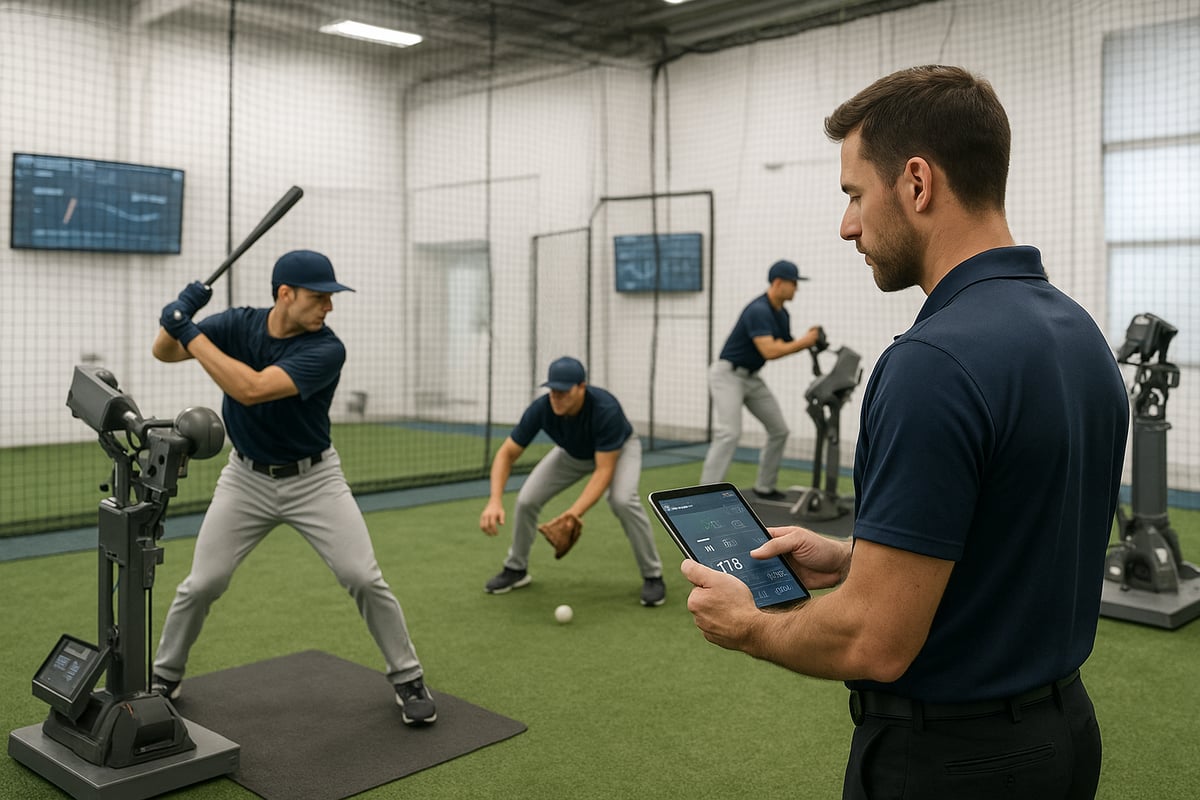
A consistent routine is essential for maximizing the effectiveness of baseball training machines. Begin by establishing clear objectives for each session, such as improving bat speed, pitch recognition, or defensive reactions.
Break down practices into focused segments:
- Warm-up and dynamic stretching
- Machine-based drills targeting specific skills
- Live pitching or fielding integration
- Cool down and review
Sample Weekly Machine Routine Table:
| Day | Focus Area | Duration (min) |
|---|---|---|
| Monday | Batting Mechanics | 45 |
| Wednesday | Fielding Reactions | 40 |
| Friday | Mixed Drills | 60 |
Rotate drills and adjust intensity to match player progress. Incorporate baseball training machines into both individual and team practices for balanced development.
Integrating Machines for Comprehensive Drills
To develop well-rounded athletes, combine machine-based drills with live scenarios. Use baseball training machines to simulate a variety of pitches, ground balls, and fly balls, then transition players into live scrimmages.
Effective integration strategies include:
- Alternating machine reps with live pitching to train timing
- Using fielding machines for rapid-fire grounders, then executing real infield plays
- Pairing automated batting trainers with visual feedback for instant correction
Customizing drills to challenge sensorimotor abilities is proven to enhance performance. According to a study on sensorimotor abilities and baseball performance, targeted machine work can translate into better on-field results.
Leveraging Data and Feedback for Improvement
Modern baseball training machines often include digital tracking and app integration. Use these features to monitor player metrics such as swing speed, contact rate, and reaction times.
Analyze collected data weekly to identify strengths and areas for growth. Solicit feedback from both coaches and players to refine drills and adjust routines.
Tips for data-driven improvement:
- Set measurable goals based on machine analytics
- Create progress charts to visualize development
- Encourage players to review video and metrics after sessions
This approach ensures that baseball training machines are not just tools, but active contributors to player advancement.
Prioritizing Safety and Injury Prevention
While baseball training machines boost performance, safety must remain a top priority. Always conduct pre-session equipment checks and ensure proper machine setup.
To minimize injury risk:
- Enforce mandatory warm-ups and cooldowns
- Limit machine use to recommended durations
- Rotate drills to avoid repetitive strain
A recent MLB study linking velocity to pitcher injuries highlights the importance of injury prevention in modern training. Balance intensity with adequate rest to protect players and extend careers.
By combining strategic routines, integrated drills, data analysis, and a safety-first mindset, coaches and athletes can fully harness the benefits of baseball training machines for long-term success.
The Future of Baseball Training Machines
Baseball training machines are entering a new era, transforming how athletes prepare for the game. As technology accelerates, these machines are evolving beyond simple aids, becoming intelligent partners in player development.
The years ahead promise smarter, more interactive baseball training machines. Players and coaches can expect tools that adapt in real time, offering customized drills and instant feedback. This shift is reshaping practice sessions at every level, from youth leagues to professional organizations.
Emerging Technologies Redefine Training
AI-driven pitch simulation is at the forefront of innovation in baseball training machines. These systems can mimic professional-level pitches, adjusting speed, spin, and trajectory based on player progress.
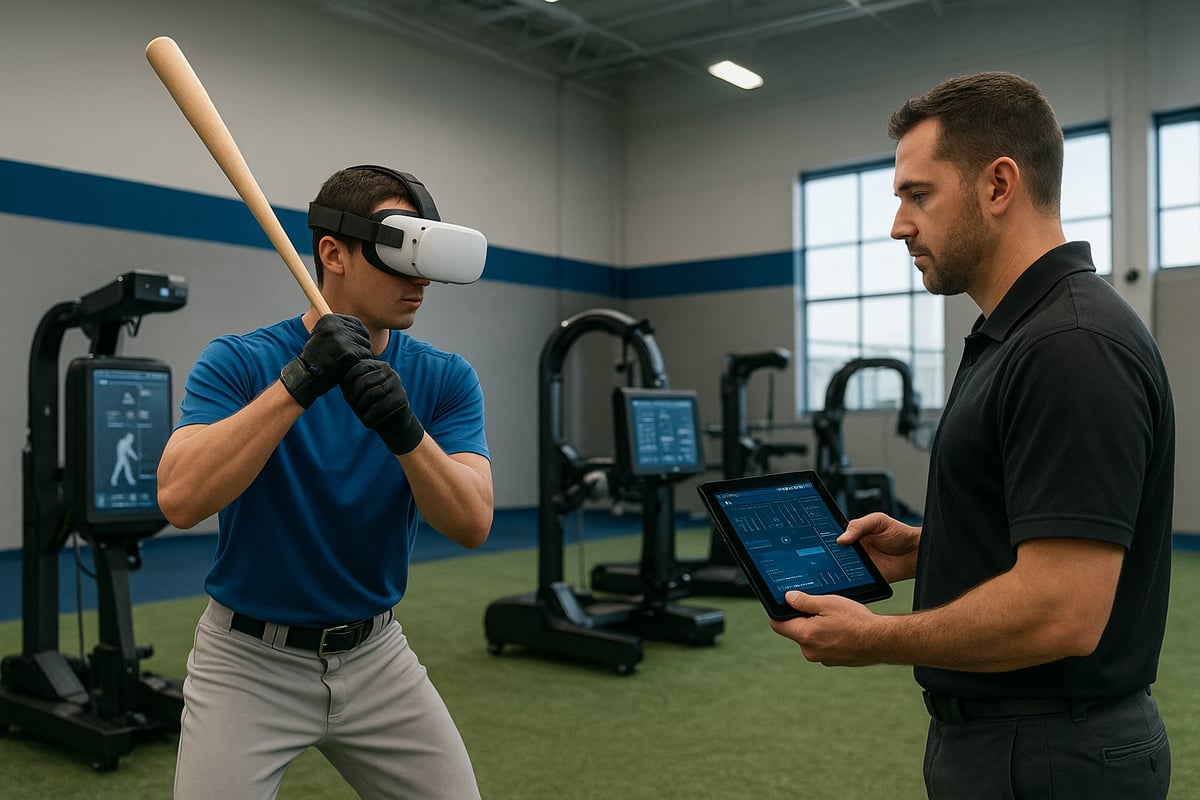
Virtual reality is another game-changer. By integrating VR with baseball training machines, athletes can practice situational hitting or fielding in immersive environments. Real-time analytics track every swing and reaction, delivering actionable insights instantly.
Top programs are already piloting smart machines that use machine learning to tailor workouts. This blend of AI and data analytics is setting a new standard for precision and effectiveness in baseball training.
Sustainability and Personalization
Sustainability is an emerging priority for manufacturers of baseball training machines. New models are being constructed from recycled materials and designed for greater energy efficiency, reducing their environmental footprint.
Personalization is also gaining momentum. Machines can now be programmed to address specific skill gaps, adapting to individual player profiles. Coaches use these features to target weaknesses and accelerate improvement.
This combination of eco-friendly design and tailored training ensures that the next generation of baseball training machines supports both the planet and player development.
Connected Training Ecosystems
Modern baseball training machines are no longer standalone devices. Today, they are part of connected ecosystems that include wearables, mobile apps, and cloud-based analytics.
Players can track their stats on smartwatches, while coaches monitor team progress from a central dashboard. Seamless integration with other training tools creates a holistic development platform.
These connected systems allow for continuous feedback and adjustment, keeping athletes engaged and motivated. The result is a more comprehensive and data-driven approach to skill building.
Market Growth and Expert Insights
The market for baseball training machines is poised for significant expansion. According to the Global baseball equipment market forecast, the industry is expected to see robust growth through 2030, driven by technological innovation and increased demand across all levels of play.
Industry experts predict that the adoption of AI, VR, and smart analytics will become standard practice. Programs that invest early in these technologies are already seeing measurable gains in player performance.
A recent case study from a leading collegiate program highlights this trend. By integrating next-generation baseball training machines, the team improved batting averages, reduced injury rates, and enhanced overall player satisfaction.
As technology continues to advance, baseball training machines will remain vital for unlocking athletic potential and shaping the future of the sport.
Article written using RankPill.