

Sports Gear Near Me: Complete Local Buying Guide 2026
Finding quality sports equipment shouldn't require hours of searching or compromising on what your team needs. Whether you're outfitting an entire school team, upgrading training gear, or replacing worn equipment before the next game, knowing where to find "sports gear near me" efficiently can save valuable time and budget. The landscape of athletic equipment purchasing has evolved significantly, offering athletes and coaches multiple channels to source everything from basic practice essentials to specialized competitive gear. Understanding your local and online options, evaluating quality versus cost, and knowing what to look for when shopping can transform how you prepare for the season ahead.
Understanding Your Local Sports Equipment Options
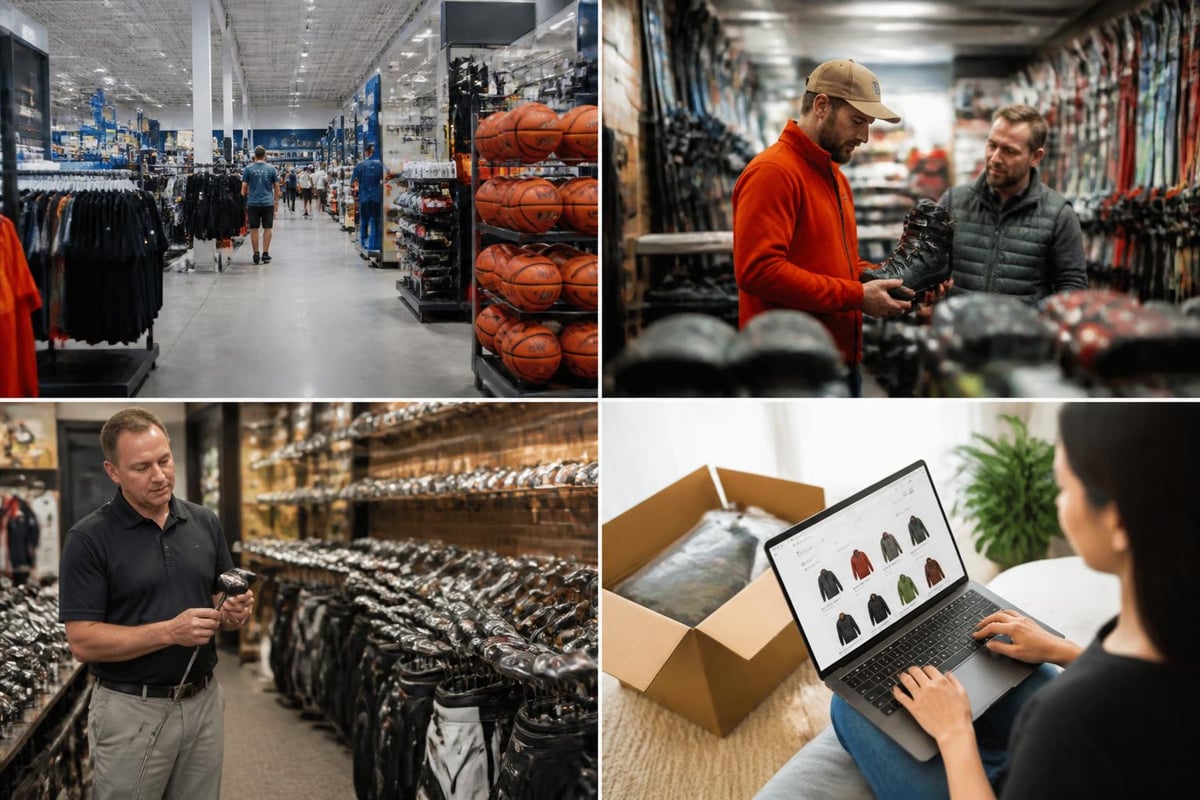
When searching for sports gear near me, you'll typically encounter several types of retailers, each serving different needs and price points. Big-box sporting goods chains offer broad selection across multiple sports, often carrying recognizable brands with standardized pricing. These stores work well for general athletic needs and one-off purchases, though they may lack specialized equipment for niche sports or bulk team ordering capabilities.
Local independent sports shops frequently provide deeper expertise in specific sports popular in your region. These retailers often build relationships with coaches and league organizers, understanding seasonal demands and local competition requirements. They may offer personalized fitting services, equipment customization, and knowledgeable staff who participate in the sports they serve.
Specialty athletic stores focus on particular sports categories such as team sports, individual training, or specific activities like hockey or baseball. These shops maintain extensive inventories within their niche, offering professional-grade equipment alongside entry-level options. Many specialty retailers also provide repair services, reconditioning, and trade-in programs that extend equipment lifecycles.
Online Athletic Equipment Suppliers
Digital-first suppliers have transformed how teams and individual athletes source sports gear near me. Online retailers eliminate geographic constraints, providing access to comprehensive catalogs regardless of physical store locations. They typically offer competitive pricing through reduced overhead costs and can ship directly to schools, facilities, or homes within days.
The primary advantage lies in convenience and selection breadth. Coaches can browse complete equipment packages, compare specifications across brands, and order bulk quantities without coordinating store visits. Many online suppliers maintain detailed product descriptions, sizing charts, and customer reviews that inform purchasing decisions.
However, online shopping removes the tactile evaluation that matters for items like protective equipment, footwear, and training aids. Athletes cannot test fit or feel materials before purchase, increasing return likelihood. This makes working with suppliers who offer straightforward return policies and responsive customer service essential.
What to Evaluate When Shopping Locally
Quality assessment begins before you enter any store. Research which retailers carry the specific brands and equipment categories you need. Call ahead to confirm inventory availability, especially for seasonal items or team order quantities. This prevents wasted trips and helps you plan efficient shopping routes when comparing multiple locations.
Key factors to evaluate during in-store visits:
- Inventory depth across your required sports categories
- Brand selection including both premium and value-oriented options
- Staff knowledge about equipment specifications and sport requirements
- Pricing transparency including team discounts and bulk ordering programs
- Return and exchange policies for sizing issues or defects
- Customization services such as embroidery, printing, or engraving
- Equipment fitting assistance for protective gear and footwear
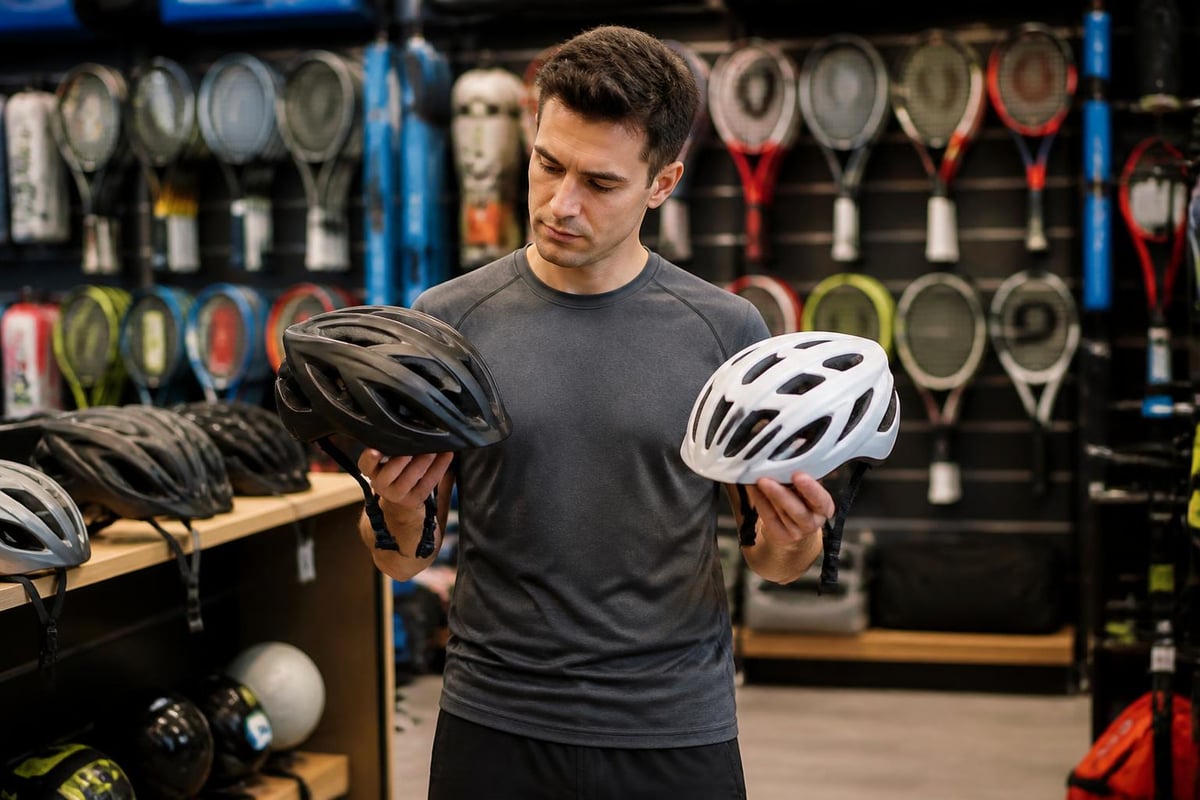
Physical inspection remains critical for protective equipment. Helmets, pads, guards, and other safety gear must fit properly to function effectively. Examine construction quality, checking stitching, padding density, fastener durability, and material integrity. Compare weight and comfort across similar items, as these factors significantly impact player performance and compliance with wearing equipment consistently.
Comparing Price Points and Value
Price represents only one component of equipment value. The lowest-cost option frequently requires earlier replacement, ultimately costing more through repeated purchases. Conversely, premium equipment may exceed what recreational or developing athletes need, wasting budget on features they won't utilize.
| Price Tier | Typical Characteristics | Best For |
|---|---|---|
| Budget | Basic construction, limited durability, minimal features | Beginners, recreational use, rapid growth stages |
| Mid-Range | Balanced quality and cost, good durability, standard features | Regular practice, most competitive levels, value-focused buyers |
| Premium | Advanced materials, maximum durability, specialized features | Elite competition, intensive training, long-term investment |
Understand what drives pricing differences within equipment categories. Material quality, manufacturing location, brand reputation, and feature sets all contribute to cost variations. A mid-range product from a respected manufacturer often outperforms budget items from unknown brands while costing significantly less than premium alternatives.
Don't overlook package deals and seasonal promotions when shopping for sports gear near me. Retailers often bundle related items at reduced total costs, particularly during pre-season periods when teams prepare for upcoming competitions. These packages may include equipment bags, basic accessories, or maintenance supplies alongside primary gear purchases.
Timing Your Equipment Purchases Strategically
Seasonal cycles dramatically impact both availability and pricing of athletic equipment. Understanding these patterns helps you secure better deals and ensure inventory access when teams need it most. Most sports follow predictable timelines tied to competition schedules, with retailers adjusting inventory accordingly.
Optimal purchasing windows by sport season:
- Pre-season (6-8 weeks before): Widest selection, full sizing availability, early-bird team discounts
- Early season (first 2-3 weeks): Good availability, standard pricing, opportunity for additional items
- Mid-season: Limited popular sizes, potential clearance on overstocked items, reduced selection
- Post-season: Deep discounts, clearance pricing, next-year planning opportunity, limited sizes
- Off-season: Best deals on previous year models, planning purchases, bulk order preparation
Year-round sports like basketball, volleyball, and training equipment maintain more consistent availability, though back-to-school periods (August-September) still create demand spikes. Plan major purchases outside these windows when possible to avoid stock shortages and capture better pricing.
Team Purchasing Considerations
Outfitting entire teams requires different strategies than individual athlete purchases. Volume creates leverage for pricing negotiations, but also increases complexity around sizing, delivery coordination, and budget management. Start team equipment planning at least three months before the season to allow adequate time for ordering, delivery, and any necessary exchanges.
Develop a comprehensive equipment list before approaching suppliers. Categorize items by priority: essential game-day gear, practice equipment, training aids, and optional accessories. This structure helps allocate budget effectively and ensures critical items receive funding priority. Include quantity requirements, size distributions based on roster composition, and any customization specifications.
Contact multiple suppliers when sourcing sports gear near me for teams. Request formal quotes that detail per-unit costs, bulk discounts, customization fees, shipping expenses, and delivery timelines. Compare total project costs rather than individual item prices, as package deals and volume discounts can shift overall value significantly. Team sales programs often provide dedicated account management and streamlined ordering processes that simplify multi-item purchases.
Sizing and Fitting Team Equipment
Accurate sizing prevents costly exchanges and ensures players receive properly fitting protective gear and uniforms. Conduct sizing sessions where athletes can be measured for key equipment categories. Record measurements for future reference, noting that growing athletes may need updated sizing for subsequent seasons.
Order slightly above minimum quantities for popular sizes. Having extra medium and large sizes available accommodates late roster additions, emergency replacements, and sizing errors without requiring expedited reorders. Consider the typical size distribution for your age group and competition level when determining quantity allocations.
Maintaining Equipment to Extend Lifespan
Proper maintenance significantly extends sports equipment usability, reducing replacement frequency and protecting your investment. Many gear failures result from neglect rather than normal wear, making consistent care routines essential for maximizing value. Understanding proper care techniques helps equipment perform reliably throughout its intended lifespan.
Essential maintenance practices by equipment type:
- Protective gear: Regular inspection for cracks, tears, or compression, cleaning after each use, proper drying before storage
- Balls and game equipment: Maintaining proper inflation, cleaning surfaces, checking seams and panels, rotating usage
- Nets and goals: Inspecting connection points, repairing small tears promptly, protecting from weather exposure
- Footwear: Cleaning after use, allowing complete drying, replacing worn insoles, checking traction patterns
- Bags and storage: Emptying completely between uses, cleaning interior surfaces, repairing zippers and straps promptly
Cleaning machine-washable sports gear properly prevents odor buildup and material degradation. Use appropriate water temperatures, mild detergents formulated for athletic fabrics, and avoid excessive heat during drying that can damage elastic components and specialized materials.
Storage conditions dramatically impact equipment longevity. Keep gear in climate-controlled environments when possible, avoiding extreme temperatures, direct sunlight, and high humidity. Store items in breathable bags rather than sealed containers to prevent moisture accumulation and mildew growth. Proper storage techniques protect materials during off-season periods when equipment sits unused for extended periods.
Evaluating Equipment Quality Indicators
Recognizing quality markers helps you make informed decisions when comparing similar products across different price points. Construction details reveal expected durability and performance characteristics that separate reliable equipment from items likely to fail prematurely.
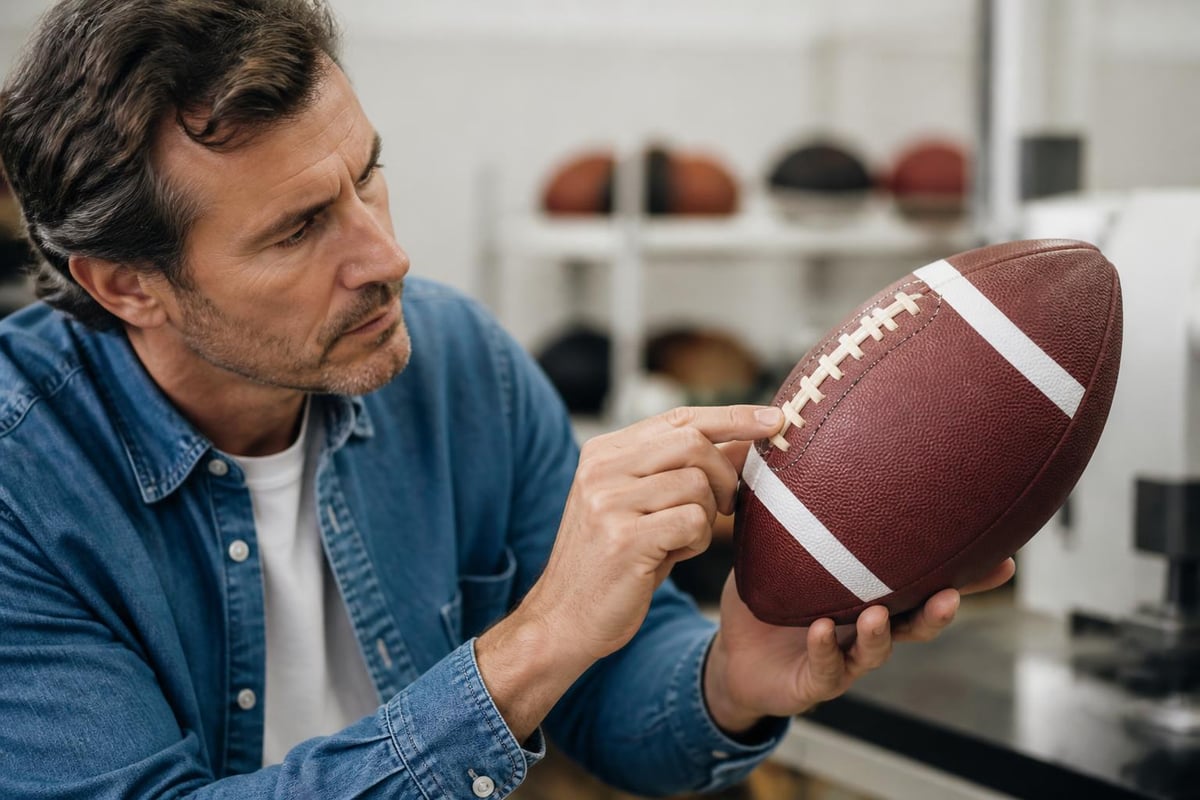
Examine stitching patterns and thread quality on sewn items. Double or triple stitching at stress points indicates reinforced construction designed for repeated impact and tension. Check that seams lie flat without puckering and that stitches maintain consistent spacing throughout.
| Quality Indicator | What to Look For | Why It Matters |
|---|---|---|
| Material thickness | Gauge consistency, appropriate density | Affects durability and protection level |
| Fastener type | Reinforced attachment, quality hardware | Prevents equipment failure during use |
| Padding density | Consistent compression, multi-layer construction | Impacts protection and comfort |
| Edge finishing | Clean cuts, reinforced borders | Prevents fraying and extends lifespan |
Assess how components connect and integrate. Quality equipment features secure attachment methods that distribute stress effectively. Weak connection points create failure risks that compromise both performance and safety. Test adjustable elements to ensure they move smoothly, lock securely, and show no signs of excessive play or looseness.
Specialized Equipment Categories
Different sports demand specialized gear with unique purchasing considerations. Understanding category-specific factors ensures you select appropriate equipment that meets sport requirements and safety standards. Whether you need protective hockey equipment, training aids for gymnastics, or cricket safety gear, knowing what features matter most guides effective purchasing.
Contact sports require certified protective equipment meeting current safety standards. Verify that helmets, pads, and guards display proper certification marks indicating they've passed required testing. Safety equipment certifications periodically update as testing protocols improve, so confirm your chosen items meet the most recent standards applicable in your league or competition level.
Training equipment emphasizes durability and consistent performance over competitive specifications. Weight lifting gloves and strength training accessories experience intensive repeated use, requiring robust construction that withstands daily workouts. Prioritize items with reinforced stress points and materials rated for commercial gym environments even if you're buying for personal use.
Sport-Specific Considerations
Ball sports require equipment suited to playing surface and competition format. Indoor and outdoor versions of the same sport often use different ball specifications, net heights, and court markings. Confirm you're purchasing items appropriate for your playing environment to ensure proper performance and rule compliance.
Racket and stick sports involve equipment fitting individual athlete characteristics. Grip size, weight distribution, string tension, and shaft flex all impact performance and injury risk. Seek retailers who provide fitting expertise or detailed specification guidance when purchasing these highly personalized items.
Budget Management for Athletic Programs
Managing equipment budgets effectively requires balancing immediate needs against long-term planning. Athletic programs face ongoing expenses across multiple sports, making strategic purchasing essential for maintaining quality without overspending. Develop annual equipment budgets that account for replacement cycles, new program additions, and emergency purchases.
Prioritize safety equipment and essential competitive gear in initial budget allocations. These items directly impact player welfare and competition eligibility, making them non-negotiable expenses. Secondary purchases like training aids, extra practice equipment, and convenience items can be phased in as budget allows.
Track equipment lifecycles to anticipate replacement timing. Most gear categories have predictable useful lifespans based on usage intensity and maintenance quality. Create replacement schedules that distribute major purchases across multiple budget cycles rather than concentrating all equipment updates in single years. This approach smooths cash flow requirements and prevents situations where entire equipment categories need simultaneous replacement.
Annual equipment budget categories:
- Safety and protective gear replacement (30-40% of budget)
- Game-day equipment and uniforms (25-35% of budget)
- Training and practice equipment (15-20% of budget)
- Emergency replacements and repairs (10-15% of budget)
- New program initiatives and upgrades (5-10% of budget)
Making the Most of Local Shopping
When searching for sports gear near me, maximize your local shopping efficiency by preparing thoroughly before visiting stores. Create detailed lists organized by sport and priority level. Include specific item names, quantity requirements, and acceptable brands to streamline the selection process.
Visit stores during off-peak hours when staff can provide more personalized attention. Weekday mornings and early afternoons typically see lower customer traffic than evenings and weekends. This allows more time for questions, fitting assistance, and discussion of team purchasing options without competing for staff attention.
Build relationships with sales staff at retailers you frequent regularly. These connections often provide advance notice of upcoming sales, access to exclusive team pricing, and insider knowledge about product releases. Staff familiar with your program's needs can also alert you when relevant items arrive in inventory or when clearance opportunities emerge.
Request business or team accounts at stores where you make frequent purchases. These accounts may provide benefits like extended payment terms, dedicated customer service contacts, automatic pricing tiers based on volume, and simplified record-keeping for budget tracking purposes. Even if minimum purchase requirements exist, combining seasonal orders often meets thresholds easily.
Online Shopping Best Practices
Digital purchasing of sports gear near me offers convenience but requires different evaluation approaches than physical retail. Read customer reviews carefully, focusing on comments about sizing accuracy, durability after extended use, and how products perform compared to specifications. Look for reviews from buyers using equipment in similar contexts to your intended application.
Verify return policies before placing orders, particularly for items where fit matters significantly. Understand who pays return shipping, whether original shipping costs are refundable, and time limits for initiating returns. Straightforward pricing policies and customer-focused return processes indicate suppliers committed to satisfaction rather than simply processing transactions.
Compare total delivered costs when evaluating online options. Advertised prices may exclude shipping fees, taxes, or handling charges that significantly increase final expenses. Some suppliers offer free shipping above minimum order amounts, making it advantageous to combine purchases even if you don't need everything immediately.
Order well in advance of when you need equipment. While many suppliers provide rapid shipping, allowing buffer time accommodates potential delays, sizing exchanges, or quality issues requiring replacement. This approach prevents emergency situations where you must accept whatever's available locally regardless of quality or cost because competition dates loom.
Supporting Your Local Sports Community
Patronizing local sports retailers when searching for sports gear near me strengthens your community's athletic ecosystem. These businesses often sponsor youth leagues, donate to school programs, and provide expertise that helps athletes develop properly. Your purchasing decisions help sustain these contributions even when online prices seem lower.
Local retailers typically offer services that online suppliers cannot match. Same-day equipment availability for emergency replacements, in-person fitting expertise, immediate exchanges for sizing issues, and face-to-face consultation about equipment selection all provide value beyond simple product costs. Factor these benefits into value calculations when comparing purchasing options.
Sporting goods shops that understand local needs maintain inventory aligned with regional sports popularity and seasonal demands. They stock equipment for sports that matter in your area, potentially offering better selection in relevant categories than national retailers serving diverse geographic markets with different athletic preferences.
Community retailers also serve as information hubs connecting coaches, athletes, and sports organizations. Bulletin boards advertise camps, clinics, and league opportunities. Staff members often participate in local sports communities, providing networking connections and insider knowledge about programs and competition opportunities beyond simple equipment transactions.
Finding quality sports gear near me combines knowing where to look, what to evaluate, and how to maximize value across different purchasing channels. Whether you choose local retailers for personalized service and immediate availability or online suppliers for selection breadth and competitive pricing, focusing on equipment quality, proper maintenance, and strategic timing ensures your athletes have reliable gear when they need it. Sideline Sport Supply provides teams, coaches, and athletes with affordable, game-ready equipment backed by straightforward pricing and fast fulfillment, so you can focus less on sourcing challenges and more on what matters most-developing skills and competing successfully.