

Cricket Gear Guide: Expert Tips and Trends for 2026
Cricket is changing fast, and so is the technology behind cricket gear. As the sport’s popularity explodes worldwide, new innovations are redefining how players approach the game.
This guide delivers expert insights and the latest trends in cricket gear for 2026, so you can make the best choices for your needs. Whether you are a beginner or a seasoned player, you will find valuable advice on selecting, maintaining, and upgrading your equipment.
Get ready to explore essential gear, cutting-edge technologies, expert buying tips, and the growing impact of sustainability and data-driven performance. Discover how the right cricket gear can truly transform your time on the field.
Essential Cricket Gear: The Complete 2026 Checklist
Selecting the right cricket gear in 2026 requires a keen understanding of both classic essentials and the latest innovations. With technology and safety standards evolving, having a comprehensive checklist ensures every player is prepared for peak performance and protection.
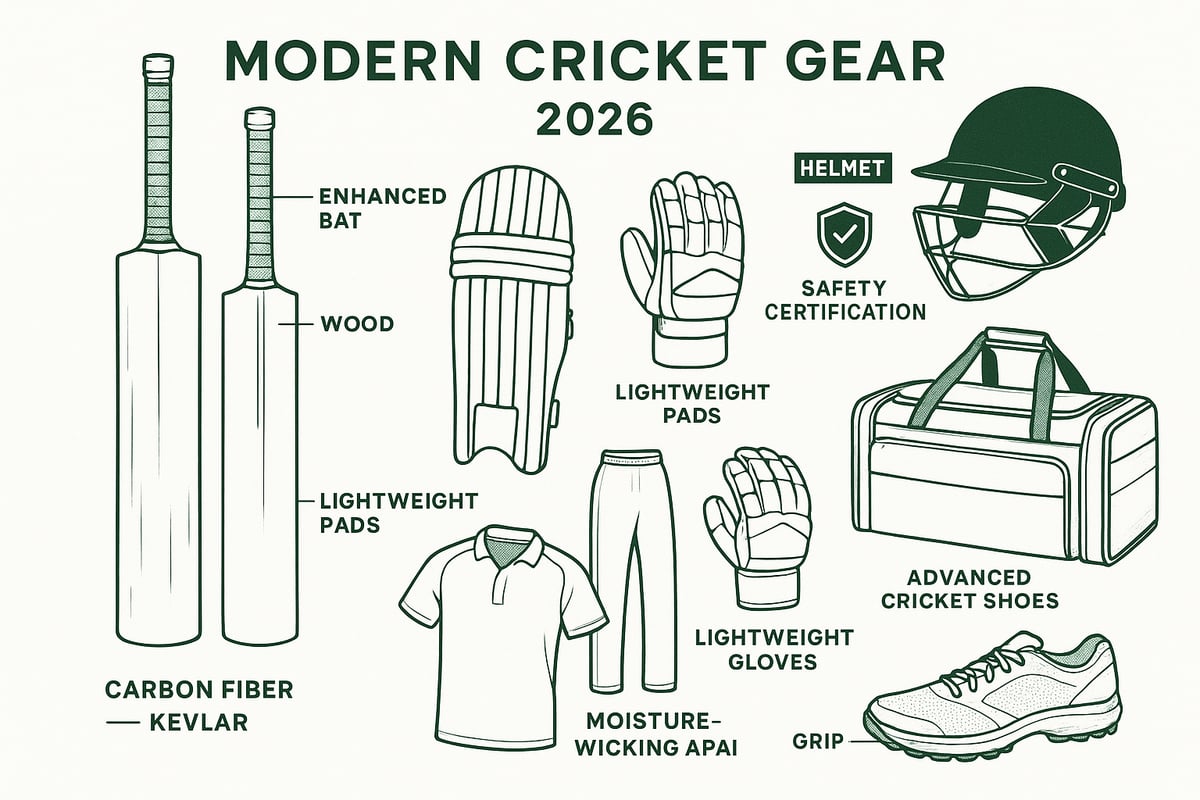
Bats: Materials, Shapes, and Innovations
The heart of any cricket gear setup is the bat. In 2026, players can choose from English willow for its classic sweet spot, Kashmir willow for affordability, or advanced composite hybrids that blend power with durability. Bat profiles have diversified to match various playing styles, from heavy hitters to quick singles specialists.
Innovations include balanced weight distribution and anti-vibration handles, which minimize hand fatigue. ICC regulations now shape bat dimensions and edge thickness, guiding manufacturers toward both performance and fairness. Top brands like Gray-Nicolls and Kookaburra are unveiling flagship bats with embedded microchips for swing analytics.
| Material | Weight | Durability | Price Range |
|---|---|---|---|
| English Willow | Light | High | Premium |
| Kashmir Willow | Medium | Moderate | Affordable |
| Composite Hybrid | Variable | Very High | Mid-High |
Global data shows composite bats are gaining popularity, especially in fast-growing cricket markets.
Protective Equipment: Helmets, Pads, and Guards
Safety remains a cornerstone of modern cricket gear. The latest helmets adhere to updated international safety standards, featuring multi-layered impact-resistant shells and advanced face guards. Lightweight, high-density foam pads and gloves offer superior protection without sacrificing mobility.
Ergonomic designs ensure comfort for long innings, while case studies reveal a marked reduction in injuries since the adoption of advanced gear. Many players now opt for custom-fit options, using 3D scanning to achieve a tailored fit, though high-quality off-the-shelf gear also meets rigorous safety benchmarks.
- Latest helmet certifications: ICC, BSI, and NOCSAE
- Pads and gloves: Memory foam, mesh ventilation, reinforced knee rolls
- Guards: Anatomical shaping for snug fit
The right protective equipment is essential for players of all levels.
Apparel and Footwear: Performance and Comfort
Cricket gear in 2026 prioritizes both comfort and performance. Players benefit from moisture-wicking fabrics that keep them cool and dry, even during intense matches. Temperature-regulating materials are now standard in pro-level kits.
Shoe technology has advanced with enhanced grip soles and improved arch support, reducing fatigue and injury risk. Smart apparel is making waves, with embedded sensors that track player movement and performance metrics via mobile apps. Pro endorsements highlight the importance of fit and function, with leading athletes choosing gear that combines technology with style.
- Moisture-wicking shirts and trousers
- Shoes: Multi-stud soles, shock-absorbing midsoles
- Wearable tech: Real-time performance tracking
Choosing the right apparel and footwear completes a well-rounded cricket gear arsenal.
Bags and Accessories: Organization and Convenience
The modern cricketer needs cricket gear that is organized and easy to transport. Modular gear bags allow players to customize compartments for bats, pads, and accessories. Essential extras include replacement grips, bat tape, sweatbands, and polarized sunglasses for sun protection.
Sustainability is influencing accessory trends, with eco-friendly and recycled materials becoming more common in bags and other gear. For those seeking reliable storage and transport options, Carts and Storage Solutions offer a range of choices tailored for cricket teams and individuals.
- Modular bags for efficient packing
- Eco-friendly accessories and packaging
- Accessories: Bat grips, wristbands, sunglasses
Staying organized and embracing sustainable options ensures your cricket gear is ready for every match.
Cricket Gear Trends for 2026: What’s New and What’s Next?
Cricket gear is undergoing a remarkable transformation in 2026, with technological innovation and evolving player demands shaping every aspect of equipment. This year, players and enthusiasts are seeing a surge of new trends that blend performance, sustainability, and personalization like never before. Let us explore the most significant developments defining cricket gear in 2026.
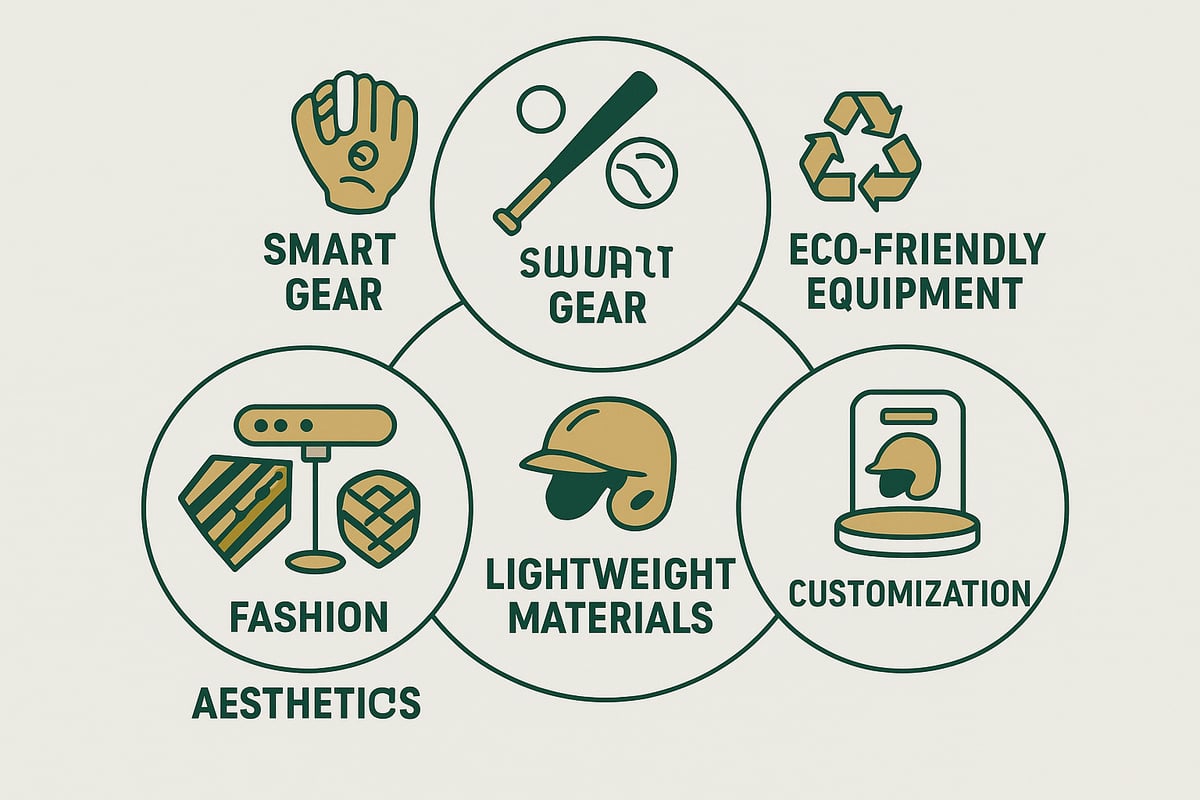
Smart Gear and Wearable Tech
Smart cricket gear is rapidly becoming mainstream, revolutionizing how players train and compete. In 2026, bats and gloves equipped with embedded sensors offer real-time performance analytics, tracking swing speed, shot power, and hand positioning. Data is instantly relayed to mobile apps, enabling players to make targeted improvements.
Adoption rates are climbing among both professionals and amateurs, with leading brands introducing flagship smart bats and gloves. Notable products provide feedback on every shot, helping athletes refine technique and minimize injury risk. The integration of smart gear is not just a trend, it is driving the sport's growth and global appeal. According to Cricket Equipment Market Growth Projections, the adoption of advanced technology is a key factor fueling the industry's robust expansion.
Expect to see more clubs and academies investing in cricket gear that bridges the gap between practice and performance analytics. As these tools become more accessible, players at every level are empowered to optimize their game with science-backed insights.
Sustainable and Eco-Friendly Equipment
Sustainability is now a central pillar of cricket gear innovation. Manufacturers are prioritizing recycled materials for bats, pads, and bags, responding to both environmental concerns and consumer demand. Biodegradable packaging and minimal-waste manufacturing are standard among top brands.
Industry statistics reveal a significant rise in the percentage of companies adopting green practices, from local startups to international leaders. Eco-friendly cricket gear is no longer a niche, it is fast becoming the norm. Players are increasingly seeking products that align with their values, driving the market toward responsible sourcing and transparent supply chains.
The use of renewable resources and energy-efficient processes is also reducing the carbon footprint of cricket gear production. These efforts ensure that players can perform at their best while supporting the planet.
Customization and Personalization
Personalized cricket gear is redefining player comfort and performance in 2026. With 3D scanning technology, athletes now benefit from custom-fitted helmets, pads, and gloves tailored to their unique measurements. This precision fit not only enhances protection but also enables greater freedom of movement.
Bat customization is more advanced than ever, allowing players to select specific weights, handle shapes, and even custom graphics. The visual identity and ergonomic feel of cricket gear are now part of a player’s signature style.
Professional and amateur players alike report improved confidence and reduced fatigue when using personalized equipment. As customization options continue to expand, expect tailored cricket gear to set new standards for comfort and performance.
Lightweight and High-Performance Materials
Material science is driving a new era of lightweight cricket gear. In 2026, advanced composites like carbon fiber, Kevlar, and next-generation polymers are replacing heavier traditional woods and foams. These materials deliver superior strength-to-weight ratios, enhancing agility without sacrificing durability.
| Material | Weight | Durability | Cost |
|---|---|---|---|
| English Willow | Medium | High | High |
| Carbon Fiber | Very Light | Very High | High |
| Kevlar Hybrid | Light | High | Medium |
| Advanced Polymer | Light | Medium | Medium |
Player feedback highlights a reduction in fatigue and a decrease in injury rates, thanks to improved shock absorption and ergonomic design. Compared to previous generations, modern cricket gear offers unmatched mobility and resilience, catering to the fast-paced nature of today’s game.
Fashion and Aesthetics
Aesthetic innovation is shaping the identity of cricket gear in 2026. Vibrant colorways, bold graphics, and limited edition releases are now common, influenced by the global popularity of T20 leagues. Apparel and gear design trends reflect both tradition and modern flair, appealing to players and fans alike.
Pro athletes are endorsing signature collections, while brands experiment with dynamic looks for bats, pads, and uniforms. These fashion-forward designs help players express individuality and team spirit on the field.
Limited edition cricket gear launches are creating excitement and exclusivity, with collectors and enthusiasts eager to own the latest releases. The fusion of fashion and function ensures that cricket gear is as visually striking as it is high-performing.
Expert Buying Tips: How to Choose the Right Cricket Gear
When investing in cricket gear, making informed choices can significantly enhance your performance and comfort. With so many options available in 2026, understanding what suits your needs is essential. Use this expert guide to evaluate your requirements, compare sizing, analyze brands, and select the best buying method for your cricket gear.
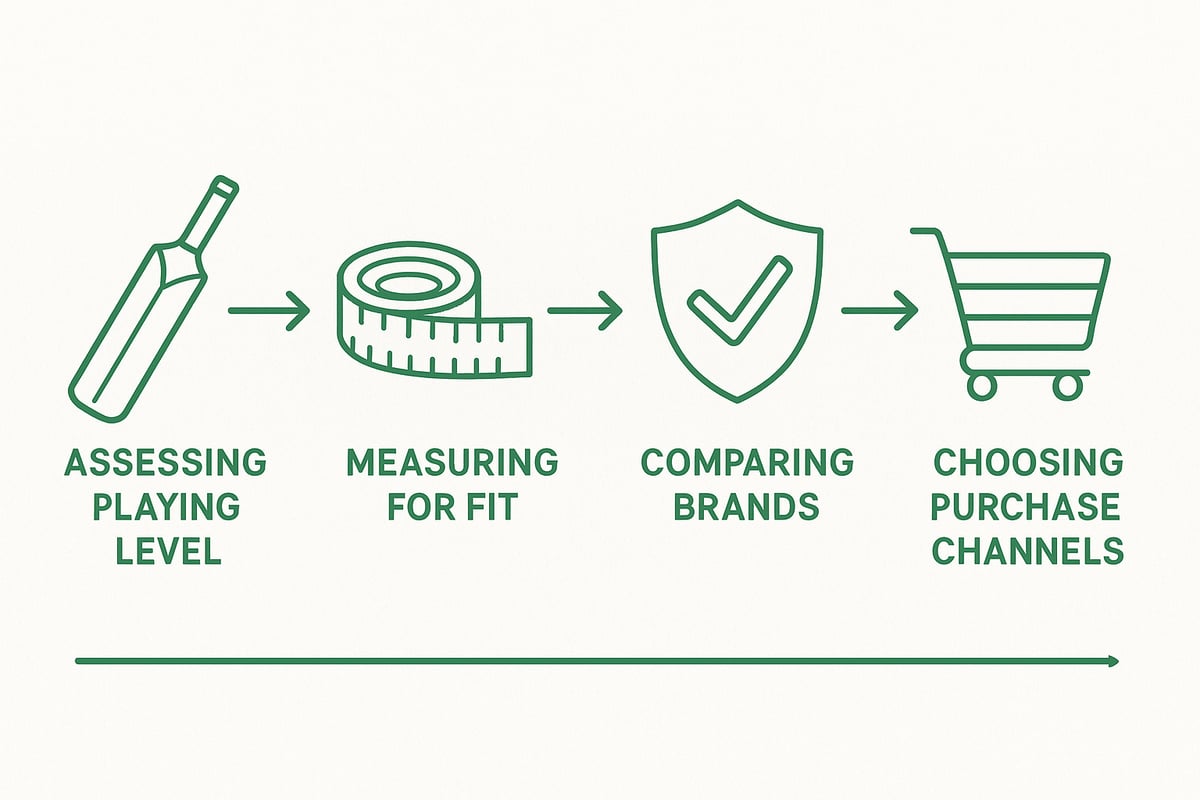
Assessing Your Playing Level and Needs
The first step in choosing cricket gear is to determine your playing level. Beginners often benefit from entry-level bats and protective gear that balance affordability with durability. Club players might seek mid-range options that offer improved materials and performance features. Professionals or advanced amateurs require top-tier cricket gear engineered for maximum power, control, and safety.
Consider the format you play most often, such as T20 or test matches, as this can influence the type of bat or pads you need. Make a list of essential gear for your role, whether you're a batter, bowler, or all-rounder. Prioritize gear that matches your skill progression and playing environment.
Sizing and Fit Guide
Proper sizing is crucial for both safety and performance. Measure your height and arm length to select the correct bat size. Pads should fit snugly around your legs without restricting movement, and helmets must sit comfortably while providing full coverage.
Common mistakes include choosing cricket gear that is too large, leading to cumbersome movement, or too small, which can reduce protection. Refer to manufacturer sizing charts and, when possible, try on equipment before purchasing. A well-fitted kit can improve confidence and minimize injury risk.
Evaluating Brand Reputation and Warranty
Not all cricket gear brands are created equal. Leading brands in 2026 offer a range of unique selling points, from advanced materials to innovative safety features. Investigate each brand's reputation for quality, durability, and customer feedback.
Warranty and after-sales service are important considerations. Opt for brands that provide clear warranty terms and responsive support. Compare product lifespans and user experiences through reviews or case studies to ensure your investment in cricket gear is backed by reliability.
Where to Buy: Online vs. In-Store
Both online and in-store shopping have distinct advantages. Online platforms provide broader selections and often better pricing, while physical stores allow you to test the fit and feel of cricket gear firsthand. To avoid counterfeit products, always purchase from reputable retailers or authorized dealers.
For a wide selection and to compare prices across various categories, you can Explore All Sports Equipment at trusted online stores. Read consumer reviews, check return policies, and seek out price match guarantees to ensure you get the best deal and authentic cricket gear.
Care, Maintenance, and Longevity of Cricket Gear
Proper care and maintenance are essential for maximizing the performance and lifespan of your cricket gear. With the right habits and attention to detail, players can ensure their equipment remains reliable, comfortable, and safe throughout the season. Let’s break down the best practices for each major component of your cricket gear.
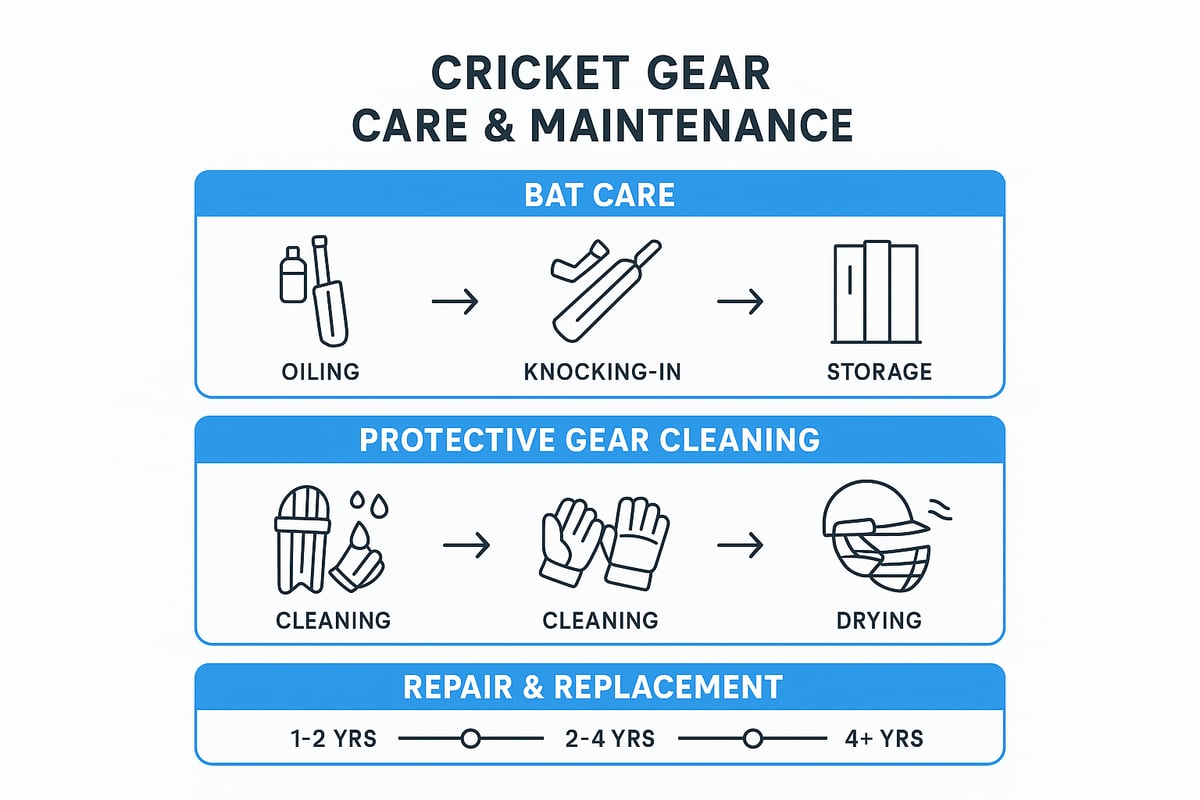
Bat Care: Oiling, Knocking-In, and Storage
Caring for your cricket gear begins with your bat. New bats require a step-by-step preparation to optimize performance and prevent damage. Start by applying a thin coat of raw linseed oil to the bat’s face, edges, and back. Allow it to absorb fully, then repeat the process once more.
Next, “knock in” the bat by gently striking the face and edges with a hardwood mallet. This compacts the fibers, reducing the risk of cracks during play. Avoid knocking the back, as this may weaken the structure.
Proper storage also plays a role in extending your cricket gear’s lifespan. Always keep your bat in a cool, dry area, away from direct sunlight and excessive heat. Never leave it in a car or damp environment, as moisture and temperature swings can warp the wood and reduce playability.
Cleaning and Storing Protective Gear
Cleanliness and careful storage are vital for protective cricket gear. After every match or training session, remove pads, gloves, and helmets from your bag to air out. Wipe down surfaces with a damp cloth to remove dirt and sweat, then let the gear dry completely before storing.
For pads and gloves, avoid machine washing, which can damage padding and stitching. Instead, spot-clean and use mild soap if needed. Helmets should be checked for dents or cracks and cleaned with a soft brush.
Store all cricket gear in a well-ventilated area. Use mesh bags or open shelves to prevent mold and lingering odors. Following these steps not only keeps your equipment hygienic but also helps it last longer. Eco-conscious players may want to explore sustainability initiatives in cricket gear to further reduce their environmental impact.
Repair and Replacement Timelines
Knowing when to repair or replace cricket gear is crucial for both safety and performance. Bats showing deep cracks, severe dents, or split handles should be inspected by a professional. Minor surface cracks can be fixed with bat tape or a repair kit, but structural damage often requires expert attention.
Pads and gloves with worn straps, torn padding, or exposed foam may lose their protective qualities. Helmets that have sustained impact or show signs of shell damage must be replaced immediately.
On average, bats last two to three seasons with regular play, while protective gear can last longer with proper care. Monitor your cricket gear regularly, and don’t hesitate to invest in replacements when safety or comfort is compromised. Maintaining this routine ensures you are always ready to perform at your best.
The Role of Technology in Enhancing Cricket Performance
Technology continues to reshape cricket gear, offering players of all levels advanced ways to boost their skills and reduce injury risk. From smart sensors to virtual reality, innovation is driving a new era of performance and safety. Today’s cricketers can leverage powerful data and testing methods to get the most from their cricket gear and training routines.
Performance Analytics and Data-Driven Training
Performance analytics have become integral to maximizing potential with cricket gear. Modern bats and gloves now feature embedded sensors that capture swing speed, shot angle, and impact location. Wearable trackers monitor movement, workload, and heart rate, providing actionable feedback after every session.
Coaches and players use this data to refine their batting, bowling, and fielding techniques. For example, bat sensors can identify subtle flaws in a batter’s technique or reveal the sweet spot of the cricket gear. This level of insight was once exclusive to elite teams, but recent advancements have made it accessible to club and even youth players.
For those seeking to upgrade their training, cricket machines have become increasingly popular. These machines simulate consistent deliveries and allow for precise skill development. To explore the latest in training technology, you can shop cricket training machines that integrate seamlessly with modern cricket gear setups.
Virtual Reality (VR) and Simulation Tools
Virtual reality is transforming how players practice with cricket gear. VR systems immerse users in lifelike match scenarios, replicating everything from fast bowlers to tricky field placements. This approach enables players to sharpen their decision-making and reaction times without the need for a physical pitch.
Elite academies and grassroots programs are adopting VR to supplement traditional practice. Players can now face unlimited deliveries, analyze their technique in slow motion, and experiment with different strategies. Studies indicate that VR training accelerates skill acquisition, helping players adapt to high-pressure situations more effectively.
By integrating VR tools with their cricket gear, athletes can bridge the gap between simulated and real-world play. The result is a smarter, more adaptable generation of cricketers who are ready for the modern game.
Gear Testing and Certification Advances
Advances in gear testing and certification have raised the bar for cricket gear safety and reliability. New impact-testing protocols assess how well helmets, pads, and gloves protect against high-speed collisions. These standards ensure that only rigorously tested gear reaches players, reducing the risk of injury.
Technology also enables manufacturers to perform precise quality assurance checks. For instance, 3D scanning and digital modeling verify the structural integrity of protective equipment. In 2026, the certification process involves both laboratory simulations and real-world field testing, guaranteeing that cricket gear meets the highest standards.
Professional teams and recreational players alike benefit from these advancements. Knowing that their cricket gear has passed stringent tests gives athletes confidence to perform at their best, match after match.
Sustainability and the Future of Cricket Gear
Sustainability is rapidly reshaping the landscape of cricket gear, influencing both how equipment is made and how players choose their kit. As environmental awareness grows, brands and athletes are embracing new eco-friendly practices. This shift is not only about protecting the planet but also about future-proofing cricket gear for generations to come.
Eco-Conscious Manufacturing Processes
Cricket gear manufacturers are making significant strides toward sustainability by rethinking every stage of production. Many leading brands now use responsibly sourced willow and recycled polymers in bats and protective equipment. Local sourcing and optimized logistics further reduce the carbon footprint of cricket gear production.
A growing number of companies are also adopting biodegradable packaging and investing in energy-efficient machinery. For example, several 2026 gear lines feature minimal-waste designs and transparent supply chains. According to the Cricket Apparel and Equipment Market Analysis, these initiatives are gaining traction worldwide, especially in regions where environmental regulations are strict.
| Brand | Sustainable Practices | 2026 Gear Example |
|---|---|---|
| EcoCricket | Recycled materials | Modular eco gear bag |
| WillowWise | Local willow sourcing | Certified green bats |
| GreenGuard | Biodegradable packaging | Compostable batting pads |
By choosing cricket gear from brands that prioritize sustainability, players can reduce their impact on the environment without compromising on performance.
Consumer Demand for Green Products
Demand for eco-friendly cricket gear is surging as players become more environmentally conscious. Recent surveys show that over 60 percent of amateur and youth cricketers now consider sustainability a top factor when selecting new gear. This trend is especially strong among grassroots programs and schools, where education about environmental impact is a priority.
The influence of younger generations is driving brands to innovate with recycled materials, water-based dyes, and renewable energy in manufacturing. According to the Cricket Equipment Market Forecast 2021-2026, this shift in consumer values is expected to fuel continued growth in the cricket gear market.
Players and teams are also advocating for transparency, pushing brands to publish sustainability reports and certifications. As a result, eco-friendly cricket gear is no longer a niche product but an industry standard in 2026.
The Circular Economy: Recycling and Upcycling Gear
The future of cricket gear is rooted in the circular economy, where equipment is designed to be reused, recycled, or upcycled at the end of its life. Many brands now offer take-back programs, allowing players to return used bats, pads, and bags for recycling or refurbishment.
Upcycling initiatives are also growing in popularity. Old cricket gear is being transformed into training aids, playground equipment, or donated to community programs in need. These efforts help reduce landfill waste and extend the useful life of valuable materials.
For players, participating in recycling and upcycling programs is a meaningful way to support sustainability. By embracing circular practices, the cricket community ensures that cricket gear continues to evolve responsibly, benefiting both the environment and future generations of athletes.