

Batting Cages: Essential Guide for Training Success
Whether you're outfitting a school athletic program, managing a training facility, or coaching a competitive team, batting cages represent one of the most valuable investments in player development. These dedicated training spaces provide controlled environments where athletes can refine their hitting mechanics, build muscle memory, and develop the confidence needed for game-day performance. From youth leagues to collegiate programs, batting cages have become essential infrastructure for serious baseball and softball training.
Understanding Batting Cage Fundamentals
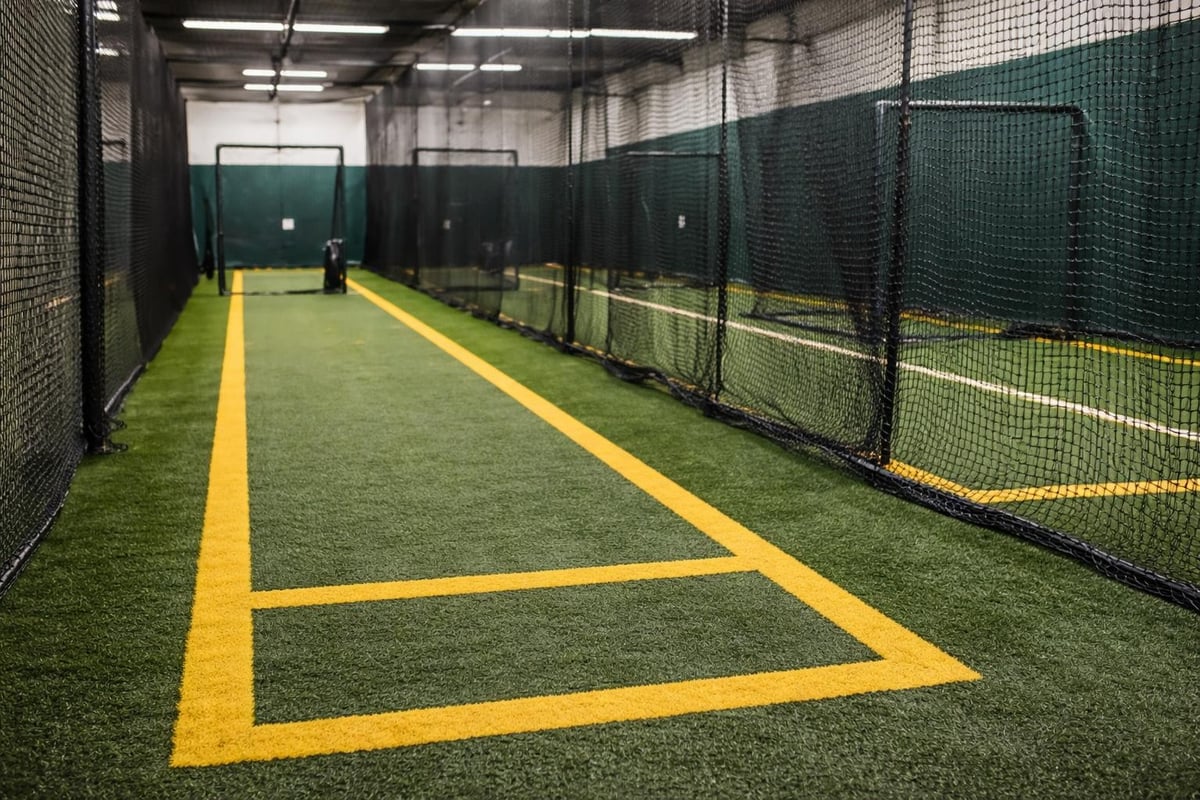
Batting cages serve a specific purpose: creating a safe, contained space where players can take countless swings without chasing balls across fields or risking injury to bystanders. The basic structure of batting cages typically includes netting walls, a protective ceiling, and adequate depth to accommodate various pitch speeds and batting styles.
Types and Configurations
The market offers several distinct batting cage configurations, each suited to different training needs and facility constraints:
- Indoor batting cages: Climate-controlled spaces perfect for year-round training
- Outdoor batting cages: Cost-effective solutions for seasonal programs
- Portable batting cages: Mobile options for schools and traveling teams
- Permanent installations: Heavy-duty structures for dedicated training facilities
Most facilities require cages measuring 12 feet wide, 12 feet high, and 70 feet deep for baseball, though softball programs may use shorter configurations. The netting material itself varies in quality, with commercial-grade nylon being the industry standard for durability and ball retention.
Construction and Safety Standards
Safety protocols form the foundation of proper batting cage operation. According to batting cage safety best practices, facilities must establish clear operational guidelines that address equipment inspection, user supervision, and emergency procedures.
Key safety components include:
- Regular netting inspections for tears and weak points
- Proper anchoring systems to prevent collapse
- Adequate lighting for visibility
- Clear signage displaying usage rules
- Defined separation between active batting areas
The framework supporting batting cage netting must withstand repeated ball impacts without compromising structural integrity. Steel frames offer superior longevity compared to aluminum alternatives, though the initial investment runs higher.
Equipment Integration and Pitching Solutions
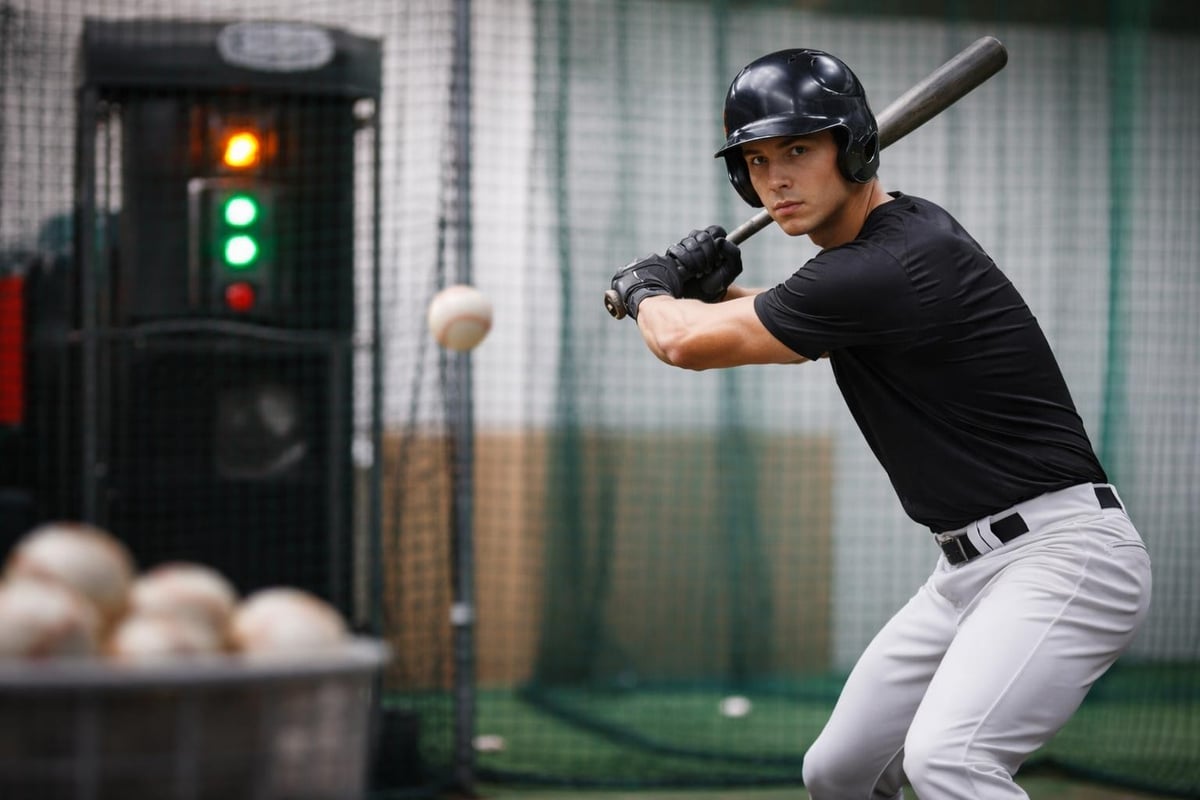
Modern batting cages function as comprehensive training environments rather than simple netting structures. The integration of baseball machines and softball machines transforms static spaces into dynamic development platforms where athletes can face consistent, programmable pitches.
Pitching Machine Selection
Choosing appropriate pitching equipment depends on several factors:
| Consideration | Youth Programs | High School | College/Elite |
|---|---|---|---|
| Speed Range | 20-50 mph | 40-75 mph | 60-95 mph |
| Pitch Variety | Fastball only | 2-3 types | Full repertoire |
| Durability Needs | Moderate | High | Commercial-grade |
| Budget Range | $500-1500 | $1500-3000 | $3000-8000 |
The relationship between cage dimensions and machine capabilities matters significantly. A cage rated for 70 mph pitches shouldn't house machines capable of 90 mph deliveries, as the reduced reaction time creates safety hazards.
Complementary Training Tools
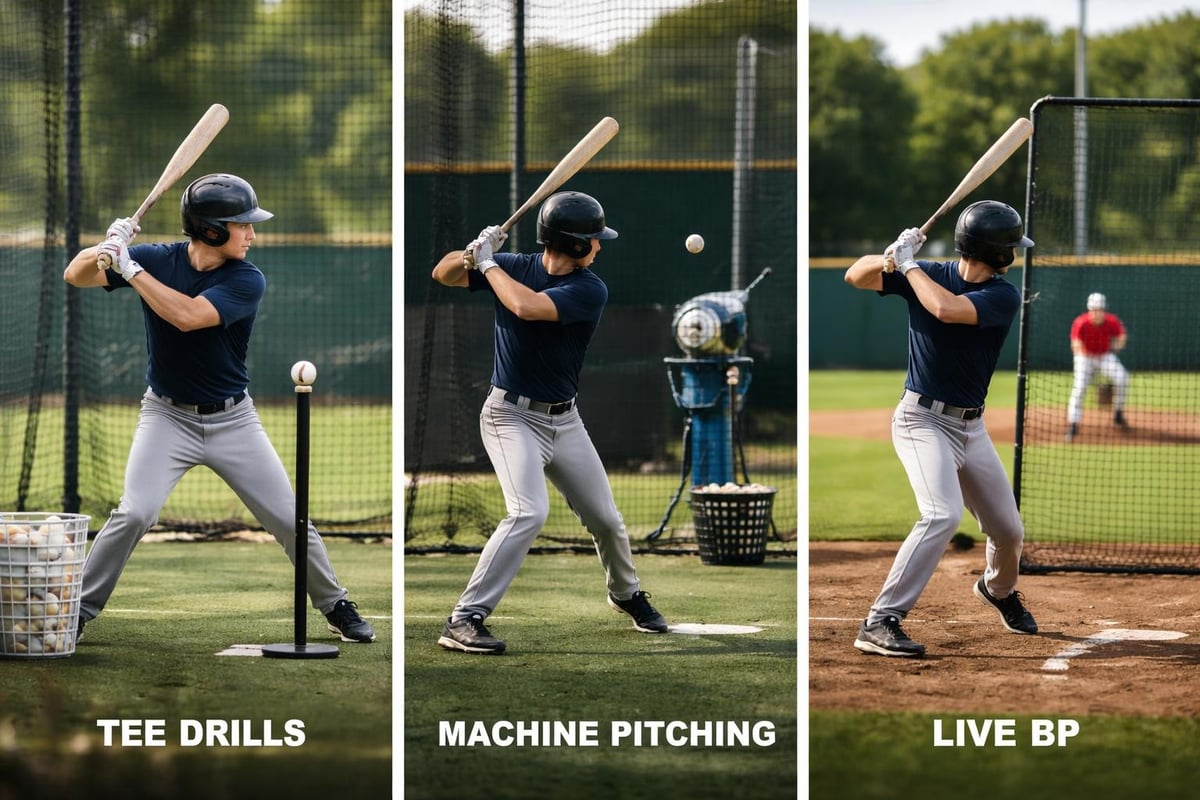
Beyond pitching machines, batting cages accommodate various training aids that enhance skill development. Tee stations allow players to work on fundamental mechanics without machine operation. Soft-toss stations enable coaches to provide personalized feedback while maintaining controlled throwing angles.
L-screens protect coaches during live batting practice, though their placement within batting cages requires careful consideration of space constraints. The screen should position at least 35 feet from the batter for adult leagues, with closer distances acceptable for youth programs.
Facility Planning and Layout Optimization
Establishing effective batting cage facilities requires strategic planning that balances space availability, budget constraints, and training objectives. Whether installing a single cage for team practice or developing a multi-lane commercial facility, the planning phase determines long-term functionality.
Space Requirements and Zoning
A single batting cage demands more than just its physical footprint. Coaches and players need circulation space, equipment storage areas, and viewing zones for instruction and analysis.
Recommended facility layout elements:
- 5-foot minimum clearance behind cages for safety
- Designated equipment zones separate from active batting areas
- Viewing areas positioned at 45-degree angles for optimal swing observation
- Storage solutions for bats, helmets, and protective gear
- Climate control considerations for indoor installations
Multi-lane facilities benefit from staggered entry points that prevent cross-traffic between active batting stations. This configuration also improves supervision efficiency, allowing fewer coaches to monitor multiple training stations simultaneously.
Cost Analysis and Budget Planning
Batting cage investments vary dramatically based on scope and quality. A basic outdoor cage with manual feeding might cost $2,000-5,000 for materials and installation, while climate-controlled indoor facilities with automated pitching systems can exceed $50,000 per lane.
Budget-conscious programs should prioritize netting quality and structural integrity over aesthetic features. A cage with premium commercial netting outlasts cheaper alternatives by years, reducing long-term replacement costs despite higher upfront expenses.
Training Methodology and Skill Development
The true value of batting cages emerges through structured training programs that leverage their unique advantages. Unlike open-field practice, cages enable focused repetition on specific mechanical elements without the distraction of ball retrieval or defensive positioning.
Progressive Training Protocols
Effective cage training follows a developmental progression that builds skills systematically:
- Mechanical Foundation - Tee work establishing proper stance, grip, and swing path
- Timing Development - Slow-pitch machine work introducing movement recognition
- Velocity Adjustment - Graduated speed increases building reaction time
- Pitch Recognition - Variable pitch types developing plate discipline
- Game Simulation - Random sequencing mimicking competitive scenarios
This structure prevents the common mistake of rushing players into high-velocity machine pitches before mastering fundamental mechanics. Athletes who establish proper swing paths at lower speeds translate those patterns more effectively to game situations than those who develop compensatory movements fighting velocity they're unprepared to handle.
Data Integration and Performance Tracking
Modern batting cage training increasingly incorporates technology for performance analysis. High-speed cameras capture swing mechanics for frame-by-frame review, while sensor systems track bat speed, contact point, and exit velocity. Facilities like Swing Science Hitting Lab demonstrate how data-driven approaches enhance traditional cage work.
Even facilities without high-tech systems benefit from structured record-keeping. Simple tracking of session frequency, pitch counts, and velocity progressions provides valuable feedback for both athletes and coaches. This documentation reveals patterns that might otherwise go unnoticed, such as fatigue effects on swing mechanics or optimal practice durations for different age groups.
Maintenance and Operational Management
Batting cages require consistent maintenance to ensure safety and longevity. Facilities that implement systematic inspection and repair protocols maximize equipment lifespan while minimizing injury risks.
Regular Inspection Schedule
| Frequency | Inspection Items | Action Required |
|---|---|---|
| Daily | Netting integrity, floor hazards, lighting | Immediate repair of defects |
| Weekly | Frame connections, door mechanisms | Tighten loose components |
| Monthly | Full structural assessment | Document findings, schedule repairs |
| Annually | Professional safety audit | Complete assessment report |
Netting represents the most frequent maintenance concern. Small tears expand rapidly under continued use, potentially allowing balls to escape the cage. Repair kits enable quick patching of minor damage, though sections with extensive wear require complete replacement.
Establishing Usage Protocols
Clear operational rules prevent misuse and extend equipment life. Comprehensive batting cage guidelines should address user behavior, equipment restrictions, and emergency procedures.
Essential rule categories include:
- Approved bat types and weight restrictions
- Maximum users per cage session
- Required protective equipment (helmets, guards)
- Prohibited activities (throwing objects, climbing netting)
- Cleaning and equipment return expectations
Posted signage reinforces these guidelines, particularly in facilities serving multiple organizations or public users. Laminated, weather-resistant signs withstand environmental exposure better than paper-based alternatives.
Commercial Versus Private Training Environments
The distinction between commercial batting cage facilities and private team installations affects design choices, equipment selection, and operational approaches. Each model serves different market segments with unique requirements.
Commercial Facility Considerations
Businesses operating batting cage facilities face revenue pressures that shape their infrastructure decisions. Multi-lane configurations maximize hourly rental capacity, while diverse training equipment attracts broader customer bases willing to pay premium rates.
Facilities like JWL Baseball combine batting cages with professional instruction, creating value propositions beyond simple cage rental. This model generates higher per-customer revenue while building community connections that drive repeat business.
Insurance requirements for commercial operations exceed those of private facilities. Operators must secure liability coverage addressing potential injuries, property damage, and equipment failures. Documentation of maintenance records, safety protocols, and staff training becomes essential for both insurance compliance and legal protection.
School and Team Installations
Educational institutions and sports organizations approach batting cages as long-term investments in athlete development rather than profit centers. This perspective often prioritizes durability and educational value over revenue optimization.
School batting cages frequently serve multiple sports programs, requiring flexible configurations that accommodate baseball, softball, and sometimes cricket training. Adjustable netting heights and removable pitching equipment enable this multi-sport functionality without requiring separate dedicated spaces.
Budget constraints common in educational settings make phased implementation attractive. A school might begin with a single outdoor cage, then add indoor capacity as funding permits. This incremental approach spreads capital expenses across multiple budget cycles while demonstrating program value to administrators.
Advanced Training Applications
Beyond basic hitting practice, batting cages support specialized training applications that address specific skill deficiencies or competitive advantages. Coaches who understand these advanced applications extract maximum value from their cage facilities.
Situational Hitting Practice
Game situations rarely present ideal conditions, yet traditional batting practice often fails to prepare players for these challenges. Batting cages enable controlled recreation of difficult scenarios:
- Two-strike approaches: Machine programming for tough pitcher sequences
- Count-specific training: Developing different approaches for favorable versus challenging counts
- Pressure simulation: Time constraints and consequence structures mimicking game pressure
- Opposite-field development: Angled machine placement encouraging outside-pitch contact
These applications require thoughtful setup and coaching presence. Simply running a machine without context provides limited transfer to game performance. Structured drills with specific objectives and performance feedback maximize training effectiveness.
Vision and Recognition Training
Batting cages excel at developing pitch recognition skills through controlled exposure to different pitch types and locations. Colored balls help players track rotation and movement patterns, while randomized sequences prevent predictive guessing.
Some programs incorporate cognitive training tools that challenge players to make split-second decisions based on visual cues. A coach might call out swing/take commands just before pitch release, forcing players to process information rapidly while maintaining swing readiness.
Integration With Broader Training Programs
Batting cages function most effectively as components of comprehensive athletic development programs rather than standalone training solutions. The relationship between cage work and other training elements determines overall skill advancement.
Strength and Conditioning Coordination
The physical demands of batting require specific strength qualities that cage work alone doesn't develop. Rotational power, core stability, and hand-eye coordination all benefit from targeted conditioning programs that complement cage sessions.
Programs offering integrated fitness and training equipment enable athletes to develop supporting physical qualities alongside technical skills. Medicine ball circuits, resistance band exercises, and plyometric drills address the strength foundations that translate to improved cage performance.
Timing these training elements properly prevents interference effects. Heavy strength training immediately before cage work often impairs fine motor control, while light activation work enhances performance. Understanding these relationships helps coaches structure practice schedules that optimize both components.
Cross-Sport Applications
While designed primarily for baseball and softball, batting cages support training for other sports requiring hand-eye coordination and reaction time. Cricket players adapt cages for bowling machine work, while some coaches use modified setups for tennis serve returns.
For facilities serving diverse athletic populations, this versatility improves space utilization and revenue potential. Multi-sport training equipment from brands like Mantis, known for precision-crafted racquet sports gear, can complement batting cage facilities serving athletes pursuing excellence across different disciplines.
Emerging Technology and Future Developments
The batting cage industry continues evolving as technology creates new training possibilities. Virtual reality systems now simulate game environments within cage spaces, while artificial intelligence analyzes swing mechanics in real-time, providing instant feedback that once required video review and expert analysis.
Automated Coaching Systems
Some newer facilities incorporate automated coaching platforms that guide players through structured training progressions without requiring constant human supervision. These systems track performance metrics, adjust difficulty levels, and provide technique feedback through visual displays and audio cues.
While these technologies offer efficiency benefits, they complement rather than replace human coaching. The nuanced feedback, motivation, and relationship-building that effective coaches provide remains irreplaceable, even as technology handles certain instructional elements.
Sustainability Considerations
Modern facility planning increasingly addresses environmental impact and operational efficiency. LED lighting systems reduce energy consumption in indoor batting cages while providing superior visibility compared to older fluorescent installations. Solar panels offset electricity costs in outdoor facilities, particularly those operating year-round in sunny climates.
Netting materials also evolve toward sustainability, with some manufacturers offering recycled content options that maintain performance standards while reducing environmental footprint. These choices align with broader institutional sustainability commitments common in educational settings.
Selecting Equipment and Suppliers
The equipment decisions facilities make during installation and ongoing operation significantly impact training effectiveness and operational costs. Strategic purchasing from reliable suppliers ensures long-term satisfaction and performance.
Quality Versus Cost Considerations
Budget pressures often tempt purchasers toward cheaper alternatives, but batting cage components represent cases where quality dramatically affects outcomes:
Premium quality advantages:
- Commercial-grade netting lasting 5-10 years versus 2-3 years for economy options
- Heavy-duty frames resisting weather and impact damage
- Professional pitching machines maintaining accuracy through thousands of pitches
- Superior customer support and warranty coverage
Sports organizations should evaluate total cost of ownership rather than just purchase price. A $1,000 netting system requiring replacement every two years costs more over a decade than a $3,000 system lasting eight years, even before accounting for installation labor and operational disruption.
Building Supplier Relationships
Establishing relationships with knowledgeable equipment suppliers provides ongoing value beyond initial purchases. Quality suppliers offer installation guidance, maintenance training, and troubleshooting support that extends equipment life and improves operational efficiency.
Suppliers specializing in athletic facility equipment understand the unique demands of batting cage operations. They can recommend appropriate specifications for different use cases, help facilities avoid common mistakes, and provide realistic timelines for projects.
Batting cages represent foundational infrastructure for serious baseball and softball programs, providing controlled environments where athletes develop the skills and confidence needed for competitive success. Whether you're establishing a new training facility, upgrading existing equipment, or equipping a team practice space, choosing reliable, durable components ensures your investment delivers years of effective training. Sideline Sport Supply provides the quality batting cage equipment, pitching machines, and training essentials that coaches, schools, and sports organizations need to build effective practice environments-backed by straightforward pricing and fast fulfillment that gets your program up and running quickly.