

Goal Nets Guide: Choosing the Best Options for 2026
The right goal net can make or break your soccer game, both on the field and in your overall experience. As the foundation of every match, goal nets play a crucial role in safety, performance, and satisfaction for players at all levels.
This comprehensive guide is designed to help you confidently select the best goal nets for 2026, whether you play professionally, coach a school league, or enjoy backyard games with family. We will break down different types of goal nets, key selection criteria, the latest materials and innovations, practical sizing and installation tips, and our top recommendations for every level of play.
With expert advice and the latest insights, you can improve your game, protect your investment, and ensure every goal is counted.
Understanding Goal Nets: Types, Materials, and Uses
Goal nets are far more than simple barriers. They define the boundaries of play, signal a successful goal, and protect both players and spectators. A high-quality goal net is essential for safety, fair play, and the overall experience in soccer and a range of other sports.
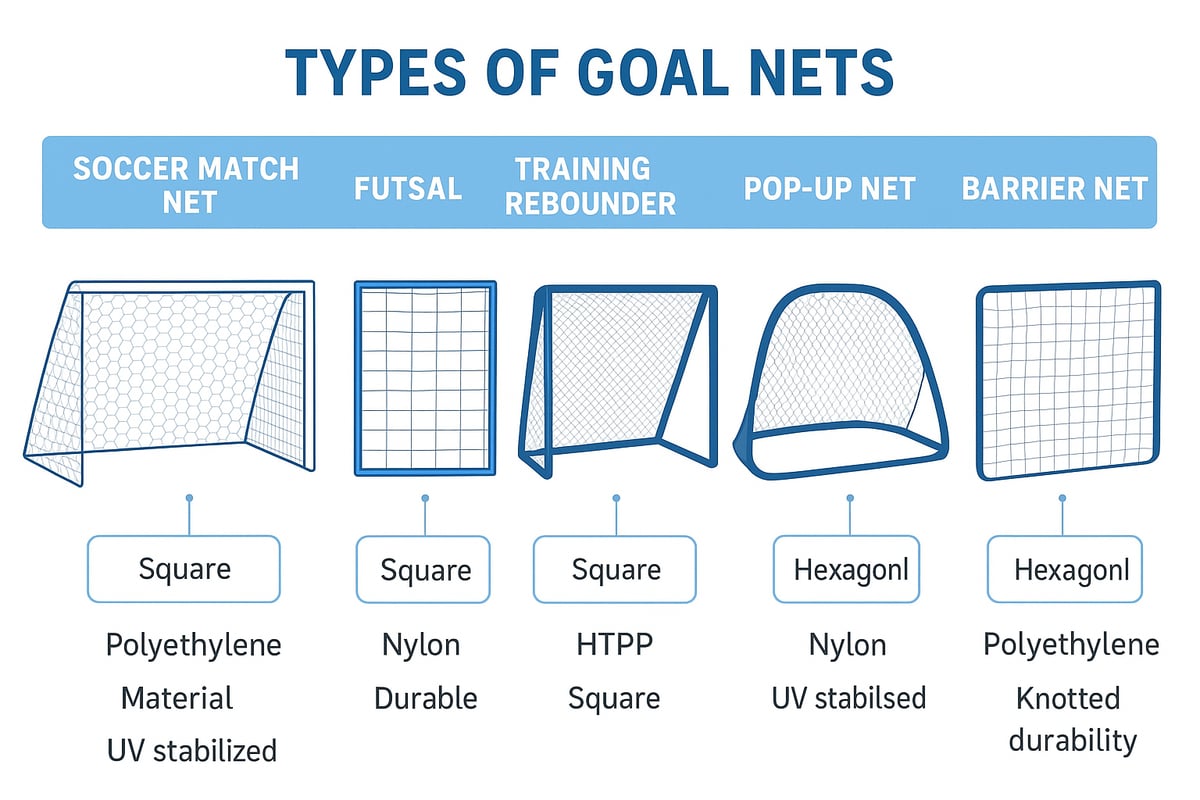
There are several types of goal nets, each designed for specific purposes. Traditional soccer goal nets are typically rectangular and built for official matches, providing secure ball containment. Futsal nets are smaller and built for indoor play, with tighter mesh to handle low-bounce balls. Training nets include rebounders and portable pop-up options, offering flexibility for practice sessions. Barrier nets, meanwhile, serve as backstops behind goals or field boundaries, helping to prevent balls from leaving the playing area.
The materials used in goal nets greatly influence their performance and longevity. Polyethylene is a popular choice for its affordability and weather resistance, making it ideal for outdoor settings. Nylon, known for its strength and stretch, is favored in professional environments but may degrade faster under UV exposure. High Tenacity Polypropylene (HTPP) is increasingly common in premium nets, valued for its exceptional strength, minimal stretch, and resistance to harsh weather conditions.
Mesh patterns also play a crucial role in the function and appearance of goal nets. Square mesh is traditional and offers a classic look, while hexagonal mesh provides a modern, professional aesthetic. The choice of mesh impacts ball containment and how the net reacts to high-velocity shots. Depth styles vary as well: nets with depth create a box shape, offering more space for the ball and reducing rebound, while nets without depth hug the goal frame and are easier to install.
Goal nets are used in a variety of settings, each with unique requirements. Professional stadiums demand nets that meet strict league standards for size, strength, and safety. School leagues and youth clubs prioritize durability and compliance with safety regulations. Portable setups and backyard play benefit from lightweight, easy-to-install nets that still offer reliable performance. Durability factors such as UV stabilization, weather resistance, and the choice between knotless and knotted construction all contribute to the lifespan of the net. Knotless nets are often smoother and less abrasive, while knotted designs can provide extra strength in high-impact areas.
For example, AGORA nets are renowned for their true-to-size thickness, ensuring the stated millimeter measurement matches the actual net, not just the string before it is woven. Their focus on UV protection and robust construction means these goal nets stand up to years of use in demanding environments. If you want to explore a broad range of options for every type of play and environment, the Soccer Equipment Collection is an excellent place to start your search for the ideal goal nets.
Whether you are outfitting a professional pitch or setting up a backyard goal, understanding the types, materials, and uses of goal nets is the first step to enhancing your game.
Key Factors to Consider When Choosing Goal Nets
Selecting the right goal nets is crucial for ensuring consistent play, longevity, and safety across all levels of soccer. Whether outfitting a professional stadium or a backyard pitch, understanding the critical factors behind the best goal nets will help you make informed decisions and maximize your investment.
Net Size and Goal Compatibility
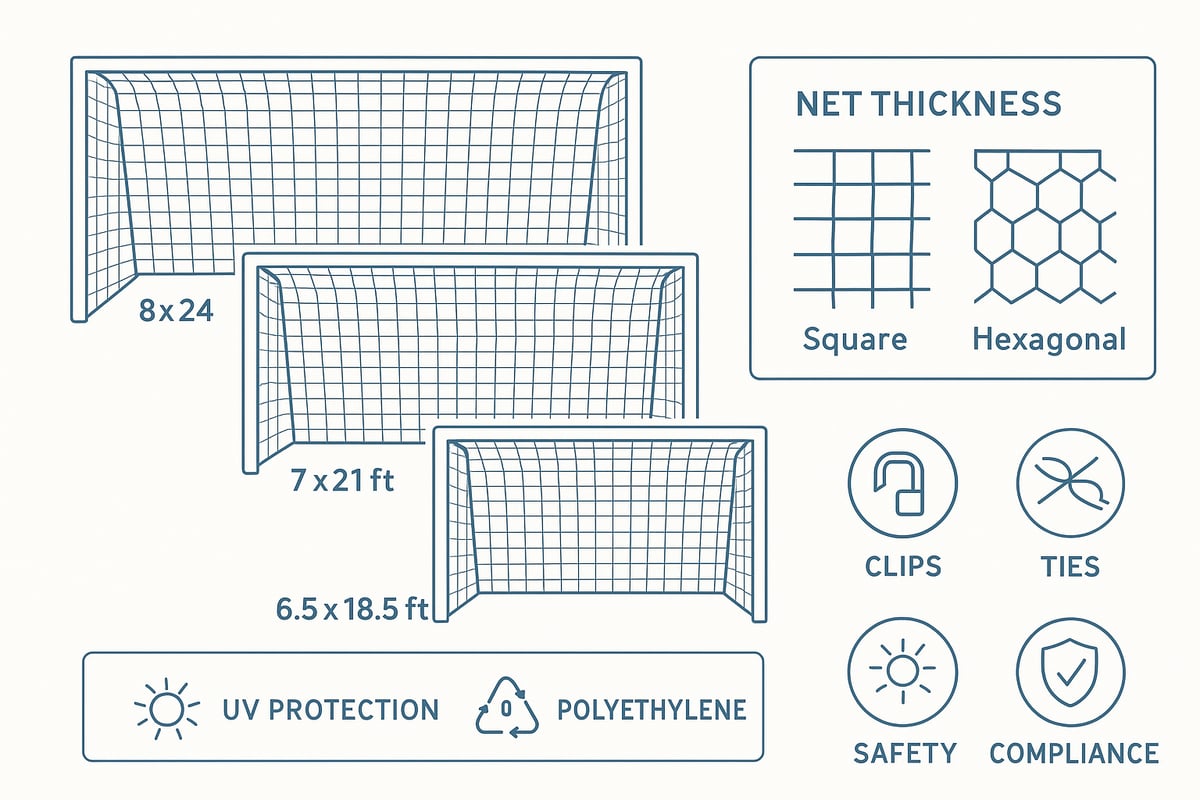
Goal nets must fit the goal frame precisely to ensure safety and proper play. Standard goal sizes vary by age group, with youth teams (U6-U8) typically using 4x6 ft goals, progressing up to 6.5x18.5 ft for U11-U12, and full-size 8x24 ft for U13 and above.
Always match the net size to your frame dimensions, considering height, width, depth, and base. Consult sizing charts provided by manufacturers to interpret dimensions correctly, as even small discrepancies can cause sagging or unsafe tension.
Improperly sized goal nets may lead to balls escaping, game interruptions, or even safety hazards. When in doubt, measure your frame carefully and double-check product specifications. Investing time in this process helps ensure your goal nets perform as intended and last longer.
Material Quality and Thickness
Material choice directly affects how your goal nets withstand repeated shots, weather, and UV exposure. Common materials include nylon, polyethylene, and High Tenacity Polypropylene (HTPP). Nylon is known for its strength and stretch, while polyethylene offers good weather resistance at a lower cost. HTPP provides superior durability and minimal stretch, making it popular for competitive play.
Thickness is another key factor. Nets advertised as “true 3mm” or “4mm” indicate strong, long-lasting construction, while thinner nets may wear out faster. AGORA’s emphasis on genuine thickness ensures their goal nets maintain performance over time.
Protective treatments like UV stabilization and anti-abrasion coatings further enhance longevity. For a deeper understanding of how materials perform under real-world conditions, consider referencing studies on material durability of goal nets.
Always review material specs in product listings, and look for certifications or manufacturer details that confirm the stated thickness and treatments.
Mesh Design and Performance
Mesh design impacts both the function and appearance of your goal nets. Square mesh is traditional, providing reliable ball containment and a classic look. Hexagonal mesh, often seen in professional leagues, offers a modern aesthetic and may influence ball rebound characteristics.
Mesh size, such as 2-inch or 3.75-inch openings, determines how well the net contains the ball. Smaller mesh sizes enhance containment but may add weight. The knotless construction is gaining popularity due to its smooth surface, which reduces abrasion and extends net life. Knotted nets, while traditional, may require more maintenance over time.
Consider the impact of mesh design on player safety as well. Smooth, knotless goal nets reduce the risk of hand or finger injuries during play. Choose a mesh style that matches your league’s standards and complements the environment where your goal nets will be used.
Safety and Compliance Standards
Safety is a non-negotiable priority when selecting goal nets, especially for schools and youth leagues. The Consumer Product Safety Commission (CPSC) provides guidelines to minimize injury risks associated with soccer nets.
Look for nets featuring reinforced edges, secure attachment points, and materials that resist fraying. Regular inspection and proper installation are essential for preventing accidents. Always remove nets during off-hours or when not in use, particularly in public spaces, to prevent entanglement hazards.
Compliance with league or federation regulations is vital. Some organizations require specific net thickness, mesh size, or certified materials. For example, Sator Soccer’s nets are known to meet CPSC guidelines, ensuring child safety. Following these standards guarantees your goal nets are both safe and eligible for official competition.
Innovations and Trends in Goal Nets for 2026
The world of goal nets is transforming rapidly as new materials, technologies, and sustainability practices emerge. In 2026, teams, schools, and backyard players alike can access a range of innovations that redefine both performance and longevity. Let us explore the most impactful trends shaping the future of goal nets and what they mean for your next purchase.
Advanced Materials and Construction
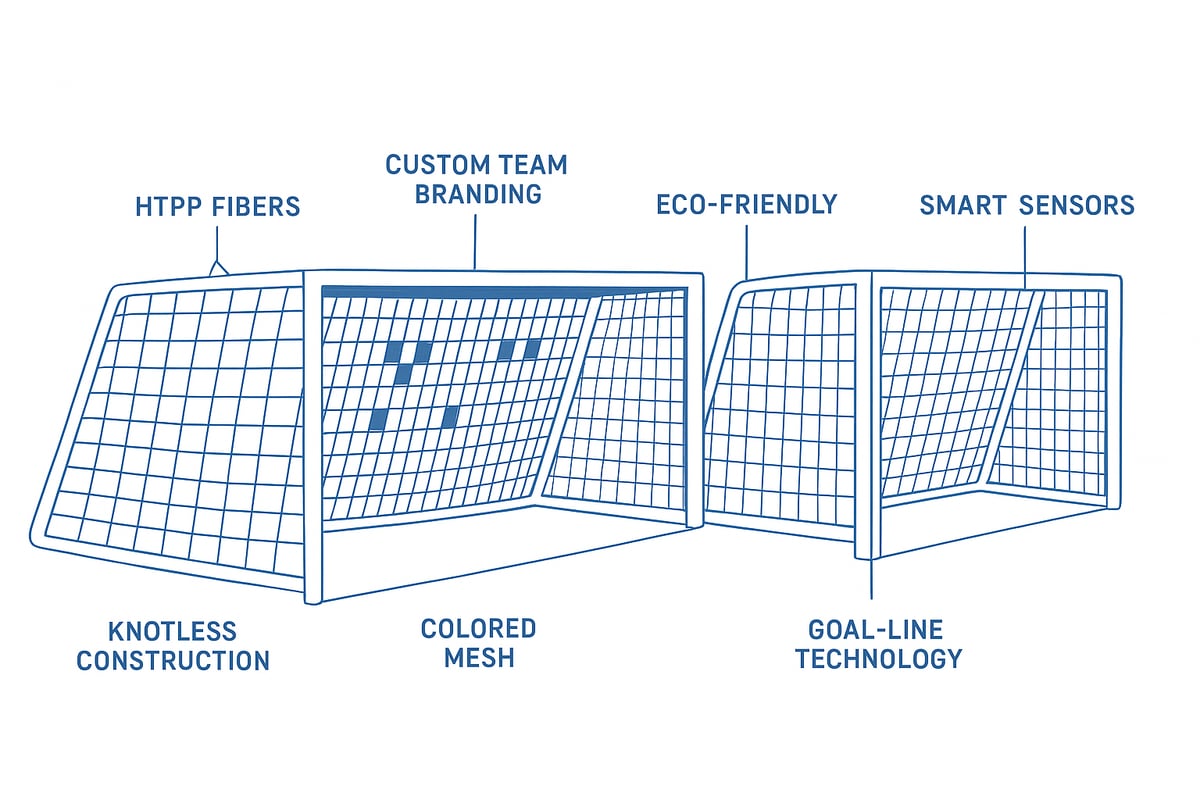
Advancements in materials science are elevating the durability and strength of goal nets. The shift toward high tenacity polypropylene (HTPP) and new polymer blends has set a new standard for weather resistance and UV stability. Solid braid knotless rope technology, now widely adopted, reduces fraying and increases net lifespan.
Manufacturers are also applying UV-stabilized and weatherproof coatings, ensuring goal nets maintain structural integrity in harsh outdoor environments. For example, AGORA’s true 4mm HTPP nets have demonstrated superior resistance to abrasion and sun damage, making them a top choice for professional and high-usage settings. Recent studies on physical durability of nets in various environments reinforce the importance of these innovations, particularly for venues exposed to extreme conditions.
These breakthroughs mean goal nets last longer, require less maintenance, and provide safer play for all levels.
Customization and Branding
Personalization is now a hallmark of modern goal nets. Clubs and schools can order nets in custom colors, with team logos woven directly into the mesh. This not only boosts team spirit but also enhances the visual appeal of matches, making the game more engaging for players and spectators.
Color choice can influence visibility on the field, with some leagues opting for high-contrast hues to improve ball tracking. In professional arenas, branded goal nets have become a staple, helping teams stand out and reinforcing sponsor visibility. The ability to match nets to team colors or event themes brings a new level of professionalism and excitement to every game.
Customization options are more accessible and affordable than ever, allowing organizations of all sizes to elevate their field’s appearance.
Eco-Friendly and Sustainable Nets
Sustainability is a growing priority in the sports industry, and goal nets are part of this green movement. Manufacturers are introducing recycled and biodegradable materials, reducing reliance on virgin plastics and minimizing environmental impact.
Some brands now offer nets produced with greener methods, such as low-energy manufacturing and minimal waste processes. These eco-friendly goal nets retain the strength and durability needed for competitive play while supporting environmental goals. Schools and organizations are increasingly choosing these sustainable options to align with broader green initiatives.
Choosing sustainable goal nets is a practical way to demonstrate environmental responsibility without sacrificing quality or performance.
Smart Nets and Technology Integration
Technology is redefining the capabilities of goal nets. The latest smart nets feature integrated sensors that enable goal-line technology, ensuring accurate scoring decisions in real time. These systems are already in use in many professional stadiums and major tournaments.
Looking ahead, smart nets may soon offer new features such as instant replay integration, ball speed tracking, and player analytics. The use of connected devices within goal nets is expected to become more common as costs decrease and adoption grows.
For organizations seeking a competitive edge, investing in smart goal nets offers both immediate benefits and future-ready capabilities.
Goal Net Sizing and Installation: Step-by-Step Guide
Choosing the right size and installing your goal nets correctly is essential for both safety and game quality. With careful measurement, proper attachment, and regular maintenance, you can ensure optimal performance at every level of play.
Measuring for the Perfect Fit
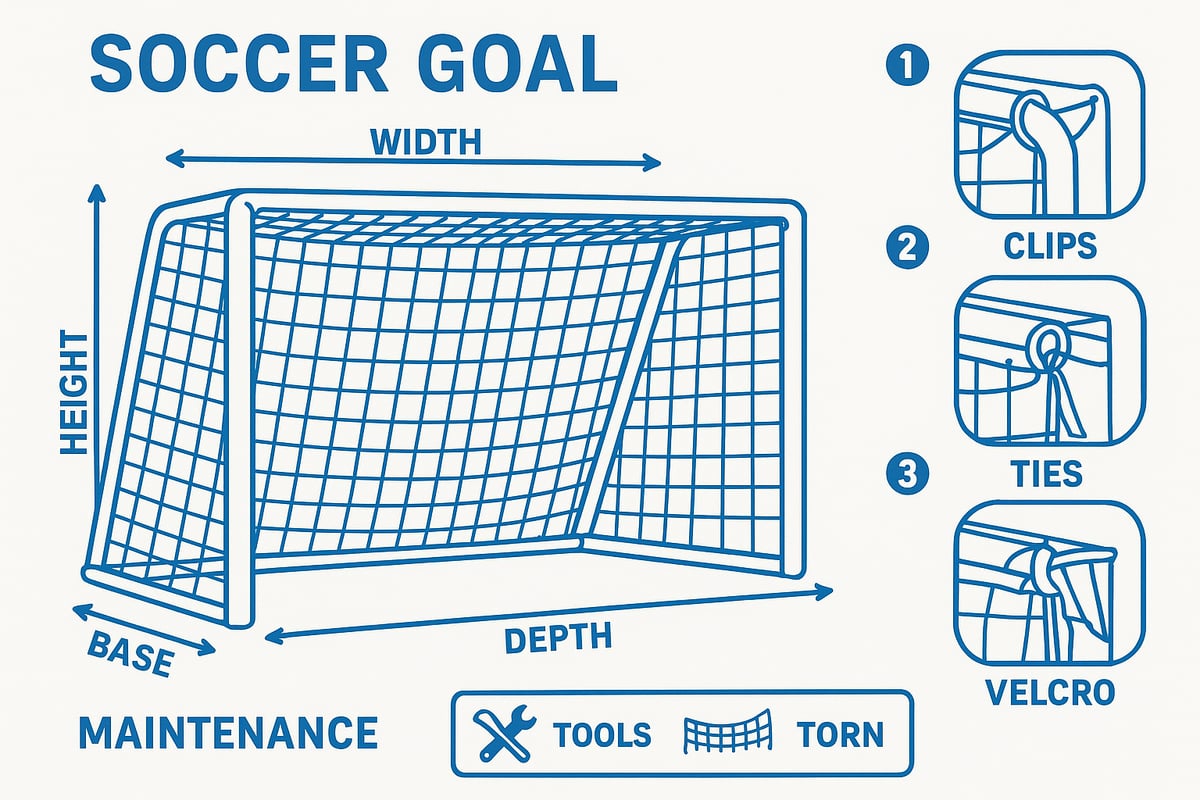
Accurate measurements are the foundation when selecting goal nets. Begin by measuring the height, width, top depth, bottom depth, and base of your goal frame. Use a tape measure and record each dimension to the nearest inch.
Standard goal sizes include 8x24 ft for full-size, 7x21 ft for youth, and 6.5x18.5 ft for intermediate play. Always match your goal nets to these frame dimensions to avoid safety hazards and ensure a proper fit. Refer to sizing charts from reputable manufacturers for guidance, and double-check measurements before ordering.
Net Attachment Methods
Proper attachment is crucial to keep your goal nets secure during play. Common methods include using clips, ties, Velcro straps, or integrated channels. Each option offers different benefits for permanent or portable goals.
For fast and reliable installation, consider specialized accessories designed for net mounting. Explore a wide range of Mounting and Installation Accessories to find the best solution for your setup. Always follow manufacturer instructions, and ensure nets are taut without overstressing the material.
Maintenance and Longevity Tips
Regular care extends the lifespan of your goal nets. Inspect nets frequently for signs of wear, such as fraying, UV damage, or broken mesh. Clean nets with mild soap and water to remove dirt and debris after heavy use.
During off-season or inclement weather, remove and store goal nets in a dry, cool place. Schedule periodic replacements based on usage and exposure. A proactive maintenance routine helps prevent sudden failures and keeps your game safe and professional.
Troubleshooting Common Issues
Even the best goal nets can face challenges. Sagging often results from loose attachments or overstretched material. Torn or slipping nets may indicate improper sizing or excessive strain.
To resolve these issues, check all attachment points and replace damaged ties or clips. For vandalism or animal damage, patch small holes promptly and consider stronger netting materials for high-risk areas. Consult manufacturer support for replacement parts and expert advice to keep your goal nets in top condition.
Best Goal Net Options for Every Level in 2026
Selecting the right goal nets for your application is crucial to ensure both player safety and game quality. Whether outfitting a professional stadium, club league, school field, or backyard, the right net can elevate every session. In 2026, advancements in materials and design have created robust options for every level and environment.
Professional and Competitive Match Nets
For elite play, goal nets must meet the highest standards for durability, performance, and compliance. Top-tier nets use high-strength HTPP fiber with true 4mm thickness, ensuring they withstand powerful shots and frequent use throughout a season.
Professional match goal nets often feature hexagonal or square mesh patterns, offering both a modern look and optimal ball containment. Common sizes include 8x24 feet for full-size goals, and these nets are required to comply with FIFA and league regulations. AGORA's 4mm hexagonal and square nets are popular choices, praised for their longevity and weather resistance.
When selecting goal nets at this level, consider warranty terms and pricing. Most premium nets range from $250 to $380, with warranties of several years or even lifetime coverage. These investments ensure consistent performance and safety for players and officials.
School, Club, and Youth League Nets
Schools, clubs, and youth leagues require goal nets that balance cost, durability, and safety certification. Most programs opt for nets made from 3mm or 3.5mm nylon or HTPP, which provide adequate strength for frequent training and matches.
Selecting the appropriate net size is essential, with common dimensions including 7x21, 6.5x18.5, and 6.5x12 feet for various age groups. Look for nets certified to meet CPSC and league safety standards, especially when used by younger athletes. Many manufacturers offer value packs or bulk discounts, making it easier for clubs to replace multiple nets each season.
Safety is paramount, so choose knotless designs where possible to minimize injury risk. Investing in quality nets for youth programs fosters a safe and enjoyable environment, ensuring every game runs smoothly.
Portable and Training Goal Nets
Portable and training goal nets are designed for flexibility, easy transport, and quick setup. Coaches and trainers favor pop-up, bow-style, and quick-frame nets for drills and travel tournaments. These nets are lightweight yet robust, often constructed from polyester or polyethylene with reinforced seams.
Popular sizes include 12x6, 8x4, and 6x4 feet, suitable for various training scenarios. For backyard or field use, PowerNet's portable goals are widely recognized for their stability and convenience. When choosing training goal nets, prioritize easy assembly, sturdy frames, and weather resistance.
If you need a range of portable options, explore the Portable Soccer Goals Selection for reliable products. These nets streamline practice sessions and adapt to changing field conditions, making them indispensable for busy coaches and active families.
Backyard and Recreational Nets
For home and recreational use, goal nets should be affordable, simple to install, and able to withstand outdoor conditions. Many families opt for smaller nets, such as 4x6, 5x10, or 3x5 feet, which are ideal for casual play and developing skills in a safe environment.
Look for nets with UV protection and weather-resistant coatings to ensure they last through seasons of use. Pop-up and portable styles are especially popular, offering quick setup and easy storage when not in use.
Choosing the right goal nets for backyard play supports fun and fitness for the whole family. Prioritize safety features and ease of maintenance so you can focus on enjoying the game rather than worrying about repairs or replacements.
Barrier and Multi-Purpose Nets
Barrier and multi-purpose nets provide critical protection on and around the field. These goal nets are engineered for high-tensile strength and large coverage areas, making them perfect for field boundaries, backstops, or multi-sport use.
Common barrier net sizes include 12x9 feet or larger, designed to stop stray balls and safeguard spectators, vehicles, or adjacent play areas. Durability is key, so choose nets with reinforced edges and UV stabilization for long-lasting performance in any weather.
For a comprehensive selection of barrier and multi-purpose netting, browse Ball Nets and Backstop Options to find products tailored for soccer, baseball, and more. Investing in quality barrier nets helps maintain a safe and efficient playing environment, no matter the sport.
Cost, Value, and Where to Buy Goal Nets in 2026
Selecting the right goal nets for your needs involves more than just picking the first option available online. Cost, value, and where you purchase can significantly impact your satisfaction and the longevity of your investment.
Price Ranges and What to Expect
When shopping for goal nets, understanding the pricing landscape is essential. Entry-level goal nets typically start around $99.99 and are best suited for backyard or recreational use. Mid-range options, ideal for schools and clubs, can range from $150 to $250, offering improved durability and better materials.
Premium goal nets, such as those from AGORA or PowerNet, can cost between $280 and $380. These nets are designed for professional or competitive play and feature advanced materials and construction. Factors like material thickness, mesh design, and brand reputation all contribute to where a net falls within these price ranges.
| Price Level | Typical Use | Estimated Cost |
|---|---|---|
| Entry-Level | Backyard, Rec | $99.99–$150 |
| Mid-Range | Schools, Clubs | $150–$250 |
| Premium | Pro, Competition | $280–$380 |
Choosing wisely ensures your goal nets meet both your budget and performance expectations.
Evaluating Value: Warranty, Shipping, and Customer Support
Value in goal nets goes beyond the initial purchase price. Warranties are crucial, with brands like AGORA offering lifetime or multi-year protection, safeguarding your investment. Free shipping can make a significant difference, especially for oversized nets, so always check for exclusions before purchasing.
Customer service is another key factor. Prompt support for installation questions, replacement parts, or warranty claims can save time and frustration. According to a study on the durability of nets after field use, nets with stronger construction and solid warranties tend to last longer, providing better long-term value.
Buying from Reputable Suppliers
Purchasing goal nets from established suppliers ensures you receive authentic, high-quality products. Look for retailers with a broad selection, partnerships with trusted brands, and positive customer reviews. Established suppliers often provide price match guarantees, giving you peace of mind that you are getting the best deal.
Verifying authenticity is critical. Make sure your supplier provides detailed product specs and clear compliance information. This reduces the risk of purchasing sub-standard or non-compliant goal nets, which can impact safety and performance.
Bulk Orders and Team Discounts
For schools, clubs, or organizations needing multiple goal nets, bulk ordering is a cost-effective solution. Many suppliers offer volume pricing, team sales, and custom order support to accommodate larger needs. Planning ahead for replacements and maintenance can further reduce long-term costs.
Bulk discounts help stretch your budget, ensuring every team or field is equipped with reliable goal nets. Coordinating orders through a single supplier can also streamline replacement timelines and ensure consistent quality across all your equipment.