

Rebounder Basketball: Essential Training Equipment Guide
Basketball success relies heavily on repetition, consistency, and efficient practice sessions. For coaches, athletes, and training facilities looking to maximize player development, rebounder basketball equipment has become an indispensable tool that transforms how teams approach shooting drills, ball handling, and conditioning. These specialized training aids allow players to focus on form, rhythm, and volume without the constant need for a rebounder partner, making practice time more productive and enabling athletes to build muscle memory faster than traditional methods alone.
Understanding Rebounder Basketball Training Systems
Rebounder basketball equipment encompasses various training tools designed to automatically return basketballs to shooters after attempts. These systems range from simple return nets to sophisticated automated machines that can deliver passes to specific locations on the court.
The fundamental concept behind these training aids centers on maximizing repetition quality. When players spend less time chasing missed shots and more time executing proper shooting form, they develop better habits faster. This efficiency becomes particularly valuable for teams with limited practice time or facilities.
Types of Basketball Rebounders
Different rebounder basketball solutions serve distinct training purposes and budget requirements:
Return Net Systems
- Attach directly to standard basketball hoops
- Funnel missed and made shots back toward the shooter
- Affordable entry-level option for individual training
- Portable designs for multi-purpose facilities
Rolling Return Machines
- Mechanically return balls along the floor
- Allow for continuous shooting without interruption
- Ideal for three-point and mid-range practice
- Compact storage when not in use
Automated Passing Machines
- Programmable delivery systems for various shot types
- Simulate game-speed passing scenarios
- Advanced features for elite training programs
- Higher investment with maximum training flexibility
Each system addresses specific training goals, making equipment selection a strategic decision based on team needs, available space, and development priorities.
Benefits for Player Development
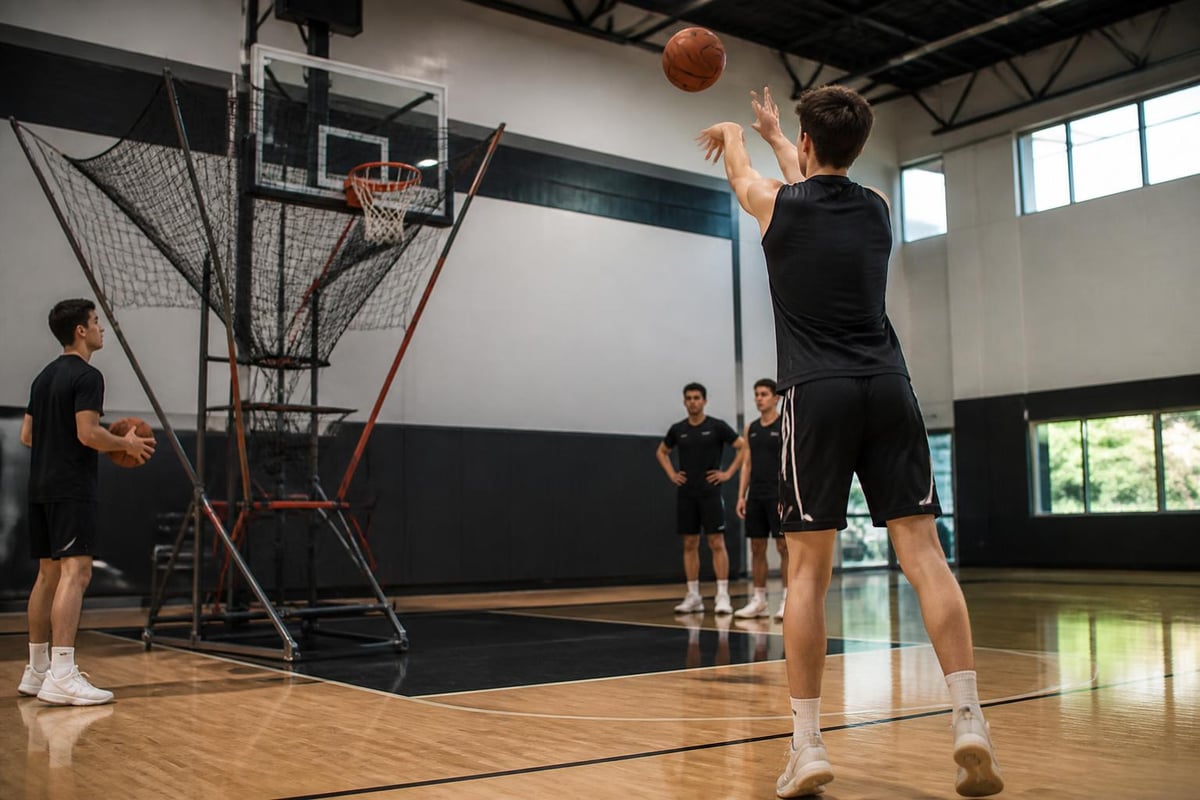
Investing in rebounder basketball equipment delivers measurable improvements across multiple skill areas. The efficiency gains translate directly into player performance during competitive situations.
Enhanced Shooting Volume
Players can typically triple their shot attempts during the same practice duration when using rebounding equipment. This volume increase creates more opportunities to refine mechanics and build confidence. According to basketball rebounding fundamentals, proper technique development requires consistent repetition under controlled conditions.
A typical 30-minute individual shooting session might include:
| Training Method | Estimated Shots | Time Chasing Balls | Focused Shooting Time |
|---|---|---|---|
| Traditional Partner | 75-100 shots | 15-18 minutes | 12-15 minutes |
| Self Rebounding | 40-60 shots | 20-25 minutes | 5-10 minutes |
| Rebounder Equipment | 200-250 shots | 2-3 minutes | 27-28 minutes |
Muscle Memory and Consistency
Repetition quality matters more than pure quantity. Rebounder basketball systems allow athletes to maintain proper form throughout extended sessions because fatigue from chasing balls doesn't compromise shooting mechanics. Players develop cleaner release patterns and more consistent follow-through when they can immediately reset for the next attempt.
The mental focus component also improves. Athletes concentrate on each shot's execution rather than anticipating the retrieval effort, creating practice habits that transfer directly to game situations.
Selecting the Right Equipment for Your Program
Choosing appropriate rebounder basketball equipment requires evaluating several factors specific to your training environment and athlete population. Schools, clubs, and individual trainers each face unique considerations that influence purchasing decisions.
Facility Space and Setup Requirements
Before selecting equipment, assess your available training space:
- Ceiling Height: Some automated systems require minimum clearances
- Floor Surface: Machines with wheels perform differently on hardwood versus concrete
- Storage Capacity: Consider off-season equipment storage needs
- Power Access: Advanced machines may require electrical outlets
- Portability Needs: Multi-sport facilities benefit from easily moved equipment
Age and Skill Level Considerations
Youth players require different rebounder basketball features than high school or collegiate athletes. Younger players benefit from adjustable return angles that accommodate developing strength and shooting ranges. Machines that can deliver softer passes help beginners build confidence without overwhelming them.
Advanced players need equipment that simulates game-speed scenarios and can handle high-volume training sessions. Durability becomes critical when equipment serves multiple teams throughout daily practice schedules. Quality athletic equipment from reliable suppliers ensures consistent performance across varied training demands.
Budget Planning and ROI
Basketball training equipment represents a significant investment that should align with program goals:
- Calculate usage frequency across all teams and individuals
- Estimate time savings compared to traditional rebounding methods
- Project skill development improvements from increased repetition
- Consider maintenance costs and replacement part availability
- Evaluate warranty coverage and manufacturer support
The cost per player hour often justifies higher initial investments when equipment serves multiple teams or enables rental opportunities for community programs.
Implementing Rebounders into Practice Plans
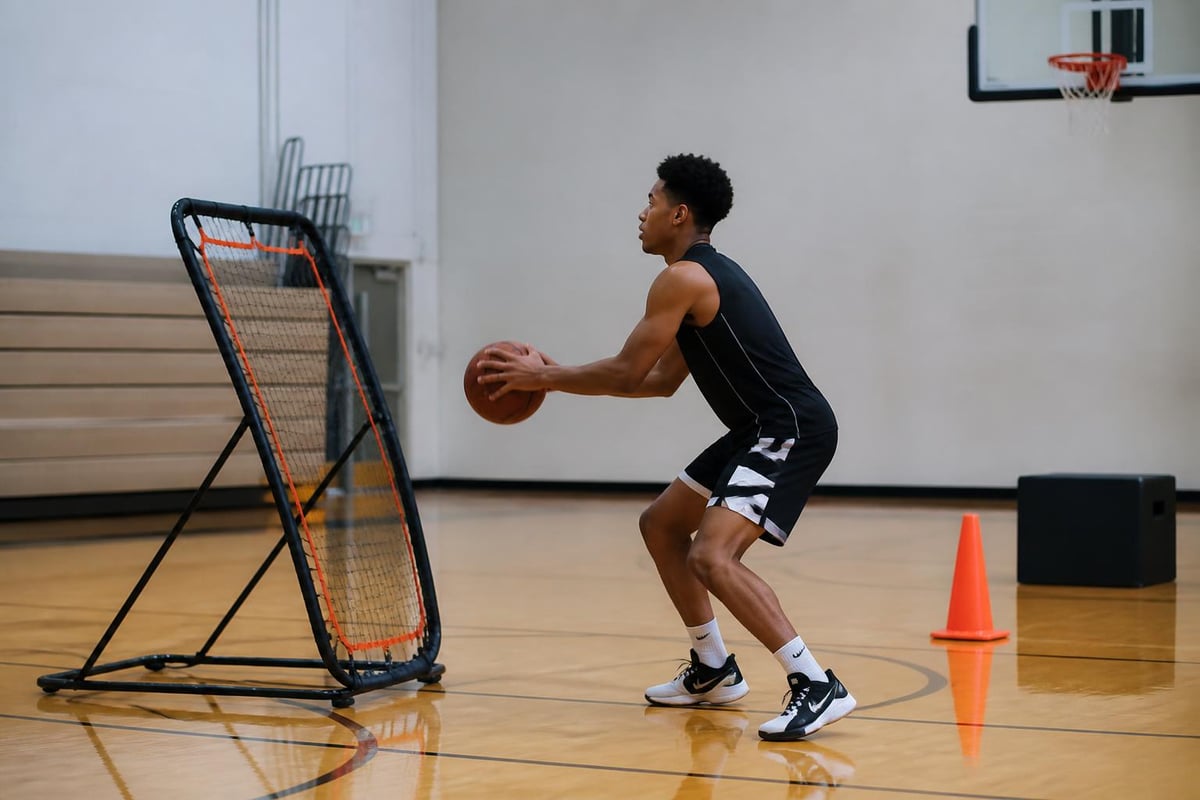
Effective use of rebounder basketball equipment requires strategic integration into existing training programs. Simply adding machines to practice facilities without structured implementation plans limits their potential impact.
Designing Efficient Shooting Drills
Structure rebounder-based drills around specific skill development objectives:
Form Shooting Progression
- Start close to basket with proper mechanics emphasis
- Gradually increase distance as consistency improves
- Focus on release point and follow-through repetition
- Track make percentage at each distance marker
Spot Shooting Routines
- Designate five key court positions
- Execute 20 shots from each location
- Rotate through positions twice per session
- Record daily results to measure improvement
Game Simulation Scenarios
- Program machines for catch-and-shoot deliveries
- Practice shot fakes before shooting
- Include movement patterns before receiving passes
- Incorporate decision-making elements
These rebounding drills complement machine-based training by developing the defensive rebounding skills needed during actual games.
Conditioning and Endurance Work
Rebounder basketball equipment enables unique conditioning opportunities that combine cardiovascular work with skill development. Players can maintain elevated heart rates while practicing shooting under fatigue conditions that mirror fourth-quarter game situations.
Circuit training incorporating rebounders builds basketball-specific endurance:
- 2 minutes continuous shooting from three-point range
- 30 seconds active rest (defensive slides)
- 2 minutes mid-range shooting with movement
- 30 seconds active rest (box-out positioning)
- Repeat circuit 4-6 times
This approach develops both physical stamina and mental toughness required to execute skills when tired.
Maintenance and Longevity Best Practices
Protecting your rebounder basketball investment requires consistent maintenance and proper usage protocols. Equipment that serves multiple teams daily needs systematic care to deliver reliable performance across seasons.
Daily and Weekly Maintenance Tasks
Establish routine maintenance schedules:
- Pre-Practice Checks: Inspect nets for tears, verify machine power functions, test return mechanisms
- Post-Practice Cleaning: Wipe down surfaces, remove debris from moving parts, store basketballs properly
- Weekly Inspections: Tighten loose bolts, lubricate moving components, check electrical connections
- Monthly Reviews: Assess wear patterns, replace worn parts proactively, calibrate automated systems
Documentation of maintenance activities helps identify recurring issues and supports warranty claims when necessary.
Common Issues and Solutions
| Problem | Likely Cause | Solution |
|---|---|---|
| Inconsistent ball return | Net tension too loose | Adjust tension straps or replace net |
| Machine won't power on | Electrical connection issue | Check outlet, reset circuit breaker, inspect power cord |
| Erratic passing patterns | Calibration drift | Recalibrate according to manufacturer specifications |
| Excessive noise during operation | Worn bearings or loose parts | Tighten hardware, replace worn components |
Understanding positioning and timing in rebounding helps athletes maximize equipment effectiveness while reducing unnecessary wear from improper use.
Integration with Other Training Equipment
Rebounder basketball systems work most effectively when integrated with complementary training tools. Complete player development requires addressing multiple skill dimensions simultaneously.
Building Comprehensive Training Stations
Create dedicated training zones that combine different equipment types:
Shooting Station
- Rebounder basketball machine for volume shooting
- Spot markers for positioning consistency
- Timer for timed shooting challenges
- Statistics tracking board
Defensive Development Station
- Pop-up dummies for defensive positioning work (similar to football training equipment)
- Agility ladder for footwork drills
- Resistance bands for lateral movement strength
- Mirror for form checking
Ball Handling Station
- Cone sets for dribbling patterns
- Resistance gloves for hand strengthening
- Vision training tools
- Speed and agility equipment
This multi-station approach keeps players engaged while developing well-rounded skill sets. Teams can rotate through stations efficiently, maximizing facility usage and player development time.
Complementary Equipment Considerations
When budgeting for basketball program improvements, consider how different equipment pieces support each other. A rebounder basketball system paired with quality goal nets and properly maintained hoops creates a complete shooting development ecosystem.
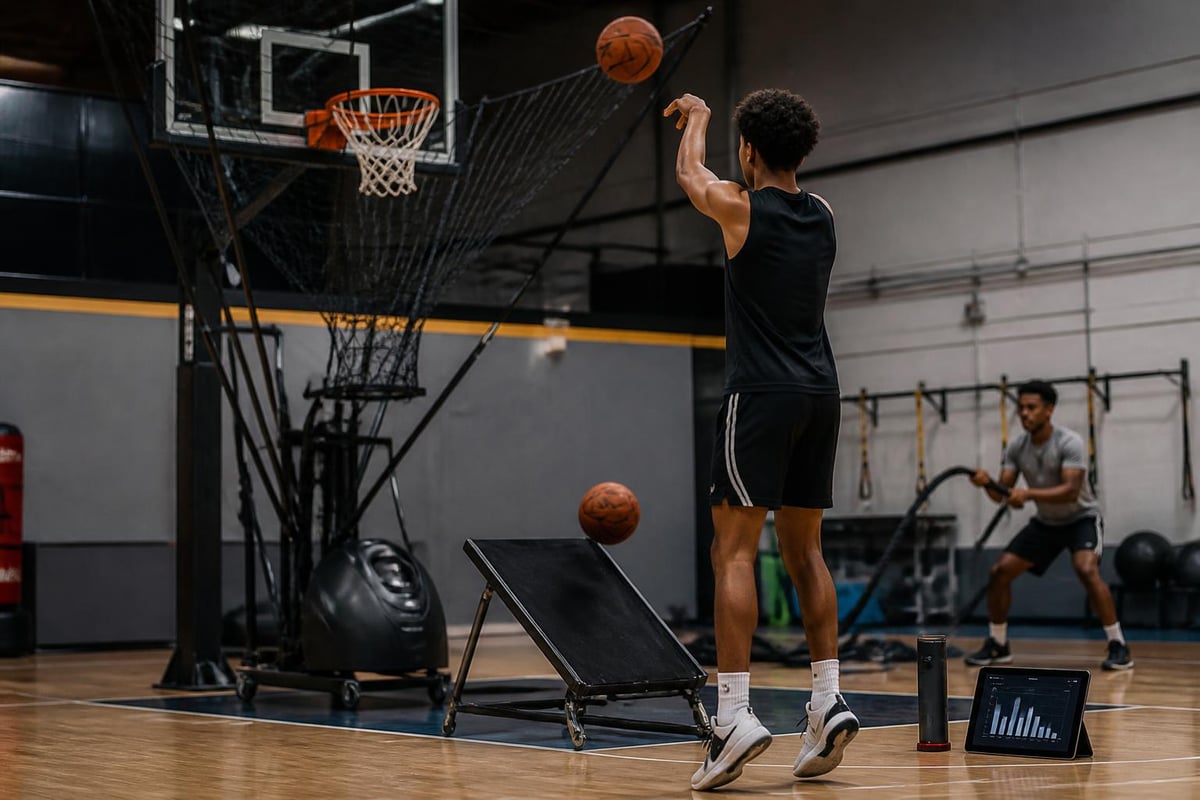
Measuring Training Effectiveness
Investment in rebounder basketball equipment should produce quantifiable improvements in player and team performance. Establishing measurement systems helps justify equipment purchases and guides training program adjustments.
Key Performance Indicators
Track these metrics to evaluate rebounder training impact:
- Shot attempts per practice session (volume increase)
- Shooting percentage by court zone (accuracy improvement)
- Free throw percentage (pressure shooting development)
- Practice attendance rates (engagement indicator)
- Game performance statistics (real-world application)
Comparing pre-equipment and post-equipment statistics reveals training effectiveness. Most programs observe measurable improvements within 4-6 weeks of consistent rebounder usage.
Player Self-Assessment Tools
Encourage athletes to maintain shooting logs that document:
- Daily shot attempts and makes
- Confidence levels at various distances
- Fatigue impact on shooting form
- Mental focus during high-volume sessions
- Progress toward individual goals
This self-monitoring develops accountability and helps players understand the connection between practice volume and game performance.
Advanced Training Techniques
Experienced programs leverage rebounder basketball equipment for sophisticated training applications beyond basic shooting practice. These advanced techniques maximize return on equipment investment.
Variable Practice Methodology
Research supports varied practice conditions for optimal skill retention. Use rebounders to create unpredictable training scenarios:
- Randomize shot locations rather than repetitive spot shooting
- Vary ball return speeds and angles
- Alternate between catch-and-shoot and off-dribble attempts
- Mix shooting distances within single drill sequences
This variability challenges players to adapt constantly, building decision-making skills alongside shooting mechanics. The approach mirrors game situations where players rarely execute identical shots consecutively.
Partner and Small Group Training
While rebounders enable effective individual training, incorporating partner work adds competitive and social elements. Two players sharing one rebounder basketball system can:
- Compete in timed shooting challenges
- Provide form feedback between sets
- Create accountability for consistent practice attendance
- Simulate game pressure through competitive drills
Small group training (3-4 players per rebounder) allows coaches to run efficient stations while maintaining appropriate supervision ratios during practice.
Safety and Proper Usage
Rebounder basketball equipment safety depends on proper setup, appropriate supervision, and educated users. Athletic directors and coaches must establish clear usage protocols that protect both athletes and equipment.
Setup and Space Requirements
Ensure adequate clearance around rebounding equipment:
- Minimum 6 feet behind shooting position for player safety
- Clear zones on both sides to prevent collision injuries
- Secure anchoring for machines to prevent tipping
- Proper electrical routing to avoid tripping hazards
These youth basketball rebounding drills emphasize proper spacing and safety awareness during practice activities.
Usage Guidelines for Athletes
Establish clear rules for equipment operation:
- Complete safety orientation before independent use
- Never adjust equipment settings without authorization
- Report malfunctions or damage immediately
- Follow maximum user limits for shared equipment
- Wear appropriate athletic footwear during all sessions
Posting visible usage guidelines near equipment reinforces expectations and reduces misuse incidents.
Rebounder Basketball for Different Program Levels
Equipment needs and usage patterns vary significantly across youth, high school, collegiate, and professional programs. Understanding these differences helps organizations select appropriate solutions for their specific contexts.
Youth and Developmental Programs
Young players benefit most from rebounders that accommodate shorter shooting ranges and developing strength. Adjustable return angles help machines serve players from elementary through middle school ages effectively. Simplicity in operation matters more than advanced features for this population.
Budget-conscious youth programs often share equipment across multiple teams, making durability and ease of adjustment critical selection factors. Equipment that transitions easily between practice and community use provides additional value.
High School and Competitive Programs
High school programs typically need equipment capable of handling higher shot volumes and more intense daily use. Multiple teams sharing facilities require machines that withstand constant operation throughout athletic periods.
Advanced features like programmable passing patterns become valuable at this level. Athletes preparing for collegiate competition benefit from training tools that simulate the speed and intensity they'll face at the next level. Organizations often find that investing in commercial-grade equipment from established athletic equipment suppliers reduces long-term replacement costs.
Elite and Professional Training
Professional and elite amateur programs demand maximum flexibility and durability from rebounder basketball equipment. Advanced analytics integration, customizable programming, and precision delivery systems justify premium equipment investments for organizations focused on competitive advantages.
These programs often maintain multiple rebounding systems to accommodate simultaneous individual workouts. The ability to precisely replicate specific game situations becomes paramount for preparing athletes to execute under championship-level pressure.
Rebounder basketball equipment represents a strategic investment that dramatically improves practice efficiency, accelerates skill development, and builds championship-level fundamentals through high-volume repetition. Whether you're equipping a youth development program, high school team, or elite training facility, selecting the right rebounding system amplifies every practice session's impact on player growth. Sideline Sport Supply provides the reliable, game-ready training equipment coaches and athletic directors need to build winning programs without breaking their budgets, delivering straightforward pricing and fast fulfillment so teams spend less time sourcing gear and more time developing champions.