

Rugby Shop Essentials: Complete Guide for Teams & Coaches
Finding the right rugby shop makes all the difference when equipping your team, school program, or rugby organization. With rugby's growing popularity across North America and the specialized equipment demands of the sport, choosing a supplier that understands your needs ensures players get game-ready gear without the headaches of delayed shipments, poor quality, or inflated prices. Whether you're outfitting a youth development program or managing a competitive high school squad, understanding what distinguishes a quality rugby shop helps you make informed purchasing decisions that benefit both your budget and your players' performance on the pitch.
Understanding the Rugby Equipment Market Landscape
The global rugby equipment industry continues experiencing substantial growth, with market projections indicating expansion of USD 1.16 billion from 2024 to 2028. This expansion reflects rugby's increasing participation rates and the sport's establishment in educational institutions.
Market Drivers Shaping Equipment Availability
Several factors influence what you'll find when shopping for rugby gear:
- Development programs from rugby unions driving equipment standardization
- Technological innovations in protective gear and safety equipment
- Customization demand for team-specific uniforms and training tools
- Digital marketing expanding access to specialized suppliers
The rugby equipment market's projected growth at a CAGR of 4.6% through 2035 signals sustained investment in the sport. For coaches and athletic directors, this means more options but also the need for discernment when selecting a rugby shop that delivers value without compromising quality.
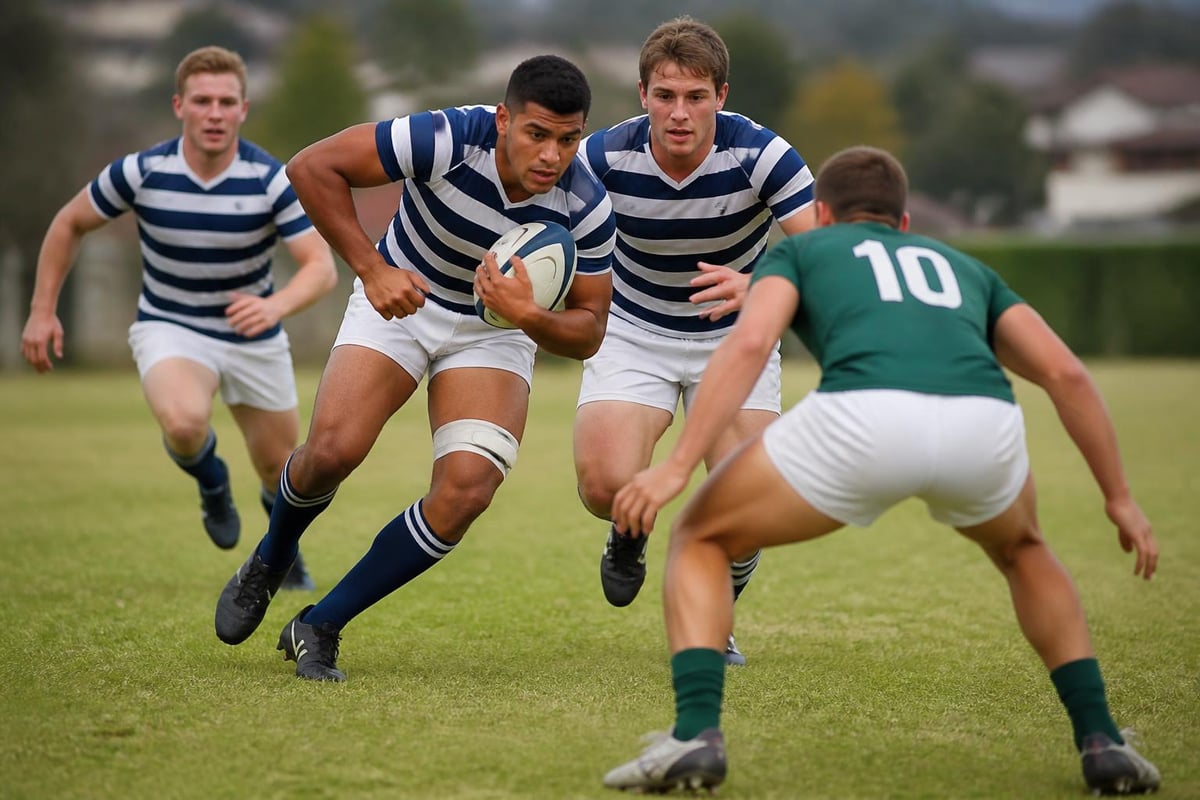
Essential Categories Every Rugby Shop Should Stock
A comprehensive rugby shop organizes inventory into distinct categories that address different aspects of team preparation and match-day readiness. Understanding these categories helps you evaluate whether a supplier can meet your complete equipment needs.
Training Equipment and Practice Gear
Training forms the foundation of rugby development. Quality rugby training equipment includes tackle bags, contact shields, scrum machines, passing targets, and agility ladders. These tools build fundamental skills while reducing injury risk during practice sessions.
Key training equipment considerations:
- Durability for repeated high-impact use
- Weight and portability for field setup
- Weather resistance for outdoor training
- Appropriate sizing for age groups
Rugby machines such as passing simulators and kicking equipment enhance individual skill development. These specialized tools allow players to practice specific techniques even when full squad training isn't possible.
Protective Equipment Standards
Rugby demands protective gear that meets safety standards without restricting movement. A reputable rugby shop carries headguards, shoulder padding, mouthguards, and supportive undergarments designed specifically for rugby's contact requirements.
| Protection Type | Primary Function | Key Features |
|---|---|---|
| Headguards | Reduce abrasion and impact | IRB-approved, moisture-wicking |
| Shoulder Pads | Protect shoulders during tackles | Thin profile, anatomical fit |
| Mouthguards | Protect teeth and reduce concussion risk | Custom-moldable, breathable |
| Compression Gear | Support muscles, reduce fatigue | Graduated compression, temperature regulation |
The emphasis on player safety continues evolving, with technological advancements in protective gear reflecting ongoing research into impact reduction and injury prevention.
Match-Day Essentials
Beyond training gear, your rugby shop should supply jerseys, shorts, socks, and boots appropriate for various field conditions. Match uniforms require durability through repeated washing while maintaining color integrity and team branding.
Evaluating Rugby Shop Quality and Reliability
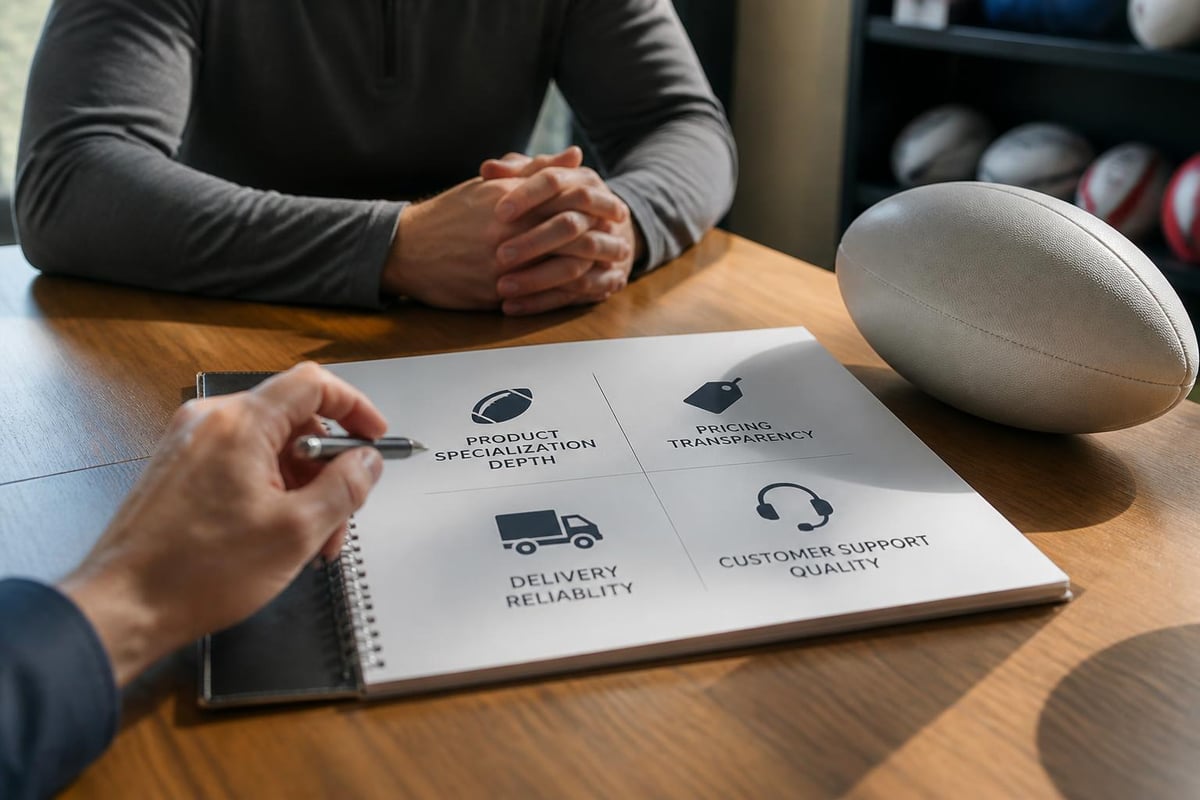
Not all athletic equipment suppliers understand rugby's specific demands. Evaluating potential vendors involves examining several critical factors that directly impact your experience and your team's preparedness.
Product Range and Specialization
General sporting goods stores often lack rugby-specific knowledge. A dedicated rugby shop demonstrates expertise through:
- Comprehensive product selection across all positions
- Age-appropriate sizing from youth to adult
- Multiple quality tiers matching different budget levels
- Replacement parts and accessories for maintenance
While specialized rugby shops offer depth, athletic equipment suppliers like Sideline Sport Supply that serve multiple sports often provide competitive advantages through broader inventory infrastructure and established logistics networks.
Pricing Transparency and Value
Budget management challenges every program. Your rugby shop should offer straightforward pricing without hidden fees or mandatory minimum orders that strain resources.
Value indicators include:
- Clear pricing on websites and catalogs
- Volume discounts for team orders
- Shipping cost clarity before checkout
- Return policies for defective or incorrect items
Compare total acquisition costs rather than just sticker prices. Faster shipping, reliable customer service, and consistent product availability often justify modest price differences.
Building Long-Term Relationships With Equipment Suppliers
Smart program management extends beyond individual transactions. Establishing ongoing relationships with your rugby shop creates advantages that benefit your team season after season.
Communication and Support
Responsive customer service distinguishes professional suppliers from basic retailers. Your rugby shop should provide:
- Knowledgeable staff who understand rugby equipment
- Quick response to inquiries about product specifications
- Assistance with bulk ordering and delivery scheduling
- Problem resolution when issues arise
Teams managing equipment across multiple sports often benefit from suppliers offering diverse athletic gear. Field and facility equipment providers serving various sports understand the operational challenges schools and organizations face.
Inventory Planning and Forecasting
Successful programs plan equipment needs well before seasons begin. A quality rugby shop helps with inventory forecasting based on:
- Player roster size and anticipated growth
- Equipment replacement cycles for high-wear items
- Budget allocation across multiple seasons
- Storage capacity for bulk purchases
This collaborative approach prevents last-minute scrambling when critical equipment wears out or new players join mid-season.
Specialized Equipment for Different Rugby Codes
Rugby encompasses multiple variations, each with specific equipment requirements. Your rugby shop should understand these distinctions and stock appropriate gear.
Rugby Union vs. Rugby League Equipment Needs
While many items overlap, the playing styles create different priorities:
| Aspect | Rugby Union | Rugby League |
|---|---|---|
| Scrum Equipment | Heavy-duty scrum machines, binding pads | Lighter contact equipment |
| Ball Specifications | Size 5 with specific grip patterns | Slightly different dimensions |
| Training Focus | Lineout equipment, ruck pads | Play-the-ball drills, faster-paced contact |
| Field Marking | Full lineout markings | Simplified field lines |
Understanding these nuances ensures you're ordering equipment that actually supports your specific rugby code's training and competition requirements.
Youth Development Equipment Scaling
Youth rugby programs require appropriately sized equipment that matches developmental stages. A knowledgeable rugby shop carries:
- Smaller, lighter balls for different age groups
- Adjustable-height tackle bags and shields
- Scaled protective equipment for growing bodies
- Age-appropriate training tools that build fundamentals
Fitness and training equipment that scales across age groups provides long-term value as programs develop players from introductory levels through advanced competition.
Digital Shopping Considerations for Rugby Equipment
Modern equipment procurement increasingly happens online. Evaluating a rugby shop's digital presence reveals operational sophistication and customer focus.
Website Functionality and User Experience
Professional athletic suppliers maintain websites that facilitate efficient ordering:
- Clear category organization by equipment type
- Detailed product specifications with measurements
- High-quality product photography from multiple angles
- Customer reviews and ratings for popular items
- Size charts and fitting guides
The ability to quickly locate specific items and compare options saves valuable time during busy coaching schedules.
Shipping and Fulfillment Capabilities
Fast fulfillment separates experienced suppliers from slower competitors. Assess your rugby shop's shipping practices:
- Processing time from order to shipment
- Shipping options from economy to express
- Geographic coverage and delivery zones
- Order tracking and notification systems
Reliable logistics become critical when equipment needs arise unexpectedly, such as replacing damaged items before important matches.

Maintenance and Replacement Planning
Equipment longevity depends on proper care and timely replacement. Your rugby shop relationship should extend beyond initial purchases to ongoing maintenance support.
Care Instructions and Product Lifespan
Quality suppliers provide maintenance guidance for different equipment categories:
Protective gear maintenance:
- Cleaning protocols that preserve material integrity
- Storage recommendations preventing premature degradation
- Inspection schedules identifying safety-compromising wear
- Replacement timelines based on usage intensity
Training equipment care:
- Repair procedures for minor damage
- Seasonal storage preparation
- Field setup best practices reducing stress
- Component replacement versus complete unit replacement
Budget Allocation for Equipment Lifecycle
Strategic planning distributes equipment costs across multiple budget cycles rather than creating unsustainable spending spikes. Work with your rugby shop to establish:
- Expected lifespan for major equipment categories
- Annual replacement budgets for consumables
- Reserve funds for unexpected equipment failures
- Multi-year purchasing agreements for predictable costs
This approach maintains consistent equipment quality without budget crises when multiple items reach end-of-life simultaneously.
Customization and Team Identity
Team unity strengthens through shared visual identity. A capable rugby shop offers customization services that build team cohesion while meeting regulatory requirements.
Uniform Customization Options
Modern customization extends beyond simple name and number printing:
- Sublimated designs incorporating team colors and logos
- Embroidered badges and sponsor placements
- Player identification meeting competition regulations
- Matching training gear reinforcing team identity
Balancing Cost and Quality in Custom Orders
Customization adds expense. Evaluate options considering:
| Customization Level | Cost Impact | Best For |
|---|---|---|
| Stock uniforms with numbers | Low | Recreational leagues, practice squads |
| Semi-custom color combinations | Moderate | School programs, club teams |
| Fully custom sublimation | High | Competitive programs, established organizations |
| Premium materials with custom design | Highest | Elite competitions, flagship programs |
Starting programs often benefit from simpler customization, upgrading as budgets and program prestige grow.
Emerging Trends in Rugby Equipment
Staying informed about equipment innovations helps programs remain competitive while improving player development and safety. A forward-thinking rugby shop introduces customers to beneficial advances.
Technology Integration in Training Tools
Performance indicators analysis from elite rugby competitions informs equipment design that supports measurable improvement. Modern training equipment increasingly incorporates:
- GPS tracking in practice vests monitoring player loads
- Impact sensors in protective gear quantifying contact forces
- Smart balls recording passing accuracy and distance
- Video analysis integration with training drills
While cutting-edge technology commands premium pricing, understanding these trends helps programs evaluate when adoption makes sense.
Sustainability in Equipment Manufacturing
Environmental consciousness influences purchasing decisions across athletics. Progressive manufacturers and rugby shop retailers respond with:
- Recycled materials in uniform construction
- Eco-friendly production processes
- Equipment take-back and recycling programs
- Durable construction reducing replacement frequency
These initiatives align with institutional sustainability goals while often delivering practical benefits through improved product longevity.
Multi-Sport Program Integration
Schools and organizations typically manage multiple athletic programs. A rugby shop that understands this context offers advantages beyond rugby-specific expertise.
Cross-Sport Equipment Efficiency
Certain equipment categories serve multiple sports. Suppliers carrying football equipment alongside rugby gear understand contact sport training parallels, potentially offering:
Shared equipment opportunities:
- Agility ladders and speed training tools
- Strength and conditioning equipment
- Hydration systems and cooling equipment
- Field maintenance and line-marking tools
This integration simplifies vendor management and often improves pricing through consolidated purchasing.
Administrative Simplification
Working with suppliers serving multiple sports reduces administrative burden through:
- Single vendor relationships for equipment procurement
- Consolidated billing and payment processing
- Unified shipping schedules reducing receiving complexity
- Streamlined communication channels for all equipment needs
Athletic equipment suppliers serving comprehensive sports portfolios often develop operational expertise benefiting all programs they serve.
Regional Considerations and Local Support
Geographic factors influence rugby shop selection. Local availability, regional rugby culture, and climate conditions all impact optimal equipment choices.
Climate-Appropriate Equipment Selection
Training and competition conditions vary dramatically by region:
- Cold-weather programs requiring thermal underlayers and all-weather balls
- Hot-climate teams needing enhanced ventilation and moisture management
- Wet-region programs prioritizing water-resistant gear and mud cleats
- Variable-climate teams requiring diverse equipment for seasonal changes
A knowledgeable rugby shop recommends equipment appropriate for your specific operating environment.
Community Connections and Local Service
While online shopping offers convenience, consider local presence benefits:
- Same-day pickup for urgent equipment needs
- In-person product evaluation before purchase
- Local warranty service and returns
- Community event support and sponsorships
Balancing online efficiency with local relationships often produces optimal results for established programs.
Equipping your rugby program requires more than just buying gear-it demands partnership with suppliers who understand the sport's unique demands and your organization's specific needs. From essential protective equipment to specialized training tools, the right rugby shop provides quality products, transparent pricing, and reliable service that keeps your focus on player development rather than procurement headaches. When you're ready to outfit your team with game-ready equipment backed by straightforward service, explore how Sideline Sport Supply delivers the athletic gear and responsive support that helps programs at every level spend less time sourcing equipment and more time on the pitch.