

Sports System: Building Efficiency in Athletic Programs
Athletic programs succeed through organization, preparation, and the right resources. Whether managing a high school team, running a community sports organization, or coaching at the collegiate level, having a comprehensive sports system in place creates the foundation for athletic excellence. A sports system encompasses everything from equipment procurement and inventory management to training protocols, performance tracking, and administrative workflows that keep programs running smoothly. Understanding how these interconnected elements work together helps coaches, athletic directors, and administrators build more effective, sustainable programs that deliver results on and off the field.
Understanding the Components of an Effective Sports System
A comprehensive sports system involves multiple integrated elements that work together to support athletic performance and organizational efficiency. At its core, this framework combines physical resources, technological tools, human expertise, and administrative processes into a cohesive operational model.
Equipment and Resource Management
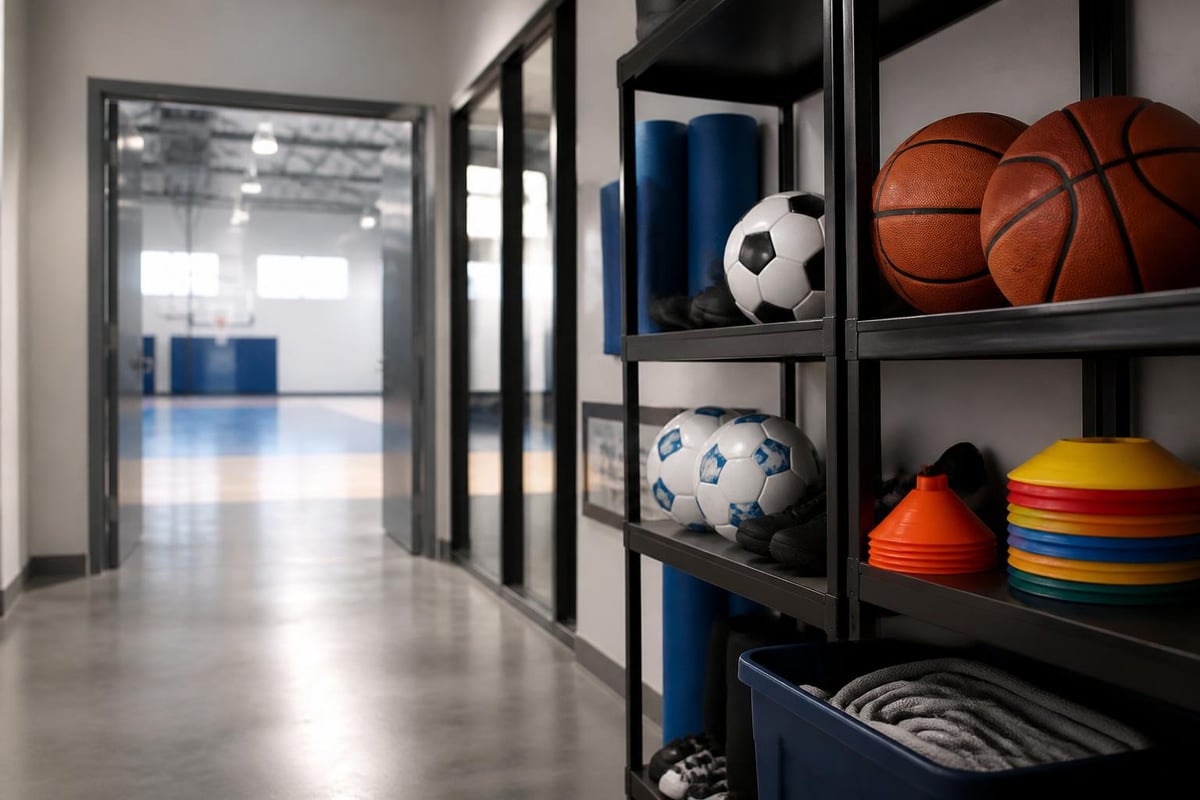
Equipment forms the tangible backbone of any sports system. From football equipment to training aids, the right gear ensures athletes can practice safely and compete effectively. Organizations that establish systematic approaches to equipment procurement, maintenance, and replacement reduce costs while maintaining quality standards.
Key equipment management practices include:
- Regular inventory audits to track usage and identify replacement needs
- Centralized storage systems that improve accessibility and accountability
- Preventive maintenance schedules that extend equipment lifespan
- Standardized procurement processes that ensure budget compliance
- Safety inspection protocols that protect athletes from equipment-related injuries
Modern athletic equipment shops streamline procurement through bulk ordering options and established vendor relationships that reduce administrative burden. This systematic approach allows coaches to focus on training rather than logistical challenges.
Technology Integration and Performance Analytics
Technology has revolutionized how sports organizations operate and make decisions. Modern technologies have transformed virtually every aspect of sport, from training methodologies to game-day strategies. A forward-thinking sports system leverages digital tools to enhance both athletic performance and administrative efficiency.
| Technology Category | Application | Benefit |
|---|---|---|
| Performance Tracking | Wearable sensors, GPS devices | Real-time athlete monitoring |
| Video Analysis | Game footage review platforms | Technical improvement identification |
| Scheduling Software | Practice and competition calendars | Enhanced coordination and communication |
| Inventory Management | Equipment tracking systems | Reduced loss and optimized budgets |
| Communication Tools | Team messaging platforms | Faster information distribution |
Performance analytics within a sports system extends beyond professional leagues. High school and collegiate programs increasingly adopt tracking systems in team sports to inform tactical decisions and monitor athlete development. These data-driven approaches create competitive advantages even with limited budgets.
Building Administrative Infrastructure
The administrative dimension of a sports system often determines program sustainability. Effective governance structures, financial planning, and communication protocols separate thriving programs from struggling ones.
Financial Planning and Budget Allocation
Athletic budgets require strategic allocation across multiple categories. Equipment purchases, facility maintenance, transportation, uniforms, and training resources all compete for limited funds. A systematic financial approach prioritizes spending based on program objectives and impact assessment.
Smart organizations leverage price matching guarantees and bulk purchasing agreements to maximize budget efficiency. This systematic cost management frees resources for additional program enhancements like specialized coaching clinics or expanded competitive schedules.
Budget optimization strategies include:
- Multi-year equipment replacement planning that spreads costs across fiscal periods
- Shared resource agreements with partner organizations
- Grant applications and fundraising campaigns for major capital improvements
- Regular vendor relationship reviews to ensure competitive pricing
- Equipment refurbishment programs that extend usable life
Governance and Policy Development
Clear policies form the structural framework of any sports system. Rules governing eligibility, conduct expectations, safety protocols, and administrative procedures create consistency and fairness. Written documentation ensures continuity when staff transitions occur and provides clear guidance for resolving disputes.
Successful programs establish decision-making hierarchies that balance efficiency with stakeholder input. Athletic directors, coaches, administrators, and sometimes athletes themselves participate in governance structures that shape program direction. This inclusive approach builds buy-in while maintaining operational clarity.
Training and Development Systems
A robust sports system prioritizes continuous improvement for both athletes and coaching staff. Structured training methodologies, skill development progressions, and professional development opportunities create cultures of excellence.
Athlete Development Pathways
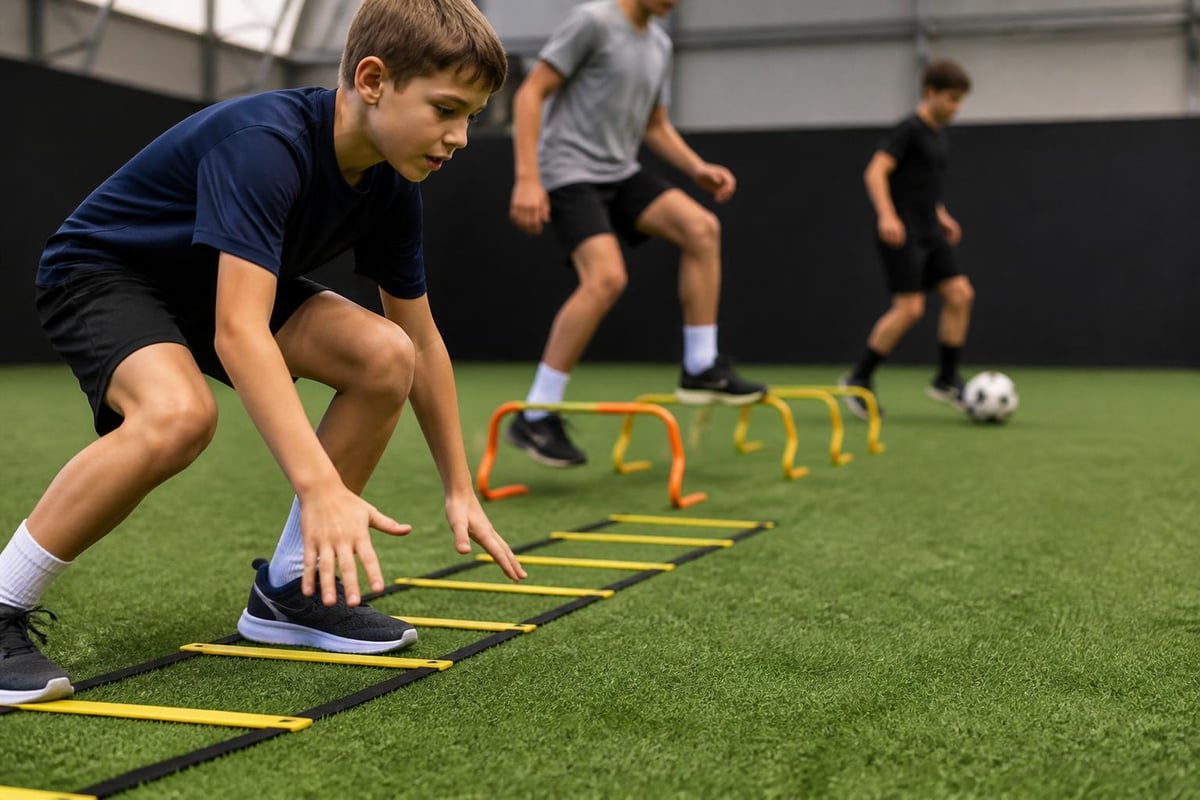
Systematic athlete development begins with age-appropriate skill progressions and physical conditioning protocols. Long-term athletic development models recognize that building foundational movement patterns and technical skills in younger athletes pays dividends as they advance through competitive levels.
Training equipment plays a crucial role in skill development. Tools like portable training dummies enable controlled repetition of techniques without requiring live opponents. This systematic approach to skill refinement accelerates learning while reducing injury risk during practice sessions.
Periodization strategies within a comprehensive sports system balance training intensity, recovery, and competition demands. Coaches who structure annual plans around peak performance periods while incorporating adequate rest prevent burnout and overtraining. This systematic approach to training load management extends athletic careers and improves long-term outcomes.
Coaching Education and Professional Growth
The effectiveness of any sports system ultimately depends on coaching quality. Ongoing professional development ensures coaches stay current with evolving best practices, rule changes, and training methodologies. Organizations that invest in coach education demonstrate commitment to program excellence.
Professional development opportunities include certification programs, conference attendance, peer mentorship networks, and specialized clinics. These learning experiences expose coaches to innovative approaches they can adapt to their specific contexts. A systematic approach to coaching development creates bench strength within organizations and improves program stability.
Multi-Sport Program Coordination
Organizations serving multiple sports face additional complexity in their sports system design. Shared facilities, overlapping seasons, and limited resources require sophisticated coordination mechanisms that balance competing needs.
Facility and Schedule Management
Effective facility management maximizes usage while preventing conflicts. Scheduling systems that account for practice times, competition schedules, maintenance windows, and community access requirements prevent bottlenecks and ensure equitable resource distribution.
Field and facility equipment investments benefit multiple programs simultaneously. Shared resources like line marking equipment, storage solutions, and field maintenance tools reduce per-program costs while maintaining quality standards across all sports.
Successful multi-sport coordination strategies:
- Rotating priority systems that ensure fair facility access across seasons
- Centralized communication platforms that prevent scheduling conflicts
- Shared equipment pools for common items like training cones and first aid supplies
- Cross-sport coaching collaborations that share expertise and build relationships
- Unified athletic department branding that creates organizational identity
Resource Sharing and Efficiency Gains
A systematic approach to resource allocation identifies opportunities for cross-program synergies. Strength and conditioning facilities, sports medicine services, and administrative support benefit all teams when properly structured. This integrated sports system reduces duplication and improves service quality through specialization.
Commercial sports information systems help larger organizations manage complexity across multiple teams and facilities. Research on sports information systems demonstrates how structured data management improves operational efficiency and decision-making quality in professional sports organizations. These principles scale effectively to educational and community-based programs.
Performance Measurement and Continuous Improvement
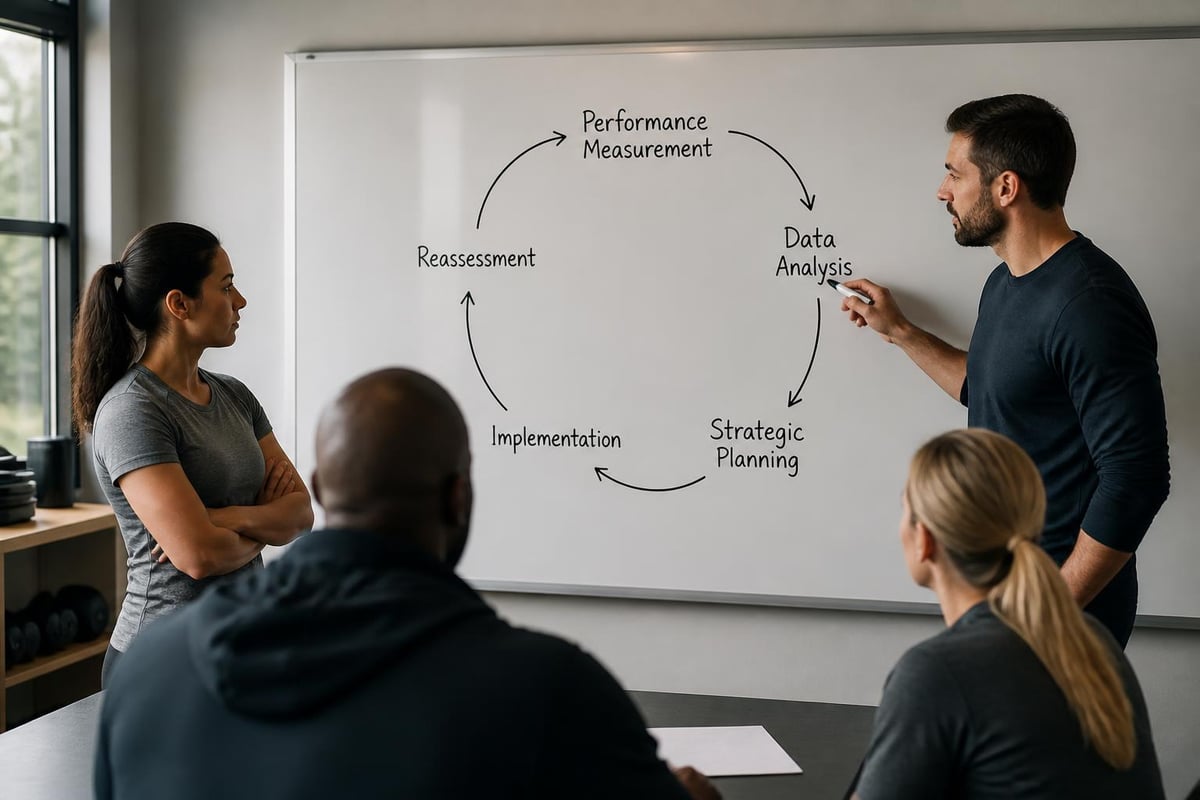
Effective sports systems incorporate feedback loops that drive ongoing refinement. Regular assessment of both athletic outcomes and operational efficiency identifies improvement opportunities and validates strategic decisions.
Defining Success Metrics
Organizations must clearly define what success means within their context. While competitive results matter, comprehensive sports systems measure additional dimensions including athlete retention, skill development, academic progress, sportsmanship, and program participation rates. This balanced scorecard approach prevents overemphasis on win-loss records at the expense of broader program objectives.
| Metric Category | Example Measures | Data Sources |
|---|---|---|
| Athletic Performance | Win rates, individual statistics, championship appearances | Competition results, performance testing |
| Participation | Enrollment numbers, retention rates, program diversity | Registration data, demographic analysis |
| Development | Skill progression, advancement to higher levels | Coach assessments, tryout results |
| Safety | Injury rates, equipment compliance | Incident reports, inspection records |
| Financial Health | Budget variance, cost per athlete, fundraising success | Financial statements, accounting systems |
Leveraging Systems Thinking for Optimization
Systems thinking approaches to sports identify leverage points where strategic interventions create disproportionate positive impacts. Rather than addressing symptoms, this methodology examines root causes and interdependencies within the entire athletic ecosystem.
For example, chronic equipment shortages might stem from inadequate budget allocation, poor inventory management, lack of maintenance protocols, or insufficient storage facilities. A systems perspective examines all contributing factors rather than simply purchasing more equipment. This comprehensive analysis leads to sustainable solutions that prevent recurring problems.
Technology-Enhanced Decision Making
Data-driven decision making separates intuition-based management from evidence-informed leadership. Modern sports systems capture, analyze, and apply information to improve outcomes across all program dimensions.
Real-Time Information Access
Immediate access to relevant information enables faster, better-informed decisions. Digital dashboards that aggregate equipment inventory, budget status, athlete attendance, and performance metrics provide comprehensive program visibility. Coaches and administrators who monitor these indicators proactively address emerging issues before they escalate.
Interactive systems for real-time sports reasoning demonstrate how natural language queries can extract insights from complex datasets. While cutting-edge technologies may exceed typical program budgets, the principles of accessible, actionable information apply at every organizational level.
Predictive Analytics and Planning
Historical data enables forward-looking projections that improve resource planning. Equipment replacement forecasts based on usage patterns prevent last-minute procurement emergencies. Budget projections that account for enrollment trends and competitive schedule changes ensure financial stability. Injury pattern analysis identifies risk factors that inform prevention strategies.
The analytical sophistication within a sports system should match organizational capacity and needs. Small programs benefit from basic spreadsheet tracking, while larger organizations may justify specialized software investments. The key principle remains consistent: systematic data collection and analysis improves decision quality regardless of technological sophistication.
Supply Chain and Vendor Relationships
Reliable equipment supply chains form critical infrastructure within any sports system. Disruptions in equipment availability directly impact practice quality and competitive readiness. Strategic vendor partnerships mitigate supply risks while optimizing costs.
Strategic Procurement Practices
Systematic procurement begins with understanding actual needs versus perceived wants. Detailed equipment specifications ensure purchases meet program requirements without unnecessary premium features. Standardization across equipment categories simplifies replacement and reduces training requirements.
Team sales programs offer volume discounts that reduce per-unit costs for schools and organizations outfitting multiple athletes. These systematic purchasing approaches free budget resources for other program priorities while ensuring athletes receive quality equipment.
Procurement best practices include:
- Annual needs assessment conducted before budget cycles
- Multi-bid competitive processes for major purchases
- Preferred vendor agreements that guarantee pricing and availability
- Emergency procurement protocols for unexpected needs
- Quality assurance processes that verify equipment meets specifications
Building Resilient Supply Networks
Dependence on single suppliers creates vulnerability to disruptions. Diversified vendor relationships provide backup options when primary sources experience shortages or quality issues. However, excessive vendor proliferation complicates ordering processes and reduces volume discounts.
The optimal balance within a sports system maintains primary relationships with two to three core suppliers while identifying secondary sources for critical items. This approach combines reliability benefits with operational simplicity. Periodic vendor performance reviews ensure relationships continue meeting organizational needs.
Adapting Systems for Different Organizational Contexts
No universal sports system template fits every organization. High school programs face different challenges than youth leagues, while collegiate athletics operates under distinct regulatory frameworks. Effective systems adapt core principles to specific contexts while maintaining structural integrity.
Scaling Principles Across Program Sizes
Small programs with limited staff require streamlined systems that minimize administrative burden. Simple equipment tracking spreadsheets, basic communication tools, and straightforward policies meet needs without overwhelming volunteer coordinators. As organizations grow, incremental system sophistication matches expanding capacity.
Large multi-sport departments justify specialized roles focused on equipment management, scheduling coordination, and data analysis. These positions implement more complex systems that leverage technology and process specialization. Commercial sports information systems provide enterprise-level capabilities appropriate for major programs managing substantial budgets and numerous teams.
Context-Specific Customization
Geographic location influences sports system design. Northern climates require indoor equipment for winter training, while year-round temperate regions maximize outdoor equipment investments. Local competitive landscapes determine scheduling patterns and travel requirements that shape budgeting and logistics.
Cultural factors also influence system design. Community values regarding competitive intensity, participation philosophy, and resource allocation priorities inform governance structures and program objectives. Successful sports systems align with stakeholder expectations while maintaining program integrity and athlete welfare.
Future-Proofing Athletic Programs
Sustainable sports systems anticipate future challenges and opportunities. Demographic shifts, technological advancement, regulatory changes, and evolving competitive landscapes require adaptive frameworks rather than rigid structures.
Building Organizational Agility
Flexible systems accommodate change without complete overhauls. Modular approaches to equipment procurement allow gradual technology adoption rather than wholesale replacements. Scalable policies adapt to program growth or contraction without fundamental rewrites. This organizational agility ensures programs remain effective amid changing circumstances.
Long-term facility planning within a comprehensive sports system accounts for emerging sports, changing participation patterns, and infrastructure evolution. Portable equipment solutions provide flexibility that permanent installations cannot match, enabling programs to adapt spaces for multiple uses as needs evolve.
Continuous Learning and Adaptation
The most resilient sports systems embed learning mechanisms that capture lessons from both successes and failures. After-action reviews following competitions, seasonal program evaluations, and stakeholder feedback sessions identify improvement opportunities. Organizations that systematically gather, analyze, and act on this information continuously refine their operations.
Professional networks and peer organizations provide valuable external perspectives that challenge assumptions and introduce innovations. Coaches and administrators who actively engage with broader athletic communities bring fresh ideas back to their programs. This systematic knowledge acquisition prevents insularity and promotes ongoing evolution.
Implementing an effective sports system transforms athletic programs from reactive operations into strategic organizations that consistently deliver results. The systematic integration of equipment management, administrative processes, training methodologies, and continuous improvement mechanisms creates sustainable competitive advantages. Sideline Sport Supply supports your program's systematic approach with reliable equipment, transparent pricing, and fast fulfillment that keeps your focus where it belongs: developing athletes and winning competitions. Explore our comprehensive inventory to build the equipment foundation your sports system requires.