

Lacrosse Balls: Complete Guide for Teams and Players
Lacrosse balls represent one of the most essential yet often overlooked components of the game. These small rubber spheres meet strict regulatory standards and significantly influence every aspect of play, from passing accuracy to shooting velocity. Whether you're equipping a youth team, managing a high school program, or outfitting a collegiate roster, understanding the specifications, construction, and performance characteristics of these balls ensures your athletes train and compete with reliable, regulation-compliant equipment.
Understanding Official Lacrosse Ball Specifications
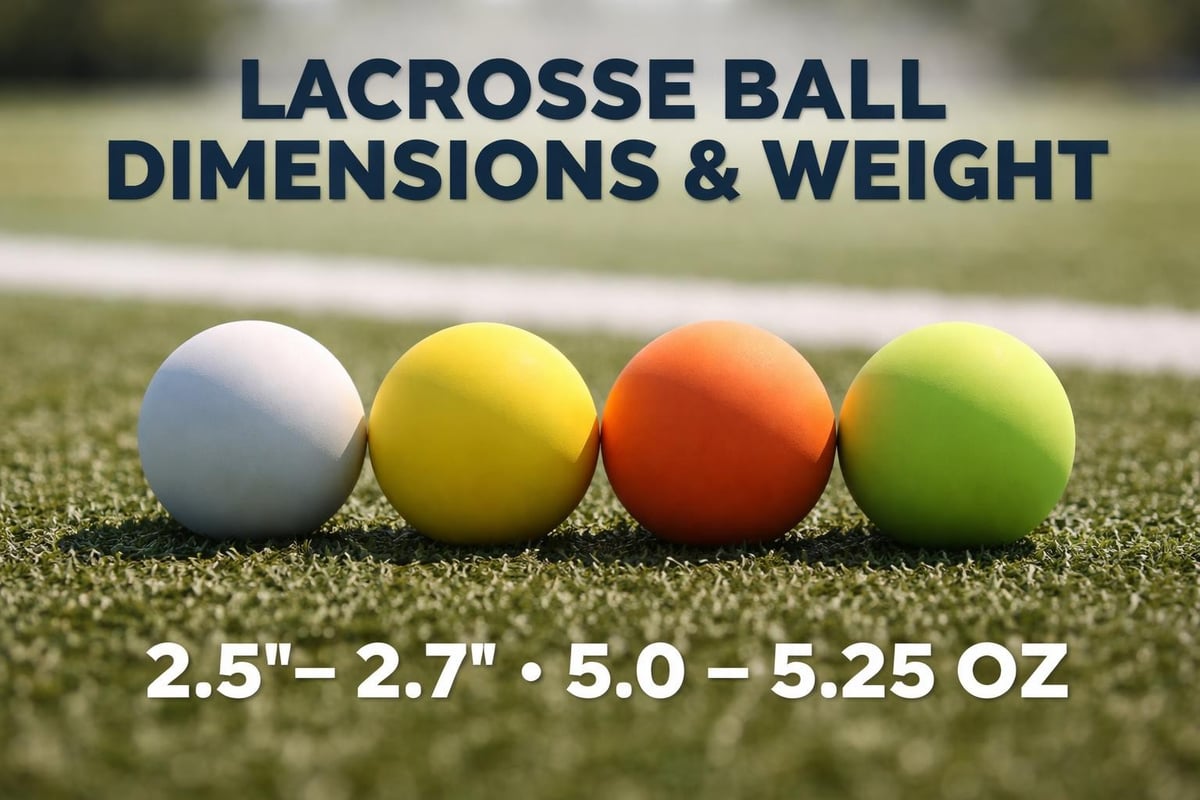
Regulation lacrosse balls must meet precise dimensional and weight requirements established by governing bodies. According to official lacrosse ball specifications, balls measure between 62.7mm and 64.77mm in diameter and weigh between 140 and 147 grams. These measurements ensure consistency across all competition levels.
The circumference typically ranges from 7.75 to 8 inches, creating a standard size that players become familiar with through countless repetitions. This uniformity allows athletes to develop muscle memory and consistent technique regardless of where they practice or compete.
Weight and Size Impact on Performance
Ball weight directly affects shooting power and passing distance. Heavier balls within the regulation range provide more momentum when thrown, while lighter balls allow for quicker releases. This variation, though small, becomes significant at elite competition levels.
Diameter influences how balls sit in the pocket of a stick. Slightly larger balls may require pocket adjustments, while smaller variants fit more snugly. Coaches should test multiple balls from any bulk order to ensure consistency meets team needs.
Construction Materials and Manufacturing Standards
Modern lacrosse balls are manufactured from solid rubber compounds designed to withstand repeated impacts. The construction and composition of lacrosse balls involves vulcanized rubber that provides durability without excessive hardness that could cause injuries.
Manufacturing processes include molding rubber compounds under high pressure and temperature. This vulcanization creates a uniform density throughout the ball, eliminating weak points that could cause irregular bounces or premature failure.
Quality control standards vary between manufacturers, but reputable suppliers test balls for:
- Bounce consistency - Ensuring predictable rebound characteristics
- Durability under impact - Verifying resistance to cracking or deformation
- Weather resistance - Confirming performance across temperature ranges
- Color retention - Maintaining visibility throughout the ball's lifespan
- Regulatory compliance - Meeting all dimensional and weight requirements
Rubber Compound Variations
Different rubber formulations affect ball performance in various conditions. Softer compounds provide better grip in cold weather but may wear faster on abrasive surfaces. Harder compounds maintain shape longer but can become difficult to control in freezing temperatures.
Premium balls often use proprietary rubber blends that balance durability with consistent playability. Budget options typically employ standard rubber compounds suitable for practice but potentially less reliable in competitive settings.
| Ball Type | Primary Use | Durability | Cost Per Unit |
|---|---|---|---|
| Premium Competition | Games, championships | High | $4-6 |
| Standard Practice | Regular training | Medium | $2-4 |
| Bulk Economy | High-volume drills | Medium-Low | $1-3 |
| Specialty Training | Specific skill development | Varies | $5-8 |
Color Standards and Visibility Requirements
Official game balls come in specific colors mandated by governing bodies. The traditional white and bright orange remain standard for most competitions, though yellow has gained acceptance in certain leagues and age divisions.
Color choice impacts visibility against different backgrounds and lighting conditions. White balls excel on darker turf and under stadium lights, while orange balls stand out against natural grass and in overcast conditions. Yellow balls provide excellent visibility in varied environments but aren't universally approved for competition.
Teams should stock multiple colors to accommodate different practice scenarios and league requirements. Having regulation-compliant options ensures readiness for any competition environment.
Special Use Cases for Non-Standard Colors
Some manufacturers produce blue, pink, or green balls for specific training purposes. These non-regulation colors help coaches run specialized drills where ball identification matters. While unsuitable for official play, they serve valuable practice functions.
Youth programs sometimes prefer softer, lighter balls in distinctive colors. These training aids help younger players develop skills before transitioning to regulation equipment.
Performance Factors in Different Playing Conditions
Environmental conditions significantly affect how lacrosse balls perform during play. Temperature changes alter rubber properties, influencing bounce height, hardness, and overall feel. How ball specifications affect gameplay demonstrates the relationship between equipment characteristics and on-field performance.
Cold weather causes rubber to harden, reducing grip and increasing the likelihood of dropped passes. Balls stored in warm environments before cold-weather games maintain better playability initially but eventually conform to ambient temperatures.
Heat exposure softens rubber, potentially making balls more controllable but also more susceptible to deformation from powerful shots. Extreme heat can cause balls to become tacky or lose their smooth surface finish.
Moisture and Field Surface Considerations
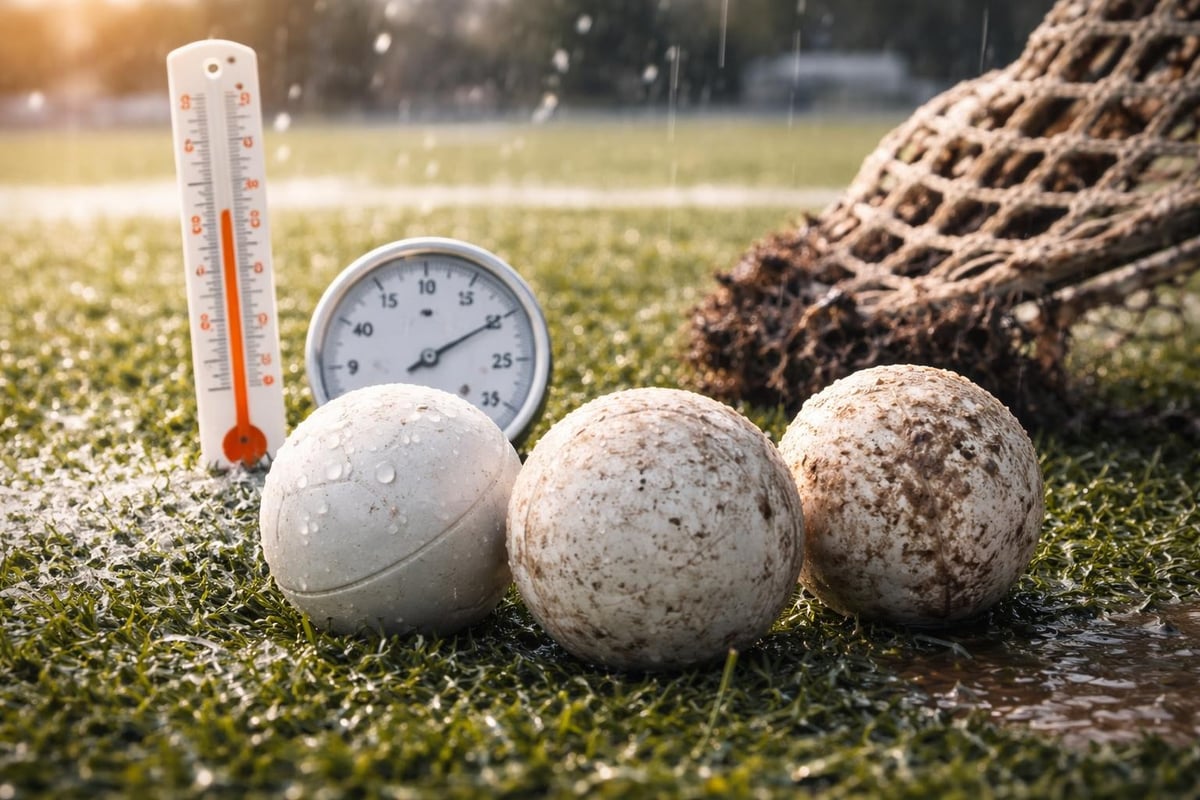
Wet conditions create slippery surfaces on both balls and stick pockets. Modern rubber compounds resist water absorption, but surface moisture still affects handling. Teams practicing regularly in wet climates should select balls known for maintaining grip when damp.
Field surface type influences ball wear patterns. Artificial turf with abrasive infill accelerates surface degradation compared to natural grass. Budget planning should account for faster replacement cycles when training primarily on synthetic surfaces.
Bulk Purchasing Strategies for Teams and Organizations
Sports organizations benefit significantly from bulk lacrosse ball purchases. Volume pricing reduces per-unit costs, making it economical to maintain adequate supplies for practices and games. Most suppliers offer tiered pricing starting at quantities of 12, 24, 36, or 100 balls.
When planning bulk orders, consider:
- Season length and practice frequency - Calculate total balls needed based on usage rates
- Loss and damage rates - Account for balls that disappear or become unplayable
- Team size and drill requirements - Ensure enough balls for all players to stay active
- Competition requirements - Maintain fresh regulation balls exclusively for games
- Budget constraints - Balance quality needs against financial limitations
Storage conditions affect longevity regardless of purchase volume. Balls should be kept in climate-controlled environments away from direct sunlight. Extreme temperature fluctuations degrade rubber compounds faster than consistent storage conditions.
Quality Assessment Before Large Orders
Before committing to bulk purchases, request sample balls from potential suppliers. Test these samples during actual practice conditions to verify they meet team standards. Evaluate bounce consistency, durability after repeated use, and how they perform in your typical weather conditions.
At Sideline Sport Supply, our price match guarantee ensures teams receive competitive pricing without sacrificing equipment quality, making it easier to maintain adequate inventories throughout the season.
Training Applications Beyond Traditional Gameplay
Lacrosse balls serve valuable purposes beyond standard practices and games. Physical therapists and athletic trainers use them for myofascial release and trigger point therapy. Their firm, smooth surface and consistent density make them ideal for muscle recovery work.
Athletes increasingly incorporate these balls into pre-game warm-up routines and post-practice recovery sessions. Rolling balls along muscle groups helps reduce tightness and improve flexibility. This dual-purpose utility maximizes investment value for athletic programs with limited budgets.
Strength and conditioning coaches use lacrosse balls in various exercises:
- Core stabilization drills where balls create unstable surfaces
- Hand strength training through gripping and squeezing exercises
- Accuracy development via target practice outside regular stick work
- Agility training using balls as markers or obstacles
- Vision training with rapid ball tracking exercises
Creating Multi-Sport Training Environments
Forward-thinking athletic departments leverage lacrosse balls across multiple programs. Baseball and softball players use them for reaction drills, while basketball teams incorporate them into ball-handling exercises. This cross-sport utility reduces overall equipment costs while promoting athletic development.
Just as teams invest in specialized equipment like youth lacrosse cleats for optimal performance, maintaining proper ball inventories ensures athletes train with appropriate tools for skill development.
Historical Evolution of Lacrosse Equipment
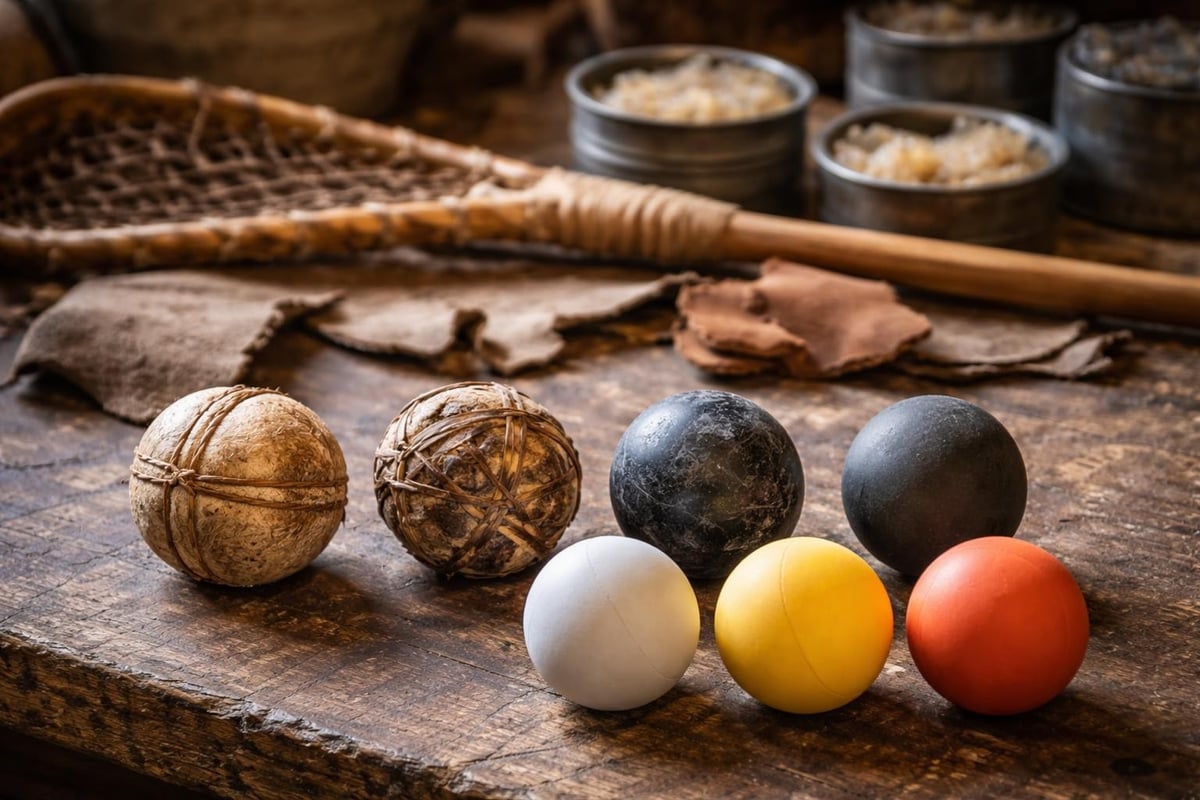
The origins of lacrosse trace back to indigenous peoples of North America, who played the game using balls made from natural materials. Early balls consisted of wood, deerskin stuffed with hair, or clay covered in leather. These primitive designs bore little resemblance to modern regulation equipment.
As lacrosse evolved from indigenous practices into an organized sport, equipment standards emerged. The transition to rubber balls occurred in the late 19th and early 20th centuries, coinciding with industrial rubber production advances. This shift dramatically improved consistency and playability.
The Wikipedia entry on lacrosse balls documents how standardization efforts led to current specifications. Governing bodies established precise requirements to ensure fair competition and player safety across all levels of play.
Modern Manufacturing Innovations
Contemporary manufacturers continuously refine rubber formulations and production techniques. Computer-aided design ensures dimensional precision, while automated quality control systems test every ball for compliance. These advances have made today's equipment far more reliable than products available even two decades ago.
Research into alternative materials explores options that might offer improved performance or environmental benefits. However, traditional solid rubber construction remains the standard due to its proven reliability and cost-effectiveness.
Selection Criteria for Different Competition Levels
Youth leagues often permit modified equipment specifications to accommodate developing athletes. Some organizations allow slightly softer or lighter balls that reduce injury risk while players learn proper technique. Coaches should verify league regulations before purchasing equipment.
High school programs typically require full regulation compliance, making standard balls appropriate for both practice and competition. Investing in higher-quality options for games while using economy balls for routine drills optimizes budget allocation.
Collegiate and professional teams demand premium balls that meet the strictest standards. At these levels, equipment consistency directly impacts performance outcomes, justifying investment in top-tier products.
Matching Equipment to Athlete Development
Skill progression should influence equipment choices. Beginners benefit from standard-quality balls that provide reliable performance without premium pricing. Advanced players notice subtle differences in ball characteristics and may prefer specific brands or models.
Programs serving multiple age groups need diverse inventories. Maintaining separate stocks for different teams prevents younger players from struggling with equipment designed for more advanced athletes.
Maintenance and Replacement Guidelines
Even durable lacrosse balls eventually require replacement. Visible cracks, significant discoloration, or irregular bounce patterns indicate a ball has reached end of life. Using degraded balls during practice teaches poor technique as athletes compensate for unpredictable behavior.
Establish replacement schedules based on usage intensity:
- High-volume programs - Replace practice balls every 4-6 weeks
- Moderate use teams - Refresh inventory every 2-3 months
- Recreational leagues - Annual or bi-annual replacement typically sufficient
- Competition balls - Rotate fresh balls into game rotation regularly
Cleaning balls periodically extends their usable life. Simple washing with mild soap and water removes dirt and debris that can affect surface texture. Avoid harsh chemicals that might degrade rubber compounds.
Storage Best Practices
Proper storage prevents premature deterioration. Keep balls in breathable mesh bags rather than sealed plastic containers to allow air circulation. Avoid storing balls in vehicle trunks where temperature extremes accelerate rubber breakdown.
Organizing balls by age and condition helps coaches grab appropriate equipment quickly. Color-coding or marking older balls designated for casual drills prevents accidentally using worn equipment during important practices.
Cost Analysis and Budget Planning
Equipment budgets must account for lacrosse balls as a recurring expense rather than one-time purchases. Annual costs vary based on team size, practice frequency, and competitive level. A 30-player high school team practicing five times weekly might use 200-300 balls per season.
Breaking down costs per athlete provides clearer budget perspective:
| Team Size | Balls Needed (Season) | Cost Range | Per Athlete Cost |
|---|---|---|---|
| 15 players | 100-150 balls | $200-$600 | $13-$40 |
| 30 players | 200-300 balls | $400-$1,200 | $13-$40 |
| 50 players | 350-500 balls | $700-$2,000 | $14-$40 |
These figures demonstrate how bulk purchasing significantly reduces per-athlete expenses while ensuring adequate supplies. Organizations can further optimize costs by timing purchases around supplier sales or end-of-season clearances.
Similar to how programs budget for other essential equipment like goal nets or soccer posts, allocating appropriate funds for balls ensures teams never compromise on fundamental training tools.
Safety Considerations and Protective Equipment
While lacrosse balls themselves are relatively safe, their high velocity during gameplay necessitates proper protective equipment. Goalies face particular risk and require comprehensive padding beyond standard player gear. Understanding ball characteristics helps coaches emphasize appropriate safety protocols.
Ball hardness increases injury potential when players aren't properly protected. Youth programs should enforce strict helmet and mouthguard requirements, even during casual practice sessions. The consequences of unprotected impacts justify zero-tolerance approaches to safety equipment compliance.
Coaches should educate athletes about proper warm-up techniques that prepare bodies for the physical demands of ball contact. Gradual intensity progression reduces injury risk while allowing players to acclimate to game-speed situations safely.
Emergency Preparedness
Athletic trainers should be present during practices and games to address any ball-related injuries immediately. Having proper medical supplies and protocols established before incidents occur ensures rapid, appropriate responses that minimize injury severity.
Documentation of any equipment-related injuries helps identify patterns that might indicate product defects or necessary protocol adjustments. This data-driven approach improves safety over time through informed decision-making.
Selecting Reliable Equipment Suppliers
Choosing reputable suppliers ensures consistent product quality and reliable delivery schedules. Evaluate potential vendors based on product selection, pricing transparency, shipping speed, and customer service responsiveness. Established athletic equipment specialists understand team needs better than general sporting goods retailers.
Our team sales program provides dedicated support for coaches and athletic directors managing bulk equipment orders. Streamlined ordering processes and volume discounts help organizations maximize limited budgets while maintaining high equipment standards.
Consider suppliers offering:
- Quality guarantees - Protection against defective products
- Fast fulfillment - Quick turnaround when urgent restocking is needed
- Knowledgeable support - Staff who understand lacrosse-specific requirements
- Flexible ordering - Options for various quantities and delivery schedules
- Competitive pricing - Fair rates without hidden fees
Building relationships with dependable suppliers creates partnerships that benefit programs long-term. Vendors familiar with your needs can proactively suggest solutions and alert you to relevant product developments.
Selecting the right lacrosse balls involves balancing regulatory compliance, performance requirements, budget constraints, and quantity needs across practice and competition scenarios. Understanding specifications, construction quality, and proper maintenance practices ensures your athletes train and compete with reliable equipment that supports skill development. Whether outfitting a youth program or managing collegiate-level operations, Sideline Sport Supply delivers the quality lacrosse balls and straightforward service that keep teams focused on development rather than equipment concerns.