

Sportings Good Store Guide: Equipment for Teams & Athletes
Finding the right equipment partner can make or break a season for coaches, athletic directors, and team managers. A sportings good store that understands the unique demands of competitive athletics, practice schedules, and budget constraints becomes more than just a vendor-it transforms into a strategic resource for program success. Whether outfitting an entire school district or equipping individual athletes for specialized training, the selection of where you purchase athletic gear directly impacts performance, safety, and long-term program sustainability. The modern sportings good store has evolved far beyond simply stocking balls and bats, now offering comprehensive solutions that address the complex needs of today's athletic programs.
Understanding the Modern Athletic Equipment Landscape
The sporting goods industry has experienced significant shifts in recent years, with consumer spending patterns showing notable changes that affect how teams and organizations make purchasing decisions. A quality sportings good store must now navigate challenging economic conditions while continuing to provide the essential equipment that athletes depend on.
Athletic programs today face unprecedented pressure to maximize every dollar spent. Schools, clubs, and recreational leagues are making more strategic decisions about equipment investments, prioritizing durability and multi-season value over disposable gear. This shift has created demand for suppliers who understand the total cost of ownership rather than simply offering the lowest initial price point.
Key factors influencing equipment purchasing decisions include:
- Long-term durability and replacement cycles
- Warranty coverage and manufacturer support
- Bulk pricing for team and league orders
- Availability of financing or payment plans
- Speed of delivery and restocking capabilities
The relationship between athletic programs and their equipment suppliers has become increasingly collaborative. Rather than transactional one-time purchases, successful partnerships involve ongoing consultation about product performance, emerging technologies, and budget optimization strategies.
Essential Categories Every Sportings Good Store Should Offer
A comprehensive sportings good store needs to maintain inventory across multiple sports and training disciplines. The breadth of offerings directly correlates with the store's ability to serve diverse athletic communities effectively.
Team Sports Equipment
Team sports represent the core of most athletic programs, requiring everything from soccer goals and basketball systems to specialized training equipment. Coaches need reliable sources for:
- Match-quality balls and practice alternatives
- Goals, nets, and field equipment
- Protective gear meeting current safety standards
- Training aids and skill development tools
- Uniforms and team identification apparel
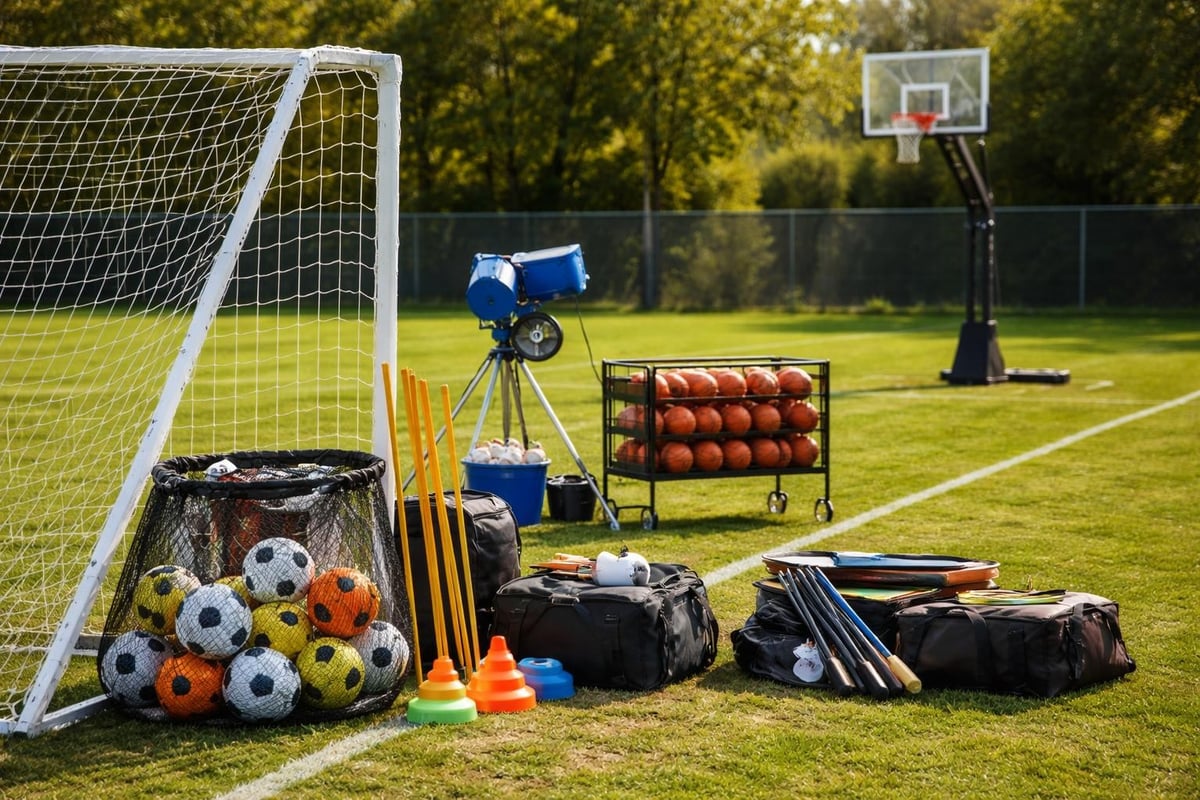
Quality sportings good store operations maintain separate inventory for competition-grade and practice-grade equipment, helping programs allocate resources appropriately. Practice equipment that withstands heavy daily use saves money over time, even when initial costs run higher than budget alternatives.
Training and Skill Development Tools
Modern athletic development requires sophisticated training equipment that wasn't available a generation ago. A forward-thinking sportings good store stocks baseball machines, softball machines, and other automated training tools that allow athletes to practice efficiently without requiring full coaching staff presence.
| Equipment Type | Primary Benefit | Ideal Users |
|---|---|---|
| Pitching Machines | Consistent repetition for batting practice | Baseball and softball teams |
| Ball Return Systems | Individual skill work without retrieval | Tennis, basketball, volleyball players |
| Agility Training Gear | Speed and footwork development | All sports, especially football and soccer |
| Strength Equipment | Sport-specific conditioning | Team fitness programs |
Batting cages have become essential infrastructure for serious baseball and softball programs, representing exactly the type of significant investment where a knowledgeable sportings good store can provide valuable guidance on specifications, installation, and long-term maintenance.
Facility and Field Equipment
Beyond player-focused gear, athletic programs require substantial facility equipment to create safe, functional practice and competition environments. This category includes everything from fencing and protective netting to bleachers, scoreboards, and field maintenance equipment.
A specialized sportings good store helps organizations navigate the complex decisions around permanent versus portable solutions, space optimization, and multi-sport facility configurations. These higher-value purchases often require detailed consultation, site assessments, and customized solutions rather than off-the-shelf products.
Emerging Trends Reshaping Athletic Equipment Retail
The sporting goods sector continues to evolve rapidly, driven by technological innovation, sustainability concerns, and changing consumer expectations. Understanding key trends shaping the industry helps both retailers and buyers make more informed decisions.
Technology Integration
Smart equipment and connected devices have moved from novelty to necessity in competitive athletics. Golf equipment trends demonstrate how affordable launch monitors and data-driven training tools are becoming accessible to broader audiences, not just elite programs.
Progressive sportings good store operations now stock or can source:
- Performance tracking devices and wearables
- Video analysis systems for technique improvement
- Electronic scoring and timing equipment
- App-connected training tools
- Virtual reality training platforms
These technologies require knowledgeable staff who can explain capabilities, demonstrate proper usage, and provide ongoing technical support-distinguishing full-service retailers from basic equipment warehouses.
Sustainability and Material Innovation
Environmental consciousness has entered mainstream athletic purchasing decisions. Manufacturers increasingly offer equipment made from recycled materials, sustainable sources, or designed for extended lifecycles with repairable components.
A responsible sportings good store curates inventory that balances performance requirements with environmental impact. This includes offering equipment reconditioning services, facilitating equipment donation programs, and providing transparent information about product sustainability credentials.
Omnichannel Shopping Experiences
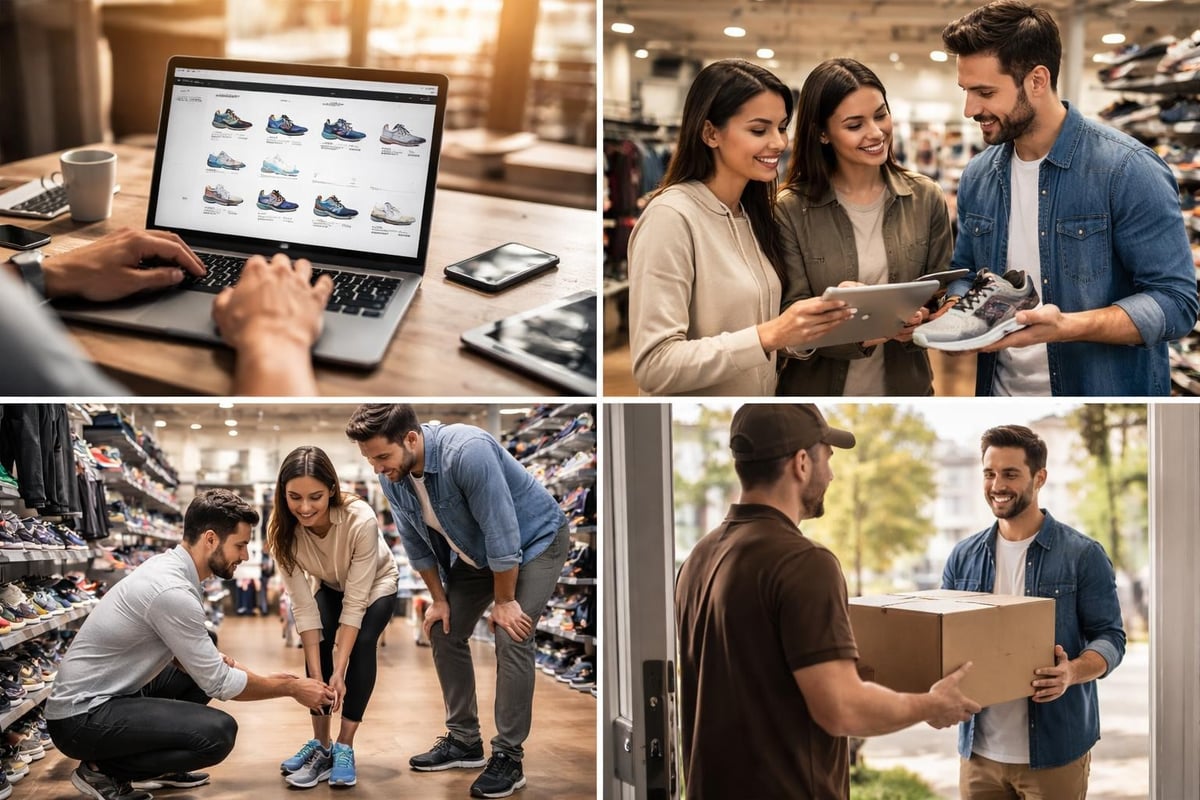
Modern sporting goods retail strategies emphasize seamless integration between online research, virtual consultations, and physical product experiences. Customers expect to browse inventory online, compare specifications across brands, read verified reviews, and then choose whether to purchase digitally or visit a physical location.
The most effective sportings good store model combines digital convenience with hands-on expertise, allowing coaches and athletes to:
- Research products independently on their schedule
- Schedule virtual or in-person consultations with specialists
- Test equipment before purchasing when possible
- Access detailed product specifications and comparison tools
- Receive personalized recommendations based on specific needs
Selecting the Right Sportings Good Store Partner
Not all equipment suppliers offer equivalent value propositions. Athletic programs should evaluate potential retail partners across multiple dimensions beyond simple product pricing.
Expertise and Consultation Services
The knowledge gap between general retail staff and specialized athletic equipment consultants can be substantial. A quality sportings good store employs personnel who understand sport-specific requirements, safety regulations, competitive standards, and the practical realities of budget-constrained athletic programs.
Questions to assess supplier expertise:
- Can staff explain differences between similar products?
- Do they ask qualifying questions about your specific use case?
- Can they provide references from similar programs?
- Do they understand relevant safety certifications and standards?
- Can they offer installation support or training on complex equipment?
This expertise proves particularly valuable when specifying fitness and training equipment or facility infrastructure where incorrect specifications lead to expensive mistakes.
Inventory Depth and Product Range
A sportings good store with comprehensive inventory enables one-stop shopping that saves time and often money through consolidated shipping. Programs benefit from suppliers who stock multiple brands and price points within each category, facilitating true comparison shopping.
Consider whether the retailer offers:
- Multiple brands in each category
- Both premium and budget-friendly options
- Specialized equipment for emerging sports
- Customization services for team-branded gear
- Replacement parts and accessories
The ability to outfit programs across multiple sports through a single supplier relationship streamlines purchasing processes and often unlocks volume pricing advantages.
Pricing Structure and Value Proposition
While cost always matters in athletic budgeting, the lowest per-unit price rarely represents the best overall value. Smart buyers evaluate total cost of ownership including delivery charges, return policies, warranty coverage, and long-term durability.
| Pricing Factor | Impact on Total Value |
|---|---|
| Bulk discounts | Reduces per-unit cost for team orders |
| Free shipping thresholds | Minimizes logistics expenses |
| Extended warranties | Protects against premature failure |
| Seasonal sales timing | Maximizes budget allocation |
| Volume rebate programs | Rewards ongoing partnership |
A transparent sportings good store clearly communicates pricing structures, available discounts, and any additional fees upfront rather than surprising customers during checkout.
Fulfillment Speed and Reliability
Equipment delays can derail practice schedules, postpone competitions, or leave athletes unable to train effectively. Reliable fulfillment separates professional suppliers from frustrating ones.
Evaluate potential partners on:
- Average order processing time
- In-stock availability on core items
- Communication about backorders or delays
- Shipping options and delivery speed
- Order tracking and status updates
Programs in urgent need of replacement equipment or preparing for upcoming seasons cannot afford suppliers with unpredictable delivery timelines. A dependable sportings good store builds logistics capabilities that match commitments made to customers.
Maximizing Your Athletic Equipment Budget
Economic pressures make budget optimization more critical than ever for athletic programs. Strategic purchasing approaches can extend available funds significantly further than reactive, as-needed buying.
Planning Annual Equipment Needs
Successful programs develop comprehensive annual equipment plans that project needs across all sports and activities. This forward-looking approach enables:
- Bulk purchasing to capture volume discounts
- Strategic timing around manufacturer sales cycles
- Gradual replacement of aging equipment before catastrophic failure
- Budget allocation aligned with actual needs
Working with a consultative sportings good store, athletic directors can develop multi-year equipment refresh schedules that prevent budget shocks while maintaining appropriate inventory levels.
Understanding Quality Tiers
Not every piece of equipment requires top-tier specifications. A sophisticated sportings good store helps customers understand when premium products deliver meaningful performance advantages versus when mid-range options provide adequate functionality at lower cost.
Strategic allocation examples:
- Premium tier: Competition equipment, safety gear, items with intensive use
- Mid-range tier: Practice equipment, training aids, general-purpose items
- Budget tier: Backup equipment, recreational use, supplemental inventory
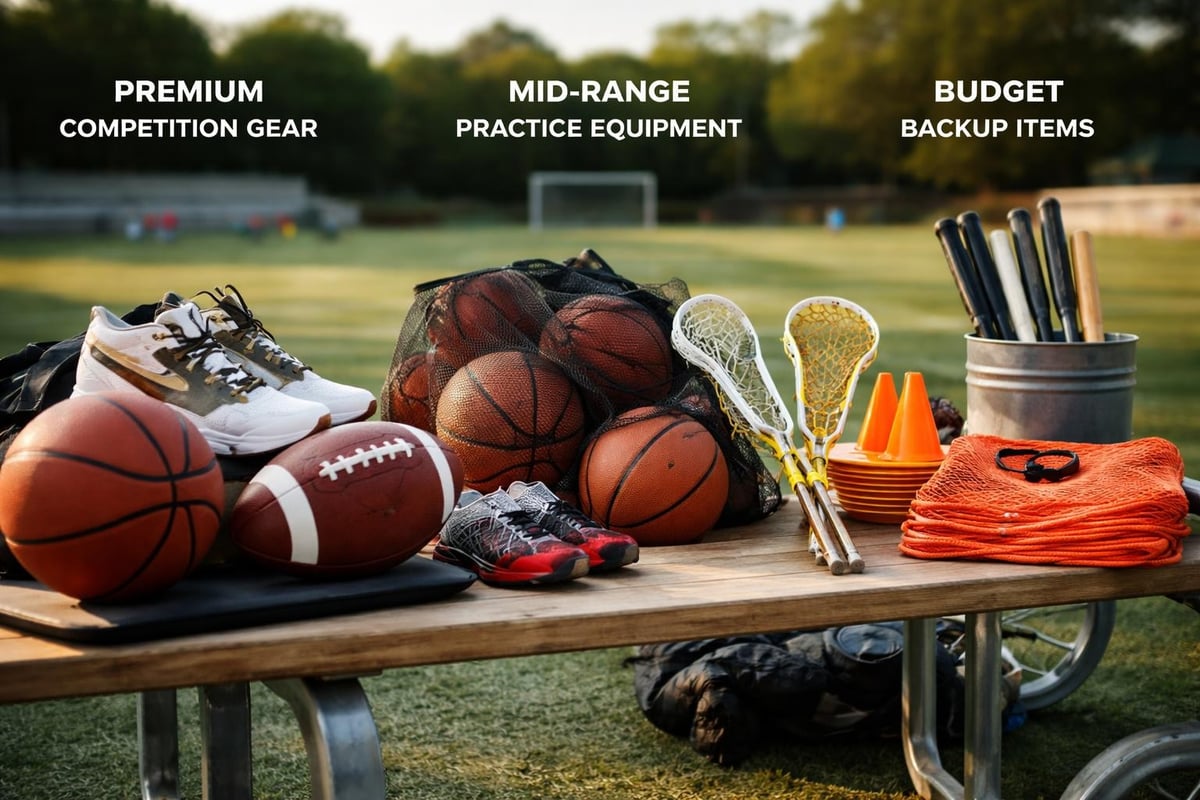
This tiered approach allows programs to invest heavily in critical items while economizing appropriately on less essential purchases. Specialized equipment like pickleball paddles illustrates how emerging sports may warrant different budget considerations than established programs.
Building Long-Term Supplier Relationships
The most successful athletic programs view equipment suppliers as partners rather than vendors. A trusted sportings good store relationship generates ongoing value through:
- Preferential pricing for loyal customers
- Early notification of sales and special offers
- Customized product recommendations based on past performance
- Streamlined ordering and account management
- Priority service during peak seasons
Consolidating purchases with fewer suppliers strengthens these relationships while simplifying procurement administration.
Specialized Equipment Categories Requiring Expert Guidance
Certain equipment categories demand specialized knowledge that distinguishes professional sportings good store operations from general retailers.
Automated Training Equipment
Baseball pitching machines, volleyball training systems, and similar automated equipment represent significant investments requiring careful specification. Key considerations include:
- Speed range and ball trajectory capabilities
- Portability versus permanent installation
- Power requirements and operational costs
- Maintenance schedules and parts availability
- Safety features and user controls
Expert retailers guide customers through these technical specifications, ensuring selected equipment matches actual program needs and facility constraints.
Basketball Systems and Court Equipment
Basketball equipment ranges from simple portable hoops to sophisticated adjustable basketball systems meeting collegiate competition standards. Selection criteria involve understanding facility limitations, usage intensity, safety requirements, and budget parameters.
A knowledgeable sportings good store helps navigate options including wall-mount configurations, portability needs, backboard materials, and adjustment mechanisms-all of which significantly impact functionality and total cost.
Field Sports Infrastructure
Permanent and semi-permanent infrastructure like soccer goals, football training equipment, and field maintenance tools require expertise in materials, installation, and regulatory compliance.
These purchases often involve:
- Site assessment and measurement
- Regulatory and safety standard compliance
- Installation coordination
- Anchoring and stability requirements
- Long-term maintenance planning
Professional guidance prevents costly specification errors that plague less-informed buyers.
The Role of Service and Support
Product quality represents only part of what distinguishes exceptional sportings good store operations. The service surrounding purchases often determines customer satisfaction and long-term relationship success.
Pre-Purchase Consultation
Quality retailers invest time understanding customer needs before recommending products. This consultative approach involves asking detailed questions about:
- Program size and participant skill levels
- Available budget and funding constraints
- Existing equipment and compatibility requirements
- Facility specifications and space limitations
- Timeline for purchasing and implementation
These conversations ensure recommendations align with actual needs rather than simply maximizing transaction value.
Installation and Setup Support
Complex equipment often requires professional installation or detailed setup guidance. A full-service sportings good store either provides installation services directly or connects customers with qualified installers, ensuring equipment functions properly from day one.
Setup support might include:
- Detailed assembly instructions and video tutorials
- Technical support hotlines for troubleshooting
- On-site installation for complex systems
- Safety inspections and certification
- User training for coaching staff
Ongoing Maintenance and Replacement Parts
Equipment longevity depends heavily on proper maintenance and timely replacement of worn components. Leading sportings good store operations stock common replacement parts, provide maintenance schedules, and offer repair services that extend equipment life.
This aftermarket support transforms one-time transactions into ongoing partnerships where the retailer has vested interest in customer success and satisfaction.
Evaluating Industry Market Intelligence
Understanding broader market dynamics helps both retailers and buyers make more strategic decisions. Comprehensive market research provides valuable context for equipment purchasing strategies and supplier evaluation.
Athletic directors and procurement managers benefit from awareness of:
- Industry consolidation trends affecting supplier options
- Manufacturer partnerships and exclusive distribution arrangements
- Regional market variations in pricing and availability
- Seasonal demand patterns influencing inventory levels
- Economic factors impacting sporting goods spending
A sophisticated sportings good store stays current on these market forces, sharing relevant insights with customers to support informed decision-making.
Economic Factors and Purchasing Timing
Economic conditions significantly influence both what customers can afford and when they choose to make purchases. Understanding these patterns helps programs time major acquisitions for maximum value.
Strategic buyers monitor:
- End-of-season clearance cycles
- Manufacturer model year transitions
- General economic conditions affecting discretionary spending
- School budget calendar constraints
- Grant funding opportunities and deadlines
Working with experienced sportings good store partners who understand these timing dynamics can yield substantial savings on identical equipment specifications.
Building a Complete Program Equipment Inventory
Comprehensive athletic programs require coordinated equipment across numerous categories, creating complex inventory management challenges. Systematic approaches prevent gaps while avoiding unnecessary redundancy.
Core Equipment by Sport
Each sport requires sport-specific foundational equipment that programs must maintain regardless of budget pressures. A reliable sportings good store helps identify these non-negotiable items while suggesting where economizing makes sense.
Essential categories include:
- Game and practice balls (appropriate quantities for team size)
- Goals, nets, and targets
- Player safety equipment
- Basic training aids
- Field marking and setup equipment
Building from this foundation, programs can then add enhancement equipment, specialized training tools, and facility improvements as budgets allow.
Cross-Sport Training Equipment
Many training tools serve multiple sports effectively, making them high-value investments for multi-sport programs. Fitness machines and conditioning equipment benefit athletes across all disciplines, justifying higher per-unit costs through broader utilization.
Smart inventory planning identifies these crossover opportunities, maximizing equipment accessibility while controlling total spending.
Facility Infrastructure Investment
Long-term facility improvements like batting cages and screens, permanent goal installations, and scoreboards represent major capital investments requiring careful planning and professional guidance.
A knowledgeable sportings good store assists with:
- Needs assessment and space planning
- Specification development
- Competitive bidding coordination
- Installation oversight
- Warranty and maintenance planning
These infrastructure projects often span multiple budget cycles, requiring suppliers who can support phased implementation approaches.
Selecting the right equipment supplier directly impacts athletic program success, affecting everything from daily practice effectiveness to competitive performance and budget sustainability. Whether outfitting an entire school district or equipping a single team, partnering with a knowledgeable, service-oriented sportings good store creates value far beyond the products themselves. Sideline Sport Supply delivers the reliable equipment, straightforward pricing, and expert support that coaches and athletic directors need to focus on what matters most-developing athletes and winning games.