

Football Shop Essentials: Quality Gear for Teams
Finding the right football equipment can make the difference between a successful season and unnecessary setbacks. Whether you're outfitting a high school team, managing youth league rosters, or coaching competitive programs, a reliable football shop serves as your strategic partner for gear acquisition. Today's football equipment landscape combines traditional protective essentials with innovative training technologies, creating opportunities for teams to enhance performance while maintaining the highest safety standards. The right supplier understands that coaches and athletic directors need straightforward access to quality gear without navigating complicated purchasing processes or sacrificing budget constraints.
Understanding Football Equipment Categories
A comprehensive football shop organizes inventory into distinct categories that address every aspect of the game. These categories help buyers efficiently locate what they need while ensuring nothing gets overlooked during season preparation.
Protective Equipment Fundamentals
Helmets represent the most critical investment in player safety. Modern helmet technology incorporates advanced impact absorption materials designed to reduce concussion risks. According to data on football equipment safety standards, protective gear has evolved significantly over decades, with contemporary designs offering unprecedented protection levels.
Shoulder pads, rib protectors, and hip pads form the secondary protective layer. These components must fit properly to provide adequate coverage without restricting mobility. Quality football shop staff understand sizing nuances across different age groups and position requirements.
Key protective equipment includes:
- Helmets with current safety certifications
- Shoulder pads designed for specific positions
- Thigh and knee pads meeting regulation standards
- Mouthguards for impact absorption
- Girdles with integrated protective padding
Practice and Training Equipment
Beyond protective gear, football shops stock essential training tools that develop skills and conditioning. These items support daily practices and specialized drills that build team capabilities.
| Equipment Type | Primary Use | Team Benefit |
|---|---|---|
| Blocking Sleds | Lineman technique | Strength and form development |
| Agility Ladders | Footwork drills | Speed and coordination |
| Tackling Dummies | Contact practice | Safe technique refinement |
| Cones and Markers | Field organization | Structured drill execution |
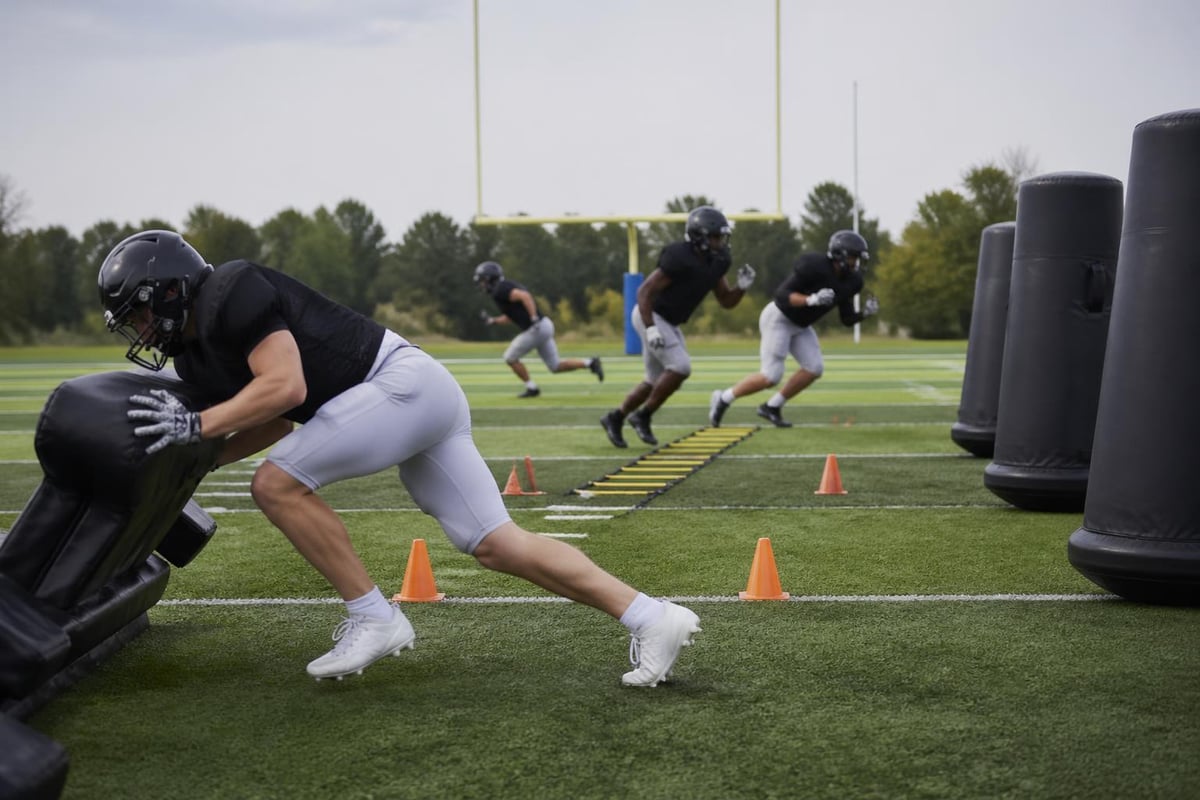
Training equipment selection should align with your program's specific development goals. Youth football pads require particular attention to proper sizing and age-appropriate protection levels.
Market Trends Shaping Football Equipment
The football equipment industry continues evolving in response to safety research, technological advancement, and changing participation patterns. Understanding these trends helps teams make informed purchasing decisions.
Growth and Innovation Dynamics
The global football equipment market demonstrates steady expansion driven by increasing participation rates and heightened safety awareness. Research indicates that technological innovations, particularly in protective gear and performance monitoring, continue reshaping product offerings.
Smart technology integration represents a significant development area. Sensors embedded in equipment now track impact forces, player movement patterns, and performance metrics. While these advanced products carry premium price points, they offer valuable data for coaching decisions and injury prevention protocols.
The American football equipment market growth is particularly notable in youth segments, where increased participation drives demand for properly sized, age-appropriate gear. This expansion creates opportunities for programs to access better equipment options at competitive prices.
Sustainability and Material Science
Environmental consciousness influences modern manufacturing approaches. Leading manufacturers now explore eco-friendly materials and sustainable production methods without compromising performance or safety standards.
Material innovations include:
- Recycled plastics in helmet shells
- Bio-based foams for padding systems
- Water-based adhesives replacing chemical alternatives
- Durable fabrics reducing replacement frequency
A quality football shop increasingly emphasizes these sustainable options, recognizing that schools and organizations value environmental responsibility alongside performance specifications.
Essential Considerations for Team Buyers
Athletic directors, coaches, and team managers face unique challenges when sourcing football equipment. Strategic purchasing requires balancing multiple factors simultaneously.
Budget Management Strategies
Bulk purchasing offers significant cost advantages when outfitting entire teams. Many football shop operations provide volume discounts that reduce per-unit costs substantially. Establishing relationships with suppliers who understand team budgets creates long-term value.
Phased acquisition allows programs to spread expenses across fiscal periods. Rather than replacing all equipment simultaneously, strategic replacement schedules maintain protective standards while managing cash flow. For instance, rotating helmet replacement on a three-year cycle ensures current safety standards while avoiding massive single-year expenses.
Working with suppliers who offer price match guarantees provides budgetary confidence and ensures competitive pricing without extensive market research.
Safety Compliance and Regulations
Regulatory standards govern football equipment specifications at every competitive level. The National Federation of State High School Associations establishes guidelines that affect equipment requirements for high school programs.
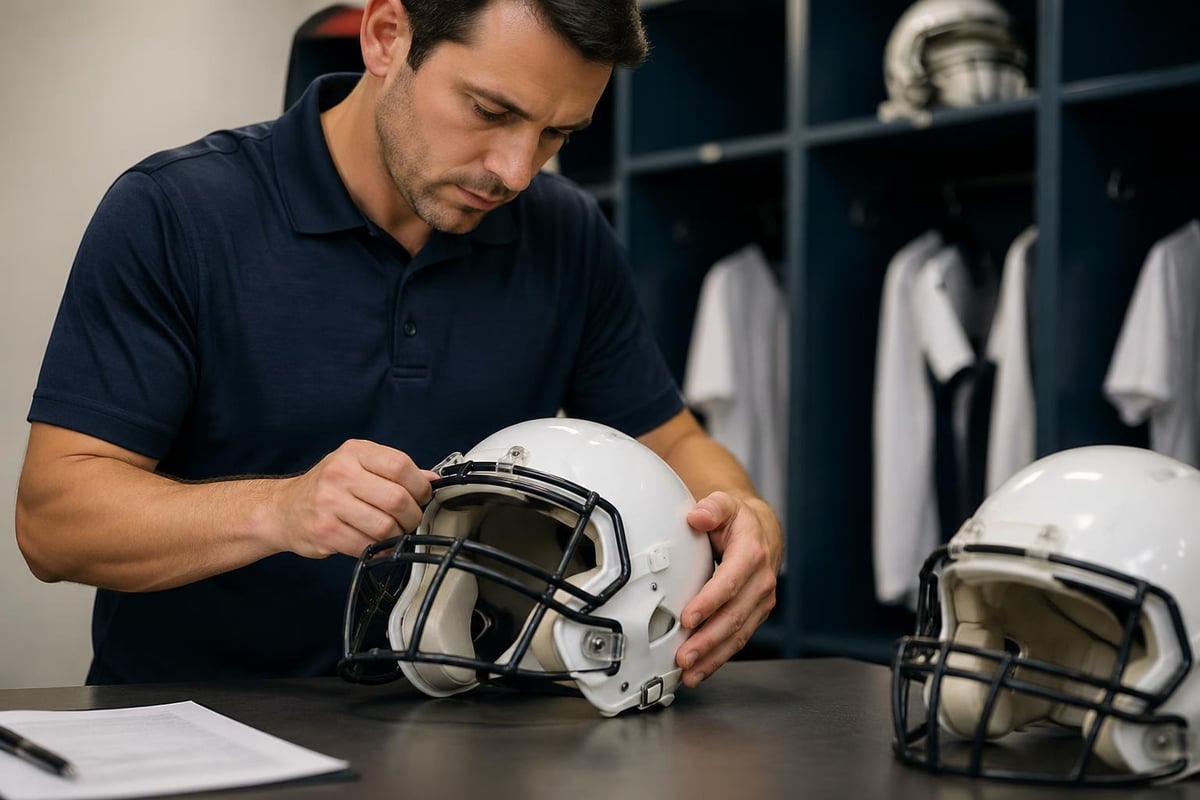
Certification verification represents a critical purchasing responsibility. Helmets must carry NOCSAE (National Operating Committee on Standards for Athletic Equipment) certification, while other protective gear should meet relevant safety standards. A reputable football shop maintains current knowledge of these requirements and stocks only compliant products.
| Safety Component | Certification Standard | Replacement Timeline |
|---|---|---|
| Helmets | NOCSAE certification | Every 10 years maximum |
| Shoulder Pads | NOCSAE standards | When damage occurs |
| Mouthguards | ADA recommendations | Annual replacement |
| Cleats | League specifications | As needed for wear |
Sizing and Fit Protocols
Proper equipment fit directly impacts both safety and performance. Ill-fitting gear creates dangerous situations where protective elements fail to cover vulnerable areas or restrict movement excessively.
Measurement systems vary across manufacturers, making sizing charts essential reference tools. A knowledgeable football shop provides detailed sizing guidance and fit recommendations based on position, age group, and body type variations.
Youth programs require particular attention to growth patterns. Purchasing slightly adjustable equipment helps accommodate physical development throughout a season without requiring mid-year replacements. However, oversized equipment creates safety hazards that outweigh cost savings.
Selecting Your Football Shop Partner
Not all suppliers offer equivalent value propositions. Evaluating potential football shop relationships requires examining several critical factors.
Product Range and Availability
Comprehensive inventory eliminates the frustration of piecing together orders from multiple sources. The ideal supplier stocks everything from goal nets for field setup to specialized position equipment.
Seasonal availability challenges affect football equipment, particularly during peak ordering periods. Suppliers who maintain adequate stock levels and provide clear lead time information help teams avoid preparation delays. Fast fulfillment capabilities ensure gear arrives when needed, not weeks after practice starts.
Service and Support Quality
Expert guidance separates exceptional suppliers from commodity vendors. Staff who understand football equipment nuances can answer technical questions about protection levels, sizing specifications, and appropriate gear for different competitive levels.
Support extends beyond initial purchase. Questions about equipment maintenance, reconditioning options, and replacement timing arise throughout seasons. Responsive customer service teams provide valuable ongoing assistance.
Consider these service elements:
- Technical product knowledge
- Sizing consultation availability
- Order tracking capabilities
- Return and exchange policies
- Bulk order coordination
Similar to how specialized retailers serve other sports equipment needs, such as those detailed in resources about sporting good shops, football-specific suppliers should demonstrate deep category expertise.
Pricing Transparency and Value
Straightforward pricing builds trust and simplifies budget planning. Hidden fees, unclear shipping costs, or complicated discount structures create unnecessary complexity. The best football shop operations present clear pricing information that allows accurate cost projection.
Value encompasses more than lowest unit prices. Consider total acquisition costs including shipping, handling, and potential return expenses. Factor in service quality, product reliability, and supplier responsiveness when evaluating overall value propositions.
Maintenance and Equipment Longevity
Proper care extends football equipment lifespan and maintains protective capabilities. Teams that implement systematic maintenance protocols maximize their investments.
Cleaning and Storage Best Practices
Regular cleaning prevents bacteria growth and material degradation. Helmets, pads, and other protective gear accumulate sweat, dirt, and field debris that accelerate wear patterns. Establishing post-practice cleaning routines maintains hygiene and equipment condition.
- Remove debris from all equipment surfaces after each use
- Wipe down hard surfaces with appropriate disinfectants
- Allow thorough drying before storage to prevent mold
- Store in ventilated areas away from direct sunlight
- Inspect regularly for damage or excessive wear
Proper storage prevents unnecessary damage. Equipment should never be left in vehicle trunks where temperature extremes degrade materials. Dedicated storage facilities with climate control preserve equipment integrity between uses.
Inspection and Replacement Schedules
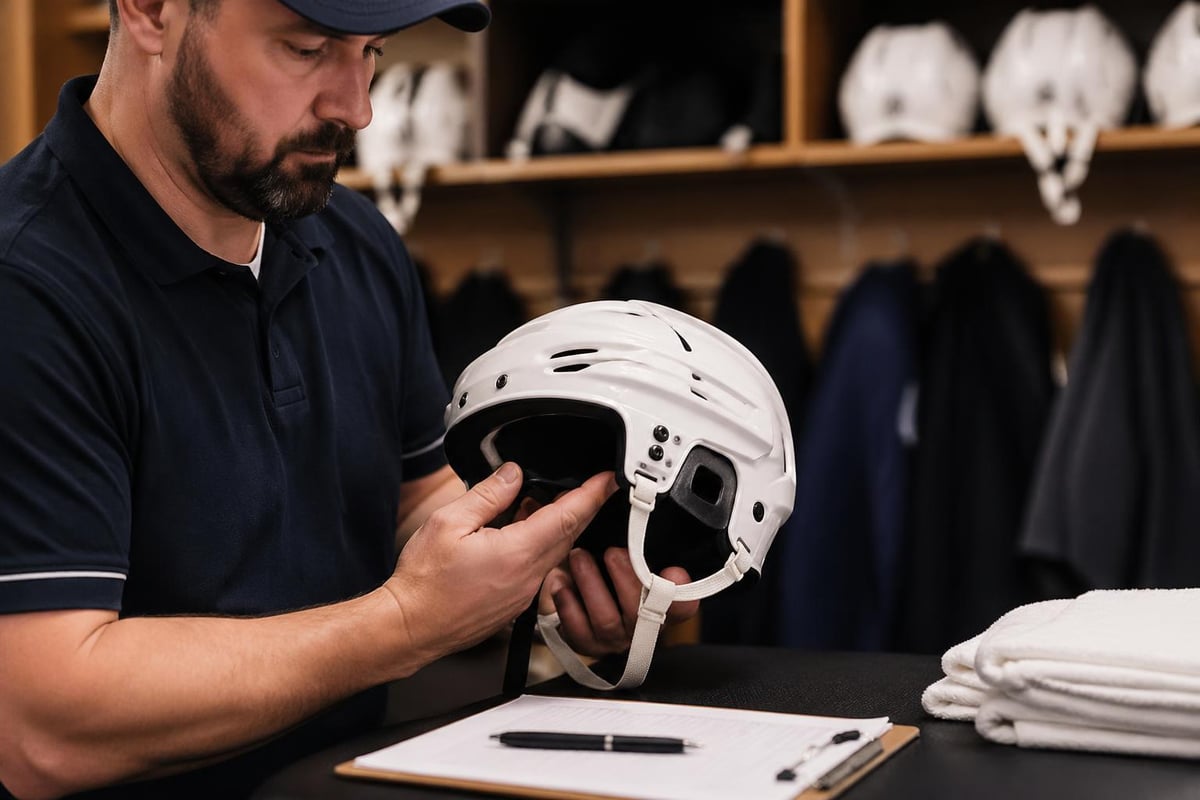
Systematic inspections identify safety concerns before they create risks. Coaches should implement pre-season equipment checks examining every protective item for cracks, tears, or deteriorating components.
Helmets require particular attention. Even minor cracks in shells compromise protective capabilities. Padding that has compressed or separated from helmet interiors needs immediate replacement. Many football shop operations offer reconditioning services that restore helmets to safe operating standards.
Position-specific equipment faces varying wear patterns. Linemen's shoulder pads endure heavier impacts than those worn by receivers. Defensive players' helmets accumulate more contact than kickers' equipment. Understanding these patterns helps optimize replacement scheduling and budget allocation.
Emerging Technologies in Football Equipment
Innovation continues transforming football equipment capabilities. While traditional protective gear remains essential, new technologies offer enhanced performance monitoring and safety features.
Impact Monitoring Systems
Sensor-equipped helmets track collision forces and accumulation patterns. These systems alert coaching staffs when players experience impacts exceeding predetermined thresholds, enabling immediate medical evaluation. While representing significant investments, these technologies provide valuable concussion prevention capabilities.
Data collected through impact monitoring informs practice design, helping coaches reduce unnecessary contact while maintaining skill development. Programs serious about player safety increasingly view these systems as essential rather than optional.
Advanced Materials and Construction
Multi-density foam systems provide targeted protection matching specific impact scenarios. Modern shoulder pads incorporate various foam densities positioned to absorb different force types. This precision engineering offers superior protection compared to single-density designs.
Lightweight composite materials reduce equipment weight without sacrificing strength. Players benefit from increased mobility and reduced fatigue while maintaining protective coverage. The football shop industry continues expanding offerings of these advanced materials as manufacturing costs decline.
Team-Specific Purchasing Considerations
Different program types face unique equipment needs and constraints. Understanding these variations helps optimize purchasing strategies.
Youth League Programs
Age-appropriate equipment ensures proper fit and adequate protection for developing athletes. Youth football shop selections emphasize adjustability and proper sizing over advanced features unnecessary for younger players.
Budget constraints often challenge youth programs relying on volunteer leadership and limited fundraising. Prioritizing essential protective equipment over optional training accessories ensures resources address critical safety needs first. As discussed in resources about fitness sports equipment, understanding equipment fundamentals helps programs make informed decisions regardless of budget constraints.
High School Athletic Programs
Larger roster sizes create bulk purchasing opportunities but also increase total investment requirements. High school programs typically manage multiple team levels (varsity, junior varsity, freshman), multiplying equipment needs.
Compliance with state athletic association regulations adds complexity. Equipment must meet specific standards, and documentation proving compliance may be required. A knowledgeable football shop partner understands these requirements and ensures all products satisfy applicable regulations.
Club and Travel Teams
Specialized equipment often distinguishes competitive club programs. These organizations may invest in advanced training technologies and premium protective gear reflecting their performance focus.
Travel considerations affect equipment selection. Durable bags and transport solutions protect gear during frequent movement. Some football shop suppliers offer customized equipment packages designed specifically for travel team requirements, bundling protective gear with transport and storage solutions.
Equipping football teams with proper protective gear, training tools, and game-day essentials requires strategic partnerships with knowledgeable suppliers who understand your program's specific needs. From youth leagues emphasizing safety fundamentals to competitive programs seeking performance advantages, the right equipment creates foundations for athletic success. Sideline Sport Supply provides teams at every level with reliable, affordable football equipment backed by straightforward pricing and fast fulfillment, helping coaches focus on developing players rather than sourcing gear.