

Cricket Shop Essentials: Equipment Guide for Teams
Finding the right equipment through a reliable cricket shop is essential for teams, coaches, and individual players who want to perform at their best. Whether you're outfitting an entire school team, upgrading practice gear, or helping athletes prepare for competitive matches, understanding what to look for in cricket equipment ensures your investment delivers lasting value. The cricket shop landscape has evolved significantly, offering everything from entry-level training gear to professional-grade equipment designed for serious competition. This guide explores the critical considerations for selecting, maintaining, and purchasing cricket equipment that supports player development and team success.
Understanding Cricket Shop Equipment Categories
Every cricket shop organizes inventory around core equipment categories that serve different positions, skill levels, and playing formats. The primary categories include batting equipment, bowling accessories, protective gear, practice training aids, and team essentials.
Batting equipment forms the foundation of any cricket shop inventory. This includes cricket bats in various weights, sizes, and profiles suited for different playing styles. Junior bats differ significantly from adult models, and selecting the right bat profile and weight impacts a player's ability to develop proper technique. Batting gloves, leg guards (pads), and protective boxes complete the batting category.
Bowling and fielding gear addresses the needs of players in different positions. Cricket balls vary by format-leather balls for matches, synthetic options for practice, and specialized training balls for skill development. Fielding equipment includes practice stumps, bails, and training aids designed to improve catching and throwing accuracy.
Protective Equipment Requirements
Safety gear represents a non-negotiable investment for any team purchasing through a cricket shop. Helmets, chest guards, thigh pads, arm guards, and abdominal guards protect players from injury during both practice and competition.
| Equipment Type | Primary Protection | Key Features to Consider |
|---|---|---|
| Batting Helmet | Head, face, ears | Grille strength, ventilation, adjustable fit |
| Leg Guards | Shins, knees | Lightweight construction, mobility, strapping system |
| Batting Gloves | Fingers, hands | Grip quality, finger protection, breathability |
| Chest Guard | Torso | Coverage area, flexibility, moisture management |
| Thigh Pad | Upper legs | Secure attachment, impact absorption |
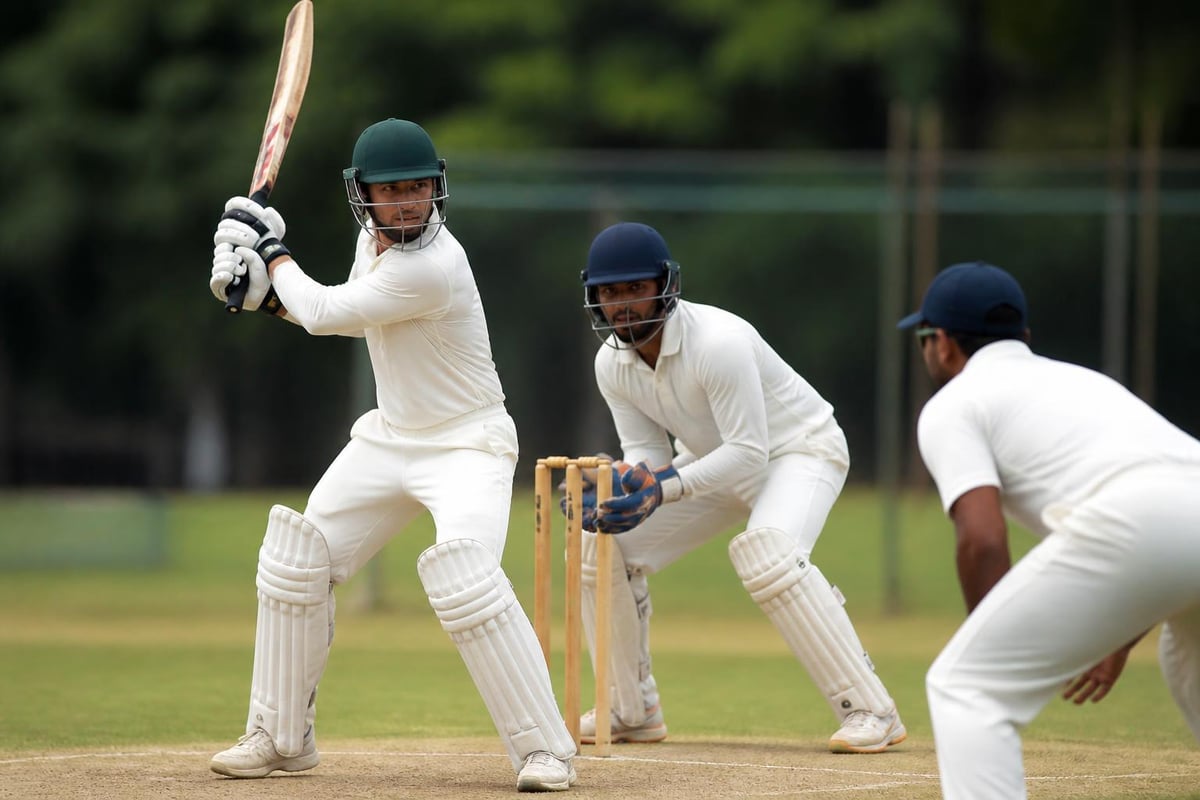
Modern protective equipment balances safety with mobility, allowing players to move freely while remaining protected. The cricket shop you choose should stock equipment that meets current safety standards and offers proper sizing across age groups.
Selecting Quality Equipment for Different Skill Levels
A professional cricket shop understands that equipment needs vary dramatically based on player experience and competitive level. Beginners require durable, forgiving equipment that facilitates skill development without breaking team budgets. Advanced players benefit from specialized gear that enhances their established techniques.
For youth and beginner programs, prioritize equipment that withstands frequent use while offering appropriate sizing. Lighter bats help younger players develop proper swing mechanics without strain. Protective gear must fit correctly-oversized equipment shifts during play and undersized gear leaves vulnerable areas exposed. Many schools and recreational programs benefit from purchasing practice-grade equipment in bulk, which offers substantial cost savings while meeting training needs.
Intermediate players transitioning to competitive formats need equipment that supports more refined techniques. At this level, comprehensive equipment guides help teams understand the specific requirements for different cricket formats. Limited-overs cricket may require lighter, more responsive bats, while multi-day formats benefit from traditional willow construction.
Advanced and Competitive Equipment Considerations
Teams competing at higher levels require professional-grade equipment from their cricket shop. These products feature superior materials, advanced construction techniques, and performance-oriented designs.
- Premium English willow bats offer better response and larger sweet spots
- Professional-grade protective equipment provides enhanced impact resistance
- Match-quality leather balls maintain consistent performance throughout extended play
- Specialized training equipment targets specific skill development areas
- Custom-fit options accommodate individual player preferences and body types
The cricket shop experience should include guidance on matching equipment specifications to player needs. Just as sporting goods shops serve diverse athletic communities, cricket specialists help teams make informed decisions based on playing style, budget constraints, and long-term development goals.
Cricket Equipment Maintenance and Longevity
Proper equipment care significantly extends the life of cricket shop purchases, protecting your investment and ensuring consistent performance. Cricket gear requires regular attention, and establishing maintenance protocols prevents premature wear and unexpected equipment failures during critical matches.
Cricket bats demand the most intensive care regimen. New bats require knocking-in-a process of gradually compressing the willow fibers to prevent cracking during play. Detailed bat care instructions outline the oiling, knocking-in, and storage procedures that extend bat lifespan. Failing to properly prepare a bat often voids manufacturer warranties and leads to early failure.
Comprehensive Equipment Care Protocols
Different equipment categories require specific maintenance approaches. Implementing these practices across your team inventory ensures gear remains game-ready throughout the season.
Leather equipment maintenance includes cricket balls, gloves, and protective gear components. Apply leather conditioner regularly to prevent cracking and maintain flexibility. Store leather items in cool, dry environments away from direct sunlight. Clean dirt and grass stains promptly using appropriate leather cleaners.
Protective gear inspection should occur before each practice and match. Check helmet grilles for cracks or loose fittings, examine pad strapping systems for wear, and replace any damaged protective components immediately. The safety implications of compromised protective equipment make regular inspection essential. For comprehensive guidance, consult resources on maintaining cricket equipment to establish effective care routines.
Textile and synthetic equipment includes practice clothing, kit bags, and synthetic balls. Machine wash according to manufacturer specifications, allowing items to air dry completely before storage. Moisture trapped in equipment bags promotes mold growth and material degradation.
| Equipment Type | Maintenance Frequency | Key Actions |
|---|---|---|
| Cricket Bats | After each use | Inspect for cracks, clean surface, apply oil monthly |
| Protective Pads | Weekly | Check straps, clean surfaces, inspect foam integrity |
| Gloves | After each use | Air dry completely, inspect finger protection, check grip |
| Helmets | Before each use | Examine grille attachment, check padding, clean interior |
| Cricket Balls | Ongoing | Rotate practice balls, inspect seam integrity, clean leather |
Strategic Purchasing from a Cricket Shop
Effective cricket shop purchasing requires balancing immediate needs with long-term team development plans. Coaches and athletic directors benefit from approaching equipment acquisition strategically rather than reactively addressing broken or worn-out gear.
Develop an equipment inventory system that tracks what you own, its condition, and expected replacement timeline. This visibility prevents last-minute emergency purchases at premium prices and enables bulk ordering when opportunities arise. Similar to how organizations approach fitness and sports equipment procurement, cricket programs benefit from organized inventory management.
Bulk purchasing advantages extend beyond unit cost savings. Ordering complete team sets ensures consistency in equipment quality and appearance. Many cricket shop suppliers offer team discounts, and consolidating purchases streamlines the ordering process. Consider these bulk purchasing opportunities:
- Complete batting sets (bat, gloves, pads) for team uniformity
- Protective equipment packages for specific positions
- Practice ball quantities sufficient for full-season training
- Training aid bundles that support comprehensive skill development
- Replacement part inventories for commonly worn components
Online vs. Brick-and-Mortar Cricket Shop Options
The cricket shop landscape now includes both traditional retail locations and online specialists. Each channel offers distinct advantages for team purchasing.
Physical cricket shops provide hands-on equipment evaluation. Players can test bat weight and balance, try on protective gear for proper fit, and receive personalized fitting assistance. This tactile experience proves invaluable, especially for younger players establishing their preferences. Immediate availability eliminates shipping delays for urgent needs.
Online cricket shops typically offer broader selection and competitive pricing. When buying cricket equipment online, verify seller authenticity, understand return policies, and confirm product specifications match your requirements. Many online retailers provide detailed sizing charts and product comparisons that facilitate informed decision-making.
Successful programs often combine both approaches-establishing relationships with local cricket shop retailers for immediate needs and fitting services while leveraging online sources for bulk purchases and specialized equipment.
Equipment Storage and Organization
Proper storage extends equipment life and ensures gear remains accessible and organized. Cricket shop purchases represent significant investments, and thoughtful storage practices protect that value.
Climate-controlled storage prevents the environmental damage that plagues cricket equipment. Excessive heat warps bats and degrades protective foam. High humidity promotes mold growth on leather and textile components. Store equipment in temperature-stable environments with moderate humidity levels.
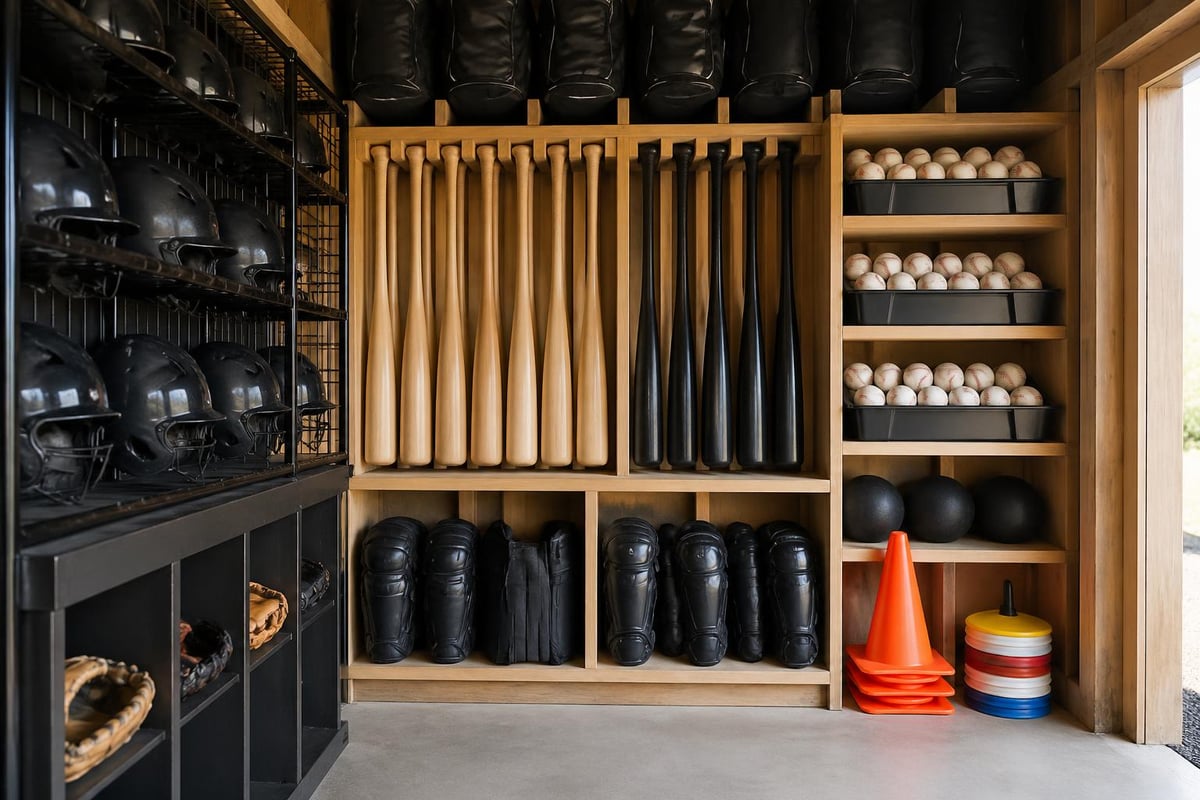
Organizational systems should accommodate different equipment categories while allowing efficient access. Consider these storage solutions:
- Wall-mounted bat racks preventing blade contact with hard surfaces
- Ventilated bins for protective gear allowing air circulation
- Dedicated helmet storage preventing grille damage
- Ball organizers separating match balls from practice inventory
- Equipment bags for individual player kits maintaining accountability
Teams traveling to matches benefit from dedicated transport solutions. Quality cricket bags with padded compartments protect equipment during transit and simplify setup at away venues. Many cricket shop suppliers offer team bag options designed specifically for organized transport.
Specialized Training Equipment
Beyond standard match equipment, a comprehensive cricket shop stocks training aids designed to accelerate skill development. These specialized tools address specific technical aspects of cricket performance.
Batting training aids include bowling machines, rebound nets, swing trainers, and technique correction tools. While cricket programs may not match the specialized equipment seen in baseball training, cricket-specific training tools serve similar skill development purposes. Bowling machines deliver consistent practice opportunities, allowing batters to refine technique against various delivery types.
Fielding development equipment encompasses reaction balls, catching cradles, throwing targets, and agility training tools. These aids create focused practice scenarios that build specific skills more effectively than general scrimmages.
Budget Allocation for Training Equipment
| Priority Level | Equipment Category | Percentage of Budget | Rationale |
|---|---|---|---|
| Essential | Match-ready bats, balls, protective gear | 50-60% | Core equipment for safe participation |
| Important | Practice consumables, replacement parts | 20-25% | Maintains training continuity |
| Beneficial | Specialized training aids | 15-20% | Accelerates skill development |
| Optional | Advanced technology, analytics tools | 5-10% | Enhances competitive programs |
Programs working with limited budgets should prioritize safety equipment and match essentials before investing in specialized training tools. As budgets allow, gradually incorporate training aids that address your team's specific developmental needs.
Building Supplier Relationships
Establishing strong relationships with cricket shop suppliers delivers advantages beyond simple transactions. Reliable suppliers become partners in your program's success, offering expertise, preferential pricing, and responsive service.
Vendor evaluation criteria should extend beyond pricing. Consider delivery reliability, product knowledge, warranty support, and willingness to accommodate special requests. A cricket shop that understands your program's needs can recommend appropriate equipment, alert you to new products, and help plan seasonal purchasing.
Communication protocols keep suppliers informed about your requirements and timeline. Share your season schedule, anticipated growth, and budget constraints. This transparency enables suppliers to alert you about relevant promotions and ensure adequate inventory for your needs.
Many successful programs work with multiple suppliers, balancing primary vendor relationships with competitive bidding for major purchases. This approach maintains supplier engagement while ensuring competitive pricing. Organizations managing multiple sports programs can learn from sports goods shops that serve diverse athletic needs through strategic vendor partnerships.
Quality Indicators When Evaluating Equipment
Understanding quality markers helps teams make informed cricket shop purchases that deliver value and performance. Not all equipment marketed for cricket meets the standards required for serious training and competition.
Bat quality assessment begins with wood grade. English willow represents the premium standard, offering superior performance characteristics. Kashmir willow provides a more affordable alternative for practice and youth cricket. Examine grain structure-straighter, closer grains typically indicate better quality. Press the blade gently; quality bats show slight give without feeling soft or punky.
Protective equipment certification ensures gear meets safety standards. Look for compliance marks from recognized testing organizations. Premium protective equipment features multi-layer construction, strategic ventilation, and secure fastening systems that keep protection properly positioned during dynamic play.
Ball quality verification involves checking seam construction, leather quality, and core consistency. Match balls should maintain shape and seam integrity throughout extended play. Practice balls prioritize durability over perfect match specifications.
Red Flags in Equipment Selection
- Unusually low pricing compared to market standards
- Missing or vague manufacturer information
- Poor finishing quality or inconsistent construction
- Absence of safety certifications for protective gear
- Suppliers unable to provide detailed product specifications
- Equipment that feels significantly lighter or heavier than specified
When purchasing through a cricket shop, compare products across multiple brands within your budget range. Understanding the trade-offs between price points enables informed decisions aligned with your program's priorities.
Equipment for Different Cricket Formats
Modern cricket encompasses multiple formats, each with distinct equipment preferences and requirements. A well-stocked cricket shop serves teams competing across these variations.
Test and multi-day cricket traditionally uses heavier bats with traditional profiles, emphasizing durability and consistent performance over extended innings. Protective equipment prioritizes comprehensive coverage, and match balls are high-quality leather designed for extended use.
Limited-overs formats including One Day Internationals and T20 cricket favor lighter, more responsive bats that facilitate aggressive shot-making. Players often choose streamlined protective equipment that maximizes mobility. Format-specific training equipment helps players adapt to the faster pace and different strategic demands.
Indoor cricket requires specialized equipment including softer balls, lighter bats, and modified protective gear suited for smaller playing spaces. Teams participating in indoor leagues need cricket shop access to these format-specific products.
Coaches should maintain essential equipment properly regardless of format, as gear investment remains consistent across cricket variations.
Equipping cricket teams with quality gear requires understanding equipment categories, maintenance requirements, and strategic purchasing approaches that maximize value. Whether you're outfitting youth programs or competitive squads, the right equipment foundation supports player development and team success. For all your athletic equipment needs across multiple sports, Sideline Sport Supply provides reliable, game-ready gear with straightforward pricing and fast fulfillment, helping teams spend less time sourcing equipment and more time focused on performance and development.