

Sports Goods Shops: Your Complete Guide for 2026
Sports goods shops have transformed dramatically over the past few years, adapting to changing consumer expectations, technological advances, and shifting participation patterns across athletic activities. Whether you're a coach outfitting an entire team, an athlete seeking specialized training equipment, or a school administrator managing procurement for multiple sports programs, understanding today's retail landscape helps you make smarter purchasing decisions. Modern sports goods shops blend traditional expertise with digital convenience, offering everything from basic training essentials to advanced performance gear that supports athletes at every competitive level.
The Evolution of Athletic Equipment Retail
The athletic equipment industry has experienced significant shifts as consumer behavior adapts to technological integration and convenience expectations. Sports goods industry trends for 2026 indicate continued growth driven by smart technology integration, sustainability initiatives, and personalized customization options that cater to individual athlete preferences.
Traditional sports goods shops now compete in an environment where customers research products online before making purchases, compare prices across multiple platforms, and expect seamless experiences whether shopping in-store or through digital channels. This evolution has pushed retailers to develop stronger online presences while maintaining the personalized service and expert knowledge that brick-and-mortar locations provide.
Key changes reshaping the retail landscape include:
- Omnichannel strategies that integrate physical stores with e-commerce platforms
- Advanced inventory management systems that ensure product availability
- Interactive retail experiences featuring test areas and product demonstrations
- Data-driven personalization that recommends equipment based on sport, position, and skill level
- Streamlined fulfillment processes that reduce wait times for urgent equipment needs
The convergence of these factors creates opportunities for sports goods shops that prioritize customer service, maintain competitive pricing, and stock reliable equipment that meets the practical needs of athletes and organizations.
Understanding Buyer Needs Across Different Segments
Sports goods shops serve diverse customer segments, each with unique requirements, budget constraints, and purchasing timelines. Recognizing these differences helps retailers optimize their inventory selection and service offerings to meet specific demands.
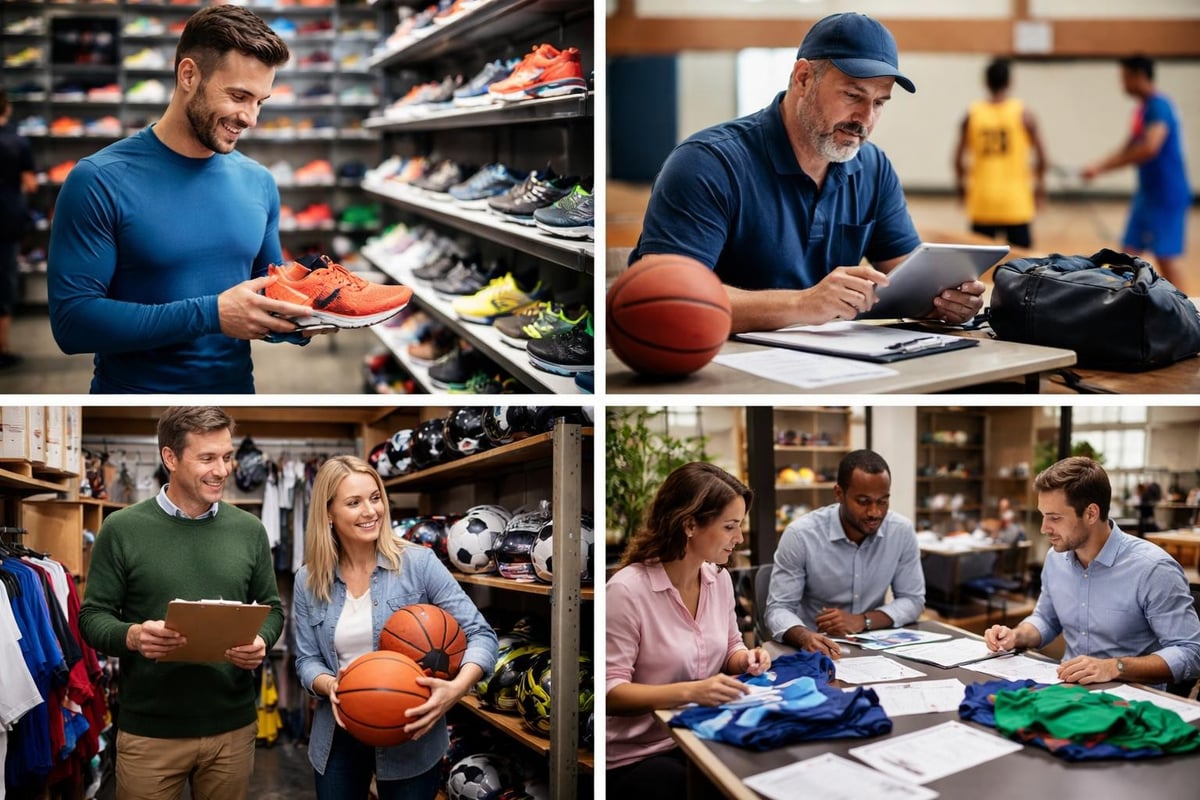
Individual Athletes and Training Enthusiasts
Individual buyers typically focus on personal performance enhancement and skill development. They often seek specialized equipment tailored to their specific sport, position, or training goals. These customers value product quality, performance specifications, and the ability to test equipment before purchase when possible.
Price sensitivity varies among individual athletes, with serious competitors willing to invest in premium gear while recreational participants often prioritize value and durability over cutting-edge features. Sports goods shops serving this segment benefit from knowledgeable staff who can explain product differences and recommend appropriate options based on skill level and usage frequency.
Coaches and Team Managers
Coaches represent a critical customer segment for sports goods shops, as they influence purchasing decisions for entire teams and coordinate bulk orders for equipment, uniforms, and training aids. These buyers prioritize reliability, consistency across products, and vendors who understand seasonal demands and delivery deadlines.
Team purchasing requires different considerations than individual sales. Coaches need suppliers who can provide:
| Requirement | Why It Matters |
|---|---|
| Bulk pricing | Budget constraints affect how teams allocate resources across equipment categories |
| Consistent sizing | Uniform fit across team members ensures professional appearance and player comfort |
| Replacement availability | Access to matching items mid-season prevents disruptions when equipment wears out |
| Fast turnaround | Time-sensitive needs before tournaments or season starts require responsive fulfillment |
Schools and Educational Institutions
Educational institutions manage athletic programs across multiple sports, often with limited budgets and complex procurement processes. School administrators typically prioritize durability, safety compliance, and cost-effectiveness when selecting equipment suppliers.
Team sales programs specifically designed for educational institutions address these unique needs through volume discounts, simplified ordering processes, and dedicated account management that streamlines communication and order fulfillment.
Current Trends Shaping Sports Goods Shops
Several significant trends are reshaping how sports goods shops operate and what products they prioritize in their inventory selection. Understanding these trends helps buyers anticipate what equipment options will be available and how shopping experiences may evolve.
The acceleration of digital commerce in the sporting goods industry has fundamentally changed customer expectations around product discovery, price transparency, and purchasing convenience. Sports goods shops that successfully integrate digital platforms with physical retail spaces gain competitive advantages through expanded reach and improved customer engagement.
Technology Integration in Retail Spaces
Forward-thinking retailers are reimagining the in-store experience to compete with online convenience. Innovative retail concepts now feature interactive test areas where customers can try equipment in realistic sporting environments, from batting cages to putting greens.
This experiential approach addresses a key limitation of online shopping: the inability to physically test products before purchase. Sports goods shops investing in demonstration spaces, knowledgeable staff, and hands-on product trials create value that justifies in-person visits and builds customer loyalty.
Expanding Sport Participation Patterns
Participation trends significantly influence which products sports goods shops prioritize. Recent data shows that 80% of Americans are now physically active, with emerging sports like pickleball experiencing explosive growth that creates new equipment demands.
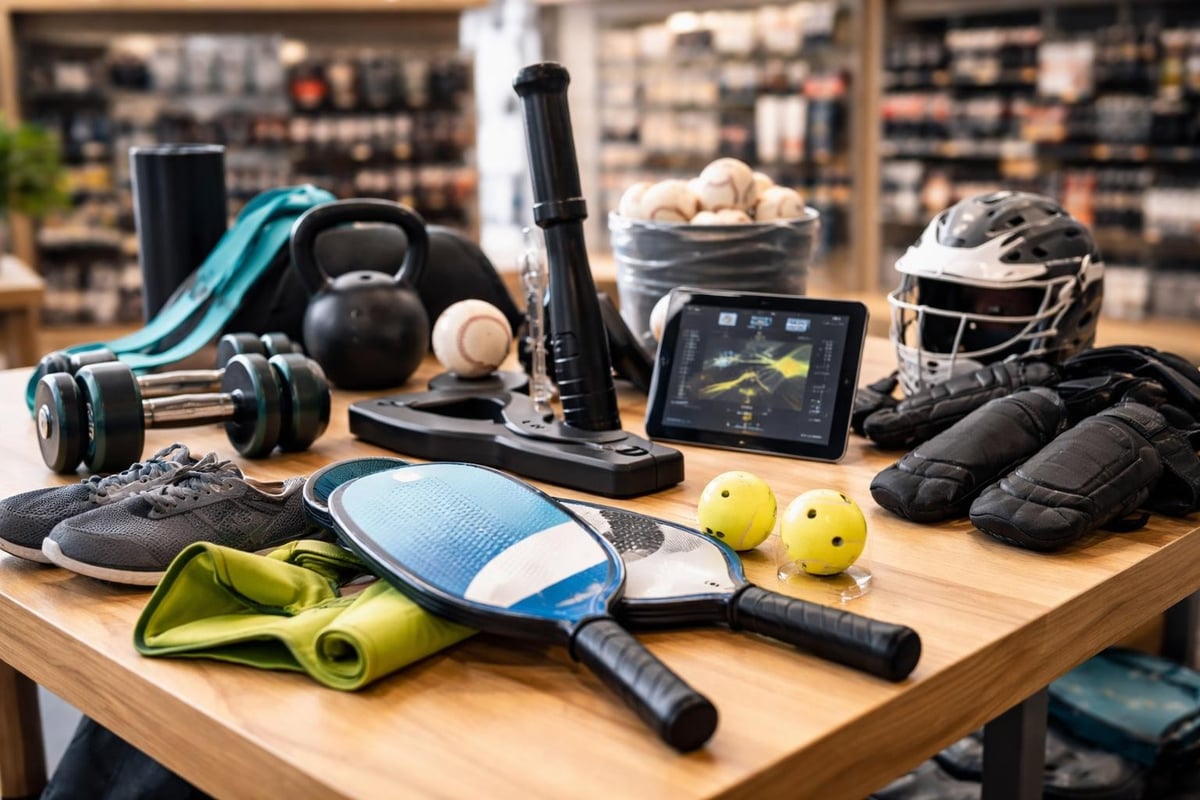
Smart retailers track participation trends to adjust inventory accordingly. The rise of pickleball, for example, has created substantial demand for specialized paddles and court equipment that barely registered as retail categories just a few years ago.
Growth sports requiring expanded inventory:
- Pickleball equipment and court accessories
- Fitness training tools for home and commercial gyms
- Baseball training technology including automated pitching machines
- Multi-sport protective gear adaptable across activities
- Recovery and wellness products supporting athletic performance
Practical Considerations When Selecting Equipment Suppliers
Choosing the right sports goods shops for your equipment needs requires evaluating several factors beyond basic product availability and pricing. Whether you're outfitting a team, stocking a school athletic program, or purchasing individual training gear, these considerations help ensure you partner with suppliers who meet your specific requirements.
Pricing Strategies and Value Propositions
Price remains a primary concern for most buyers, but the lowest upfront cost doesn't always deliver the best value. Smart purchasers evaluate total cost of ownership, considering factors like product durability, replacement frequency, and the time cost of dealing with unreliable suppliers or defective equipment.
Transparent pricing policies build trust between sports goods shops and their customers. Programs like price match guarantees demonstrate retailer confidence in their competitive positioning while giving customers assurance they're receiving fair value without extensive price comparison shopping.
Inventory Depth and Product Availability
Nothing frustrates teams and coaches more than discovering critical equipment is out of stock when they need it. Sports goods shops with comprehensive inventory management systems and supplier relationships can reliably fulfill orders, even for large or time-sensitive purchases.
Consider these inventory-related questions when evaluating potential suppliers:
- Do they maintain stock of commonly needed items year-round?
- Can they source specialized equipment for specific sports or positions?
- What's their typical fulfillment timeline for in-stock versus special-order items?
- Do they provide inventory visibility so you can check availability before ordering?
- Can they accommodate last-minute or emergency equipment needs?
Customer Service and Expertise
Knowledgeable staff differentiate exceptional sports goods shops from basic retailers. Employees who understand sport-specific requirements, sizing considerations, and performance characteristics help customers make informed decisions that match their actual needs rather than simply promoting high-margin products.
For ecommerce-focused retailers, customer service extends to digital communication channels, order tracking capabilities, and responsive support when issues arise. The ability to connect with knowledgeable representatives who can answer technical questions or resolve problems quickly adds significant value, especially for bulk purchasers managing tight timelines.
Navigating Economic Factors Affecting Equipment Costs
External economic factors influence equipment pricing in ways that sports goods shops and their customers must navigate together. Understanding these dynamics helps set realistic budget expectations and identify opportunities for cost management.
Trade policies and tariffs can significantly impact sporting goods pricing, particularly for equipment manufactured internationally. Recent analysis shows how tariffs affect youth sports participation by increasing costs that may price out middle- and low-income families, creating pressure on sports goods shops to find affordable alternatives without sacrificing safety or quality.
Smart retailers respond to these pressures through several strategies:
| Strategy | Implementation | Customer Benefit |
|---|---|---|
| Direct manufacturer relationships | Bypass intermediaries to reduce markup layers | Lower prices on key equipment categories |
| Volume purchasing | Negotiate bulk discounts from suppliers | Pass savings to team and institutional buyers |
| Multi-brand inventory | Offer price points across quality tiers | Accommodate varied budget constraints |
| Seasonal planning | Stock up during promotional periods | Maintain competitive pricing year-round |
For organizations managing athletic programs, working with sports goods shops that understand budget constraints and offer flexible payment options or staged delivery can make substantial equipment investments more manageable.
Building Long-Term Relationships with Equipment Suppliers
The most successful partnerships between buyers and sports goods shops extend beyond individual transactions to create ongoing relationships built on trust, reliability, and mutual understanding. This relationship approach delivers benefits for both parties while ensuring athletes have consistent access to the equipment they need.
Consistency and Reliability
Teams and organizations benefit enormously from supplier consistency. When you establish a relationship with sports goods shops that understand your specific needs, they can anticipate requirements, suggest relevant new products, and proactively address potential issues before they impact your programs.
This consistency extends to product selection as well. Reliable suppliers maintain relationships with manufacturers that ensure continued availability of specific equipment models, preventing situations where teams must switch products mid-season due to discontinuation or supply disruptions.
Communication and Responsiveness
Effective communication separates adequate suppliers from exceptional partners. Sports goods shops that prioritize responsive customer service, provide clear order status updates, and maintain accessible communication channels create smoother purchasing experiences that save time and reduce stress for busy coaches and administrators.
For businesses operating in the ecommerce space, communities like Talk Shop provide valuable resources for sports goods shops looking to optimize their digital operations, improve customer experience, and implement best practices that enhance communication efficiency and order fulfillment reliability.
Specialized Services for Different Buyer Types
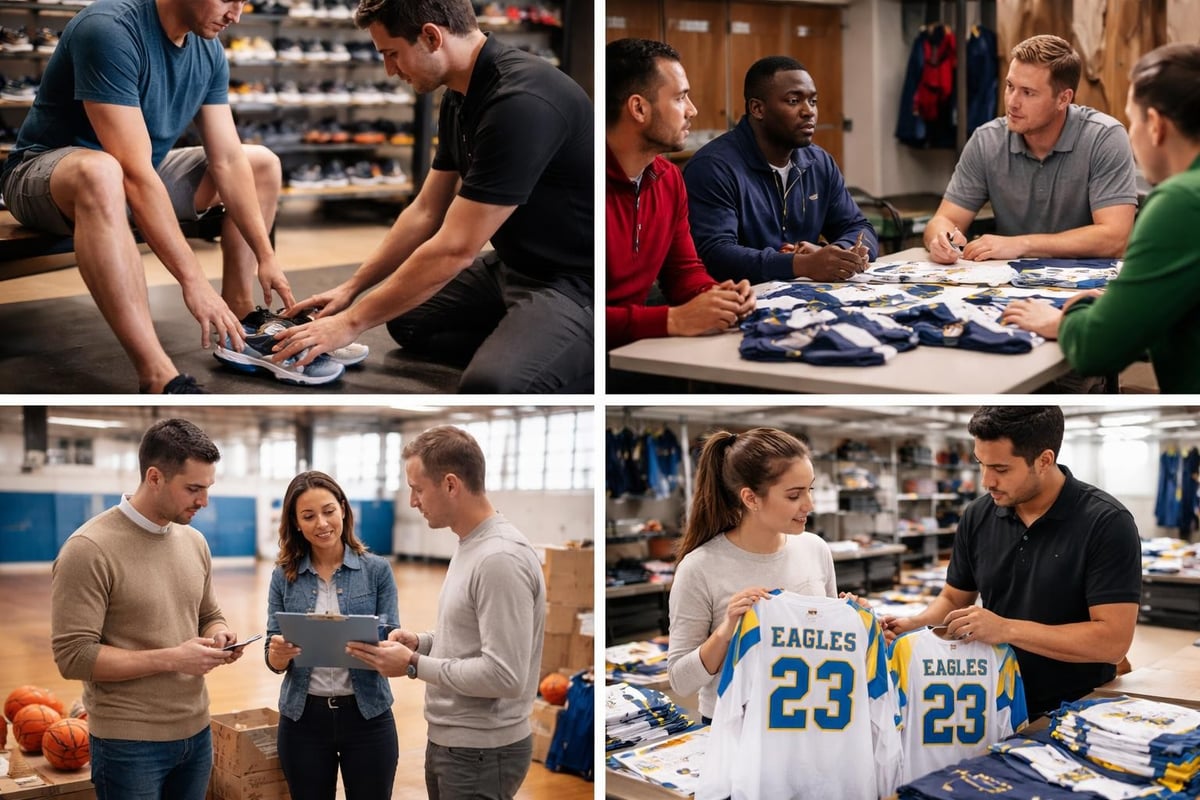
Progressive sports goods shops recognize that different customer segments require tailored services. Individual athletes may need expert fitting assistance and performance consultations, while coaches benefit from dedicated account representatives who understand team purchasing cycles and can coordinate complex orders across multiple sports.
Educational institutions often require additional services such as:
- Purchase order processing that aligns with institutional procurement policies
- Detailed invoicing that supports budget tracking and allocation
- Flexible delivery scheduling that accommodates facility access and storage constraints
- Equipment customization including team logos, player names, and numbering
Essential Equipment Categories for Training and Competition
Comprehensive sports goods shops stock equipment across multiple categories to serve athletes participating in various sports and training activities. Understanding these categories helps buyers identify what they need and evaluate whether potential suppliers maintain adequate inventory depth.
Team Sports Equipment
Team sports generate substantial equipment demand across schools, recreational leagues, and competitive organizations. Essential categories include balls and game equipment, protective gear, training aids, and accessories that support practice and competition.
Baseball and softball programs, for instance, require extensive equipment inventories ranging from batting cages for practice facilities to training machines that help players develop hitting skills. Quality sports goods shops maintain deep inventory in these foundational categories while also stocking specialized items for specific positions and skill levels.
Individual Training Equipment
Athletes increasingly invest in personal training equipment that supports skill development outside organized practice sessions. This category encompasses everything from basic fitness gear to sport-specific training tools designed to target particular skills or physical attributes.
Fitness sports equipment represents a growing category as athletes recognize the importance of general conditioning alongside sport-specific skill development. Sports goods shops serving serious athletes stock strength training equipment, agility tools, speed development aids, and recovery products that support comprehensive athletic development.
Protective and Safety Equipment
Safety equipment represents a non-negotiable category where quality and proper fit directly impact athlete wellbeing. Sports goods shops must balance cost considerations against safety requirements, ensuring they stock protective gear that meets current safety standards and provides appropriate protection for different age groups and competition levels.
This category spans numerous products:
- Helmets for contact sports including football, hockey, lacrosse, and baseball
- Padding and guards for impact protection
- Mouthguards and face protection
- Safety equipment for training environments
- First aid and medical supplies for sideline use
Maximizing Value Through Strategic Purchasing
Smart buyers approach equipment purchasing strategically, looking beyond immediate needs to plan for long-term requirements while managing budget constraints effectively. These strategies help organizations get maximum value from their equipment investments.
Seasonal Planning and Timing
Equipment needs follow predictable seasonal patterns based on sport schedules and competition calendars. Sports goods shops experience peak demand periods when programs prepare for upcoming seasons, creating potential supply constraints and pricing pressures.
Proactive buyers who plan ahead and place orders before peak demand periods often access better pricing, ensure product availability, and reduce stress associated with last-minute equipment needs. This approach requires coordination between athletic departments, coaches, and purchasing personnel to forecast requirements accurately and commit to orders with appropriate lead times.
Balancing Quality and Budget
Every athletic program faces budget constraints that require careful allocation across competing needs. The key lies in identifying where premium quality delivers measurable benefits versus where budget-conscious options provide adequate performance.
For example, competition uniforms and safety equipment typically justify higher investment due to their impact on athlete protection and team presentation. Training equipment used in daily practice may offer opportunities for budget savings through durable mid-range options that provide years of reliable service without premium pricing.
Building Equipment Inventories Over Time
Rather than attempting to purchase complete equipment sets in single transactions, many programs build comprehensive inventories gradually, prioritizing critical needs first and adding specialized items as budgets allow. This staged approach makes equipment investment more manageable while ensuring athletes have access to essential gear.
Sports goods shops that understand this incremental approach can help organizations plan multi-year equipment strategies that align with budget cycles and program development goals, creating partnerships that extend beyond individual purchase transactions.
Digital Commerce and Modern Purchasing Experiences
The growth of ecommerce has fundamentally changed how many customers interact with sports goods shops, creating expectations for online product research, competitive pricing transparency, and convenient ordering processes that accommodate busy schedules.
Online Research and Purchase Decision Making
Most buyers now conduct substantial online research before making equipment purchases, comparing products across multiple retailers, reading reviews, and investigating specifications. Sports goods shops need robust digital presences that provide detailed product information, comparison tools, and educational content that supports informed decision-making.
Successful digital strategies combine comprehensive product catalogs with educational resources that help customers understand what they need. Blog content covering topics from equipment selection to sport-specific training techniques builds authority while attracting potential customers searching for information related to their athletic needs.
Balancing Digital Convenience with Personal Service
While digital commerce offers unmatched convenience, certain equipment purchases benefit from personal consultation and hands-on evaluation. Progressive sports goods shops create hybrid experiences that combine online research efficiency with opportunities for in-person product testing, expert consultation, and customized recommendations.
This balanced approach recognizes that customers value different things depending on their purchase type, expertise level, and time constraints. First-time equipment buyers often appreciate hands-on guidance, while experienced athletes repurchasing familiar products may prefer quick online ordering with fast delivery.
Understanding how sports goods shops operate, what trends are shaping the industry, and how to evaluate potential suppliers helps coaches, athletes, schools, and organizations make smarter purchasing decisions that support athletic success. Whether you're seeking specialized training equipment, outfitting an entire team, or maintaining an institutional athletic program, partnering with reliable suppliers who prioritize quality products, fair pricing, and responsive service makes equipment procurement straightforward and stress-free. Sideline Sport Supply delivers exactly that combination: game-day-ready gear, transparent pricing, and fast fulfillment that keeps your focus where it belongs-on athletic performance and competitive success.