

Batting Sports: Equipment and Training Essentials Guide
Batting sports represent some of the most technically demanding and strategically complex athletic disciplines in competitive sports. Whether it's the precision required in cricket or the split-second timing needed in baseball, athletes who excel in batting sports demonstrate exceptional hand-eye coordination, mental focus, and physical conditioning. For coaches, schools, and sports organizations, understanding the nuances of these disciplines helps in selecting appropriate training equipment and developing effective practice programs. This comprehensive guide explores the fundamental aspects of batting sports, from technique development to equipment selection, providing actionable insights for athletic programs at every level.
Understanding the Core Mechanics of Batting Sports
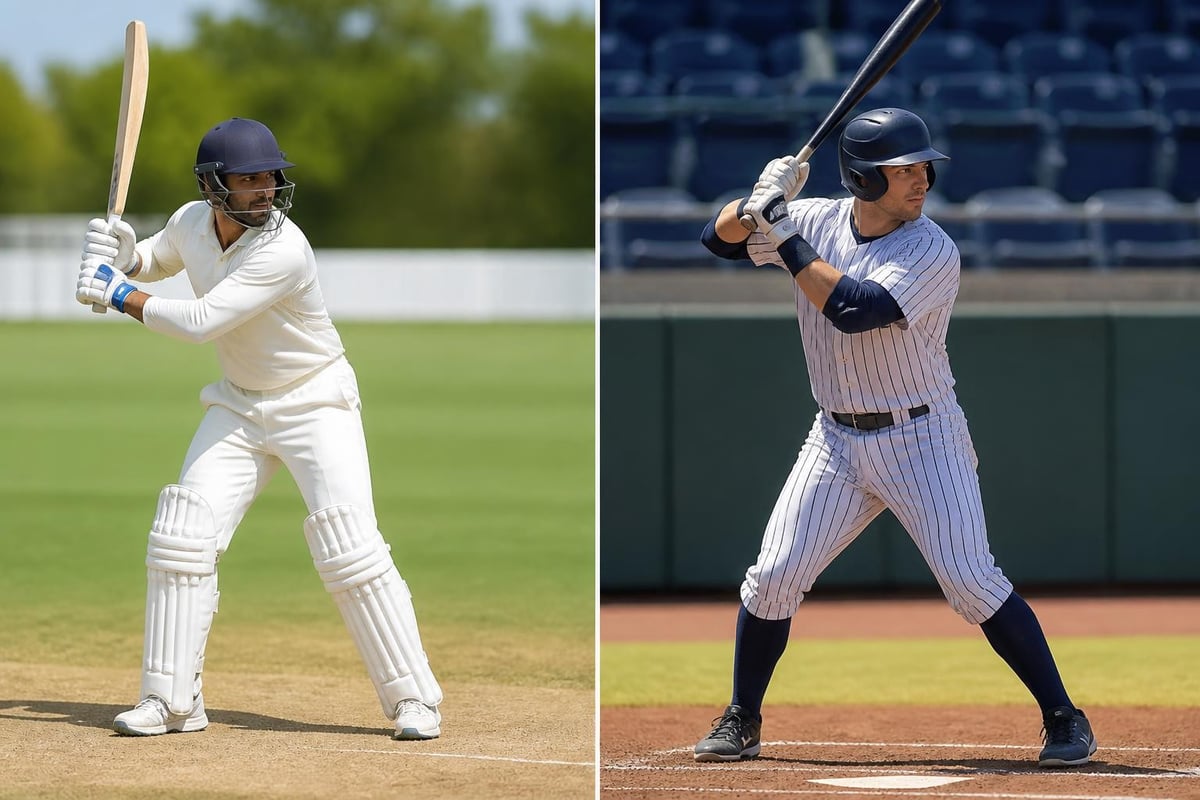
The foundation of success in batting sports begins with mastering fundamental techniques that apply across different disciplines. Both cricket and baseball require athletes to develop specific stances, grips, and swing mechanics that maximize power while maintaining control and accuracy.
In cricket, batsmen must master essential batting techniques including the straight drive, defensive block, pull shot, and cut shot. Each stroke serves a specific purpose based on the ball's delivery, requiring players to make instant decisions about which technique to employ. The stance in cricket typically involves positioning the feet shoulder-width apart, maintaining a slight bend in the knees, and keeping the weight balanced to enable quick movement in any direction.
Baseball batting, conversely, emphasizes a more standardized stance focused on generating rotational power through the hips and core. According to the rules of baseball, batters must remain within the designated batter's box and attempt to hit pitched balls into fair territory. The batting motion involves a complex sequence of weight transfer, hip rotation, and bat path optimization that develops over years of practice.
Grip and Hand Positioning Techniques
Proper grip forms the critical connection between athlete and equipment in all batting sports. In cricket, the V-Grip remains the most widely taught method, where the thumb and index finger of each hand form a V shape pointing toward the shoulder. This grip allows for maximum bat control while enabling the wrist flexibility needed for various shots.
Key grip principles include:
- Maintaining firm but relaxed hand pressure to enable quick adjustments
- Positioning hands close together on the bat handle for better control
- Aligning the V-shapes formed by thumbs and index fingers
- Keeping the bottom hand dominant for power generation
- Using the top hand primarily for direction and guidance
Baseball grips vary slightly based on batting style, but most coaches teach a variation where the bat rests in the fingers rather than the palms. This finger-based grip allows for better bat speed and control through the hitting zone. The hands typically position together on the bat with knuckles aligned to promote proper wrist action during the swing.
Equipment Selection for Batting Sports Programs
Selecting appropriate equipment represents a critical decision for athletic programs, schools, and training facilities. The right gear not only improves performance but also enhances safety and extends the lifespan of practice materials. Quality equipment from Sideline Sport Supply ensures teams have reliable tools that withstand rigorous daily use.
Cricket Batting Equipment Essentials
Cricket programs require specialized equipment designed to protect players while enabling optimal performance. The cricket bat itself must comply with specific dimensional regulations while matching the player's height, strength, and skill level.
| Equipment Type | Purpose | Key Features |
|---|---|---|
| Cricket Bat | Primary striking tool | Willow construction, rubber grip, specific weight balance |
| Batting Gloves | Hand protection and grip | Padded fingers, wrist support, ventilated design |
| Leg Pads | Lower body protection | Adjustable straps, impact-absorbing materials |
| Helmet | Head protection | Face guard, adjustable fit, impact-resistant shell |
| Thigh Guard | Upper leg protection | Lightweight padding, secure attachment |
Modern cricket gear has evolved significantly, incorporating advanced materials that provide superior protection without compromising mobility. Batting gloves now feature specialized padding zones that protect vulnerable finger joints while maintaining the tactile feedback players need to judge their grip pressure.
Baseball Batting Equipment Standards
Baseball programs require equally comprehensive equipment selections that prioritize both performance and player safety. Batting helmets, protective guards, and appropriate bat selections form the foundation of any effective baseball training program.
Essential baseball batting equipment includes:
- Aluminum or composite bats meeting league specifications
- Batting helmets with ear protection and face guards
- Batting gloves for improved grip and hand protection
- Protective cups and guards for lower body safety
- Practice balls including synthetic leather options for machine work
The selection of practice balls particularly impacts training quality and equipment longevity. Synthetic leather baseballs provide consistent performance across thousands of pitches, making them ideal for pitching machine work and repetitive batting practice sessions.
Training Methodologies for Batting Sports Development
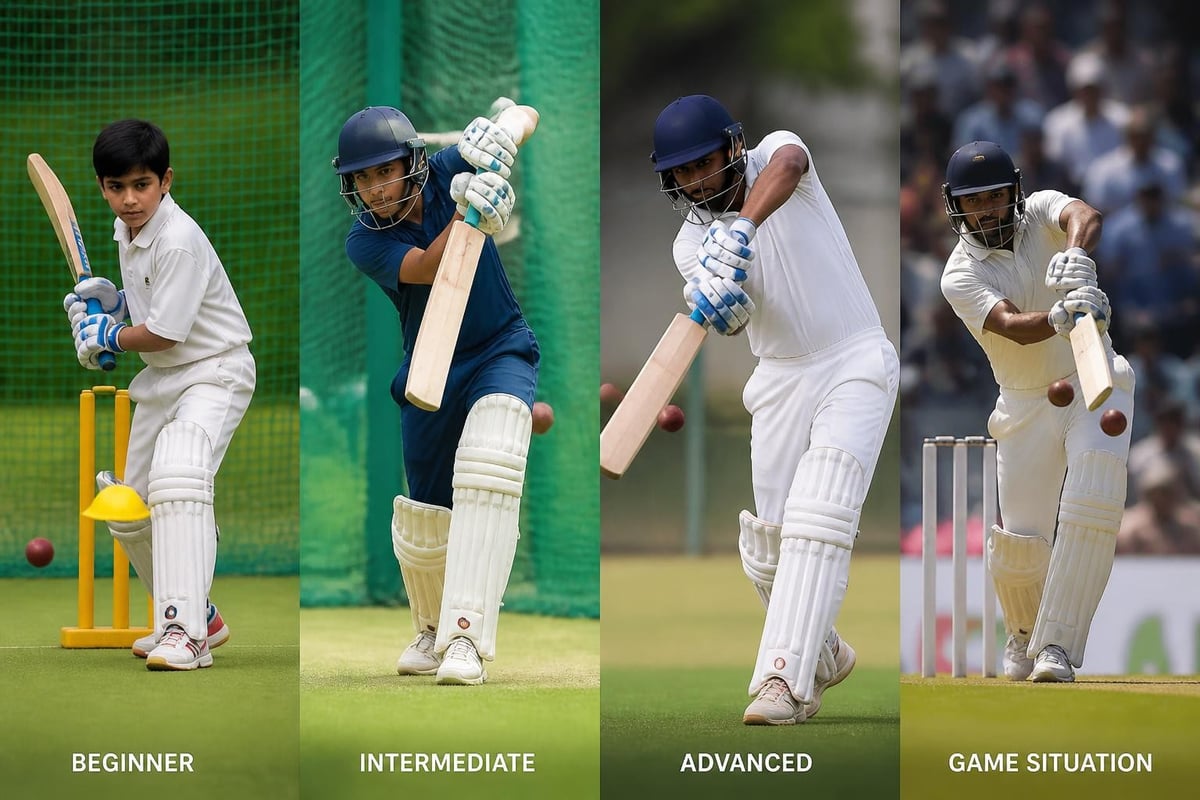
Developing proficient batters requires systematic training approaches that progressively build skills from fundamental techniques to advanced game situations. Effective training programs incorporate multiple practice methodologies, each targeting specific aspects of batting performance.
Structured Practice Environments
Creating appropriate practice spaces enables athletes to develop skills safely and efficiently. Baseball programs benefit from investing in protective equipment such as Field Armor protective panels that safeguard facility infrastructure during batting practice sessions. These durable panels protect walls, fences, and equipment from repeated ball impacts, significantly reducing maintenance costs over time.
Cricket practice facilities require similar protective considerations, particularly for indoor training spaces where balls can damage walls and equipment. Installing protective backstop padding creates safer environments while containing balls within designated practice areas.
Batting cages serve both cricket and baseball programs by providing controlled environments for focused practice. The replacement pipes for batting cage systems ensure facilities can maintain these critical training structures without replacing entire systems when components wear out.
Progressive Skill Development Approaches
Batting sports require layered skill development that builds complexity gradually. Beginning players must first master static techniques before progressing to dynamic game situations that demand split-second decision-making.
Progressive training stages include:
- Foundation Phase: Static stance work, grip development, basic swing mechanics without ball contact
- Controlled Contact Phase: Hitting off tees, soft toss drills, stationary ball practice
- Dynamic Response Phase: Live pitching at reduced speeds, reaction time development
- Game Simulation Phase: Full-speed pitching, situational hitting, pressure scenarios
- Advanced Refinement Phase: Specialized techniques, opponent analysis, mental preparation
This structured progression ensures athletes develop muscle memory and confidence at each level before advancing to more challenging scenarios. Coaches should document player progress through each phase, identifying specific areas requiring additional focus.
Technical Analysis and Performance Optimization
Modern batting sports increasingly rely on data-driven approaches to performance improvement. Understanding cricket batting technique fundamentals provides the baseline knowledge necessary for implementing effective coaching strategies.
Footwork and Body Positioning
Movement patterns distinguish elite batters from average performers in all batting sports. In cricket, footwork determines a batsman's ability to reach the ball's pitch point optimally, creating ideal contact positions. The fundamental batting basics emphasize moving either forward or backward based on the ball's length, with the head remaining level throughout the movement.
Baseball footwork focuses more on load and stride mechanics, where the batter shifts weight backward during the pitcher's delivery before striding forward into the hitting zone. This rhythmic weight transfer generates the kinetic energy necessary for powerful hits while maintaining balance throughout the swing.
| Sport | Primary Footwork Focus | Key Movement Pattern |
|---|---|---|
| Cricket | Pitch point positioning | Forward/backward steps, lateral adjustments |
| Baseball | Load and stride timing | Weight shift, controlled stride length |
| Softball | Quick compact movements | Shortened stride, rapid weight transfer |
Visual Tracking and Decision Making
The ability to track the ball from release point through contact represents perhaps the most critical skill in batting sports. Research demonstrates that elite batters begin tracking pitches earlier in their flight path, providing additional time for decision-making and mechanical adjustments.
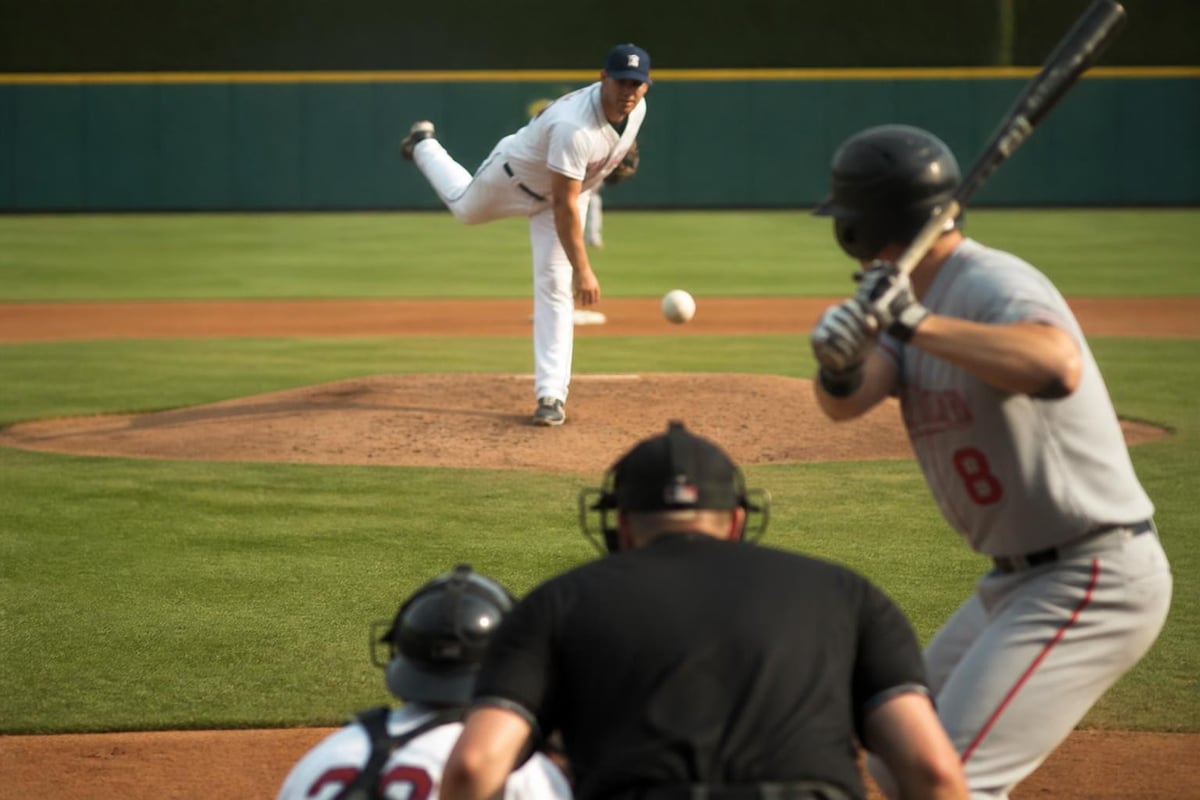
Cricket batters must identify ball type, line, and length within milliseconds to select the appropriate shot. The decision-making process involves assessing multiple variables simultaneously: ball speed, spin direction, anticipated bounce point, and field positioning. This complex cognitive task requires thousands of practice repetitions to develop the pattern recognition necessary for consistent performance.
Baseball batters face similar challenges, identifying pitch type and location while the ball travels at speeds exceeding ninety miles per hour. The bunt technique in baseball represents a specialized skill where batters intentionally deaden the ball's impact, requiring precise bat angle control and soft hands to execute successfully.
Safety Considerations in Batting Sports
Player safety must remain the primary concern in all batting sports activities. Protective equipment, proper facility design, and adherence to safety protocols prevent injuries that could sideline athletes or create liability issues for organizations.
Protective Gear Requirements
Cricket batting involves facing deliveries that can exceed ninety miles per hour, making comprehensive protection essential. Modern cricket helmets incorporate grille designs that protect the face while maintaining visibility. These helmets must meet international safety standards to ensure adequate protection against both direct impacts and deflections.
Baseball similarly requires robust protective equipment, with batting helmets featuring ear protection on at least one side (or both for younger players). Padded batting gloves provide additional protection for hands and fingers while improving grip security during wet conditions.
Minimum safety equipment checklist:
- Impact-resistant helmets with current certification
- Batting gloves with reinforced padding
- Protective cups for all male athletes
- Appropriate footwear with adequate traction
- Mouthguards for added dental protection
- Chest protectors for younger baseball players
Facility Safety Standards
Practice and competition facilities must incorporate safety features that protect both participants and spectators. Installing field fencing systems creates clear boundaries while containing balls within playing areas. These temporary fence systems provide flexibility for multi-use facilities that host different sports throughout the year.
Batting cage installations require particular attention to structural integrity and netting quality. Proper tensioning and regular inspection of netting prevent failures that could allow balls to escape practice areas. Supporting structures must withstand both environmental stresses and the repeated impacts from errant hits.
Specialized Techniques and Advanced Strategies
As athletes progress in batting sports, they develop specialized techniques that provide competitive advantages in specific game situations. These advanced skills separate good players from exceptional ones, requiring dedicated practice time and expert coaching.
Situational Batting Approaches
Understanding batting rules in cricket reveals how strategies shift across different formats. Test cricket encourages patient, defensive batting focused on occupying the crease for extended periods. One-day internationals require balancing aggression with wicket preservation, while Twenty20 cricket prioritizes boundary scoring and high strike rates.
Baseball situational hitting similarly demands adaptability. With runners in scoring position and less than two outs, batters may employ contact-focused approaches that prioritize ball-in-play outcomes over power. Conversely, trailing late in games often necessitates aggressive swings aimed at extra-base hits or home runs.
Power Development and Strike Optimization
Generating bat speed and optimizing strike zones represents ongoing pursuits for serious batters. Strength training programs targeting core muscles, forearms, and shoulders provide the physical foundation for powerful hitting. However, technique refinement often produces greater improvements than raw strength increases alone.
The kinetic chain in batting sports begins with the lower body, transfers through the core, and culminates in bat acceleration through the hitting zone. Disruptions at any point in this sequence reduce overall effectiveness, regardless of the athlete's strength levels.
Power development priorities include:
- Lower body strength for stable base and weight transfer
- Core rotational power for torque generation
- Forearm and grip strength for bat control
- Shoulder stability and mobility for full range of motion
- Proper sequencing of movements throughout the swing
Training aids such as weighted bats, resistance bands, and specialized timing devices help athletes develop these physical qualities while maintaining proper mechanics. However, coaches must ensure training tools complement rather than replace fundamental skill work with regulation equipment.
Equipment Maintenance and Longevity
Maximizing the lifespan of batting sports equipment requires systematic maintenance programs and proper storage procedures. Organizations that implement comprehensive equipment care protocols reduce replacement costs while ensuring athletes always have safe, functional gear available.
Bat Care and Storage
Cricket bats require particular attention due to their natural willow construction. Pre-season oiling with linseed oil helps maintain wood moisture content and prevents cracking. The bat's striking surface should be regularly inspected for damage, with superficial cracks sealed promptly to prevent propagation.
Baseball and softball bats face different maintenance challenges based on their construction materials. Aluminum bats should be stored at room temperature, as extreme cold can make the metal brittle and prone to denting. Composite bats require break-in periods and should never be used with hard training balls during this phase.
| Bat Type | Primary Maintenance | Storage Requirements |
|---|---|---|
| Cricket (Willow) | Oil treatment, face protection, handle grip replacement | Climate-controlled, vertical position |
| Baseball (Aluminum) | Impact inspection, grip replacement | Room temperature, avoid freezing |
| Baseball (Composite) | Break-in protocol, temperature management | Moderate temperatures, protected from impact |
Protective Equipment Servicing
Batting helmets require regular inspection for structural integrity, with any helmet showing cracks or significant impacts being immediately retired from service. Padding inserts should be checked for compression and replaced when they no longer provide adequate cushioning.
Batting gloves deteriorate with use, particularly in high-volume training environments. Establishing replacement schedules based on usage hours ensures athletes always have properly functioning gloves. Many organizations maintain equipment rotation systems where newer gloves are issued for games while older pairs serve practice duty until they require retirement.
Building Comprehensive Batting Programs
Successful batting sports programs integrate multiple elements: skilled coaching, appropriate facilities, quality equipment, and structured development pathways. Organizations that invest in these foundational components create environments where athletes can reach their potential while enjoying the learning process.
Equipment Procurement Strategies
Budget-conscious programs benefit from establishing relationships with reliable suppliers who understand the demands of institutional athletics. JaySport equipment lines provide durable options designed specifically for high-use training environments, offering better long-term value than consumer-grade alternatives.
Bulk purchasing strategies reduce per-unit costs while ensuring consistency across team equipment. When all athletes use similar bats, helmets, and protective gear, coaching becomes more efficient as instructors don't need to account for equipment variables when teaching techniques.
Procurement best practices include:
- Establishing annual equipment budgets with replacement schedules
- Maintaining inventory systems that track equipment condition and usage
- Developing relationships with multiple suppliers for price comparison
- Prioritizing safety equipment in budget allocations
- Creating equipment libraries where athletes can test different options
- Implementing check-out systems that ensure accountability
Multi-Sport Facility Optimization
Many schools and organizations support multiple batting sports within shared facility spaces. Designing flexible practice areas that accommodate both cricket and baseball programs maximizes facility utilization while controlling construction costs. Retractable or movable netting systems allow quick conversions between different sports, and the baseball in-line screen systems provide protection for pitchers and coaches during batting practice across various disciplines.
Storage solutions represent another critical consideration for multi-sport facilities. Organized storage systems that categorize equipment by sport, size, and condition streamline practice setup while protecting gear from damage. Climate-controlled storage areas prevent degradation of materials sensitive to temperature and humidity fluctuations.
Mastering batting sports requires dedication to fundamental techniques, access to quality training equipment, and comprehensive safety protocols that protect athletes at every skill level. Whether developing cricket batsmen or baseball hitters, organizations need reliable equipment partners who understand the demands of competitive athletics. Sideline Sport Supply provides the game-day-ready gear, protective equipment, and training essentials that help coaches focus on player development rather than equipment concerns. Explore our complete selection of batting sports equipment designed for durability, performance, and value.