

Essential Equipment for Fencing Sport: Complete Guide
Fencing stands as one of the most precise and elegant combat sports, requiring athletes to master both technique and strategic thinking. Whether you're outfitting a school team, supporting individual competitors, or establishing a training program, understanding the equipment for fencing sport is essential for safety, performance, and compliance with competitive regulations. This comprehensive guide walks through every piece of gear fencers need, from beginners taking their first lessons to advanced competitors preparing for tournaments. Athletic directors, coaches, and parents will find practical insights on selecting quality equipment that balances protection, durability, and budget considerations for programs at any level.
Understanding the Three Fencing Weapons
The foundation of any fencer's equipment begins with the weapon itself, and fencing equipment varies significantly depending on which of the three disciplines an athlete pursues. Each weapon type dictates specific techniques, target areas, and supplementary gear requirements.
Foil Characteristics and Requirements
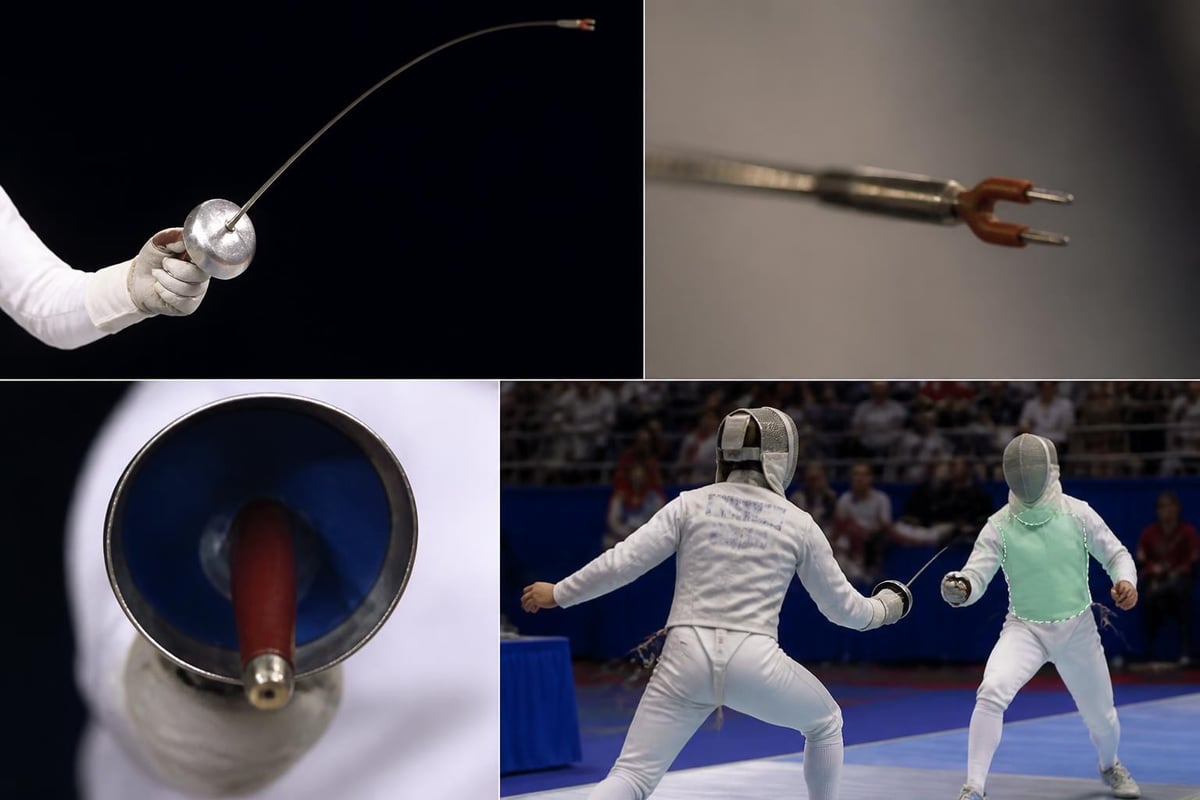
The foil represents the lightest and most flexible weapon in competitive fencing. This thrusting weapon features a small, circular guard and a rectangular blade that measures approximately 90 centimeters in length. The total weight must not exceed 500 grams, making it ideal for developing speed and precision.
Key foil specifications include:
- Blade flexibility rating allowing specific bend tolerance
- Electric point mechanism for scoring
- Insulated guard protecting the weapon hand
- Tip pressure requirement of 500 grams to register touches
Valid target areas for foil include only the torso, excluding arms and head. This limited target zone requires fencers to develop exceptional accuracy and tactical awareness during bouts.
Épée Construction and Standards
The épée evolved from dueling swords and represents the heaviest of the three weapons. Unlike foil, the entire body constitutes a valid target area, making épée bouts particularly strategic. The weapon features a larger bell guard to protect the hand and forearm from opponent strikes.
Épée blades are stiffer than foil blades, measuring the same 90-centimeter length but with a maximum total weight of 770 grams. The electric tip requires 750 grams of pressure to register a touch, nearly 50% more than foil requirements.
Sabre Design and Competition Use
Sabre fencing incorporates both cutting and thrusting actions, making it the most dynamic of the three disciplines. The weapon features a curved guard protecting the knuckles and allows touches with the entire blade, not just the tip. Valid target areas include everything above the waist, including arms and head.
Modern sabres are completely electric, with the entire blade wired to register cutting touches. The maximum weight is 500 grams, identical to foil, but the blade design and fighting style create entirely different strategic demands.
Protective Gear Essentials
Safety equipment represents the most critical investment in equipment for fencing sport, protecting athletes from the high-speed impacts inherent in competitive combat. Proper protective gear must meet international safety standards while allowing full range of motion.
The Fencing Mask
The mask protects the head, face, and throat with a mesh screen rated to withstand specific impact forces. Quality masks feature stainless steel mesh with a conductivity rating appropriate for electric scoring systems. The bib extends downward to protect the throat and must overlap with the jacket collar.
| Mask Component | Safety Standard | Key Feature |
|---|---|---|
| Mesh Screen | 12 kg resistance | Conductive for electric weapons |
| Bib | Kevlar-reinforced | Overlaps jacket by 10cm minimum |
| Padding | Multi-layer foam | Impact absorption and comfort |
| Back Strap | Adjustable tension | Secure fit during movement |
Masks specifically designed for sabre include additional padding and conductive overlay on the entire mask surface, since head touches are valid in that discipline.
Jacket and Plastron Construction
The fencing jacket provides the primary torso protection, constructed from heavy-duty materials rated to specific puncture resistance standards. Modern jackets typically use multiple layers of ballistic-grade fabric. Jackets must overlap with knickers by at least 10 centimeters when in the on-guard position.
Beneath the jacket, fencers wear an underarm plastron - a half-jacket providing double protection on the weapon arm and chest. This secondary layer is mandatory in all competitive fencing and addresses the most vulnerable areas where repeated impacts occur.
Essential jacket features:
- 800-newton puncture resistance rating minimum
- Overlap design preventing exposure during movement
- Reinforced seams at stress points
- Washable, breathable fabric construction
For electric fencing, foil and sabre require conductive lamé overlays that define the valid target area and register touches when struck.
Hand Protection and Footwear
The fencing glove extends well past the wrist, overlapping with the jacket sleeve to prevent gaps. The weapon-hand glove features additional padding on the fingers and back of the hand. The cuff extends approximately 10-15 centimeters up the forearm.
Fencing shoes are specifically designed for the sport's unique movement patterns, emphasizing forward and backward motion rather than lateral movement. Quality fencing shoes provide reinforced toe areas, enhanced ankle support, and flat soles optimizing the pushing motions fundamental to fencing footwork. Organizations looking to support multiple sports programs might also explore options for portable sports equipment that maximize facility use.
Electric Scoring Equipment
Modern competitive fencing relies entirely on electronic scoring systems that precisely register valid touches. Understanding this equipment for fencing sport is essential for establishing practice facilities and preparing athletes for tournament conditions.
Body Cords and Connectivity
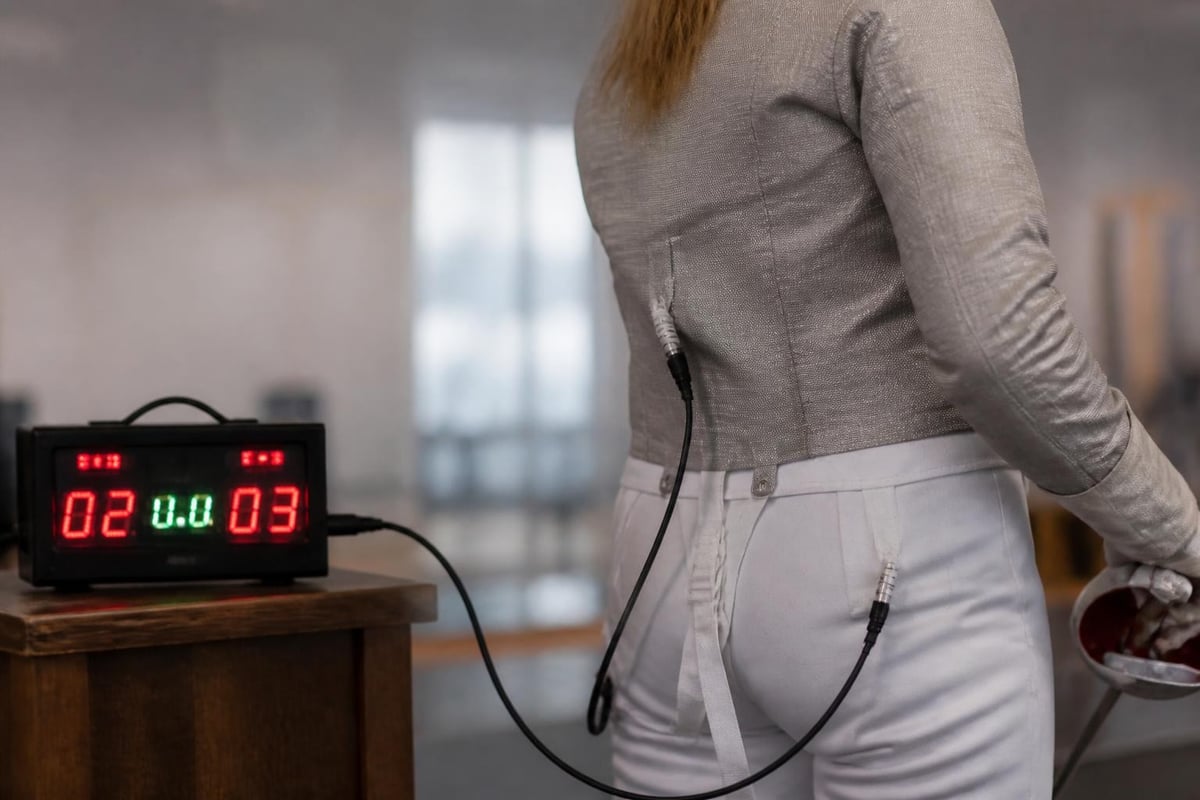
The body cord connects the weapon to the scoring apparatus, running through the sleeve and out the back of the jacket. Different weapons require specific body cord configurations, making them non-interchangeable. Foil and sabre use two-prong connections, while épée uses a three-prong system.
Reels and Scoring Boxes
The scoring apparatus includes retractable cable reels at each end of the strip, connecting fencers to the central scoring box. When a valid touch occurs, lights illuminate on the box corresponding to the scoring fencer. Colored lights indicate valid target area hits, while white lights show off-target touches in foil.
Schools and training programs need to budget for complete scoring setups, including spare body cords, testing equipment, and replacement parts. Much like organizations investing in durable field equipment, fencing programs benefit from quality electronic components that withstand intensive use.
Clothing and Undergarments
Beyond protective gear, fencers wear specific clothing meeting both safety and competition standards. The complete uniform creates a professional appearance while ensuring athlete safety and proper equipment function.
Knickers and Socks
Fencing knickers (sometimes called breeches) extend just below the knee and must overlap with long socks. These garments are constructed from the same heavy-duty materials as jackets, providing leg protection while allowing full range of motion. Knickers feature reinforced inner leg panels that endure constant friction during fencing stances.
Long white socks or stockings must extend above the knee, creating no gap between knickers and socks during movement. This ensures complete leg coverage meeting safety regulations.
Chest Protection
Mandatory chest protectors, particularly for female fencers, provide additional safety for sensitive areas. These rigid or semi-rigid protectors are worn under the plastron and jacket, distributed impact forces, and meet specific safety certifications.
Male fencers also use protective equipment, though requirements vary by governing body and competition level. Youth programs should consult current safety standards from organizations like USA Fencing when establishing equipment requirements.
Weapon Maintenance and Spare Parts
Competitive fencers routinely maintain equipment and carry spare parts to tournaments. Understanding maintenance needs helps programs budget appropriately and keeps athletes competition-ready.
Essential Spare Components
Tournament preparation checklist:
- Spare weapon (minimum one, ideally two)
- Extra body cords (at least two)
- Replacement tips and springs
- Tool kit with appropriate screwdrivers and allen wrenches
- Electrical tape for emergency repairs
- Spare mask cord (for electric masks in sabre)
Blades break during normal use, making spares essential. Athletes should have completely assembled backup weapons that can be deployed immediately if their primary weapon fails during a bout.
Routine Maintenance Tasks
Regular inspection prevents equipment failures during critical moments. Fencers should test body cord connectivity before each practice session, inspect mask mesh for damage or rust, and verify tip pressure on electric weapons meets regulation standards.
| Maintenance Task | Frequency | Tools Required |
|---|---|---|
| Test body cord continuity | Before each use | Multimeter or tester |
| Inspect blade for cracks | Weekly | Visual inspection |
| Check tip spring tension | Before competition | Weight test (500g or 750g) |
| Clean mask mesh | Monthly | Soft cloth, mild cleaner |
| Tighten weapon components | Before competition | Appropriate screwdrivers |
Establishing maintenance routines extends equipment lifespan and reduces replacement costs, particularly important for school programs and clubs managing tight budgets.
Equipment Packages for Different Experience Levels
Fencing equipment needs evolve as athletes progress from introductory lessons through competitive fencing. Understanding these levels helps organizations and families invest appropriately without over-purchasing for beginners or under-equipping advancing competitors.
Beginner Equipment Sets
New fencers typically start with basic, non-electric equipment during initial lessons. Many clubs provide loaner gear for introductory programs, allowing students to determine their interest before investing in personal equipment.
A basic beginner package includes:
- Non-electric practice weapon
- Fencing mask (meeting current safety standards)
- Jacket and plastron
- Glove for weapon hand
- Knickers or athletic pants initially
Beginner equipment prioritizes safety and proper fit over advanced features. As with organizations providing basic training equipment for various sports, fencing programs should maintain sizing ranges accommodating different athlete builds.
Intermediate Competitive Gear
Athletes entering local and regional competitions require complete electric equipment meeting current FIE (Fédération Internationale d'Escrime) or USA Fencing standards. This represents a significant upgrade from practice gear.
Intermediate competitive package:
- Two electric weapons with functional scoring systems
- FIE-level mask with proper conductivity
- Electric lamé (for foil and sabre)
- Two body cords with appropriate connectors
- Competition-grade jacket and plastron
- Proper fencing shoes
- Equipment bag for transport
Advanced Tournament Requirements
Elite-level competitors invest in premium equipment offering performance advantages through reduced weight, improved balance, and enhanced durability. Top-tier gear undergoes rigorous testing and certification for international competition.
Advanced fencers typically own multiple complete sets of equipment, allowing them to compete in multi-day tournaments without relying on single pieces of gear. They invest in custom-fit equipment, premium blade varieties suited to their style, and backup components for every critical piece.
Storage and Transportation Solutions
Proper storage extends equipment lifespan and ensures gear remains competition-ready. Athletic programs need organized systems managing equipment for multiple athletes while tracking individual assignments and maintaining inventory.
Individual Equipment Bags
Fencers use specialized bags designed to accommodate the unique shape and length of weapons while organizing smaller components. Quality fencing bags feature:
- Weapon pocket extending the bag's full length
- Multiple compartments separating clean clothing from used gear
- Ventilated sections allowing wet equipment to dry
- Protective padding for masks and electronic components
- Shoulder straps and handles for comfortable transport
Athletes competing in multiple weapons need larger bags accommodating additional gear. Organizations managing team equipment might consider solutions similar to sports equipment storage systems used for other athletic programs.
Facility Storage Requirements
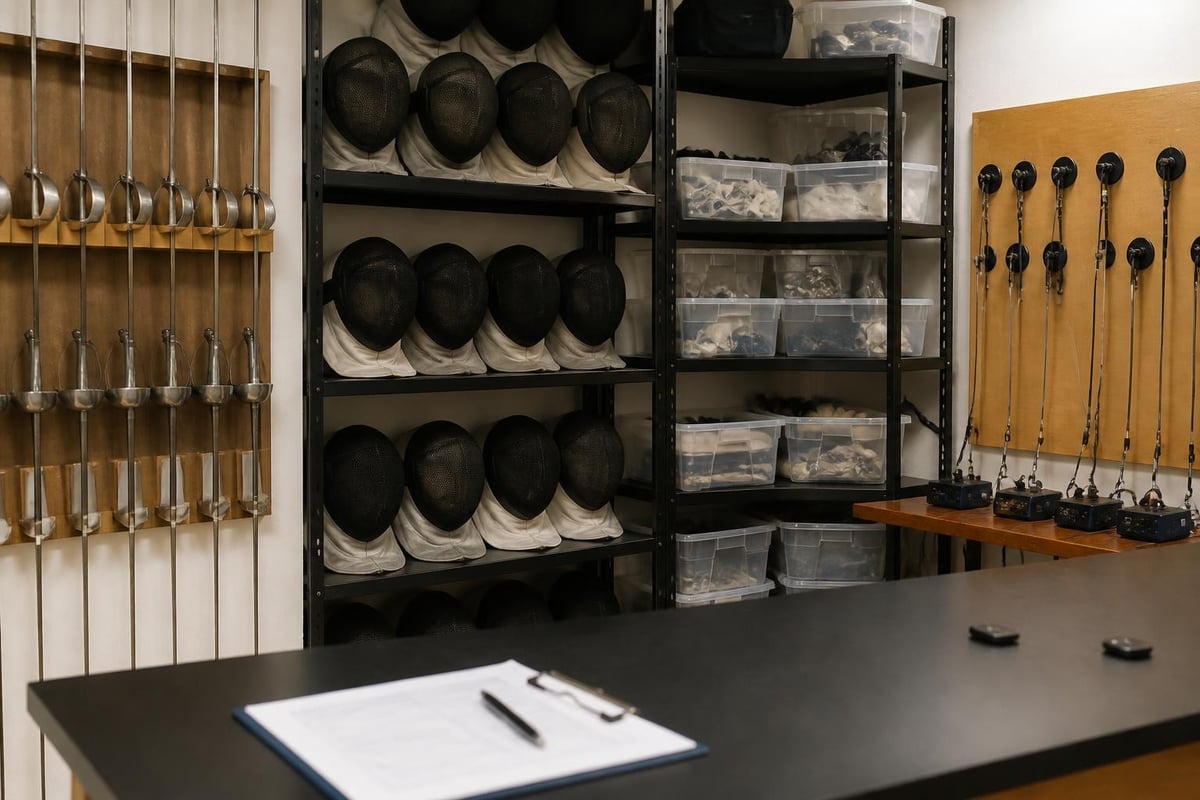
Schools and clubs housing equipment for multiple fencers need organized storage systems preventing damage and facilitating quick distribution. Wall-mounted weapon racks, individual cubbies for masks and bags, and secure cabinets for electronic components create efficient storage.
Climate-controlled environments prevent rust on metal components and extend the lifespan of fabric items. Programs should establish check-out systems tracking equipment assignment and return, similar to inventory management in other athletic programs.
Budget Considerations and Purchasing Strategies
Understanding the total investment required for equipment for fencing sport helps athletic directors, coaches, and families plan appropriately. Strategic purchasing balances immediate needs with long-term program development.
Cost Breakdown by Component
| Equipment Item | Entry Level | Mid-Range | Premium |
|---|---|---|---|
| Complete weapon | $80-150 | $200-400 | $500+ |
| Mask | $60-100 | $150-250 | $350+ |
| Jacket/plastron | $100-180 | $250-400 | $600+ |
| Electric lamé | $80-120 | $180-280 | $400+ |
| Glove | $20-35 | $45-70 | $100+ |
| Shoes | $40-70 | $90-150 | $200+ |
| Body cords (2) | $30-50 | $70-100 | $150+ |
Complete starter packages for beginners typically range from $300-500, while competitive-level complete sets range from $800-1,500. Elite equipment can exceed $2,000 per fencer.
Team Purchasing Advantages
Schools and clubs buying equipment for multiple athletes often negotiate volume discounts with specialty retailers. Standardizing on specific brands and models simplifies maintenance and spare parts inventory while potentially reducing per-unit costs.
Organizations might consider purchasing core protective equipment while allowing athletes to select personal weapons suited to their developing styles. This hybrid approach balances budget management with individual athlete needs.
Growth and Replacement Planning
Young athletes outgrow equipment, requiring size upgrades every 12-18 months during growth spurts. Programs should budget for ongoing replacement costs rather than treating equipment as one-time purchases. Organizations successfully managing equipment for multiple sports understand these replacement cycles, whether for baseball protective panels or fencing gear.
Establishing equipment exchange programs within clubs allows families to recoup partial costs by selling outgrown gear to newer members. This builds community while reducing barriers to entry for families concerned about ongoing costs.
Safety Certifications and Standards Compliance
All competition equipment must meet current safety standards established by governing bodies. Understanding these requirements prevents disqualification and, more importantly, ensures athlete safety during practice and competition.
FIE Certification Standards
The Fédération Internationale d'Escrime establishes international equipment standards for Olympic and world championship competition. FIE-certified equipment undergoes rigorous testing for puncture resistance, conductivity, and durability. While not always required for local or regional competition, FIE certification represents the highest safety standard.
Equipment bears stamps or labels indicating certification level and year. Standards evolve periodically, meaning equipment certified years ago may no longer meet current requirements for high-level competition.
USA Fencing Requirements
USA Fencing establishes equipment standards for domestic competition in the United States, sometimes differing from FIE requirements. Coaches and equipment managers should regularly consult current rulebooks ensuring compliance, particularly regarding:
- Mask mesh resistance ratings
- Jacket and plastron puncture resistance
- Electrical scoring system specifications
- Weapon specifications and modifications
Youth competitions may have additional requirements, such as mandatory chest protectors for all participants regardless of gender.
Inspection and Compliance Checking
Before each competition, referees inspect equipment ensuring compliance with current standards. Athletes whose equipment fails inspection cannot compete until issues are resolved. Common inspection failures include:
- Damaged mask mesh or padding
- Insufficient jacket overlap with knickers
- Non-functional or incorrectly wired body cords
- Weapon tips failing pressure tests
- Missing or expired certification stamps
Programs should implement pre-competition equipment checks, identifying issues with time to make corrections. This systematic approach mirrors safety protocols in other athletics, ensuring athletes arrive prepared to compete.
Selecting Quality Equipment Suppliers
Choosing reliable suppliers for equipment for fencing sport significantly impacts program success. Quality vendors provide expertise, appropriate product selection, and after-sale support essential for long-term program development.
Specialized Fencing Retailers
Unlike general sporting goods stores, specialized fencing suppliers understand the technical requirements of different weapons, competition levels, and safety standards. These retailers typically offer:
- Expert fitting services ensuring proper equipment sizing
- Technical support for electronic scoring systems
- Repair services for damaged equipment
- Current information about standards and certification
- Bulk purchasing options for teams and clubs
Building relationships with knowledgeable suppliers creates resources for coaches and equipment managers navigating the complexities of fencing gear.
Evaluating Supplier Reliability
Key factors when selecting suppliers:
- Stock depth across equipment categories and sizes
- Turnaround time for orders and repairs
- Knowledge of current safety standards and certifications
- Warranty and return policies
- Educational resources for coaches and athletes
- Competitive pricing with transparent fee structures
Organizations managing sports programs across multiple disciplines benefit from suppliers demonstrating similar commitment to quality and service, whether outfitting fencing programs or providing comprehensive athletic equipment for various sports.
Online vs. Local Purchasing
While online retailers often offer competitive pricing, local shops provide fitting services particularly valuable for beginners. Many programs combine approaches: purchasing standardized components online while working with local suppliers for custom fitting and technical services.
First-time equipment buyers particularly benefit from in-person expertise helping navigate the numerous options and ensuring proper fit. As athletes and programs gain experience, they develop confidence making online purchases for replacement parts and additional equipment.
Outfitting fencers with proper equipment requires balancing safety, performance, budget, and compliance with evolving standards. Whether you're establishing a new program or supporting experienced competitors, investing in quality equipment for fencing sport protects athletes and enables them to develop their skills with confidence. Sideline Sport Supply understands the challenges athletic programs face when sourcing specialized equipment across multiple sports, offering reliable, affordable solutions with straightforward pricing and fast fulfillment that keeps your focus where it belongs: on athlete development and competition success.