

Cricket Helmet Guide: Essential Tips for 2026 Players
In 2026, cricket helmet technology is evolving rapidly, making safety on the pitch more important than ever. Whether you're a player, parent, or coach, choosing the right cricket helmet can be the difference between risk and reassurance during every game. This guide provides essential tips and the latest knowledge, empowering you to select, fit, and care for your helmet with confidence. Discover the newest models, updated safety standards, fitting advice, maintenance strategies, and expert buying tips so you can step onto the field fully protected this season.
The Importance of Cricket Helmet Safety in 2026
Cricket has always been a game of precision and courage, but the 2026 season brings new challenges to the pitch. With ball speeds climbing and batters adopting more aggressive techniques, the risk of head injuries is at an all-time high. Whether you are a seasoned pro or a weekend enthusiast, the right cricket helmet can mean the difference between a close call and a career-threatening injury.
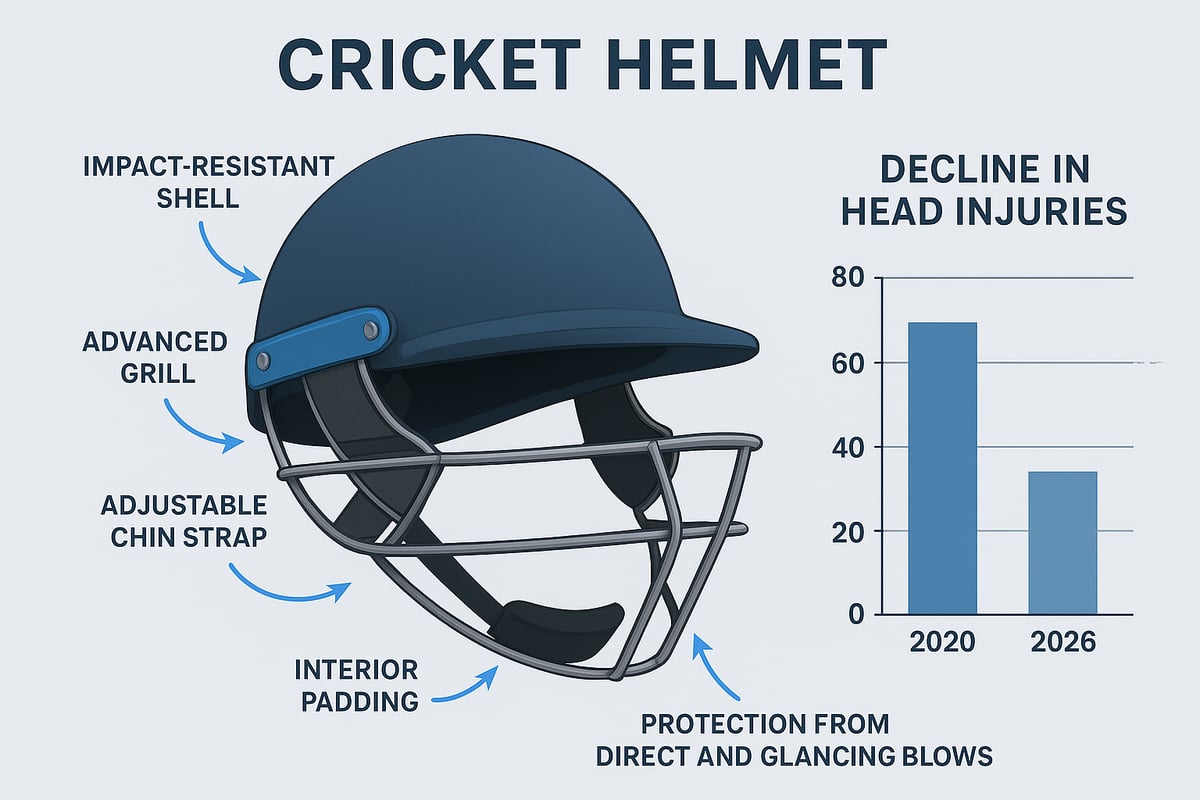
Recent years have seen governing bodies take decisive action. The International Cricket Council (ICC) and national boards globally have reported a steady decline in serious head injuries since the introduction of mandatory helmet regulations. Yet, the risk persists. Even with improved rules, improper use or outdated gear continues to expose players to unnecessary danger. In 2025, a high-profile domestic match saw a top-order batsman suffer a concussion due to an ill-fitting cricket helmet, sparking renewed debate around compliance.
Modern cricket helmet technology now provides a shield against both direct impacts and glancing blows. Advanced shell materials and updated grill designs have dramatically reduced the incidence of concussions. According to Cricket Australia, helmet-related injuries dropped by 30 percent since 2020, following stricter equipment regulations and broader adoption of certified helmets.
| Year | Reported Helmet-Related Injuries | Change (%) |
|---|---|---|
| 2020 | 120 | – |
| 2022 | 95 | -21 |
| 2024 | 84 | -30 |
The psychological benefits of wearing a certified cricket helmet are equally important. When players feel confident in their protection, they are more likely to face fast bowlers without hesitation. Enhanced assurance often translates to improved performance at the crease. Coaches and sports psychologists consistently note that a secure helmet helps reduce anxiety, allowing batters to focus on technique and strategy.
Junior leagues adopting helmet-first policies have documented a notable increase in participation. Parents are more comfortable enrolling their children when they know that modern cricket helmet standards are being enforced. In several regions, leagues report a 15 percent rise in youth sign-ups since implementing mandatory helmet checks.
Despite these advances, the consequences of neglecting helmet safety remain severe. Recent incidents highlight that even a momentary lapse in using an up-to-date cricket helmet can result in life-altering injuries. The ICC continues to update its helmet safety standards, ensuring that only rigorously tested equipment is allowed on the field.
Investing in a quality cricket helmet is not just a recommendation, it is a necessity for every player, regardless of age or skill level. The evolution of the game and its equipment demands vigilance from players, parents, and coaches alike. Making informed choices about helmet selection and care is the foundation for enjoying the sport safely and confidently.
Types of Cricket Helmets: Choosing the Right Model
Selecting the right cricket helmet is a crucial decision for every player in 2026. The variety of models, materials, and innovations can be overwhelming, but understanding these options ensures your safety and performance on the field. Let's break down the main types, features, and brands shaping today's cricket helmet landscape.
Traditional vs. Modern Helmets
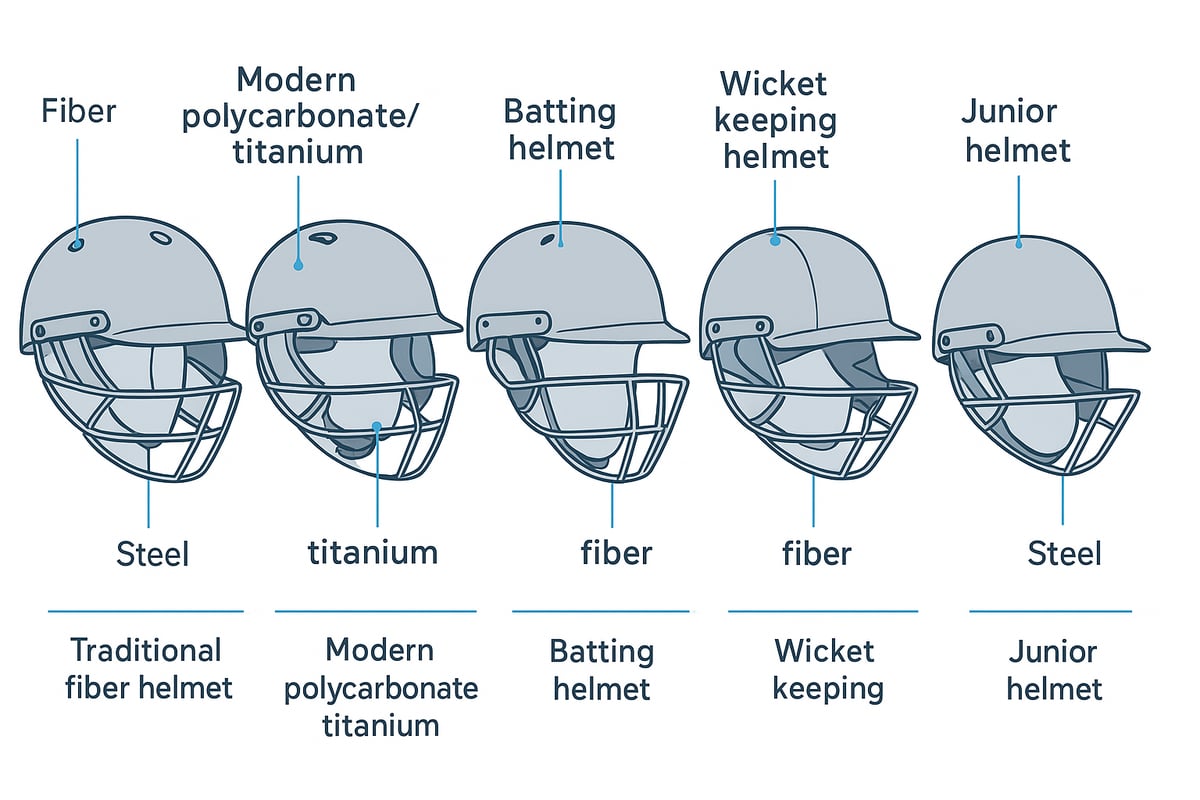
Cricket helmet design has evolved significantly in recent years. Traditional models were made with fiber or cloth shells, offering basic protection and often feeling heavier on the head. Modern cricket helmet options now use advanced materials like polycarbonate and titanium, resulting in lighter weight and superior impact resistance.
A quick comparison:
| Feature | Traditional Helmet | Modern Helmet |
|---|---|---|
| Shell Material | Fiber, cloth | Polycarbonate, titanium |
| Weight | Heavier | Lighter |
| Comfort | Basic padding | Enhanced, adjustable |
| Ventilation | Limited | Advanced airflow |
| Impact Absorption | Minimal | High-tech foams |
Modern cricket helmet models are now standard among professionals, thanks to advanced ventilation systems and multi-layered padding that absorb and disperse impact forces. For those seeking the highest level of safety, choosing a modern cricket helmet is the clear winner.
Batting Helmets, Wicket Keeping Helmets, and Junior Helmets
Not all cricket helmet models are created for the same role. Batting helmets focus on maximum protection for the front and sides of the head, with robust grills designed to deflect fast-moving balls. Wicket keeping helmets are generally lighter, featuring enhanced rear protection and improved visibility to accommodate the unique movements and needs of keepers.
Junior cricket helmet options are specifically sized and cushioned for younger players. This is vital, as over 60 percent of youth injuries in cricket result from ill-fitting or inappropriate helmet types.
Key points to consider when selecting a cricket helmet for your position or age group:
- Batting helmets: Thick padding, reinforced grill, full coverage.
- Wicket keeping helmets: Lightweight, open design, extra rear guard.
- Junior helmets: Adjustable fit, softer lining, reduced weight.
Always ensure the cricket helmet matches the player's age and role to minimize injury risk.
Key Features to Consider in 2026 Models
The 2026 cricket helmet market is defined by innovation and enhanced safety. Advanced grill designs now offer better facial protection without sacrificing visibility. Many helmets include adjustable padding and rear neck guards for a custom fit.
Look for these standout features in your next cricket helmet:
- Sweat-wicking liners that keep players cool and dry.
- Antimicrobial fabrics to reduce odor and bacteria.
- Quick-release chin straps for emergency removal.
- Integrated smart sensors that monitor and record impacts.
Some 2026 cricket helmet models even feature built-in technology to alert coaches if a player suffers a significant blow. These advancements help ensure every cricket helmet delivers both comfort and cutting-edge protection.
Leading Brands and Their Innovations
Several brands dominate the cricket helmet market, each offering unique innovations. Masuri, Shrey, Gray-Nicolls, and Kookaburra are trusted for their commitment to safety and performance.
Recent advances from these brands include 3D-printed custom fits, carbon fiber shells, and aerodynamic shapes that reduce drag. For example, Masuri’s latest cricket helmet reportedly decreases rotational force by 18 percent compared to 2023 models, a significant leap in head injury prevention.
Choosing a reputable brand for your cricket helmet also means better after-sales support and warranty options. For a detailed look at the safest and most innovative helmets available, explore the Top Cricket Helmets of 2025.
Whether you are a seasoned professional or a parent buying for a young player, investing in a modern, certified cricket helmet from a leading brand is essential for both safety and peace of mind.
Understanding Cricket Helmet Safety Standards and Certifications
Choosing the right cricket helmet in 2026 is not just about comfort or style. It is about meeting strict global safety standards designed to protect every player on the field. With evolving regulations and innovative technology, understanding certification is essential for peace of mind and league compliance.
ICC, BS7928:2013, and 2026 Updates
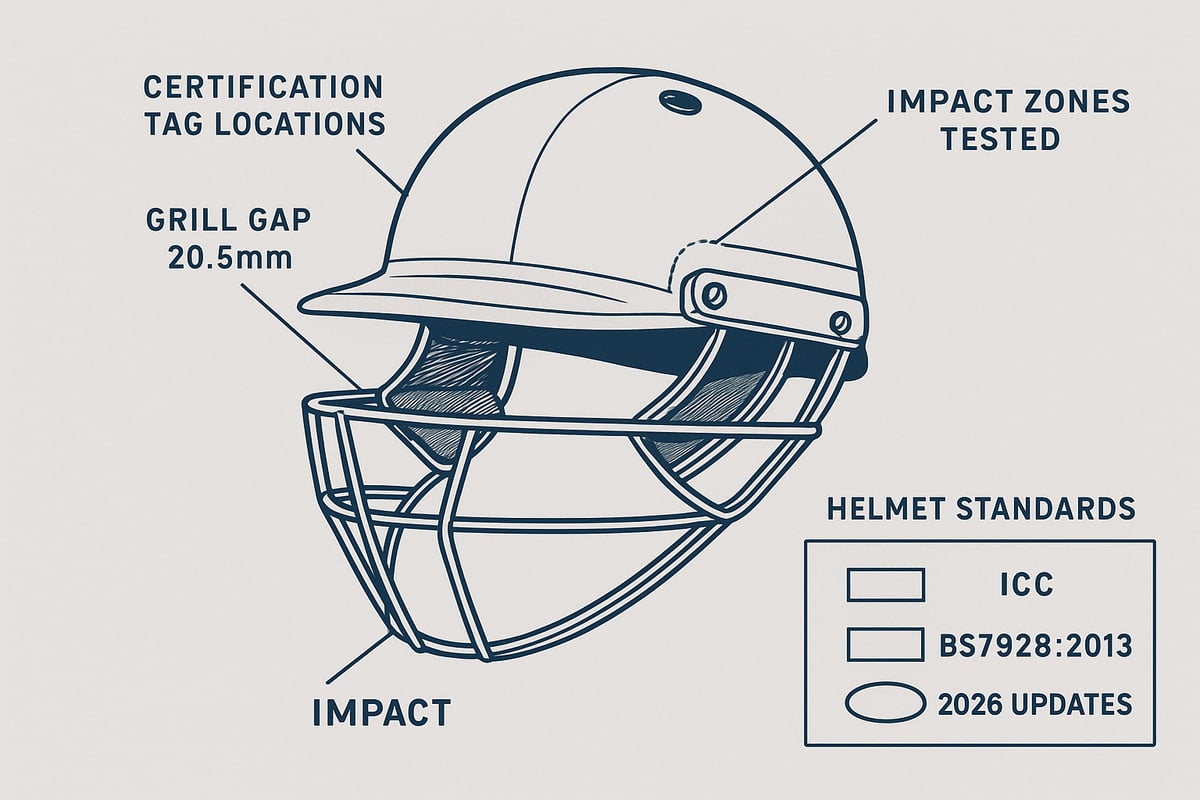
The International Cricket Council (ICC) and British Standard BS7928:2013 set the global benchmark for cricket helmet safety. These standards dictate the minimum protection required for all players, from grassroots to the professional level.
In 2026, updates have focused on enhanced facial protection and stricter grill gap tolerances. Helmets must now feature improved materials and reinforced impact zones. The new regulations make it mandatory for every cricket helmet used in professional and most amateur leagues to be fully certified.
Key 2026 updates include:
- Reduced maximum grill gap to limit ball penetration
- Improved side and rear protection zones
- Mandatory compliance for all age groups
Complying with these standards is not optional. Every cricket helmet on the market must meet or exceed these updated criteria before it can be worn in competition. Brands now invest heavily in research to ensure their cricket helmet designs pass every test.
How to Identify a Certified Helmet
Spotting a certified cricket helmet is straightforward if you know what to look for. Manufacturers will display official certification labels, holograms, or QR codes on the inside or back of the helmet. Always check for these marks before purchasing.
A quick scan of the QR code should lead you to the manufacturer’s documentation or an official certification list. For example, Gray-Nicolls includes a visible tag inside every certified cricket helmet. To avoid counterfeit or non-compliant products, always buy from trusted sources. For more guidance, consult Authorized dealer information to ensure your cricket helmet is both genuine and compliant.
If a helmet lacks certification, it is not suitable for league play or tournament use.
What Safety Tests Are Performed?
Certified cricket helmet models must pass a series of rigorous safety tests. These include:
- Impact resistance: Simulating high-velocity ball strikes at speeds above 90 mph
- Penetration testing: Ensuring no ball can pass through the grill or shell
- Retention system checks: Confirming chin straps and padding hold the helmet securely
Drop tests replicate real match scenarios to verify that the cricket helmet can withstand repeated impacts. Only helmets passing all these tests receive certification and league approval.
The Risks of Non-Certified Helmets
Using a non-certified cricket helmet exposes players to serious injury risks. These helmets often lack proper facial and cranial protection, increasing the chance of fractures or concussions.
Other risks include:
- Ineligibility for league matches due to non-compliance
- Insurance claims may be denied after an injury
- Clubs have suspended or banned players for using non-compliant helmets
Simply put, a non-certified cricket helmet is not worth the risk, no matter the price or appearance.
Upcoming Trends in Helmet Regulation
Looking ahead, cricket helmet standards are moving toward even smarter safety. Upcoming trends include:
- Smart impact tracking sensors built into the helmet
- Mandatory neck guard attachments for all players, regardless of age
Staying updated on these changes ensures every cricket helmet offers the best possible protection.
Proper Fitting and Adjusting Your Cricket Helmet
Achieving the right fit with your cricket helmet is not just about comfort, but about maximizing your safety on the pitch. A well-fitted helmet offers the best protection against high-speed impacts, while a poor fit can leave you vulnerable. Follow these essential steps to ensure your cricket helmet offers the security and confidence you need every time you play.
Measuring Head Size and Shape
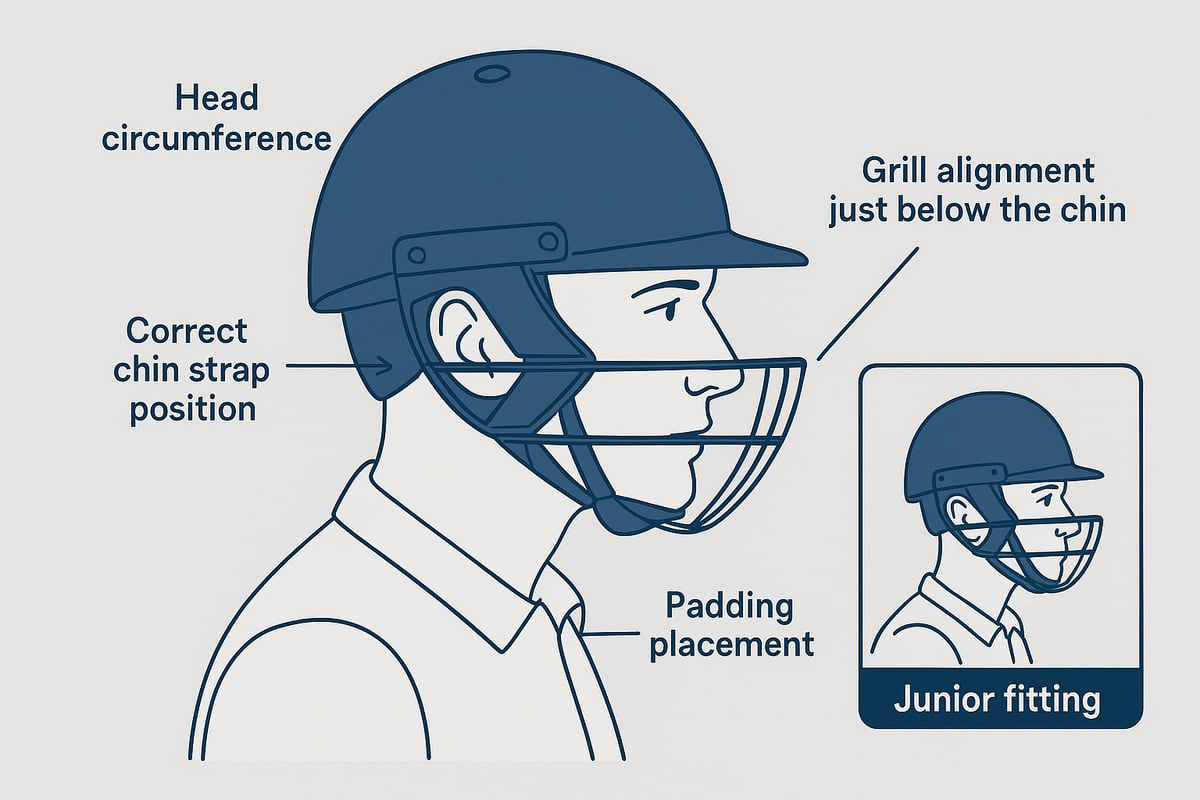
Start by measuring your head with a flexible tape measure. Place the tape just above your eyebrows and around the widest part of your head, passing over the ears. Record the circumference in centimeters.
Cricket helmet brands typically offer sizes from XS to XL. Always compare your measurement to the brand’s sizing chart before purchase. A helmet that is too tight causes discomfort, while one that is loose may shift during play.
For the most secure fit, try on different models in person if possible. Each cricket helmet is shaped slightly differently, and even a small mismatch can affect comfort and safety. For more detailed fitting guidance, consult the Cricket Helmet Fitting Tips resource.
Adjusting for a Secure Fit
Once you have the right size, adjust your cricket helmet for a snug, stable fit. The chin strap should sit comfortably under your jaw, tight enough to hold the helmet in place but not restrict breathing.
Modern cricket helmet designs feature rear adjustment dials or additional padding to customize the fit. Use these features to eliminate any movement when you shake your head. An unstable helmet will not protect you as intended.
Remember, 85% of youth helmet failures are due to poor fit. Always double-check the security of the strap and the helmet’s stability before every match.
Grill Positioning and Facial Protection
The grill is a critical component of your cricket helmet. Position the grill so that it sits just below your chin, leaving minimal gap between the grill and your jawline. This reduces the risk of a cricket ball slipping through and causing facial injury.
Avoid leaving large openings that could expose your nose or mouth. Some brands, like Masuri, offer fixed grill designs to ensure consistent facial coverage. Always check the alignment in a mirror or with a coach’s help.
A properly set grill will allow you to see the ball clearly while providing robust protection against both direct and glancing blows.
Comfort vs. Protection: Striking the Balance
A cricket helmet should feel comfortable for long innings without sacrificing safety. Look for padding that is thick enough to absorb impacts but also breathable to manage heat and sweat.
Weight distribution plays a key role. A well-balanced cricket helmet reduces neck strain, even during extended use. Modern liners with moisture-wicking and antimicrobial properties keep you cool and help maintain hygiene.
Never compromise on protection for comfort. Leading brands design their helmets to achieve both, allowing you to focus on your game with peace of mind.
Fitting for Junior Players
Children’s heads grow quickly, so it is essential to refit their cricket helmet regularly. Choose junior-specific models with extra cushioning and adjustable features to accommodate growth.
Parents and coaches should supervise every fitting, ensuring the helmet sits level and covers the forehead without slipping. Encourage juniors to speak up if their helmet feels tight or uncomfortable.
A well-fitted cricket helmet gives young players the confidence to play without fear, helping them develop proper technique and enjoyment of the sport.
Maintaining and Caring for Your Cricket Helmet
A well-maintained cricket helmet is essential for both safety and comfort on the field. Proper care helps your helmet perform at its best, extending its lifespan and ensuring compliance with league standards. Regular inspection and cleaning routines can make all the difference between reliable protection and unexpected failure.
Cleaning and Hygiene Best Practices
Keeping your cricket helmet clean is critical for hygiene and long-term durability. Start by removing any detachable liners and pads before cleaning. Most helmet interiors can be washed with mild soap and warm water, but always check the manufacturer's instructions first.
- Use a soft cloth or sponge to avoid damaging the shell or padding.
- Allow all parts to air dry fully before reassembly.
- Avoid harsh chemicals, which can degrade materials and compromise safety.
For more detailed advice on cleaning and maintaining your cricket helmet, consult the Cricket Helmet Maintenance Guide. Consistent cleaning prevents sweat build-up, reduces odor, and minimizes the risk of mold.
Inspecting for Damage and Wear
Regularly inspecting your cricket helmet ensures it remains safe to use. Pay close attention to the outer shell, grill, and internal padding. Look for any cracks, dents, or loose components that may affect protection.
- Examine the grill for bends or gaps that could expose your face.
- Press gently on the padding to check for loss of shape or firmness.
- Test the chin strap and fasteners for secure attachment.
If your cricket helmet has suffered a significant impact, even if damage is not visible, consider replacing it. Helmets lose up to 20 percent of their protective capacity after a major blow.
When to Replace Your Helmet
Understanding when to replace your cricket helmet is vital for player safety. Manufacturers typically recommend replacing helmets every three to five years, or immediately after a severe impact.
- Signs you need a new helmet include faded shells, loose fittings, or compromised padding.
- Check for certification labels, as expired or worn-out helmets may not meet current safety standards.
- Some brands offer trade-in or recycling programs to encourage timely replacement.
Never continue using a cricket helmet that shows any sign of structural weakness. Prioritize your safety and peace of mind by following these guidelines.
Storing Your Helmet Safely
Proper storage extends the life of your cricket helmet and keeps it ready for every match. Always store the helmet in a cool, dry place, away from direct sunlight and extreme humidity.
- Use a protective bag or case to shield it from dust and accidental knocks.
- Avoid placing the helmet near chemicals, solvents, or sharp objects that could cause damage.
- Never leave your cricket helmet in a hot car, as excessive heat can warp the shell and padding.
By following these storage tips, you protect your investment and ensure your helmet stays in optimal condition for the next season.
Expert Buying Tips for Cricket Helmets in 2026
Selecting the right cricket helmet in 2026 requires more than just picking the first model that looks appealing. A well-chosen helmet balances safety, comfort, and durability while reflecting the latest technological advancements. Use these expert tips to navigate the buying process with confidence and ensure you are fully protected on the field.
Setting a Budget: Value vs. Premium Models
Before purchasing a cricket helmet, evaluate your budget and playing level. Entry-level helmets typically range from $40 to $80 and provide essential protection for casual or junior players. Mid-range models, priced between $80 and $150, often include enhanced padding and improved grills. Premium helmets, costing $200 or more, offer advanced materials like carbon fiber and 3D-printed custom fits.
Consider how frequently you play and the level of exposure to high-speed bowling. For regular club or competitive players, investing in a premium cricket helmet increases both safety and comfort. Remember, a higher price often reflects better technology, but always confirm that the helmet meets current safety standards.
Trying Before Buying: In-Store and Online Strategies
Proper fit is crucial when choosing a cricket helmet. If possible, visit a store to try on various sizes and models. The helmet should fit snugly but comfortably, with the grill positioned just below your chin. Many brands offer adjustable padding or dials to fine-tune the fit.
Shopping online? Rely on detailed sizing charts and customer reviews. Ensure the retailer offers a straightforward return policy in case the helmet does not fit as expected. For more comprehensive advice on selecting cricket equipment, consult this Cricket gear buying guide to support your decision-making process.
Features Worth Paying Extra For
When comparing cricket helmet models, certain features justify a higher price. Look for advanced impact absorption technology, such as multi-layered padding or memory foam. Lightweight materials, like titanium grills and carbon fiber shells, reduce fatigue during long innings. Removable neck guards and sweat-resistant liners add both safety and comfort.
Some 2026 helmets include integrated cooling systems or smart sensors that monitor impacts. These innovations not only enhance protection but also provide valuable data after a hard hit. Prioritize features that match your level of play and personal preferences to get the most from your investment in a cricket helmet.
Avoiding Common Helmet Buying Mistakes
A common error is choosing style over substance when purchasing a cricket helmet. Always verify that the helmet is certified to current safety standards. Never compromise on fit; an ill-fitting helmet can fail under impact and increase injury risk.
Check the warranty and after-sales support offered by the manufacturer. Avoid buying from unauthorized sellers, as counterfeit helmets may look genuine but lack proper protection. Remember, a cricket helmet is an investment in your safety—do not cut corners.
Shopping for Junior and Women’s Helmets
Junior and women’s cricket helmet models are specifically designed for smaller head sizes and unique anatomical needs. Junior helmets often feature extra cushioning and adjustable components to accommodate growth spurts. Some brands offer “grow with me” padding systems, ensuring continued protection as children develop.
Women’s helmets may have narrower shells or modified chin straps for a more secure fit. Always refit junior helmets regularly, especially after growth phases or significant impacts. Parental supervision during fitting is essential to maximize safety and comfort for younger players.
Where to Buy: Trusted Retailers and Online Stores
Purchase your cricket helmet from reputable outlets to guarantee authenticity and compliance with safety standards. Official brand stores, certified online platforms, and established sports retailers are the best sources. The ICC recommends avoiding unauthorized vendors, as counterfeit products can compromise safety.
For a curated selection of helmets and related gear, explore the Shop by sport: cricket collection, which features only certified products. Always confirm the helmet’s certification label before finalizing your purchase.
Anticipated Innovations and Future Trends
The cricket helmet landscape is evolving rapidly. Expect to see more smart helmets equipped with impact sensors and real-time data tracking. Some brands are introducing modular components, allowing for easy upgrades and personalized configurations.
Eco-friendly materials are also gaining popularity, with sustainable shells and padding options emerging in 2026. Staying informed about these trends ensures your cricket helmet investment remains relevant and effective in the seasons ahead.
Frequently Asked Questions About Cricket Helmets
Choosing the right cricket helmet and understanding how to care for it are crucial for safety and performance. Here, we answer the most common questions players, parents, and coaches ask about cricket helmet use in 2026.
How often should I replace my cricket helmet?
Most manufacturers recommend replacing your cricket helmet every 3 to 5 years, or immediately after any severe impact. Even if no visible damage is present, materials degrade over time, and small cracks can compromise protection.
Are neck guards mandatory in 2026?
Yes, most leagues now require neck guards for all players. This rule has been updated to address risks from glancing blows and bouncers. Always check your league’s current requirements to stay compliant.
Can I use the same helmet for batting and wicket keeping?
While technically possible, it is not recommended. Batting helmets and wicket keeping helmets are designed differently for specific protection zones. Using a dedicated cricket helmet for each role ensures optimal safety and comfort.
What should I do if my helmet takes a hard hit?
If your cricket helmet sustains a significant impact, you should replace it even if there is no visible damage. The internal structure may be compromised, reducing its ability to protect you in future incidents.
Are custom-fitted helmets worth the investment?
Custom-fitted cricket helmets offer superior comfort and a safer fit. For players at higher levels or those with unique head shapes, the extra investment often results in better protection and confidence at the crease.
How do I clean and maintain my helmet?
Remove liners and pads according to the manufacturer’s instructions and wash them with mild soap. Avoid harsh chemicals and let all components dry completely before reassembly. Regular maintenance extends the life and safety of your cricket helmet.
Are there helmet options for players with glasses?
Yes, many brands now design cricket helmet models with wider grills and extra internal space to accommodate glasses. Look for adjustable padding and confirm a comfortable, secure fit before purchase.
What are the latest helmet safety regulations for juniors?
Junior leagues follow the same ICC and national safety standards as adults, with additional emphasis on proper sizing and fit. For teams or schools seeking multiple junior helmets, consider exploring Team sales and bulk orders for certified equipment and guidance.