

Batting Machines: Complete Guide for Teams & Training
Training equipment has revolutionized how athletes develop skills across every sport, and baseball and softball are no exception. Batting machines have become essential tools for coaches, schools, and sports organizations looking to maximize practice efficiency and accelerate player development. These machines deliver consistent, repeatable pitches that allow hitters to build muscle memory, refine swing mechanics, and gain confidence at the plate. Whether you're outfitting a high school program, managing a youth league, or running a competitive travel team, understanding how to select and use batting machines effectively can transform your practice sessions and elevate performance across your roster.
Understanding Different Types of Batting Machines
The market offers several distinct categories of batting machines, each designed for specific training goals and budgets. Coaches and athletic directors need to understand these differences to make informed purchasing decisions.
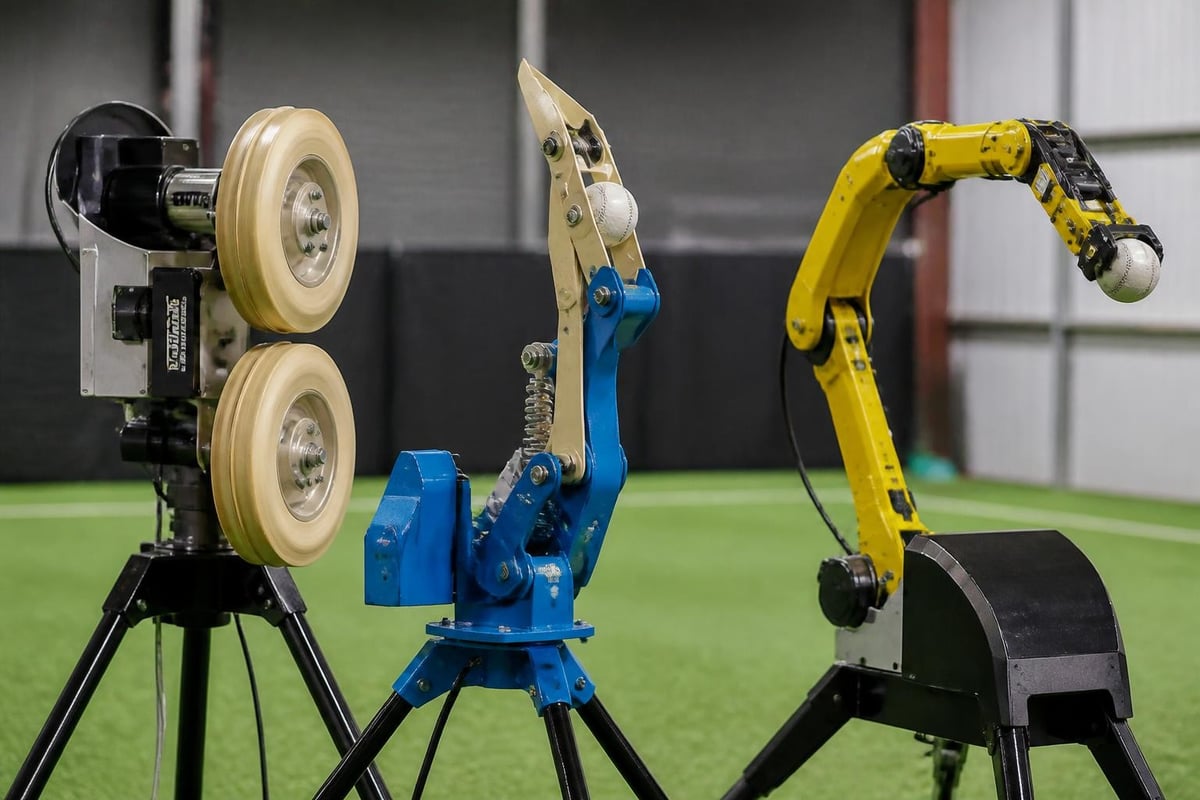
Wheel-based machines represent the most common and affordable option for most programs. These units use one, two, or three spinning wheels to propel balls toward the batter. Single-wheel machines are economical and portable but limited to fastballs. Two-wheel models can throw curves, sliders, and changeups by varying wheel speeds. Three-wheel systems offer the most versatility, replicating nearly any pitch type with precision.
Arm-style machines mimic the throwing motion of a live pitcher, providing a more realistic visual cue for batters. These machines swing a mechanical arm through an arc, releasing the ball at a specific point. The motion helps hitters time their swing more naturally compared to wheel-based systems. However, arm machines typically cost more and require additional maintenance.
Advanced Robotic Systems
Recent years have seen the emergence of sophisticated robotic pitching systems that can replicate major-league pitch movement with remarkable accuracy. Advanced trajekt machines and similar technology now allow players to face virtual versions of specific pitchers, complete with their exact release points, spin rates, and break patterns.
These high-end systems come with substantial price tags but offer unprecedented training value for competitive programs. They integrate with tablets or computers, allowing coaches to program specific sequences, track metrics, and adjust parameters on the fly.
| Machine Type | Price Range | Best For | Pitch Variety | Portability |
|---|---|---|---|---|
| Single-wheel | $200-$800 | Youth leagues, basics | Fastballs only | High |
| Two-wheel | $800-$2,500 | High school, travel | Curves, sliders | Moderate |
| Three-wheel | $2,000-$5,000 | Competitive programs | All pitch types | Moderate |
| Arm-style | $1,500-$4,000 | Timing work | Limited variety | Low |
| Robotic | $8,000-$30,000+ | Elite programs | Elite replication | Low |
Key Benefits for Team Training Programs
Batting machines deliver multiple advantages that directly address common challenges coaches face during practice sessions. Consistency stands as the primary benefit-machines throw the same pitch repeatedly, allowing hitters to isolate specific aspects of their swing without the variability of live pitching.
This consistency accelerates skill acquisition during early development stages. Young players can work on basic mechanics without worrying about wild pitches or unpredictable movement. As research on skill acquisition in baseball batting demonstrates, controlled practice environments help establish fundamental movement patterns before progressing to more complex game situations.
Volume represents another critical advantage. A single machine can deliver hundreds of pitches per hour, far exceeding what any human pitcher can safely throw. This volume allows entire lineups to get quality repetitions during limited practice time, maximizing every minute your team has on the field.
Injury Prevention and Pitcher Development
Batting machines also protect your pitching staff. Rather than overworking young arms during batting practice, you can preserve pitcher health while still providing hitters with quality at-bats. This becomes especially important during tournament weekends when pitchers need rest between appearances.
The machines integrate seamlessly with other baseball training equipment to create comprehensive development stations. Pair machine work with tee drills, soft-toss, and live pitching to build well-rounded hitters who can adjust to different looks and timing patterns.
- Eliminates need for pitchers during routine batting practice
- Allows specific pitch selection for targeted skill work
- Provides consistent velocity for timing development
- Enables isolation of mechanical adjustments
- Creates safe environment for trying new approaches
Setting Up Effective Practice Stations
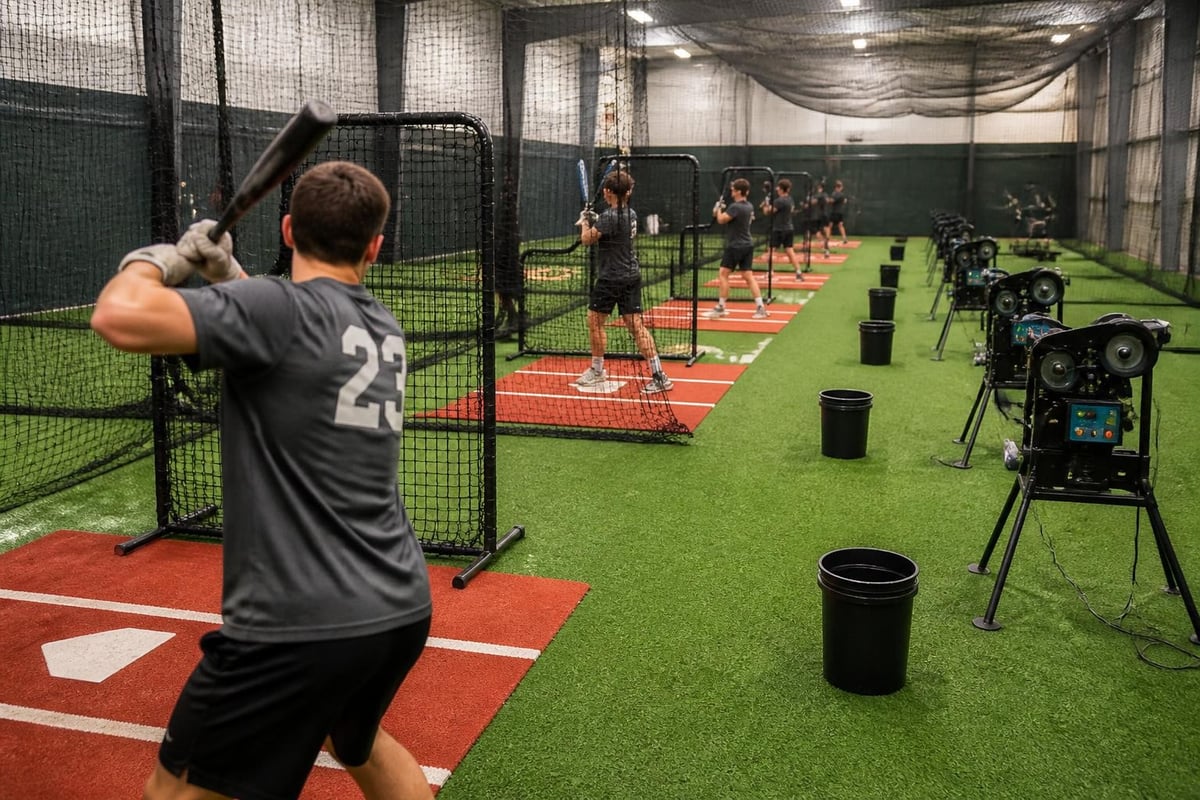
Proper setup maximizes the training value of batting machines while ensuring player safety. Location selection matters-choose areas with adequate space behind the batter for catchers or netting, and ensure sufficient foul territory for errant hits.
Power requirements vary by model. Most wheel-based machines run on standard 110V outlets, making them suitable for any facility with electricity. Battery-powered units offer flexibility for outdoor fields without electrical access but require recharging between sessions. Plan your field layout around power availability or invest in portable generators for remote locations.
Safety Protocols and Protective Equipment
Safety must remain paramount when operating batting machines. Establish clear protocols before the first pitch:
- Designate a machine operator for each unit who controls all adjustments
- Require helmets for all batters, even during soft-toss speed settings
- Install protective screens for operators and waiting batters
- Mark clear zones where only the active batter may stand
- Implement emergency stop procedures everyone understands
- Inspect machines daily for wear, damage, or loose components
Complement your batting setup with proper protective gear. Quality batting gloves reduce hand fatigue and prevent blisters during extended sessions, while appropriate padded options offer additional protection against mis-hits.
Programming Progressive Training Sessions
Strategic programming transforms batting machines from simple pitch-delivery devices into powerful development tools. Structure your sessions to build skills progressively, starting with foundational work and advancing toward game-realistic scenarios.
Beginners benefit from slower speeds and elevated pitches that promote success and confidence. Start youth players at 30-40 mph with pitches in the middle of the zone. Focus on contact quality and proper swing path rather than power or bat speed.
Intermediate hitters should face variable speeds and locations. Program sequences that mix fastballs and off-speed pitches, forcing hitters to recognize and adjust. Move pitches around the zone-inside, outside, high, low-to develop plate coverage and pitch recognition.
Advanced Competition Preparation
Competitive programs should simulate game pressure through structured scenarios. Create counts (0-2, 3-1, etc.) and assign pitch sequences batters might face in those situations. This mental preparation proves as valuable as the physical repetitions.
| Skill Level | Speed Range | Pitch Types | Session Length | Focus Areas |
|---|---|---|---|---|
| Youth (8-10) | 25-35 mph | Fastball only | 15-20 min | Contact, mechanics |
| Youth (11-13) | 35-50 mph | Fastball, change | 20-30 min | Timing, plate coverage |
| High School | 50-75 mph | All types | 30-45 min | Recognition, adjustment |
| Competitive | 70-85+ mph | Game sequences | 45-60 min | Game situations, mental prep |
Studies examining batting practice and visual training show that machine work delivers measurable improvements in bat speed and contact rate, but optimal transfer to game performance requires mixing machine repetitions with live pitching and situational work.
Maintenance and Longevity Considerations
Protecting your investment requires consistent maintenance and proper storage. Batting machines endure significant stress during operation, and neglecting basic care leads to premature failure and costly repairs.
Weekly maintenance should include:
- Cleaning wheels or throwing mechanisms to remove rubber buildup
- Checking tire pressure (pneumatic wheels) or wheel tension
- Inspecting electrical connections for corrosion or damage
- Tightening bolts and fasteners throughout the frame
- Testing speed calibration against marked settings
Seasonal deep maintenance involves more thorough inspection and servicing. Lubricate moving parts according to manufacturer specifications, replace worn wheels before they affect pitch quality, and test all electronic components under load conditions.
Storage Best Practices
Proper storage extends machine life significantly. Indoor storage protects units from weather exposure that degrades wheels, electronics, and frame integrity. If outdoor storage is unavoidable, invest in weather-resistant covers designed specifically for your machine model.
Remove batteries during extended off-season storage to prevent corrosion. Store machines in stable temperature environments when possible-extreme heat and cold cycles accelerate component degradation.
Balancing Machine Work with Live Pitching
While batting machines offer tremendous training value, they cannot completely replace live pitching. The most effective development programs integrate both approaches strategically throughout the season.
Machines excel at building fundamental mechanics, increasing swing volume, and providing specific pitch types on demand. However, they lack the unpredictability and visual complexity of human pitchers. Batters don't pick up release points, read body language, or adjust to in-game pitch sequencing when facing machines exclusively.
Creating Balanced Practice Plans
Structure your weekly practice schedule to leverage both tools effectively. Early-week sessions might emphasize machine work for mechanical refinement and high-volume repetitions. Mid-week practices could shift toward live batting practice against your pitching staff. Weekend preparations before games should prioritize game-realistic situations with live arms.
The NCAA guidelines on performance technologies emphasize responsible integration of training tools within holistic athletic development. Machines serve as one component of comprehensive programs that include live competition, strength training, video analysis, and mental skills work.
Consider this weekly training framework:
- Monday: Machine work focusing on previous game adjustments
- Tuesday: Live BP with coaching feedback on specific pitches
- Wednesday: Machine situational hitting (runners on base scenarios)
- Thursday: Live BP with full pitching staff, game preparation
- Friday: Light machine work, visualization, mental prep
- Saturday/Sunday: Game competition and post-game analysis
Selecting the Right Machine for Your Program
Budget, facility constraints, and player development goals all influence which batting machine best serves your program's needs. Athletic directors and coaches should evaluate several factors before purchasing.
Program level dictates baseline requirements. Youth recreational leagues can achieve excellent results with basic single-wheel machines that provide consistent fastballs for fundamental skill development. High school programs benefit from two-wheel systems that introduce pitch variety and challenge hitters with different looks.
Available space affects machine selection significantly. Portable wheel-based units suit programs sharing facilities or practicing at multiple locations. Larger, stationary systems work well for dedicated batting cages with permanent installations.
Budget allocation extends beyond initial purchase price. Factor in balls, maintenance supplies, replacement parts, and eventual wheel replacements. A $300 machine requiring $200 in annual maintenance may cost more over five years than a $1,200 unit with minimal upkeep.
| Decision Factor | Single-Wheel | Two-Wheel | Three-Wheel | Robotic |
|---|---|---|---|---|
| Initial cost | $ | $$ | $$$ | $$$$ |
| Annual maintenance | $ | $$ | $$ | $$$ |
| Setup complexity | Very easy | Easy | Moderate | Complex |
| Training versatility | Low | Moderate | High | Very high |
| Space required | Minimal | Moderate | Moderate | Significant |
Matching Machine Capabilities to Training Goals
Define your specific training objectives before shopping. Teams emphasizing contact skills and mechanical development can accomplish those goals with straightforward two-wheel machines. Programs competing at high levels and preparing players for college baseball might justify investment in advanced three-wheel or robotic systems that replicate elite pitching.
Don't overlook the value of starting with a quality entry-level machine and upgrading as your program grows. Many successful high school programs began with a single reliable two-wheel unit and expanded their equipment inventory as budgets allowed and needs evolved.
Browse fitness and sports equipment options that complement your batting machine setup, creating comprehensive training environments that develop complete athletes.
Maximizing Return on Equipment Investment
Smart program management extends batting machine value while controlling costs. Implement systems that protect equipment, track usage, and ensure consistent training quality across all players.
Operator training prevents damage from improper use. Designate specific coaches or team managers responsible for machine setup, adjustment, and maintenance. Create simple checklists they follow before and after each session to catch problems early.
Usage logs help track machine hours, identify maintenance needs, and demonstrate value to administrators reviewing budget requests. Document which drills you run, how many pitches each session delivers, and any mechanical issues that arise.
Ball management significantly impacts operating costs. Establish collection and storage systems that prevent ball loss and damage. Dimpled, seamed practice balls last longer than regular baseballs and cost less to replace. Clean balls regularly-dirt and moisture accelerate wheel wear.
Multi-Sport Applications
Many batting machines adapt to softball with simple adjustments, effectively doubling their utility for schools and organizations running both programs. Verify compatibility before purchase if you plan multi-sport use.
Consider how batting machines integrate with your broader equipment strategy. Programs investing in complete training equipment sets create cohesive development systems rather than isolated tools.
Technology Integration and Data Tracking
Modern batting machines increasingly incorporate technology features that enhance training effectiveness. Digital displays show exact speed readings, pitch counts track volume for each hitter, and programmable sequences create game-realistic scenarios without manual adjustment between pitches.
Video integration amplifies machine value dramatically. Position cameras to capture swings from multiple angles during machine work. Hitters review footage immediately after rounds, connecting feel with visual feedback. This combination of high-volume repetitions and instant video analysis accelerates mechanical improvements.
Metrics tracking transforms subjective coaching into data-informed development. Advanced systems measure exit velocity, launch angle, and contact point consistency. Track these metrics over time to identify trends, measure improvement, and pinpoint specific areas requiring attention.
Some programs use launch monitors alongside batting machines to create complete training ecosystems. Hitters see exactly how mechanical changes affect ball flight, empowering them to take ownership of their development and make informed adjustments.
Remote Programming and Control
Premium machines now offer tablet or smartphone control, allowing coaches to program entire practice sessions in advance. Save favorite drill sequences, adjust speeds between pitches, and modify locations without walking to the machine between rounds. This technology keeps practice flowing smoothly and maximizes available repetition time.
Cloud connectivity enables some systems to download specific pitcher profiles or access training libraries developed by professional organizations. While these features add cost, they provide unprecedented training sophistication for programs committed to competitive excellence.
Special Considerations for Facility Planning
Schools and organizations building new facilities or renovating existing spaces should integrate batting machine requirements into design plans from the beginning. Electrical outlets, ceiling heights, netting systems, and floor surfaces all affect how effectively you can deploy training equipment.
Ceiling height matters more than many planners realize. Machines adjusted for high pitches or pop-ups require adequate vertical clearance. Plan for at least 12-15 feet in batting cage areas to accommodate all pitch types and training scenarios.
Power distribution should include dedicated circuits for each machine location. Avoid running multiple high-draw units on single circuits, which can trip breakers during peak practice hours. Consider future expansion when planning electrical infrastructure.
Netting systems must contain balls safely while allowing operator visibility and access. L-screens protect machine operators, while side netting prevents balls from entering adjacent cages or facility areas. Quality netting represents a crucial safety investment that protects both people and equipment.
Batting machines have become indispensable tools for athletic programs serious about player development and practice efficiency. By understanding the different types, implementing proper setup and maintenance protocols, and integrating machines strategically with live pitching, coaches maximize training value while protecting their investment. Whether you're outfitting a youth league or a competitive high school program, Sideline Sport Supply provides the reliable, affordable training equipment your team needs to succeed, backed by straightforward pricing and fast fulfillment that gets your players on the field faster.