

Pitching Sport Guide: Master Techniques and Strategies 2026
Elite pitching is the foundation of every winning team in both baseball and softball. The pitching sport continues to evolve rapidly, demanding that athletes and coaches stay ahead of the curve.
This comprehensive guide reveals the most advanced pitching techniques and strategies for 2026. We blend biomechanics, mental mastery, and innovative equipment to help you reach the next level.
You will explore the science of mechanics, master pitch repertoire, strengthen your mental game, and learn proven training regimens. Injury prevention and the latest tools for pitchers are also covered.
Are you keeping up with the evolution of pitching? Discover the secrets behind high-velocity, injury-free performance. Imagine dominating hitters with precision and power. Dive in to master the art and science of elite pitching.
The Science of Pitching Mechanics
Unlocking elite performance in the pitching sport starts with understanding the science behind every movement. Mastery of mechanics not only boosts velocity and control but also safeguards pitcher health. Let us break down the essentials, from the kinetic chain to the latest biomechanical debates.
Understanding the Kinetic Chain
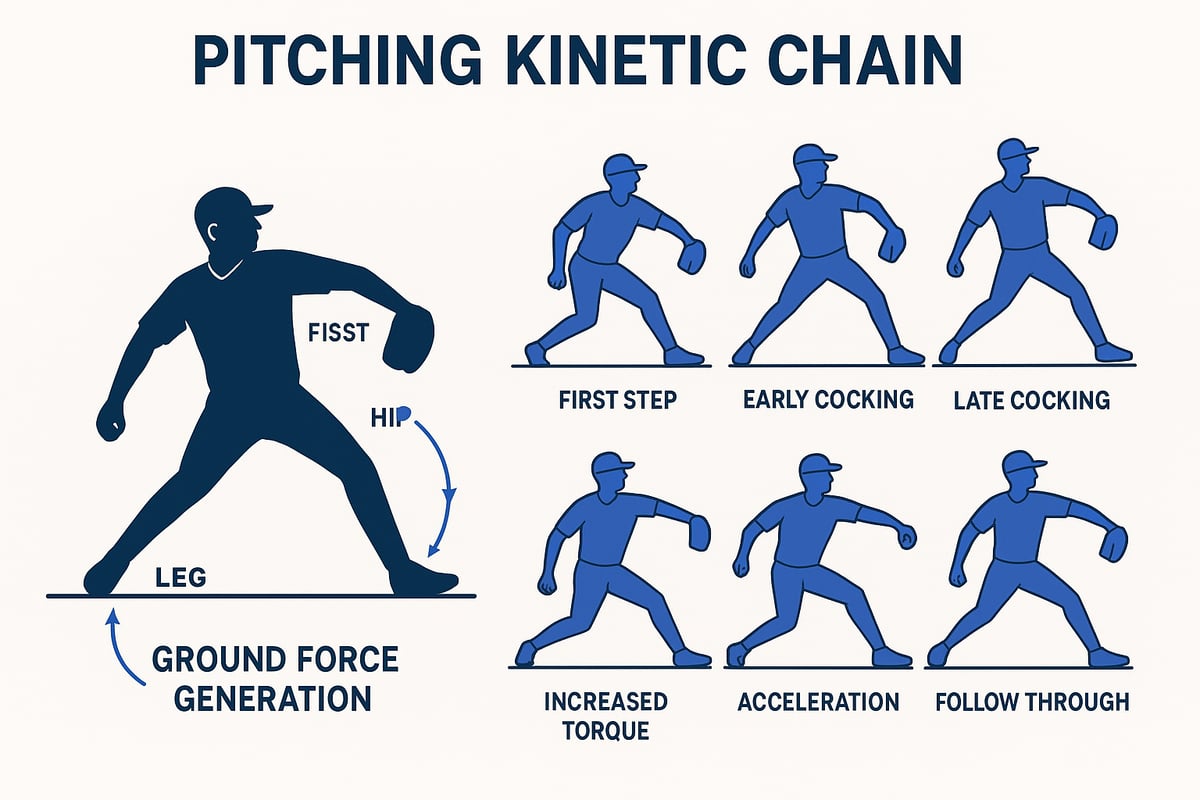
The kinetic chain is the foundation of efficient movement in the pitching sport. It describes how energy starts from the ground and is transferred up through the legs, core, shoulders, and finally the arm. Every elite pitcher relies on this chain to maximize force while minimizing joint stress.
For example, ground force from a strong leg drive initiates a wave of energy. This travels up the body, with the hips and core amplifying the force, before reaching the arm for release. Recent biomechanics research, such as the Zaferiou Lab pitching mechanics study, confirms that pitchers who optimize this sequencing not only throw harder but also experience fewer injuries.
Pitchers with refined kinetic chain mechanics in the pitching sport show a notable reduction in shoulder and elbow injuries, supporting the need for proper sequencing.
The Six Phases of the Pitching Motion
Pitching motion in the pitching sport is divided into six distinct phases:
| Phase | Key Focus |
|---|---|
| Set-up/load | Establish balance, posture |
| Drive | Push off rubber, ground force |
| Switch | Transition weight, hip rotation |
| Transfer & 2nd set-up | Separate hands, stride |
| Arm action | Accelerate, whip motion |
| Deceleration/follow-through | Absorb force, finish clean |
Each phase builds upon the last, ensuring seamless energy flow. Elite pitchers, like those seen in pro leagues, use powerful ground force during the drive phase to set up explosive hip rotation and arm speed. Without a solid foundation in these phases, velocity and accuracy in the pitching sport suffer.
Key Mechanical Fundamentals for Consistency
Mechanical consistency is crucial for success in the pitching sport. Key fundamentals include:
- Balance: Maintaining upright posture from stance to release prevents unnecessary sway.
- Timing: Lower and upper body must move in sync for optimal force transfer.
- Arm Path: A repeatable arm slot promotes both accuracy and arm health.
- Release Point: Consistent release ensures better control and deception.
Many athletes use video analysis to review their pitching sport sessions, identifying flaws and making targeted corrections. This approach accelerates improvement and helps maintain peak performance over the long term.
Common Mechanical Mistakes and Corrections
Mistakes in pitching sport mechanics are common but correctable. Watch for:
- Over-rotation of hips or shoulders, which disrupts energy flow.
- Inconsistent stride length or improper plant foot angles, leading to balance issues.
- Early or late arm action, which throws off timing and can cause injuries.
To address these, use drills focused on stride length, hip rotation, and arm timing. For example, stride box drills and mirror work help athletes spot and fix flaws. Poor mechanics are linked to the top six pitching injuries in the pitching sport, making correction essential for longevity.
The Debate: Linear vs. Rotational Power
A hot topic in the pitching sport is whether linear drive or rotational torque contributes more to velocity. Some argue that a forceful linear push off the mound is the main engine, while others emphasize the rotational speed of the hips.
In reality, both play vital roles. Efficient linear drive sets up powerful hip rotation, which in turn transfers maximum speed to the arm. Elite pitchers are skilled at maintaining linear energy until the hips explode open, creating optimal torque. Scientific and coaching perspectives agree that blending both elements is key for peak pitching sport performance.
Building an Elite Pitch Repertoire
Crafting a dominant pitching sport arsenal is about more than just throwing hard. The best pitchers blend variety, deception, and precision to keep hitters guessing and off balance. In the modern pitching sport landscape, mastering a wide range of pitches and knowing when to use them is essential for outsmarting the opposition and reaching elite performance.
Mastering the Fastball Family
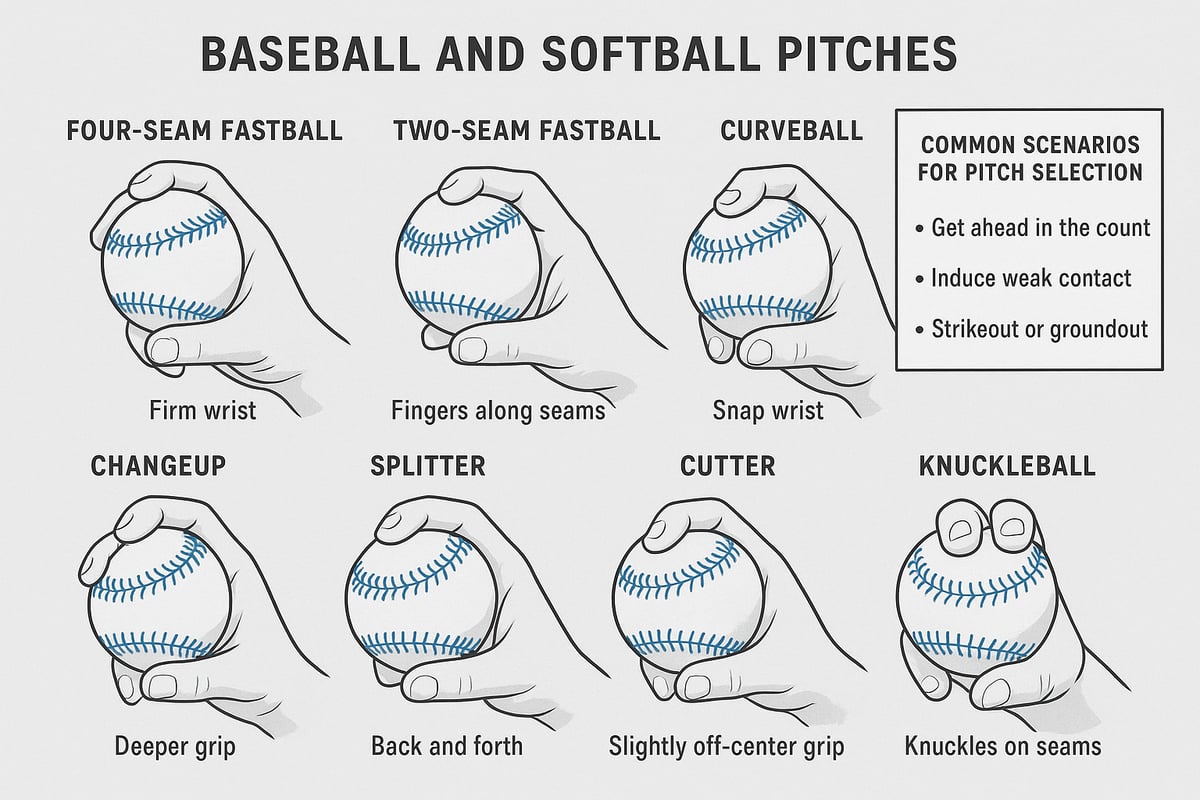
The fastball is the core of any pitching sport strategy. Four-seam and two-seam fastballs differ in grip, spin, and movement. The four-seam grip produces backspin for maximum velocity and a straight trajectory, while the two-seam grip creates arm-side run and slight sink, making it harder for hitters to square up.
Command and location matter more than pure speed. Pro pitchers use fastballs over 50 percent of the time, varying location to disrupt timing. To safely increase velocity, focus on lower-body drive and proper mechanics rather than muscling up with the arm. Consistent practice with feedback tools helps refine both velocity and pinpoint accuracy, forming the foundation of a successful pitching sport approach.
Breaking Balls: Curveball, Slider, and Beyond
Breaking balls add depth and deception to your pitching sport repertoire. The curveball relies on tight wrist and finger action to generate top-down spin, creating a sharp drop. The slider, thrown with a slightly off-center grip, combines lateral and downward movement. Proper mechanics are crucial to avoid elbow strain, as improper technique can lead to injury.
Advanced analytics show curveballs are especially effective for strikeouts, often used with two strikes to induce weak contact or swings and misses. Mix in breaking balls strategically to keep hitters off balance, but always prioritize health and consistent arm action within your pitching sport routine.
Changeups and Deceptive Off-Speed Pitches
Changeups are essential for disrupting hitter timing in the pitching sport. Popular grips include the circle change, three-finger change, and palm ball, each creating reduced speed while mimicking fastball arm speed. The key to deception is maintaining identical arm action, making the changeup indistinguishable from a fastball until it is too late for the hitter.
Used correctly, the changeup lowers opponent batting averages dramatically. Studies show hitters struggle to adjust when changeups are mixed in about 10-15 percent of pitches. Mastery of this off-speed pitch can elevate your pitching sport effectiveness and keep hitters guessing.
Specialty Pitches and When to Use Them
Adding specialty pitches like the splitter, sinker, cutter, and knuckleball takes your pitching sport skills to the next level. The splitter drops sharply as it crosses the plate, the sinker induces ground balls with heavy downward movement, and the cutter breaks late and tight to miss barrels. The knuckleball floats unpredictably, baffling hitters with minimal spin.
Knowing when to deploy these pitches is crucial. Use the sinker for double play situations, cutters against same-side batters, and splitters or knuckleballs as surprise weapons. Many pro pitchers build their careers around a signature specialty pitch, making it a valuable part of your pitching sport toolkit.
Developing Command and Control
Elite command separates good pitchers from great ones in the pitching sport. Target drills, such as aiming for all four quadrants of the strike zone, build accuracy and consistency. Video analysis and radar feedback help identify release point inconsistencies and improve control.
Mental focus is key for executing pitches under pressure. Drills on a portable practice pitching mound simulate real-game conditions and reinforce muscle memory. Top pitchers maintain high strike-to-ball ratios by blending physical drills with mental routines, ensuring their pitching sport command holds up in any situation.
The Mental Game: Strategies for Pitching Success
Mental strength is the hidden engine behind every great pitching sport performance. Physical skills matter, but the ability to stay focused, adapt, and recover mentally can set the best apart from the rest. Developing your mental game is as crucial as perfecting your mechanics.
Building Confidence and Composure
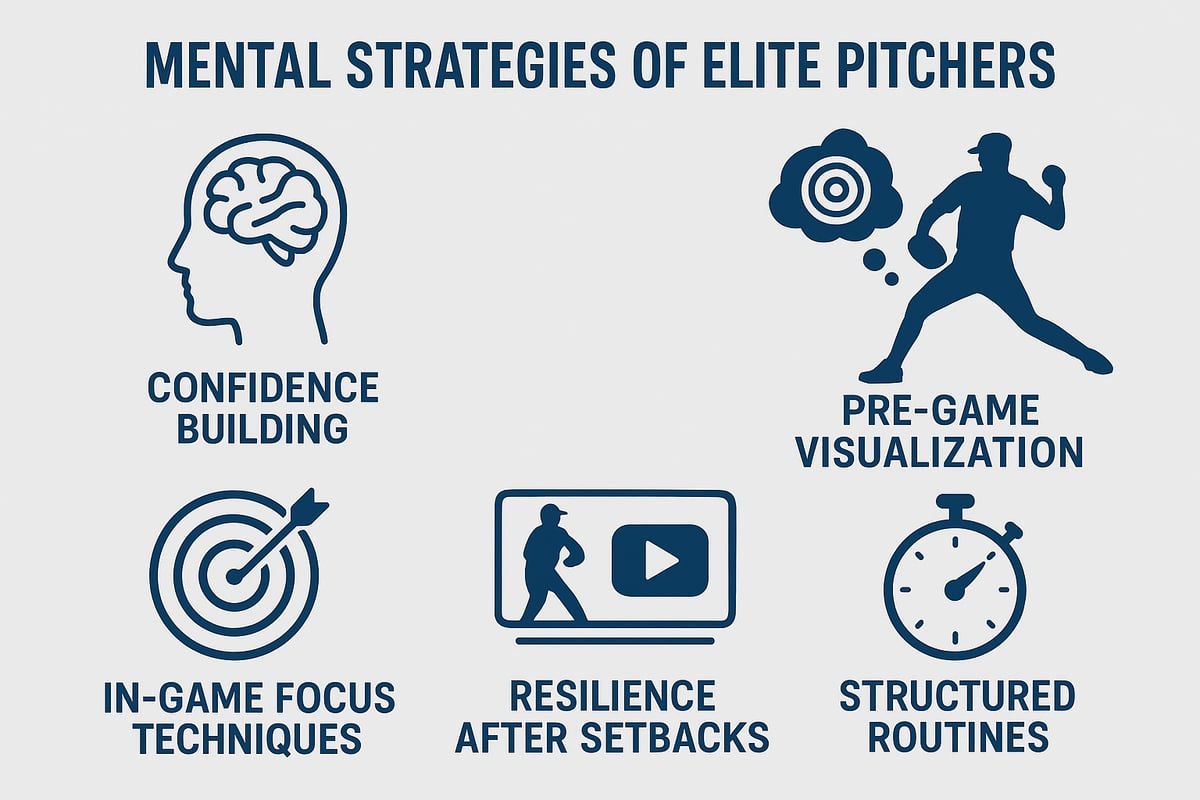
Confidence on the mound is foundational for success in pitching sport. Elite pitchers use visualization before games, mentally rehearsing scenarios where they execute pitches under pressure. This technique primes their mind for peak performance.
Positive self-talk is another key. When challenges arise, such as a missed pitch, repeating affirmations like “I’ve prepared for this” or “Next pitch is mine” helps maintain composure. Many top pitchers develop short reset routines, such as stepping off the rubber, taking a deep breath, and refocusing.
After a tough inning, the best in pitching sport quickly let go of mistakes. They use mental cues or physical actions—like adjusting their cap or glove—to reset their mindset and stay present.
Game Planning and Batter Analysis
Success in pitching sport often begins before the first pitch. Pitchers and coaches study opponent tendencies, reviewing video and analytics to spot weaknesses. This preparation allows for targeted pitch sequences designed to exploit hitter vulnerabilities.
A typical pre-game routine includes reviewing scouting reports, discussing approach with catchers, and rehearsing pitch locations. During games, elite pitchers adjust their plan based on what they observe—if a batter is late on fastballs, they might increase velocity, or if they chase breaking balls, they mix in more off-speed pitches.
Preparation and adaptability are vital in pitching sport, ensuring you’re never caught off guard by a determined hitter.
Focus and Resilience Under Pressure
High-pressure moments define pitching sport. Whether facing a full count with bases loaded or closing out a tight inning, staying calm is essential. Deep breathing techniques help slow the heart rate and sharpen focus between pitches.
Mindfulness practices, like focusing on the present pitch instead of dwelling on previous mistakes, are common among professional pitchers. Developing a consistent focal point—such as the catcher’s mitt or a specific spot on the mound—can anchor attention.
When adversity strikes, resilient athletes in pitching sport rely on mental routines to maintain poise. They embrace the challenge, using each pitch as a fresh opportunity to succeed.
Learning from Setbacks and Continuous Improvement
Every pitcher in the pitching sport faces setbacks—walks, hits, or tough losses. What separates the elite is their commitment to learning from each experience. Reviewing video and analyzing metrics after outings helps identify areas for growth.
Embracing failure as valuable feedback, not defeat, is key. Many athletes use frameworks or structured guides for self-improvement. New research, such as the Personalized Motion Guidance Framework, offers AI-driven insights to refine mechanics and mental approach, accelerating progress.
Continuous improvement is the hallmark of pitching sport excellence. Analyze, adjust, and return to the mound with renewed confidence.
The Importance of Routine and Mental Preparation
Consistent routines are the backbone of mental strength in pitching sport. Pre-game rituals, like dynamic warm-ups, visualization, and focused breathing, signal the mind and body to prepare for competition.
During games, sticking to established routines before each pitch—checking grip, setting the feet, or repeating a focus word—promotes calm and consistency. Research shows pitchers with set routines deliver more reliable performances.
Table: Sample Mental Preparation Routine
| Routine Step | Purpose |
|---|---|
| Visualization | Mental rehearsal |
| Focused Breathing | Calm nerves |
| Cue Word/Action | Reset mindset |
| Review Game Plan | Strategic clarity |
Mastering your routine ensures you enter every pitching sport challenge with unwavering focus and resilience.
Training Regimens and Drills for Modern Pitchers
Modern pitchers face intense demands, so a focused pitching sport training regimen is essential for peak performance. Today's programs blend classic drills, advanced strength routines, and technology to help athletes throw harder, recover faster, and stay injury free. Let's break down exactly how to train like an elite pitcher in 2026.
Essential Throwing and Strength Drills
Developing arm strength and efficient mechanics is the foundation of any pitching sport program. Regular long-toss sessions help build endurance and arm speed, while flat-ground drills reinforce mechanics without added stress. Bullpen work allows pitchers to focus on pitch sequencing and precision in a game-like setting.
Key drills include:
- Long-toss progression for distance and arm health
- Flat-ground throws to fine-tune mechanics at reduced intensity
- Bullpen sessions for pitch command and routine
Weighted ball protocols can safely increase velocity when introduced gradually and monitored closely. Always use proper surfaces, such as a baseball pitching rubber for turf, to maintain consistent footwork and reduce injury risk. Off-season regimens focus on building strength, while in-season routines emphasize maintenance and recovery.
Mobility, Flexibility, and Recovery
A successful pitching sport regimen prioritizes mobility and flexibility to prevent injuries and maintain range of motion. Dynamic warm-ups, such as high-knee walks and arm circles, prepare the body for explosive movements.
Key routines:
- Hip and thoracic mobility drills
- Resistance band stretches for shoulders and forearms
- Daily foam rolling and massage gun sessions
Recovery is just as vital as training. Incorporating active recovery days and using tools like foam rollers and massage guns can reduce soreness and improve longevity. Studies show pitchers who integrate mobility work into their pitching sport routines reduce injury risk by up to 30 percent.
Pitching-Specific Conditioning and Strength Training
Powerful pitching sport performance starts with a strong, stable base. Focus on lower-body strength through squats, lunges, and plyometrics to drive force from the ground up. Core stability exercises, such as planks and rotational med ball throws, enhance energy transfer through the kinetic chain.
Weekly plan sample:
| Day | Focus |
|---|---|
| Monday | Lower body strength |
| Tuesday | Core stability |
| Wednesday | Upper body/rotator cuff |
| Thursday | Plyometrics |
| Friday | Total body mobility |
| Saturday | Active recovery |
| Sunday | Rest |
Rotator cuff and scapular stabilization work are essential for shoulder health. By integrating these exercises, pitchers can maximize power and maintain consistent performance throughout the season.
Drills for Command, Control, and Movement
Elite pitching sport athletes excel through precise command and consistent control. Target drills, such as aiming at small zones within the strike area, sharpen accuracy. Mirror work allows pitchers to self-correct their mechanics visually in real time.
Recommended drills:
- Strike zone target practice with feedback
- Mirror mechanics for posture and arm slot
- Repetition with radar gun monitoring for consistency
Collegiate and professional programs emphasize high-repetition throwing and immediate feedback, often using video analysis to track progress. Consistent practice in these areas leads to improved strike-to-ball ratios and better in-game performance.
Integrating Technology and Feedback Loops
The modern pitching sport landscape leverages technology at every stage of development. Radar guns are used to track velocity and spin rate during training. Video analysis apps enable pitchers to review mechanics and identify flaws instantly.
Wearable sensors provide real-time biofeedback, offering insights on arm speed, release point, and workload. By integrating these tools, pitchers can make data-driven improvements and minimize injury risks.
Many elite programs have adopted smart devices and analytics into their pitching sport regimens, seeing measurable gains in pitch speed, movement, and command. This approach ensures pitchers stay ahead of the curve and maximize their potential on the mound.
Injury Prevention and Pitcher Health in 2026
Staying healthy is the foundation of success in the pitching sport. With the demands of modern training and competition, understanding injury risks and applying proactive strategies is essential for every pitcher. This section breaks down the most effective methods to protect your arm, maximize longevity, and maintain peak performance throughout the season.
Most Common Pitching Injuries and Risk Factors
In the pitching sport, injuries often target the shoulder and elbow. The most frequent issues include muscle strains, rotator cuff tears, labral tears, UCL sprains, and thrower’s elbow. Overuse, high pitch counts, and faulty mechanics increase risk significantly.
A recent MLB study on pitching injuries highlights that increased pitch velocity and max-effort pitching are major contributors to rising injury rates. Young athletes are especially vulnerable if they specialize too early or ignore proper rest guidelines.
Pitchers who prioritize recovery and maintain sound mechanics reduce their chances of missing valuable playing time.
Best Practices for Arm Care and Longevity
Protecting your arm in the pitching sport requires daily commitment. Begin every session with a dynamic warm-up, focusing on mobility exercises for the shoulders, elbows, and core. After pitching, cool down with gentle stretching and light aerobic activity.
Arm care routines should include resistance bands, like J-Bands, to strengthen stabilizing muscles. Monitor your workload by tracking pitches and scheduling rest days. Following MLB and college pitch count guidelines helps prevent overuse injuries.
Consistent care and attention to recovery keep pitchers throwing strong all season.
Mechanics and Workload Management
Efficient mechanics are the heart of injury prevention in the pitching sport. Smooth energy transfer through the kinetic chain minimizes joint stress. Regular video analysis and feedback from coaches help identify mechanical flaws before they lead to problems.
Managing workload is equally vital. Avoid pitching on consecutive days and listen to your body to prevent fatigue. Advanced tools, such as data-driven TJS risk prediction, are now used to monitor mechanics and predict injury risk in high-level pitchers.
Balanced mechanics and workload management are proven to lower injury rates.
Nutrition and Recovery for Pitchers
Optimal nutrition boosts recovery and supports long-term health in the pitching sport. Hydration is key—drink water before, during, and after practice. Protein-rich meals help repair muscle, while anti-inflammatory foods, like berries and leafy greens, aid in joint health.
Quality sleep accelerates muscle repair and cognitive recovery. Top programs provide pitchers with meal plans that emphasize balanced nutrition, portion control, and rest.
A pitcher’s diet and recovery habits are as important as their throwing program.
Early Warning Signs and When to Seek Help
Understanding the difference between normal soreness and injury pain is essential in the pitching sport. Persistent discomfort, swelling, or sharp pain are warning signs that should not be ignored.
When these symptoms arise, consult a sports medicine professional promptly. Early intervention can reduce the severity and duration of injuries, keeping you on the mound longer and healthier.
Staying proactive ensures you address issues before they become career-threatening.
Essential Pitching Equipment and Tools for 2026
Modern pitching sport performance relies on specialized tools that sharpen skills and support healthy mechanics. The right equipment helps pitchers of all levels refine their craft, boost accuracy, and stay ahead in a competitive landscape.
Pitching Targets and Strike Zone Nets
Accuracy is a cornerstone in any pitching sport, and strike zone nets make target training accessible for all athletes. These nets are adjustable, catering to different ages and skill levels.
- Multiple target zones to simulate real-game scenarios
- Portable designs for indoor and outdoor use
- Instant feedback on pitch location
Adding pitching targets to your routine helps build muscle memory and boosts location consistency. This equipment is a staple in the toolkit of elite pitchers.
Pitching Machines and Portable Mounds
Pitching machines are invaluable for simulating game-like situations, allowing pitchers to hone their timing and reaction skills. Portable mounds create a realistic surface for stride and release practice, essential for maintaining optimal pitching sport mechanics.
For athletes focusing on softball, the Jennie Finch pitching mat offers a durable surface with clear power lines for mechanical training, supporting consistent footwork during drills.
These tools are ideal for both team practices and solo workouts, helping athletes perfect their motion in controlled environments.
Weighted Training Balls and Resistance Bands
Building arm strength and reinforcing proper mechanics is critical in any pitching sport. Weighted balls and resistance bands are designed for progressive overload, developing power and stability.
- Gradual weight increases to reduce injury risk
- Bands for shoulder and rotator cuff activation
- Used in warm-ups and recovery routines
Pitchers should follow a structured progression, as improper use can increase injury risk. Always consult a coach or trainer when adding new resistance tools.
Radar Guns and Video Analysis Tools
Tracking progress in pitching sport requires objective feedback. Radar guns measure pitch velocity, while video analysis tools break down mechanics frame by frame.
- Set velocity goals and monitor improvement
- Identify timing or release issues visually
- Use data to adjust training focus
This technology empowers pitchers to make evidence-based adjustments, creating a feedback loop for continual growth.
Pitching Rebounders and Solo Training Devices
Solo training is crucial for developing fielding reflexes and reaction time. Pitching rebounders return throws at unpredictable angles, mimicking in-game defensive situations.
- Enhances quickness and agility
- Supports independent practice sessions
- Useful for both baseball and softball pitchers
Incorporating rebounders into your pitching sport regimen builds confidence in handling balls hit back to the mound.
Sideline Sport Supply: Your Source for Pitching Equipment
Sideline Sport Supply delivers a full range of pitching sport gear, from machines and mounds to targets, weighted balls, and radar guns. Known for competitive pricing and a broad selection of trusted brands, they offer a price match guarantee.

Serving teams, schools, and individuals, Sideline Sport Supply is the one-stop destination for upgrading your pitching training setup with professional-grade equipment.
Integrating New Technology and Smart Devices
The future of pitching sport involves smart technology. Wearable sensors, smart balls, and mobile apps offer real-time feedback on spin rate, release angle, and mechanics.
These innovations enable athletes and coaches to analyze performance instantly and adjust training for faster improvement.