

Portable Soccer Net Guide: Selection, Safety & Setup
Finding the right training equipment can make or break practice efficiency, especially when facilities need to accommodate multiple sports or age groups throughout the week. A portable soccer net offers unmatched flexibility for coaches, schools, and sports organizations that need to configure playing spaces quickly and safely. Unlike permanent installations, these movable systems enable teams to transform any open field into a functional practice area within minutes, supporting everything from youth development drills to competitive scrimmages. Understanding the features, safety requirements, and practical considerations behind these versatile goals helps athletic directors and coaches make informed decisions that protect players while maximizing field utilization.
Understanding Portable Soccer Net Categories and Construction
The market for portable soccer goals has expanded significantly over the past decade, with manufacturers now offering specialized designs for different age groups and use cases. When evaluating options, it's essential to understand the fundamental construction differences that affect durability, stability, and safety.
Frame Materials and Durability Standards
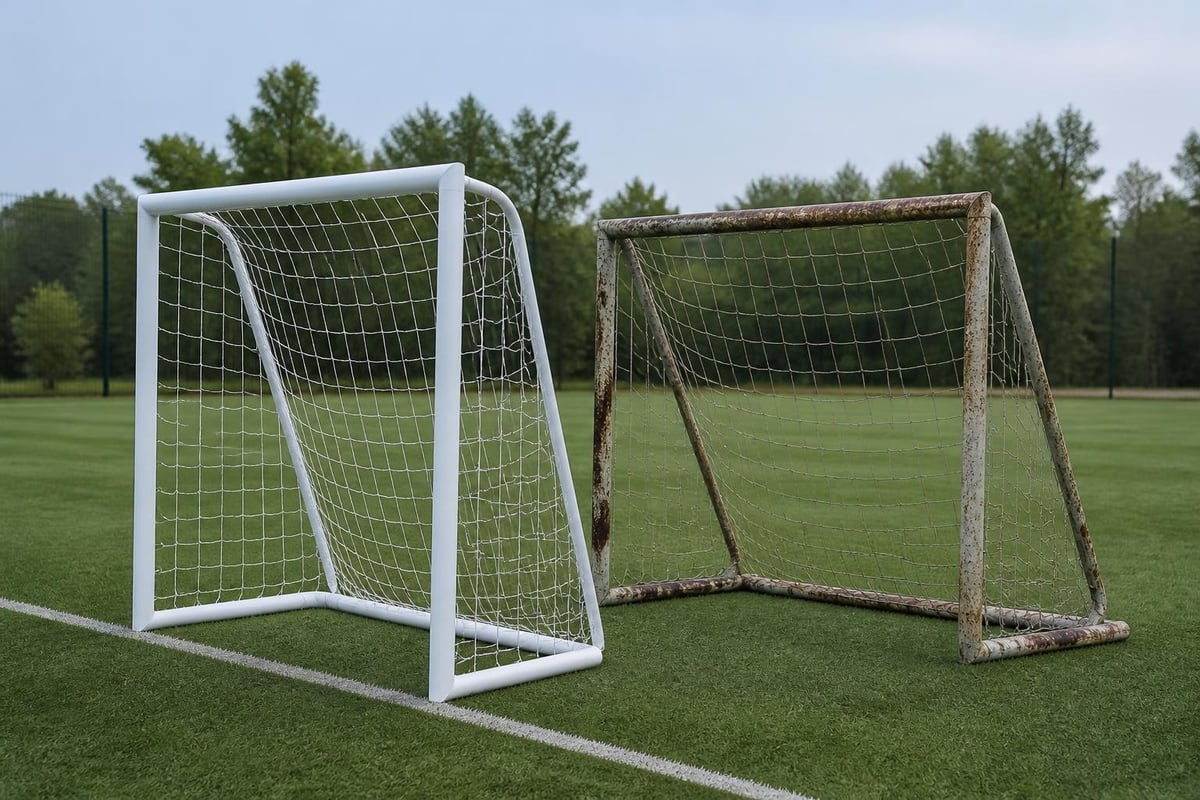
Most quality portable soccer goals feature aluminum or steel frames, each offering distinct advantages depending on your program's needs. Aluminum frames provide excellent corrosion resistance and lighter weight for frequent relocation, making them popular for youth programs and training facilities that reconfigure fields weekly. Steel-framed models deliver superior strength and stability for competitive play, though they require protective coatings to prevent rust in outdoor storage.
Key frame specifications to evaluate:
- Wall thickness (typically 2mm to 3mm for training goals)
- Powder-coating quality and warranty coverage
- Joint construction (welded versus bolted assemblies)
- Weight distribution across the base structure
The netting material itself represents another critical durability factor. Professional-grade options include twisted knotted polyethylene, braided polypropylene, and knotless designs that reduce ball rebound unpredictability. Net attachment systems range from simple hooks to sophisticated channel-lock designs that maintain consistent tension across the entire goal face.
Size Standards and Age-Appropriate Specifications
Selecting the correct size portable soccer net ensures both safety and proper skill development for your athletes. Official competition dimensions vary significantly across age groups, and many programs invest in multiple sizes to accommodate different teams using the same facility.
| Age Group | Goal Width | Goal Height | Typical Frame Type | Primary Use |
|---|---|---|---|---|
| U6-U8 | 4' x 6' | 4 feet | Aluminum pop-up | Introductory training |
| U9-U12 | 6.5' x 18' | 6.5 feet | Aluminum frame | Youth league practice |
| U13-U19 | 8' x 24' | 8 feet | Steel or heavy aluminum | High school regulation |
| Adult/Professional | 8' x 24' | 8 feet | Reinforced steel | Competitive play |
Youth programs often benefit from having portable soccer goals in multiple sizes stored on-site, enabling quick transitions between age-group practices without disrupting field schedules. Many athletic directors report that owning dedicated equipment for each age bracket actually reduces long-term costs by extending the lifespan of each unit through appropriate use.
Regulation Compliance for School and League Play
Competitive leagues and school associations maintain strict equipment standards that directly impact portable soccer net selection. The NFHS risk-minimization rules provide comprehensive guidance on goal anchoring and safety requirements for school athletics, noting that all portable goals must be adequately secured during use and properly stored when unattended.
Organizations purchasing equipment for sanctioned competition should verify that goals meet current safety certifications and include proper anchoring hardware from the manufacturer. Non-compliant equipment can result in game forfeits or liability exposure if injuries occur during sanctioned activities.
Critical Safety Features and Anchoring Requirements
Player safety represents the paramount concern when deploying any portable soccer net, regardless of size or construction quality. Tip-over incidents involving unsecured goals have resulted in serious injuries and fatalities over the past two decades, prompting industry-wide safety improvements and stricter anchoring requirements.
Ground Anchoring Systems and Installation Methods
Every portable soccer net requires proper anchoring during use-there are no exceptions for smaller goals or youth equipment. The Queensland Department of Education safety bulletin outlines comprehensive controls for moveable goals, including mandatory inspection schedules and specific anchoring requirements based on goal size and playing surface.
Common anchoring methods and their applications:
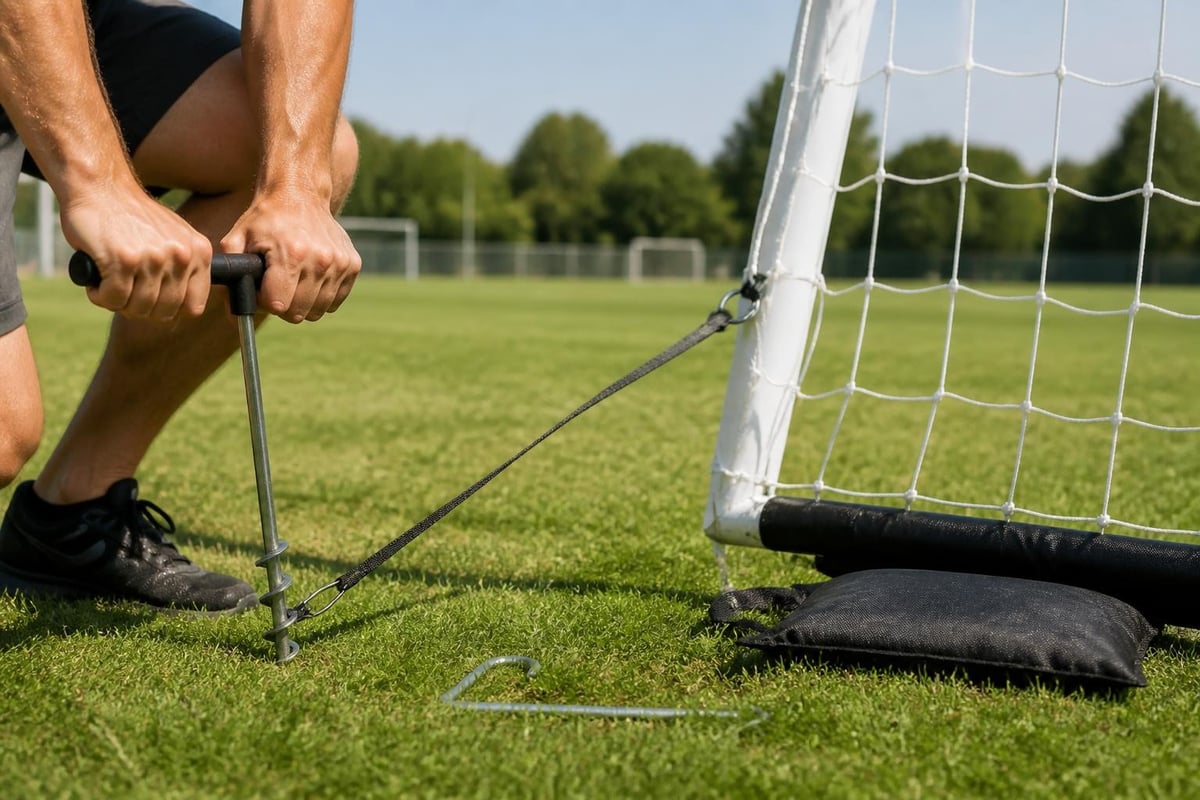
- Auger-style ground anchors - Screw into soil for semi-permanent installation, offering the highest stability for natural grass fields
- J-stake anchors - Drive vertically into ground, ideal for seasonal installations that require periodic removal
- Weighted bag systems - Attach to goal frame, suitable only for small youth goals in low-wind conditions
- Combination systems - Integrate both ground anchors and counterweights for maximum stability
The TurfAnchors product line demonstrates commercially available designs specifically engineered for soccer goal applications, with load ratings matched to goal sizes and field conditions. Installation depth, soil type, and local weather conditions all affect anchor performance, making professional installation advisable for permanent or semi-permanent setups.
Load Requirements and Testing Protocols
Understanding the forces acting on a portable soccer net helps explain why proper anchoring cannot be optional. A regulation 8x24-foot goal presents significant wind resistance, creating overturning moments that exceed several hundred pounds of force during typical weather conditions. When athletes climb on crossbars or hang from netting during celebrations, these forces multiply dramatically.
American Earth Anchors provides detailed application notes showing minimum load ratings for various goal sizes, typically ranging from 400 to 1,000 pounds of horizontal resistance per anchor point. Professional installations often exceed minimum requirements by 50-100% to account for soil variations and extreme weather events.
Storage, Transportation, and Maintenance Practices
Maximizing the service life of your portable soccer net investment requires systematic maintenance protocols and proper off-season storage procedures. Equipment that receives regular care typically lasts 8-12 years in active use, while neglected goals may require replacement within 3-5 seasons.
Seasonal Storage Protocols
When fields close for winter or during extended off-seasons, proper goal storage prevents frame corrosion, net degradation, and structural damage. The Grounds Management Association recommends specific removal and storage practices that protect both the equipment and the playing surface beneath anchor points.
Remove all portable soccer goals from fields whenever they will not be used for more than 72 hours. This practice prevents unauthorized use, reduces vandalism risk, and eliminates tip-over hazards during unattended periods. Store goals in covered areas whenever possible, keeping netting dry to prevent mildew and protecting powder-coated frames from UV degradation.
Before storage, inspect each goal thoroughly:
- Check all frame joints for cracks, bends, or separation
- Examine netting for tears, excessive wear, or attachment point failures
- Verify that all hardware remains tight and functional
- Document any damage requiring repair before next season
Transportation and Field Deployment Procedures
Moving portable soccer goals safely requires proper techniques and adequate personnel. Never attempt to drag goals across fields, as this damages both the equipment and the playing surface. Most regulation-size goals require a minimum of four adults for safe lifting and carrying, with six people recommended for full-size steel goals.
Safe deployment checklist:
- Inspect goal completely before moving from storage
- Assign specific positions to each team member
- Lift using leg muscles, keeping backs straight
- Set goal precisely in playing position before anchoring
- Install all required anchors before releasing the goal
- Perform stability test by applying moderate force to crossbar
- Install netting if stored separately from frame
Organizations managing multiple fields often invest in wheeled goal transport systems that roll along the goal frame, enabling two-person moves without lifting. These systems prove particularly valuable for schools and clubs that reconfigure fields daily for different sports or age groups.
Field Configuration Strategies for Multi-Sport Facilities
Facilities serving multiple sports throughout the year benefit enormously from portable soccer net versatility. Unlike permanent and semi-permanent soccer goals, movable systems enable complete field transformation to accommodate football, lacrosse, rugby, or other activities as seasons change.
Space Optimization Techniques
Strategic goal placement maximizes usable field area while maintaining safe buffer zones around all playing surfaces. A full-size soccer field requires approximately 70 yards by 115 yards including run-off areas, but portable goals enable creative configurations for smaller spaces or overlapping sport schedules.
| Configuration Type | Field Dimensions | Number of Goals | Ideal For |
|---|---|---|---|
| Single full field | 70x115 yards | 2 regulation | Varsity competition |
| Two half-fields | 35x115 yards each | 4 smaller goals | Simultaneous practice groups |
| Four mini-pitches | 35x55 yards each | 8 youth goals | Multi-age training sessions |
| Mixed layout | Variable zones | 6+ various sizes | Camp or clinic environments |
Many athletic programs keep detailed field configuration diagrams showing exact goal positions for each sport and age group. This documentation ensures consistent setup, helps new staff deploy equipment correctly, and supports safety compliance during inspections.
Quick-Change Systems for Daily Transitions
Schools and community facilities often need to reconfigure fields between morning and afternoon sessions, supporting different sports or age groups within the same day. Implementing standardized anchor points across the field enables rapid goal repositioning without repeated ground penetration that damages turf.
The Sports Facilities Group installation guidance demonstrates anchor kit designs that remain permanently installed at multiple field positions, with portable goals moving between these predetermined points. This approach reduces setup time from 45 minutes to under 10 minutes per field while eliminating turf damage from anchor installation.
Some advanced facilities install lockdown safety systems that combine permanent ground sleeves with removable goal anchoring mechanisms, offering the ultimate flexibility for high-traffic athletic complexes serving hundreds of athletes weekly.
Purchasing Considerations and Long-Term Value Assessment
Investing in quality portable soccer net equipment requires balancing upfront costs against expected service life, maintenance requirements, and program-specific needs. While budget pressures affect all athletic programs, safety and durability should never be compromised to achieve initial price savings.
Total Cost of Ownership Calculations
The true cost of any portable soccer net extends far beyond the initial purchase price. Comprehensive budget planning accounts for:
- Initial equipment purchase and delivery
- Installation and anchoring hardware
- Annual inspection and maintenance expenses
- Net replacement (typically every 4-6 years)
- Storage infrastructure or seasonal moving labor
- Insurance and liability considerations
Quality goals from established manufacturers typically cost 40-60% more initially than economy imports, but deliver 2-3 times longer service life with significantly lower annual maintenance costs. Organizations should calculate total 10-year ownership costs rather than focusing solely on purchase price.
At Sideline Sport Supply, our price match guarantee ensures you receive competitive pricing on reliable equipment without sacrificing the quality standards your program demands.
Supplier Selection and Support Capabilities
Choosing the right equipment supplier affects long-term satisfaction nearly as much as the product selection itself. Evaluate potential suppliers based on:
Technical expertise and guidance - Can they recommend appropriate sizes and anchoring systems for your specific needs?
Inventory availability - Do they maintain stock for quick delivery, or will you wait months during peak season?
Warranty coverage - What components are covered, and for how long?
Replacement parts access - Can you order netting, hardware, or frame components individually?
Installation support - Do they provide setup guidance or professional installation services?
Organizations purchasing equipment for team sales programs or outfitting multiple facilities should prioritize suppliers offering volume pricing and coordinated delivery schedules that simplify large-scale purchasing.
Inspection Schedules and Compliance Documentation
Maintaining detailed inspection records protects both athletes and organizations from liability while ensuring equipment remains in safe operating condition throughout its service life. Most athletic associations and insurance carriers require documented inspection protocols for all portable goals.
Pre-Season and Weekly Inspection Protocols
Implement a two-tier inspection system that combines comprehensive pre-season evaluations with quick weekly safety checks throughout active periods.
Pre-season comprehensive inspection (documented with photos):
- Frame integrity check - examine every joint, weld, and connection point
- Surface coating assessment - identify any rust, corrosion, or coating damage
- Net condition evaluation - measure hole sizes, check attachment points
- Hardware inventory - verify all bolts, clips, and fasteners present and functional
- Anchoring system test - confirm all anchors remain properly rated and installed
- Stability verification - perform tip-over resistance test per manufacturer specifications
Weekly quick-check during active season:
- Visual frame inspection for obvious damage
- Net attachment verification
- Anchor presence and engagement confirmation
- Overall stability assessment
Document all inspections in a permanent log that includes dates, inspector names, findings, and any corrective actions taken. This documentation proves invaluable during insurance reviews, accident investigations, or regulatory compliance audits.
Corrective Action Thresholds
Establish clear criteria that trigger immediate equipment removal from service. Any portable soccer net showing the following conditions must be taken out of use until repairs are completed by qualified personnel:
- Frame cracks, significant bends, or separated joints
- Net holes larger than 4 inches diameter
- Missing or damaged anchoring hardware
- Unstable movement during moderate force testing
- Rust penetration through protective coating to base metal
- Any condition that could reasonably result in player injury
Never allow athletes to use compromised equipment while waiting for repairs or replacements. The liability risk and injury potential far exceed any inconvenience from temporarily reduced field capacity.
Weather Considerations and Environmental Protection
Environmental conditions significantly impact portable soccer net performance, safety, and longevity. Programs operating in diverse climates must account for wind loads, temperature extremes, precipitation effects, and UV exposure when selecting and maintaining equipment.
Wind represents the primary environmental challenge for portable goals. A full-size goal presents approximately 200 square feet of wind resistance, creating substantial overturning forces during storms. Never leave portable goals on fields during high-wind warnings, and consider installing permanent anchoring systems in regions experiencing frequent severe weather.
Temperature cycling affects both frame materials and netting durability. Metal frames expand and contract with temperature changes, potentially loosening joints and hardware over time. Quarterly hardware inspections and retightening prevent structural degradation from this natural process.
UV radiation gradually weakens netting materials, particularly in southern latitudes or high-altitude locations. Quality polyethylene netting includes UV stabilizers that extend service life, but even premium materials eventually succumb to sun exposure. Plan for net replacement every 4-6 years in harsh UV environments, compared to 6-8 years in moderate climates.
Selecting and maintaining portable soccer goals requires careful attention to safety standards, proper anchoring techniques, and systematic inspection protocols that protect athletes while maximizing equipment service life. Whether you're outfitting a youth development program, managing a multi-sport high school facility, or supporting competitive club teams, the right equipment combined with proper deployment procedures creates safe, flexible training environments that serve athletes at every level. Sideline Sport Supply provides the reliable, game-ready equipment your program needs, backed by straightforward pricing and expert guidance to help you make confident purchasing decisions. Contact our team today to discuss your specific requirements and discover how the right portable soccer net solutions can transform your facility's training capabilities.