

Baseball Sports Equipment: Essential Guide for Teams
Baseball remains one of America's most beloved sports, with millions of athletes participating at youth, high school, collegiate, and professional levels. Whether you're equipping a Little League team, managing a high school program, or running a travel baseball organization, understanding the full spectrum of baseball sports equipment is essential for player development, safety, and competitive success. The market for baseball equipment continues to expand, with projections showing steady growth reaching $1.1 billion worldwide by 2026, reflecting the sport's enduring popularity and continuous equipment innovation.
Core Playing Equipment for Every Position
The foundation of any baseball program starts with essential playing gear that meets both performance and safety standards. Baseball sports equipment needs vary significantly depending on player positions, skill levels, and league requirements.
Bats: Materials and Regulations
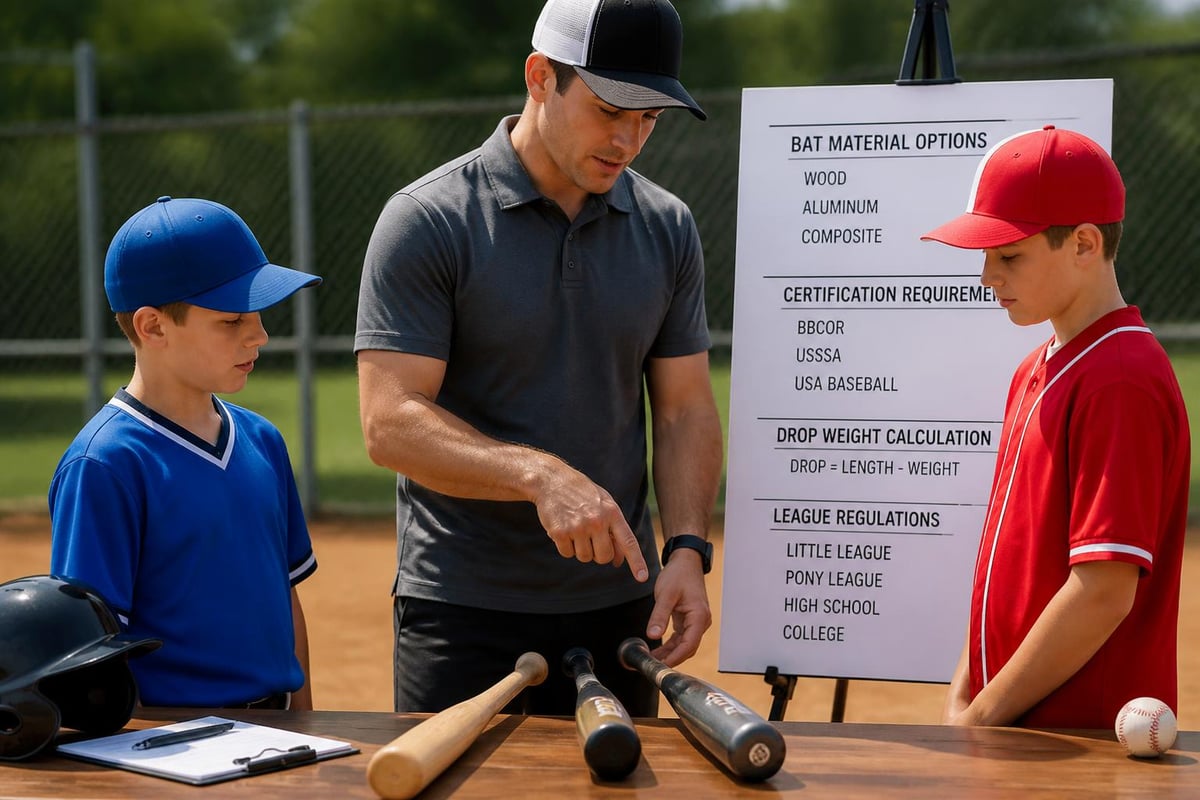
Modern baseball bats come in several material categories, each with distinct advantages for different age groups and skill levels. Wood bats remain the standard for professional and many collegiate programs, offering authentic feel and traditional gameplay. Aluminum and composite bats dominate youth and high school leagues, providing larger sweet spots and enhanced durability.
Key bat considerations include:
- Length-to-weight ratio (drop weight) appropriate for player age and strength
- Barrel diameter compliance with league regulations
- Handle grip diameter and comfort
- Certification stamps (USA Baseball, USSSA, BBCOR)
- Durability for practice versus game situations
League-specific requirements make bat inspection critical. Managers and coaches must regularly inspect bats to ensure compliance with safety standards, checking for dents, cracks, rattling sounds, and proper certification markings. Non-compliant equipment can result in player ejection and team penalties.
Gloves and Mitts: Position-Specific Design
Quality fielding gloves represent one of the most personal choices in baseball sports equipment. Position-specific designs optimize performance through targeted features.
| Position | Glove Size | Key Features | Material Priority |
|---|---|---|---|
| Pitcher | 11.5-12.5" | Closed web, uniform color | Break-in consistency |
| Infield | 11-11.75" | Shallow pocket, quick release | Lightweight, flexible |
| Outfield | 12.5-13" | Deep pocket, longer reach | Durability, padding |
| First Base | 12-13" | Wide scoop, extra length | Stiffness, structure |
| Catcher | 32-34" | Extra padding, closed back | Impact resistance |
Breaking in gloves properly ensures optimal performance and longevity. Professional-grade leather requires substantial break-in time but offers superior durability, while synthetic materials provide immediate playability for recreational use.
Protective Gear and Safety Equipment
Player safety should never be compromised, making protective baseball sports equipment a non-negotiable investment for any program. Modern safety standards have evolved significantly, incorporating advanced materials and engineering.
Batting Helmets and Face Guards
Batting helmets protect against potentially devastating head injuries. Current safety standards require dual-ear helmets for all youth players, while many leagues mandate face guards for additional protection. High-impact ABS plastic construction with energy-absorbing foam padding provides crucial protection during at-bats and base running.
Face guard attachments have become increasingly popular across all levels, particularly following high-profile injuries. These additions protect facial structures without significantly impacting visibility or comfort when properly fitted.
Catcher's Protective System
Catchers require comprehensive protection due to their unique exposure to foul tips, wild pitches, and collisions at home plate. A complete catcher's kit includes:
- Helmet with throat guard: Extended coverage protecting skull, jaw, and throat
- Chest protector: Multi-layer foam and plastic construction absorbing impact
- Leg guards: Shin and knee protection with quick-release straps
- Protective cup: Essential foundation layer
Quality differences in catcher's gear directly impact both safety and performance. Lightweight designs reduce fatigue during long games while maintaining protective integrity. Professional-grade sets offer superior ventilation, adjustability, and durability compared to entry-level options.
Training and Practice Equipment
Developing player skills requires dedicated baseball sports equipment designed specifically for practice environments. Baseball training machines have revolutionized how teams approach batting practice, pitching development, and defensive drills.
Pitching Machines and Batting Cages
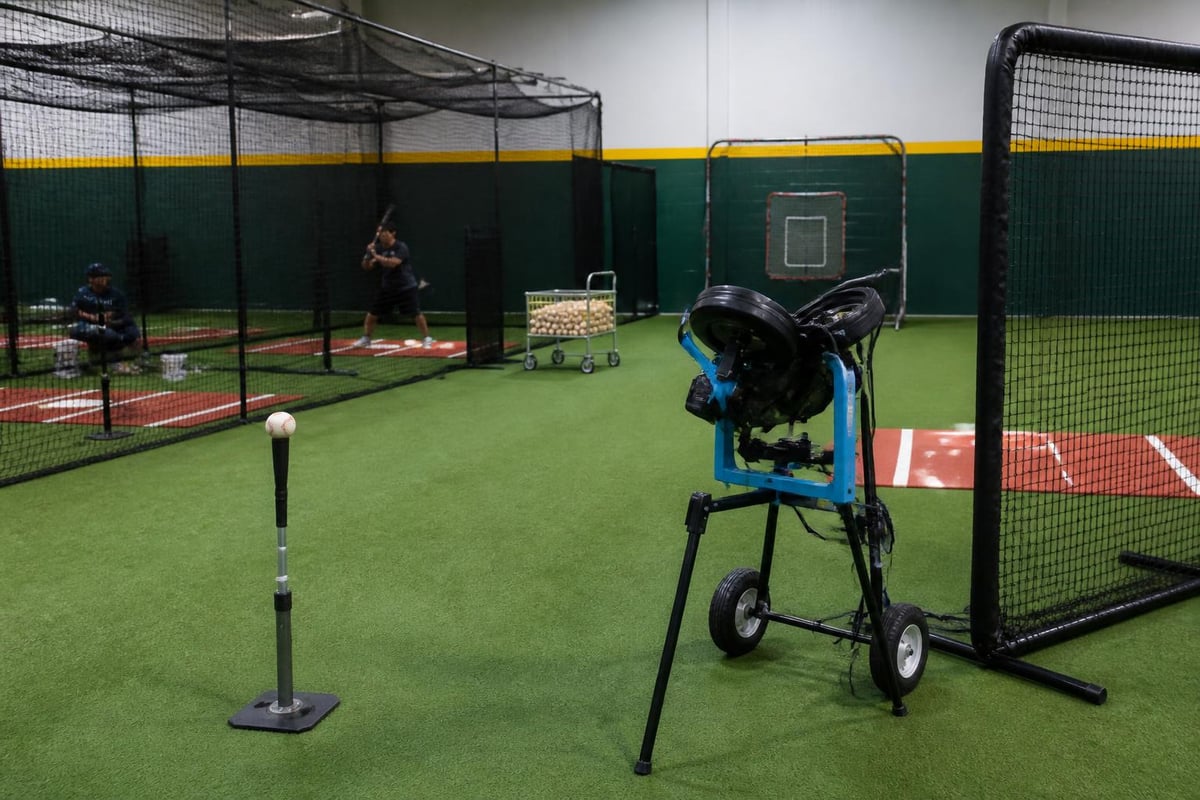
Automated pitching machines provide consistent repetition crucial for developing hitting mechanics. Modern machines offer variable speed settings, pitch type selection, and programmable sequences that simulate game situations. Portable models accommodate limited space and budget constraints, while professional installations feature dual-wheel systems capable of replicating major league velocity and movement.
Batting cages create safe, contained practice environments. Options range from portable net systems for backyard training to permanent installations with professional-grade netting and frame construction. Teams investing in comprehensive training equipment see measurable improvements in player confidence and skill development.
Fundamental Training Tools
Beyond mechanized equipment, basic training tools form the backbone of effective practice sessions:
- Batting tees: Adjustable height models accommodate all age groups and swing variations
- Soft-toss nets: Portable targets for close-range batting practice
- Protective screens: L-screens and pitching screens ensuring coach safety
- Weighted training balls: Progressive resistance for arm strength development
- Agility ladders and cones: Footwork and base-running improvement
These foundational items provide maximum return on investment through versatility and durability. Quality construction ensures seasons of reliable use across multiple teams and age groups.
Baseballs and Game-Day Essentials
The baseball itself represents perhaps the most fundamental piece of baseball sports equipment, yet quality variations significantly impact play. Understanding construction differences helps teams make informed purchasing decisions.
Baseball Construction and Performance
Regulation baseballs feature cork-and-rubber cores wrapped with wool and cotton yarn, covered by leather stitching. Youth leagues often use reduced-injury factor (RIF) balls with softer cores that minimize impact injuries while maintaining playability. Practice balls with synthetic covers offer budget-friendly alternatives for high-volume training sessions where durability outweighs premium performance.
Ball selection considerations:
- League certification and stamp requirements
- Seam height affecting pitch grip and movement
- Core compression impacting ball flight and bat exit velocity
- Cover material durability versus feel
- Dozen versus bulk purchasing economics
Teams typically maintain separate inventories of game balls meeting exact league specifications and practice balls prioritizing cost efficiency. This dual-inventory approach optimizes both competitive performance and budget management.
Field Equipment and Maintenance Gear
Complete baseball programs require extensive baseball sports equipment beyond personal player gear. Field preparation and maintenance equipment ensures safe, professional playing conditions.
Bases and Pitching Rubbers
Regulation bases must meet specific dimensional standards: 15 inches square and no more than 5 inches thick. Hollywood-style safety bases with breakaway designs reduce sliding injuries, while traditional stationary bases suit permanent installations. Weighted training bases prevent movement during practice while remaining portable for multi-use facilities.
Pitching rubbers require proper installation and maintenance for pitcher safety and rule compliance. Regulation dimensions (24 inches by 6 inches for baseball) must be precisely positioned at required distances for each age group.
| Age Group | Pitching Distance | Base Path Distance |
|---|---|---|
| T-Ball (4-6) | 38-42 feet | 50-60 feet |
| Minor (7-8) | 40-46 feet | 60-65 feet |
| Major (9-12) | 46-50 feet | 60-70 feet |
| Intermediate (13-14) | 54 feet | 70 feet |
| Junior/Senior (15-18) | 60.5 feet | 90 feet |
Field Maintenance Tools
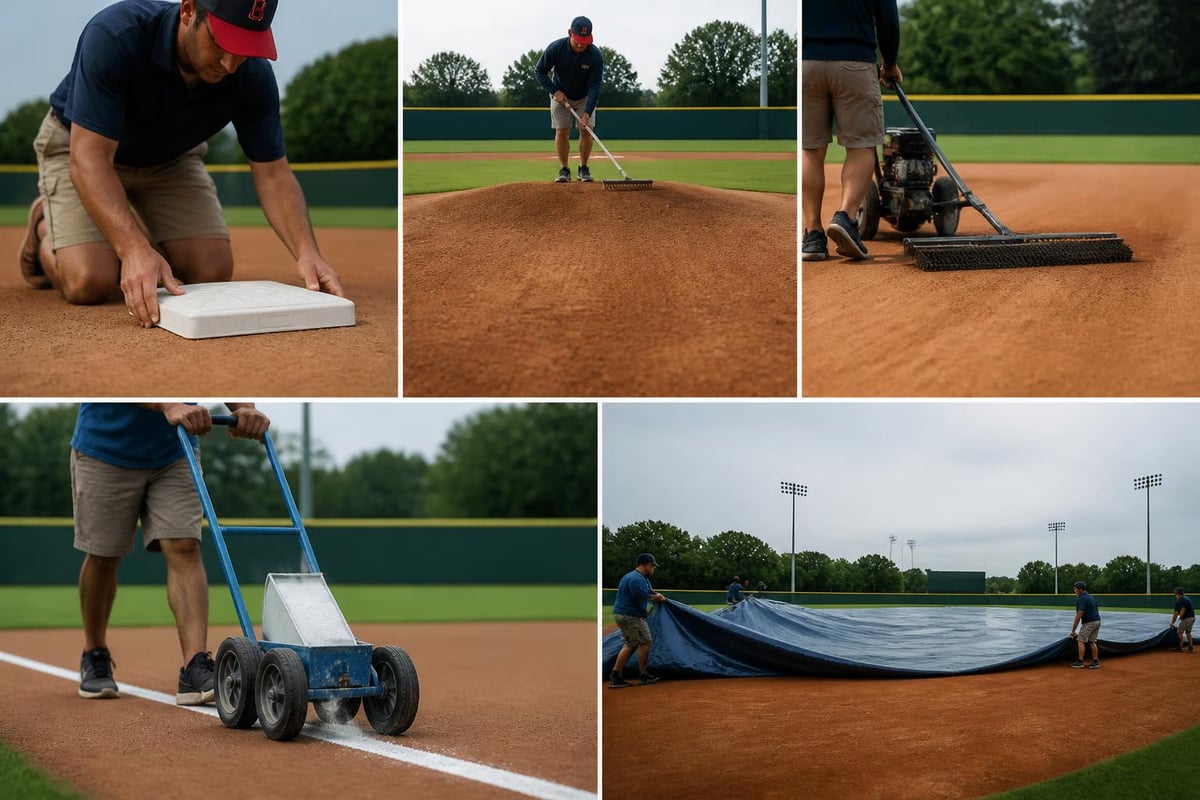
Professional-quality playing surfaces require consistent maintenance using specialized equipment. Groundskeeping tools include:
- Drag mats and nail drags for infield grooming
- Field chalk and lining equipment for boundary marking
- Moisture management products for puddle prevention
- Turf rakes and leveling boards for surface preparation
- Rain covers protecting mounds and home plate areas
Teams sharing municipal fields benefit from portable maintenance kits, while programs with dedicated facilities justify investment in comprehensive groundskeeping equipment. Proper field maintenance reduces injury risk, improves playability, and demonstrates organizational professionalism.
Organizational Equipment for Coaches and Staff
Effective team management requires baseball sports equipment extending beyond player gear. Coaches and support staff need specific tools for training, communication, and game management.
Coaching Essentials
Modern coaching demands go beyond simple instruction, requiring equipment that facilitates teaching, organization, and safety:
- Stopwatches and timing devices: Tracking sprint times and base-running speed
- Pitch counters: Monitoring throwing volume for arm health
- Clipboards and playbooks: Organizing strategy and rotation schedules
- First aid kits: Immediate response to minor injuries
- Communication systems: Coordinating between coaches during games
Sports timing equipment like the Seiko stopwatch provides professional-grade accuracy for skill assessment and player development tracking. Reliable timing data supports objective evaluation and progress measurement across seasons.
Team Storage and Transportation
Organized equipment management prevents loss, damage, and game-day scrambling. Investment in quality storage solutions pays dividends through extended equipment life and operational efficiency:
- Wheeled equipment bags: Transporting gear between field and storage
- Bat racks and organizers: Preventing bat damage and facilitating selection
- Ball buckets with lids: Protecting practice balls and enabling portability
- Helmet carts: Organizing protective gear by size
- Lockable storage containers: Securing valuable equipment between uses
Programs serving multiple teams benefit from color-coded organizational systems, ensuring each group maintains its designated equipment without cross-contamination or confusion.
Purchasing Strategies for Teams and Organizations
Strategic baseball sports equipment procurement balances quality, budget, and timing considerations. Understanding the broader sports equipment market helps organizations make informed decisions aligned with industry trends and value propositions.
Quality Tiers and Budget Allocation
Equipment purchasing decisions should reflect usage intensity and player development priorities. Premium gear suits competitive travel teams where performance advantages justify higher costs, while recreational programs find excellent value in mid-tier equipment offering reliability without premium pricing.
Budget allocation framework:
- 40% player protective equipment (helmets, guards, catcher's gear)
- 25% bats and balls for practice and games
- 20% training equipment and practice aids
- 10% field equipment and maintenance tools
- 5% organizational and coaching supplies
This distribution ensures safety receives top priority while maintaining balanced investment across all operational needs. Adjustments should reflect program-specific circumstances, facility access, and competitive level.
Bulk Purchasing and Seasonal Timing
Organizations purchasing baseball sports equipment in quantity access significant discounts unavailable to individual consumers. Coordinating purchases across multiple teams, establishing vendor relationships, and timing orders during off-season periods optimize budget efficiency.
Pre-season equipment fairs and end-of-season clearances offer exceptional value, particularly for non-essential items and backup inventory. However, critical safety equipment should never be compromised for cost savings. Helmets, protective gear, and certified bats warrant investment in current-season, certified products meeting all safety standards.
Equipment Inspection and Maintenance Protocols
Proper care extends baseball sports equipment life while maintaining safety and performance standards. Systematic inspection and maintenance protocols should be integrated into regular team operations.
Regular Safety Inspections
Creating documented inspection schedules ensures equipment remains game-ready and compliant. Monthly reviews should assess:
- Bat integrity checking for cracks, dents, or deformation
- Helmet foam compression and shell damage
- Glove stitching and leather condition
- Catcher's gear padding and strap function
- Field equipment stability and safety
Any equipment showing wear beyond acceptable tolerances should be immediately removed from service. Maintaining inspection logs protects organizations from liability while demonstrating due diligence in player safety.
Cleaning and Storage Best Practices
Proper cleaning and storage dramatically extend equipment usable life. Leather gloves benefit from regular conditioning with appropriate oils, preventing cracking and maintaining flexibility. Helmets require gentle cleaning with mild soap, avoiding harsh chemicals that degrade protective foam and plastic shells.
Climate-controlled storage prevents extreme temperature and humidity fluctuations that damage equipment. Bats stored in freezing conditions become brittle, while excessive heat degrades composite materials. Dedicating climate-appropriate storage space protects equipment investment through multiple seasons of use.
Adapting Equipment to Player Development Stages
Youth baseball programs must carefully match baseball sports equipment to athlete physical development and skill progression. Oversized or undersized equipment hinders development and increases injury risk.
Age-Appropriate Sizing Guidelines
Proper equipment sizing directly impacts player safety, confidence, and skill acquisition. Bats too heavy for young players encourage poor swing mechanics that persist into higher levels, while undersized gloves force awkward catching techniques.
Measurement-based sizing removes guesswork from equipment selection. Bat length should extend from the player's chest center to fingertips with arm extended, while glove size corresponds to hand measurements from wrist to fingertip. Helmet fit requires snug contact without pressure points, remaining secure during running without sliding.
Transitional Equipment Strategies
As players progress through development stages, equipment needs evolve significantly. Athletic equipment shops specializing in team sports understand these transitions and provide guidance matching equipment specifications to player advancement.
Organizations supporting multiple age groups should maintain equipment libraries accommodating various sizes and skill levels. Loaner programs for rapidly growing athletes prevent families from repeatedly purchasing equipment their children quickly outgrow, reducing financial barriers to sport participation.
Selecting appropriate baseball sports equipment requires balancing safety standards, performance needs, budget constraints, and player development objectives across all levels of play. From fundamental protective gear to advanced training systems, every equipment decision impacts athlete safety, skill development, and competitive success. Whether you're outfitting an entire organization or replacing aging equipment, Sideline Sport Supply delivers the reliable, game-ready baseball equipment your teams need at straightforward pricing with fast fulfillment, so you can focus on developing players and winning games rather than managing equipment logistics.