

Badminton Sports Gear: Equipment Guide for 2026
Badminton has evolved into one of the world's most competitive racket sports, demanding precision equipment that can withstand intensive training sessions and high-level competition. Whether you're equipping a school athletic program, outfitting a community sports organization, or supporting individual athletes, understanding the complete spectrum of badminton sports gear ensures your investment delivers maximum performance value. From fundamental items like rackets and shuttlecocks to specialized training aids and court infrastructure, each piece of equipment plays a critical role in player development and game-day success.
Understanding Racket Selection and Specifications
The racket represents the most personal piece of badminton sports gear, with specifications that directly influence playing style, power generation, and control. Modern rackets vary significantly across weight classes, balance points, shaft flexibility, and grip sizes, creating distinct performance profiles for different athlete types.
Weight classifications determine maneuverability and power potential:
- 2U (90-94 grams): Heavier rackets for experienced players seeking maximum power
- 3U (85-89 grams): Balanced option for intermediate to advanced players
- 4U (80-84 grams): Lighter weight supporting faster swing speeds
- 5U (75-79 grams): Ultralight options for quick reactions and defensive play
Balance point significantly affects racket behavior during play. Head-heavy rackets generate additional power on smashes and clears, making them ideal for aggressive offensive players. Even-balanced rackets provide versatility across all shot types, suiting all-around players who transition between offense and defense. Head-light rackets excel in defensive situations, enabling rapid responses and precise net play.
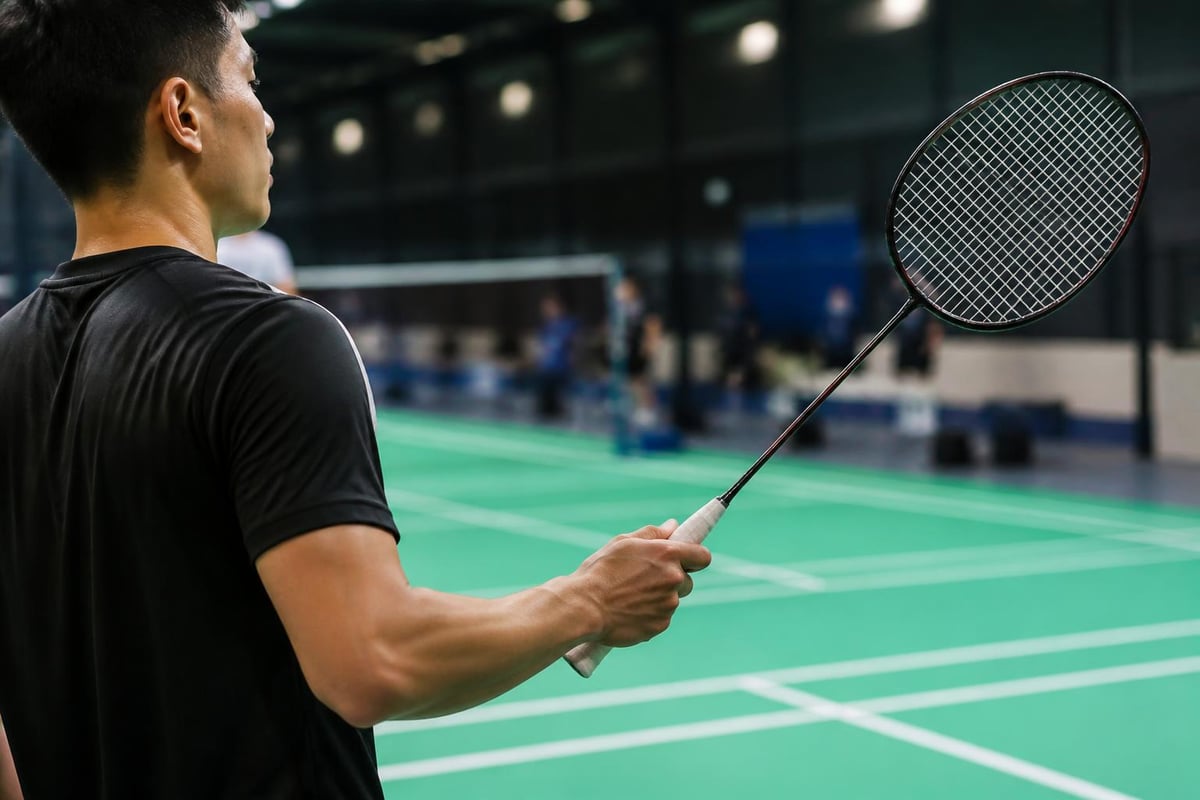
Shaft flexibility ranges from flexible to extra-stiff, with detailed guidance on selecting equipment helping match shaft characteristics to player strength and technique. Flexible shafts generate power through whip action, benefiting beginners and intermediate players still developing consistent swing mechanics. Medium shafts balance power and control for advancing players. Stiff and extra-stiff shafts require greater physical strength but deliver superior control and precision for advanced competitors.
String Tension and Performance Characteristics
String tension creates profound differences in racket performance, representing a critical customization decision when preparing badminton sports gear for competition. Lower tensions (18-22 pounds) produce larger sweet spots and greater shuttle dwell time, generating power through trampoline effect. Higher tensions (24-30 pounds) minimize shuttle contact time, creating sharper control and more accurate placement but demanding precise technique.
| Tension Range | Player Level | Primary Benefits | Trade-offs |
|---|---|---|---|
| 18-20 lbs | Beginner | Maximum power, large sweet spot | Less control, faster string wear |
| 21-23 lbs | Intermediate | Balanced power and control | Moderate sweet spot |
| 24-26 lbs | Advanced | Enhanced control, quick response | Requires consistent technique |
| 27-30 lbs | Professional | Maximum precision, minimal deflection | Very small sweet spot, high tension maintenance |
Professional stringers recommend re-stringing frequency based on play intensity, with competitive players often re-stringing every 2-4 weeks to maintain optimal tension and performance characteristics.
Shuttlecock Types and Selection Criteria
Shuttlecocks divide into two distinct categories-feather and synthetic-each serving specific purposes within comprehensive badminton sports gear inventories. Understanding essential equipment requirements helps organizations allocate budgets effectively between premium competition shuttles and durable practice options.
Feather shuttlecocks remain the gold standard for competitive play:
- Constructed from 16 goose or duck feathers
- Superior flight stability and authentic trajectory
- Optimal speed control across temperature ranges
- Fragile construction requiring frequent replacement
- Higher per-unit cost justified by competition standards
Synthetic shuttlecocks provide economical training solutions:
- Nylon or plastic construction with rubber bases
- Exceptional durability for high-volume practice
- Consistent performance in varying weather conditions
- Different flight characteristics compared to feather shuttles
- Significantly lower replacement costs for training programs
Speed ratings (75, 76, 77, 78, 79) indicate shuttle performance under specific temperature conditions, with lower numbers representing faster speeds for warmer environments and higher numbers indicating slower speeds for cooler conditions. Proper speed selection ensures consistent court coverage and authentic game simulation during training sessions.
Footwear Engineering for Court Performance
Badminton-specific footwear represents non-negotiable badminton sports gear for player safety and performance optimization. Generic athletic shoes lack the specialized construction required for badminton's rapid directional changes, explosive lunges, and sustained court coverage.
Critical Footwear Features
Gum rubber outsoles provide superior grip on indoor court surfaces without leaving scuff marks that damage facilities. The non-marking characteristic protects venue investments while delivering traction necessary for quick starts and emergency stops.
Lateral support structures protect ankles during side-to-side movements that define badminton play patterns. Reinforced heel counters and midfoot stabilizers prevent rolling injuries during extreme directional changes.
Lightweight cushioning systems balance impact protection with court feel, enabling players to maintain agility while protecting joints from repetitive stress. Advanced foam technologies and gel inserts absorb landing forces without adding unnecessary weight.
Breathable upper materials manage moisture during intense training sessions, preventing blisters and maintaining comfort throughout extended play periods. Mesh panels and ventilation channels promote air circulation while maintaining structural integrity.
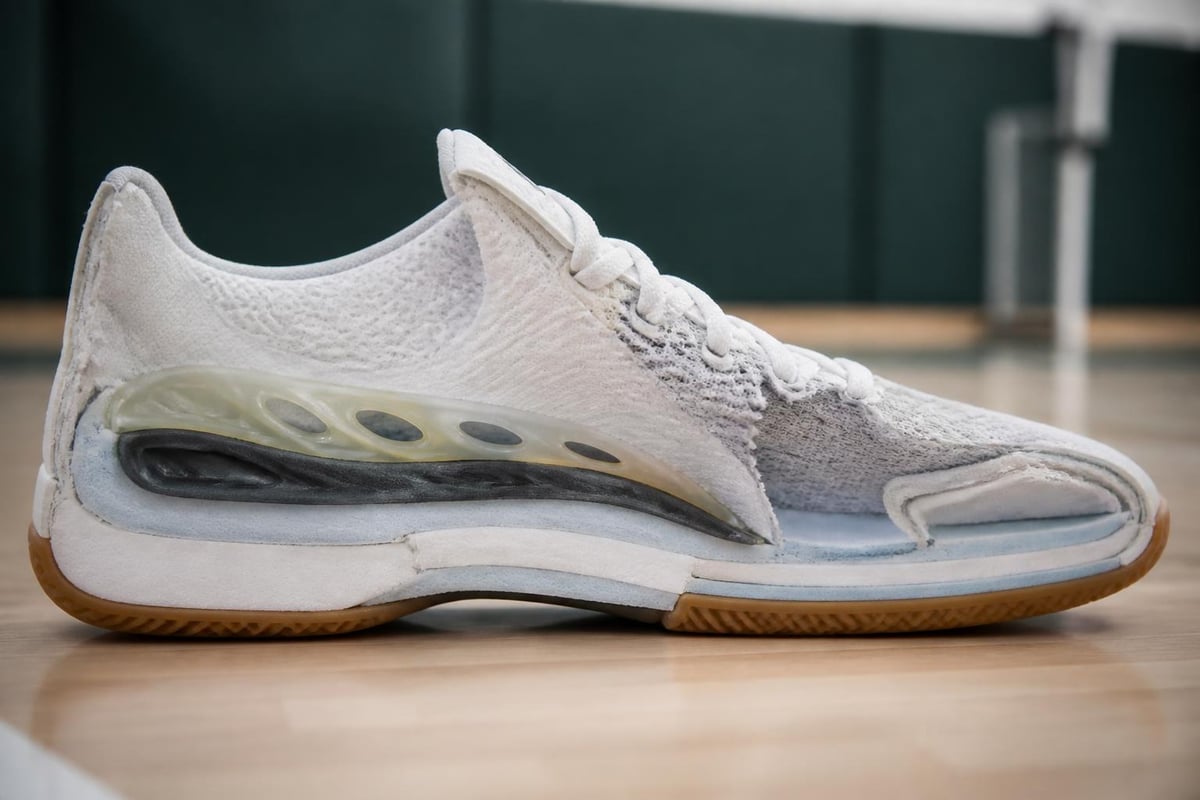
Organizations outfitting teams should stock multiple width options and half-sizes to ensure proper fit across diverse athlete populations. Poorly fitting footwear compromises performance and increases injury risk regardless of technical quality.
Net Systems and Court Infrastructure
Professional-grade net systems form the foundation of quality badminton facilities, with regulation specifications ensuring authentic competitive environments. Standard net height measures 5 feet 1 inch at the edges and 5 feet at center, creating the precise arc essential for proper game dynamics.
Portable net systems serve multi-purpose facilities:
- Quick setup and breakdown for shared spaces
- Adjustable height mechanisms for different age groups
- Weighted base systems eliminating floor anchors
- Transport-friendly designs for mobile programs
Permanent installations provide superior stability:
- Floor-mounted posts with professional tension systems
- Consistent height maintenance across extended use periods
- Minimal setup requirements for daily operation
- Long-term durability justifying higher initial investment
Tournament-quality nets use braided nylon or polyethylene construction with vinyl-coated headbands, maintaining consistent mesh size (approximately 0.75 inches) throughout the net surface. White tape edges with precise width specifications (3 inches) ensure regulation compliance for competitive events.
Court Marking and Surface Requirements
Regulation badminton courts measure 44 feet long by 20 feet wide for doubles play, with singles boundaries reducing width to 17 feet. Professional court marking requires precision that parallels other sports facility standards, establishing clear boundaries that eliminate scoring disputes.
Permanent court surfaces require specialized marking paints or tapes that withstand sustained foot traffic without fading or peeling. Temporary court systems utilize removable tape or chalk products suitable for multi-purpose facilities hosting various sports programs.
Surface composition dramatically affects play quality and injury prevention. Wood flooring provides traditional bounce characteristics and moderate cushioning. Synthetic surfaces offer superior shock absorption and reduced maintenance requirements. Concrete substrates require additional cushioning layers to protect player joints during high-impact movements.
Training Aids and Skill Development Tools
Comprehensive badminton sports gear inventories extend beyond competition essentials to include specialized training equipment accelerating skill development. Modern training aids target specific technical components, enabling coaches to structure progressive development programs.
Ball feeders and shuttlecock launchers automate repetition training:
- Programmable speed and trajectory settings
- Consistent delivery for technique refinement
- Solo practice capabilities reducing coaching demands
- High-volume training without partner requirements
Agility ladders and cone systems develop footwork patterns essential for court coverage. Badminton-specific agility drills emphasize lateral quickness, split-step timing, and explosive directional changes that translate directly to match performance.
Resistance bands and strength training tools build sport-specific power in shoulders, wrists, and legs. Targeted strengthening programs improve smash velocity, jump height for overhead shots, and sustained endurance throughout long matches.
| Training Aid Category | Primary Skills Developed | Typical Usage Frequency |
|---|---|---|
| Shuttle launchers | Stroke mechanics, reaction time | 3-4 sessions weekly |
| Agility equipment | Footwork, court coverage | Daily warm-up integration |
| Resistance tools | Power generation, injury prevention | 2-3 strength sessions weekly |
| Target systems | Accuracy, placement control | Every practice session |
| Video analysis software | Technique refinement, tactical awareness | Weekly review sessions |
Investing in diversified training equipment enables coaches to maintain engagement through varied practice structures while addressing individual athlete development needs within team settings.
Bags and Equipment Transportation
Proper equipment storage and transportation protects significant badminton sports gear investments while maintaining organization for team programs managing multiple athletes. Purpose-designed badminton bags incorporate features addressing the sport's specific equipment dimensions and protection requirements.
Racket compartments include padding and separators preventing frame contact that causes cosmetic damage and structural stress. Quality bags accommodate 2-6 rackets depending on model, with thermal insulation protecting strings from temperature extremes during transport and storage.
Shoe compartments utilize ventilated designs preventing odor buildup while isolating dirty footwear from clean clothing and equipment. Separate shoe storage maintains bag cleanliness and extends overall equipment lifespan.
Accessory pockets organize grips, overgrips, wristbands, towels, and personal items in designated locations enabling quick access during tournaments and practice sessions. Structured organization reduces pre-match stress and ensures athletes maintain proper preparation routines.
Team programs benefit from standardized bag selections creating professional appearances while ensuring adequate capacity for complete equipment sets. Durable construction withstands daily use throughout competitive seasons, protecting organizational investments in player gear.
Grip Replacement and Customization
Grips represent frequently replaced badminton sports gear components, with proper grip maintenance directly affecting racket control and injury prevention. Base grips (replacement grips) and overgrips serve distinct functions within comprehensive grip management systems.
Replacement grips install directly on racket handles:
- Thicker construction providing cushioning and basic traction
- Changed every 2-3 months depending on play volume
- Available in various thickness levels accommodating different hand sizes
- Fundamental layer supporting customization through overgrips
Overgrips wrap over base grips for enhanced feel:
- Thin construction maintaining handle dimensions
- Replaced every 1-2 weeks for competitive players
- Tacky surfaces maximizing control during intense rallies
- Available in moisture-absorbing and synthetic materials
Proper grip sizing ensures optimal racket control without excessive gripping tension that causes arm fatigue and potential injury. Players should comfortably wrap fingers around the handle with fingertips nearly touching the thumb pad, creating secure contact without straining.
Apparel Considerations for Competition
While often overlooked in badminton sports gear discussions, appropriate athletic apparel significantly impacts player comfort and performance during competition. Badminton-specific clothing incorporates technical features addressing the sport's unique physical demands.
Moisture-wicking fabrics manage perspiration during intense rallies lasting 60-90 seconds with minimal rest intervals. Synthetic materials pull sweat from skin surfaces, promoting evaporation that regulates body temperature and maintains comfort throughout long matches.
Strategic ventilation panels enhance airflow in high-heat zones including underarms, back, and chest. Mesh inserts promote cooling without compromising garment structure or creating distracting loose material.
Ergonomic cuts accommodate badminton's explosive movements without restricting range of motion. Raglan sleeves eliminate shoulder seams that can cause irritation during overhead strokes. Articulated knees in shorts or skirts enable deep lunges without binding.
Non-slip waistbands prevent garment shifting during rapid directional changes, maintaining professional appearance and eliminating mid-match adjustments that disrupt focus.
Organizations establishing team uniform standards should prioritize technical performance features over purely aesthetic considerations, ensuring athletes maintain comfort and movement freedom throughout competition schedules.
Maintenance Practices and Equipment Longevity
Strategic maintenance protocols maximize badminton sports gear lifespan, protecting program budgets while ensuring consistent equipment performance. Regular inspection and servicing schedules identify potential failures before they compromise training or competition activities.
Racket maintenance priorities include:
- Monthly frame inspections checking for cracks or structural damage
- String tension monitoring with re-stringing at specified intervals
- Grip replacement schedules based on wear indicators
- Storage in climate-controlled environments preventing warping
Shuttlecock storage requirements emphasize humidity control:
- Feather shuttles stored at 60-70% relative humidity
- Temperature-stable environments preventing feather brittleness
- Proper packaging maintaining shuttle shape during storage
- Rotation systems ensuring older stock gets used first
Footwear care protocols extend shoe lifespan:
- Post-session cleaning removing court debris and dirt
- Air-drying between uses preventing bacterial growth
- Outsole inspections identifying excessive wear patterns
- Replacement timing based on cushioning compression and traction loss
Net systems require periodic tension adjustments maintaining regulation height specifications, with annual inspections checking support posts, tensioning mechanisms, and net material integrity. Proactive maintenance prevents mid-season equipment failures that disrupt training schedules and competition preparation.
Budget Allocation Strategies for Programs
Schools, sports organizations, and athletic programs must allocate limited budgets across complete badminton sports gear inventories while maintaining quality standards necessary for player development. Strategic purchasing approaches balance immediate needs with long-term equipment lifecycle planning.
Priority allocation framework:
- Essential competition gear (40-50% of budget): Regulation-quality rackets, feather shuttlecocks for matches, approved footwear
- Practice equipment (25-35% of budget): Durable synthetic shuttles, training rackets, backup gear
- Facility infrastructure (15-20% of budget): Net systems, court marking, storage solutions
- Development tools (5-10% of budget): Training aids, specialized coaching equipment
Bulk purchasing programs with established suppliers like Sideline Sport Supply reduce per-unit costs while ensuring consistent equipment quality across program participants. Volume discounts enable organizations to maintain adequate backup inventory preventing training disruptions from equipment shortages.
Refurbishment programs for rackets and nets extend functional lifespan through professional re-stringing services and component replacement rather than complete equipment replacement. Strategic refurbishment can reduce annual equipment costs by 20-30% while maintaining performance standards.
Equipment rotation systems ensure even wear distribution across inventory, preventing scenarios where subset of gear experiences accelerated deterioration from overuse. Systematic rotation extends average equipment lifespan and provides consistent player experiences across training sessions.
Safety Equipment and Injury Prevention
While badminton involves less protective equipment than contact sports, specific safety gear addresses common injury patterns associated with the sport's explosive movements and repetitive stress patterns. Comprehensive badminton sports gear programs incorporate protective items reducing injury risk and supporting player longevity.
Knee supports and braces stabilize joints during deep lunges and rapid directional changes characteristic of badminton play. Compression sleeves provide mild support while maintaining full range of motion, suitable for injury prevention during healthy states. Hinged braces offer structural support for athletes recovering from previous injuries or managing chronic instabilities.
Wrist guards protect against repetitive stress injuries from constant racket manipulation and impact absorption. Particularly valuable for developing players still building technique consistency, wrist supports reduce strain during extended training sessions.
Ankle stabilizers prevent rolling injuries during lateral movements and emergency stops. Lace-up ankle braces provide customizable support levels while maintaining court feel essential for footwork precision.
Protective eyewear shields players from shuttlecock impacts during net play and defensive situations. Polycarbonate lenses resist shattering while providing clear vision, with anti-fog coatings maintaining visibility during intense rallies.
Understanding complete equipment requirements including safety considerations helps organizations provide comprehensive player protection while meeting regulatory requirements for scholastic and organizational programs.
Technology Integration and Performance Analysis
Modern badminton sports gear increasingly incorporates technology enabling detailed performance analysis and data-driven training optimization. While traditional equipment remains central to play, supplementary technological tools provide insights previously available only to elite professional athletes.
Wearable sensors track movement patterns, court coverage, and stroke mechanics throughout training sessions and competition. Research into smartwatch-based performance analysis systems demonstrates technology's growing role in fine-grained stroke evaluation and tactical development.
Video analysis software enables frame-by-frame technique review, identifying mechanical inefficiencies and tactical patterns. Modern systems integrate with mobile devices, making sophisticated analysis accessible to programs operating under budget constraints that previously prohibited professional coaching tools.
Performance tracking applications monitor training volume, match statistics, and physical conditioning metrics, helping coaches optimize training loads and prevent overuse injuries. Data visualization features communicate complex performance information in accessible formats supporting athlete self-awareness and development ownership.
Tactical analysis databases utilizing stroke-level annotated datasets enable pattern recognition and strategic preparation against specific opponents. Understanding opponent tendencies through data analysis complements traditional scouting methods, providing competitive advantages in tournament preparation.
Organizations integrating technology into training programs should emphasize how digital tools supplement rather than replace fundamental skill development and traditional coaching expertise. Technology serves as enhancement mechanism, not replacement for quality instruction and deliberate practice.
Selecting Quality Equipment Suppliers
Partner selection significantly impacts badminton sports gear program success, with supplier reliability affecting equipment quality, pricing consistency, delivery timelines, and customer support throughout ownership lifecycle. Evaluation criteria for equipment suppliers should extend beyond initial purchase pricing to encompass total cost of ownership.
Quality assurance standards ensure equipment meets manufacturer specifications and regulatory requirements for competitive play. Reputable suppliers maintain relationships with recognized manufacturers and provide authenticity guarantees protecting against counterfeit products that compromise performance and safety.
Inventory availability prevents training disruptions from stock shortages during critical preparation periods. Established suppliers maintain adequate inventory depth across complete product ranges, enabling rapid fulfillment of both planned purchases and emergency replacement needs.
Technical expertise supports informed purchasing decisions aligned with program requirements and athlete development objectives. Knowledgeable suppliers provide guidance on equipment selection considerations helping organizations maximize value from limited budgets.
Customer service responsiveness addresses questions, resolves order issues, and facilitates returns or exchanges when necessary. Supplier communication quality and problem-resolution capabilities significantly impact long-term partnership satisfaction.
Pricing transparency and consistency enable accurate budget planning without surprise costs or hidden fees. Straightforward pricing structures with clear volume discount thresholds support multi-year financial planning for equipment acquisition and replacement cycles.
Organizations benefit from consolidating purchases with primary suppliers offering comprehensive product ranges rather than managing multiple vendor relationships across fragmented equipment categories. Consolidated purchasing simplifies procurement administration while often unlocking additional volume-based pricing benefits.
Equipping badminton programs with appropriate sports gear requires understanding how each equipment category contributes to player development, safety, and competitive performance. From selecting rackets matched to individual playing styles through implementing systematic maintenance protocols that extend equipment lifespan, comprehensive gear management supports athletic excellence at every level. Sideline Sport Supply provides the reliable equipment, straightforward pricing, and fast fulfillment that coaches and athletic directors need to keep their programs focused on what matters most-developing skilled, confident athletes ready for competition.