

Equipment Volleyball: Essential Gear Guide for Teams
Outfitting a volleyball program requires careful attention to both essential game equipment and supporting training tools that enhance player development. Whether you're managing a school team, coaching a club, or organizing practices for youth athletes, understanding the full spectrum of equipment volleyball programs need ensures players have everything necessary to compete safely and effectively. The right gear investment directly impacts practice quality, player confidence, and overall program success.
Core Game-Day Equipment Requirements
Every volleyball program must start with fundamental game equipment that meets official standards and withstands regular competitive use. The volleyball itself stands as the most critical piece, with distinct specifications for indoor versus beach play affecting ball composition, weight, and panel construction.
Volleyballs for Different Surfaces
Indoor volleyballs typically feature 18-panel leather or composite construction, weighing between 9-10 ounces with a circumference of 25.5-26.5 inches. Beach volleyballs use slightly different specifications, with softer, water-resistant materials and slightly larger circumferences. Programs should maintain multiple balls at various wear stages: new balls for matches, slightly worn balls for competitive drills, and older balls for conditioning exercises.
Quality matters significantly when selecting volleyballs. Premium leather options provide consistent flight patterns and better touch response, while composite materials offer durability at lower price points. Understanding volleyball equipment essentials helps coaches make informed decisions about which ball types best serve their program's needs and budget constraints.
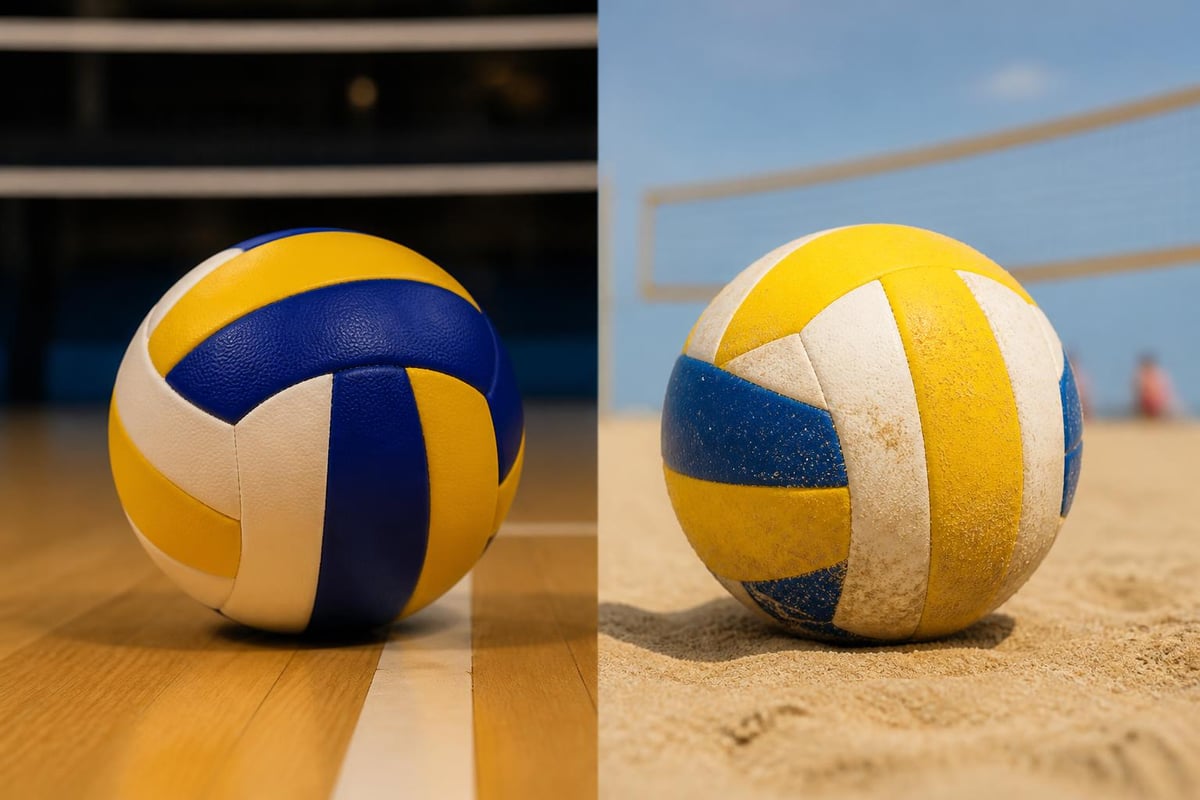
Most programs benefit from maintaining 12-15 practice volleyballs plus 3-4 competition balls. This quantity ensures sufficient equipment for full-team drills without constant rotation waits that reduce practice efficiency.
Net Systems and Court Infrastructure
Net systems represent the largest single investment in equipment volleyball programs make, requiring careful evaluation of portability needs, durability expectations, and installation requirements.
Permanent Versus Portable Systems
Permanent installations offer superior stability and professional appearance but lack flexibility for multi-use facilities. These systems typically feature floor sleeves, tensioning mechanisms, and heavy-duty posts that handle aggressive play without wobbling or shifting.
Portable systems provide versatility for shared gymnasiums or outdoor setups. Modern portable volleyball nets include wheeled bases, quick-height adjustment mechanisms, and adequate weight distribution to maintain tension during play. Schools and organizations operating in multi-sport facilities often prefer portable options despite slightly higher maintenance requirements.
| System Type | Installation Time | Stability Rating | Cost Range | Best For |
|---|---|---|---|---|
| Permanent Floor Sleeve | 2-3 hours initial | Excellent | $800-$2,500 | Dedicated volleyball facilities |
| Portable Weighted Base | 15-20 minutes | Good | $400-$1,200 | Multi-use gymnasiums |
| Outdoor Ground Sleeve | 3-4 hours initial | Very Good | $600-$1,800 | Beach or grass courts |
Net height adjustability becomes essential for programs serving multiple age groups. Official women's height measures 7 feet 4⅛ inches, while men's nets reach 7 feet 11⅝ inches. Youth programs require intermediate settings, making quick-adjustment mechanisms valuable features worth the additional investment.
Volleyball net selection impacts practice flow and setup efficiency, particularly for programs with limited facility access time. The Jaypro Sports collection includes reliable net systems designed for institutional use.
Player Protection and Performance Gear
Individual player equipment focuses on injury prevention and performance enhancement. While less expensive than court infrastructure, protective gear directly affects player safety and confidence during aggressive play.
Knee Pads and Joint Protection
Volleyball demands frequent diving and floor contact, making quality knee pads essential equipment volleyball players at all levels require. Modern knee pads balance protection thickness with mobility, using dense foam padding encased in durable fabric sleeves.
Players should replace knee pads when padding compression reduces shock absorption capability. Visual indicators include permanent indentations, fabric tears, or loosened elastic that allows pads to slip during play. Most competitive players need replacement every 6-8 months with regular use.
Additional protective equipment includes:
- Ankle braces for players with previous injuries or preventive support needs
- Volleyball shoes with gum rubber soles providing court grip without marking
- Padded compression shorts offering hip and tailbone protection
- Finger tape supporting joints during blocking and setting
Footwear Specifications
Volleyball shoes differ significantly from general athletic shoes, featuring gum rubber outsoles that grip indoor courts, reinforced toe caps handling drag during defensive moves, and cushioning systems absorbing repeated jumping impact.
Court shoe selection should prioritize fit security, lateral support, and breathability over aesthetic appeal. Players benefit from trying shoes during practice movements rather than static standing to ensure proper performance characteristics.
Training Equipment for Skill Development
Beyond game-day necessities, comprehensive equipment volleyball training programs incorporate specialized tools accelerating skill development and creating varied practice environments.
Ball Carts and Storage Solutions
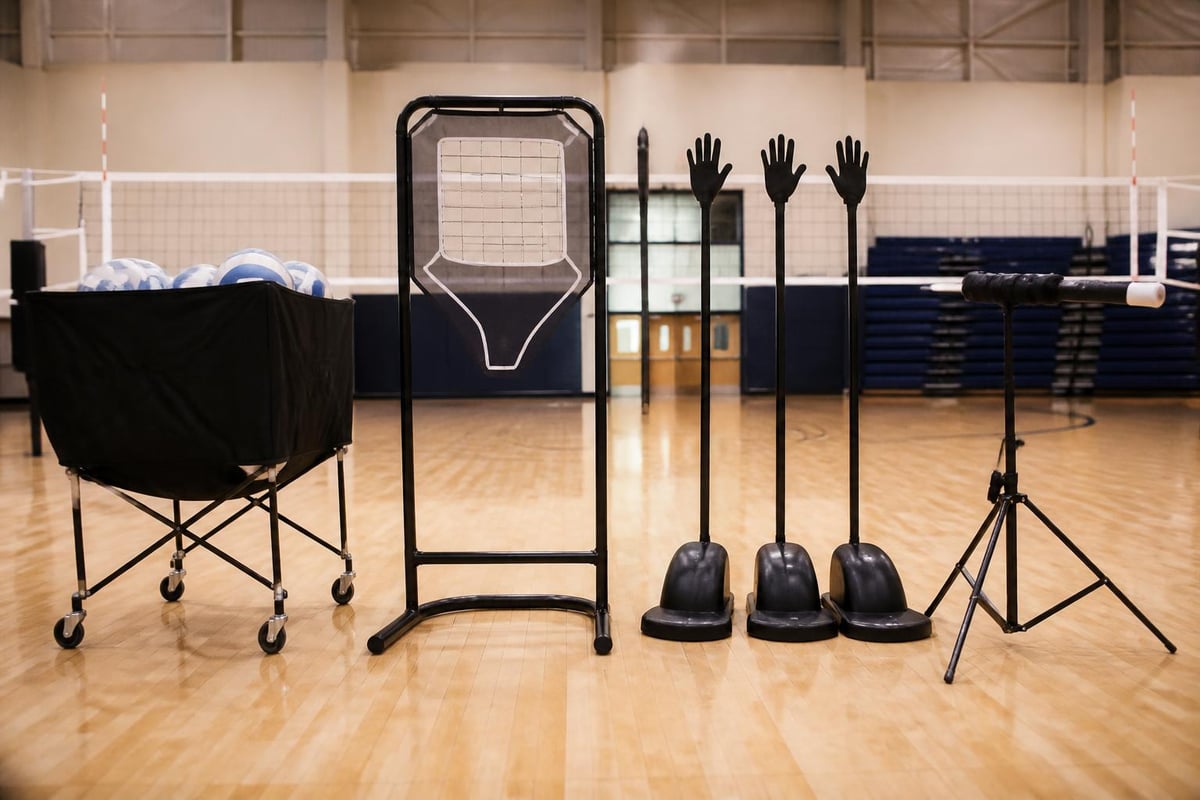
Proper ball storage extends volleyball lifespan while improving practice efficiency. Rolling ball carts holding 15-20 volleyballs eliminate time wasted gathering equipment and keep practice momentum flowing smoothly.
Enclosed storage prevents dust accumulation and protects balls from sunlight degradation when not in use. Many programs designate specific storage areas maintaining consistent temperature and humidity levels that preserve ball integrity.
Training equipment options extend beyond basic storage to include specialized development tools that target specific skills and create repetition opportunities impossible during live play.
Setter Training Tools
Setter targets mounted on net systems provide visual references improving accuracy and consistency. Adjustable target systems allow coaches to modify difficulty levels as players progress, maintaining appropriate challenge throughout skill development.
Portable setter stands enable individual skill work without requiring full court setup. These standalone units support focused repetition sessions before or after team practices, particularly valuable for developing setters needing additional touches beyond regular practice allocation.
Blocking and Hitting Development
Blocking trainers simulate opponent hand positions and teach proper blocking angles without requiring live hitters. Adjustable-height systems accommodate different player sizes and progression levels.
Hitting lines and approach guides help players develop consistent footwork patterns. Floor markers, resistance bands attached to anchor points, and vertical jump measurement systems all contribute to systematic hitting development.
Additional training equipment includes:
- Serving targets placed in specific court zones
- Resistance bands for strength and explosiveness training
- Agility ladders improving footwork quickness
- Rebounders creating solo training opportunities
- Ball machines delivering consistent serves for reception practice
Equipment Maintenance and Longevity
Proper care extends equipment volleyball program lifespans significantly, reducing replacement costs and ensuring consistent performance throughout competitive seasons.
Volleyball Care Protocols
Balls require regular cleaning with damp cloths removing dust and court residue that degrades surface materials. Avoid harsh chemicals or submersion washing that damages internal bladders and panel adhesives.
Storage inflation levels affect ball longevity. Slightly under-inflated storage (compared to game pressure) reduces bladder stress during non-use periods. Check pressure regularly, adjusting to official specifications before practices and matches.
Maintaining volleyball gear properly prevents premature replacement needs and ensures equipment performs consistently throughout its intended lifespan, protecting program investments.
Net System Maintenance
Net cables require periodic inspection for fraying or corrosion, particularly at connection points experiencing the highest stress. Replace compromised cables immediately, as failure during play creates safety hazards and practice interruptions.
Tensioning mechanisms need lubrication every 3-4 months preventing seizing and ensuring smooth adjustment operation. Post padding should receive regular inspection for tears or compression loss, with prompt replacement maintaining player safety during net play.
| Equipment Type | Maintenance Frequency | Key Inspection Points | Average Lifespan |
|---|---|---|---|
| Volleyballs | After each use | Pressure, panel separation, surface damage | 2-3 seasons |
| Net cables | Monthly | Fraying, connection integrity, rust | 5-7 years |
| Knee pads | Weekly | Padding compression, elastic tension, fabric tears | 6-8 months |
| Court shoes | Bi-weekly | Sole separation, tread depth, upper integrity | 1 season |
Protective Gear Cleaning
Machine-washable knee pads should go through cold-water cycles with mild detergent, then air-dry completely before storage. Heat damages elastic components and accelerates padding breakdown.
Players benefit from owning multiple knee pad sets, rotating between practices to allow thorough drying between uses. This rotation prevents odor buildup and extends overall lifespan through reduced continuous wear stress.
Equipment durability strategies include establishing team maintenance protocols where players learn proper care procedures, reducing coach burden while teaching athletes equipment stewardship responsibility.
Organizing Team Equipment Inventory
Systematic inventory management prevents missing equipment disruptions and helps programs plan replacement budgets effectively. Digital tracking systems or simple spreadsheets should document purchase dates, condition assessments, and projected replacement timelines.
Creating Player Equipment Checklists
Standardized equipment lists ensure players arrive prepared for practices and matches. Essential volleyball bag contents typically include personal knee pads, court shoes, athletic tape, water bottles, and backup uniform components.
Programs should communicate equipment expectations clearly during season startup, providing new players sufficient time to acquire necessary items before competitive play begins. Some organizations maintain loaner equipment for athletes facing financial barriers, ensuring full participation regardless of economic circumstances.
Team equipment managers, whether coaches or designated players, benefit from pre-practice and pre-match inspection routines verifying all necessary items are present and functional. This systematic approach prevents last-minute scrambles and maintains professional program standards.
Budgeting for Complete Program Equipment
Schools and organizations must balance equipment quality against budget constraints, prioritizing investments delivering the greatest impact on player development and program success.
Initial Program Setup Costs
New volleyball programs face substantial startup investments covering net systems, initial ball inventory, and basic training equipment. Estimated costs range from $2,500-$5,000 for minimal viable setups to $8,000-$15,000 for comprehensive programs with full training tool inventories.
School volleyball equipment purchasing requires consideration of long-term durability over initial price points. Premium equipment often delivers lower total cost of ownership through extended replacement cycles despite higher upfront investments.
Quality net systems justify premium pricing through multi-year service lives and reduced maintenance demands. Budget systems requiring frequent repairs or early replacement ultimately cost more while creating practice disruptions that limit player development time.
Annual Replacement Planning
Established programs should budget 15-20% of initial equipment costs annually for replacement and expansion needs. This allocation covers normal wear replacement, program growth equipment additions, and emerging training tool investments.
Creating multi-year replacement schedules spreads major purchases across budget cycles, preventing single-year cost spikes that strain organizational finances. Rotating major purchases (net systems one year, complete ball inventory the next) maintains steady equipment quality without overwhelming annual budgets.
Equipment Considerations for Different Competition Levels
Youth, high school, club, and collegiate programs face different equipment priorities reflecting competitive intensity, facility access, and player development focus areas.
Youth and Recreational Programs
Beginning programs emphasize safety and basic skill development over competition-level precision. Slightly softer volleyballs reduce hand impact fear for new players still developing proper passing technique. Adjustable net systems accommodating various age groups provide long-term value as programs expand.
Training equipment should focus on fundamental skill development: serving targets, basic agility tools, and simple passing drills requiring minimal specialized equipment investment. As players progress, programs can add more sophisticated training aids targeting advanced techniques.
Competitive and School Teams
Higher competition levels demand equipment meeting official specifications precisely. Premium volleyballs, professional-grade net systems, and comprehensive training equipment inventories become necessary investments supporting serious player development goals.
Competitive programs benefit from position-specific training tools allowing specialized development time beyond full-team practice sessions. Setter-specific equipment, blocking trainers, and hitting development systems create individualized improvement pathways accelerating player progression.
Teams should maintain separate practice and competition equipment sets, reserving premium items for matches while using slightly worn equipment for daily training. This approach optimizes equipment budgets while ensuring peak performance during competitive situations.
The price match guarantee helps programs maximize equipment budgets by ensuring competitive pricing on essential volleyball gear purchases, allowing more comprehensive inventory development within fixed budget constraints.
Selecting appropriate equipment volleyball programs need involves balancing quality, durability, and budget considerations while prioritizing items directly impacting player safety and skill development. From fundamental game balls and net systems to specialized training tools and protective gear, each equipment category serves specific roles in creating successful programs. Sideline Sport Supply provides the reliable, game-ready volleyball equipment coaches and athletic directors need to outfit complete programs at straightforward prices, helping teams spend less time sourcing gear and more time developing players.