

Basketball Sports Equipment Guide for Teams and Players
Selecting the right basketball sports equipment makes the difference between productive practice sessions and wasted time. Whether you're outfitting a school team, community program, or training facility, understanding what gear truly matters helps optimize your budget while ensuring players have everything they need to develop their skills. From regulation hoops to training accessories, the landscape of basketball equipment has evolved significantly, offering solutions for every competitive level and facility type.
Understanding Core Basketball Sports Equipment Requirements
Every basketball program needs foundational gear that meets both safety standards and performance expectations. The FIBA Equipment & Venue Centre establishes global quality benchmarks that guide equipment selection worldwide, ensuring consistency across competitive levels.
Regulation Hoops and Backboard Systems
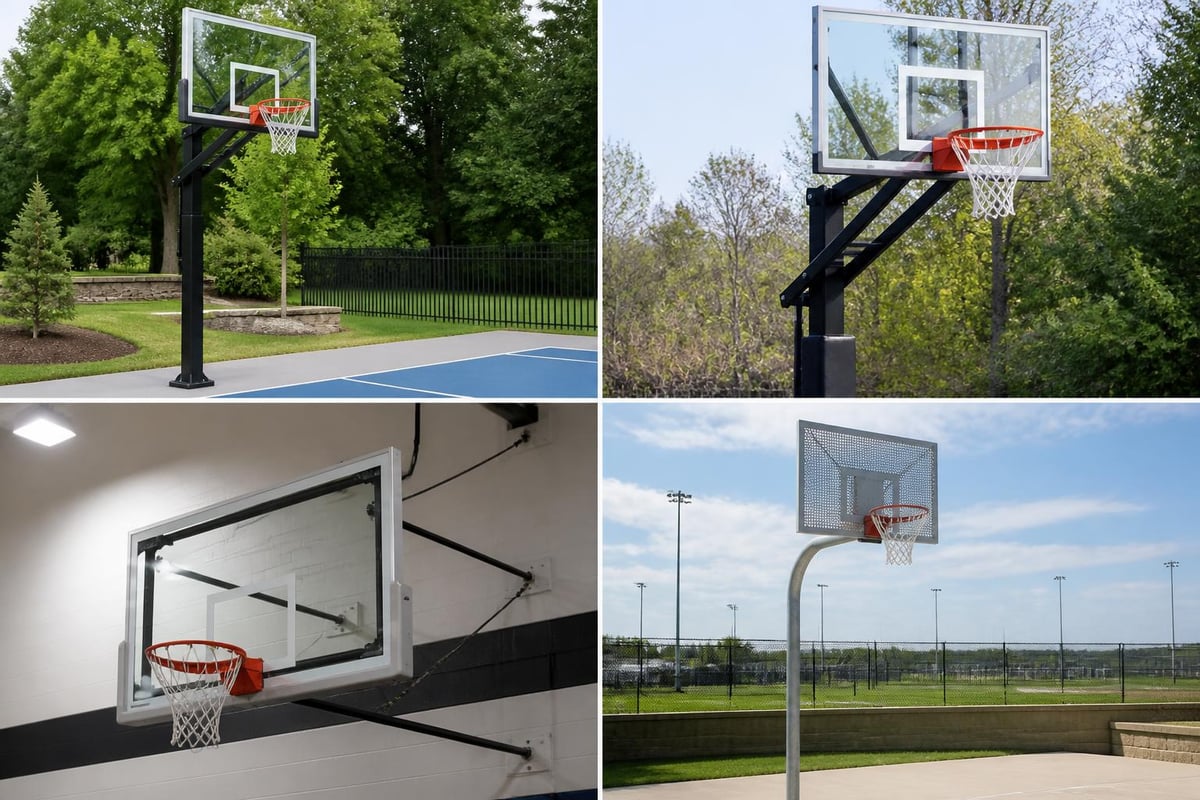
Basketball hoops represent the most significant investment for any program. In-ground systems offer superior stability for competitive play, while adjustable models provide versatility for multi-age facilities.
Key specifications include:
- Backboard size (typically 42" x 72" for competition, 60" for recreation)
- Rim height adjustability (7.5' to 10' regulation)
- Pole diameter and material (galvanized steel for outdoor durability)
- Mounting type (in-ground, wall-mounted, or portable)
Quality basketball hoop systems from Sideline Sport Supply feature reinforced construction designed for years of continuous use. The choice between breakaway and fixed rims depends on usage intensity-breakaway mechanisms reduce stress on backboards during aggressive play.
Basketball Selection by Level and Purpose
Not all basketballs serve the same purpose. Game balls differ substantially from practice balls in construction, materials, and price points.
| Ball Type | Size | Use Case | Typical Lifespan |
|---|---|---|---|
| Official Game Ball | 29.5" (men), 28.5" (women) | Competition only | 1-2 seasons |
| Practice Ball | Standard sizing | Daily training | 6-12 months |
| Youth Ball | 27.5" | Ages 9-11 | 1 season |
| Training Ball | Varies | Skill development | 12-18 months |
Indoor composite leather balls provide superior grip and consistency but wear quickly on outdoor courts. Rubber balls withstand outdoor conditions better but offer less control for advanced players. Programs benefit from maintaining separate inventories for indoor and outdoor use.
Essential Training Equipment for Skill Development
Beyond hoops and balls, basketball sports equipment for training encompasses numerous tools that accelerate player development. These items transform standard practice time into focused skill-building sessions.
Agility and Conditioning Gear
Speed and movement quality separate good players from great ones. Training equipment designed for agility work builds the foundation for court success.
- Agility ladders develop footwork precision and coordination
- Speed parachutes build explosive acceleration
- Resistance bands strengthen lateral movement patterns
- Cone sets create versatile drill configurations
- Jump ropes improve cardiovascular endurance and foot speed
Similar to how football equipment emphasizes position-specific training tools, basketball programs should match training gear to player positions and skill gaps.
Ball Handling and Shooting Aids
Specialized basketball sports equipment helps players isolate specific skill components during practice sessions.
Dribbling enhancement tools:
- Weighted basketballs (1-3 lbs over standard weight)
- Dribble goggles (limit downward vision)
- Cone obstacle courses
- Resistance gloves
Shooting development equipment:
- Shot trainers (attach to rim to limit entry angle)
- Shooting sleeves (promote proper elbow alignment)
- Return nets (increase repetition volume)
- Form shooting targets
According to comprehensive basketball equipment guides, consistent use of training aids reduces skill acquisition time by creating muscle memory faster through focused repetition.
Protection and Safety Equipment
Player safety represents a non-negotiable priority for responsible programs. Modern basketball sports equipment includes protective gear that prevents common injuries without restricting movement.
Knee and Joint Protection
Basketball's high-impact nature stresses joints considerably. Protective equipment mitigates injury risk while allowing full range of motion.
| Protection Type | Primary Benefit | Recommended For |
|---|---|---|
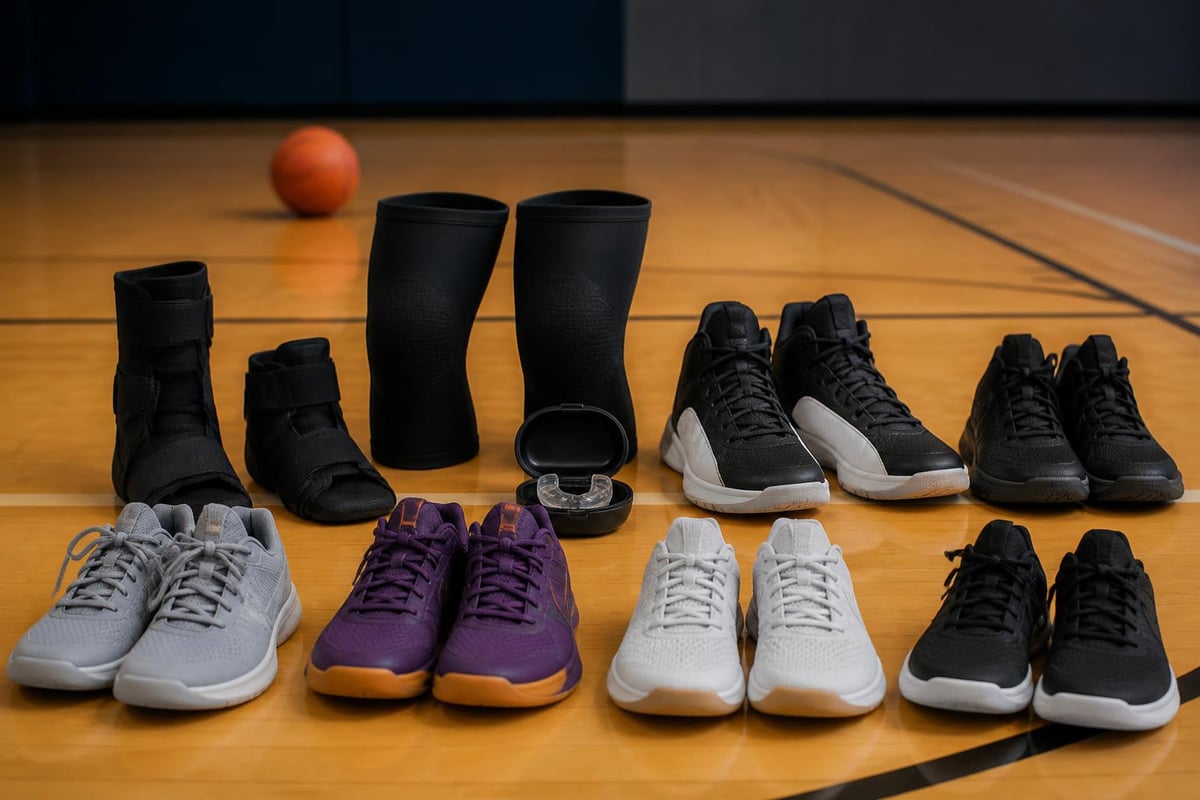
| Compression knee sleeves | Warmth, stability | All players |
| Hinged knee braces | Ligament support | Post-injury recovery |
| Ankle braces | Lateral stability | Players with history of sprains |
| Elbow pads | Impact absorption | Post players |
| Mouthguards | Dental protection | Contact-heavy positions |
Research shows properly fitted protective gear reduces injury rates by approximately 30-40% in competitive settings. The European Standard EN 1270:2005 provides detailed functional and safety requirements that manufacturers should meet.
Footwear Considerations
Basketball shoes constitute critical safety equipment despite being personal items. Coaches should educate players about proper footwear selection based on position and playing style.
High-tops provide maximum ankle support for forwards and centers who battle in the paint. Mid-tops balance support with mobility for versatile players. Low-tops maximize speed and agility for guards prioritizing quickness over protection.
Court Accessories and Game Management Equipment
Complete basketball sports equipment inventories extend beyond what players wear or carry. Game management and court maintenance items ensure smooth operations.
Scorekeeping and Timing Systems
Official competition requires accurate timing and scoring infrastructure. Options range from basic scoreboards to fully integrated systems with shot clocks and possession arrows.
Essential game management items:
- Scoreboard (electronic or manual)
- Game clock (regulation-compliant timing)
- Shot clock (24-second for FIBA, 30-second for NCAA)
- Possession indicator
- Team foul markers
- Substitution horn or buzzer
Budget-conscious programs often start with manual systems and upgrade to electronic solutions as resources allow. The investment improves game flow and reduces timing disputes.
Court Maintenance and Preparation
Proper basketball sports equipment includes tools for maintaining safe playing surfaces and preparing courts for competition.
- Floor sweepers remove dust that creates slipping hazards
- Mop systems clean spills quickly during timeouts
- Court tape marks boundaries and special zones
- Measuring tools verify regulation dimensions
- Padding systems protect players from wall collisions
Clean, well-maintained courts reduce injury risk while projecting professionalism that attracts players and spectators. Regular maintenance extends facility lifespan and preserves equipment investments.
Storage and Transportation Solutions
Organized storage protects basketball sports equipment investments and streamlines practice setup. Proper storage systems prevent damage, reduce replacement costs, and improve operational efficiency.
Ball Storage and Management
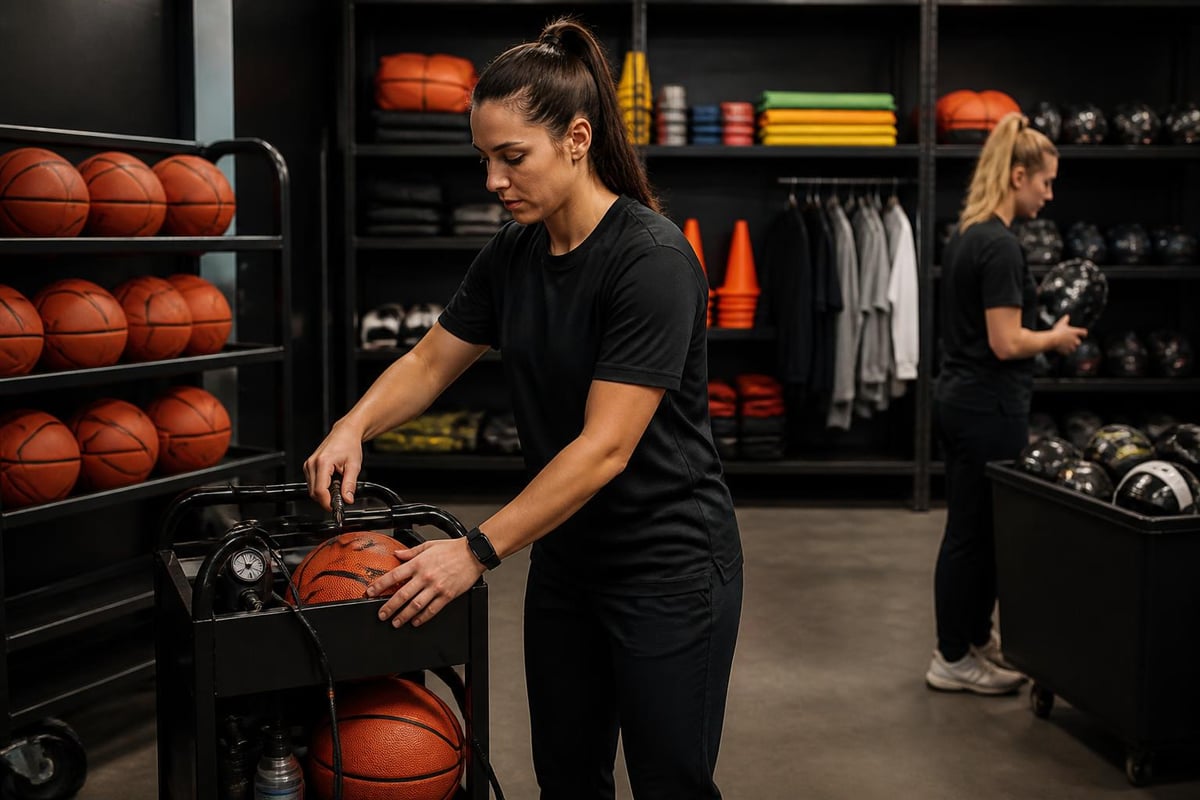
Basketball programs accumulate dozens of balls quickly. Effective storage keeps them inflated, accessible, and accounted for.
- Ball carts (hold 15-30 balls with built-in inflation pumps)
- Wall-mounted racks (maximize vertical space in equipment rooms)
- Mesh bags (portable storage for travel and outdoor sessions)
- Inflation systems (maintain consistent pressure across inventory)
Dedicated storage locations reduce loss rates significantly. Programs report 40-60% fewer missing balls when using systematic storage compared to casual pile storage.
Equipment Bags and Cases
Transportation durability matters for programs that travel frequently. Quality bags protect gear during transport while keeping items organized.
| Bag Type | Capacity | Best For |
|---|---|---|
| Duffle bags | 6-12 balls | Individual coaches |
| Wheeled equipment bags | 15-20 balls + accessories | Team travel |
| Backpack systems | Personal gear | Player use |
| Hard cases | Electronics, timing devices | Valuable equipment |
Investment in proper transportation solutions pays dividends through extended equipment life and reduced replacement frequency.
Coaching Tools and Communication Equipment
Effective coaching requires basketball sports equipment beyond what players use directly. Communication tools and instructional aids help coaches deliver information efficiently during fast-paced practices.
Tactical Boards and Video Equipment
Modern coaching integrates technology with traditional teaching methods. Visual aids accelerate understanding and improve retention.
Essential coaching tools:
- Dry-erase coaching boards (portable and wall-mounted)
- Clipboard-sized tactic boards
- Video recording equipment (tablets, tripods, editing software)
- Play-calling wristbands
- Whistle sets (multiple tones for different signals)
The resource guide for basketball equipment emphasizes that quality coaching tools improve practice efficiency by reducing explanation time and increasing active participation minutes.
Communication Systems
Large gyms and outdoor facilities benefit from amplification equipment that ensures all players hear instructions clearly.
- Portable PA systems
- Headset microphones
- Megaphones (for outdoor use)
- Wireless speaker systems
Clear communication eliminates confusion, reduces repeated instructions, and maintains practice momentum. Programs that invest in amplification report 20-30% more productive practice time.
Facility-Specific Equipment Considerations
Basketball sports equipment needs vary substantially based on facility type and usage patterns. Indoor-only programs have different priorities than facilities accommodating both indoor and outdoor play.
Indoor Facility Equipment
Climate-controlled indoor facilities allow premium equipment choices that wouldn't survive outdoor conditions.
Indoor-specific advantages:
- Glass backboards (superior rebound characteristics)
- Composite leather basketballs (better grip and feel)
- Retractable systems (multi-use facility flexibility)
- Premium flooring accessories (court tape, stanchions)
Quality systems like those available through specialized athletic equipment suppliers provide the durability and performance indoor programs demand. Features such as hydraulic height adjustment and padding systems enhance safety while accommodating multiple age groups.
Outdoor Facility Solutions
Outdoor basketball courts require weather-resistant basketball sports equipment built to withstand environmental challenges.
Weather-resistant specifications:
- Powder-coated steel backboards and poles
- Rust-resistant hardware (stainless steel or galvanized)
- Rubber or composite outdoor basketballs
- UV-resistant net materials
- Concrete-rated anchoring systems
Outdoor equipment faces temperature extremes, precipitation, and UV exposure that accelerate wear. Selecting purpose-built outdoor gear reduces replacement frequency and maintenance requirements.
Multi-Use Facility Equipment
Schools and community centers often share basketball courts with other activities. Flexible basketball sports equipment accommodates varied programming.
- Portable hoop systems (move for volleyball, assemblies)
- Retractable wall-mounted systems (raise out of the way)
- Adjustable-height mechanisms (youth to adult play)
- Quick-change court markings (basketball, volleyball, badminton)
The initial investment in versatile equipment pays returns through expanded facility utilization and programming options. Understanding official basketball equipment standards helps facilities select systems that meet multiple needs without compromising quality.
Budget Planning and Procurement Strategies
Smart basketball sports equipment purchasing balances quality with cost-effectiveness. Strategic procurement ensures programs get maximum value from limited budgets.
Priority-Based Purchasing
Not all equipment deserves equal budget allocation. Categorizing purchases by priority helps programs make strategic decisions.
Tier 1 (Essential, highest quality):
- Basketball hoops and backboards
- Game basketballs
- Player safety equipment
Tier 2 (Important, moderate quality):
- Practice basketballs
- Training accessories
- Storage systems
Tier 3 (Beneficial, budget-friendly):
- Advanced training aids
- Video equipment
- Comfort accessories
This framework prevents overspending on non-essential items while ensuring critical equipment meets quality standards. Programs report 25-35% better budget utilization with systematic prioritization.
Bulk Purchasing and Seasonal Timing
Volume discounts and seasonal sales offer significant savings opportunities for basketball sports equipment.
Cost reduction strategies:
- Purchase balls by the dozen (10-20% savings)
- Buy off-season (April-July typically offers best pricing)
- Bundle related items (hoops, balls, and accessories together)
- Establish vendor relationships (loyalty discounts)
- Consider refurbished equipment for practice use
The detailed basketball equipment checklist helps programs inventory current supplies before purchasing, preventing duplicate orders and wasted budget.
Maintenance and Replacement Schedules
Extending basketball sports equipment lifespan requires proactive maintenance and realistic replacement planning. Well-maintained gear performs better and lasts longer.
Regular Maintenance Tasks
Systematic care prevents premature equipment failure and maintains safety standards.
Weekly maintenance:
- Inspect basketballs for proper inflation (7.5-8.5 PSI)
- Check hoop tightness and stability
- Clean court surfaces
- Inspect nets for fraying
Monthly maintenance:
- Deep clean all basketballs
- Lubricate moving parts on adjustable systems
- Inspect protective padding for wear
- Test electronic scoring systems
Annual maintenance:
- Professional inspection of structural systems
- Replace worn nets and padding
- Refinish or replace damaged backboards
- Update inventory and plan replacements
Documentation of maintenance activities helps identify patterns and predict replacement needs before equipment fails during critical games.
Realistic Replacement Timelines
Even well-maintained basketball sports equipment eventually requires replacement. Planning ahead prevents emergency purchases at premium prices.
| Equipment Category | Expected Lifespan | Replacement Indicators |
|---|---|---|
| Basketball hoops | 10-20 years | Structural rust, unstable mounting |
| Game basketballs | 1-2 seasons | Loss of grip, shape deformation |
| Practice basketballs | 6-12 months | Visible wear, air retention issues |
| Nets | 1-2 years | Significant fraying, breakage |
| Protective padding | 3-5 years | Compression loss, tear damage |
Building replacement costs into annual budgets eliminates funding surprises and ensures continuous program operation.
Selecting Equipment for Different Age Groups
Basketball sports equipment requirements change significantly across age ranges. Youth programs need different specifications than adult competitive leagues.
Youth Program Equipment (Ages 5-12)
Younger players require appropriately sized gear that builds confidence rather than frustration.
- Ball size: 27.5" circumference (size 5)
- Rim height: Adjustable from 7.5' to 9'
- Backboard size: 48-54" adequate for skill development
- Safety emphasis: Extra padding, softer balls for beginners
Adjustable systems provide long-term value by accommodating players as they grow. The investment in youth-appropriate basketball sports equipment significantly impacts early skill development and sport enjoyment.
High School and Competitive Programs (Ages 13-18)
Teenage players transition to regulation equipment that prepares them for college and beyond.
Regulation specifications:
- Ball size: 29.5" (boys), 28.5" (girls)
- Rim height: 10' (regulation only)
- Backboard: 42" x 72" minimum
- Competition-grade goals with breakaway rims
Programs serving this age group should prioritize durability and regulation compliance over cost savings. Players need consistent experience with equipment they'll encounter in competitive settings.
Adult and Professional Programs
Elite-level basketball sports equipment emphasizes performance consistency and meets strict regulatory standards.
Requirements include official game balls, professionally maintained courts, advanced timing systems, and backup equipment for all critical components. Professional standards require significant budget allocation but ensure competition integrity.
Equipping a basketball program properly requires balancing immediate needs with long-term planning, understanding quality differences across equipment categories, and making strategic purchases that maximize both performance and budget efficiency. When you're ready to outfit your team with reliable, game-ready basketball sports equipment, Sideline Sport Supply offers the practical gear and straightforward pricing that gets teams on the court faster-because the best equipment investment is one that supports more playing time and less procurement hassle.