

Badminton Sports Equipment: Complete Guide for 2026
Badminton continues to grow as one of the world's fastest racket sports, demanding specialized equipment that can withstand rapid movements, powerful smashes, and precise placement. Whether you're equipping a school program, building a community recreation center, or supporting competitive athletes, understanding the full spectrum of badminton sports equipment ensures players have the tools they need to develop skills and compete effectively. From the fundamental racket and shuttlecock combination to specialized training aids and court infrastructure, each piece of equipment plays a distinct role in player performance and safety.
Understanding Racket Technology and Selection
The badminton racket represents the most personal piece of equipment for any player, and modern manufacturing has produced remarkable variations in materials, weight distribution, and performance characteristics. Today's rackets utilize advanced carbon fiber composites, graphite alloys, and even nanotechnology integration to deliver specific playing benefits. Understanding these differences helps coaches and program directors make informed purchasing decisions that match player skill levels and playing styles.
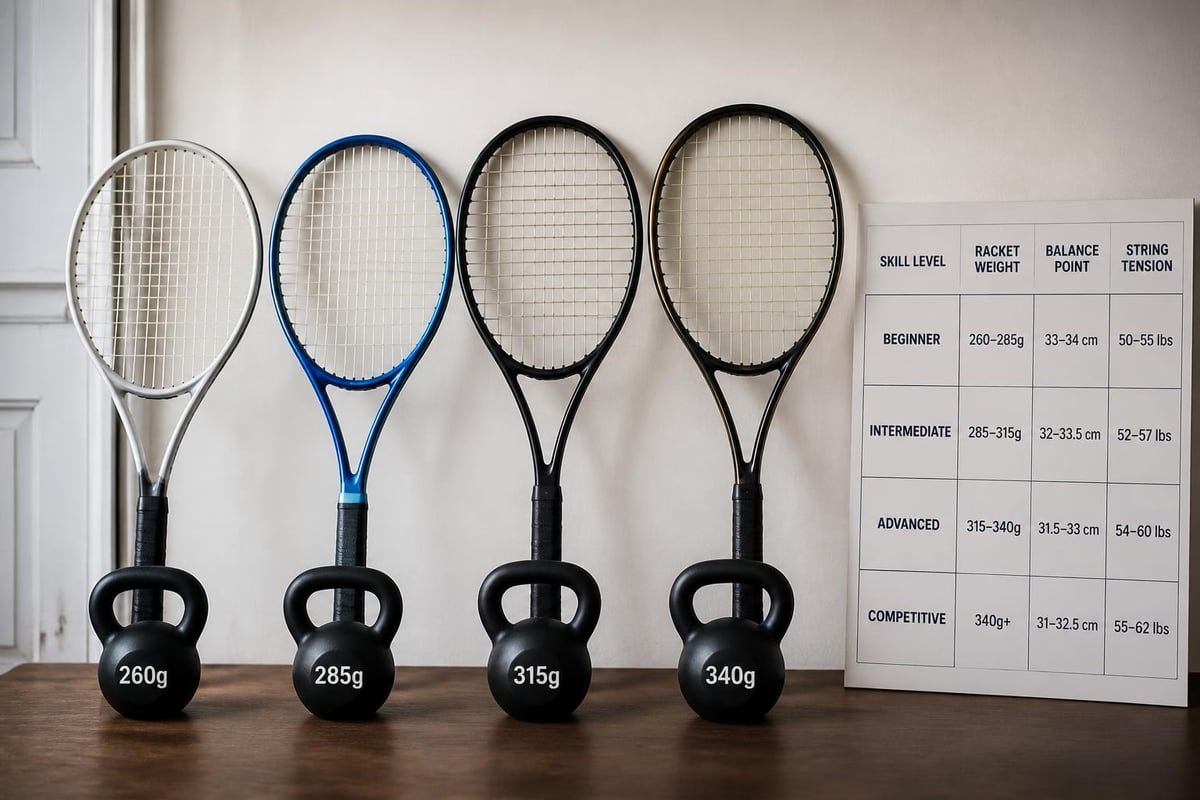
Weight specifications matter significantly when selecting rackets for different age groups and skill levels. Rackets typically range from 75 to 95 grams, with lighter options (75-80 grams) offering better maneuverability for beginners and junior players, while heavier models (85-95 grams) provide more power for advanced athletes. Balance points vary from head-heavy designs that generate smashing power to head-light configurations that enhance defensive capabilities and rapid exchanges.
Grip Size and Customization
Proper grip sizing prevents fatigue and reduces injury risk during extended play sessions. Standard grip sizes range from G2 (largest) to G5 (smallest), with most adult players using G4 or G5 grips. Schools and organizations should maintain equipment inventories that include multiple grip sizes to accommodate diverse player populations.
- Overgrip application extends equipment life and provides fresh tactile feedback
- Replacement grips restore worn-out rackets to playable condition
- Towel grips offer superior moisture absorption for high-intensity training
- Synthetic grips deliver consistent feel across temperature variations
String tension dramatically affects how shuttlecocks respond off the racket face. Lower tensions (18-22 pounds) provide more power and a larger sweet spot, benefiting developing players. Higher tensions (24-30 pounds) offer superior control and touch for advanced competitors. Quality badminton equipment requires attention to string maintenance and regular restringing schedules to maintain performance standards.
Shuttlecock Selection and Performance Factors
Shuttlecocks divide into two primary categories: feathered and synthetic. Each type serves specific purposes within training programs and competitive environments. Feathered shuttlecocks, constructed from 16 goose or duck feathers, remain the standard for tournament play and advanced training due to their authentic flight characteristics and responsive touch. Synthetic shuttlecocks, manufactured from nylon or plastic materials, offer durability advantages for recreational play and high-volume practice sessions.
Speed ratings classify shuttlecocks according to their flight characteristics, typically numbered 75 through 79. Higher numbers indicate slower speeds, with temperature and altitude affecting optimal speed selection. A shuttlecock rated 77 performs ideally at approximately 72-78°F, making environmental conditions an important consideration when stocking equipment for outdoor or climate-variable facilities.
| Shuttlecock Type | Durability | Cost Per Unit | Best Use Case | Flight Accuracy |
|---|---|---|---|---|
| Feather (Goose) | Low | High | Competition, advanced training | Excellent |
| Feather (Duck) | Medium-Low | Medium-High | Club play, intermediate training | Very Good |
| Synthetic Nylon | High | Low | Recreation, beginners, drills | Good |
| Hybrid | Medium | Medium | Practice sessions, skill development | Very Good |
Tournament-grade feathered shuttlecocks typically last 2-3 games before degradation affects performance, while quality synthetic options can withstand 15-20 games. Budget planning for consumable badminton sports equipment should account for these replacement rates based on program intensity and player volume.
Storage and Conditioning
Proper shuttlecock storage extends usable life and maintains consistent performance. Feathered shuttlecocks require humidity control between 60-70% to prevent brittleness or excessive moisture absorption. Many competitive programs use humidity chambers or conditioning boxes to prepare shuttlecocks before matches, ensuring optimal flight characteristics.
Footwear Engineering for Court Performance
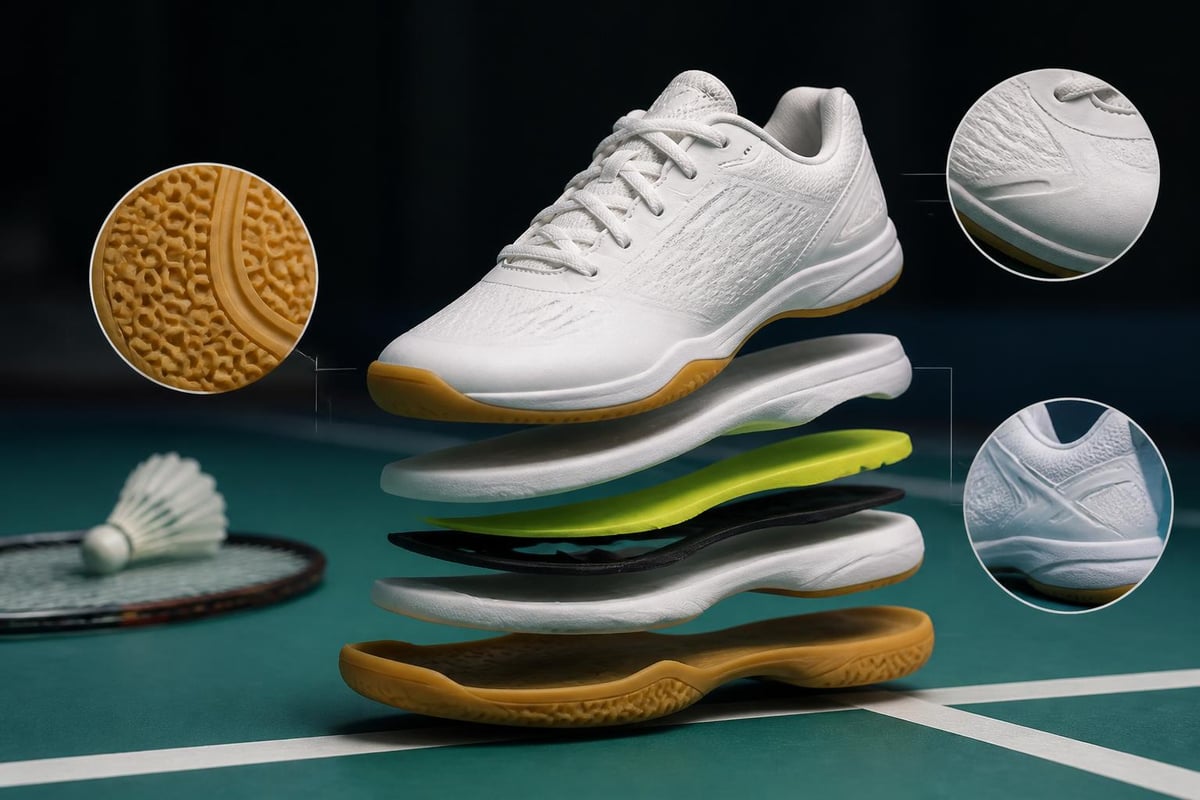
Badminton-specific footwear differs substantially from general athletic shoes, incorporating design elements that address the sport's unique movement patterns. The biomechanical demands of badminton include rapid directional changes, explosive lunging, and sustained lateral movements that require specialized sole construction and ankle support. Research into lower-extremity biomechanics and injury prevention demonstrates how appropriate footwear selection significantly impacts player safety and performance longevity.
Key features distinguishing quality badminton shoes include non-marking gum rubber soles that provide superior grip without damaging court surfaces, reinforced toe boxes that withstand dragging during lunges, and midsole cushioning systems that absorb impact while maintaining court feel. Lateral support structures prevent ankle rolling during quick directional changes, a common injury mechanism in badminton.
Sizing and Fit Considerations
- Length allowance: 0.5-1.0 cm toe space prevents jamming during forward lunges
- Width accommodation: Snug midfoot with adequate toe box width
- Arch support: Matches individual foot structure and pronation patterns
- Break-in period: Minimal required for quality badminton-specific shoes
Weight categories for badminton footwear typically range from 250 to 350 grams per shoe. Lighter options enhance speed and agility for competitive players, while slightly heavier models may offer additional cushioning for recreational participants or those with existing joint concerns. Programs serving diverse populations benefit from maintaining equipment inventories that include multiple weight and support categories.
Court Systems and Infrastructure Equipment
Complete badminton facilities require standardized court dimensions, net systems, and boundary marking that comply with international regulations. A regulation badminton court measures 44 feet long by 20 feet wide for doubles play, with singles sidelines reducing width to 17 feet. Quality court marking-whether permanent paint, semi-permanent tape, or portable lines-ensures clear boundaries and professional presentation.
Net systems represent critical infrastructure within the category of badminton sports equipment. Regulation nets measure 5 feet 1 inch at the posts and 5 feet at center court, maintained by either permanent tensioned systems or portable stands. Portable net systems offer flexibility for multi-use facilities, allowing quick conversion between sports while maintaining regulation standards.
Post options include:
- Permanent floor-mounted posts with tensioning mechanisms
- Weighted portable bases for temporary court setup
- Ceiling-mounted tension systems for dedicated facilities
- Integrated post-net combinations for rapid deployment
Court surface selection impacts both performance and safety outcomes. Wooden sprung floors provide optimal shock absorption and foot stability for dedicated badminton facilities. Synthetic court surfaces offer durability and lower maintenance requirements for multi-sport environments. Surface grip coefficient, impact absorption rating, and vertical deflection characteristics all contribute to player experience and injury prevention.
Training Aids and Skill Development Tools
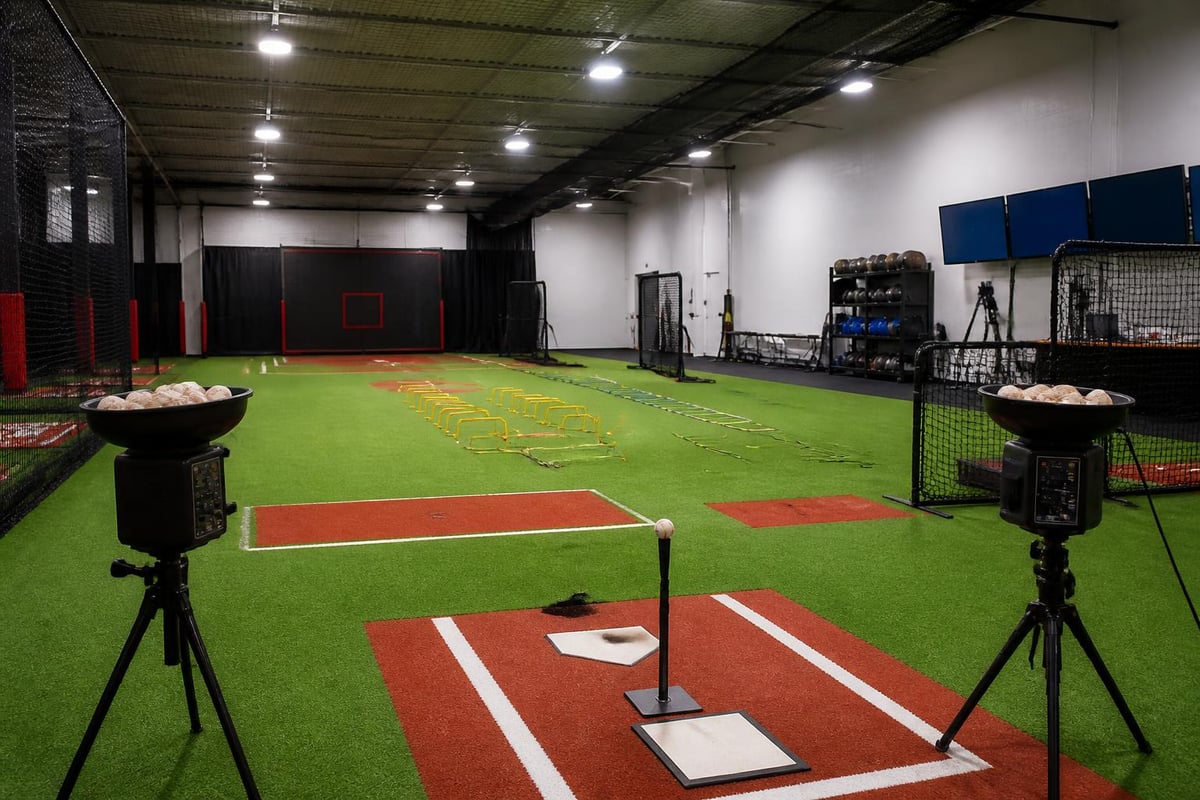
Modern badminton programs increasingly incorporate specialized training equipment that accelerates skill acquisition and builds specific performance attributes. Ball machines and shuttlecock feeders allow players to practice stroke mechanics with consistent delivery patterns, enabling high-repetition training without requiring practice partners. These devices range from basic gravity-fed models to programmable systems that vary speed, trajectory, and launch angle. Similar training principles apply across racket sports, as discussed in our overview of essential sports equipment for various athletic programs.
Resistance training equipment specifically designed for badminton includes weighted rackets that build swing speed and power, resistance bands that strengthen rotation muscles, and agility ladders that improve footwork patterns. These supplementary tools complement court time by addressing physical preparation and movement quality.
Analytical Technology Integration
Emerging technology transforms how coaches evaluate and improve player performance. Wearable sensor systems now provide fine-grained analysis of stroke mechanics, movement patterns, and physical exertion during training and competition. These badminton sports equipment innovations help identify technical inefficiencies and track progress over time with objective data.
Video analysis systems, including virtual reality coaching tools, allow players to review performance from multiple angles and compare movements against elite models. When combined with tactical analysis datasets, these technologies provide comprehensive performance feedback that was previously available only to elite programs.
Protective Gear and Safety Equipment
While badminton presents lower contact injury risk compared to many sports, appropriate protective equipment prevents common issues associated with repetitive motion and accidental contact. Knee pads protect against floor impact during diving saves and lunging movements, particularly important for defensive specialists and developing players still mastering movement efficiency.
Eye protection, though less common in recreational play, provides important safety benefits for competitive environments where shuttlecock speeds can exceed 200 mph during smashes. Polycarbonate sports glasses or goggles designed for racket sports offer impact protection without restricting peripheral vision.
| Protective Item | Primary Benefit | Recommended For | Typical Lifespan |
|---|---|---|---|
| Knee Pads | Impact absorption | Defensive players, juniors | 6-12 months |
| Ankle Braces | Joint stabilization | Players with history of sprains | 3-6 months |
| Elbow Supports | Tendon protection | High-volume players | 4-8 months |
| Wrist Bands | Moisture control, minor support | All levels | 2-4 months |
Compression garments and support sleeves help maintain muscle temperature and provide proprioceptive feedback that some players find beneficial for movement awareness. While not strictly protective, these items contribute to overall comfort and may reduce fatigue during extended training sessions.
Accessory Equipment for Complete Programs
Comprehensive badminton programs require various accessory items that support smooth operations and player development. Equipment bags designed specifically for badminton accommodate multiple rackets with protective compartments, separate storage for shoes and apparel, and organizational pockets for accessories like grips, strings, and shuttlecocks.
Stringing machines represent essential equipment for programs seeking to maintain racket performance in-house. Electronic machines provide precise tension control and faster operation, while manual drop-weight systems offer reliable performance at lower initial investment. The ability to restring equipment on-site reduces downtime and allows customization to individual player preferences.
Court maintenance equipment includes:
- Floor cleaning systems designed for sports surfaces
- Net height gauges ensuring regulation compliance
- Line marking templates for court setup accuracy
- Shuttlecock retrieval systems for efficient practice management
Scorekeeping equipment ranges from simple flip-score systems for practice matches to electronic scoreboards for competitive facilities. Digital boards often integrate with timing systems and can display additional information like serving rotation and match statistics. Organizations investing in quality athletic facility equipment create professional environments that enhance player experience and spectator engagement.
Equipment Procurement Strategies for Organizations
Schools, clubs, and sports organizations face unique challenges when sourcing badminton sports equipment at scale. Bulk purchasing agreements can significantly reduce per-unit costs while ensuring consistent equipment quality across programs. Many suppliers offer educational and institutional pricing that provides substantial savings compared to retail purchases.
Quality assessment begins with understanding certification standards and manufacturer specifications. International Badminton Federation (BWF) approval indicates equipment meets competitive standards, though recreational programs may find non-certified options offer adequate performance at better price points. Balancing quality requirements with budget constraints requires clear understanding of program objectives and participant skill levels.
Equipment Lifecycle Management
- Initial specification: Define requirements based on program level and participant needs
- Vendor evaluation: Compare suppliers on quality, pricing, and fulfillment capabilities
- Inventory establishment: Stock sufficient quantities to accommodate all participants
- Maintenance scheduling: Implement regular restringing, replacement, and cleaning protocols
- Replacement planning: Budget for consumable items and worn equipment updates
Establishing relationships with reliable suppliers ensures consistent product availability and responsive customer service. Organizations benefit from working with vendors who understand institutional needs, offer flexible payment terms, and provide straightforward pricing without hidden costs. The ability to quickly restock consumables like shuttlecocks prevents program disruptions during peak seasons.
Storage and Organization Systems
Proper equipment storage extends lifespan and maintains ready-to-use condition for all badminton sports equipment. Racket storage should prevent contact damage while allowing air circulation to prevent moisture buildup. Wall-mounted racks, rolling carts with individual compartments, and secure cabinets each serve specific organizational needs based on facility layout and security requirements.
Climate-controlled storage areas protect sensitive items like feathered shuttlecocks and string reels from humidity extremes that degrade performance. Dedicated storage zones for different equipment categories (rackets, footwear, shuttlecocks, accessories) streamline distribution and inventory management while teaching players organizational responsibility.
Mobile storage solutions offer flexibility for programs sharing facilities with other sports. Rolling cart systems allow complete badminton setups to be wheeled into position and secured when not in use, maximizing facility utilization. These systems work particularly well in schools and community centers operating multi-sport programs, similar to the versatility needed for diverse athletic equipment inventories.
Matching Equipment to Player Development Stages
Player progression through skill levels requires corresponding equipment adjustments to support continued development. Beginner programs benefit from durable, forgiving equipment that builds confidence and fundamental skills without overwhelming players with performance nuances they cannot yet exploit. Junior rackets with shorter shafts and lighter weights accommodate smaller stature and developing strength.
Intermediate players transitioning to competitive play require equipment that responds to improving technique and power generation. This stage often involves experimenting with different racket specifications, string tensions, and shuttlecock grades to identify personal preferences. Access to varied equipment options accelerates this discovery process and helps players understand how equipment choices affect their game.
Advanced and elite players demand precision equipment that complements highly developed skills and tactical sophistication. Tournament-grade feathered shuttlecocks, professionally strung rackets with specific tension profiles, and performance footwear become non-negotiable requirements. Research into tactical analysis and strategy modeling demonstrates how equipment consistency affects high-level play execution.
Progressive Equipment Investment
| Development Stage | Racket Investment | Shuttlecock Type | Replacement Frequency | Total Annual Cost* |
|---|---|---|---|---|
| Beginner (0-6 months) | $30-50 | Synthetic | Quarterly | $200-300 |
| Intermediate (6-18 months) | $60-100 | Synthetic/Hybrid | Bi-monthly | $400-600 |
| Advanced (18+ months) | $100-180 | Feather (duck) | Monthly | $800-1200 |
| Elite Competitive | $150-250+ | Feather (goose) | Bi-weekly | $1500-2500+ |
*Estimated per player including racket, strings, grips, shuttlecocks, and footwear
Seasonal Planning and Budget Allocation
Annual equipment budgets for badminton programs should account for both fixed infrastructure costs and variable consumable expenses. Initial facility setup represents the largest investment, including court systems, net assemblies, and durable training equipment. Once established, ongoing costs focus primarily on shuttlecock replacement, racket restringing, and periodic updates to worn items.
Seasonal demand fluctuations affect procurement timing and inventory management. Many programs experience increased participation during indoor seasons (fall and winter), requiring larger shuttlecock inventories and more frequent equipment maintenance. Planning procurement cycles around these patterns prevents shortages during peak periods while avoiding excess inventory carrying costs.
Smart organizations leverage comprehensive equipment suppliers who provide diverse athletic equipment across multiple sports, allowing consolidated ordering that reduces shipping costs and simplifies vendor management. Cross-sport facilities particularly benefit from suppliers offering everything from volleyball systems to basketball equipment, enabling one-stop procurement for entire athletic programs.
Quality Indicators and Product Assessment
Distinguishing quality badminton sports equipment from inferior alternatives requires understanding key performance indicators and manufacturing standards. Racket flex characteristics, measured in categories from extra-stiff to flexible, dramatically affect power transfer and control. Better rackets maintain consistent flex properties over time, while cheaper alternatives develop dead spots or unpredictable response as materials fatigue.
Shuttlecock quality assessment focuses on feather uniformity, base construction, and flight stability. Premium feathered shuttlecocks use carefully matched feathers with consistent dimensions, producing predictable trajectories and rotational stability. Lower-quality shuttlecocks show visible feather variations, wobbling flight paths, and premature feather separation.
Quality assessment checklist:
- Racket: Frame integrity under tension, joint construction quality, finish durability
- Shuttlecock: Feather symmetry, base roundness, flight consistency over temperature ranges
- Footwear: Sole compound grip, stitching reinforcement, cushioning compression resistance
- Nets: Mesh uniformity, edge binding quality, tension cable strength
- Training aids: Mechanical reliability, adjustment range, construction durability
Understanding these quality markers helps procurement decisions focus on total cost of ownership rather than simply initial purchase price. A moderately expensive racket that lasts three seasons provides better value than cheaper alternatives requiring annual replacement. Comprehensive guides to selecting quality badminton equipment help buyers make informed decisions based on specific program needs.
Maintenance Protocols and Equipment Care
Systematic maintenance extends badminton sports equipment lifespan while ensuring consistent performance. Rackets benefit from regular inspection for frame cracks, loose grommets, and string wear. Professional restringing at appropriate intervals (every 20-30 playing hours for competitive use) maintains optimal tension and responsiveness. Players should wipe down frames and grips after use to prevent corrosion and material degradation.
Shuttlecock conditioning before use, particularly for feathered varieties, significantly improves performance and durability. Steaming shuttlecocks in humid environments for 15-30 minutes before play softens feathers and reduces breakage during initial impacts. This simple protocol can extend shuttlecock life by 25-40% in dry climates.
Footwear maintenance includes regular cleaning to prevent sole compound degradation, air-drying after use to eliminate moisture, and rotation between multiple pairs to allow complete drying between sessions. Proper care maintains grip characteristics and prevents premature wear patterns that affect stability and injury risk.
Inventory Management Systems
- Check-out protocols: Track equipment assignment and return condition
- Maintenance logs: Record restringing dates, repairs, and replacement schedules
- Usage monitoring: Identify high-wear items requiring more frequent replacement
- Condition grading: Systematically assess equipment status for rotation decisions
- Replacement forecasting: Anticipate needs based on usage patterns and lifecycle data
Digital inventory systems streamline these processes for larger programs, while simple spreadsheets suffice for smaller operations. The key is consistency in documentation and regular physical inventory verification to ensure records match actual equipment status.
Selecting appropriate badminton sports equipment requires balancing performance requirements, budget constraints, and player development objectives across all program levels. From fundamental rackets and shuttlecocks to sophisticated training technology and facility infrastructure, each equipment category contributes to creating environments where athletes can develop skills and compete effectively. Whether you're launching a new badminton program, upgrading existing equipment, or maintaining ongoing operations, Sideline Sport Supply delivers the reliable, affordable equipment and straightforward service that keeps your focus on player development rather than procurement challenges.