

Training Equipment for Sports: A Complete Buyer's Guide
Athletes at every competitive level depend on quality training equipment for sports to develop skills, build strength, and maintain peak performance throughout the season. Whether you're equipping a high school team, managing a youth sports program, or coaching competitive athletes, the right training tools can dramatically accelerate player development and reduce injury risk. From strength and conditioning gear to sport-specific skill trainers, today's equipment market offers solutions for every budget and training objective. Understanding which equipment delivers the best return on investment helps coaches and athletic directors make informed purchasing decisions that benefit their programs for years to come.
Essential Strength and Conditioning Equipment
Building foundational strength remains critical for athletes across all sports disciplines. The right strength training gear supports progressive development while maintaining safety during high-intensity workouts.
Weight Training Fundamentals
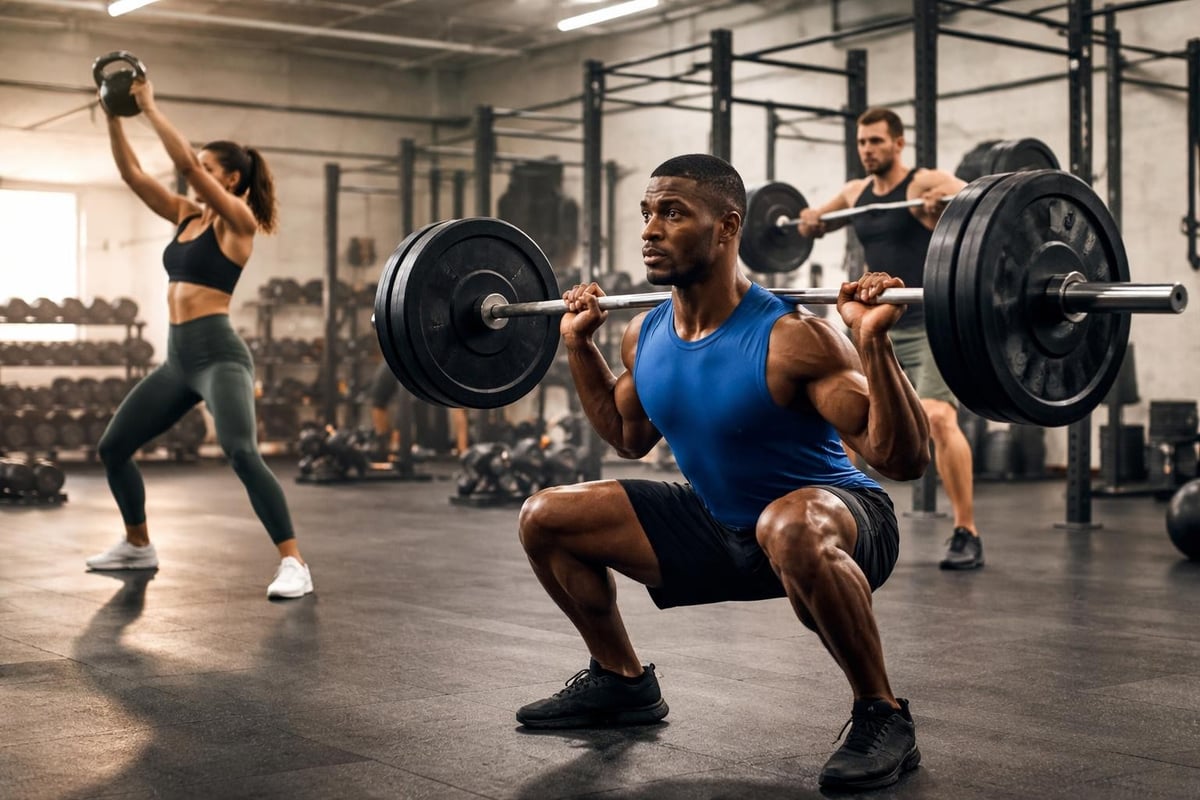
A power rack serves as the cornerstone of any serious strength training program, providing the safety infrastructure needed for heavy squats, bench presses, and overhead lifts. These versatile units allow athletes to train with maximum effort while built-in safety catches prevent accidents during failure.
Adjustable weight benches complement power racks by enabling a wide range of exercises beyond basic lifts. According to expert reviews on weight benches, features like adjustable incline positions, sturdy construction, and weight capacity ratings determine long-term value for athletic programs.
Key considerations for weight training equipment:
- Load capacity matching your strongest athletes' requirements
- Adjustability for multi-user environments with varying skill levels
- Durability ratings for high-volume training environments
- Space efficiency in crowded training facilities
- Safety features including spotter arms and secure locking mechanisms
Free weights including barbells, dumbbells, and weight plates remain essential despite technological advances in training equipment for sports. These tools develop functional strength patterns that translate directly to athletic movements on the field or court.
Explosive Power Development
Plyometric training builds the explosive power athletes need for jumping, sprinting, and quick direction changes. Plyo boxes represent one of the most cost-effective investments for developing lower-body explosiveness across multiple sports.
These stackable platforms come in various heights, allowing progressive overload as athletes develop greater jumping capacity. Quality plyo boxes feature non-slip surfaces and reinforced construction to withstand thousands of repetitions without degradation.
| Equipment Type | Primary Benefit | Best For | Typical Cost Range |
|---|---|---|---|
| Plyo Boxes | Explosive power | All sports | $100-$400 |
| Speed Ladders | Footwork agility | Field sports | $15-$50 |
| Resistance Bands | Variable resistance | Rehab/conditioning | $20-$150 |
| Medicine Balls | Core strength | Team training | $30-$120 |
Medicine balls add another dimension to explosive training, particularly for rotational power development crucial in baseball, golf, tennis, and throwing sports. Athletes can perform partner drills, wall throws, and slam exercises that build functional strength patterns.
Sport-Specific Skill Development Tools
While general conditioning matters, sport-specific training equipment for sports accelerates skill acquisition in ways that generic fitness gear cannot match.
Basketball Training Equipment
Basketball programs benefit tremendously from skill-specific training aids that increase repetition volume. The Gun shooting machine represents the premium tier of basketball training technology, automatically rebounding and passing balls back to shooters for maximum shot attempts per practice session.
For programs with smaller budgets, shooting targets, dribble goggles, and cone sets provide substantial value. These tools help players develop muscle memory for fundamental skills that form the foundation of competitive play.
Basketball training essentials:
- Adjustable hoops for youth player development
- Ball return systems for efficient shooting practice
- Agility cones for defensive footwork drills
- Resistance bands for vertical jump training
- Rebounding aids for solo practice sessions
Athletes looking to buy basketball hoops should consider height adjustability, backboard size, and stability features that accommodate different age groups and skill levels within their programs.
Team Sports Field Equipment
Soccer, lacrosse, and field hockey programs require durable training equipment for sports that withstands outdoor conditions and intensive use. Goal nets represent one of the most frequently replaced items, making quality construction and weather resistance essential purchasing criteria.
Portable goals enable practice flexibility, allowing coaches to configure field layouts for small-sided games and specific drill patterns. Investing in goals with reinforced frames and ground anchor systems prevents equipment damage during high winds or intense gameplay.
Agility training equipment including hurdles, speed parachutes, and resistance sleds develops the acceleration and change-of-direction abilities that separate elite players from average competitors. These tools integrate seamlessly into warm-up routines and conditioning blocks.
Resistance Training Innovation
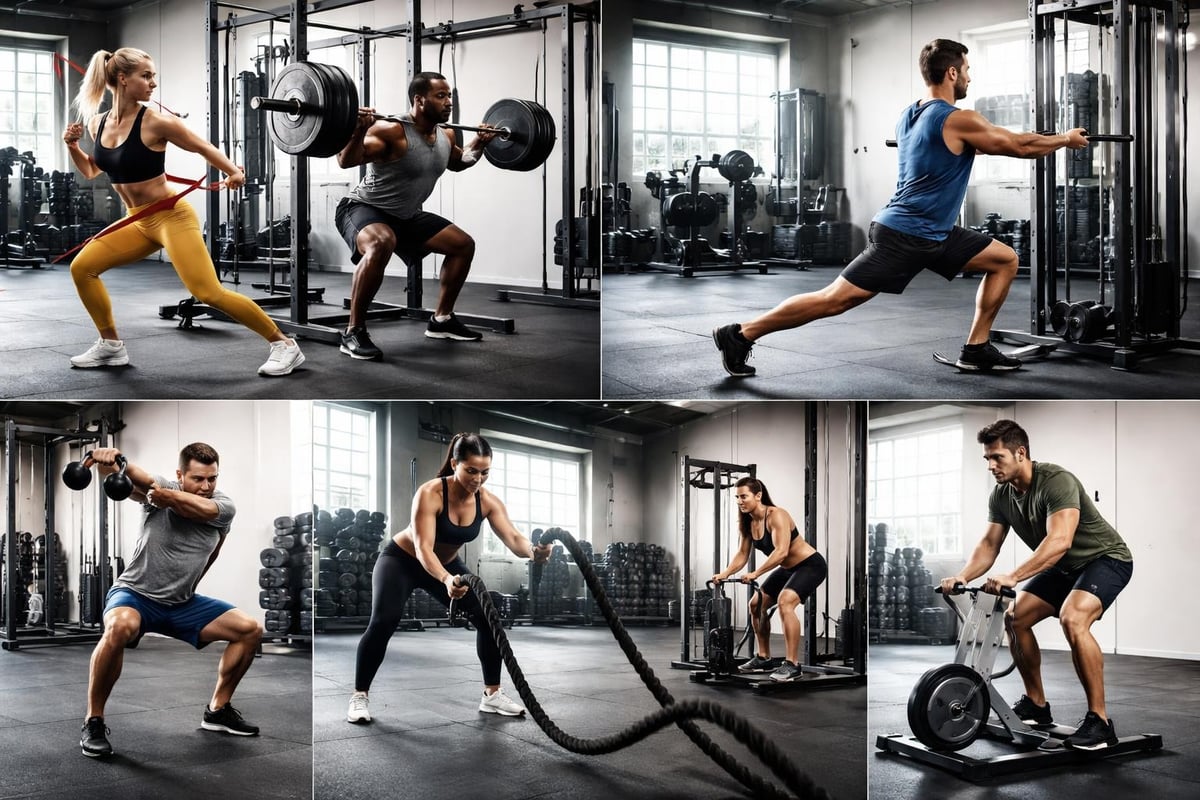
Resistance bands have evolved from simple rehabilitation tools into sophisticated training equipment for sports performance. Modern band systems offer variable resistance that challenges muscles throughout entire movement ranges, unlike traditional weights that create inconsistent tension curves.
The kBox flywheel system represents cutting-edge resistance technology, using inertia-based loading to maximize both concentric and eccentric muscle activation. While these systems carry premium price points, they deliver unique training stimuli unavailable through conventional equipment.
Recovery and Injury Prevention Equipment
Smart training programs balance intensity with adequate recovery protocols. Equipment supporting recovery processes keeps athletes healthy and performing at peak levels throughout demanding competitive seasons.
Mobility and Flexibility Tools
Foam rollers, massage guns, and stretching aids have transitioned from luxury items to essential components of professional training equipment for sports programs. These tools enable athletes to perform self-myofascial release between formal treatment sessions, maintaining tissue quality during heavy training blocks.
Stretching straps and resistance bands assist athletes in achieving proper positioning during flexibility work, particularly for tight muscle groups common among power athletes. Programs should stock various resistance levels to accommodate different strength capabilities and flexibility requirements.
Protective Training Gear
Quality protective equipment allows athletes to train with confidence during contact drills and competitive scrimmages. Youth football pads must balance protection with mobility, allowing young athletes to develop proper technique without restriction.
Similar considerations apply across contact sports including hockey, lacrosse, and martial arts. Equipment should meet current safety standards while remaining durable enough to withstand daily practice environments.
Protective equipment priorities:
- Current safety certification compliance
- Proper sizing across all age groups and body types
- Easy maintenance and cleaning protocols
- Replacement schedules based on manufacturer guidelines
- Storage solutions preventing premature deterioration
Organizations focused on team sales can often negotiate volume discounts on protective gear, significantly reducing per-athlete costs for entire rosters.
Monitoring and Assessment Technology
Data-driven training requires equipment that measures performance metrics, tracks progress, and identifies areas requiring additional focus. Modern training equipment for sports increasingly incorporates technology that quantifies athletic development.
Speed and Agility Measurement
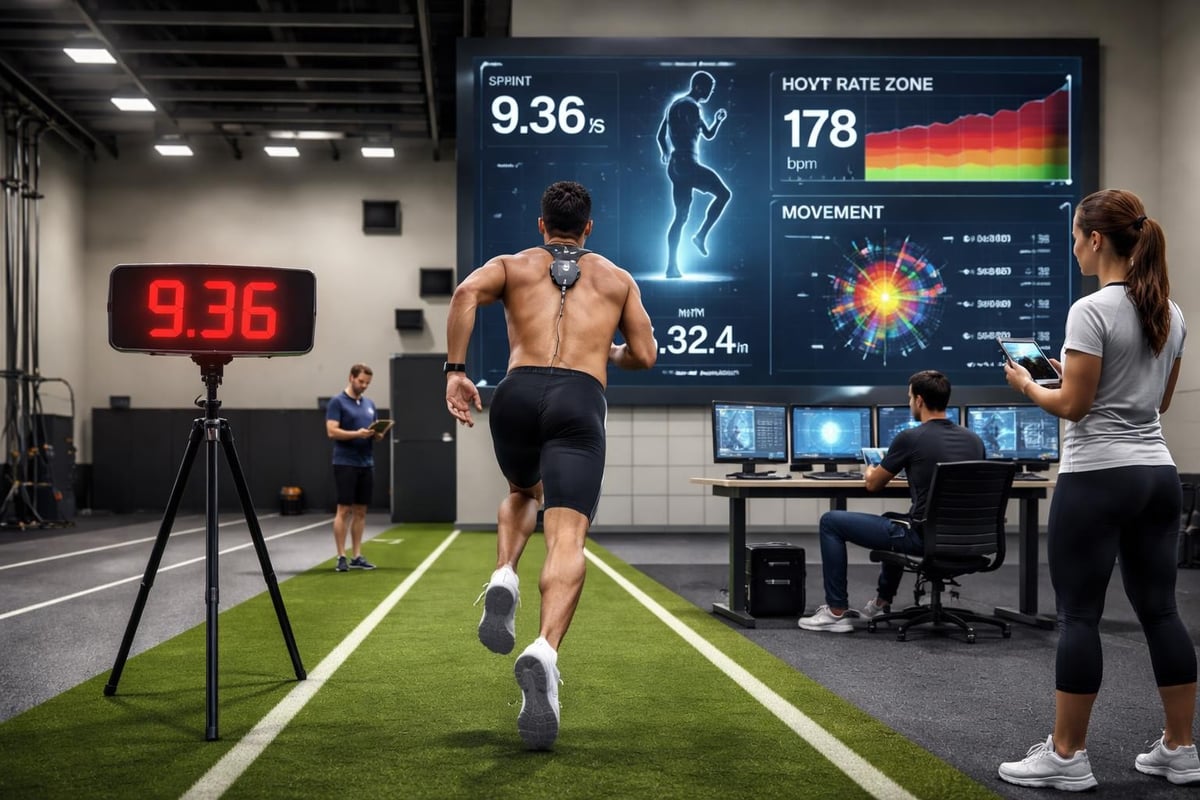
Timing gates provide objective measurement of sprint speed, acceleration, and change-of-direction ability. These systems remove subjective assessment from performance testing, creating reliable benchmarks for tracking improvement over training cycles.
Vertical jump measurement tools quantify explosive power development, particularly relevant for basketball and volleyball programs. Athletes can monitor progress weekly, adjusting training variables to optimize power output.
| Metric | Testing Equipment | Frequency | Purpose |
|---|---|---|---|
| Sprint Speed | Timing Gates | Bi-weekly | Track acceleration |
| Vertical Jump | Jump Mat | Weekly | Monitor explosiveness |
| Agility | Cone Drills + Timer | Weekly | Assess lateral speed |
| Strength | 1RM Testing | Monthly | Program progression |
Heart Rate and Conditioning Monitors
Heart rate monitors help coaches prescribe appropriate training intensities across conditioning sessions. Athletes can train within specific heart rate zones aligned with desired physiological adaptations, whether building aerobic base or developing anaerobic capacity.
GPS tracking systems popular in professional soccer and rugby programs have become increasingly accessible for collegiate and high school teams. These devices measure distance covered, sprint counts, and acceleration patterns during practice and competition.
Budget-Conscious Equipment Selection
Athletic programs operate within financial constraints that require strategic equipment purchasing. Maximizing training effectiveness per dollar invested separates successful programs from those that struggle despite similar budgets.
Multi-Purpose Equipment Advantages
Equipment serving multiple training functions delivers superior value compared to single-purpose tools. Adjustable dumbbells eliminate the need for complete dumbbell sets, while resistance bands accommodate dozens of exercise variations across strength, mobility, and activation work.
Comprehensive sports training equipment collections designed for multi-sport facilities demonstrate how versatile equipment supports diverse athletic programs within shared spaces.
Coaches should prioritize equipment that accommodates progressive overload, allowing athletes to use the same tools throughout their development. This approach maximizes equipment lifespan while simplifying inventory management.
Durability vs. Initial Cost Analysis
Cheap training equipment for sports often creates false economy when replacement costs accumulate over several seasons. Commercial-grade equipment designed for institutional use typically costs 30-50% more than consumer versions but delivers 3-5 times the operational lifespan.
Durability evaluation checklist:
- Manufacturer warranty length and coverage terms
- Construction materials resistant to weather and wear
- User reviews from similar institutional environments
- Replacement part availability and cost
- Expected usage volume based on program size
Athletic directors should calculate total cost of ownership across expected equipment lifespan rather than focusing exclusively on purchase price. Organizations offering a price match guarantee can help programs secure competitive pricing on commercial-grade equipment.
Facility Layout and Storage Considerations
Even the best training equipment for sports delivers limited value when poorly organized or inaccessible. Thoughtful facility design and storage systems maximize equipment utilization while maintaining safety standards.
Training Zone Organization
Dedicated zones for strength training, plyometrics, skill work, and recovery prevent traffic conflicts and improve training flow. Clear pathways between zones accommodate efficient transitions during circuit-style workouts popular in team training environments.
Storage proximity to usage areas reduces setup and breakdown time, allowing more minutes dedicated to actual training rather than equipment management. Mobile storage solutions including carts and racks enable quick reconfiguration for different sports or training objectives.
Maintenance Protocols
Regular equipment inspection and maintenance extends operational lifespan while preventing safety issues. Weekly visual inspections should identify worn components, loose fasteners, and damage requiring immediate attention.
Cleaning protocols become particularly important for shared equipment including resistance bands, medicine balls, and protective gear. Proper sanitation reduces illness transmission while maintaining equipment appearance and function.
| Maintenance Task | Frequency | Responsibility | Time Required |
|---|---|---|---|
| Visual Inspection | Weekly | Equipment Manager | 30 minutes |
| Deep Cleaning | Monthly | Coaching Staff | 2 hours |
| Inventory Count | Quarterly | Athletic Director | 1 hour |
| Major Repairs | As Needed | Vendor Service | Varies |
Detailed maintenance logs track equipment condition over time, informing replacement decisions and identifying problematic products that require premature retirement.
Selecting Equipment Vendors
The relationship between athletic programs and equipment suppliers significantly impacts long-term success. Reliable vendors provide more than products-they deliver expertise, support, and partnership that enhances program outcomes.
Evaluation Criteria for Suppliers
Product selection represents just one dimension of vendor assessment. Athletic training equipment specialists that understand institutional purchasing requirements provide superior service compared to generic sporting goods retailers.
Critical vendor capabilities:
- Team discount pricing and bulk order accommodation
- Fast fulfillment timelines respecting seasonal deadlines
- Knowledgeable staff offering equipment selection guidance
- Flexible payment terms for institutional purchasers
- Return policies accommodating sizing and specification issues
Vendors supporting fitness sports equipment across multiple categories simplify procurement by consolidating orders and reducing administrative overhead associated with managing numerous supplier relationships.
Building Long-Term Partnerships
Consistent vendor relationships create mutual understanding that benefits both parties. Suppliers familiar with program needs can proactively recommend new products, alert buyers to upcoming price changes, and prioritize orders during peak seasons.
Many suppliers offer exclusive access to closeout inventory and overstock items at significant discounts to preferred customers. These opportunities help budget-conscious programs acquire premium training equipment for sports at prices approaching consumer-grade alternatives.
Programs should communicate annual purchasing timelines and budget cycles to vendors, enabling better inventory management and potentially unlocking additional volume discounts through advanced ordering.
Emerging Trends in Training Technology
Innovation continues reshaping training equipment for sports, with new technologies offering capabilities unavailable just years ago. Forward-thinking programs stay informed about developments that could provide competitive advantages.
Virtual Reality Integration
VR systems allow athletes to experience game situations and decision-making scenarios without physical contact or injury risk. Quarterbacks can read defensive coverages, baseball players can face various pitch types, and soccer goalkeepers can react to penalty kicks-all within controlled training environments.
While currently expensive, VR training technology prices continue declining as adoption increases across professional and collegiate programs. High schools and club teams should monitor this space for affordable entry points.
Wearable Technology Advancement
Smart clothing embedded with sensors tracks biomechanics, muscle activation patterns, and fatigue indicators in real-time. This data helps coaches optimize technique, prevent overtraining, and individualize programming based on each athlete's physiological responses.
Integration between wearable devices and training equipment for sports creates comprehensive performance ecosystems where all data flows into centralized platforms. Coaches gain holistic views of athlete development rather than fragmented snapshots from isolated assessments.
Artificial Intelligence Coaching Tools
AI-powered video analysis systems identify technique flaws and suggest corrections without requiring dedicated video coordinators. These platforms compare athlete movements against ideal models, quantifying deviation and tracking improvement over time.
Automated coaching assistance democratizes access to technical expertise previously available only at elite program levels. Budget-conscious teams can leverage AI tools to supplement coaching staffs and provide additional feedback supporting athlete development.
Investing in appropriate training equipment for sports transforms athletic programs by accelerating skill development, reducing injury rates, and creating competitive advantages that extend across entire seasons. The key lies in balancing immediate budget constraints with long-term durability requirements while selecting versatile equipment serving multiple training objectives. Whether you're building a program from scratch or upgrading existing inventory, Sideline Sport Supply provides the reliable, affordable training essentials your athletes need to reach their full potential-backed by straightforward pricing and fast fulfillment that keeps your team focused on performance rather than procurement.