

Tennis Sport Shop: Essential Equipment & Buying Guide
Finding the right tennis sport shop partner is crucial for coaches, athletic directors, and facility managers who need dependable equipment at competitive prices. Whether you're outfitting a high school tennis program, managing a community recreation center, or supplying a competitive club, the quality and reliability of your tennis equipment directly impacts player development and program success. The tennis equipment market continues expanding, with industry analysts projecting significant growth driven by increased participation and technological innovation. Selecting a vendor that understands institutional needs, offers transparent pricing, and delivers consistent quality separates successful programs from those constantly troubleshooting equipment failures.
Understanding Tennis Equipment Categories
A comprehensive tennis sport shop should stock multiple equipment categories that address different aspects of training and competition. Racquets represent the most visible category, but successful programs require much more than playing instruments. Court equipment, training aids, accessories, and maintenance supplies all play essential roles in daily operations.
Racquet Selection and Specifications
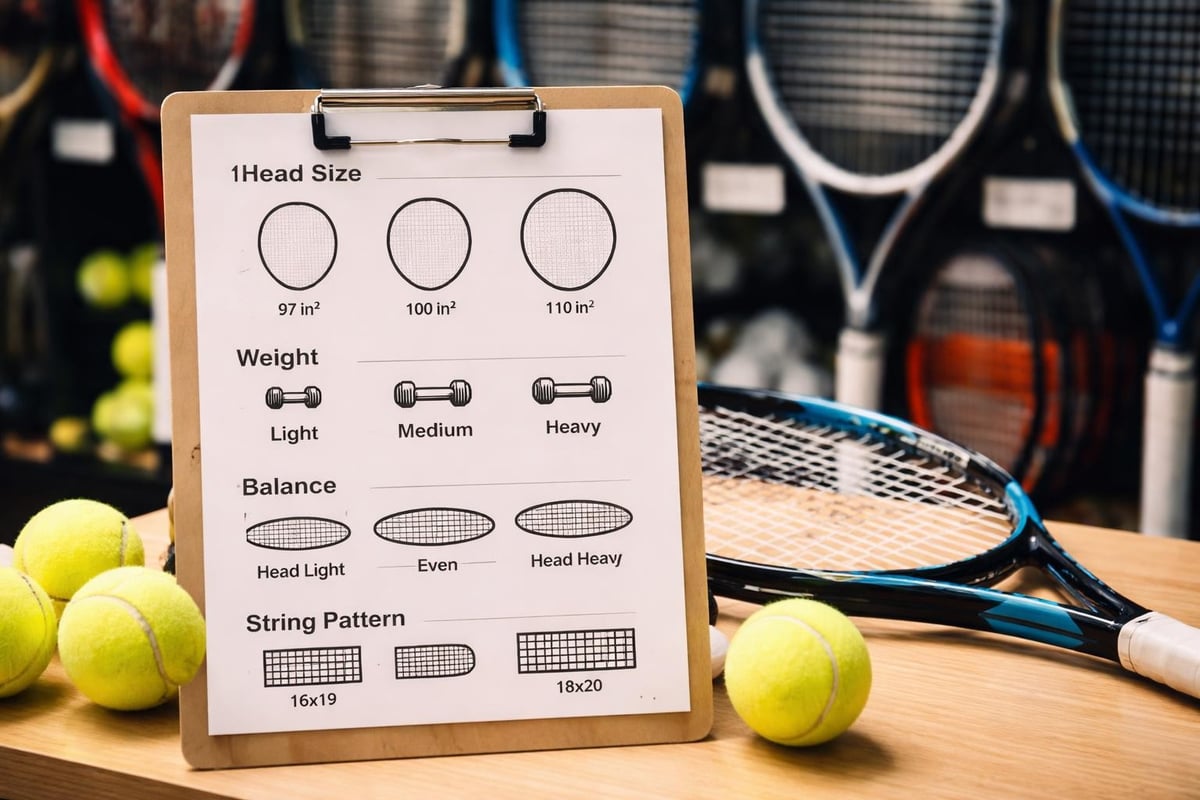
Tennis racquets vary significantly across weight, head size, string pattern, and balance point specifications. Junior players require lighter frames with larger sweet spots, while advanced competitors often prefer heavier, more precise instruments. A quality tennis sport shop maintains inventory across multiple performance levels rather than focusing exclusively on premium or budget options.
Key racquet specifications include:
- Head size: Ranging from 85 to 135 square inches, affecting power and control
- Weight: Typically 8-12 ounces unstrung, influencing maneuverability and stability
- Balance: Head-heavy, even, or head-light distribution affecting swing characteristics
- String pattern: Dense patterns for control, open patterns for spin generation
- Grip size: Proper sizing prevents injury and improves performance
Pre-strung racquets offer convenience and cost savings for recreational programs, while serious competitors require custom stringing services with specific tension and string type preferences.
Court Equipment and Infrastructure
Beyond racquets, court equipment represents significant investment for facilities and programs. Net systems, posts, and court accessories must withstand constant use and weather exposure. Quality matters substantially in this category, as inferior products create safety hazards and require frequent replacement.
| Equipment Type | Key Considerations | Typical Lifespan |
|---|---|---|
| Net Systems | Tension mechanism, weather resistance, height adjustment | 5-8 years |
| Court Posts | Material durability, installation method, portability options | 10-15 years |
| Court Lines | Paint vs. tape, visibility, regulation compliance | 2-3 years (paint) |
| Windscreens | UV resistance, attachment system, privacy level | 3-5 years |
Portable net systems serve dual purposes, enabling temporary court setup for multi-sport facilities while providing practice flexibility. Permanent installations require professional assessment to ensure proper tension and regulation height compliance. Many programs benefit from exploring tennis post systems that balance durability with budget constraints.
Training Equipment for Skill Development
Modern tennis programs increasingly rely on specialized training equipment that accelerates skill acquisition and provides repetitive practice opportunities. A well-stocked tennis sport shop understands these training needs and maintains inventory beyond basic playing equipment.
Ball machines have revolutionized individual practice sessions, allowing players to receive consistent feeds without requiring hitting partners or coaches. Features vary considerably across models, from basic oscillation patterns to programmable sequences simulating game situations. When evaluating ball machine options, consider feed rate capacity, ball capacity, portability requirements, and power source availability.
Essential Training Tools
Training aids complement on-court instruction by isolating specific skill components and providing immediate feedback. Target systems improve placement accuracy, while footwork ladders and agility equipment enhance movement patterns. Resistance bands and weighted training racquets build tennis-specific strength without requiring extensive gym facilities.
Popular training equipment categories:
- Ball hoppers and pickup tubes for efficient practice organization
- Target nets and court markers for precision drills
- Rebounders for solo volley and groundstroke practice
- Portable baselines and service boxes for mini-court games
- Video analysis tools for technique refinement
Programs serving multiple sports may explore complementary equipment options, similar to how facilities invest in portable soccer goals or baseball machines for comprehensive athletic development.
Consumables and Replacement Parts
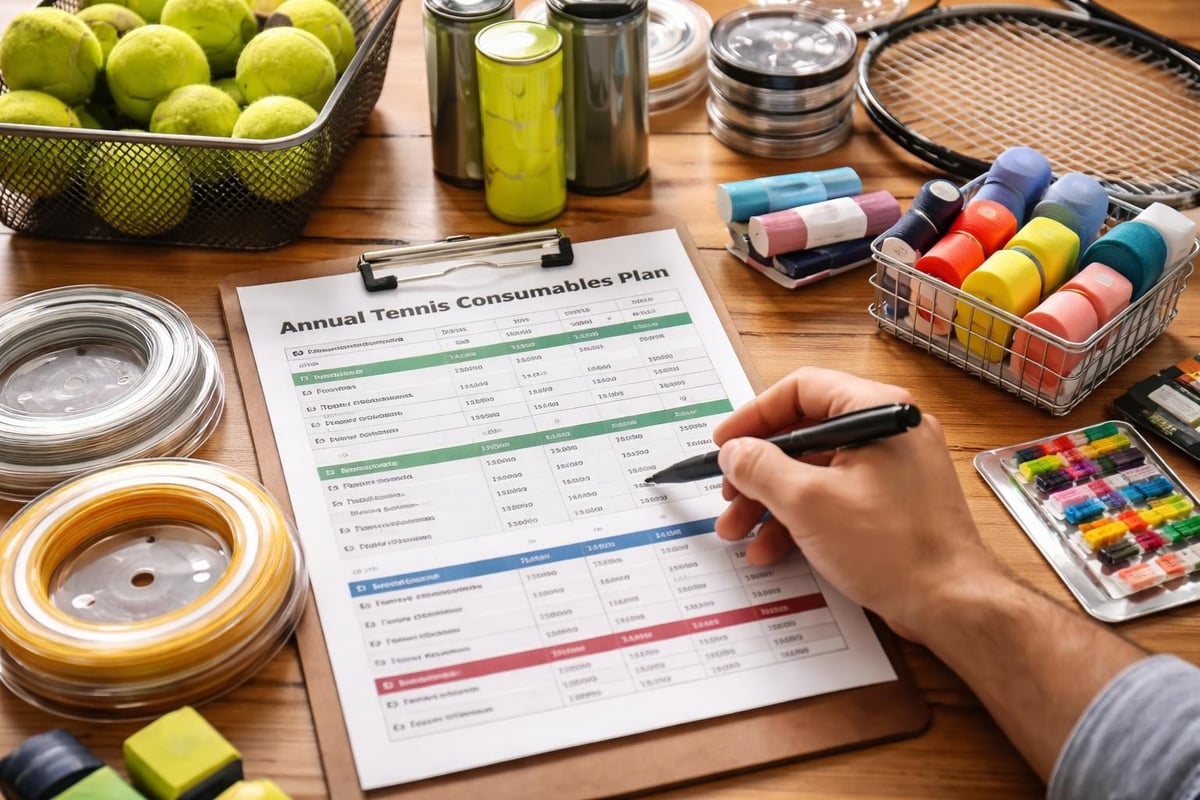
Ongoing tennis operations require consistent replenishment of consumable items that wear through regular use. Balls represent the highest volume consumable, with quality declining rapidly during intensive practice sessions. A reliable tennis sport shop maintains adequate inventory of practice-grade and competition-grade balls, understanding that different situations demand different specifications.
Tennis balls lose pressure and felt integrity through use, requiring replacement every few practice sessions for optimal performance. Competition balls require replacement more frequently, often after a single match. Budget planning should account for substantial annual ball expenditures, particularly for active programs.
String and Stringing Supplies
String represents another significant consumable expense for competitive programs. String technology has advanced considerably, with options ranging from traditional natural gut to modern polyester and hybrid combinations. Each material offers distinct characteristics affecting power, control, spin potential, and durability.
| String Type | Characteristics | Best For | Typical Tension Range |
|---|---|---|---|
| Natural Gut | Maximum feel, arm-friendly, expensive | Advanced players, comfort priority | 48-62 lbs |
| Polyester | Durability, spin, control, stiffer | Hard hitters, string breakers | 45-58 lbs |
| Synthetic Gut | Balanced performance, affordable | Recreational players, budget programs | 50-60 lbs |
| Multifilament | Comfort, power, moderate durability | Intermediate players | 48-60 lbs |
Programs with in-house stringing capabilities require stringing machines, clamps, and tools. Many choose to partner with their tennis sport shop for stringing services, trading equipment investment for per-racquet service fees. According to recent tennis equipment market analysis, technological innovations continue driving equipment evolution, making vendor expertise increasingly valuable.
Apparel and Footwear Considerations
While many programs don't mandate specific apparel, offering team uniform options and proper footwear guidance benefits player performance and program identity. Tennis-specific footwear provides lateral support and durability that running shoes lack, reducing injury risk during directional changes and sliding movements.
Court surface influences footwear selection significantly. Hard court shoes emphasize durability and cushioning, while clay court shoes feature herringbone patterns preventing clay accumulation. Grass court shoes require pimpled soles for traction without damaging delicate surfaces.
Uniform and Team Identity
Team uniforms create program cohesion and professional appearance during competitions. Many tennis sport shop vendors offer team sales programs with volume discounting and customization services. When evaluating team apparel options, consider moisture-wicking fabric quality, color fastness, sizing consistency across reorders, and decoration durability.
The team sales approach that works for tennis programs mirrors strategies used across various sports, emphasizing bulk pricing, consistent availability, and streamlined ordering processes that respect budget constraints while maintaining quality standards.
Vendor Selection and Partnership Criteria
Choosing the right tennis sport shop partnership extends beyond product availability and pricing. Successful long-term relationships depend on several factors that impact daily operations and budget management.
Critical vendor evaluation factors:
- Product knowledge and expertise: Staff understanding of technical specifications and application
- Inventory depth and breadth: Consistent availability across multiple categories and price points
- Pricing transparency: Clear cost structures without hidden fees or minimum orders
- Delivery reliability: Predictable fulfillment timelines supporting practice and competition schedules
- Return and warranty policies: Fair processes addressing defective products and ordering mistakes
Many athletic programs benefit from vendors offering price match guarantees, ensuring competitive pricing without extensive market research for every purchase. This approach streamlines procurement while maintaining budget discipline.
Building Institutional Relationships
The best tennis sport shop relationships transcend individual transactions, evolving into partnerships that anticipate program needs and provide proactive support. Vendors who understand academic calendars, budget cycles, and seasonal demand patterns add value beyond product supply.
Regular communication helps vendors maintain appropriate inventory levels and alert programs to product updates or discontinuations affecting repeat orders. Some vendors provide equipment evaluation samples, allowing programs to test products before committing to bulk purchases. Industry reports like the tennis equipment market trends analysis show increasing emphasis on sustainability and technology integration, making vendor expertise valuable for staying current.
Budget Management and Procurement Strategies
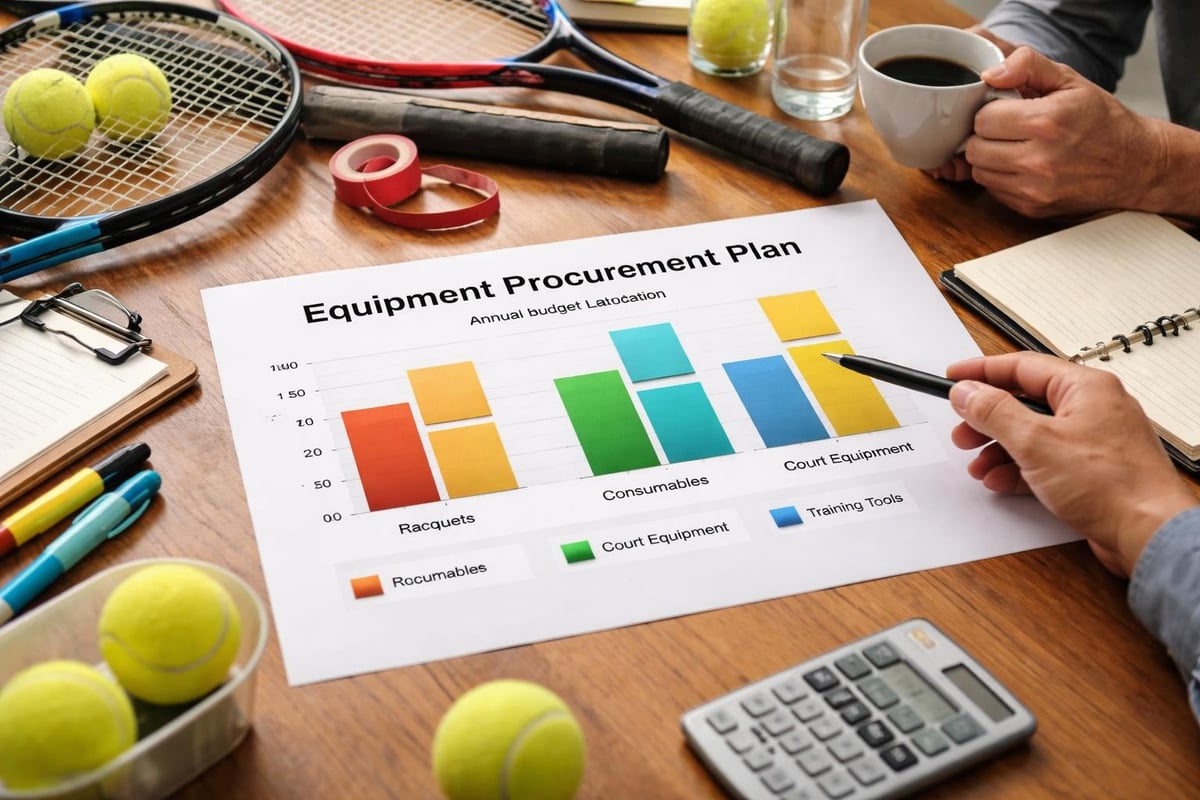
Effective tennis program management requires strategic equipment procurement that balances quality, cost, and timing. Annual budgets typically allocate funds across multiple categories, requiring prioritization based on immediate needs versus long-term investments.
Strategic Purchasing Approaches
Bulk buying reduces per-unit costs for consumables like balls and string, but requires adequate storage space and cash flow to support larger upfront expenditures. Programs with limited storage might negotiate staged delivery schedules, locking in bulk pricing while spreading deliveries across the season.
Off-season purchasing often yields better pricing as tennis sport shop vendors clear inventory before new model releases. End-of-year closeouts provide opportunities for substantial savings on racquets, bags, and apparel. However, limited selection and sizing restrictions may apply.
Grant funding and donations supplement traditional budgets, particularly for programs serving underresourced communities. Equipment manufacturers and retailers sometimes offer donation programs or educational discounts. Building relationships with local business sponsors can provide equipment funding in exchange for recognition and community involvement opportunities.
Quality Indicators and Product Evaluation
Distinguishing quality equipment from inferior alternatives requires understanding construction details and performance specifications. While premium pricing doesn't guarantee superior products, extreme budget options often sacrifice durability and performance in ways that create false economy.
Racquet Quality Markers
Frame construction methods significantly impact durability and performance consistency. Quality racquets feature uniform carbon fiber layup, secure grommet systems, and precisely machined butt caps. Inferior products show irregular paint finish, loose grommets, and inconsistent weight across supposedly identical models.
Brand reputation matters, but lesser-known manufacturers sometimes offer excellent value for programs prioritizing function over prestige. Request demo programs allowing coaches and players to evaluate performance before purchasing.
Court Equipment Durability
Net systems and posts endure constant tension stress and weather exposure, making construction quality paramount. Stainless steel or powder-coated aluminum resists corrosion better than basic steel. Tension mechanisms should adjust smoothly and maintain settings without constant readjustment. Concrete-mounted permanent installations require professional assessment, while portable systems need sturdy bases preventing tip-over hazards.
The USA tennis equipment market outlook indicates continued growth through 2030, suggesting sustained investment in program development and equipment modernization across educational and recreational facilities.
Maintenance and Care Protocols
Extending equipment lifespan requires consistent maintenance protocols and proper storage practices. A quality tennis sport shop provides guidance on care requirements, helping programs maximize investment returns through appropriate handling.
Essential maintenance practices include:
- Rotating racquet inventory to equalize string degradation
- Storing equipment in climate-controlled environments protecting from temperature extremes
- Regularly inspecting net cables, tension mechanisms, and post anchors
- Cleaning court surfaces to prevent abrasive debris accelerating ball and shoe wear
- Maintaining proper ball storage preventing premature pressure loss
Ball machines require regular cleaning to prevent ball fuzz accumulation in feed mechanisms. Lubrication points need periodic attention, and battery-powered units require proper charging protocols preventing battery degradation.
Emerging Trends and Technology Integration
The tennis equipment industry continues evolving with technological innovations that enhance training effectiveness and player development. Smart racquets with embedded sensors provide swing analysis and performance metrics, while advanced ball machines offer programmable drill sequences and remote control operation.
Sustainability initiatives are reshaping product development and procurement decisions. Manufacturers increasingly use recycled materials in ball construction and packaging, while stringing services offer environmentally responsible string recycling programs. According to industry analysis highlighting sustainability trends, environmental considerations are becoming key market drivers affecting purchasing decisions.
Digital Integration Benefits
Online ordering systems streamline procurement, providing order history access and simplified reordering for consumable items. Digital catalogs with detailed specifications support informed decision-making without requiring in-person visits. Programs can explore comprehensive equipment options through platforms like Sideline Sport Supply's collections, comparing specifications and pricing efficiently.
Mobile apps enabling order tracking and delivery notifications improve logistics planning, ensuring equipment arrives when needed. Some vendors offer automated replenishment programs, monitoring usage patterns and triggering reorders before inventory depletion disrupts operations.
Multi-Sport Facility Considerations
Athletic facilities serving multiple sports benefit from vendors offering comprehensive equipment solutions beyond single-sport focus. Tennis programs often coexist with volleyball, basketball, and other activities, making integrated procurement more efficient than managing separate vendor relationships for each sport.
Cross-sport equipment needs create opportunities for consolidated purchasing, potentially unlocking volume discounts across combined orders. Facilities can explore options from basketball systems to volleyball equipment, streamlining vendor management while maintaining sport-specific quality standards.
Shared storage spaces, maintenance protocols, and staff training create operational efficiencies when equipment sourcing consolidates through fewer vendors. However, ensure that comprehensive vendors maintain genuine expertise across all offered categories rather than sacrificing specialized knowledge for breadth.
Selecting the right tennis sport shop partnership significantly impacts program success, player development, and budget efficiency. By focusing on product quality, vendor reliability, and strategic procurement approaches, athletic directors and coaches can build sustainable programs delivering consistent results. Sideline Sport Supply provides the reliable equipment, transparent pricing, and customer-focused service that tennis programs need to spend less time managing logistics and more time developing athletes. Our commitment to quality products and straightforward procurement helps programs at every level focus on what matters most: helping players improve their game.