

Sports Equipment Badminton: Complete Buyer's Guide 2026
Badminton continues to grow as a competitive sport in schools, recreational programs, and sports organizations across North America. Whether you're equipping a school physical education program, outfitting a competitive team, or supporting individual athletes in their training, understanding the full range of sports equipment badminton players need is essential for performance and safety. The right equipment makes the difference between frustrating practice sessions and productive skill development, between equipment failures during competitions and reliable game-day performance.
Essential Racket Selection for Different Skill Levels
Selecting appropriate badminton rackets requires understanding the specific needs of your athletes or program participants. Rackets vary significantly in weight, balance, flexibility, and string tension, each characteristic affecting play style and performance outcomes.
Weight Classifications and Their Applications
Racket weight directly impacts swing speed, control, and player fatigue during extended play. Understanding weight classifications helps coaches and equipment managers make informed purchasing decisions for their programs.
Standard weight categories include:
- Ultra-light (U): 70-74 grams - Ideal for beginners and junior players developing proper technique
- Light (2U): 75-79 grams - Suitable for intermediate players focusing on faster swings
- Medium (3U): 80-84 grams - Versatile option for advanced recreational players
- Heavy (4U): 85-89 grams - Preferred by power players seeking maximum shuttle velocity
Beginners often benefit from lighter rackets that reduce arm strain during practice sessions, while competitive players may prefer slightly heavier options for enhanced power delivery. When purchasing sports equipment badminton programs need, consider the average skill level and physical development of participants.
Balance Points and Playing Styles
The balance point determines whether a racket feels head-heavy, even-balanced, or head-light during play. This characteristic significantly influences shot execution and player comfort.
| Balance Type | Measurement | Best For | Playing Style |
|---|---|---|---|
| Head-Heavy | 295-300mm | Power players | Aggressive smashes, rear-court dominance |
| Even-Balanced | 290-294mm | All-around players | Versatile play, balanced offense/defense |
| Head-Light | 285-289mm | Defensive players | Quick reactions, net play, doubles |
Schools and sports organizations should stock a variety of balance types to accommodate different playing styles within their programs. According to regulations outlined by the Badminton World Federation, rackets must not exceed specific dimensional requirements, but variations within these parameters significantly affect performance characteristics.
Shuttlecock Selection: Feather versus Synthetic Options
Shuttlecock quality dramatically affects game dynamics, training effectiveness, and equipment budgets. Sports equipment badminton inventories must include appropriate shuttle types for different contexts and skill levels.
Feather Shuttlecocks for Competition
Traditional feather shuttlecocks remain the standard for competitive play and serious training programs. These shuttles feature 16 goose or duck feathers embedded in a cork base, providing authentic flight characteristics and responsiveness.
Key considerations for feather shuttlecocks:
- Temperature and humidity significantly affect feather shuttle performance
- Speed ratings (75-79) indicate intended playing conditions
- Higher-quality feathers provide consistent flight patterns
- Durability typically ranges from 1-3 matches depending on play intensity
- Premium shuttles cost significantly more but deliver superior performance
Coaches preparing teams for tournament play should invest in quality feather shuttles that match competition standards. The equipment specifications detailed by badminton authorities ensure consistency across competitive environments, making proper shuttle selection crucial for effective practice sessions.
Synthetic Shuttlecocks for Training and Recreation
Synthetic shuttlecocks manufactured from nylon or other composite materials offer durability advantages for high-volume training programs and recreational play. These shuttles withstand repeated impacts better than feather alternatives, making them cost-effective for schools and community programs.
Programs focused on skill development and recreational participation benefit from synthetic options that reduce replacement costs. While flight characteristics differ slightly from feather shuttles, modern synthetic designs increasingly approximate authentic performance. When considering affordable sports equipment options, synthetic shuttles represent practical choices for budget-conscious organizations.
Court Equipment and Net Systems
Proper court setup requires reliable net systems, boundary markers, and post installations that meet regulatory standards while withstanding regular use.
Portable versus Permanent Net Systems
Organizations must choose between portable systems offering flexibility and permanent installations providing maximum stability and longevity.
Portable badminton net systems provide:
- Quick setup and takedown for multi-use facilities
- Storage convenience when space serves multiple purposes
- Mobility for outdoor events and tournaments
- Lower initial investment compared to permanent installations
- Easier replacement if components become damaged
Permanent installations feature ground-anchored posts and professional-grade tension systems. These systems deliver consistent net height and stability required for competitive play, though they require dedicated court space.
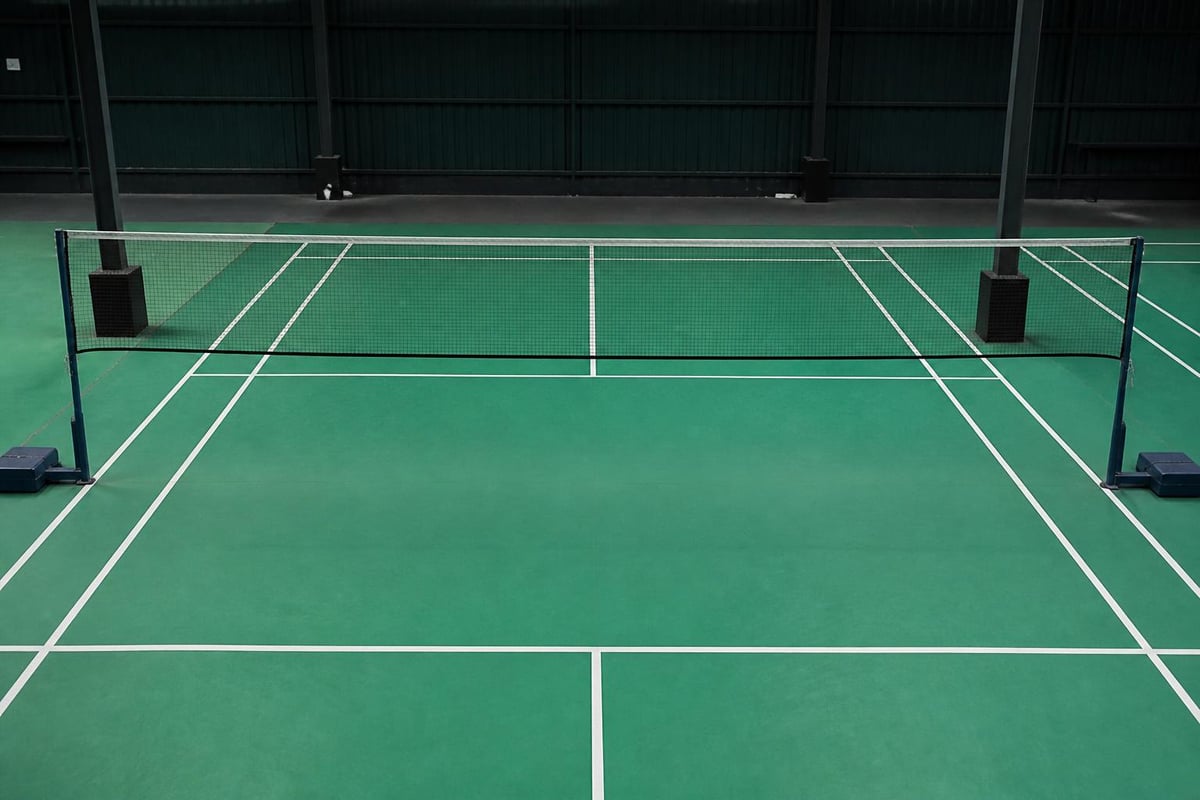
According to comprehensive equipment guidelines, nets must measure exactly 5 feet (1.524 meters) at the edges and 5 feet 1 inch (1.55 meters) at center when properly installed. This precise specification ensures fair play and consistent conditions across different venues.
Footwear Designed for Court Performance
Badminton-specific footwear represents critical sports equipment badminton players need for injury prevention and optimal performance. Generic athletic shoes lack the specialized features required for the sport's unique movement patterns.
Grip and Traction Technologies
Court surfaces demand exceptional grip without excessive traction that could cause knee injuries during rapid directional changes. Badminton shoes feature gum rubber outsoles with specific tread patterns optimized for indoor courts.
Superior footwear incorporates lateral support structures that stabilize the foot during side-to-side movements characteristic of badminton play. Ankle protection becomes especially important for players executing frequent lunges and quick recovery steps.
Cushioning and Shock Absorption
The repetitive jumping and landing inherent to badminton creates significant impact forces. Quality badminton shoes integrate shock-absorbing materials in heel and forefoot areas, reducing stress on joints and minimizing fatigue during extended play sessions.
| Feature | Benefit | Importance Level |
|---|---|---|
| Non-marking soles | Protects court surfaces | Critical for facility compliance |
| Lateral support | Prevents ankle injuries | High for competitive players |
| Breathable uppers | Reduces moisture buildup | Medium for comfort |
| Lightweight construction | Improves agility | High for advanced players |
| Toe reinforcement | Extends shoe longevity | Medium for budget management |
Programs outfitting multiple athletes should consider footwear durability alongside performance features. The team sales options available through specialized suppliers often provide quantity discounts that make quality footwear more accessible for schools and organizations.
Training Aids and Practice Equipment
Developing badminton skills requires more than just rackets and shuttles. Comprehensive sports equipment badminton training programs incorporate specialized tools that accelerate skill development and technique refinement.
Stroke Trainers and Target Systems
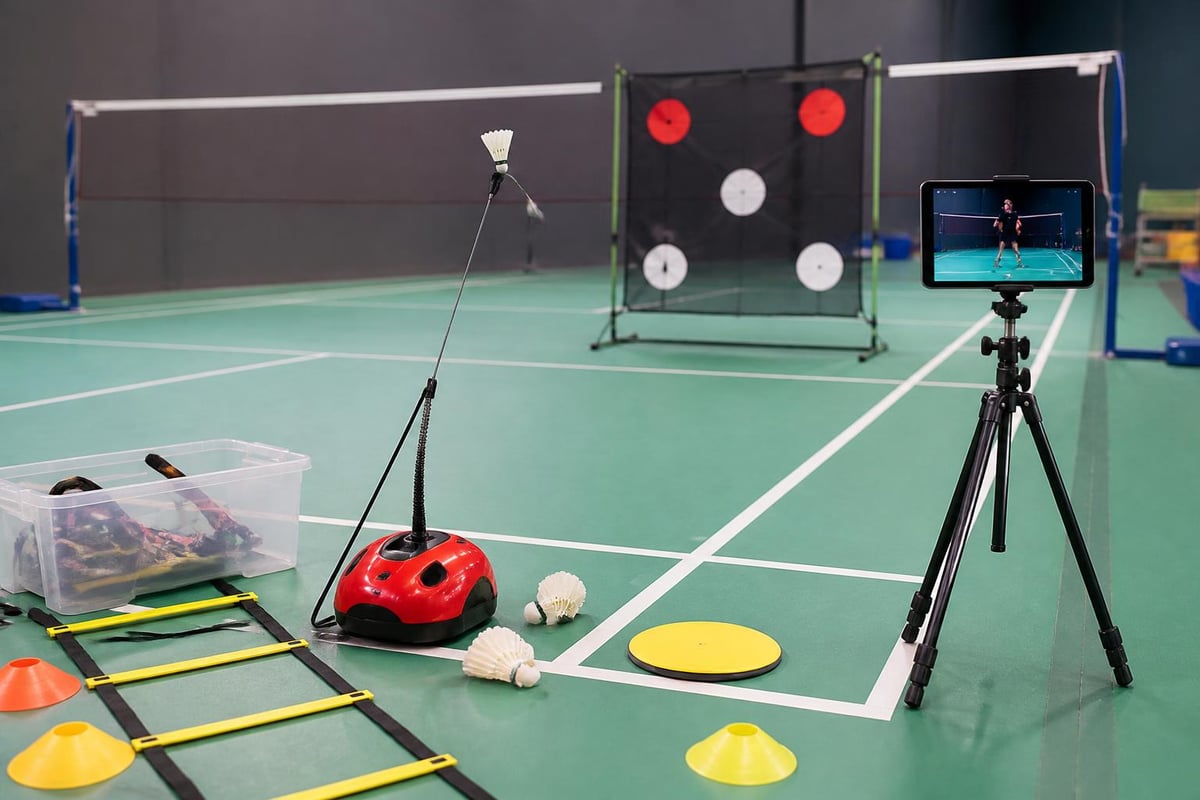
Stroke trainers allow athletes to practice specific shots with immediate feedback. These devices range from simple wall-mounted targets to sophisticated ball machines that deliver shuttles at varying speeds and trajectories.
Effective training aids include:
- Portable target nets for accuracy drills
- Serving stations with height markers
- Rebound nets for solo practice sessions
- Footwork ladders and agility markers
- Resistance bands for strength development
Schools implementing structured badminton programs benefit from equipment that supports independent practice and skill stations. Similar to considerations when selecting football equipment for training programs, badminton gear should support progressive skill development across multiple proficiency levels.
Video Analysis and Technology Integration
Modern training increasingly incorporates technology for performance analysis and technique refinement. Tablet mounts, camera tripods, and video analysis software help coaches document player progress and identify areas requiring improvement.
Research on badminton performance analysis systems demonstrates how wearable technology and smart sensors provide detailed insights into player movements, shot selection, and energy expenditure during matches and practice sessions.
Equipment Storage and Transportation Solutions
Proper storage extends equipment lifespan and simplifies logistics for teams traveling to competitions. Sports equipment badminton programs need organized storage systems that protect investments and streamline access.
Racket Bags and Cases
Individual players typically require bags accommodating 2-6 rackets plus accessories. Team programs benefit from larger storage solutions that consolidate equipment for transportation and security.
Quality badminton bags feature:
- Padded racket compartments preventing shaft damage
- Separate sections for shoes isolating dirt and odors
- Climate-controlled pockets protecting shuttles from humidity
- Accessory organizers for grips, strings, and tools
- Durable exteriors withstanding frequent handling
Organizations managing equipment for multiple athletes should implement inventory systems tracking racket assignments and maintenance schedules. This approach minimizes losses and ensures athletes always have access to properly maintained gear.
Court Equipment Storage Carts
Facilities hosting badminton programs need efficient storage for nets, posts, shuttles, and training equipment. Mobile storage carts enable quick court setup and breakdown, essential for shared facilities accommodating multiple sports.
Just as gymnastics equipment requires specialized storage solutions, badminton gear benefits from organized systems that prevent damage and reduce setup time.
Maintenance Supplies and Replacement Parts
Sustaining sports equipment badminton programs over time requires proactive maintenance and strategic parts inventory. Preventive care reduces replacement costs and ensures equipment remains game-ready.
Racket Maintenance Essentials
Regular racket maintenance includes string replacement, grip renewal, and frame inspection. Programs should stock:
- Replacement strings in various gauges and materials
- Overgrips for moisture absorption and comfort
- String tension meters ensuring consistent specifications
- Frame protection tape reducing edge wear
- Cleaning solutions removing dirt and sweat buildup
Understanding equipment laws governing badminton gear helps organizations maintain compliant equipment while maximizing performance and longevity.
Shuttle Inventory Management
Effective shuttle management balances quality, quantity, and budget constraints. Programs should establish clear protocols differentiating competition-grade shuttles from practice inventory.
| Shuttle Type | Recommended Use | Expected Lifespan | Relative Cost |
|---|---|---|---|
| Premium feather | Tournament play | 1-2 matches | High |
| Standard feather | Competitive practice | 2-3 sessions | Medium |
| Quality synthetic | Skill development | 10-15 sessions | Low |
| Economy synthetic | Recreational play | 15-20 sessions | Very low |
Strategic purchasing reduces per-session costs while ensuring appropriate quality for different activities. Organizations should review usage patterns quarterly and adjust ordering accordingly.
Safety Equipment and Injury Prevention
While badminton presents lower injury risks compared to contact sports, proper safety equipment and preventive measures protect athletes during training and competition.
Eye Protection Considerations
Though not universally required, protective eyewear prevents potential eye injuries from shuttlecock impacts. Junior programs and recreational players particularly benefit from polycarbonate sports glasses designed for racket sports.
Safety standards detailed in European equipment specifications outline performance requirements for badminton equipment, including considerations for player safety during normal use.
Supportive Accessories
Athletes managing previous injuries or seeking preventive support utilize various accessories:
- Knee braces providing lateral stability
- Ankle supports reducing sprain risks
- Wrist wraps minimizing strain during powerful shots
- Compression sleeves improving circulation and recovery
- Court shoes with enhanced ankle support
Coaches should encourage athletes to communicate discomfort early and utilize appropriate supportive equipment as needed. Similar to considerations in youth football programs, proper fitting and regular inspection of safety equipment ensures maximum protection.
Selecting Equipment for Different Program Types
Sports equipment badminton needs vary significantly based on program objectives, participant age ranges, and competitive levels. Strategic purchasing aligns equipment specifications with program goals and budget realities.
School Physical Education Programs
Physical education departments require durable, versatile equipment accommodating diverse skill levels and frequent use. Budget constraints typically favor synthetic shuttles and mid-range rackets that withstand beginning player handling.
Recommended equipment priorities:
- Durable synthetic shuttles for high-volume class use
- Lightweight, forgiving rackets suitable for skill introduction
- Portable net systems enabling quick court setup
- Basic footwear guidelines rather than program-provided shoes
- Simple training aids supporting skill station rotations
Competitive Team Programs
Teams preparing for tournament competition require equipment matching competitive standards and supporting intensive training schedules. Investment in quality gear pays dividends through enhanced performance and reduced replacement frequency.
Competitive programs should prioritize:
- Premium feather shuttles for match-realistic practice
- Player-matched rackets based on individual preferences
- Professional-grade net systems meeting exact specifications
- Team footwear packages ensuring consistent quality
- Advanced training equipment supporting tactical development
Research on badminton tactical analysis demonstrates how proper equipment enables athletes to execute strategic plans effectively, highlighting the connection between gear quality and competitive success.
Community Recreation Centers
Recreation programs emphasize participation, enjoyment, and basic skill development over competitive outcomes. Equipment selection balances affordability with adequate quality supporting positive participant experiences.
Community programs benefit from:
- Mixed shuttle inventory (synthetic for casual play, feather for advanced players)
- Varied racket options accommodating different preferences
- Flexible court systems supporting multiple activities
- Open-play equipment policies with basic maintenance protocols
- Introductory clinics familiarizing participants with equipment proper use
Understanding the complete range of badminton equipment available helps program administrators make informed decisions aligned with participant needs and organizational objectives.
Budget Planning and Cost Management Strategies
Equipping badminton programs requires strategic financial planning that balances initial investments with ongoing operational costs. Smart purchasing decisions maximize value without compromising essential quality standards.
Initial Equipment Investment
New programs face significant startup costs acquiring core equipment. Prioritization ensures essential items receive adequate funding before investing in supplementary training aids.
Recommended budget allocation:
- 35-40% rackets and bags
- 25-30% shuttlecocks (initial inventory)
- 20-25% net systems and court equipment
- 10-15% footwear subsidies or team purchases
- 5-10% training aids and accessories
Organizations should explore price match guarantees and volume purchasing arrangements that reduce per-unit costs on bulk orders.
Ongoing Operational Expenses
Annual budgets must account for equipment replacement, maintenance supplies, and consumables that sustain program operations.
Typical annual costs include:
- Shuttle replacement (highest recurring expense)
- String replacement and racket repairs
- Grip tape and accessory renewals
- Net replacement every 2-3 years
- Footwear replacement for growing athletes
Tracking equipment lifespan and replacement cycles enables accurate budget forecasting. Programs should maintain detailed records documenting purchase dates, usage intensity, and replacement timing to refine future planning.
Sourcing Quality Equipment from Reliable Suppliers
Partner selection significantly impacts equipment quality, pricing, customer service, and long-term program success. Established suppliers specializing in athletic equipment understand the unique needs of schools, coaches, and sports organizations.
Evaluating Supplier Capabilities
Quality suppliers demonstrate expertise beyond simple product sales. Look for partners offering:
- Knowledgeable staff providing equipment recommendations
- Fast fulfillment timelines minimizing program disruptions
- Straightforward pricing without hidden fees or charges
- Bulk purchasing options for team and institutional orders
- Responsive customer service addressing concerns promptly
Organizations benefit from suppliers focused on practical, game-day-ready gear that supports athletic development rather than just offering the lowest prices on inferior products.
Building Long-Term Supplier Relationships
Consistent purchasing from reliable suppliers often yields benefits including preferred pricing, priority fulfillment, and customized solutions for unique program needs. Communication regarding upcoming requirements helps suppliers maintain appropriate inventory and potentially secure special ordering terms.
Programs should review supplier performance annually, considering factors beyond pricing such as product quality, delivery reliability, and post-purchase support. The comprehensive resources available through specialized retailers help organizations stay informed about equipment innovations and best practices.
Equipment Standards and Compliance Considerations
Competitive programs must ensure equipment meets regulatory standards established by governing bodies. Understanding compliance requirements prevents disqualification issues and ensures fair play conditions.
Racket Specifications and Regulations
Official badminton rules specify exact racket dimensions, weight limits, and construction requirements. While recreational programs may use varied equipment, competitive teams must verify compliance before tournament participation.
Key regulatory parameters include:
- Maximum overall length: 680mm
- Maximum width: 230mm
- String bed limitations on texture and pattern
- No external energy sources or mechanical devices
- Continuous frame construction requirements
Shuttlecock Standards for Competition
Tournament shuttlecocks must meet precise specifications regarding weight, feather count, base construction, and flight characteristics. Organizations preparing athletes for competitive play should familiarize participants with regulation shuttles during practice sessions.
The detailed equipment introduction provided by competitive badminton resources helps coaches understand technical requirements and select appropriate training equipment.
Emerging Technology in Badminton Equipment
Innovation continues advancing sports equipment badminton players and coaches utilize for training and performance analysis. Understanding emerging technologies helps forward-thinking programs stay competitive and maximize athlete development.
Smart Rackets and Sensor Integration
Modern rackets increasingly incorporate embedded sensors tracking swing speed, shot power, shuttle impact location, and stroke types. Data collected during practice and competition provides objective performance metrics supporting targeted skill development.
Advanced systems utilizing skeleton-based action recognition analyze player movements with unprecedented detail, identifying technical inefficiencies and suggesting specific improvements.
Mobile Applications and Training Platforms
Smartphone applications now offer drill libraries, skill tracking, and progress monitoring that complement physical equipment investments. These digital tools enhance traditional coaching methods without requiring significant additional expenditure.
Programs should evaluate technology integration opportunities that align with coaching philosophies and genuinely enhance athlete development rather than simply adopting technology for its own sake.
Equipping badminton programs with appropriate sports equipment badminton athletes need requires careful consideration of rackets, shuttles, court systems, footwear, training aids, and maintenance supplies matched to program objectives and participant skill levels. Strategic purchasing balances quality with budget realities while ensuring equipment supports effective skill development and competitive readiness. Sideline Sport Supply provides reliable, affordable badminton equipment and training essentials designed to support practices, competitions, and player development at every level, with straightforward pricing and fast fulfillment that lets your program spend less time sourcing gear and more time on the court.