

Sports Gear for Basketball: Complete Equipment Guide
Basketball demands precision, athleticism, and the right equipment to support player performance at every level. Whether you're outfitting a school team, coaching a competitive program, or managing a sports organization, selecting quality sports gear for basketball ensures athletes can train safely and compete effectively. The right equipment investment directly impacts player development, injury prevention, and overall team success. Understanding what gear matters most and how to source it efficiently saves time, reduces costs, and keeps your focus where it belongs-on the game.
Essential Footwear and Apparel
Basketball shoes represent the single most critical piece of individual equipment for any player. Proper footwear provides ankle support, cushioning for constant jumping and lateral movement, and traction for quick direction changes on the court. High-top designs offer maximum ankle stability for post players and those with previous injuries, while low-top options provide greater mobility for guards who prioritize speed and agility.
When selecting team footwear, consider court surface type, player positions, and budget constraints. Indoor courts require different sole patterns than outdoor surfaces, which wear down shoes more rapidly. A comprehensive basketball equipment checklist helps ensure you've covered all necessary gear beyond just shoes.
Performance Fabrics and Team Uniforms
Modern basketball uniforms utilize moisture-wicking fabrics that keep players dry during intense competition. Jerseys and shorts should allow unrestricted movement while maintaining durability through repeated washing and wear. Reversible practice jerseys offer cost-effective solutions for scrimmages, allowing teams to divide into groups without requiring multiple uniform sets.
Key apparel considerations include:
- Breathable mesh construction for ventilation
- Reinforced stitching at stress points
- Proper sizing charts for consistent team appearance
- Color options that meet league or tournament regulations
- Compression garments for muscle support and recovery
Teams should maintain backup uniforms and practice gear to accommodate different players sizes and unexpected equipment damage. Sideline Sport Supply offers straightforward sizing options and bulk ordering for schools and organizations needing to outfit entire rosters efficiently.
Basketball Selection and Maintenance
The basketball itself requires careful selection based on player age, league specifications, and playing environment. Official regulation basketballs come in different sizes: Size 7 (29.5 inches) for men's competition, Size 6 (28.5 inches) for women's play, and Size 5 (27.5 inches) for youth programs. Selecting appropriate sports gear for basketball starts with matching ball specifications to your athletes' developmental stage.
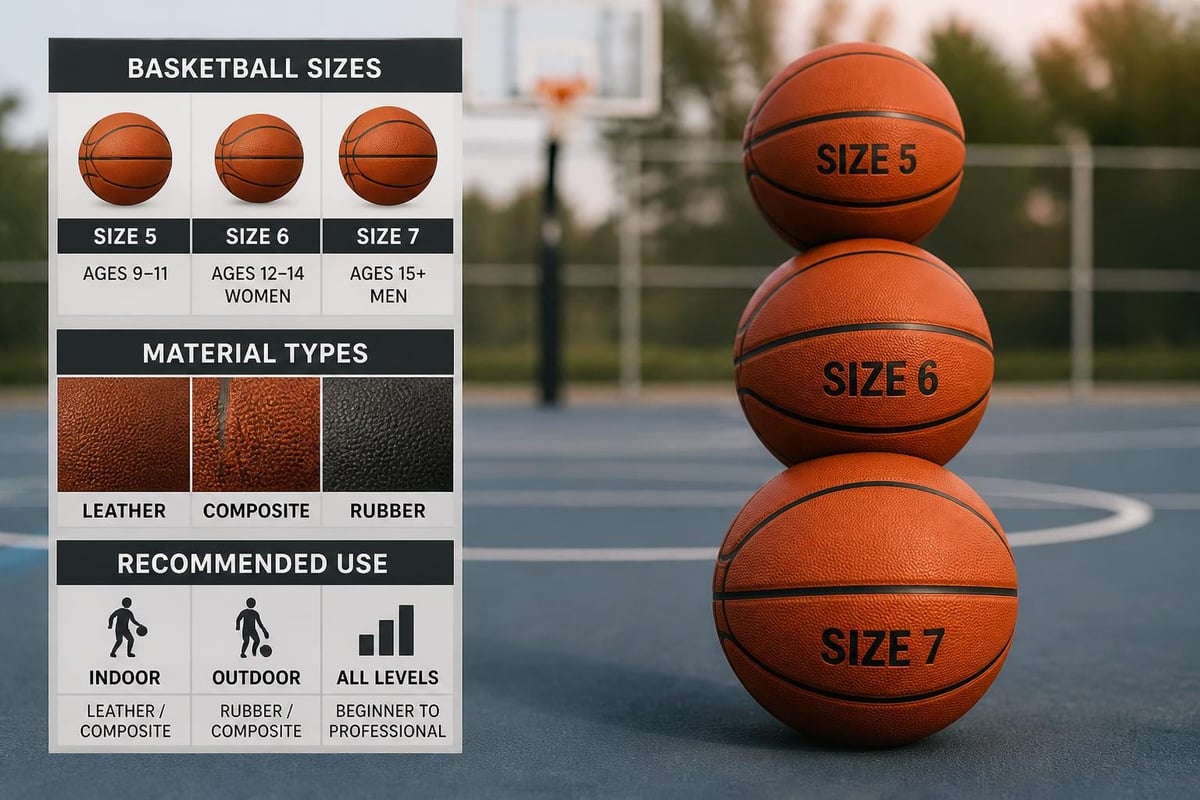
Material composition significantly affects ball performance and longevity. Genuine leather basketballs offer superior grip and consistent bounce but require break-in periods and indoor-only use. Composite leather provides excellent durability and performs well across various conditions without extensive break-in. Rubber basketballs serve outdoor courts and recreational settings where weather exposure and rough surfaces demand maximum durability.
Storage and Care Protocols
Proper basketball maintenance extends equipment lifespan and ensures consistent performance. Balls should be stored at recommended pressure levels-typically between 7.5 and 8.5 PSI-and kept in temperature-controlled environments when possible. Extreme heat or cold affects ball materials and bounce characteristics.
| Maintenance Task | Frequency | Purpose |
|---|---|---|
| Pressure check | Weekly | Consistent bounce and feel |
| Surface cleaning | After each use | Remove dirt and maintain grip |
| Rotation schedule | Monthly | Even wear distribution |
| Inspection for damage | Before practices | Safety and performance |
Organizations should maintain adequate ball inventory to accommodate full-squad drills while keeping several in reserve for replacements. As detailed in this basketball equipment guide, planning for equipment rotation prevents last-minute shortages during critical practice sessions.
Protective Equipment and Safety Gear
Player safety extends far beyond athletic ability and coaching instruction. Protective sports gear for basketball includes mouthguards, knee pads, ankle braces, and compression sleeves that reduce injury risk during physical play. While basketball doesn't require helmets or heavy padding like football, the right protective equipment prevents common injuries that sideline players and disrupt team continuity.
Mouthguards protect teeth and reduce concussion severity during contact. Custom-fitted options offer maximum protection but require professional fitting, while boil-and-bite varieties provide acceptable protection at lower costs for budget-conscious programs. All players should wear properly fitted mouthguards during practices and games.
Essential protective gear includes:
- Padded compression shorts for hip and tailbone protection
- Knee pads or sleeves for players diving for loose balls
- Ankle braces for athletes with previous injuries
- Protective eyewear for players with vision correction needs
- Athletic cups for male athletes in contact situations
Injury Prevention Through Proper Equipment
Ankle injuries represent the most common basketball ailment, accounting for significant lost playing time across all competitive levels. Quality ankle braces provide external support without restricting natural movement patterns. Players recovering from previous sprains should consult athletic trainers about appropriate support levels and transition plans back to unsupported play.
Knee protection matters particularly for defensive specialists who frequently hit the floor during charges and loose ball situations. Padded knee sleeves absorb impact while maintaining flexibility for jumping and running. This comprehensive equipment resource explores how proper gear selection enhances both performance and safety simultaneously.
Training Equipment and Skill Development Tools
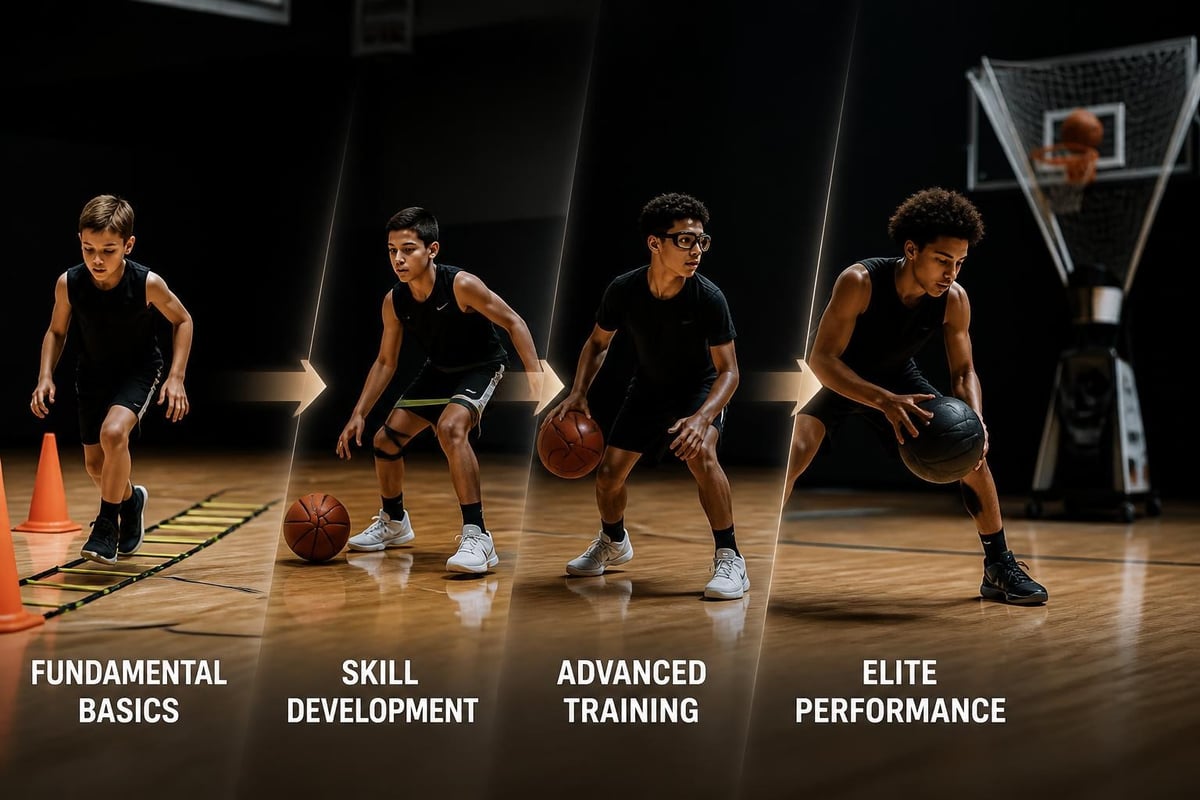
Advanced basketball programs require specialized training equipment that targets specific skill development areas. Cone sets, agility ladders, resistance bands, and jump training equipment help coaches design effective practice sessions that improve player capabilities beyond basic drills. Investing in quality training aids separates competitive programs from recreational leagues.
Shooting machines and rebounding systems allow players to get hundreds of repetition shots during individual training sessions. While high-end automatic return systems require significant investment, simpler rebounding nets attach to regulation hoops and provide similar benefits for organizations with limited budgets. The key is consistency-players develop muscle memory through repetitive practice with immediate feedback.
Position-Specific Training Aids
Different positions benefit from specialized training equipment. Guards develop ball-handling with dribble goggles that force players to keep their heads up and improve court vision. Post players use blocking pads and resistance bands for strength development and positioning drills. Comprehensive programs address individual player needs while maintaining cohesive team development.
According to research on basketball training equipment effectiveness, not all training aids deliver proportional value to their cost. Programs should prioritize versatile equipment that serves multiple drill types and accommodates different skill levels before investing in highly specialized tools.
Organizations can maximize training budgets by selecting multi-sport equipment when appropriate. The All Ball Pro multi-sport rebounder serves basketball, baseball, soccer, and other programs, spreading costs across multiple teams while maintaining quality construction standards.
Court Equipment and Facility Essentials
Permanent and portable basketball systems require different considerations for schools, recreation centers, and competitive facilities. Regulation hoops must meet specific height (10 feet), backboard size (72 x 42 inches for competition), and breakaway rim standards. Adjustable systems accommodate youth programs and multi-use facilities that serve various age groups.
Portable basketball systems provide flexibility for facilities that convert spaces between different activities. Quality portable units feature weighted bases or water-fillable designs that ensure stability during aggressive play. Organizations should verify that portable systems meet safety standards and include padding on bases and support poles to prevent injury during collisions.
Scorekeeping and Game Management
Official competition requires reliable scorekeeping equipment beyond just basketball scoreboards. Shot clocks, possession indicators, and timing systems ensure fair play and proper game management. The First Team basketball scorebook provides organized record-keeping for tracking player statistics, fouls, and game progression across entire seasons.
| Equipment Type | Primary Use | Secondary Benefits |
|---|---|---|
| Electronic scoreboard | Score and time display | Enhances spectator experience |
| Shot clock | 24/30 second violations | Increases game pace |
| Scorebook | Official record keeping | Player development tracking |
| Whistle set | Officiating | Coach signaling during practice |
Modern scoring systems integrate with digital platforms for live game updates and statistical analysis. While traditional scoreboards serve basic needs effectively, programs seeking to enhance spectator engagement and recruit players benefit from upgraded systems that provide professional presentation standards.
Court maintenance equipment including mops, cleaning solutions, and floor tape ensures safe playing surfaces. Regular court cleaning prevents dust accumulation that reduces traction and increases slip hazards. Basketball court stencils help facilities maintain proper line markings and ensure compliance with league specifications.
Organizing and Storing Sports Gear for Basketball
Efficient equipment storage extends gear lifespan and streamlines practice preparation. Ball carts, equipment bags, and storage racks keep facilities organized while protecting investments from damage. Teams that implement systematic storage protocols spend less time searching for equipment and more time focused on skill development.
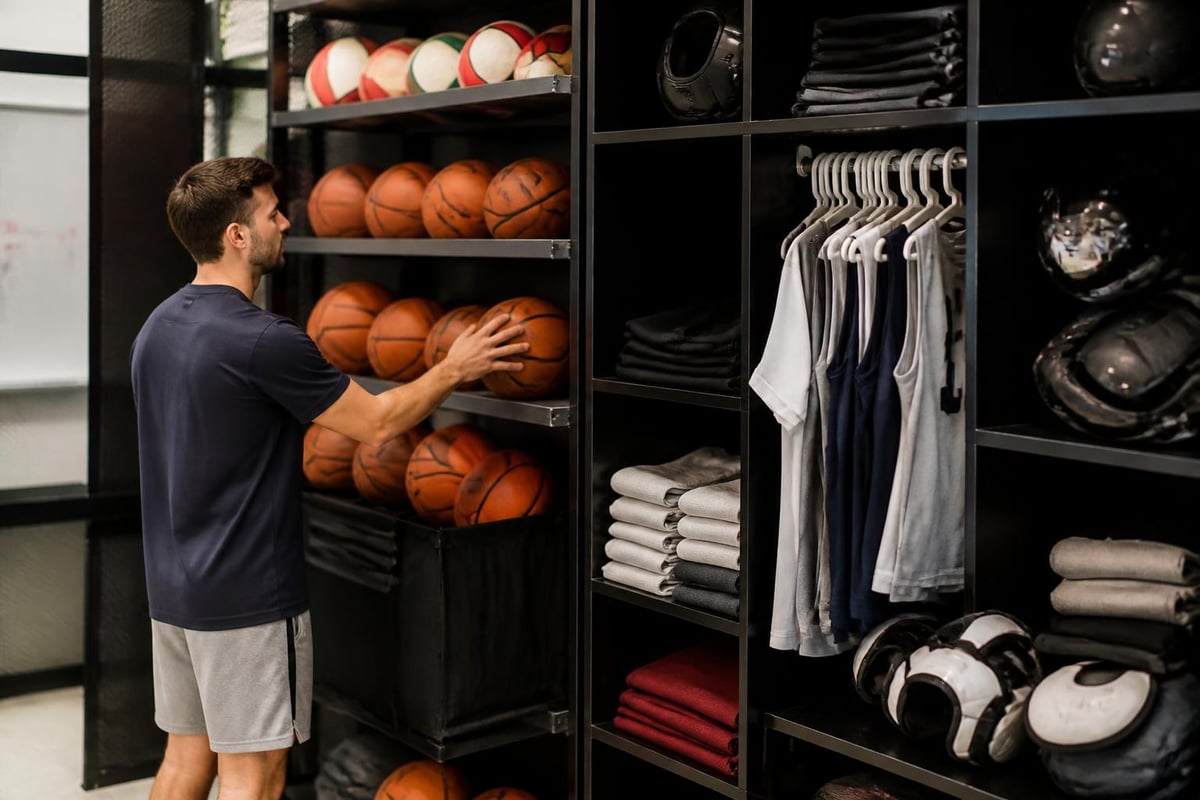
Ball carts should accommodate full team inventories while remaining mobile enough for quick court setup. Lockable storage prevents unauthorized equipment access and reduces theft in shared facilities. Mesh bags for practice jerseys allow air circulation that prevents odor buildup and extends fabric life between washing cycles.
Effective storage solutions provide:
- Designated spaces for each equipment category
- Easy access during practice setup and breakdown
- Protection from environmental damage
- Inventory visibility for quick equipment checks
- Secure options for valuable items
Team managers and equipment coordinators benefit from organized systems that clearly indicate when supplies need replenishment. Regular inventory checks prevent last-minute shortages before important games or tournaments. As noted in this detailed equipment checklist, maintaining adequate backup supplies separates prepared programs from those constantly scrambling to cover equipment gaps.
Climate-controlled storage protects leather basketballs and electronic equipment from temperature extremes that degrade materials and reduce performance reliability. Facilities without dedicated climate control should prioritize composite materials and durable construction that withstand environmental variation.
Budget Planning and Equipment Lifecycle
Strategic equipment purchasing balances immediate needs against long-term budget sustainability. Quality sports gear for basketball represents significant investment, but proper planning spreads costs across multiple seasons while maintaining competitive standards. Schools and organizations should develop multi-year equipment replacement schedules that prevent sudden budget shocks when items reach end-of-life.
High-use items like basketballs and practice uniforms require more frequent replacement than durable goods like ball carts and portable hoops. Establishing clear replacement timelines based on usage intensity rather than arbitrary timeframes ensures equipment remains safe and functional. Teams practicing year-round replace gear more frequently than seasonal programs.
Maximizing Equipment Value
Bulk purchasing through established suppliers provides cost savings while ensuring consistent product availability. Building relationships with reliable vendors like Sideline Sport Supply creates partnership opportunities for better pricing, faster fulfillment, and expert guidance on product selection appropriate for specific program needs.
| Budget Category | Typical % of Total | Replacement Cycle |
|---|---|---|
| Footwear and uniforms | 35-40% | Annually |
| Basketballs | 15-20% | 1-2 years |
| Training equipment | 20-25% | 3-5 years |
| Court equipment | 15-20% | 5-10 years |
| Protective gear | 10-15% | 2-3 years |
Grant opportunities and fundraising initiatives supplement tight budgets while maintaining equipment standards. Many sporting goods manufacturers offer team discounts and seasonal promotions that reduce acquisition costs without compromising quality. Programs should time major purchases to coincide with these promotional periods when possible.
Proper care extends equipment investment returns significantly. Teams that implement maintenance protocols, storage standards, and usage guidelines see substantially longer product lifespans than those treating gear carelessly. The relatively small time investment in equipment care generates substantial budget savings across multi-year periods.
Selecting the Right Supplier
Reliable suppliers understand the unique demands facing coaches, athletic directors, and sports organizations managing equipment programs. Beyond competitive pricing, the best suppliers offer product expertise, inventory availability, and responsive customer service that supports smooth operations throughout seasons.
Fast fulfillment matters particularly for unexpected equipment needs-replacement basketballs before tournament weekends, additional uniforms for new team members, or protective gear for injured players returning to competition. Suppliers maintaining adequate inventory ship orders quickly rather than forcing programs to wait through extended backorder periods.
Product selection depth allows organizations to find appropriate options across various budget levels without sacrificing safety or performance standards. Whether outfitting elite travel teams or recreational youth programs, access to diverse product ranges ensures programs select sports gear for basketball matching their specific requirements rather than settling for inadequate alternatives.
Technical support from knowledgeable staff helps programs make informed decisions about equipment specifications, maintenance best practices, and product comparisons. This expertise proves especially valuable for new programs establishing equipment inventories or experienced organizations exploring upgraded systems and emerging product categories.
Organizations appreciate straightforward pricing without hidden fees, minimum orders that create artificial barriers, or complicated purchasing processes that waste administrative time. Transparent business practices build trust and encourage long-term partnerships benefiting both suppliers and their customers.
Equipping basketball programs with appropriate gear requires balancing performance needs, safety standards, and budget realities across footwear, balls, protective equipment, training tools, and facility essentials. Strategic planning, proper maintenance, and reliable supplier relationships maximize equipment investments while supporting player development at every competitive level. Sideline Sport Supply provides the quality sports gear for basketball your program needs with fast fulfillment, fair pricing, and straightforward service-so your teams spend less time managing equipment logistics and more time focused on the game.