

Soccer Gear Guide: Essential Equipment for Every Player
Selecting the right equipment for soccer programs, training sessions, and competitive play requires careful consideration of quality, durability, and performance needs. Whether outfitting an entire school team, stocking practice facilities, or helping individual athletes prepare for the season, understanding what constitutes essential soccer gear helps coaches, athletic directors, and parents make informed purchasing decisions. The right equipment not only enhances player development but also ensures safety and longevity throughout demanding practice schedules and competitive seasons.
Understanding Essential Soccer Equipment Categories
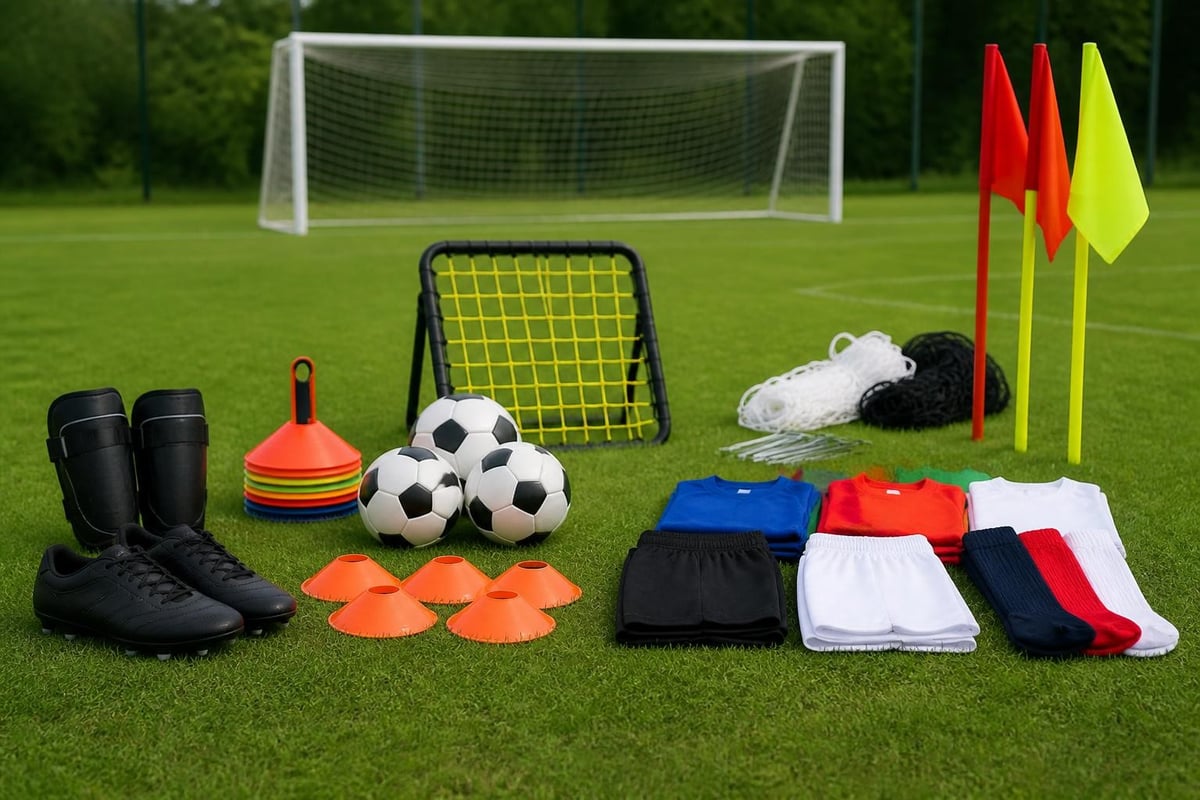
Soccer gear encompasses several distinct categories, each serving specific purposes in player development and game readiness. The primary categories include personal protective equipment, training tools, field equipment, and apparel essentials.
Personal protective equipment forms the foundation of player safety. Shin guards remain mandatory across all competitive levels, protecting players from impact during tackles and collisions. Quality shin guards feature durable outer shells with shock-absorbing foam padding, and organizations should maintain sizing options to accommodate different age groups and body types.
Training equipment drives skill development and team preparation. This category includes everything from practice balls and cones to rebounders and agility ladders. The Sports Foundation offers a comprehensive list of 27 soccer equipment items that covers both basic and advanced training needs, providing valuable reference points for program directors building equipment inventories.
Field equipment represents a significant investment for schools and sports organizations. Goals, nets, corner flags, and field markers must withstand constant outdoor exposure while meeting regulation standards. Products like the PEVO Practice Futsal Goal offer versatile training options for programs working with limited space or indoor facilities.
Footwear Selection and Performance Considerations
Soccer cleats represent one of the most critical equipment decisions for player performance and injury prevention. Different playing surfaces, positions, and skill levels require specific cleat configurations and construction features.
Modern soccer footwear has evolved significantly, incorporating advanced materials and biomechanical research. Research on modern soccer footwear design highlights how proper cleat selection impacts performance metrics and reduces injury risk, particularly concerning ankle stability and traction control.
Cleat Types and Surface Compatibility
| Cleat Type | Best Surface | Stud Configuration | Typical Use |
|---|---|---|---|
| Firm Ground (FG) | Natural grass | Molded plastic/rubber | Most common, all-purpose |
| Soft Ground (SG) | Wet, muddy fields | Metal or detachable studs | Rainy conditions |
| Artificial Ground (AG) | Synthetic turf | Shorter, numerous studs | Turf-specific design |
| Indoor/Turf (IN/TF) | Hard surfaces | Flat rubber sole | Futsal, gym courts |
Athletic directors should maintain diverse cleat inventories to accommodate various playing conditions throughout the season. Programs that practice on multiple surface types benefit from having backup options available, ensuring players always train with appropriate footwear regardless of weather or facility changes.
Sizing and fit considerations extend beyond simple measurements. Growing athletes may need replacements mid-season, and organizations should budget accordingly. Many coaches recommend purchasing cleats slightly larger for youth players experiencing growth spurts, though excessive room compromises performance and increases blister risk.
Building Comprehensive Practice Equipment Collections
Effective training programs require thoughtful equipment planning that supports varied drills, skill development, and tactical preparation. Practice gear must balance durability with functionality while fitting within budget constraints.
Soccer balls form the cornerstone of any practice inventory. Organizations should maintain sufficient quantities to ensure every player has consistent ball contact during training sessions. Size specifications vary by age group:
- Size 3: Ages 8 and under
- Size 4: Ages 8-12
- Size 5: Ages 13 and above (regulation size)
Ball quality matters significantly for skill development. Match-quality balls provide consistent flight patterns and touch feedback, while practice balls prioritize durability for high-volume use. Most programs benefit from maintaining both categories, using match balls for tactical work and practice balls for conditioning drills.
Training Tools That Maximize Development
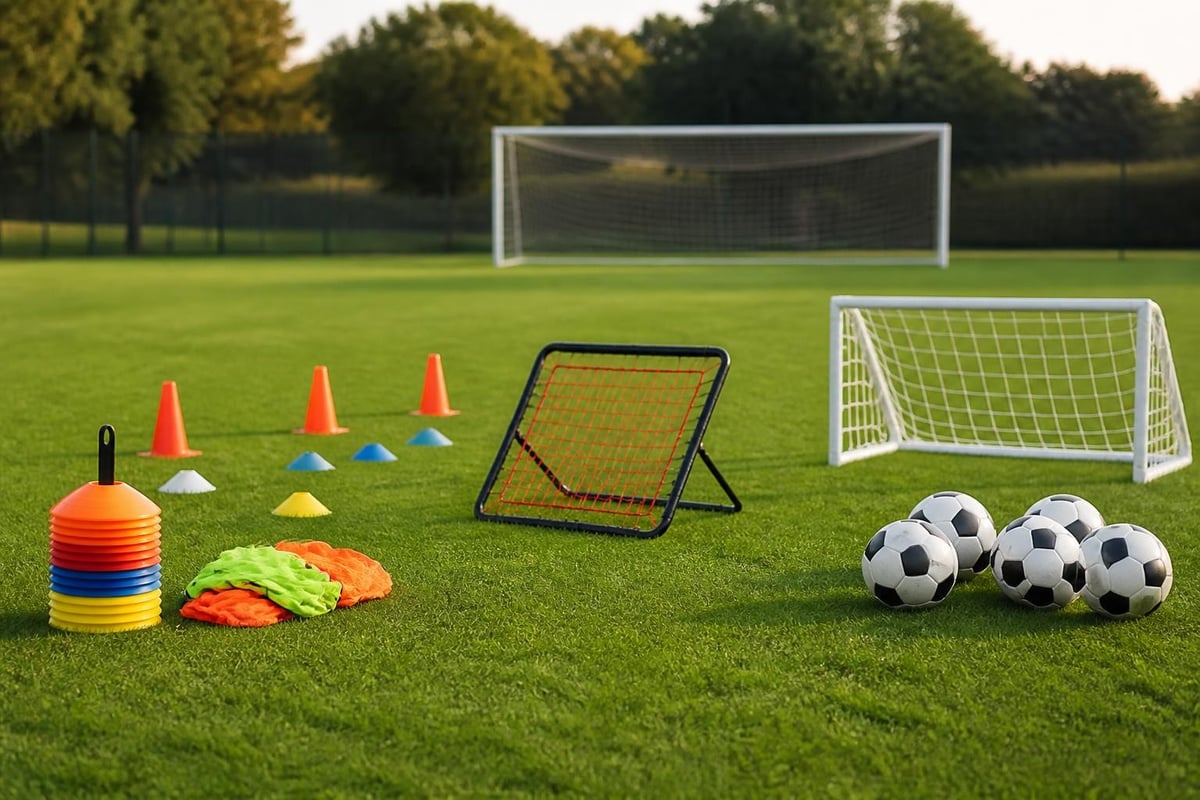
Agility and conditioning equipment transforms basic practice fields into comprehensive development centers. Essential training tools include:
- Training cones and markers: Establish drill patterns, boundaries, and spatial awareness exercises
- Agility ladders: Develop footwork precision and coordination
- Rebounders: Enable individual passing and shooting practice
- Portable goals: Create small-sided game opportunities
The PEVO Small Goal Series Soccer Goal exemplifies versatile training equipment that accommodates multiple drill formats while maintaining portability for different field configurations. These smaller goals prove particularly valuable for technical training and youth development programs.
Speed and agility training requires minimal specialized equipment but delivers substantial performance benefits. Resistance bands, hurdles, and sprint parachutes integrate easily into existing practice plans while targeting specific athletic attributes crucial for soccer performance.
Goal Selection and Installation Considerations
Goals represent significant infrastructure investments requiring careful evaluation of regulations, safety standards, and usage patterns. Different competitive levels and facility types demand specific goal specifications.
Regulation goals measure 8 feet high by 24 feet wide for full-field play, though youth leagues often use scaled dimensions. Portable goals offer flexibility for programs sharing facilities, while permanent installations provide superior stability for high-level competition.
Goal Types and Application
Organizations must weigh several factors when selecting soccer goals:
- Portability requirements: Facilities hosting multiple sports need easily movable equipment
- Storage capacity: Seasonal programs require goals that compact efficiently
- Safety features: Proper anchoring systems prevent tip-over incidents
- Weather resistance: Outdoor installations demand corrosion-resistant materials
- Budget constraints: Balance initial investment against long-term durability
The Gared Soccer Goal Corner Flag Set demonstrates how complementary equipment completes field setup while meeting regulation requirements. Corner flags, often overlooked during initial equipment planning, prove essential for both practice sessions and competitive matches.
Anchoring systems deserve particular attention given safety regulations and liability concerns. Ground anchors, weights, and stabilization systems must accommodate soil conditions, usage frequency, and local weather patterns. Many organizations invest in professional installation to ensure compliance with safety standards and manufacturer specifications.
Protective Gear and Safety Equipment Standards
Player safety equipment extends beyond basic shin guards, encompassing various protective elements that reduce injury risk during contact situations and competitive play. Guidance on choosing the right soccer gear emphasizes matching protection levels to competitive intensity and player age.
Goalkeeper equipment requires specialized attention due to unique position demands. Goalkeepers need padded gloves, protective pants, and often additional padding for elbows and knees. Organizations should budget separately for goalkeeper gear, as these items wear faster than field player equipment due to diving and ground contact.
Headgear has gained prominence following increased awareness of concussion risks. While not universally mandated, protective headbands provide impact absorption during aerial challenges and accidental collisions. Some leagues now permit or encourage their use, particularly for players returning from head injuries.
Protective Equipment Maintenance Protocols
| Equipment Type | Inspection Frequency | Replacement Indicators | Storage Requirements |
|---|---|---|---|
| Shin guards | Before each season | Cracks, padding compression | Dry, ventilated area |
| Goalkeeper gloves | Weekly during season | Torn palms, lost grip | Away from direct heat |
| Training balls | Monthly | Air retention issues, surface damage | Indoor storage preferred |
| Goals/nets | Bi-weekly | Rust, torn netting, loose joints | Covered when possible |
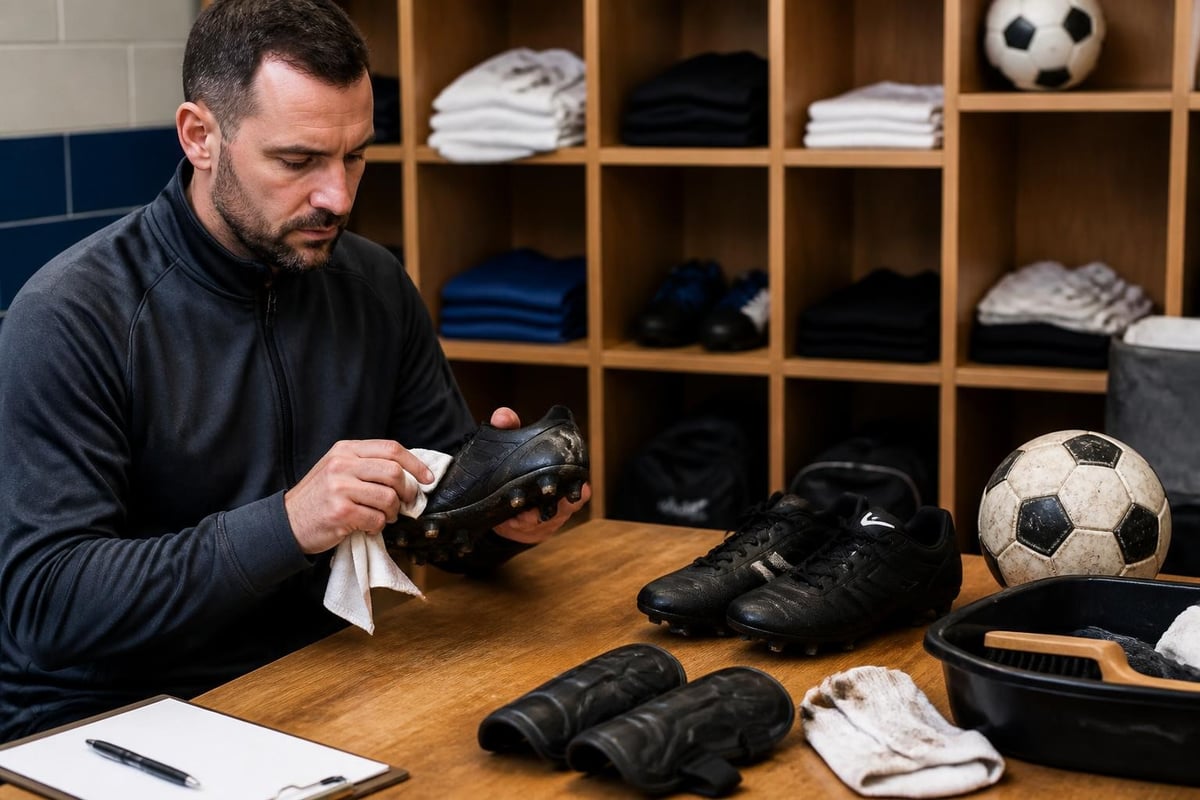
Regular equipment inspections prevent safety incidents while maximizing investment longevity. Athletic directors should implement documented maintenance schedules that assign responsibility for checking, cleaning, and storing gear properly.
Apparel Essentials for Teams and Organizations
Uniforms and apparel represent team identity while serving functional performance needs. Effective apparel programs balance aesthetics, comfort, and budget considerations across entire rosters.
Jersey selection involves more than color preferences. Modern performance fabrics offer moisture-wicking properties, temperature regulation, and durability through repeated washing cycles. Teams should consider:
- Fabric composition and breathability
- Sizing consistency across age groups
- Customization options for names and numbers
- Color-fastness and shrinkage resistance
Matching shorts and socks complete uniform sets, though organizations often purchase these items separately to accommodate different replacement cycles. Socks particularly require frequent replacement due to wear patterns and lost items throughout seasons.
Practice apparel differs from game uniforms in both quality expectations and cost considerations. Training jerseys, practice pinnies, and scrimmage vests should prioritize durability and visibility over aesthetic details. Many programs use colored pinnies to designate teams during drills, enabling quick identification without requiring full uniform changes.
Climate considerations influence apparel planning significantly. Programs in variable weather regions need layering options including:
- Base layers for cold weather training
- Rain jackets for wet conditions
- Warm-up suits for pre-game preparation
- Compression gear for muscle support
Equipment Storage and Organization Systems
Proper storage infrastructure protects equipment investments while streamlining preparation and inventory management. Organized storage systems reduce setup time, prevent loss, and extend gear lifespan.
Ball carts and bags keep soccer balls accessible while protecting them from unnecessary wear. Products like the Ball Cart accommodate multiple balls while enabling easy transport between storage areas and practice fields. Mesh bags offer budget-friendly alternatives, though they provide less protection during storage.
Dedicated equipment rooms should incorporate:
- Shelving systems for organized gear placement
- Ventilated areas for drying wet equipment
- Secure storage for valuable items
- Inventory tracking systems
- Clearly labeled sections by equipment type
Mobile storage solutions benefit programs operating across multiple facilities. Rolling carts, stackable bins, and collapsible equipment holders enable efficient transport while maintaining organization. Teams traveling to away competitions particularly value equipment systems that pack efficiently and unload quickly.
Budget Planning and Procurement Strategies
Strategic equipment purchasing maximizes value while ensuring programs maintain adequate gear inventories. Essential soccer gear and safety equipment guidance helps organizations prioritize purchases based on immediate needs versus long-term planning.
Developing annual equipment budgets requires assessment of:
- Current inventory condition and projected replacements
- Program growth expectations
- New regulatory requirements
- Facility upgrades or changes
- Competitive level progression
Bulk purchasing often delivers significant cost savings for organizations outfitting entire teams or programs. Many suppliers offer volume discounts on uniform sets, training equipment packages, and consumable items like practice balls. Schools and clubs should coordinate purchasing across multiple teams to leverage quantity pricing.
Equipment Investment Priorities
| Priority Level | Equipment Category | Justification | Typical Budget % |
|---|---|---|---|
| Critical | Balls, goals, safety gear | Essential for play | 35-40% |
| High | Uniforms, training tools | Player development | 25-30% |
| Medium | Storage, field markers | Organization efficiency | 15-20% |
| Lower | Specialized training aids | Performance enhancement | 10-15% |
Quality versus quantity decisions challenge budget-conscious programs. Comprehensive soccer gear guides demonstrate that investing in durable core equipment often proves more economical than repeatedly replacing inferior products. Organizations should prioritize quality for high-use items like goals and balls while accepting reasonable compromises for less critical gear.
Facility Integration and Field Equipment Setup
Complete soccer programs require more than player gear, demanding comprehensive field infrastructure that supports practices, competitions, and multi-sport facility usage. Equipment selection must consider facility constraints, shared usage patterns, and maintenance capabilities.
Field marking systems vary from permanent painted lines to temporary chalking equipment. Facilities hosting multiple sports benefit from removable marking solutions that accommodate changing field configurations. Proper field preparation equipment ensures safe, regulation-compliant playing surfaces.
Spectator and team areas need complementary equipment including benches, shade structures, and scoreboards. While not strictly soccer gear, these elements complete functional competition venues and enhance the overall program experience.
Organizations managing their own facilities should invest in maintenance equipment protecting playing surface quality. Proper field care reduces injury risk while extending surface lifespan, whether working with natural grass or synthetic turf installations.
The Field Armor protective panel systems illustrate how specialized equipment protects high-traffic areas and sensitive field sections from excessive wear. These protection systems prove particularly valuable for fields accommodating multiple teams or sports throughout busy seasons.
Youth Development and Age-Appropriate Equipment
Youth soccer programs require age-specific equipment considerations ensuring proper physical development while maintaining engagement and safety. Scaling equipment appropriately helps young players build fundamental skills without frustration or injury risk.
Modified equipment specifications for youth programs include:
- Smaller ball sizes matching hand and foot proportions
- Reduced goal dimensions encouraging scoring success
- Lighter shin guards fitting developing legs
- Adjustable training equipment accommodating growth
Programs serving multiple age groups need diverse equipment inventories supporting concurrent activities. This requires significant storage capacity and organizational systems preventing equipment mix-ups between age divisions.
Progressive equipment introduction helps youth players transition toward full-size regulation gear. Rather than abrupt changes at specific age cutoffs, gradual equipment progression builds comfort and confidence. Many successful programs introduce regulation-size balls during practice sessions while maintaining age-appropriate balls for games, easing the transition over several months.
Training aids designed specifically for youth development focus on fundamental skill building rather than tactical complexity. Simplified rebounders, portable mini-goals like the PEVO Park Futsal Goal, and basic cone arrangements provide effective training platforms without overwhelming young athletes.
Specialized Training Equipment for Advanced Programs
Competitive programs and elite development pathways benefit from specialized training tools targeting specific performance aspects. While basic equipment serves general development needs, advanced gear enables focused improvement in technical, tactical, and physical domains.
Video analysis systems have become essential for higher-level programs, enabling detailed performance review and tactical instruction. Portable camera systems and tablet-based analysis software integrate easily into existing training environments without requiring permanent installations.
Speed and agility equipment progresses from basic ladders and cones to sophisticated timing systems and resistance training tools. GPS tracking systems monitor player movement patterns, workload distribution, and recovery needs, though these represent significant investments suitable primarily for well-funded programs.
Goalkeeper-specific training equipment includes specialized rebounders, reaction training tools, and diving mats. Elite goalkeeper development requires dedicated equipment that simulates game situations while protecting athletes during high-repetition training sessions.
Mental skills training equipment, including visualization tools and focus-training systems, represents emerging categories in comprehensive player development programs. While less tangible than physical gear, these resources contribute to complete athlete preparation at competitive levels.
Equipping soccer programs effectively requires understanding how different gear categories support player development, team preparation, and organizational success. From essential protective equipment to specialized training tools, each component plays a role in building comprehensive athletic programs. Sideline Sport Supply provides teams, schools, and organizations with reliable, affordable equipment backed by straightforward pricing and fast fulfillment, helping programs focus on what matters most: developing athletes and competing at their highest level. Whether outfitting an entire program or replacing specific items, having a trusted equipment partner simplifies procurement while ensuring quality and value.