

Basketball Equipment Guide for Teams & Organizations
Selecting the right basketball equipment represents one of the most critical decisions coaches, athletic directors, and sports organizations make each season. From regulation hoops and training balls to protective gear and facility essentials, the quality and appropriateness of equipment directly impact player development, safety, and competitive performance. Understanding the full spectrum of basketball equipment needs-and the standards that govern them-ensures teams invest wisely in gear that serves athletes from their first practice through championship competition.
Core Basketball Equipment Categories
Basketball equipment encompasses far more than just balls and hoops. The modern game requires a comprehensive approach to outfitting players and facilities.
Game-Ready Basketball Systems
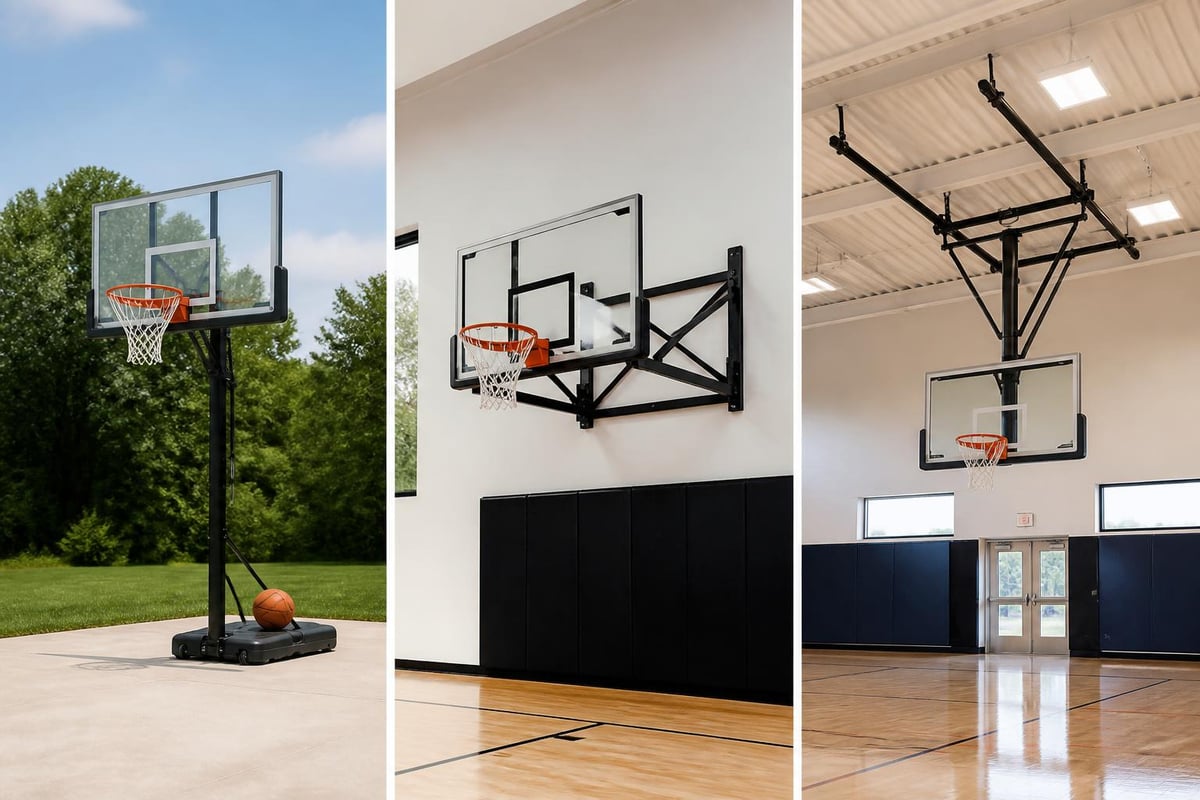
The basketball hoop system serves as the centerpiece of any court, whether indoor or outdoor. Regulation systems must meet specific height, backboard dimensions, and stability requirements established by governing bodies. FIBA equipment standards outline precise specifications for international competition, though many organizations adopt these benchmarks for consistency across programs.
Facility managers choosing between portable, wall-mounted, and ceiling-suspended systems must evaluate usage patterns, space constraints, and budget considerations. Portable basketball systems offer flexibility for multi-purpose facilities, while wall-mount basketball systems maximize floor space in gymnasiums with permanent court layouts.
Key specifications include:
- Backboard materials (glass, acrylic, or polycarbonate)
- Rim breakaway mechanisms for safety
- Height adjustment capabilities
- Base stability and ballast requirements
- Installation and maintenance protocols
Basketball Selection and Specifications
Not all basketballs serve the same purpose. Organizations need different ball types for various activities and age groups.
| Ball Type | Size | Circumference | Typical Use |
|---|---|---|---|
| Official Men's | 7 | 29.5-29.875" | High school, college, professional men's games |
| Official Women's | 6 | 28.5-28.875" | High school, college, professional women's games |
| Youth | 5 | 27.5-27.75" | Ages 9-11 training and competition |
| Mini | 3 | 22" | Skills development, young children |
Indoor basketballs feature leather or composite leather construction optimized for hardwood courts, providing superior grip and consistent bounce characteristics. Outdoor basketballs utilize rubber or synthetic materials engineered to withstand rougher surfaces and weather exposure without compromising performance. Understanding basketball equipment essentials helps coaches select appropriate balls for each training environment and competitive scenario.
Training programs benefit from maintaining separate ball inventories for drills, scrimmages, and official games, ensuring proper ball rotation and longevity.
Player Safety and Performance Gear
Athletic performance and injury prevention depend heavily on appropriate personal basketball equipment selected for individual player needs.
Footwear Fundamentals
Basketball shoes represent the most critical personal equipment investment any player makes. Proper footwear provides:
- Ankle support through high-top, mid-top, or low-top designs based on playing style and injury history
- Cushioning systems that absorb impact from jumping and quick directional changes
- Traction patterns engineered for court surfaces and movement demands
- Breathability features managing heat and moisture during intense competition
Players transitioning between positions or experiencing growth spurts require regular footwear assessments to maintain optimal fit and support. Basketball equipment selection guidance emphasizes the relationship between proper shoe fitting and long-term joint health.
Protective Equipment Standards
Modern basketball increasingly recognizes the importance of protective gear, particularly for players with injury histories or specific vulnerability concerns.
Knee and elbow pads cushion impact during aggressive play and floor contact. Mouthguards protect dental structures and reduce concussion risk. Compression garments support muscles, improve circulation, and provide additional joint stability during high-intensity movement.
Coaches should maintain equipment supplies for players who forget or damage personal protective gear. Complete basketball equipment checklists ensure teams prepare comprehensively for both practice and game situations.
Training and Development Equipment
Beyond game-day essentials, comprehensive basketball programs require specialized training basketball equipment designed to develop specific skills and conditioning.
Skill Development Tools
Effective practice sessions incorporate diverse training aids targeting different aspects of player development:
- Agility ladders and cones for footwork drills
- Resistance bands for strength training
- Rebounding devices for solo shooting practice
- Dribbling goggles that force players to develop court vision
- Shooting aids reinforcing proper form and mechanics
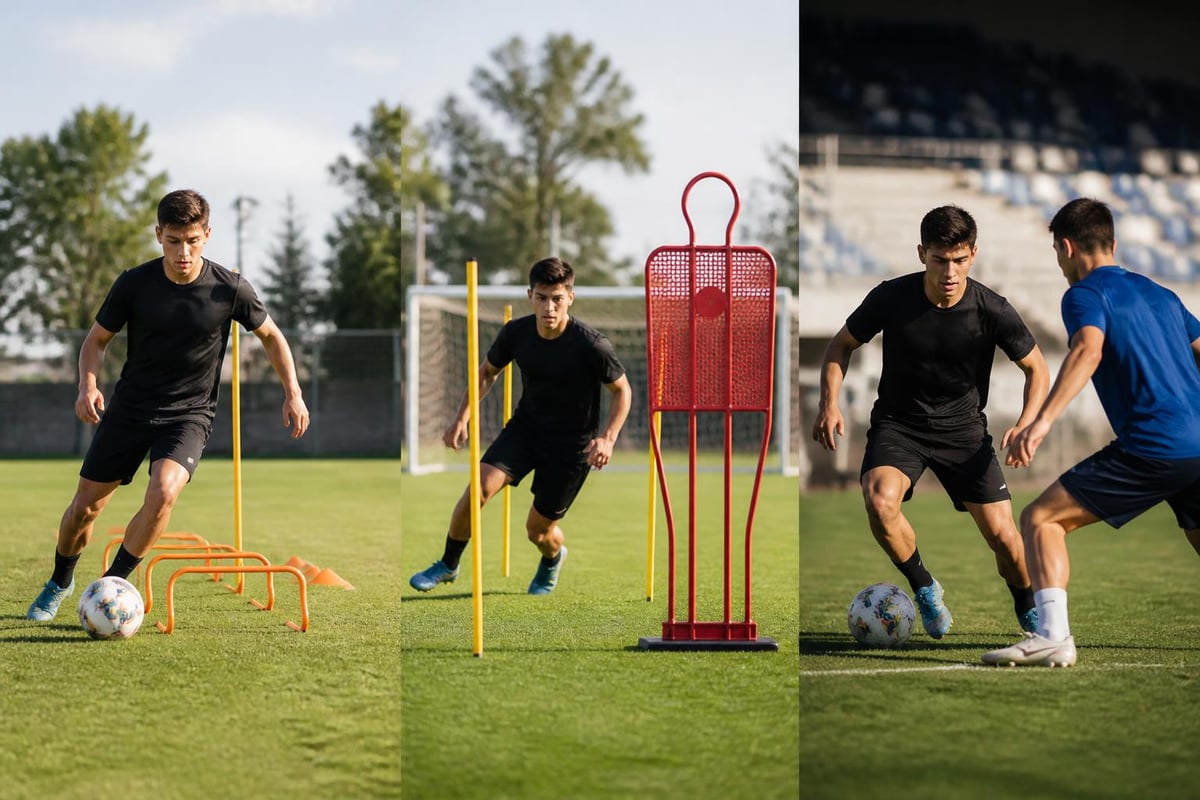
Pop-up dummies serve multiple defensive training purposes, simulating opponent presence without requiring additional players. Options like the Pro Pop-Up Dummy provide realistic height and positioning for defensive slide drills, closeout practices, and shot-blocking techniques.
Ball Handling and Shooting Machines
Advanced programs investing in automated training equipment see measurable improvements in repetition quality and practice efficiency. Shooting machines return balls to players immediately after shot attempts, dramatically increasing repetition volume during limited practice time.
These systems offer:
- Programmable shot locations for systematic practice routines
- Tempo control matching game-speed conditions
- Statistical tracking documenting shooting percentages by location
- Net collection systems minimizing downtime between repetitions
Organizations managing multiple sports programs benefit from equipment suppliers offering comprehensive solutions across disciplines. Indoor equipment collections streamline procurement processes and often provide volume pricing advantages.
Facility and Organizational Essentials
Supporting infrastructure and organizational basketball equipment create the foundation for effective programs at any level.
Court Maintenance Equipment
Hardwood court preservation requires consistent maintenance protocols and appropriate equipment. Dust mops remove surface debris before each session. Floor cleaners specifically formulated for sports surfaces prevent buildup without damaging finishes. Moisture control systems address condensation issues affecting traction and safety.
Outdoor courts demand different maintenance approaches, including pressure washing equipment, crack repair materials, and resurfacing compounds that extend playing surface lifespan despite weather exposure.
Storage and Transportation Solutions
Organized equipment management improves practice efficiency and extends gear longevity. Essential organizational items include:
| Equipment Type | Storage Solution | Key Features |
|---|---|---|
| Basketballs | Ball carts/racks | Ventilation, easy access, capacity 12-36 balls |
| Training gear | Lockable cabinets | Security, organization, inventory visibility |
| Uniforms | Mesh bags/bins | Breathability, team/size separation |
| Protective equipment | Open shelving | Drying capability, individual compartments |
Ball carts with sturdy construction and smooth-rolling casters facilitate quick practice setup and breakdown. Teams traveling frequently need portable equipment bags designed for specific gear categories, preventing damage during transport.
Scoreboard and Timing Systems
Official competition requires accurate timing and scoring displays meeting regulatory specifications. Scoreboards range from basic models showing score and time to comprehensive systems integrating shot clocks, team fouls, and player statistics.
Digital systems offer:
- Wireless control for flexible operator positioning
- Customizable displays adapting to different competition formats
- Integration capabilities with statistics software
- Backup power options preventing game interruptions
Multi-sport facilities benefit from modular systems serving basketball, volleyball, and other indoor sports, maximizing infrastructure investments.
Safety Standards and Compliance Requirements
Regulatory compliance ensures player safety while protecting organizations from liability concerns associated with substandard basketball equipment.
Residential and Commercial Standards
ASTM safety standards for basketball systems establish performance requirements reducing hazards during manufacture, assembly, maintenance, and use. Commercial installations serving schools and organizations face additional scrutiny under European safety requirements when applicable.
Key compliance areas include:
- Structural stability preventing tipping or collapse
- Padding requirements for poles, bases, and backboard edges
- Breakaway rim mechanisms reducing injury from hanging or contact
- Installation specifications ensuring proper anchoring and clearances
- Maintenance protocols documenting regular safety inspections
Athletic directors should maintain documentation proving equipment meets relevant standards, particularly for liability protection and insurance requirements.
Inspection and Maintenance Schedules
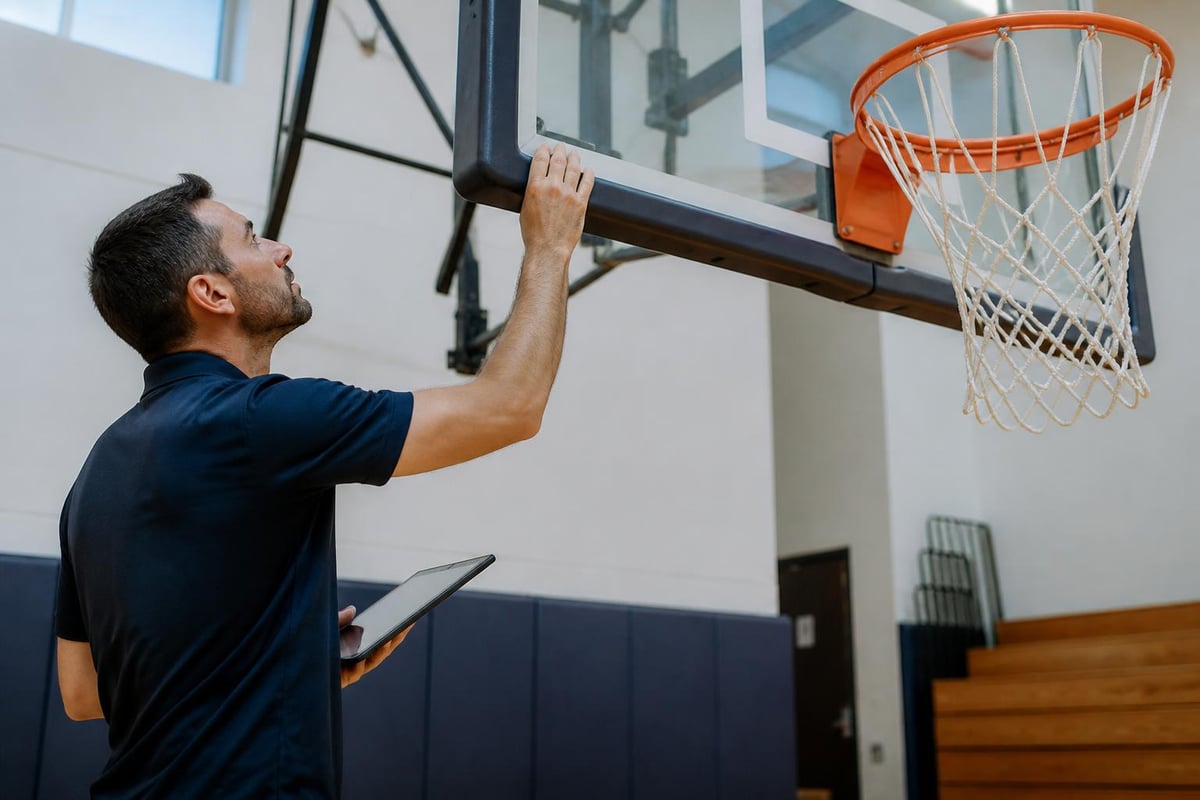
Preventive maintenance extends equipment lifespan while identifying potential safety issues before they cause injuries. Recommended inspection frequencies include:
Daily checks before practices and games verify rim security, net condition, and court surface cleanliness. Weekly inspections examine backboard mounting, padding integrity, and base stability for portable systems. Monthly assessments document wear patterns suggesting replacement needs.
Annual professional inspections by qualified technicians ensure systems meet manufacturer specifications and safety standards. Adjustable basketball systems require particular attention to height-adjustment mechanisms experiencing frequent use.
Budget Planning and Procurement Strategies
Strategic purchasing approaches maximize basketball equipment value while ensuring programs maintain necessary inventory levels.
Initial Setup Investment
New programs face significant upfront costs equipping facilities and teams. Prioritization strategies help organizations phase purchases appropriately:
Phase 1 - Essential Game Equipment: Regulation basketball systems, official game balls, basic uniforms, and timing equipment enable immediate program launch.
Phase 2 - Training Enhancement: Shooting aids, agility equipment, and additional practice balls improve skill development capabilities once core needs are met.
Phase 3 - Advanced Systems: Shooting machines, video analysis equipment, and comprehensive strength training gear optimize established programs.
Organizations should allocate approximately 60% of initial budgets to permanent installations and systems, 25% to consumable and replacement items, and 15% to training enhancement equipment.
Replacement Cycles and Inventory Management
Different basketball equipment categories require replacement on varying schedules based on usage intensity and wear patterns.
Typical replacement timelines:
- Game basketballs: 1-2 seasons with proper care
- Practice basketballs: 2-3 seasons depending on usage frequency
- Uniforms: 3-4 seasons considering growth and team size changes
- Protective gear: Annually or when damaged
- Basketball systems: 15-25 years with proper maintenance
Inventory management systems tracking equipment age, usage hours, and condition assessments prevent unexpected shortages during critical periods. Bulk purchasing during off-season sales periods reduces costs while ensuring readiness for upcoming seasons.
Equipment Selection for Different Program Levels
Basketball equipment needs vary significantly based on competition level, facility type, and organizational resources.
Youth and Recreational Programs
Beginning players require appropriately sized basketball equipment supporting skill development without overwhelming young athletes. Size 5 basketballs match hand dimensions for elementary-age participants. Adjustable hoop systems accommodate multiple age groups in shared facilities, lowering to 8-9 feet for younger players.
Recreational programs emphasize durability and versatility over performance optimization, selecting equipment withstanding varied skill levels and intensive use cycles. Multipurpose facilities benefit from portable basketball systems enabling quick court conversion for different activities.
Competitive School and Club Programs
Travel teams and school athletics demand equipment meeting official competition specifications. Regulation-height systems with glass backboards provide authentic game conditions during practice. Premium composite basketballs offer consistent performance matching tournament standards.
Competitive programs invest in specialized training equipment accelerating player development through targeted skill work. Organizations competing across multiple sports optimize budgets through suppliers offering comprehensive athletic equipment solutions beyond basketball-specific items, such as fitness and training gear serving multiple programs.
College and Professional Organizations
Elite programs require championship-grade equipment meeting the highest performance and safety standards. Every detail matters when milliseconds and millimeters determine competitive outcomes.
Professional installations feature hydraulic basketball systems offering precise height adjustment and superior stability. Advanced shot-tracking technology integrates with basketball equipment for detailed performance analytics. Custom branding options on balls, uniforms, and facility elements reinforce program identity and sponsorship relationships.
Outfitting a basketball program with appropriate equipment requires careful consideration of safety standards, performance requirements, budget constraints, and organizational goals. From regulation basketball systems meeting international specifications to training aids developing specific skills, the right equipment creates environments where athletes thrive and programs succeed. Sideline Sport Supply provides comprehensive basketball equipment solutions designed for teams, schools, and organizations focused on quality, reliability, and value-helping you spend less time sourcing gear and more time developing champions on the court.