

Soccer Net and Rebounder Guide: Essential Tips for 2026
Soccer training is evolving rapidly as 2026 approaches, with the soccer net and rebounder becoming essential tools for players and coaches aiming to stay ahead.
This guide offers the latest, practical advice for selecting, using, and maintaining your soccer net and rebounder, designed for the dynamic needs of today’s game.
Inside, you will discover comprehensive sections on equipment types, core benefits, how to choose the right setup, step-by-step assembly, top training drills, maintenance strategies, and future trends.
As new training demands emerge, now is the time to invest in expert-recommended gear and unlock your team’s full potential.
Understanding Soccer Nets and Rebounders
Soccer training in 2026 is evolving rapidly, and understanding the essential tools is key. The soccer net and rebounder have become cornerstones in modern sessions, supporting both fundamental and advanced drills. Knowing the distinctions, types, and benefits helps coaches and players maximize their investment in training equipment.
What Are Soccer Nets and Rebounders?
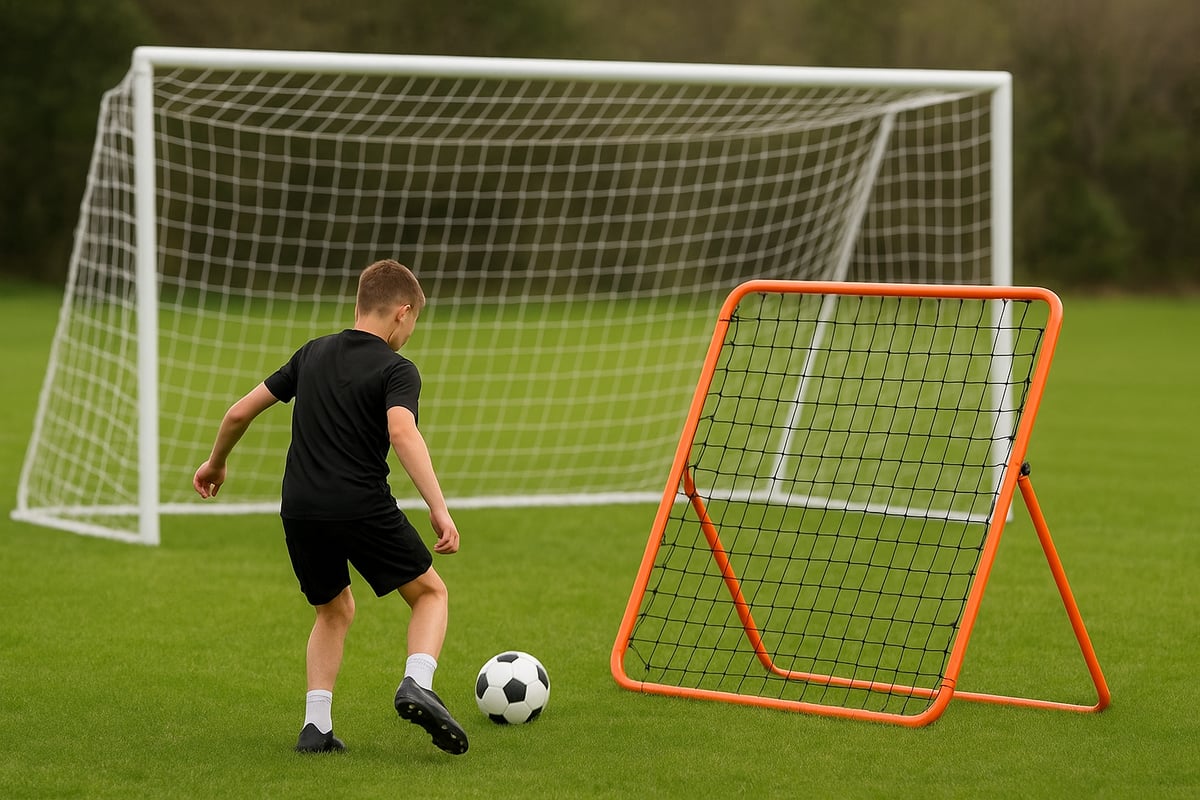
A soccer net and rebounder serve distinct but complementary roles in training. The soccer net is attached to a goal frame and is designed to catch the ball during shooting practice or games. It is essential for goal scoring and simulating match conditions.
In contrast, a rebounder is a frame with a taut mesh or panel that returns the ball to the player when struck. This tool is engineered for skill development, particularly passing, receiving, and ball control. Integrating both a soccer net and rebounder into training routines ensures players can work on scoring techniques and technical skills in a controlled environment.
Types of Soccer Nets
There are several main types of soccer net and rebounder options to consider for different training needs. Full-size nets are used in official matches, while youth nets cater to younger players and smaller fields. Portable and pop-up nets provide flexibility for training in various locations, and backyard nets are designed for home use.
Materials are important: nylon and polyethylene are common, with weather-resistant coatings extending product life. Sizing standards vary by league and age group, so always confirm dimensions before purchase. For a deeper dive into net selection, see Types of Soccer Goal Nets.
Types of Soccer Rebounders
The soccer net and rebounder market offers a variety of rebounder designs. Flat-panel rebounders provide consistent returns, while angled models introduce unpredictable ball trajectories for advanced drills. Dual-mode options combine a goal with a rebounder, maximizing space and utility.
Frame construction ranges from steel and iron for durability to HDPE for lighter weight. Many rebounders feature adjustable angles and double-sided panels, supporting a diverse range of exercises. Selecting the right soccer net and rebounder depends on the intended training focus, space, and athlete age.
Key Benefits for Players and Teams
Choosing the right soccer net and rebounder brings measurable benefits to both individuals and teams. Players can improve shooting, passing, and ball control with targeted, repetitive practice. Rebounders allow for solo skill development, while nets are essential for team-based drills and match preparation.
Flexible equipment supports a range of training environments, from backyards to professional clubs. According to recent data, the U.S. soccer training equipment market is growing, with increased adoption by schools and clubs. Investing in quality soccer net and rebounder products helps teams stay competitive and adapt to evolving training methods.
How to Choose the Right Soccer Net and Rebounder
Selecting the ideal soccer net and rebounder starts with understanding your unique goals and environment. With so many options in 2026, making an informed choice means weighing several key factors. The right decision enhances training, saves money, and boosts player development at every level.
Assessing Your Training Needs
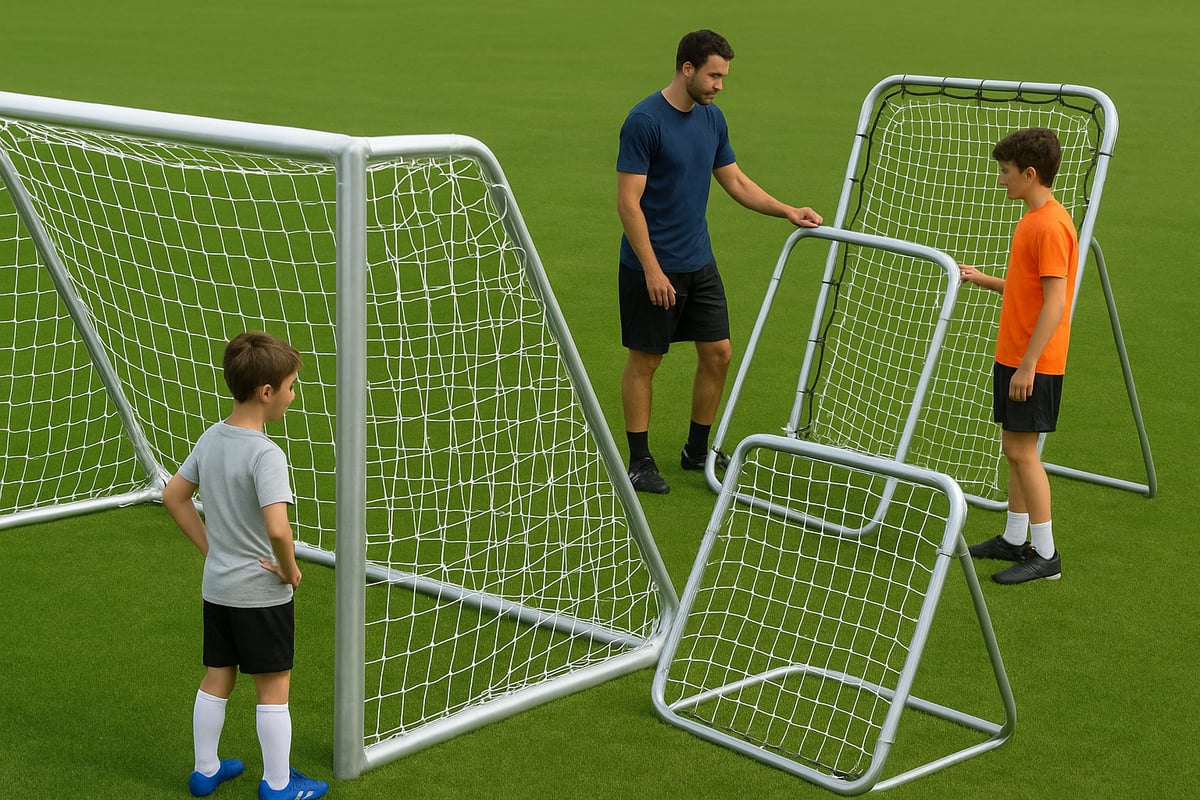
Begin by identifying who will use the soccer net and rebounder. Consider the age group, from young beginners to advanced high school players. Are you training individuals, small groups, or a full team? Define your main objectives—improving shooting, ball control, or passing accuracy.
Think about the frequency and location of use. Home setups require compact, versatile gear, while clubs may need robust, regulation-sized equipment. For example, a youth club benefits from lightweight, portable rebounders, while a high school team may prioritize heavy-duty nets for daily drills.
Understanding these needs ensures your soccer net and rebounder investment aligns with your training goals.
Evaluating Size and Portability
Size is critical when choosing a soccer net and rebounder. Standard net sizes include 6x12 ft for youth and 8x24 ft for adults, while rebounders often come in 4x3 ft, 5x5 ft, or 7x7 ft models. The right dimensions depend on your players' age and available space.
Portability matters, especially for those who train in multiple locations. Foldable nets and rebounders with quick-release frames make transport and storage easy. Popular options feature carry bags and collapsible designs, ideal for coaches on the go.
Reviewing size and portability helps you select a soccer net and rebounder that fits your environment and maximizes training flexibility.
Material and Frame Durability
The durability of your soccer net and rebounder directly impacts performance and lifespan. Look for weatherproof materials like galvanized steel or powder-coated frames, which resist rust and corrosion. Netting should be thick, UV-resistant nylon or polyethylene to withstand repeated shots and harsh weather.
For example, some brands use black powder-coated steel for extended outdoor use. A sturdy frame prevents warping or bending, even after intense sessions. Investing in high-quality materials ensures your soccer net and rebounder remain safe and reliable over time.
Assembly and Ease of Use
Choose a soccer net and rebounder that offers straightforward assembly. Tool-free designs and clear instruction manuals save time and frustration. Many modern models use push-button or snap-lock systems for fast setup.
User reviews often highlight ease of assembly as a top priority. Look for equipment that can be set up or taken down in minutes, with minimal parts. Quick disassembly is also useful for coaches and families with limited storage space.
Prioritizing assembly features keeps your soccer net and rebounder ready for action without delays.
Budget and Value Considerations
Budget plays a vital role in selecting a soccer net and rebounder. Prices range from $30 for basic pop-up nets to $250+ for professional-grade rebounders. Evaluate features like adjustability, frame strength, and warranty coverage when comparing costs.
Durable, multi-use products offer long-term savings, reducing the need for frequent replacements. Some retailers provide price match guarantees or discounts for bulk purchases, increasing value for teams and clubs. For a complete overview of available options, explore the Soccer Training Equipment Collection.
Balancing price with quality ensures your soccer net and rebounder deliver maximum return on investment.
Essential Setup and Safety Tips for 2026
Setting up your soccer net and rebounder correctly is essential for safe, effective training. Whether you’re working on your shooting or building quick reflexes, a secure foundation ensures your equipment performs at its best and stands up to repeated use. The following tips will help you optimize installation, placement, and ongoing safety for every session.
Step-by-Step Soccer Net Setup
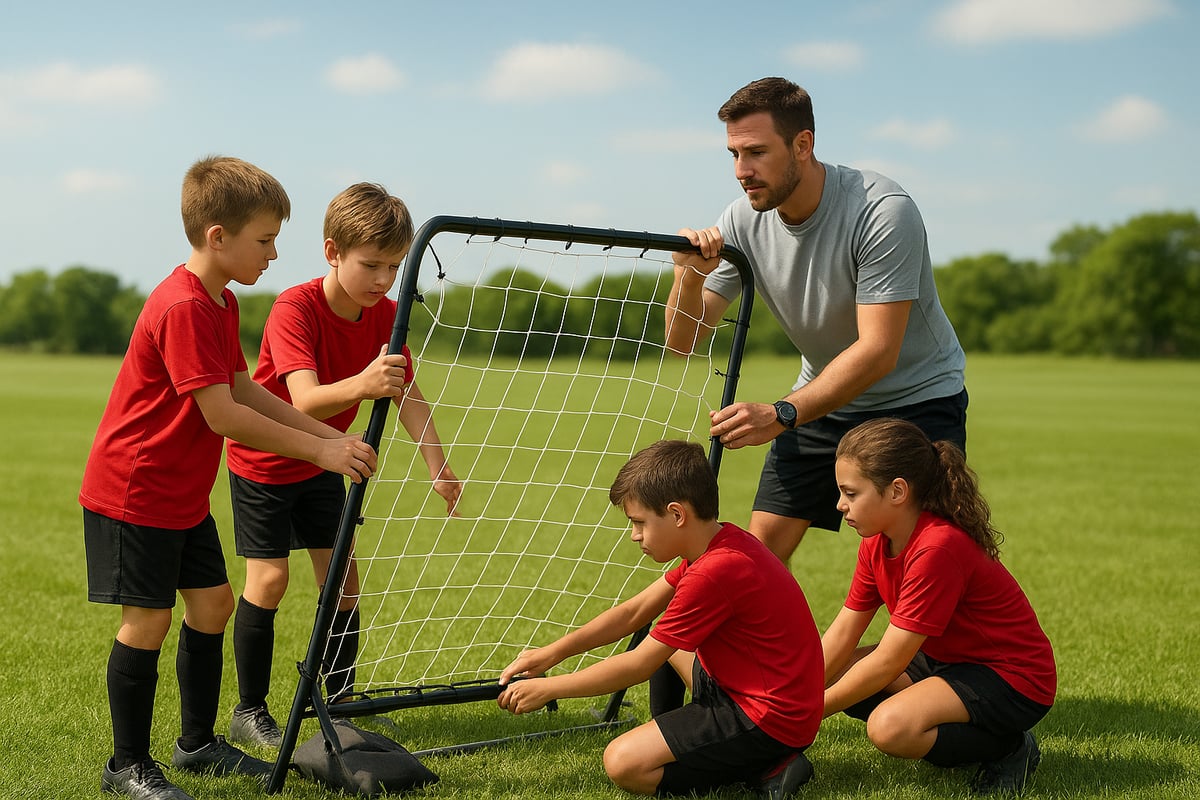
Begin by unboxing your soccer net and rebounder, checking that all parts are included. Lay out the frame pieces and connect them as shown in the instructions. Attach the net securely, making sure it is taut and evenly distributed. Use ground stakes or sandbags to anchor the structure, especially outdoors.
For more on foundational net assembly, see Understanding Soccer Goals. Ensuring each connection is tight helps prevent accidental collapse. Take a moment after setup to inspect stability before play. A stable soccer net and rebounder reduces risks and extends equipment life.
Rebounder Installation and Adjustment
Start by assembling the base and frame, confirming that every locking pin or connector is secure. Position your soccer net and rebounder on a flat surface for maximum stability. Adjust the rebounder’s angle to match the intended drill, whether for ground passes or aerial returns.
Double-check that the rebounder sits firmly and does not wobble. Some models have adjustable legs or rubber feet for added grip. Before each use, test the tension and bounce. This ensures the soccer net and rebounder respond predictably, minimizing injury risks and supporting consistent performance.
Placement and Field Considerations
Choose a location for your soccer net and rebounder that offers plenty of open space. Avoid placing equipment near fences, trees, or other obstacles. Indoors, ensure there is enough clearance around the net and rebounder for safe movement.
For small spaces, consider dual-mode rebounders that serve as both net and rebounder. This maximizes utility without cluttering the area. Always allow a buffer zone between the soccer net and rebounder and any other gear. Proper placement protects both players and equipment, making each session safer and more productive.
Safety Best Practices
Inspect your soccer net and rebounder before every session for signs of wear. Check for frayed netting, loose fasteners, or rust on metal parts. Address any issues immediately to prevent accidents.
Supervise youth players closely, especially during assembly and use. Follow manufacturer guidelines for safe operation and never exceed recommended weight or force limits. Regular maintenance, including cleaning and proper storage, keeps your soccer net and rebounder in top condition, ensuring safety and dependable performance for years to come.
Top Soccer Net and Rebounder Training Drills
Unlocking the full potential of your soccer net and rebounder begins with targeted, well-structured training drills. The right exercises can transform basic equipment into powerful tools for developing technical skills, enhancing teamwork, and boosting performance for all ages.
Solo Skill Development Drills
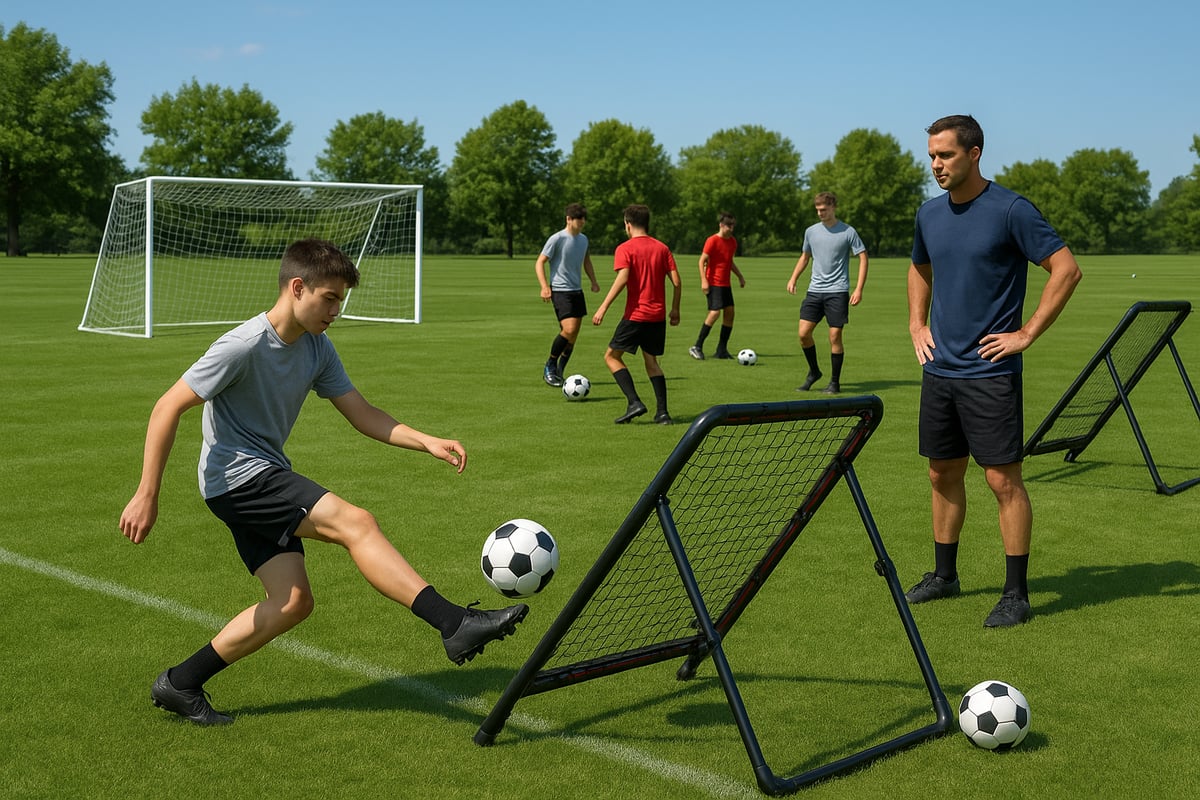
Individual practice is crucial for mastering fundamentals. Using a soccer net and rebounder, players can sharpen passing, shooting, and first-touch technique without needing a partner.
For example, set up an angled rebounder to practice one-touch passing. Aim to strike the ball at varying speeds and angles, challenging your control and accuracy. Rotate between left and right foot to build ambidexterity.
Try these solo drills:
- One-touch wall passes using the rebounder
- Precision shooting into portable nets
- Receiving and controlling unpredictable rebounds
With a soccer net and rebounder, even short sessions can yield measurable improvements in ball mastery and confidence.
Team-Based Practice Routines
Team drills maximize the value of a soccer net and rebounder by promoting communication and competitive spirit. Coaches can organize small-sided games where dual-mode rebounders act as both goals and passing targets.
Set up relay races where players must pass off the rebounder before shooting on goal. Rotate the roles to ensure everyone practices both attacking and defending.
Research shows that teams using multi-functional training equipment see higher engagement and faster skill progression. In fact, the U.S. Soccer Training Market Growth report highlights a steady rise in equipment adoption among clubs and schools, driven by versatile tools like the soccer net and rebounder.
Improving Reaction Time and Ball Control
Quick reflexes and tight ball control are vital at every level. The soccer net and rebounder combination creates dynamic, unpredictable scenarios that challenge players to react swiftly.
Try alternating between shooting at the net and passing off the rebounder in rapid succession. This simulates game pressure, forcing players to adjust their positioning and decision-making on the fly.
Youth academies often use fast-paced rebound drills to help players anticipate ball movement and sharpen their touch. Consistent practice with a soccer net and rebounder can translate directly into improved on-field performance.
Integrating Technology and Metrics
Modern training goes beyond repetition. Pairing your soccer net and rebounder sessions with technology unlocks new insights into player development.
Use tracking devices or mobile apps to monitor shot speed, passing accuracy, and rebound control. Record video of your drills for later analysis, focusing on areas for improvement.
For advanced setups, some rebounders support sensor integration, providing real-time feedback on performance. This data-driven approach ensures every session with your soccer net and rebounder is both productive and measurable.
Maximizing Versatility: Creative Uses
A soccer net and rebounder offer more than standard drills. Coaches and athletes can adapt them for non-traditional exercises and multi-sport training.
Try wall passes and volleys to boost coordination, or set up goalkeeper reflex challenges by rebounding unpredictable balls into the net. Adjustable rebounders even support practice for sports like volleyball or lacrosse.
Some multi-sport clubs invest in dual-sided rebounders for year-round versatility. With a soccer net and rebounder, your equipment becomes a foundation for creativity, adaptability, and long-term athletic growth.
Maintenance and Longevity: Keeping Your Equipment Game-Ready
Proper maintenance is essential for maximizing the lifespan and performance of your soccer net and rebounder. Consistent care not only protects your investment but also ensures safe, reliable use throughout every season. By following these best practices, you will keep your equipment game-ready and ready to support evolving training routines.
Cleaning and Care Routines
Thorough cleaning is the foundation of maintaining your soccer net and rebounder. After each session, shake off loose dirt and debris from both the netting and frame. Use a damp cloth with mild soap to gently wipe surfaces, paying special attention to joints and connectors where grime can accumulate.
For outdoor equipment, remove moisture promptly to prevent mold or rust. In wet climates, increase cleaning frequency and allow components to dry fully before storage. Avoid harsh chemicals that may degrade net fibers or corrode the frame. Setting a routine cleaning schedule ensures your soccer net and rebounder remains in optimal condition and ready for any training scenario.
Inspecting for Damage and Repairs
Regular inspections are crucial for identifying issues before they impact performance. Examine your soccer net and rebounder for frayed netting, broken ties, or holes. Check the frame for signs of bending, rust, or chipped coatings. Fasteners and connecting joints should be secure and free of cracks.
If you spot minor net tears, use a repair kit designed for synthetic fibers. For frame damage, consult the manufacturer for compatible replacement parts. Addressing small problems early helps avoid more costly repairs and ensures your soccer net and rebounder is always safe for players. Routine checks reduce downtime and promote consistent, high-quality training.
Storage Solutions for All Seasons
Proper storage protects your soccer net and rebounder from harsh elements and extends its service life. For outdoor setups, consider weatherproof covers to shield from UV rays and precipitation. If possible, store equipment indoors during off-season or extreme weather. Foldable and portable models are ideal for compact storage in garages or sheds.
Elevate frames and nets off damp surfaces to prevent moisture-related damage. In cold climates, avoid storing the soccer net and rebounder where freezing temperatures could cause material brittleness. With thoughtful storage, you minimize wear and keep your equipment ready for use year-round.
Extending Product Life: Pro Tips
To further extend the life of your soccer net and rebounder, rotate usage to ensure even wear across all components. Upgrade stakes, netting, or fasteners as needed, especially if your training intensity increases. Many manufacturers offer warranties and customer support for long-term care.
For detailed insights on construction and durability, explore the Soccer Posts Guide, which highlights key differences in equipment and offers advice on maintaining structural integrity. Staying proactive with care, repairs, and upgrades ensures your soccer net and rebounder delivers consistent value and performance for seasons to come.
Future Trends: Soccer Nets and Rebounders in 2026 and Beyond
As soccer training evolves, the soccer net and rebounder market is rapidly changing. Coaches, players, and clubs are seeking equipment that not only withstands intense use but also adapts to modern performance demands. Let's explore what the next wave of innovation holds for soccer net and rebounder solutions.
Innovations in Materials and Design
The future of soccer net and rebounder equipment is defined by advanced materials and smarter design. Manufacturers are introducing eco-friendly and ultra-durable composites, which offer greater weather resistance and longer product life. These materials are lighter yet stronger, making transportation and setup easier for all users.
Smart features are emerging, such as nets with integrated sensors to track ball speed and placement. Adjustable frames and tension systems allow players to customize their training experience. As technology and sustainability become priorities, expect even more creative solutions to shape the soccer net and rebounder landscape.
Customization and Personalization
Personalization is taking center stage in the soccer net and rebounder market. Clubs and schools can now order equipment in their team colors, complete with logos and custom sizing. This not only boosts team pride but also helps distinguish gear during tournaments and events.
On the individual level, players benefit from rebounders with adjustable tension, interchangeable panels, and digital integration for tailored drills. For a deeper look at these trends, check out Innovations in Soccer Equipment, which highlights how customization and smart features are redefining training tools. As these options expand, expect every soccer net and rebounder to better align with specific user needs.
Technology Integration for Performance Tracking
Technology is revolutionizing how athletes interact with every soccer net and rebounder. The latest models feature built-in sensors that record shot speed, accuracy, and rebound trajectories. These smart systems sync with mobile apps, delivering instant feedback and long-term performance analytics.
This shift is not just a novelty; it reflects a growing demand for data-driven training. According to the Smart Sports Equipment Market Analysis, adoption of smart soccer net and rebounder technology is projected to increase significantly by 2035. As a result, both coaches and players can refine techniques with unprecedented precision.
Evolving Training Methods and Equipment Needs
Training philosophies are shifting to emphasize individual skill development and remote coaching. The soccer net and rebounder are becoming essential for drills that build quick reflexes, tactical awareness, and overall fitness. Dual-mode rebounders and portable nets allow for creative use in small spaces or at home.
As remote and hybrid coaching grows, equipment will need to support video analysis, real-time feedback, and adaptive drills. The next decade will see the soccer net and rebounder at the core of innovative, flexible training programs designed for athletes at every level.