

Shop Hockey: Essential Gear Guide for Teams and Players
When you need to shop hockey equipment for your team, school, or individual players, understanding the full scope of necessary gear and budget considerations becomes essential. Hockey requires a significant investment in protective equipment, performance gear, and accessories that meet safety standards while supporting player development. Whether you're outfitting an entire youth program or replacing worn equipment mid-season, making informed purchasing decisions ensures players have the protection they need without overspending on unnecessary features. The right approach to sourcing hockey gear balances quality, affordability, and practical functionality that withstands the demands of regular play.
Understanding Essential Hockey Equipment Categories
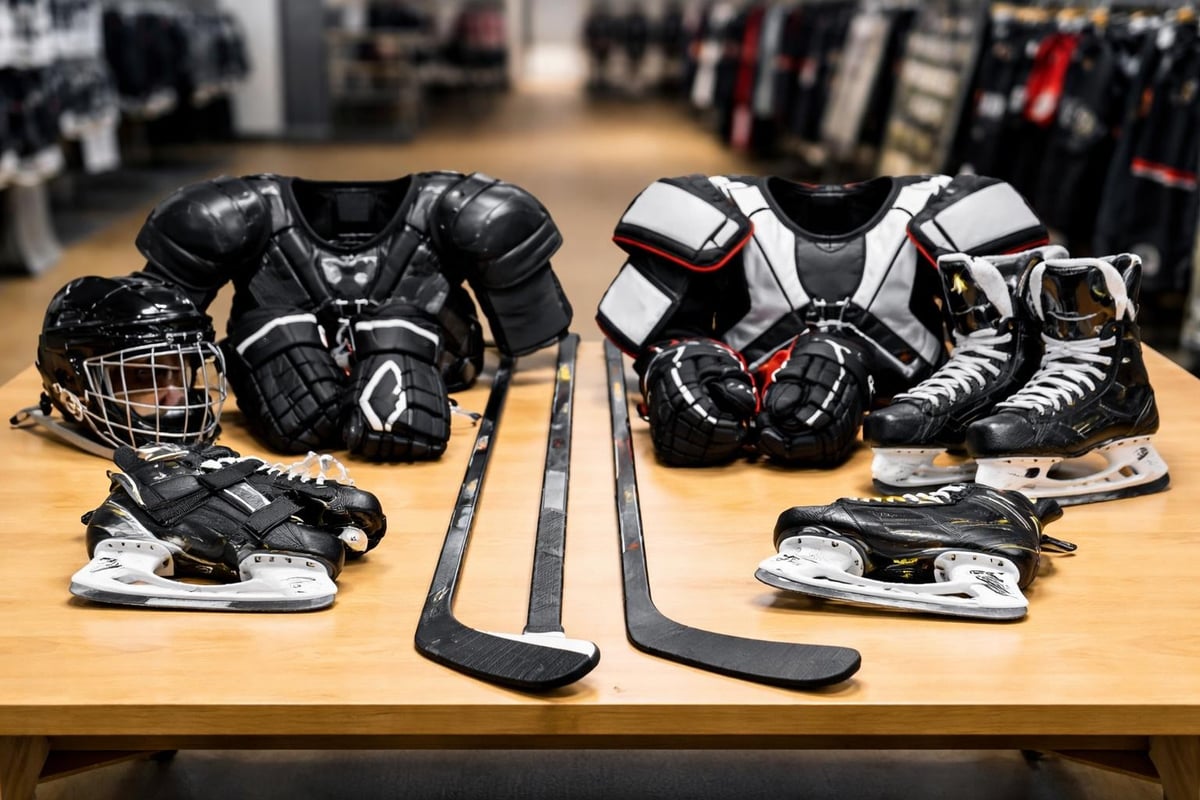
When you shop hockey gear, you need to understand the distinct equipment categories that protect players and enable performance on the ice. Hockey equipment divides into several essential groups: protective gear, skating equipment, sticks, and accessories.
Protective gear forms the foundation of any hockey setup. Helmets with proper HECC certification protect against head injuries and must fit correctly to provide adequate safety. Shoulder pads, elbow pads, shin guards, and gloves shield players from impacts and falls that occur throughout every game and practice. Hockey pants with integrated padding protect the hips, thighs, and tailbone during collisions.
The complete equipment list for players includes items that work together as a comprehensive protection system. Each piece serves a specific purpose and must meet league requirements for competition.
Skating Equipment Fundamentals
Skates represent the most critical performance investment when you shop hockey equipment. Properly fitted skates provide ankle support, blade alignment, and comfort during extended ice time. Skate quality directly impacts a player's ability to execute stops, turns, and acceleration.
- Entry-level skates offer adequate support for beginners and recreational players
- Mid-range options provide enhanced stiffness and better boot materials
- Premium skates feature thermoformable boots and superior blade holders
Skate sizing differs significantly from regular shoe sizes, making professional fitting essential for first-time buyers.
Budget Planning for Hockey Equipment Purchases
Understanding realistic hockey gear costs helps organizations and families plan appropriately. Initial equipment purchases represent substantial investments, particularly for youth programs outfitting multiple players simultaneously.
| Equipment Category | Entry-Level Range | Mid-Range | Premium |
|---|---|---|---|
| Helmet | $40-$80 | $80-$150 | $150-$300 |
| Shoulder Pads | $40-$70 | $70-$120 | $120-$250 |
| Shin Guards | $30-$60 | $60-$100 | $100-$200 |
| Skates | $80-$150 | $150-$300 | $300-$800 |
| Stick | $30-$60 | $60-$120 | $120-$300 |
Complete beginner setups typically range from $300 to $600, while competitive-level equipment can exceed $1,500 per player. Teams purchasing equipment for multiple players should explore bulk pricing options and establish relationships with suppliers who offer team sales programs.
Cost-Saving Strategies Without Compromising Safety
Budget-conscious buyers can shop hockey equipment strategically without sacrificing essential protection. Prioritizing safety-certified protective gear while selecting basic performance equipment creates a foundation that protects players within reasonable budgets.
Never compromise on these items:
- Helmets (must be current-year certified)
- Mouthguards and protective cups
- Properly fitted shin guards and elbow pads
Acceptable areas for budget options:
- Hockey bags and accessory storage
- Practice jerseys and socks
- Basic stick models for skill development
The financial benefits of used equipment deserve consideration, particularly for rapidly growing youth players. Used gear can reduce costs by 40-60% when purchased from reputable sources and properly inspected for wear.
Selecting Equipment for Different Player Levels
When you shop hockey gear, matching equipment specifications to player skill level prevents both overspending and underprotection. Beginning players need reliable, properly fitting equipment that emphasizes safety over performance features they cannot yet utilize.
Youth recreational players benefit from simplified equipment systems that provide adequate protection without premium materials. These players typically practice 1-2 times weekly and compete in house leagues where equipment takes less abuse than competitive travel hockey.
Competitive Player Equipment Requirements
Travel and competitive players require enhanced equipment durability and performance features. These athletes practice 3-5 times weekly, participate in tournaments, and subject equipment to significantly greater stress.
Competitive players need:
- Higher-grade protective padding that maintains shape after repeated impacts
- Performance skates with heat-moldable boots for customized fit
- Multiple sticks to accommodate different play situations and backups
- Upgraded blade holders and steel for better edge retention
Similar to how teams approach other sports equipment needs, organizations should establish standardized specifications when they shop hockey gear for competitive programs. This creates consistency across the roster while simplifying replacement purchases throughout the season. Much like selecting fitness sports equipment for training programs, hockey gear should align with specific program objectives.
Safety Standards and Certification Requirements
Safety certification represents a non-negotiable aspect of hockey equipment purchases. All protective gear must meet league-specific requirements and industry safety standards that protect players from common hockey injuries.
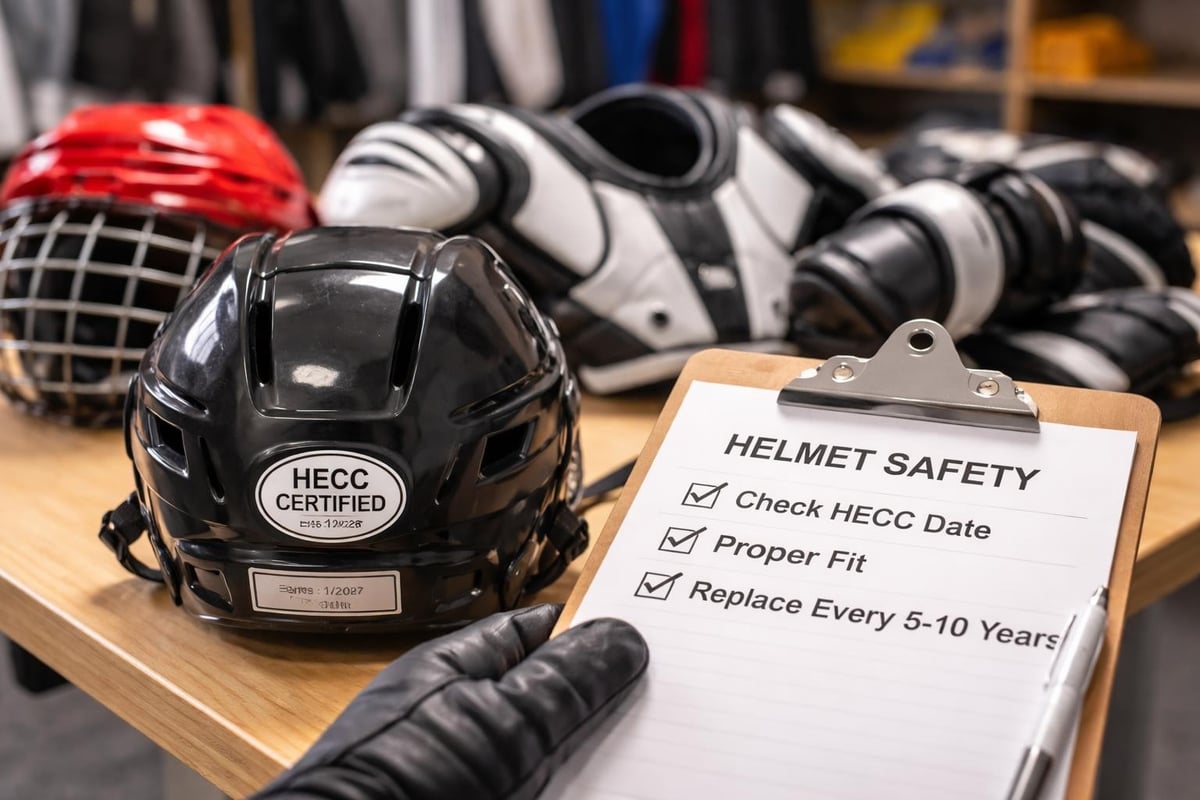
The Hockey Equipment Certification Council (HECC) certifies helmets and face protection through rigorous testing protocols. When you shop hockey helmets, verify the certification sticker inside shows a manufacturing date within the past six years, as certifications expire regardless of physical condition.
Proper Fitting for Maximum Protection
Even certified equipment fails to provide adequate protection when improperly fitted. Correct equipment usage and fitting directly correlates with injury prevention during play.
Helmet fitting checklist:
- Forehead sits one finger-width above eyebrows
- Snug fit without pressure points
- No movement when head shakes side to side
- Chin strap comfortably secured
Pad fitting verification:
- Shoulder pads cover collarbone and shoulder joints completely
- Elbow pads stay centered during arm movement
- Shin guards protect from ankle to below kneecap
- Gloves allow full finger movement while covering wrist gaps
Organizations purchasing equipment for multiple players should conduct fitting sessions with all recipients present, ensuring each piece meets both size and safety requirements before taking the ice.
Equipment Maintenance and Replacement Cycles
Proper maintenance extends equipment lifespan and maintains protective capabilities throughout multiple seasons. When you shop hockey gear, understanding replacement timelines helps budget for future purchases and prevents using compromised equipment.
Hockey equipment requires regular inspection for wear indicators that signal replacement needs. Helmets show age through foam degradation, cracking shells, and expired certifications. Padding compresses permanently after repeated impacts, reducing shock absorption capabilities.
| Equipment Type | Typical Lifespan | Replacement Indicators |
|---|---|---|
| Helmets | 3-5 years | Certification expiration, cracks, foam degradation |
| Shoulder Pads | 3-4 years | Compressed foam, broken straps, exposed plastic |
| Shin Guards | 3-5 years | Cracked shells, compressed knee padding |
| Gloves | 2-3 years | Palm holes, broken finger protection |
| Skates | 2-4 years | Boot breakdown, blade holder damage |
Maintenance Best Practices
Establishing equipment care protocols significantly extends gear lifespan. Teams should educate players and parents about proper storage, cleaning, and inspection procedures.
After each use, equipment should air dry completely before storage. Bacteria and odor develop rapidly in damp gear, degrading materials and creating unpleasant conditions. Wiping down hard plastic surfaces removes moisture and prevents rust on metal components.
Monthly deep cleaning removes built-up bacteria and extends material life. Removable liners and padding can be hand-washed with mild detergent, while hard shells require antibacterial wipes designed for sports equipment.
Sourcing Strategies for Team Purchases
Organizations and schools that shop hockey equipment for entire teams benefit from strategic sourcing approaches that leverage volume purchasing power. Establishing supplier relationships creates opportunities for bulk discounts, customized payment terms, and priority fulfillment during peak seasons.
Team purchasing consolidates orders to maximize volume discounts while ensuring uniform quality across the roster. This approach simplifies equipment management, creates professional team appearance, and reduces individual family burden for program costs.
Team purchasing advantages:
- 15-30% bulk discounts on volume orders
- Coordinated delivery schedules
- Simplified warranty and replacement processes
- Consistent sizing and specifications
- Reduced administrative burden on families
Schools and organizations should request formal quotes from multiple suppliers, comparing not just pricing but delivery timelines, return policies, and ongoing support. The team sales approach at specialized athletic equipment suppliers often provides dedicated account managers who understand program-specific needs.
Building Supplier Relationships
Long-term supplier partnerships create advantages beyond single-transaction pricing. Reliable suppliers understand your program's needs, maintain product knowledge about your preferred equipment lines, and can expedite replacements during the season.
When evaluating suppliers to shop hockey equipment through, consider these factors:
- Product range covering all necessary equipment categories
- Inventory depth for immediate fulfillment
- Knowledgeable staff who understand hockey-specific requirements
- Flexible payment options for institutional buyers
- Established return and exchange policies

Specialized Equipment Considerations
Beyond standard player gear, comprehensive programs need to shop hockey equipment for specialized positions and support roles. Goaltenders require completely different equipment sets designed for their unique position demands. Hockey referee equipment represents another specialized category essential for programs hosting games and tournaments.
Goaltender equipment includes oversized leg pads, chest protectors, catching gloves, blockers, and specialized pants that provide maximum coverage. These items represent significant investments, typically costing $1,500-$3,000 for entry-level setups and exceeding $5,000 for competitive-grade equipment.
Training and Practice Equipment
Complete hockey programs require equipment beyond individual player gear. Practice facilities need goals, nets, pucks, cones, and training aids that support skill development.
Practice equipment essentials:
- Regulation goals with appropriate goal nets
- Sufficient puck inventory (3-4 per player minimum)
- Agility cones and training markers
- Passing targets and shooting aids
- Goaltender training equipment
Durable practice equipment withstands daily use across multiple teams and skill levels. Investing in commercial-grade training aids reduces replacement frequency and maintains consistent practice quality throughout seasons.
Indoor vs. Outdoor Hockey Equipment Differences
Programs operating in various environments need to understand equipment variations between indoor rinks and outdoor settings. When you shop hockey equipment for multi-venue programs, these distinctions impact gear selection and budget allocation.
Indoor hockey equipment emphasizes precision and lighter weight for controlled arena conditions. Indoor skates feature more aggressive blade profiles for quick turns on smooth ice, while sticks may prioritize accuracy over durability.
Outdoor hockey presents different challenges requiring adapted equipment. Temperature fluctuations affect puck behavior, ice quality varies significantly, and equipment faces harsher environmental conditions. Outdoor programs benefit from more durable stick construction and additional protective layering options.
Equipment Storage and Organization Systems
Proper storage protects equipment investments and maintains gear in game-ready condition. Organizations should establish systematic storage solutions when they shop hockey equipment, planning for both individual player storage and team inventory management.
Individual equipment bags should allow complete air circulation, preventing moisture buildup that degrades materials. Tower-style bags with multiple compartments separate wet items from dry gear, extending equipment lifespan.
Team storage requires dedicated space with adequate ventilation, organized shelving, and inventory tracking systems. Labeling equipment by size and position streamlines distribution and ensures proper returns after use.
Effective storage solutions include:
- Numbered hooks or cubbies for individual player assignments
- Separate areas for goaltender equipment
- Climate-controlled environments preventing extreme temperature exposure
- Regular cleaning schedules for shared storage areas
- Inventory management systems tracking equipment distribution
Navigating Sizing and Fit Across Age Groups
Youth programs face unique challenges when they shop hockey equipment, as rapidly growing players require frequent sizing adjustments. Understanding sizing progression helps programs plan replacement cycles and budget accordingly.
Hockey equipment sizing varies significantly between manufacturers, making size charts essential reference tools. Equipment buying guides for parents and kids provide standardized sizing information that reduces purchasing errors.
Young players typically require complete equipment replacement every 1-2 years during growth spurts. Organizations managing equipment inventories should maintain diverse size ranges, enabling proper fits across wide age and development spectrums.
Size-Based Inventory Management
Programs providing equipment should establish size-based inventory systems tracking available gear and identifying replacement needs. This approach prevents mid-season shortages and ensures new players can be equipped immediately.
| Age Group | Helmet Size | Shoulder Pad Size | Shin Guard Length |
|---|---|---|---|
| 6-8 years | Youth Small | Youth 6-8 | 8-10 inches |
| 9-11 years | Youth Medium | Youth 9-11 | 10-12 inches |
| 12-14 years | Youth Large/Junior Small | Junior Small | 12-13 inches |
| 15-17 years | Junior Medium | Junior Medium | 13-14 inches |
Regular inventory audits identify gear that no longer meets safety standards or has been outgrown by typical program participants. This systematic approach maintains equipment quality while optimizing replacement spending.
Leveraging Technology for Equipment Management
Modern programs can shop hockey equipment more efficiently through technology platforms that streamline ordering, inventory management, and budget tracking. Digital tools reduce administrative burden while improving equipment accessibility.
Online equipment retailers offer detailed product specifications, sizing guides, and customer reviews that inform purchasing decisions. Comprehensive buying guides available through specialized retailers provide position-specific recommendations and comparison tools.
Inventory management software tracks equipment distribution, maintenance schedules, and replacement timelines. These systems generate reports showing utilization rates, cost per player, and budget projections for future seasons.
Technology applications for equipment management:
- Digital sizing tools for remote equipment selection
- Budget tracking across multiple seasons and programs
- Automated reorder notifications for consumable items
- Equipment checkout systems for shared program gear
- Maintenance logging for warranty and safety compliance
Programs should evaluate whether investing in management software provides sufficient return through time savings and improved equipment utilization. Larger organizations with 50+ participants typically realize significant benefits from systematic tracking approaches.
Successfully equipping hockey programs requires strategic planning, informed purchasing decisions, and systematic management approaches that balance player safety with budget realities. Whether you're managing a youth recreational league or competitive travel program, the right equipment sourcing strategy ensures athletes have reliable, properly fitting gear that supports their development on the ice. Sideline Sport Supply provides the reliable, affordable hockey equipment and training essentials that teams need, with straightforward pricing and fast fulfillment that lets coaches focus on developing players rather than managing equipment logistics. Our commitment to quality, game-day-ready gear ensures your program has the foundation for success every season.