

Shop Badminton: Complete Equipment Buying Guide 2026
Whether you're outfitting a school team, organizing recreational programs, or supporting competitive athletes, understanding how to shop badminton equipment strategically ensures you get quality gear without overspending. Badminton has grown tremendously in popularity across American schools and community centers, creating increased demand for reliable equipment sources that can serve diverse skill levels. Smart purchasing decisions start with knowing what matters most: the right balance between performance specifications, durability requirements, and budget constraints that fit your organization's needs.
Understanding Essential Badminton Equipment Categories
When you shop badminton gear for teams or facilities, the equipment breaks down into several core categories that each serve specific purposes. Rackets represent the most personal piece of equipment, varying significantly in weight, balance point, and flexibility characteristics. Shuttlecocks come in feather and synthetic varieties, each offering distinct flight patterns and durability profiles. Court equipment includes nets, posts, boundary markers, and floor tape systems. Supporting gear encompasses bags, grips, shoes, and apparel designed for the sport's specific movement patterns.
The primary equipment categories include:
- Rackets with varying flex patterns and weight distributions
- Shuttlecocks for practice versus competition use
- Net systems with proper tension and height adjustment
- Footwear designed for lateral movement and court traction
- Accessories including grips, bags, and training aids
Organizations purchasing for multiple users face different considerations than individual athletes. Durability becomes paramount when equipment cycles through many hands during practice sessions and training programs.
Racket Selection for Different Skill Levels
Choosing appropriate rackets requires matching specifications to player abilities and competitive levels. Beginning players benefit from slightly head-heavy rackets that generate power with less technical skill, while advanced players typically prefer head-light or even-balance designs that maximize control and maneuverability. Weight classifications range from 2U (90-94 grams) to 5U (75-79 grams), with lighter rackets offering faster swing speeds but requiring more precise technique.
Understanding these technical specifications matters when you shop badminton rackets for diverse groups. Quality badminton equipment must meet specific standards while accommodating different playing styles and physical capabilities.
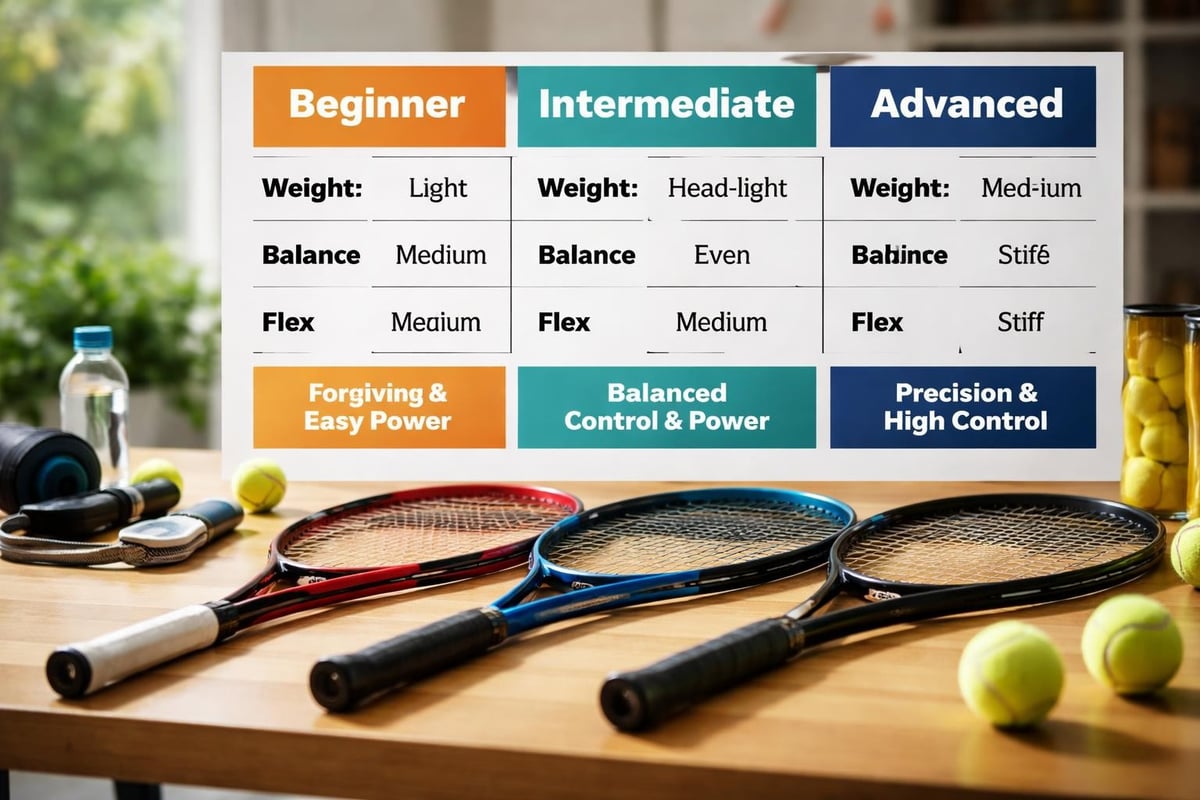
| Skill Level | Racket Weight | Balance Point | Flex Rating | Primary Benefit |
|---|---|---|---|---|
| Beginner | 3U-4U (85-89g) | Head-Heavy | Flexible | Power generation |
| Intermediate | 3U-4U (85-89g) | Even Balance | Medium | Versatility |
| Advanced | 4U-5U (75-84g) | Head-Light | Stiff | Control and speed |
| Competitive | 4U-5U (75-84g) | Head-Light | Extra Stiff | Precision |
Frame material composition affects both performance and longevity. Aluminum frames provide excellent durability for institutional use but sacrifice some performance characteristics. Graphite and carbon fiber composites deliver superior performance while requiring more careful handling and maintenance protocols.
Shuttlecock Procurement Strategies
When you shop badminton shuttlecocks, the feather versus synthetic decision significantly impacts both budget allocation and playing experience. Feather shuttlecocks offer authentic flight characteristics and are required for sanctioned competitions, but their shorter lifespan makes them cost-prohibitive for extensive practice sessions. Synthetic shuttlecocks withstand hundreds of hits and maintain consistency across temperature and humidity variations, making them ideal for training environments.
Feather shuttlecock considerations:
- Official competition compliance
- Superior flight accuracy and control
- Temperature-sensitive performance
- Average lifespan of one to three sessions
- Higher per-unit cost
Synthetic shuttlecock advantages:
- Extended durability for practice use
- Consistent performance across conditions
- Lower replacement costs over time
- Suitable for recreational and training programs
- Available in multiple speed ratings
Speed ratings indicate shuttlecock flight distance under standardized testing conditions. The numbering system runs from 75 (slow speed) to 79 (fast speed), with temperature and altitude affecting optimal selection. Higher elevations and warmer temperatures require slower-speed shuttlecocks to maintain proper court coverage, while sea-level facilities in cooler climates need faster options.
Bulk purchasing arrangements provide significant cost savings for organizations that shop badminton shuttlecocks regularly. Establishing relationships with suppliers who understand institutional needs ensures consistent stock availability and simplified reordering processes. Similar to how teams manage sports equipment sales for other activities, strategic purchasing reduces administrative burden while controlling costs.
Net Systems and Court Setup Equipment
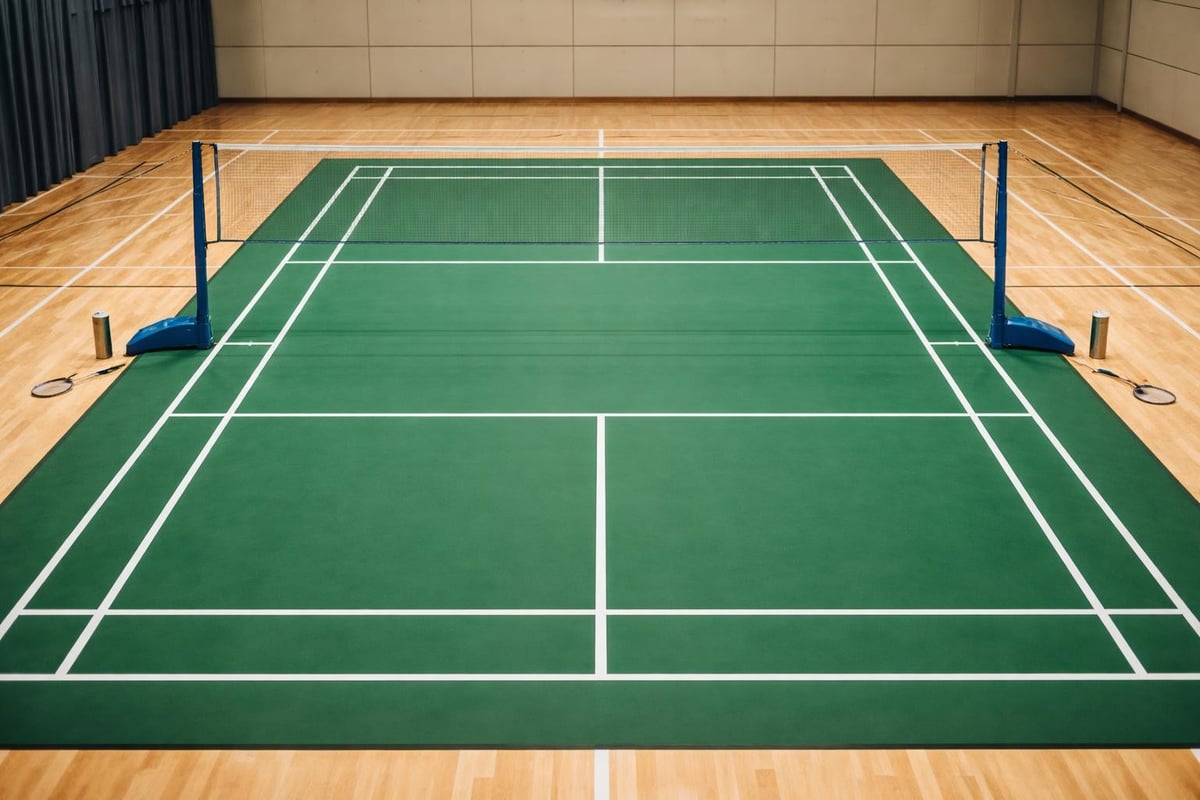
Proper court equipment establishes the foundation for quality play and training sessions. Regulation badminton nets measure 5 feet high at the edges and 5 feet 1 inch at the center, creating the slight dip specified by official badminton regulations. Post systems range from permanent floor-mounted installations to portable stands with weighted bases, each serving different facility requirements and usage patterns.
Portable Versus Permanent Installation
Portable net systems offer flexibility for multi-purpose facilities that accommodate various sports and activities. These systems feature wheeled bases, quick-height adjustments, and compact storage profiles. The trade-off comes in setup time requirements and potential stability concerns during intensive play. Permanent installations provide tournament-grade stability and eliminate setup procedures, but they require dedicated court space and professional installation.
When organizations shop badminton net systems, they should evaluate several practical factors beyond initial purchase price. Storage space availability, setup personnel requirements, frequency of court conversion needs, and competitive level of play all influence the optimal choice. Understanding proper equipment specifications ensures your investment meets both current and future program needs.
Court marking systems include permanent paint lines, tape applications, and temporary snap-together boundaries. Schools and community centers often utilize tape systems that allow court reconfiguration, while dedicated badminton facilities benefit from permanent markings that require no maintenance between sessions.
Footwear and Apparel Considerations
Specialized badminton shoes provide crucial support for the sport's demanding footwork patterns. Unlike running shoes designed for forward motion, badminton footwear emphasizes lateral stability, toe reinforcement for lunging movements, and non-marking soles suitable for indoor courts. The heel cup should provide firm support while the forefoot area allows flexibility for quick directional changes.
When you shop badminton shoes for team programs, sizing consistency and availability become important factors alongside performance specifications. Purchasing from manufacturers who maintain consistent sizing across product lines simplifies future reorders and replacement needs. Many organizations establish uniform suppliers who can accommodate bulk orders with appropriate discounts while ensuring timely delivery schedules.
Apparel requirements remain relatively straightforward compared to equipment-intensive sports. Moisture-wicking fabrics that allow unrestricted movement suit badminton's aerobic demands. Team uniforms create professional appearance while serving practical purposes during competition and exhibition matches. The same attention to quality and value that applies when organizations shop sports equipment for various activities should guide badminton apparel decisions.
Training Equipment and Practice Aids
Beyond fundamental game equipment, various training tools enhance skill development and practice efficiency. Racket stringing machines become cost-effective investments for programs that maintain significant racket inventories, reducing outsourcing expenses while ensuring consistent string tension. Ball feeders and shuttlecock launchers allow repetitive drill work without requiring constant manual feeding.
Valuable training equipment includes:
- Stringing machines for in-house racket maintenance
- Shuttlecock tubes for efficient practice ball collection
- Target zones and net height trainers
- Agility ladders and footwork markers
- Video analysis equipment for technique refinement
Grip tape represents a consumable item requiring regular restocking. Players should replace grips when they become smooth or lose tackiness, typically every 10-20 hours of play depending on perspiration levels and grip pressure. Bulk grip tape purchases reduce per-unit costs while ensuring consistent availability for athletes who need fresh wraps before competitions or intensive training sessions.
Organizations that effectively shop badminton training equipment create practice environments that accelerate player development while maximizing coach efficiency. The same principles that guide decisions when teams purchase fitness sports equipment apply equally to badminton program development.
Budget Planning and Lifecycle Management
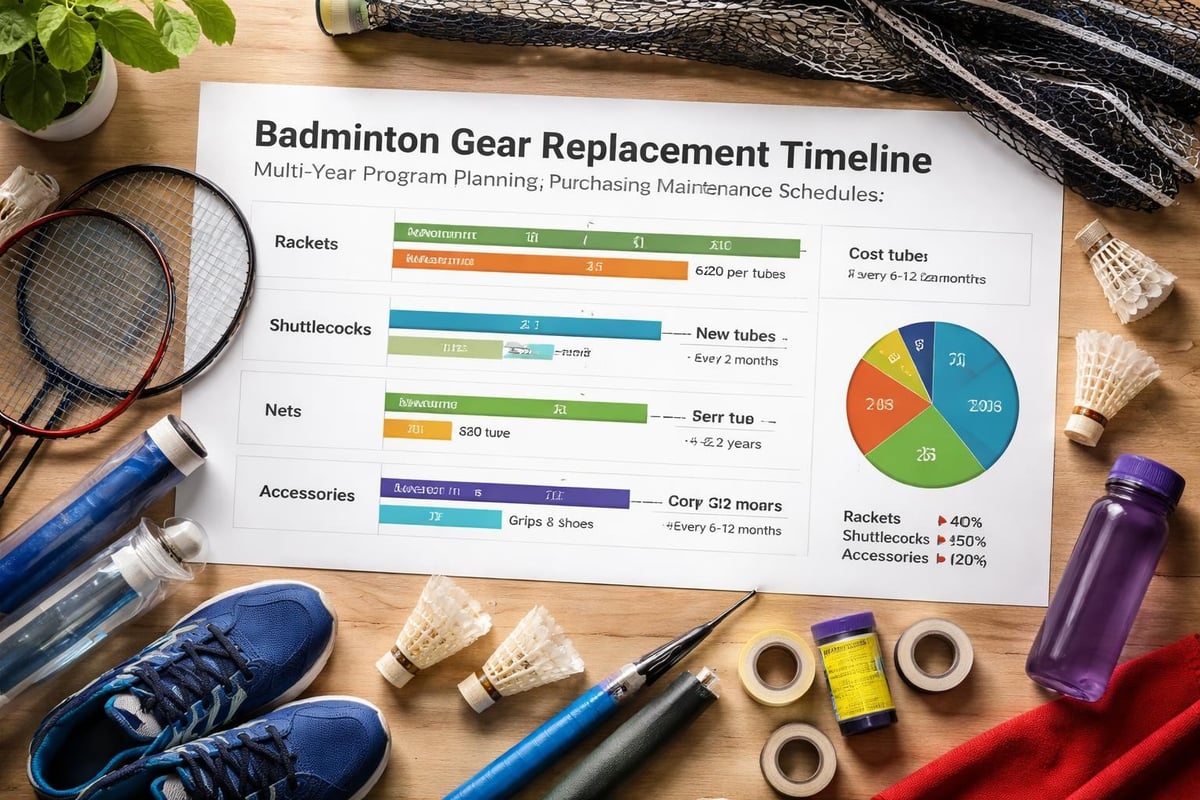
Strategic budgeting for badminton programs requires understanding both initial acquisition costs and ongoing replacement cycles. Rackets typically last multiple seasons with proper care, though competitive players may prefer more frequent updates as technology advances. Shuttlecock consumption represents the largest recurring expense, varying dramatically based on practice intensity and feather versus synthetic usage patterns.
Creating Sustainable Equipment Budgets
Annual equipment budgets should account for predictable replacement needs alongside capacity for unexpected repairs or losses. A well-structured budget allocates approximately 40-50% for shuttlecock inventory, 25-35% for racket replacement and upgrades, 10-15% for net and court equipment maintenance, and 10-15% for accessories and training aids.
| Budget Category | Percentage | Primary Items | Replacement Cycle |
|---|---|---|---|
| Shuttlecocks | 40-50% | Practice and competition birds | Ongoing/monthly |
| Rackets | 25-35% | Player rackets, spares | 2-4 years |
| Court Equipment | 10-15% | Nets, posts, boundaries | 3-5 years |
| Accessories | 10-15% | Grips, bags, training aids | Annual |
When coaches and program directors shop badminton equipment with long-term perspective, they recognize that quality often reduces total cost of ownership despite higher initial investment. Durable rackets withstand years of institutional use, while premium nets maintain proper tension longer than economy alternatives. This approach mirrors successful procurement strategies across all athletic equipment categories.
Vendor Selection and Purchasing Relationships
Establishing reliable supplier relationships delivers benefits beyond competitive pricing. Knowledgeable vendors provide guidance on equipment selection, alert organizations to new product releases, and often offer flexible payment terms for institutional buyers. When you shop badminton equipment regularly from consistent sources, vendors become partners who understand your program's specific needs and constraints.
Evaluation criteria for potential suppliers should include product range breadth, in-stock availability, shipping speed and reliability, return policies, bulk pricing structures, and technical support capabilities. The ability to speak with knowledgeable staff who understand badminton's technical requirements separates specialized athletic suppliers from general sporting goods retailers.
Many successful programs develop tiered supplier relationships, utilizing one primary vendor for routine equipment needs while maintaining secondary sources for specialized items or backup availability. This approach provides security against supply disruptions while leveraging competitive pricing opportunities. Understanding buying badminton equipment from a strategic sourcing perspective optimizes both cost and convenience.
Quality Standards and Equipment Compliance
Organizations operating competitive programs must ensure their equipment meets governing body specifications. The Badminton World Federation establishes technical standards covering racket dimensions, shuttlecock specifications, and net characteristics. While recreational programs maintain greater flexibility, using compliant equipment prepares athletes for potential competitive advancement and ensures authentic playing experiences.
Racket specifications limit overall length to 680mm and width to 230mm, with no restrictions on weight or balance point. These dimensions ensure fairness while allowing manufacturers significant design latitude. When you shop badminton rackets for competitive programs, verification of BWF approval ensures tournament eligibility and proper player development.
Shuttlecock standards specify weight ranges between 4.74 and 5.50 grams, with 16 feathers measuring 62-70mm in length. Synthetic shuttlecocks used for practice should approximate these specifications to maintain training relevance. Detailed equipment requirements help purchasers identify appropriate products while avoiding non-compliant options.
Seasonal Considerations and Inventory Management
Climate variations affect shuttlecock performance and storage requirements, making seasonal planning important for programs operating year-round. Feather shuttlecocks require humidity-controlled storage to prevent brittleness and maintain flight characteristics. Temperature fluctuations in storage areas can damage shuttlecock integrity, reducing their effective lifespan before they ever reach the court.
Effective inventory systems track equipment allocation, maintenance schedules, and replacement timelines. Simple spreadsheet solutions work well for smaller programs, while larger organizations may benefit from dedicated equipment management software. Regular inventory audits identify missing items, assess condition of existing stock, and inform purchasing decisions before urgent needs arise.
When you shop badminton equipment proactively rather than reactively, programs avoid emergency purchases at premium prices while ensuring continuous availability for scheduled activities. The same inventory discipline that benefits other sports programs applies equally to badminton equipment management.
Building Complete Equipment Packages
Organizations starting new badminton programs or expanding existing offerings benefit from complete equipment packages rather than piecemeal acquisition. Comprehensive starter packages typically include appropriate racket quantities for class sizes or team rosters, adequate shuttlecock inventory for several weeks of practice, regulation net systems, and essential accessories.
A complete team package should include:
- One racket per player plus 10-15% spares
- 50-100 synthetic shuttlecocks for practice
- 24-36 feather shuttlecocks for match play
- Two regulation net systems with proper posts
- Grip tape inventory and stringing supplies
- Equipment bags for storage and transport
Package purchasing often delivers cost advantages compared to individual item acquisition, while ensuring component compatibility and adequate quantities across all categories. Suppliers experienced in institutional sales can recommend appropriate package configurations based on program size, competitive level, and budget parameters. Just as teams approach comprehensive sports equipment needs holistically, badminton programs benefit from integrated planning.
Maintenance and Care Protocols
Proper equipment maintenance extends useful life while ensuring consistent performance throughout the season. Racket care includes regular grip replacement, periodic string tension checks, and frame inspection for cracks or deformation. String beds typically lose 10-15% of their tension within the first 24 hours after stringing, then continue gradual loss until they require replacement.
Shuttlecock storage requires cool, dry conditions away from direct sunlight. Feather shuttlecocks benefit from slight humidification 24 hours before use, achieved by storing them in slightly dampened containers. This process restores flexibility to feather barbs, reducing breakage during initial strikes.
Net systems need tension adjustment over time as synthetic materials stretch with use. Regular inspection of net cables, attachment points, and post stability prevents mid-session failures and potential safety hazards. When organizations shop badminton nets and maintenance equipment together, they create comprehensive care capabilities that protect their investment. Understanding basic rules and proper equipment care ensures long-term program success.
Equipment rotation systems distribute wear evenly across racket inventories, preventing premature retirement of frequently-used items while sidelined pieces remain in near-new condition. Numbered inventory systems track usage patterns and inform replacement timing based on actual wear data rather than arbitrary schedules.
Smart equipment procurement transforms badminton programs by ensuring athletes have reliable, appropriate gear that supports skill development and competitive success. When you shop badminton equipment strategically, you balance performance requirements against budget realities while building supplier relationships that deliver long-term value. Sideline Sport Supply provides the practical, game-ready equipment that schools, coaches, and sports organizations need, with straightforward pricing and fast fulfillment that keeps your program focused on player development rather than equipment sourcing challenges.