

The Ultimate Guide to Sports Equipment Sales in 2026
Picture the sports equipment market in 2026—dynamic, fast-paced, and more competitive than ever. Technology is reshaping how athletes and organizations buy gear, while sustainability and shifting consumer habits drive new expectations.
This guide gives you a front-row seat to the latest trends and proven strategies in sports equipment sales. Discover how market shifts, emerging tech, and evolving buying behaviors create fresh opportunities for growth.
Ready to excel? Use this step-by-step guide to stay ahead, meet rising demand, and build lasting success in the world of sports equipment.
The 2026 Sports Equipment Market Landscape
The sports equipment sales industry in 2026 is experiencing dynamic growth, driven by shifting consumer habits and rapid innovation. As athletes, schools, and organizations seek new gear, the market is evolving to meet diverse and sophisticated demands.
Market Size, Growth, and Key Segments
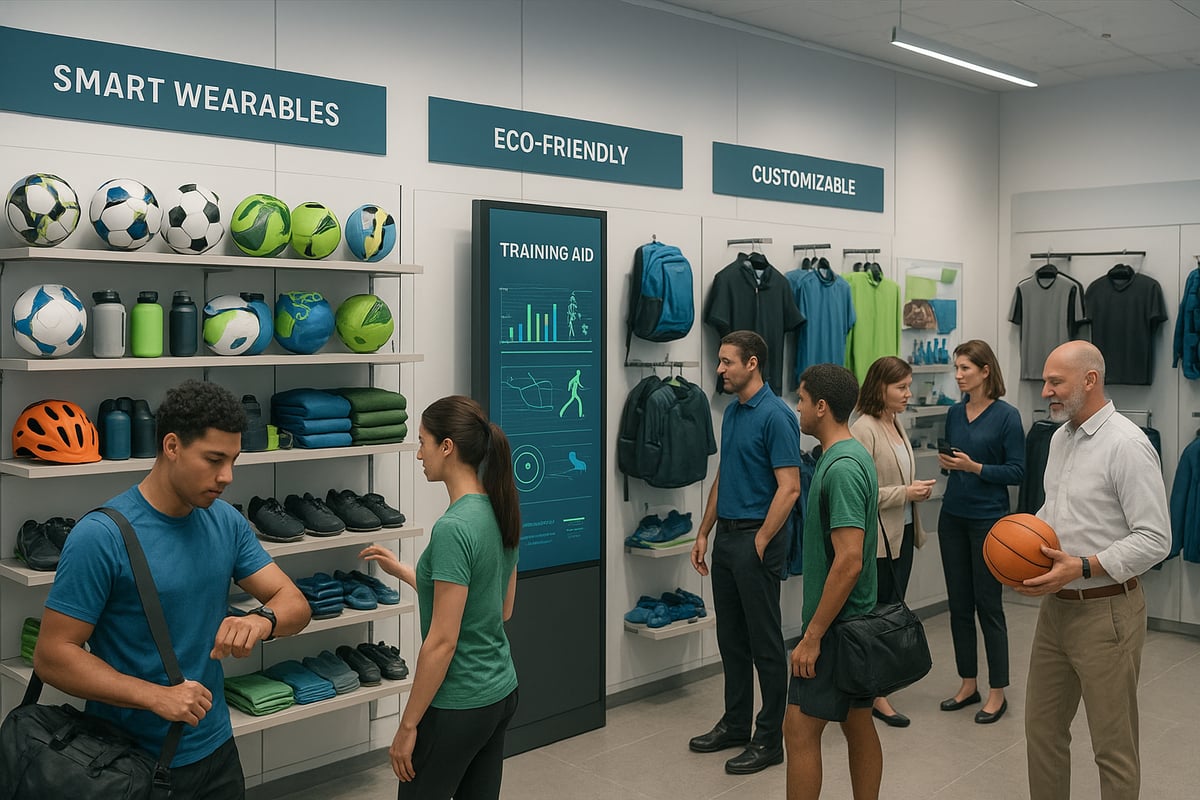
By 2026, the global sports equipment sales market is projected to surpass $90 billion, with the US contributing over $20 billion. This robust expansion is fueled by rising participation in both traditional and emerging sports. Major product categories span team sports gear, individual equipment, training aids, and facility solutions.
Key segments include athletes from youth to pro levels, educational institutions, sports clubs, and recreation facilities. B2B and B2C sales are both thriving, with bulk purchases by schools and clubs complementing direct-to-consumer channels. Health, fitness, and recreation trends are increasing demand for versatile and innovative products.
According to Global Sports Equipment Market Trends, leading brands like Nike, Adidas, and Under Armour are investing heavily in R&D to stay competitive. Niche sports such as pickleball and lacrosse are also driving sports equipment sales growth, as more consumers seek specialized gear for unique activities.
Emerging Trends Shaping Sales
Technology is at the forefront of sports equipment sales trends in 2026. Smart equipment, wearables, and data-driven training aids are becoming standard. Athletes and teams now expect technology to enhance performance and provide actionable insights.
Sustainability is another major trend. Eco-friendly materials, recyclable packaging, and green manufacturing processes are increasingly important to buyers. Customization is also in high demand, with personalized gear and team branding options gaining popularity.
Schools and clubs are seeking multi-purpose, modular equipment that adapts to various sports and training needs. Portable and adjustable gear is especially popular for organizations wanting flexibility in their facilities. These trends are influencing product design and sales strategies across the industry.
Key Challenges and Opportunities
The competitive landscape in sports equipment sales is intense, with major brands competing alongside specialty retailers and online platforms. Supply chain and fulfillment pressures continue to challenge sellers, making efficient logistics a top priority.
Pricing transparency is now expected, as consumers compare options online and seek the best value. However, these challenges also create opportunities for innovative sellers and new entrants. Companies that offer exceptional service, unique products, or specialized expertise can carve out a strong market position.
Success stories abound, such as niche retailers thriving by focusing on under-served sports or brands quickly adapting to shifting market demands. For those prepared to innovate and respond to evolving buyer needs, the future of sports equipment sales holds significant promise.
The Modern Sports Equipment Buyer: Who’s Buying and Why?
The world of sports equipment sales is rapidly evolving, shaped by diverse customer groups with unique needs and expectations. Understanding who is buying and why is essential for anyone looking to succeed in the competitive 2026 landscape.
Core Customer Segments and Their Needs
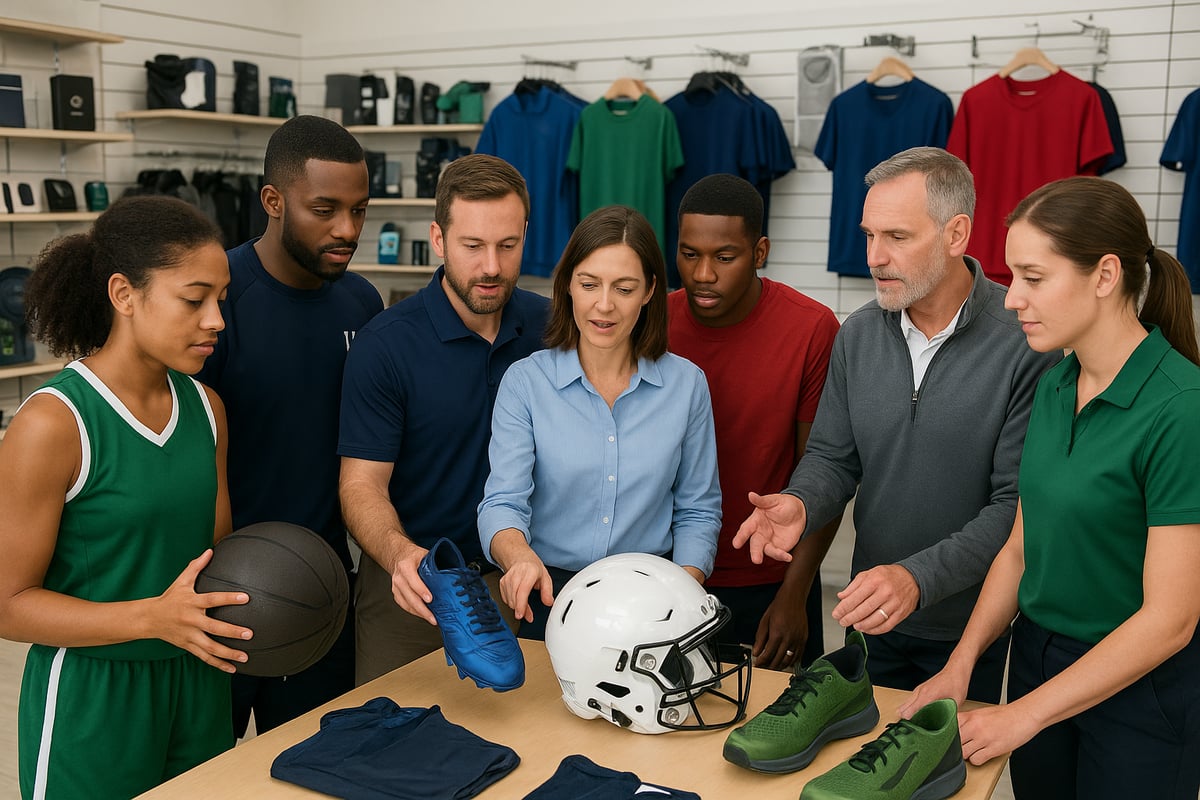
The sports equipment sales market serves a broad spectrum of buyers, each with distinct requirements. Athletes at every level, from youth to professional, demand products that deliver top-notch performance, innovation, and durability. They consistently seek out the latest advancements to gain a competitive edge.
Schools, colleges, and organized teams represent a significant portion of sports equipment sales. Their priorities focus on bulk purchasing, safety standards, and compliance with regulations. Coaches and trainers look for specialized training aids and facility solutions that enhance athlete development and streamline sessions.
Facilities and organizations require comprehensive field essentials, scoreboards, and secure storage. Each segment values suppliers who demonstrate deep athletic expertise and offer a wide range of products. For example, reviewing a Comprehensive product catalog can help buyers assess whether suppliers meet their diverse team and facility needs.
Purchase Motivations and Decision Factors
Performance and technology remain at the forefront of purchase motivations in sports equipment sales. Buyers look for gear that incorporates smart features, data integration, and proven results. Value for money is crucial, with many seeking price match guarantees and transparent pricing.
Brand reputation and product reliability strongly influence decisions, as customers want assurance their investment will last. Convenience is also a decisive factor, with online ordering, fast delivery, and easy returns becoming standard expectations. For instance, schools prioritize safety and compliance, often selecting suppliers with a strong track record in these areas.
Buying Channels and Behaviors in 2026
E-commerce continues to drive growth in sports equipment sales, enabling direct-to-consumer purchases and streamlined bulk ordering for teams. Manufacturer representatives and specialty retailers remain important for personalized service and expert advice.
Social media and influencer marketing increasingly shape purchasing behaviors, especially among younger athletes and teams. Many organizations leverage online platforms to customize orders and access exclusive deals, demonstrating a shift toward digital-first buying strategies.
Essential Sales Strategies for 2026
Staying ahead in sports equipment sales requires an agile, informed approach. The landscape in 2026 is more competitive and technologically advanced than ever, and successful sales professionals must blend expertise, digital savvy, and relationship-driven strategies. Let us explore the essential tactics to elevate your performance.
Building Product Knowledge and Industry Expertise
In sports equipment sales, deep product knowledge is the foundation of credibility. Sales professionals must understand the nuances of equipment for a range of sports, from team gear to specialized training aids. This expertise allows them to recommend the best solutions for athletes, coaches, and organizations.
Ongoing education is essential. Staying current with new technologies, sport regulations, and industry certifications ensures sales reps remain trusted advisors. Many top organizations invest in regular training sessions and product demos, fostering a culture of continuous learning.
Specialization is also on the rise. Sales reps often focus on specific sports or product categories, allowing them to build authority and offer targeted guidance. For example, a rep specializing in soccer equipment can provide in-depth advice on the latest footwear, training tools, and compliance standards.
- Attend industry webinars regularly
- Pursue certifications relevant to your target sports
- Subscribe to trade publications for updates
In 2026, sports equipment sales teams that prioritize expertise build stronger client relationships and close more deals.
Leveraging Technology in Sales
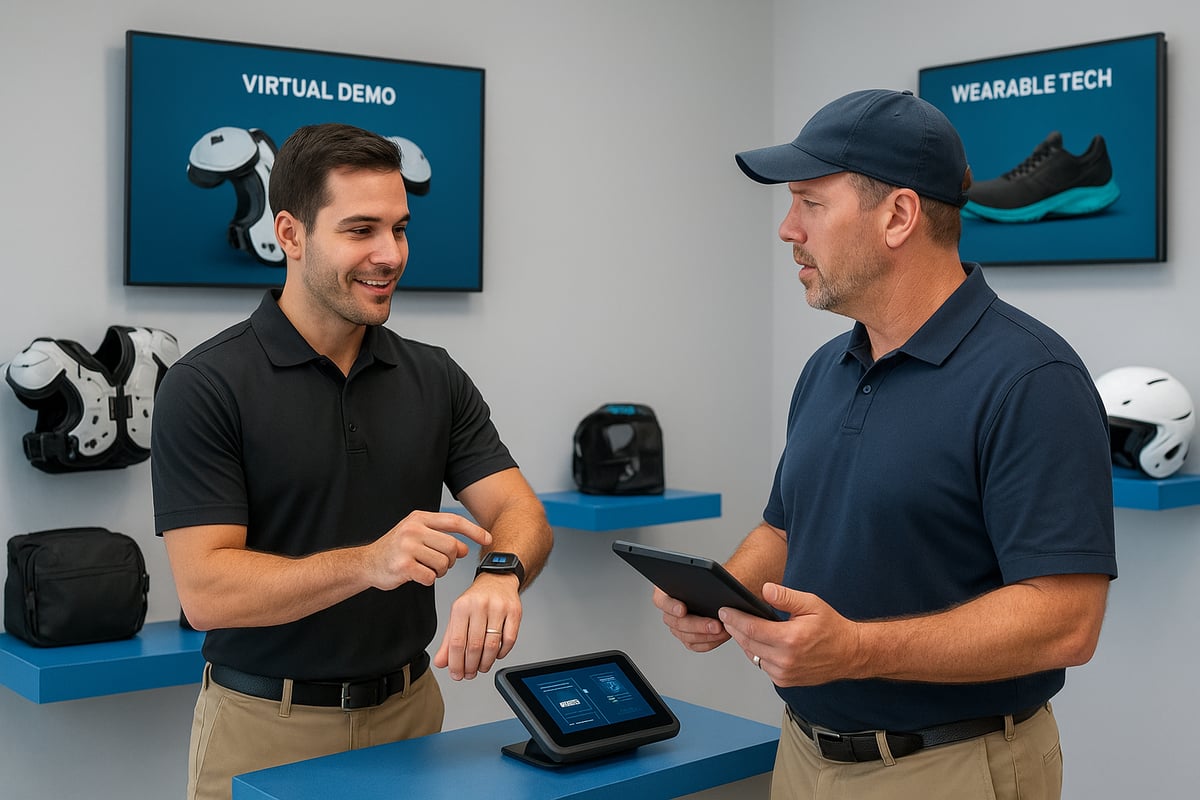
Technology is transforming every aspect of sports equipment sales. Digital tools such as customer relationship management (CRM) systems help sales reps track leads, manage orders, and personalize outreach. Virtual product demos and AI-driven recommendation engines make it easier for buyers to visualize solutions and make informed choices.
Augmented reality (AR) is now a game changer. Schools and organizations can use AR to preview facility upgrades or test new gear configurations before making a purchase. Data analytics further empower sales teams by revealing customer preferences, seasonal trends, and emerging opportunities.
Consider this simple comparison:
| Tool | Benefit | Example Use Case |
|---|---|---|
| CRM | Streamlines client management | Track bulk orders |
| Virtual Demos | Visualizes products remotely | Showcase training aids |
| AR Visualization | Interactive facility planning | School gym upgrades |
Adopting these technologies is no longer optional. Sales professionals who integrate digital solutions into their sports equipment sales process deliver greater value and efficiency for clients.
Relationship Building and Consultative Selling
The heart of effective sports equipment sales lies in building trust. Personalization is key—every team, coach, or facility has unique needs and challenges. By adopting a consultative selling approach, sales reps position themselves as partners rather than just vendors.
Long-term relationship management is vital. Providing after-sales support, training, and maintenance guidance demonstrates commitment to client success. Educational selling, where reps help buyers understand product features and benefits, fosters loyalty and repeat business.
Consider these best practices:
- Tailor recommendations to each organization’s goals
- Offer post-purchase check-ins and support
- Provide resources for equipment care and safety
Sales professionals who excel at relationship building often earn referrals and expand their reach within the athletic community. In 2026, consultative selling sets the standard for sports equipment sales excellence.
Navigating the Competitive Landscape
The sports equipment sales market is crowded, with major brands and specialty retailers vying for attention. To stand out, sellers must differentiate through service, product range, and expertise. Value-added offerings such as bulk discounts, customization, and fast fulfillment are critical for winning institutional clients.
Price competition is fierce, but transparent pricing and flexible solutions build trust. Partnerships with leading brands and manufacturers enhance credibility and expand product selection. Niche retailers thrive by focusing on under-served sports or offering exclusive team sales solutions.
For organizations seeking a streamlined purchasing experience, platforms with categorized collections and tailored solutions, like the Team sales solutions overview, simplify bulk ordering and ensure teams get exactly what they need.
Adapting quickly to market trends, leveraging digital channels, and prioritizing customer relationships enable sales professionals to succeed in this dynamic environment. In 2026, those who innovate and specialize lead the way in sports equipment sales.
The Role of Sports Equipment Sales Professionals
The sports equipment sales landscape in 2026 is dynamic, offering a variety of rewarding career paths for those passionate about athletics and innovation. Professionals in this field serve as the critical link between brands, manufacturers, and customers, ensuring the right products reach athletes, teams, and organizations. Let us explore the core roles, essential skills, and what makes a career in sports equipment sales both appealing and lucrative.
Career Paths and Job Functions
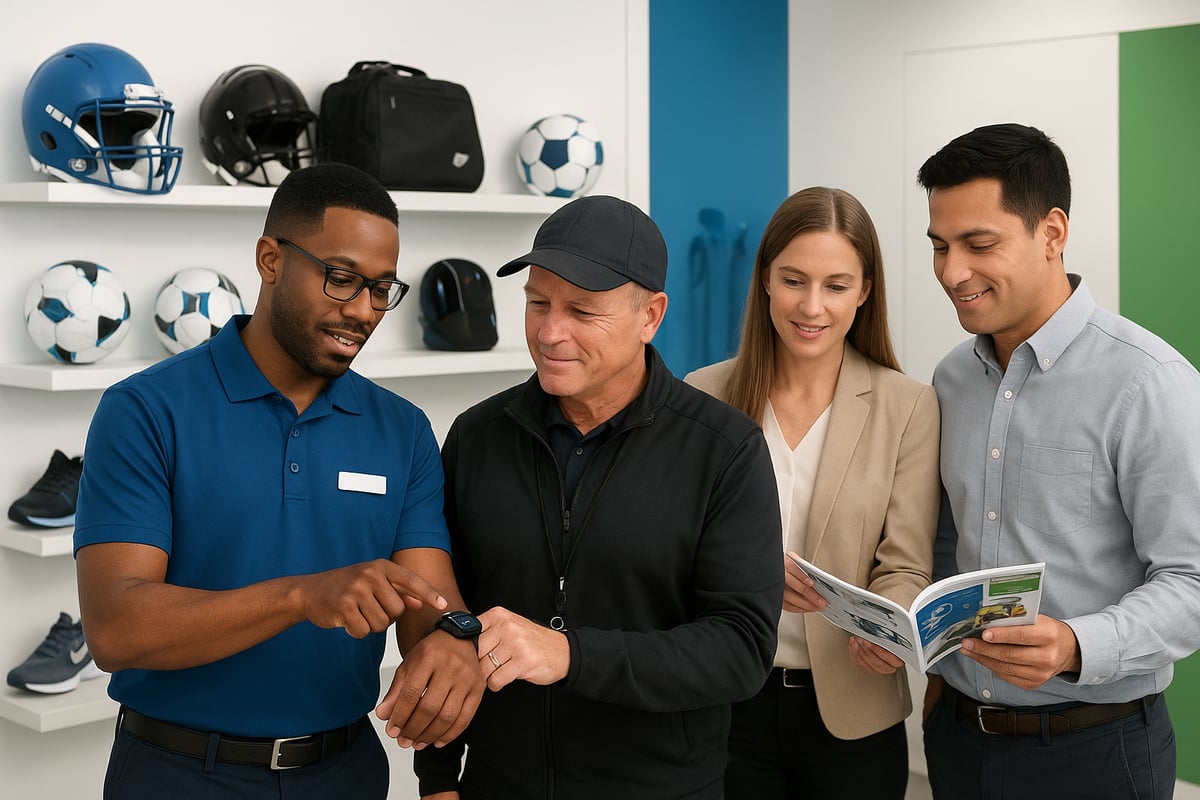
Within the sports equipment sales industry, career opportunities are vast and varied. Professionals may find themselves as manufacturer representatives, retail associates, team sales managers, or marketing and sales specialists. Each role demands a unique blend of product expertise, client management, and technical knowledge.
Typical responsibilities include prospecting for new business, managing existing client relationships, and providing technical demonstrations of new products. For example, a sports equipment sales rep might spend a day meeting with coaches to showcase the latest smart training aids, followed by virtual consultations with athletic directors seeking bulk orders for their facilities.
Key job functions in sports equipment sales often involve:
- Conducting product demonstrations and training sessions
- Negotiating contracts and managing sales pipelines
- Staying current with product launches and industry trends
This diversity of roles ensures that professionals can find a path that aligns with their strengths and interests while contributing to the growth of the sports equipment sales sector.
Skills and Qualities for Success in 2026
Success in sports equipment sales in 2026 hinges on adaptability, deep sports knowledge, and a customer-focused mindset. The market is fast paced and technology driven, requiring sales professionals to stay updated on innovations such as smart wearables and data driven training tools.
Essential skills include:
- Strong communication and negotiation abilities
- In depth product and industry expertise
- Problem solving and the ability to tailor solutions to diverse client needs
Those who excel in sports equipment sales are often passionate about sports culture and understand the unique demands of athletes, coaches, and organizations. For instance, successful sales reps frequently leverage social media platforms to connect with prospective clients, share product insights, and demonstrate thought leadership within the industry.
The ability to build trust and long term relationships is crucial, as buyers increasingly expect consultative support and ongoing engagement throughout the purchasing cycle.
Compensation, Perks, and Career Growth
A career in sports equipment sales offers competitive compensation packages, often combining base salaries with commission structures that reward strong performance. Many professionals enjoy additional perks such as travel opportunities, product discounts, and access to exclusive industry events.
Career progression is a key benefit of the sports equipment sales field. Ambitious individuals can advance from entry level sales roles to management or marketing positions within major brands. Stories of career growth at companies like Nike and Adidas highlight the potential for upward mobility within this evolving industry.
The dynamic nature of sports equipment sales ensures that professionals are continually challenged, rewarded, and inspired as they shape the future of sports and fitness.
How to Choose the Right Sports Equipment Supplier
Selecting the right partner for sports equipment sales is a crucial decision for teams, organizations, and facilities. With so many suppliers in the market, buyers need a clear framework to identify the best fit for their unique needs. Consider these key factors when evaluating your options.
Evaluating Product Selection and Quality
A comprehensive product selection is the foundation of effective sports equipment sales. Top suppliers offer a wide range of gear for all major sports, including team and individual activities. Look for options that address every level, from youth programs to advanced training facilities.
Quality and durability are essential. Equipment should meet safety standards and last through repeated use. Leading suppliers often carry specialized gear, such as baseball and softball equipment, to cover both mainstream and niche market needs.
Strong brand partnerships signal innovation and reliability. Schools and organizations benefit from suppliers who can provide complete field solutions and adapt to changing demand in sports equipment sales.
Pricing, Discounts, and Value-Added Services
Transparent pricing is a critical consideration in sports equipment sales. The best suppliers provide clear cost breakdowns, price match guarantees, and no hidden fees. Bulk purchasing options and team discounts help organizations maximize their budgets without sacrificing quality.
Value-added services make a significant difference. Look for suppliers who offer customization, such as team logos or colors, and flexible shipping policies. Reliable return processes and easy order modifications streamline sports equipment sales for busy athletic departments.
Organizations that negotiate directly with suppliers often secure better deals, especially when outfitting entire teams or facilities. These strategies support long-term cost savings in sports equipment sales.
Customer Support and Fulfillment
Customer support is a major differentiator in sports equipment sales. Responsive pre- and post-purchase assistance helps resolve issues quickly and ensures buyers choose the right products for their needs.
Fast, reliable shipping is non-negotiable, especially for schools and clubs with tight timelines. Clear return processes and proactive communication build trust and make repeat purchases more likely.
Ongoing relationship management is key. Facilities benefit from dedicated support teams who understand their unique challenges and can offer customized solutions for sports equipment sales projects.
Sideline Sport Supply: A One-Stop Shop for Teams and Organizations
Sideline Sport Supply stands out in the sports equipment sales landscape by offering a comprehensive catalog that serves athletes, coaches, schools, and organizations. The company features leading brands and backs every purchase with price match guarantees and tailored team sales solutions.
Fast fulfillment and customer-centric policies are central to Sideline Sport Supply’s reputation. Their range covers gear for all ages and skill levels, making them a reliable partner for growth.
For organizations seeking practical, competitively priced equipment and seamless support, Sideline Sport Supply is an ideal resource. Their commitment to excellence makes them a leader in sports equipment sales.
Future-Proofing Your Sports Equipment Sales Approach
Staying ahead in sports equipment sales in 2026 means embracing change and planning for what’s next. The market is shifting rapidly, and businesses must anticipate trends, adapt to consumer demands, and foster meaningful industry relationships to remain competitive.
Embracing Sustainability and Innovation
Sustainability is transforming sports equipment sales as organizations seek products that align with eco-conscious values. The demand for recyclable materials, modular equipment, and energy-efficient scoreboards is rising, driven by both regulation and consumer preference.
Innovative brands are integrating smart technologies, such as connected sensors and wearables, into their offerings. These advancements not only enhance athletic performance but also provide data-driven insights for coaches and teams. According to the Smart Sports Equipment Market Growth report, the adoption of smart sports gear is projected to accelerate through 2034, offering new revenue streams and differentiation opportunities.
Brands that prioritize green initiatives—such as using biodegradable packaging or creating repairable products—are capturing greater market share. For example, a leading manufacturer recently launched a line of modular training gear made from recycled plastics, allowing facilities to reduce waste and costs. In sports equipment sales, innovation and sustainability are becoming critical competitive advantages.
Adapting to Evolving Consumer Expectations
Consumer expectations in sports equipment sales are evolving rapidly. Personalization and customization are now standard, with buyers seeking gear tailored to individual or team specifications. Teams often order custom uniforms and branded equipment online, expecting seamless integration between digital and physical shopping experiences.
Omnichannel sales strategies are essential. Successful sellers combine online, in-store, and mobile platforms to reach customers wherever they are. Social media and influencer marketing play a significant role in shaping purchasing decisions, especially among younger athletes and coaches. For a deeper look at brand differentiation, see these innovative marketing tactics for sports equipment brands.
To meet these demands, sellers are investing in virtual product demos and augmented reality tools, making the buying process more interactive and informative. Buyer expectations for transparency, speed, and convenience are higher than ever, raising the bar for sports equipment sales professionals.
Building Long-Term Partnerships and Community Engagement
Long-term partnerships are at the heart of sustainable sports equipment sales success. Suppliers that engage with schools, clubs, and community organizations often gain valuable feedback, enabling them to refine products and services.
Community engagement can take many forms:
- Sponsoring local youth leagues or tournaments
- Supporting facility upgrades for underserved schools
- Hosting educational clinics for coaches and athletes
By prioritizing relationships over transactions, sports equipment sales teams build trust and loyalty. These connections not only drive repeat business but also foster a positive brand reputation in the community.
Preparing for Market Disruptions and Opportunities
Agility is essential in sports equipment sales, especially with ongoing supply chain disruptions and rapidly changing technology. Successful organizations monitor emerging sports trends and quickly adapt their offerings to stay ahead of competitors.
Early adoption of new training equipment, such as AI-powered performance trackers or portable facility solutions, can offer a significant edge. Teams that respond proactively to market shifts are better positioned to seize opportunities and mitigate risks.
In summary, future-proofing your sports equipment sales approach means embracing sustainability, adapting to consumer expectations, building strong partnerships, and staying agile. Those who do will be well-prepared for the challenges and opportunities that 2026 brings.