

Baseball Pitching Machine Guide for Coaches & Teams
A baseball pitching machine has become an essential tool for modern training programs, transforming how coaches develop hitters and prepare teams for game-day situations. Whether you're running a youth league practice or managing a high school varsity program, these machines deliver consistent pitches that allow players to refine their swing mechanics without requiring a live pitcher. For athletic programs looking to maximize practice efficiency while minimizing wear on pitcher arms, investing in quality training equipment represents a strategic decision that pays dividends throughout the season.
Understanding Baseball Pitching Machine Technology
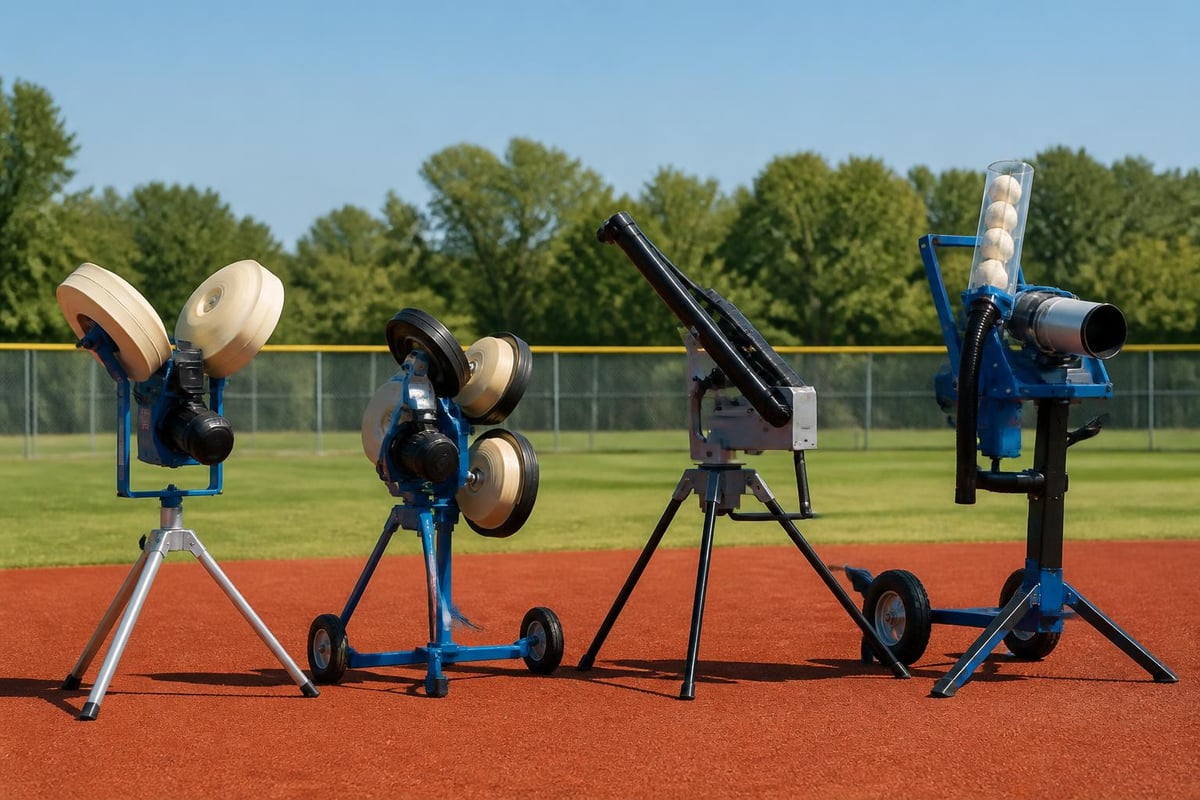
The modern baseball pitching machine operates through precise mechanical systems designed to replicate real pitching scenarios. These devices use rotating wheels, compressed air, or arm-style mechanisms to propel baseballs at controlled speeds and trajectories. The evolution of pitching machines spans decades, with today's models offering programmable features that would have seemed impossible in earlier generations.
Core Mechanical Systems Explained
Different machines utilize distinct propulsion methods, each with specific advantages:
- Two-wheel systems provide versatility for curveballs and sliders
- Three-wheel configurations offer enhanced pitch variety including risers and drops
- Arm-style machines simulate natural pitching motion for realistic timing
- Pneumatic systems deliver exceptional speed control and consistency
The choice between these systems depends on your training priorities and skill level requirements. Two-wheel machines dominate recreational and high school markets due to their balance of affordability and functionality. Three-wheel models, while more expensive, serve programs focused on advanced pitch recognition.
Speed Range and Adjustment Capabilities
Speed versatility determines whether a baseball pitching machine can serve players across multiple age groups and skill levels. Youth models typically range from 20 to 50 mph, while high school and collegiate machines extend from 40 to 100+ mph. This range allows programs to invest in equipment that grows with their athletes.
| Machine Category | Speed Range | Ideal For | Adjustment Method |
|---|---|---|---|
| Youth Entry | 20-50 mph | Ages 8-12 | Manual dial |
| Intermediate | 40-70 mph | Ages 13-16 | Digital control |
| Advanced | 50-90 mph | High school varsity | Programmable |
| Elite | 70-100+ mph | College/travel ball | Digital with presets |
Digital controls provide precise speed adjustments in single-digit increments, crucial for progressive training programs. Manual systems offer simplicity and durability but lack the fine-tuning capabilities needed for advanced skill development.
Selecting the Right Machine for Your Program
Choosing a baseball pitching machine requires assessing your program's specific needs, budget constraints, and long-term development goals. The comprehensive buying considerations extend beyond initial price tags to include durability, maintenance requirements, and feature scalability.
Budget Considerations and Investment Planning
Price points vary dramatically across machine categories. Entry-level models start around $300-$500, offering basic functionality suitable for casual practice. Mid-range options in the $800-$1,500 bracket provide enhanced durability and speed ranges appropriate for competitive youth programs. Professional-grade machines exceeding $2,000 deliver programmable features, extended warranties, and construction built for daily institutional use.
Schools and sports organizations should calculate total cost of ownership, including:
- Initial purchase price and delivery
- Ball compatibility and ongoing supply costs
- Electrical requirements or battery expenses
- Replacement parts and annual maintenance
- Storage solutions and transport equipment
Budget-conscious programs often find value in mid-range machines that offer room for growth without excessive features that go unused. The key lies in matching capabilities to actual training needs rather than purchasing based solely on maximum specifications.
Portability and Storage Requirements
Practice field logistics significantly impact machine selection. Portable models with wheel systems allow quick repositioning during batting practice rotations. Some machines weigh under 75 pounds, making them manageable for single-person setup. Heavier professional units exceeding 150 pounds often require two people or dolly systems for safe movement.
Consider these portability factors:
- Weight and wheel quality for transport across different field surfaces
- Breakdown requirements for storage in equipment rooms
- Power source flexibility between AC power and battery operation
- Weather resistance for outdoor storage or covered-only use
- Mounting options for permanent installation versus mobile use
Teams practicing on multiple fields benefit from machines designed for frequent relocation. Programs with dedicated training facilities might prioritize performance features over portability, investing in heavier machines with superior pitch consistency.
Training Applications and Batting Practice Integration
A baseball pitching machine serves multiple training purposes beyond standard batting practice. Forward-thinking coaches integrate these tools into comprehensive skill development programs that address timing, pitch recognition, and situational hitting. Pairing machines with proper practice equipment like pitching mounds creates realistic training environments that transfer directly to game performance.
Structured Batting Practice Protocols
Effective machine-based training follows progressive protocols that build specific skills. Unlike live pitching, machines provide unlimited repetitions at consistent speeds, allowing hitters to groove muscle memory without pitcher fatigue limiting reps.
Progressive Speed Training:
- Begin each session 10-15 mph below game speed
- Increase speed in 5 mph increments every 10-15 swings
- Finish with bursts above game speed for overload training
- Return to comfortable speeds for quality swing work
Location-Based Drills:
- Inside pitch recognition and handling
- Outside pitch opposite-field emphasis
- High/low zone discipline development
- Mixed location pattern work for adaptability
Research comparing batting patterns against machines versus live pitchers reveals important timing differences that coaches should acknowledge. While machines excel at repetition and consistency, they lack the subtle release point variations that live pitchers provide. Balanced programs incorporate both machine work and live batting practice.
Pitch Type Variety and Recognition Training
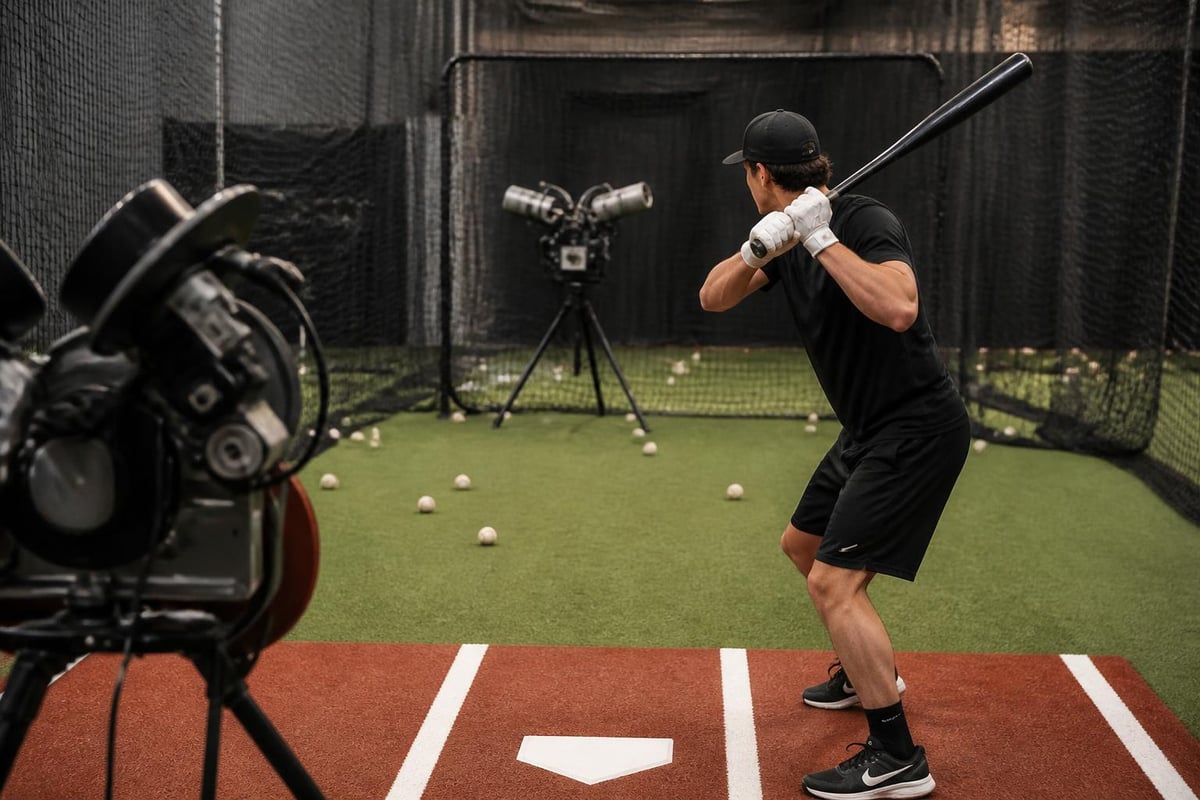
Advanced baseball pitching machine models deliver multiple pitch types essential for developing plate discipline. Three-wheel systems excel at replicating breaking balls, while two-wheel machines handle fastball-changeup combinations effectively. Programs focused on pitch recognition benefit from machines with quick adjustment capabilities between pitch types.
Training sequences should mirror game situations:
- Fastball-only rounds establishing timing baseline
- Fastball-changeup mixing for speed differential practice
- Breaking ball introduction with reduced speed
- Random pitch selection simulating at-bat uncertainty
- Count-specific patterns matching game strategies
Quality practice baseballs make significant differences in machine performance and hitter development. Using appropriate flat seam baseballs designed for machine use prevents jamming while delivering consistent flight paths that build hitter confidence.
Maintenance and Operational Best Practices
Extending baseball pitching machine lifespan requires consistent maintenance and proper operational procedures. Institutional use demands durability, but even the most robust machines deteriorate without appropriate care. Establishing maintenance routines prevents unexpected breakdowns during critical practice periods.
Daily Operation and Pre-Practice Checks
Before each practice session, coaches or equipment managers should complete basic inspections:
- Verify power connections and battery charge levels
- Inspect wheel surfaces for wear or debris buildup
- Check ball feed mechanisms for smooth operation
- Confirm speed calibration against marked settings
- Test safety features and emergency shutoffs
Cleaning wheels after use removes dirt, grass, and ball residue that affects pitch consistency. A damp cloth typically suffices for routine cleaning, while wheel cleaning solutions handle accumulated buildup. Never use harsh chemicals that might degrade rubber wheel surfaces.
Long-Term Maintenance and Parts Replacement
Professional maintenance schedules depend on usage intensity. Programs running daily practices need more frequent servicing than recreational leagues meeting twice weekly.
| Maintenance Task | Frequency | Typical Cost | Impact if Neglected |
|---|---|---|---|
| Wheel inspection | Weekly | Free | Erratic pitch speed |
| Deep cleaning | Monthly | $0-$25 | Reduced accuracy |
| Wheel replacement | Annually* | $100-$300 | Total malfunction |
| Motor service | Every 2 years | $150-$400 | Complete breakdown |
| Electronics check | Annually | $50-$150 | Control failures |
*Frequency varies based on usage volume
Replacement parts availability influences machine selection. Popular brands maintain extensive dealer networks and readily available components. Lesser-known manufacturers might offer lower initial prices but create parts sourcing challenges that result in extended downtime.
Safety Protocols and Supervision Requirements
Operating a baseball pitching machine demands strict adherence to safety guidelines that protect both users and bystanders. These powerful devices propel baseballs at speeds exceeding highway traffic, creating injury potential when misused. Establishing comprehensive safety protocols isn't optional-it's essential for responsible program management.
Essential Safety Equipment and Setup
Proper safety infrastructure includes:
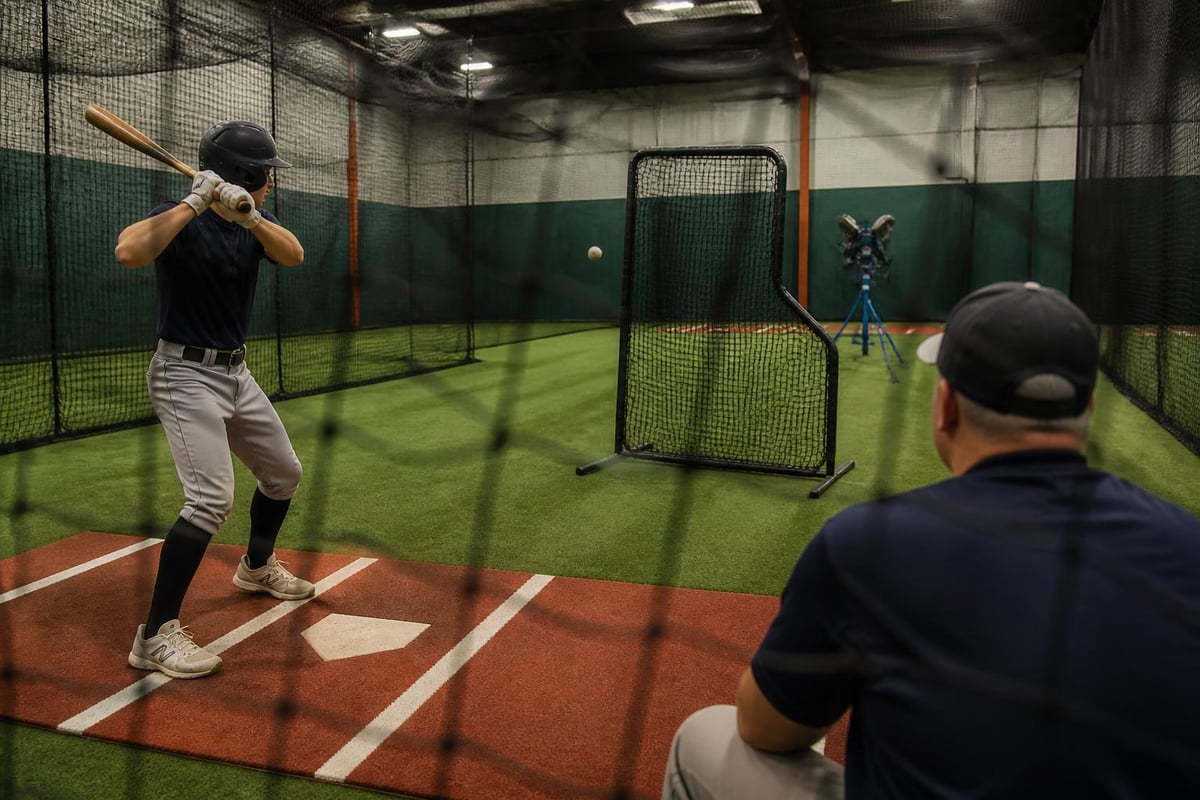
- Protective screening positioned between machine and pitcher's mound area
- Batting helmets worn by all hitters regardless of skill level
- Restricted access zones clearly marked around machine operation areas
- Emergency shutoff procedures posted and rehearsed regularly
- Supervisor presence required whenever machines operate
L-screens and protective nets serve dual purposes: they shield coaches feeding machines while preventing errant throws from reaching the equipment. Position these barriers according to manufacturer specifications, typically 15-20 feet from the machine at angles protecting feed operators.
Operator Training and Age Restrictions
Only trained personnel should operate baseball pitching machines. Many programs restrict operation to coaches, assistant coaches, and specifically trained seniors who complete formal instruction. Never allow young players unsupervised access regardless of their claimed experience.
Training should cover:
- Proper startup and shutdown sequences
- Speed adjustment procedures and limitations
- Ball feeding techniques preventing jams
- Emergency response for malfunction situations
- Age-appropriate speed restrictions by player group
Document operator certifications and maintain training records demonstrating due diligence. These records protect programs from liability while ensuring consistent operational standards across different practice sessions and personnel.
Comparing Popular Models and Brands
The baseball pitching machine market features several established manufacturers, each offering distinct advantages. Detailed machine reviews provide insight into specific model performance, but understanding brand philosophies helps narrow selections before detailed comparisons.
Leading Manufacturers and Their Specialties
JUGS dominates institutional markets with machines known for durability and consistent performance. Their two-wheel systems handle both baseball and softball applications, making them versatile for multi-sport programs. JUGS machines command premium prices but deliver reliability that justifies the investment for high-use environments.
Hack Attack three-wheel systems provide unmatched pitch variety, including accurate breaking balls that two-wheel machines struggle to replicate. Programs emphasizing pitch recognition and advanced hitting development often choose Hack Attack despite higher costs. The ability to program specific pitch sequences creates game-like scenarios unavailable with simpler machines.
ATEC offers comprehensive lineups spanning entry-level to professional grades. Their M1 and M2 models serve different market segments effectively, with M1 machines providing affordable youth options and M2 systems delivering collegiate-level performance. This brand diversity allows programs to stay within one manufacturer ecosystem across different team levels.
Louisville Slugger targets recreational and mid-tier competitive markets with machines balancing affordability and functionality. These machines suit youth programs and high schools with moderate budgets seeking reliable performance without elite features.
Feature Comparison Matrix
| Feature | Entry Models | Mid-Range | Professional |
|---|---|---|---|
| Speed range | 20-50 mph | 40-70 mph | 50-100+ mph |
| Pitch types | Fastball only | Fast/change | All pitches |
| Power source | AC only | AC or battery | Dual + rechargeable |
| Portability | 40-60 lbs | 60-100 lbs | 100-200 lbs |
| Warranty | 1 year | 2-3 years | 5+ years |
| Price range | $300-$600 | $800-$1,500 | $2,000-$4,000+ |
Programs should prioritize features matching their actual training needs. A youth league rarely benefits from 100 mph capabilities, just as a high school varsity program quickly outgrows machines limited to 50 mph. Purchasing the appropriate category prevents both overspending on unused features and replacing outgrown equipment prematurely.
Integrating Machines with Complete Training Systems
Maximum value from a baseball pitching machine emerges when integrated into comprehensive training systems. Isolated batting practice provides limited benefits compared to holistic approaches combining machine work with other skill development tools. Creating complete practice environments requires thoughtful equipment selection and facility planning.
Complementary Training Equipment
Effective batting practice stations incorporate multiple elements:
- Quality practice balls maintaining consistent performance through repeated impacts
- Batting tees for swing mechanics and plate coverage drills
- Protective screens ensuring operator and coach safety
- Ball collection systems improving practice efficiency and reducing setup time
- Timing mats providing feedback on weight transfer and stride mechanics
Programs investing in baseball pitching machines should allocate budget for these supporting elements. High-quality baseballs designed for machine use prevent feed jams while delivering consistent results that build hitter confidence. Using inferior balls creates frustration and potentially damages machine mechanisms.
Facility Design Considerations
Permanent and semi-permanent facilities housing pitching machines require thoughtful layout planning. Indoor facilities need adequate ceiling height for fly ball trajectories, typically minimum 20 feet. Outdoor installations benefit from:
- Level concrete pads preventing machine settling and angle changes
- Electrical access for AC-powered models without extension cord dependencies
- Covered storage protecting equipment from weather exposure
- Adequate backstop distance safely containing batted balls
- Multiple station capability allowing simultaneous drills for large teams
Teams might complement machine stations with portable practice mounds creating realistic pitcher-hitter distances and sight lines. This combination provides comprehensive training environments addressing both offensive and defensive skill development.
Maximizing Return on Equipment Investment
A baseball pitching machine represents significant investment that deserves protection through proper care and strategic utilization. Programs maximizing equipment value implement systems ensuring optimal use, appropriate access, and long-term functionality. These practices transform one-time purchases into multi-year training assets serving hundreds of athletes.
Multi-Sport and Multi-Team Applications
Versatile machines serve multiple programs within athletic departments. Many models accommodate both baseballs and softballs with simple wheel adjustments or conversion kits. Schools with both baseball and softball programs can share equipment, effectively halving per-sport costs.
Youth organizations operating multiple age divisions benefit from machines spanning 20-90 mph ranges. The same equipment serves:
- 8U teams developing basic contact skills
- 12U players refining swing mechanics
- High school athletes preparing for varsity competition
- Adult leagues seeking convenient practice options
Scheduling systems preventing conflicts while maximizing utilization hours justify higher initial investments. A $3,000 machine serving four teams costs $750 per team-often less than purchasing four separate basic models.
Tracking Usage and Performance Metrics
Progressive programs document machine usage and track player development metrics. Simple logging systems record:
- Daily operation hours for maintenance scheduling
- Speed settings and pitch counts by player
- Individual player progression through speed levels
- Equipment issues requiring attention
- Seasonal usage patterns informing future purchases
This data informs replacement timing, identifies underutilized equipment, and demonstrates training program effectiveness to administrators and parents. Digital logs integrated with team management software provide comprehensive training documentation supporting player advancement decisions.
Technical Specifications That Matter Most
Understanding technical specifications helps coaches make informed decisions rather than relying solely on marketing claims. Not all specifications carry equal importance, and some advertised features provide minimal practical benefit. Focus on specifications directly impacting training effectiveness and program needs.
Motor Power and Consistency Ratings
Motor strength determines pitch consistency and speed range reliability. Underpowered motors struggle maintaining advertised speeds, especially after extended operation or when working against environmental conditions like wind. Professional-grade machines utilize commercial motors rated for continuous duty cycles rather than intermittent residential use.
Consistency ratings indicate pitch-to-pitch variation. Quality machines maintain speeds within 1-2 mph across extended sessions. Lesser models might fluctuate 5+ mph, creating unreliable training conditions that confuse hitters trying to establish timing. When comparing specifications, prioritize consistency ratings over maximum speed claims.
Ball Compatibility and Feed System Design
Feed system design significantly affects practice flow and jam frequency. Gravity-fed systems offer simplicity but require frequent ball loading. Automatic feeders accommodate 50+ balls, enabling extended hitting rounds without interruption. However, automatic systems add cost and mechanical complexity requiring additional maintenance.
Ball compatibility specifications prevent costly mistakes. Some machines require specific ball types or seam configurations. Using incompatible balls causes:
- Frequent jamming requiring clearing procedures
- Inconsistent pitch delivery affecting training quality
- Accelerated wheel wear increasing maintenance costs
- Potential warranty voidance if damage occurs
Always verify ball compatibility before purchasing practice balls in bulk. Using manufacturer-recommended practice baseballs ensures optimal performance and equipment longevity.
Baseball pitching machines provide invaluable training tools when selected thoughtfully and maintained properly, delivering thousands of quality pitches that develop consistent hitters across all skill levels. Whether you're equipping a youth league, high school program, or travel team, choosing the right machine involves balancing features, budget, and long-term training goals. Sideline Sport Supply understands the practical needs of coaches and athletic programs, offering reliable training equipment and straightforward guidance that helps teams focus on what matters most-player development and game preparation.