

Football Soccer Shop: Complete Equipment Buying Guide 2026
Finding the right football soccer shop can transform how teams and organizations approach equipment purchasing. Whether outfitting a youth league, high school squad, or competitive club, the selection of a reliable supplier impacts player performance, budget management, and operational efficiency. With the global football equipment market projected to experience substantial growth through 2029, understanding how to navigate equipment purchasing has become essential for coaches, athletic directors, and team managers seeking value without compromising quality.
Essential Equipment Categories Every Football Soccer Shop Should Stock
A comprehensive football soccer shop serves as a one-stop resource for all team needs. The most effective suppliers organize inventory across distinct categories that address every aspect of the sport.
Training and Practice Essentials
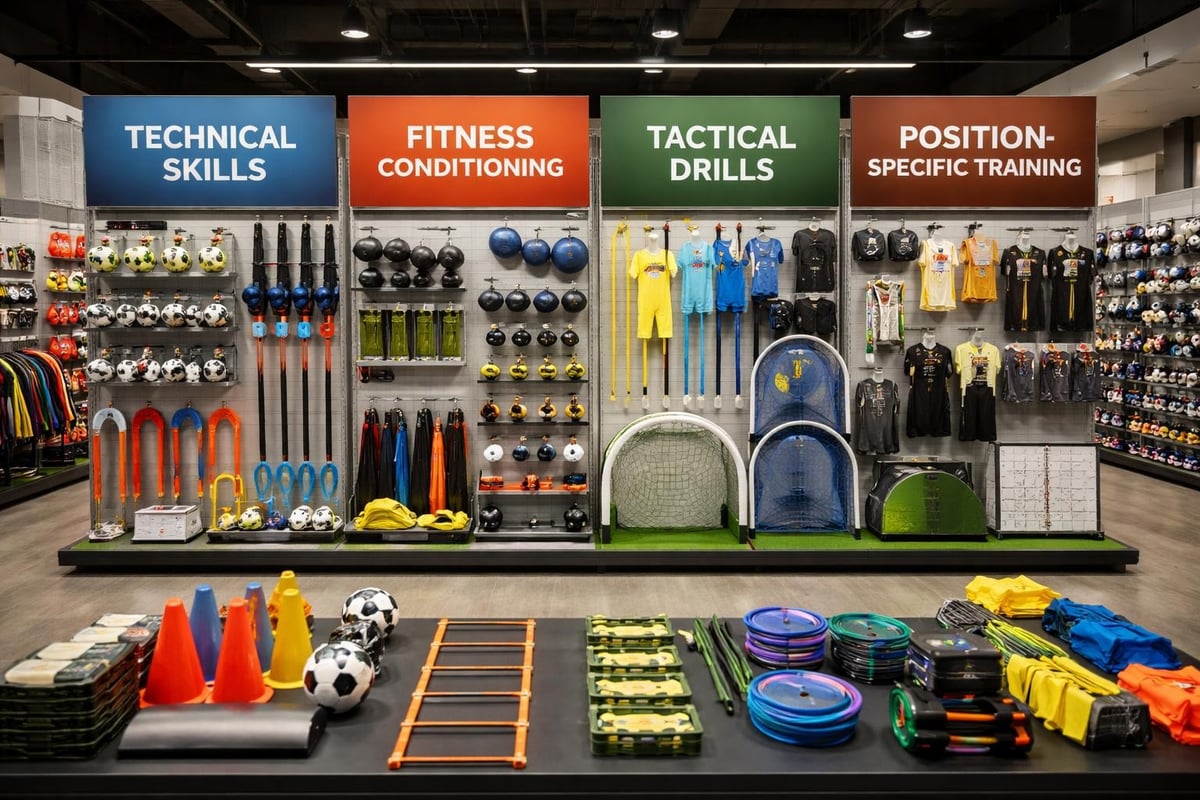
Training equipment forms the foundation of player development. Quality shops stock diverse training aids including:
- Agility ladders and speed hurdles for footwork development
- Cones and markers for drill organization
- Resistance bands and parachutes for strength conditioning
- Rebounders and training walls for skill refinement
- Practice jerseys and scrimmage vests for team differentiation
These items enable coaches to design comprehensive training sessions that build technical skills, tactical awareness, and physical conditioning. The availability of bulk pricing for training equipment helps organizations maximize their budgets while ensuring every player has access to proper development tools.
Game-Day Gear and Uniforms
Match preparation requires specialized equipment that meets competitive standards. A well-stocked football soccer shop provides complete uniform solutions including jerseys, shorts, and socks in customizable designs. Beyond apparel, game-day essentials encompass goalkeeper gloves, shin guards, and properly sized footballs that comply with league regulations.
Professional shops understand that uniform consistency builds team identity. They offer customization services for numbers, names, and logos while maintaining quick turnaround times for seasonal orders.
Quality Standards That Define Reliable Football Equipment
Durability and performance separate exceptional equipment from budget alternatives that fail under competitive conditions. When evaluating a football soccer shop, examining their quality standards provides insight into long-term value.
Material Construction and Certification
Top-tier suppliers prioritize materials that withstand intensive use. Footballs should feature reinforced stitching, moisture-resistant outer layers, and bladders that maintain proper inflation. Apparel requires breathable, sweat-wicking fabrics that perform in various weather conditions.
Certification marks from governing bodies like FIFA or recognized testing organizations indicate products meet professional standards. These certifications matter particularly for competitive play where equipment specifications are regulated.
| Equipment Type | Key Quality Indicators | Expected Lifespan |
|---|---|---|
| Match Footballs | FIFA certification, thermal bonding, butyl bladder | 2-3 seasons |
| Training Balls | Reinforced stitching, synthetic leather, latex bladder | 1-2 seasons |
| Jerseys | Moisture-wicking polyester, reinforced seams | 2-3 seasons |
| Shin Guards | Impact-resistant EVA foam, secure straps | 1-2 seasons |
| Goalkeeper Gloves | German latex palm, breathable backhand | 1 season |
Testing and Warranty Considerations
Reputable suppliers stand behind their products with clear warranty policies. This commitment demonstrates confidence in construction quality and provides teams with protection against manufacturing defects. A football soccer shop that offers straightforward replacement processes for defective items saves coaches valuable time and reduces unexpected expenses.
Navigating Bulk Orders and Team Purchase Programs
Schools, clubs, and sports organizations benefit significantly from structured team purchase programs. These arrangements streamline procurement while delivering cost advantages that stretch athletic budgets further.
Volume Pricing Structures
Understanding tiered pricing helps teams maximize purchasing power. Most football soccer shops implement volume discounts that scale with order size:
- Small team orders (10-25 items): 10-15% discount
- Medium team orders (26-50 items): 15-20% discount
- Large organizational orders (51+ items): 20-30% discount
- Multi-season contracts: Custom pricing with additional benefits
These structures reward commitment while providing predictable budgeting for athletic directors managing multiple teams. At Sideline Sport Supply, our team sales program is designed specifically to support organizations with competitive pricing and dedicated support.
Customization and Fulfillment Timelines
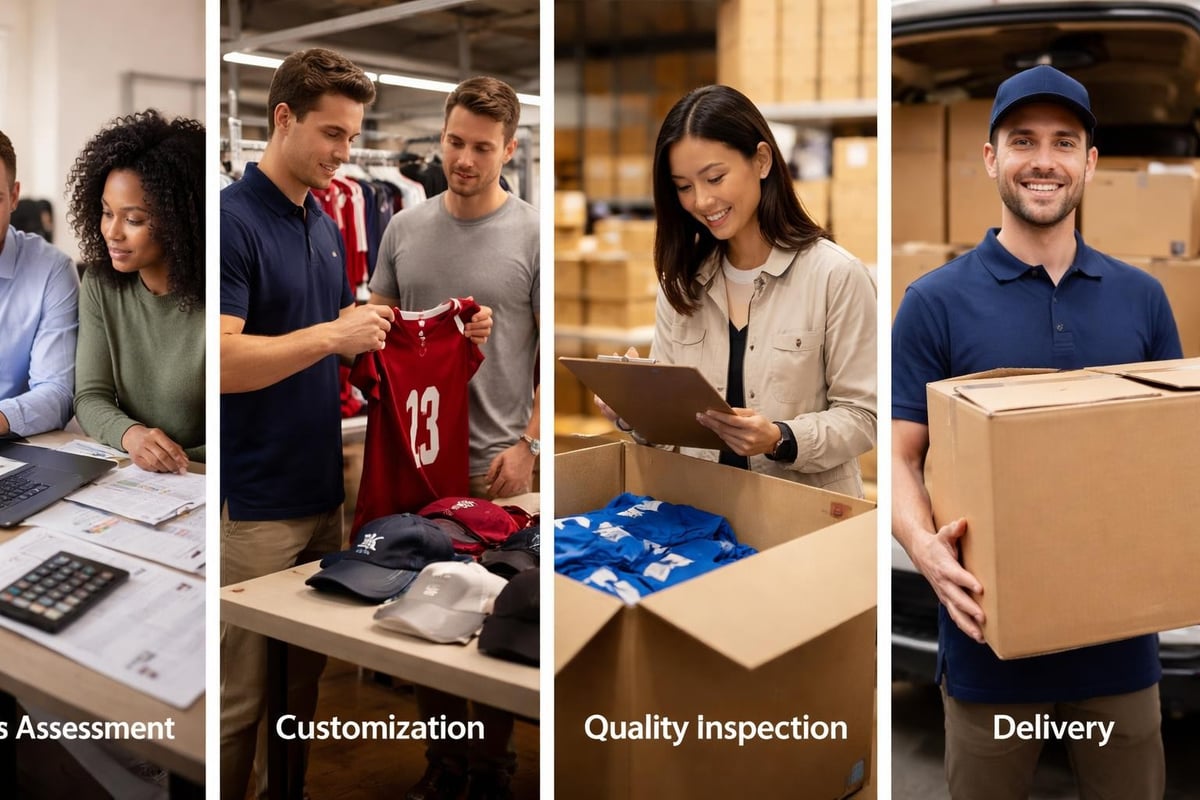
Custom uniform production requires planning around competitive schedules. Professional shops provide clear timelines from order placement through delivery:
- Standard orders without customization: 5-10 business days
- Custom printed uniforms: 2-3 weeks
- Full uniform packages with embroidery: 3-4 weeks
- Rush orders with expedited processing: Additional fees apply
Establishing relationships with a reliable football soccer shop before seasons begin prevents last-minute scrambles and ensures teams take the field properly equipped.
Market Trends Shaping Football Equipment Retail
The football merchandise market is projected to reach USD 24 billion by 2032, driven by increasing global participation and digital commerce expansion. Understanding these trends helps organizations make informed purchasing decisions.
Digital Commerce and Direct Ordering
Online platforms have revolutionized how teams source equipment. A modern football soccer shop provides detailed product specifications, sizing charts, and comparison tools that enable informed decision-making without physical store visits. This accessibility particularly benefits rural schools and clubs with limited access to specialized sporting goods retailers.
Digital ordering systems also create transparency in inventory availability, preventing situations where teams place orders only to discover items are backordered. Real-time stock information helps coaches plan purchases strategically.
Sustainability and Eco-Conscious Manufacturing
Environmental considerations increasingly influence equipment manufacturing. Progressive suppliers now offer:
- Recycled polyester uniforms that reduce environmental impact
- Biodegradable packaging materials for shipping
- Refurbishment programs for training equipment
- Partnerships with organizations that recycle worn equipment
Teams committed to sustainability can align equipment purchases with broader organizational values while supporting responsible manufacturing practices.
Specialized Equipment for Different Competitive Levels
Youth leagues, high school programs, and competitive clubs have distinct equipment requirements. A versatile football soccer shop stocks appropriate options for each level.
Youth and Recreational Programs
Developing players need equipment that supports skill acquisition without unnecessary expense. Size-appropriate footballs (size 3 for under-8, size 4 for under-12, size 5 for 13+) ensure proper technique development. Adjustable shin guards accommodate growth spurts, extending usability across multiple seasons.
Recreational programs benefit from durable training equipment that withstands heavy rotation among multiple teams. Value-oriented packages balance quality with affordability, enabling organizations to equip more participants.
Competitive and Travel Teams
Elite competition demands premium equipment. Match-quality footballs with FIFA certification, professional-grade goalkeeper gloves with German latex palms, and advanced training technology like GPS tracking vests separate competitive programs from recreational leagues.
Travel teams require additional considerations including:
- Portable training equipment for away practices
- Multiple uniform sets for tournament play
- Weather-appropriate gear for various climates
- Equipment bags and organizational systems
A comprehensive football soccer shop serves as a strategic partner, understanding competitive requirements and recommending appropriate solutions.
Goal and Field Equipment Fundamentals
Beyond player gear, proper field setup requires specialized equipment. While basketball systems like our Ultimate Hangtime adjustable units serve different sports, the principle of quality field equipment applies universally.
Portable and Permanent Goal Systems
Training facilities and schools often require flexible goal solutions:
| Goal Type | Primary Use | Key Features | Price Range |
|---|---|---|---|
| Pop-up goals | Casual practice, small-sided games | Quick setup, lightweight, portable | $50-150 |
| Weighted portable goals | Regular training, youth leagues | Stable, weather-resistant, standard sizes | $300-800 |
| Semi-permanent goals | Dedicated fields, high school programs | Ground anchors, powder-coated steel | $800-2,000 |
| Regulation permanent goals | Competitive venues, tournament fields | Full-size, professional construction | $2,000-5,000+ |
Selecting appropriate goals depends on usage frequency, player age groups, and budget allocation. A knowledgeable football soccer shop helps organizations evaluate needs and recommend suitable options.
Safety and Maintenance Accessories
Field equipment extends beyond goals to include corner flags, boundary markers, and safety padding. Proper anchoring systems prevent goal tipping accidents, a critical safety consideration for youth programs. Replacement nets, frame padding, and weather covers protect investments and extend equipment lifespan.
Regular maintenance protocols supported by readily available replacement parts keep fields competition-ready throughout seasons.
Building Relationships With Equipment Suppliers
Long-term supplier relationships deliver benefits beyond individual transactions. Strategic partnerships with a trusted football soccer shop provide advantages including priority access to new products, consultation on equipment planning, and flexible payment arrangements.
Consultation and Needs Assessment
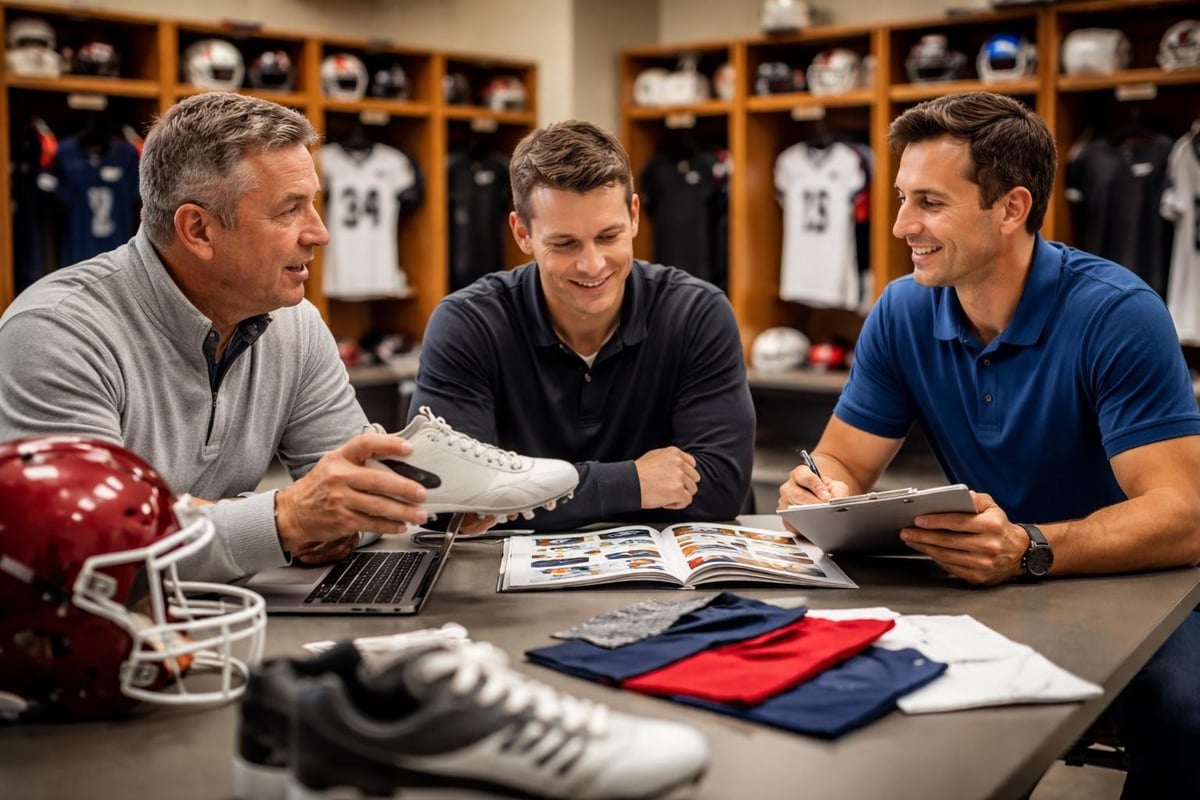
Professional suppliers invest time understanding organizational needs. This consultation process examines:
- Current equipment inventory and condition
- Upcoming season requirements and player counts
- Budget constraints and purchasing timelines
- Storage capacity and equipment management systems
- Growth projections and multi-year planning
These discussions inform recommendations tailored to specific situations rather than generic product pushes. Organizations benefit from expertise developed across hundreds of similar implementations.
Payment Flexibility and Budget Management
School districts and nonprofit organizations often face budget cycles that complicate large purchases. Accommodating suppliers offer:
- Purchase order acceptance without upfront payment
- Installment plans spread across fiscal quarters
- Early-order discounts for off-season purchasing
- Price match guarantees ensuring competitive rates
These flexible arrangements help athletic directors manage cash flow while ensuring teams receive necessary equipment on schedule.
Evaluating Football Soccer Shop Options
With numerous suppliers competing for business, systematic evaluation ensures teams select partners aligned with their needs and values.
Key Selection Criteria
Decision-makers should assess potential suppliers across multiple dimensions:
- Product range: Comprehensive inventory versus specialized focus
- Quality standards: Certification marks and construction details
- Pricing transparency: Clear breakdowns without hidden fees
- Customization capabilities: In-house services versus outsourced work
- Customer support: Responsiveness and problem-resolution commitment
- Fulfillment reliability: On-time delivery track record
- Return policies: Hassle-free exchanges for sizing issues
Creating a weighted scorecard for these factors brings objectivity to supplier selection, particularly when multiple stakeholders participate in purchasing decisions.
Reference Checks and Industry Reputation
Beyond marketing claims, peer recommendations provide valuable insight. Connecting with other programs that use specific suppliers reveals real-world experiences regarding product quality, service consistency, and issue resolution.
Industry organizations, coaching associations, and online reviews offer additional perspective. Patterns in feedback-both positive and negative-help identify supplier strengths and potential concerns.
Seasonal Planning and Equipment Lifecycle Management
Strategic equipment management extends budgets and ensures consistent team readiness. A proactive approach to purchasing, maintenance, and replacement prevents emergency orders at premium prices.
Annual Equipment Audits
Pre-season inventory assessment identifies replacement needs before competitive play begins. This audit should catalog:
- Footballs sorted by condition (match quality, practice, replacement needed)
- Uniforms evaluated for fit, wear, and inventory gaps
- Training equipment functionality testing
- Goal and field equipment safety inspection
- Storage organization and condition review
Documenting findings creates an evidence-based purchasing plan that supports budget requests and prevents over-ordering.
Rotation and Replacement Schedules
Implementing systematic rotation extends equipment lifespan. Match footballs reserved exclusively for competitive play last significantly longer than balls used interchangeably for practice. Similarly, designating specific training equipment for different drill types distributes wear evenly.
Replacement schedules based on usage rather than calendar age optimize value. High-intensity programs may replace training equipment annually while recreational leagues extend replacement to two or three seasons.
Supporting Multi-Sport Athletic Programs
Organizations often manage equipment needs across multiple sports. While this article focuses on football equipment, the principles of supplier selection, quality assessment, and strategic purchasing apply universally. Just as batting cages require careful consideration for baseball programs, football equipment demands similar attention to detail.
Cross-Sport Equipment Considerations
Multi-sport suppliers offer operational advantages:
- Consolidated ordering reduces administrative burden
- Shared shipping minimizes per-item costs
- Unified vendor relationships simplify communication
- Consistent quality standards across equipment categories
Athletic directors managing diverse programs benefit from suppliers with comprehensive inventories spanning multiple sports. This breadth enables one-stop shopping while maintaining specialized expertise in each category.
Coordinated Purchasing Strategies
Timing equipment orders across sports maximizes budget efficiency. Strategic purchasers leverage:
- Off-season pricing for early orders
- End-of-year budget spending before fiscal resets
- Combined orders that reach higher volume discount tiers
- Negotiated annual agreements covering multiple sports
These approaches require planning but deliver significant cost savings that enable programs to enhance offerings or extend participation opportunities.
Technology Integration in Modern Equipment Shopping
Digital tools transform how organizations research, order, and manage sporting equipment. Progressive suppliers embrace technology that simplifies procurement and enhances customer experience.
Online Product Configuration
Interactive customization platforms let teams visualize uniform designs before ordering. Real-time rendering shows how logos, colors, and text appear on actual garments. This capability reduces errors and ensures final products match expectations.
Sizing tools using measurement guides help teams order appropriate sizes, minimizing returns and exchanges. Some advanced systems even maintain historical order data, automatically suggesting sizes for returning players based on previous purchases.
Order Tracking and Communication
Transparent fulfillment processes keep customers informed throughout production and delivery. Automated notifications at key milestones-order confirmation, customization completion, shipping, and delivery-reduce follow-up inquiries and provide peace of mind.
Organizations can track orders through supplier portals, accessing proof of customization, estimated delivery dates, and carrier tracking information. This visibility supports planning around equipment arrival, ensuring sufficient time for distribution before competition.
Investment Protection Through Proper Care
Quality equipment from a reputable football soccer shop represents significant investment. Proper care protocols maximize return on that investment through extended usability and maintained performance.
Storage and Organization Systems
Climate-controlled storage prevents material degradation. Footballs maintain proper air pressure and surface integrity when stored away from extreme temperatures and direct sunlight. Mesh bags provide ventilation for uniforms between uses, preventing mildew and odor buildup.
Organized storage systems using labeled bins or designated areas simplify inventory management and prevent loss. Teams that implement check-out systems for training equipment reduce theft and ensure accountability.
Cleaning and Maintenance Protocols
Establishing cleaning routines preserves equipment appearance and function:
- Footballs: Wipe with damp cloth after use, check pressure weekly
- Uniforms: Wash in cold water, air dry to prevent shrinkage
- Shin guards: Hand wash regularly, replace foam padding when compressed
- Training equipment: Inspect weekly, clean as needed, repair minor damage promptly
Documented maintenance schedules assign responsibility and ensure consistency across seasons and coaching changes.
Selecting the right football soccer shop impacts team performance, budget efficiency, and program sustainability. By prioritizing quality standards, building strategic supplier relationships, and implementing proactive equipment management, organizations equip athletes for success while maximizing investment value. Sideline Sport Supply understands the unique needs of teams, schools, and sports organizations, offering reliable equipment, straightforward pricing, and dedicated support that keeps your focus where it belongs-on the game.