

Tennis Shop Essentials: Equipment and Gear Guide 2026
Finding the right tennis shop requires more than just browsing available inventory. Whether you're equipping an entire team, upgrading your coaching arsenal, or outfitting players for competitive seasons, understanding what distinguishes a quality supplier from a basic retailer makes all the difference. The tennis equipment market continues to evolve with technological advancements, personalization options, and emerging performance standards that reshape how athletes, coaches, and organizations approach their purchasing decisions. This comprehensive guide explores the critical considerations for sourcing tennis gear, maintaining equipment investments, and partnering with suppliers who understand the demands of serious players and programs.
Understanding Tennis Equipment Categories
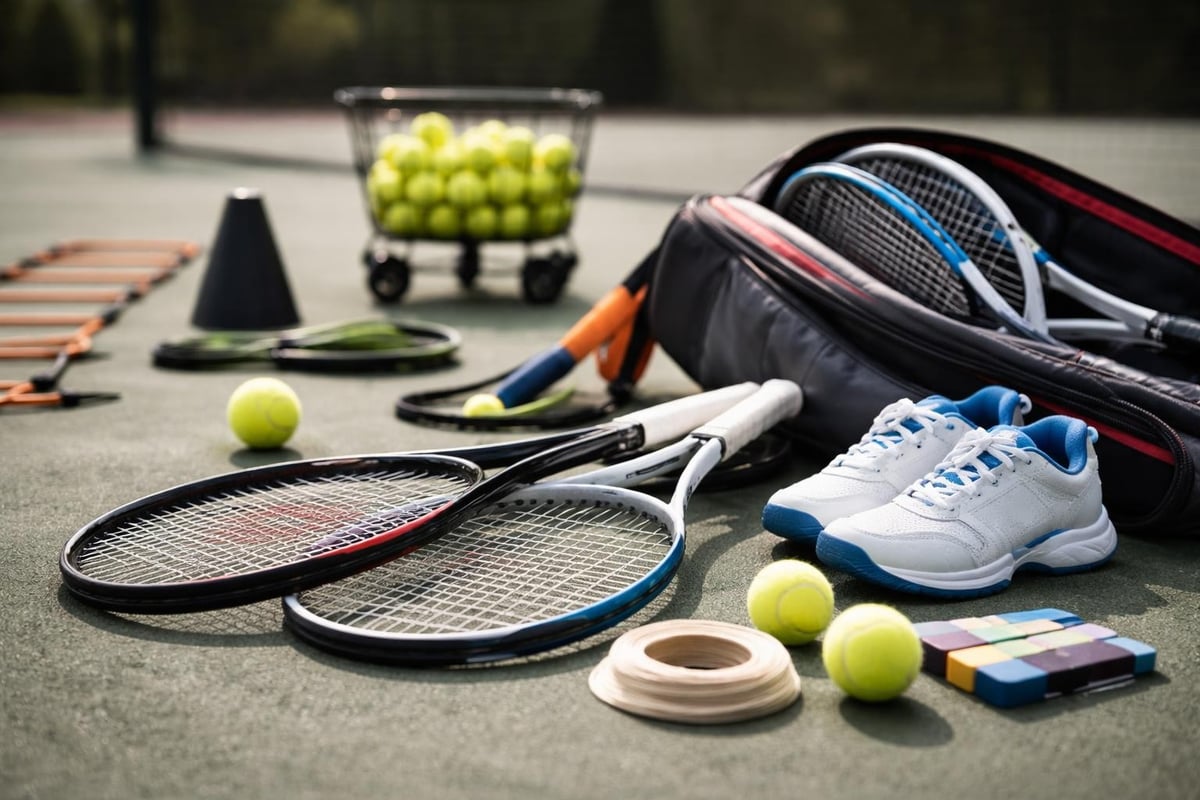
A comprehensive tennis shop should offer equipment across multiple essential categories. The foundation starts with racquets, available in various weights, head sizes, and string patterns designed for different skill levels and playing styles. Youth racquets differ significantly from adult models, requiring lighter frames and specific length considerations based on player height and age.
Footwear represents another critical category where quality cannot be compromised. Tennis-specific shoes provide lateral support, durability for court surfaces, and cushioning systems engineered for the stop-and-start movements inherent to the sport. According to research on the tennis shoes market, increasing participation rates and the influence of athleisure trends continue driving innovation in this category.
Essential Equipment Checklist
- Racquets: Frame weight, grip size, string tension specifications
- Footwear: Court-specific tread patterns, ankle support features
- Balls: Practice-grade versus tournament-approved options
- Strings: Material composition, gauge thickness, durability ratings
- Bags: Capacity for multiple racquets, ventilation systems, organizational compartments
- Apparel: Moisture-wicking fabrics, UV protection, movement flexibility
- Accessories: Dampeners, grips, overgrips, towels, water bottles
Training equipment extends beyond individual play gear. Coaches and team programs benefit from fitness sports equipment that supports conditioning, agility development, and sport-specific drills.
Evaluating Quality Versus Price Points
The relationship between equipment quality and pricing requires careful analysis. Premium racquet models from established manufacturers incorporate advanced materials like graphite composites, aerodynamic frame designs, and vibration dampening technologies. These features deliver measurable performance benefits for competitive players who can exploit the enhanced responsiveness and power generation.
However, recreational players and developing athletes often achieve better results with mid-tier equipment that offers forgiving sweet spots and increased durability. The key is matching equipment specifications to actual skill levels rather than aspirational purchases that exceed current capabilities.
| Equipment Level | Price Range | Best For | Key Features |
|---|---|---|---|
| Entry-Level | $30-$80 | Beginners, recreational play | Oversized heads, aluminum frames, durability |
| Intermediate | $80-$180 | Developing players, club competition | Graphite construction, moderate weight, balanced specs |
| Advanced | $180-$300+ | Competitive athletes, advanced skill | Premium materials, customization options, precision engineering |
When evaluating a tennis shop, examine whether they offer transparent information about equipment specifications and performance characteristics. Quality suppliers provide detailed product descriptions, comparison tools, and guidance on selecting appropriate gear for specific needs. At Sideline Sport Supply, we emphasize straightforward pricing and practical recommendations that align equipment capabilities with player requirements.
Storage and Maintenance Best Practices
Proper equipment care significantly extends the useful life of tennis gear while maintaining performance standards. Racquet storage requires climate-controlled environments that prevent extreme temperature fluctuations. Heat exposure compromises string tension and can warp frame materials, while excessive cold makes strings brittle and prone to breakage.
According to tennis gear storage and maintenance guidelines, implementing systematic care routines prevents premature equipment degradation. String beds require regular inspection for wear patterns, fraying, and tension loss. Most competitive players restring their racquets every 20-40 hours of play, though this varies based on string material, playing style, and stroke mechanics.
Maintenance Schedule Recommendations
- After Each Session: Wipe down racquet frames, check string condition, air out shoes and bags
- Weekly: Inspect grip tape for wear, clean footwear treads, organize equipment storage
- Monthly: Evaluate string tension, assess shoe cushioning integrity, inventory accessory supplies
- Seasonally: Professional restringing, deep clean all equipment, replace worn items
Footwear maintenance deserves particular attention. Tennis shoes endure substantial stress from lateral movements, quick direction changes, and constant court contact. Rotating between multiple pairs extends overall lifespan while allowing materials to decompress between uses. Remove insoles after play to facilitate drying and prevent bacterial growth that causes odor and material breakdown.
Tennis bags with ventilated compartments prevent moisture buildup that damages strings, grips, and electronic devices. Separate storage for damp apparel keeps it isolated from sensitive equipment until properly laundered.
Sourcing Strategies for Teams and Organizations
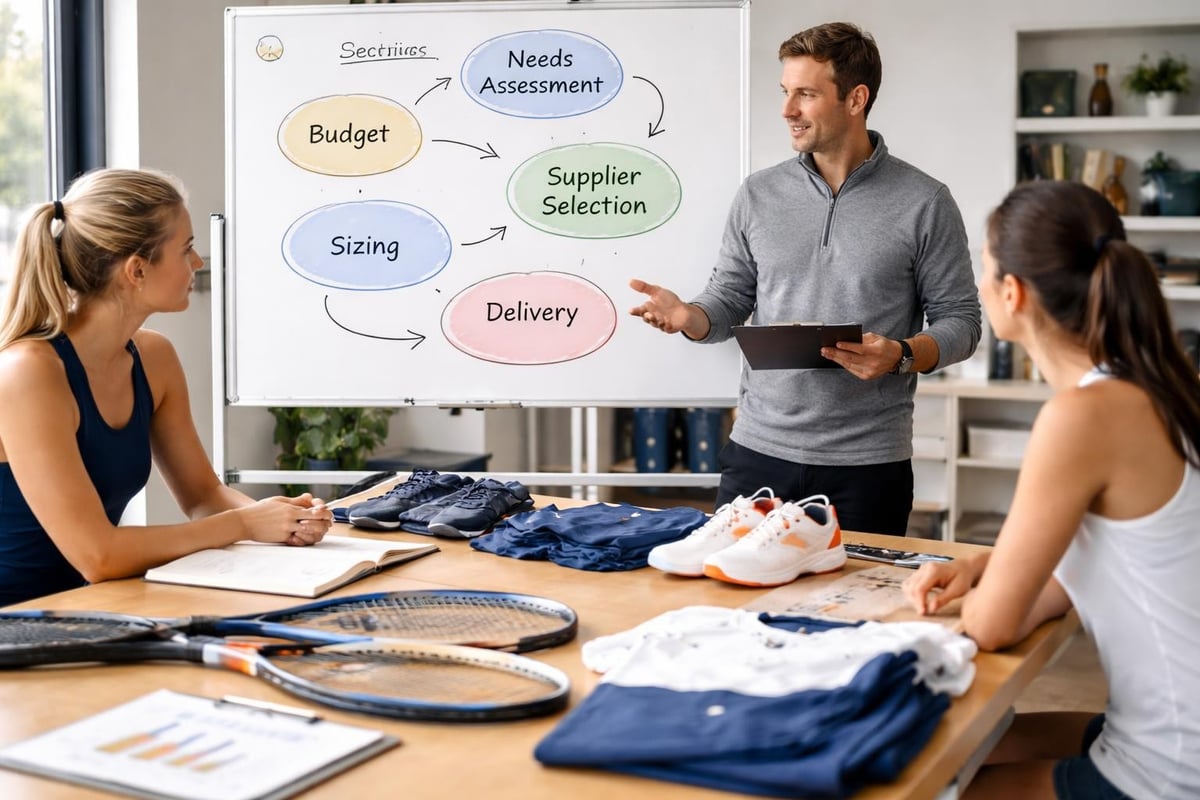
Schools, clubs, and sports organizations face unique challenges when equipping multiple players. Bulk purchasing through a dedicated tennis shop that understands team dynamics offers several advantages beyond simple volume discounts. Coordinated sizing ensures consistent fit across team members, while standardized equipment simplifies coaching, maintenance, and replacement logistics.
When evaluating suppliers for team purchases, consider these critical factors:
Fulfillment Capabilities: Can the supplier deliver complete orders within required timeframes? Tournament schedules and training camp starts don't accommodate delayed shipments. Our team sales program prioritizes fast fulfillment specifically to support time-sensitive organizational needs.
Product Availability: Consistent access to specific models prevents situations where replacement equipment differs from original purchases, creating performance inconsistencies across team members.
Support Services: Quality tennis shops provide sizing guidance, equipment education for coaching staff, and responsive communication throughout the purchasing process.
| Sourcing Consideration | Individual Purchase | Team/Organization Purchase |
|---|---|---|
| Primary Factor | Personal preference | Standardization across players |
| Pricing Strategy | Retail/promotional | Volume discounts, negotiated rates |
| Customization | Optional | Often includes team branding |
| Support Needs | Minimal guidance | Comprehensive sizing, specification consultation |
| Delivery Timeline | Immediate availability | Coordinated bulk shipment |
The United States Tennis Association provides detailed guidance on equipment selection that helps teams establish baseline specifications for their programs. This resource proves particularly valuable when standardizing equipment across age groups and skill divisions.
Emerging Trends in Tennis Equipment
The tennis industry continues evolving with technological innovations and shifting consumer preferences. Customization and personalization have become significant differentiators among tennis shop offerings. According to market analysis on tennis equipment trends, consumer demand for tailored gear drives product development across multiple categories.
Smart racquets incorporating sensors that track swing speed, ball impact location, and stroke mechanics represent one emerging category. These connected devices provide quantifiable data that informs technique adjustments and training priorities. While adoption remains concentrated among competitive players and coaching programs, increasing affordability expands accessibility.
Technology Integration Features
- Swing analysis sensors embedded in racquet handles
- Mobile applications for performance tracking and historical comparisons
- Video capture systems synchronized with impact data
- Artificial intelligence-powered coaching recommendations
Sustainability considerations also influence purchasing decisions. Manufacturers increasingly offer equipment constructed from recycled materials, biodegradable string options, and packaging reduction initiatives. Organizations with environmental commitments seek tennis shops that prioritize sustainable product lines without compromising performance standards.
Fashion intersects with function as tennis apparel trends draw inspiration from luxury brands and streetwear aesthetics. The collaboration between high-end fashion and tennis reflects broader market interest in stylish athletic wear that transitions between court and casual settings. This trend particularly resonates with youth players and teams seeking distinctive appearance alongside technical performance.
Selecting the Right Tennis Shop Partner
Establishing a relationship with a reliable tennis shop transcends individual transactions. The ideal supplier functions as a strategic partner who understands your program goals, budget constraints, and performance requirements. Several distinguishing characteristics separate exceptional suppliers from adequate vendors.
Product Knowledge: Staff expertise matters significantly when navigating equipment options. Can representatives explain the practical differences between similar racquet models? Do they understand string material properties and their impact on playability? Quality tennis shops invest in training that enables informed recommendations rather than simple order-taking.
Inventory Depth: Comprehensive selection ensures access to multiple options within each category. Limited inventory forces compromise purchases that don't fully meet specifications. Examine whether the shop maintains stock across various price points, brands, and specialized equipment categories.
Price Transparency: Our price match guarantee reflects our commitment to competitive pricing without hidden fees or unexpected charges. Straightforward pricing structures build trust and enable accurate budget planning for organizations managing multiple purchasing cycles.
Return and Exchange Policies: Equipment fit varies by individual physiology and playing style. Flexible return policies accommodate sizing adjustments and specification changes when initial selections don't meet expectations.
Communication Standards: Responsive communication throughout the purchasing process, from initial inquiry through delivery confirmation and post-purchase support, distinguishes professional operations from transactional retailers.
Beyond these operational characteristics, consider the supplier's specialization. Tennis shops focused exclusively on racquet sports versus broader athletic equipment retailers often provide deeper expertise and more specialized product selection. However, multi-sport suppliers like Sideline Sport Supply offer the advantage of consolidated purchasing for organizations managing multiple athletic programs.
Budget Management for Tennis Equipment
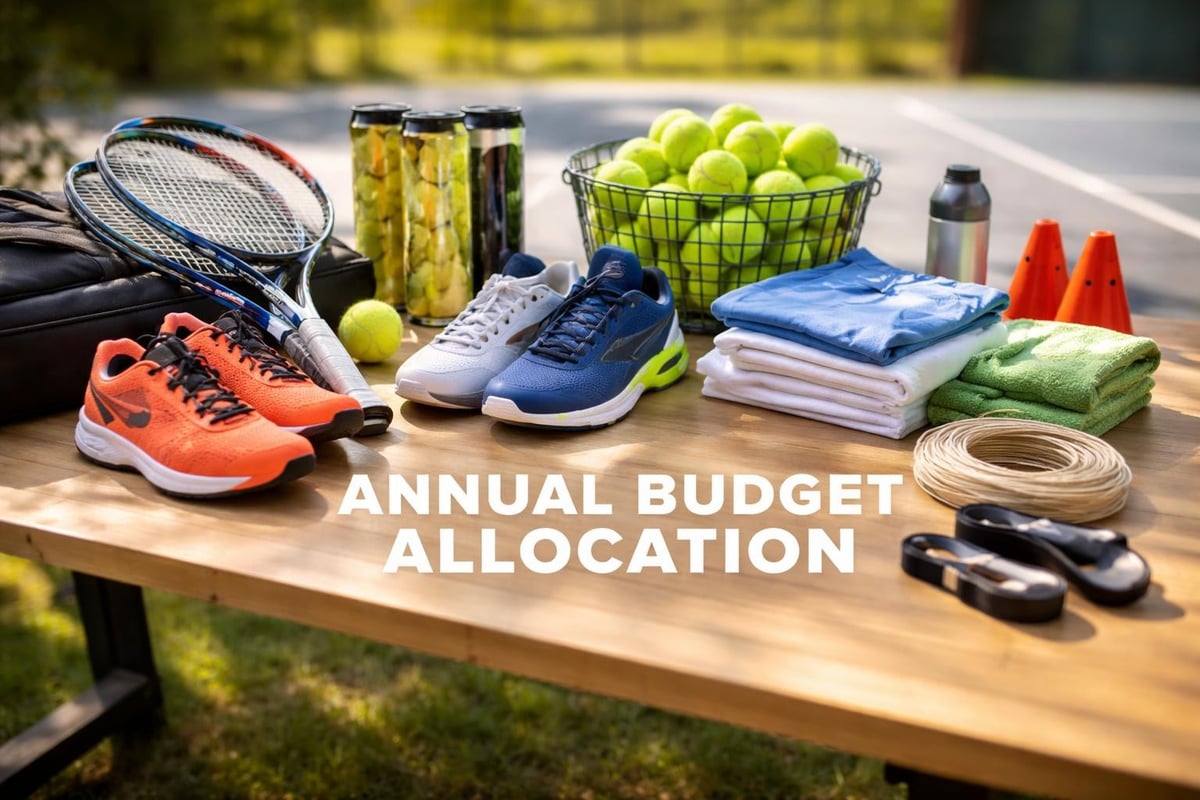
Controlling equipment costs while maintaining quality standards requires strategic planning and smart purchasing decisions. Tennis programs operating under fixed budgets benefit from several approaches that maximize purchasing power without compromising player needs.
Seasonal Timing: Tennis shop inventory cycles typically offer the best pricing during late fall and winter months when demand decreases in many regions. Planning purchases during these periods captures discounts of 20-40% compared to peak spring and summer pricing.
Multi-Year Equipment Planning: Developing three-to-five-year replacement schedules prevents crisis purchasing at premium prices when essential equipment fails unexpectedly. This approach also facilitates budget forecasting and capital allocation across organizational planning cycles.
Tiered Equipment Standards: Not every player requires identical equipment specifications. Establishing differentiated standards for varsity versus junior varsity, or competitive travel teams versus recreational programs, allocates resources according to actual performance requirements.
| Budget Strategy | Implementation | Expected Savings |
|---|---|---|
| Off-Season Purchasing | Buy during November-February | 20-40% |
| Volume Consolidation | Combine multiple team orders | 10-25% |
| Multi-Year Contracts | Negotiate committed purchase agreements | 15-30% |
| Strategic Specification | Match equipment level to actual player needs | 25-50% |
The U.S. tennis equipment market analysis highlights distribution channel dynamics that affect pricing. Direct relationships with specialized suppliers often provide better value than purchasing through intermediary retailers who add markup layers.
Equipment longevity directly impacts long-term budgets. Investing in quality construction and implementing proper maintenance protocols reduces replacement frequency. A premium racquet properly maintained might serve a player for two to three seasons, while bargain alternatives often require annual replacement, ultimately costing more over the program lifecycle.
Quality Indicators in Tennis Shop Selection
Discerning quality tennis shops from mediocre suppliers requires evaluating several operational and customer service indicators. These characteristics signal a supplier's commitment to supporting athletic programs rather than simply processing transactions.
Brand diversity demonstrates a tennis shop's commitment to meeting varied player preferences and budget requirements. Exclusive relationships with single manufacturers limit options and potentially inflate prices through reduced competition. Quality suppliers maintain relationships with multiple reputable brands across different price tiers.
Educational resources separate exceptional tennis shops from basic retailers. Look for suppliers offering equipment guides, sizing charts, specification comparisons, and selection advice. These resources empower informed purchasing decisions and demonstrate the supplier's investment in customer success beyond immediate sales.
Order tracking capabilities provide transparency throughout the fulfillment process. Modern tennis shops offer real-time shipment updates, delivery confirmations, and proactive communication about any delays or complications. This operational transparency proves especially critical for time-sensitive team purchases.
Customer service responsiveness matters significantly when questions arise or complications develop. Test the tennis shop's communication channels before committing to large purchases. Do they respond promptly to inquiries? Can you reach knowledgeable representatives through multiple contact methods? These early interactions predict the support quality you'll receive throughout the business relationship.
Making Strategic Equipment Decisions
Tennis equipment decisions require balancing immediate needs against long-term program development. The racquets, shoes, and accessories you select today influence player development, injury prevention, and competitive outcomes for months or years ahead.
For developing players, prioritize equipment that accommodates skill progression. Racquets with moderate weights and balanced specifications support technique development without imposing physical strain that compromises form. As players advance, equipment can evolve to match increasing strength, refined stroke mechanics, and tactical sophistication.
Competitive programs benefit from equipment standardization that creates consistency across training and competition environments. When players use identical or similar racquet models, coaches can provide more precise technical instruction without accounting for equipment variables. This standardization also simplifies stringing specifications, replacement purchasing, and travel logistics.
Consider the complete ecosystem of equipment needs rather than isolated purchases. A comprehensive tennis shop supports holistic program development by offering everything from goal nets for multi-sport training to specialized accessories that enhance specific skill development. This consolidated sourcing simplifies procurement while ensuring equipment compatibility across training applications.
Selecting the right tennis shop partner significantly impacts program success, equipment budgets, and player development outcomes. Quality suppliers combine comprehensive product selection, knowledgeable guidance, transparent pricing, and reliable fulfillment to support your athletic goals. When you're ready to equip your players with game-day-ready tennis gear backed by straightforward pricing and fast delivery, explore how Sideline Sport Supply serves teams, coaches, and organizations across all competitive levels.