

Football Gear: Essential Equipment Guide for 2026
Football requires one of the most comprehensive equipment setups in sports. From protective helmets to specialized cleats, every piece of football gear serves a critical purpose in keeping players safe while maximizing their performance on the field. Whether you're outfitting a youth team, upgrading high school equipment, or supporting college programs, understanding the essential components and safety standards can make the difference between adequate protection and optimal player safety. This guide breaks down the critical equipment categories, fitting requirements, and selection criteria that coaches, athletic directors, and parents need to know in 2026.
Understanding Core Protective Equipment
The foundation of football gear centers on impact protection. Head injuries remain the primary concern in contact sports, making helmets the most critical investment for any program. Modern helmets must meet National Operating Committee on Standards for Athletic Equipment (NOCSAE) standards, which are updated regularly to reflect the latest safety research and technology improvements.
Helmet Selection and Fitting Standards
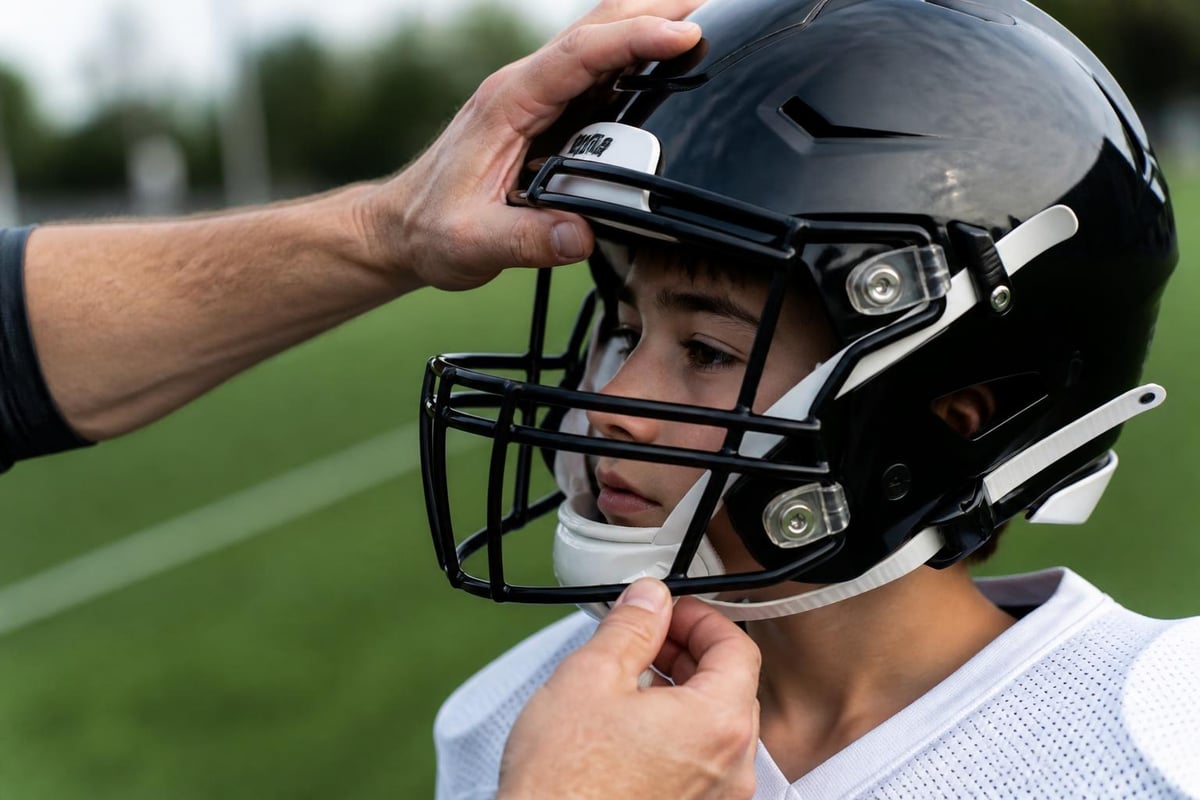
Proper helmet fit cannot be compromised. A helmet that shifts during play provides inadequate protection and increases injury risk significantly. When evaluating helmets, consider these key factors:
- Certification status: Verify current NOCSAE certification and recertification dates
- Size range availability: Ensure access to multiple shell sizes, not just padding adjustments
- Faceguard compatibility: Match faceguard style to player position and league requirements
- Weight distribution: Lighter helmets reduce neck strain during extended wear
The American Academy of Pediatrics emphasizes proper equipment fit as a fundamental injury prevention strategy. Helmets should sit level on the head, covering the forehead approximately one inch above the eyebrows. The chin strap must be snug enough that no more than two fingers fit between the strap and chin.
Shoulder Pad Construction and Position-Specific Designs
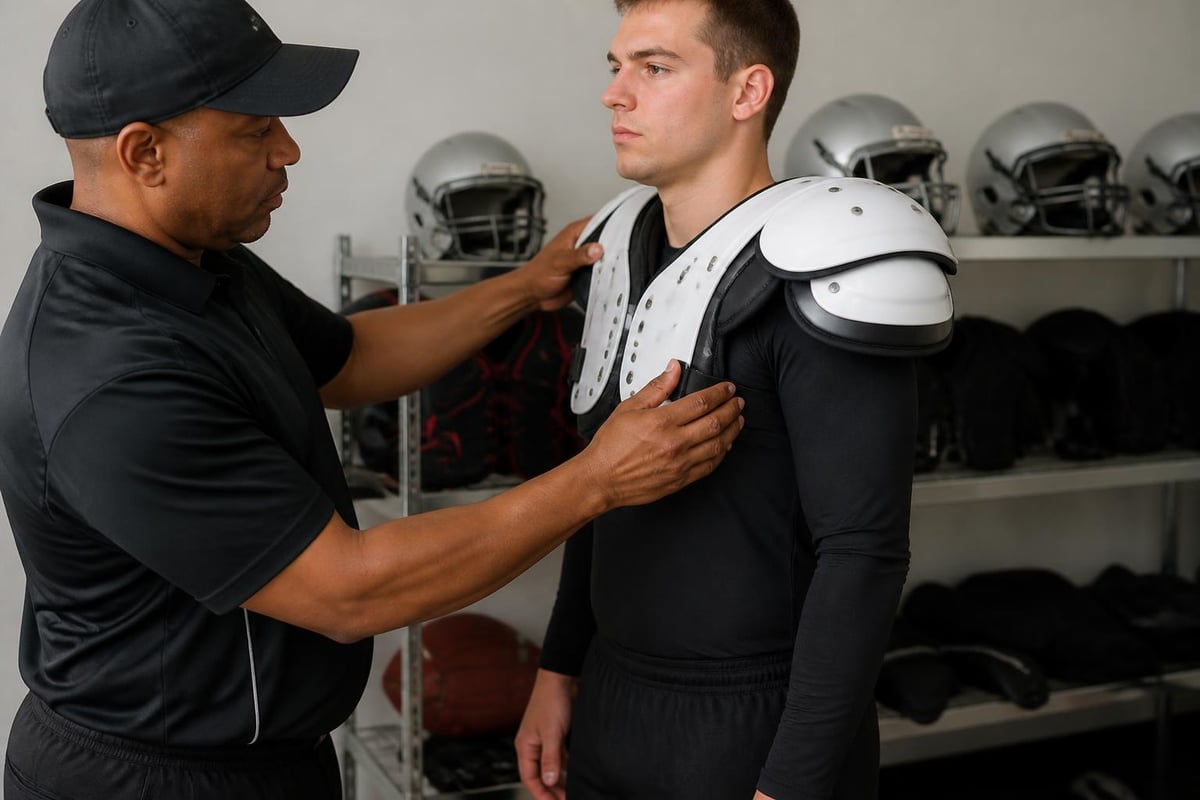
Shoulder pads protect the shoulders, chest, ribs, and upper back from impacts. The construction has evolved significantly, with manufacturers now offering position-specific designs that balance protection with mobility requirements. Linemen need maximum coverage and impact resistance, while skill position players require lighter pads that allow greater range of motion.
| Player Position | Pad Style | Key Features | Weight Range |
|---|---|---|---|
| Linemen | Flat/Cantilevered | Maximum shoulder coverage, reinforced chest plate | 4.5-6 lbs |
| Linebackers | Hybrid | Balanced protection and mobility | 4-5 lbs |
| Skill Positions | Lightweight | Minimal restriction, enhanced shoulder cap | 3-4.5 lbs |
| Quarterbacks | Specialized | Floating design, unrestricted throwing motion | 3.5-4.5 lbs |
Proper shoulder pad fit requires the equipment to cover the shoulder joint completely while allowing full arm rotation. The neck opening should permit comfortable head movement without gaps that expose the collarbone area. Many programs find value in exploring options through established sporting goods shops that specialize in team equipment and can provide fitting expertise.
Lower Body Protection Systems
While head and shoulder protection receives the most attention, lower body football gear plays an equally important role in player safety and performance. Hip pointers, thigh bruises, and tailbone injuries can sideline players just as effectively as concussions.
Football Pants and Integrated Pad Systems
Modern football pants come in two primary configurations: integrated pad systems and girdle-based setups. Integrated pants feature sewn-in pockets that hold protective pads in place, while girdle systems use compression shorts with pad pockets worn under traditional football pants.
The evolution of football girdles demonstrates how equipment innovation continues to improve player protection. Today's compression-based systems offer several advantages:
- Improved pad retention during play
- Better moisture management
- Enhanced muscle support
- Easier washing and maintenance
Standard pad coverage includes hip pads, tailbone protection, thigh guards, and knee pads. Youth programs particularly benefit from integrated systems because young players often struggle with proper pad placement using traditional setups.
Cleat Selection for Different Field Conditions
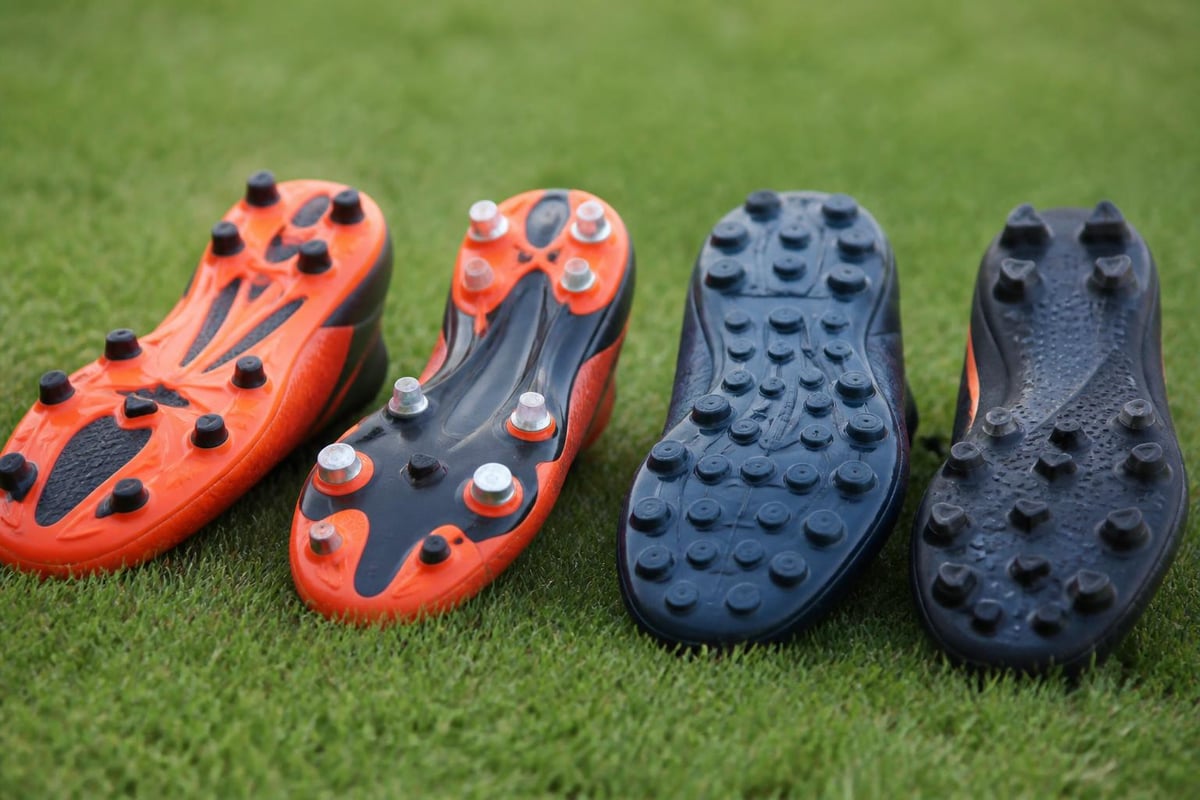
Footwear represents a critical but often underestimated category of football gear. Cleats directly impact traction, cutting ability, and injury prevention. In 2026, most leagues permit molded, detachable, and hybrid cleat configurations, though specific regulations vary by age group and competition level.
Cleat Type Comparison:
- Molded cleats: Fixed rubber studs, ideal for youth players and hard fields
- Detachable cleats: Replaceable metal or plastic studs, preferred for variable conditions
- Turf shoes: Low-profile rubber nubs designed specifically for artificial surfaces
- Hybrid systems: Combination of molded and detachable elements for versatility
Field conditions should drive cleat selection. Natural grass fields in wet conditions require longer studs for adequate grip, while artificial turf demands shorter, more numerous contact points to prevent excessive traction that can stress joints. Similar to how different sports require specialized equipment, as discussed in our fitness sports equipment guide, football cleats must match playing surface characteristics.
Essential Accessories and Training Equipment
Beyond primary protective gear, several accessories complete a comprehensive football gear setup. These items may seem secondary but directly impact player safety, performance, and comfort throughout the season.
Mouthguards and Facial Protection
Mouthguards rank among the most cost-effective protective investments in football. Custom-fitted mouthguards from dental professionals offer superior protection compared to boil-and-bite models, though quality stock mouthguards provide acceptable protection for budget-conscious programs. The comprehensive equipment checklist from NFL Play Football emphasizes mouthguard use at every practice and game.
Additional facial protection includes visors and specialized faceguards. Clear visors are widely permitted, while tinted versions typically require medical justification documentation. Faceguard selection depends on position requirements and league regulations.
Gloves for Enhanced Performance
Football gloves have transitioned from optional accessories to standard equipment for most positions. Receiver gloves feature tacky palm surfaces that dramatically improve catching ability in various weather conditions. Linemen use gloves with reinforced padding across knuckles and fingers to protect against repeated hand impacts.
When sourcing gloves and other accessories, working with suppliers who understand team needs proves valuable. Organizations often bundle orders for better pricing, much like teams might when purchasing youth football pads in bulk quantities.
Practice and Training Gear
Practice equipment requirements extend beyond protective gear. Essential training items include:
- Blocking sleds and dummies: Build proper technique without full-contact risks
- Agility ladders and cones: Develop footwork and change-of-direction skills
- Resistance training equipment: Build sport-specific strength safely
- Hydration systems: Prevent heat-related illnesses during intense sessions
Quality fitness sports equipment supports player development while reducing injury risk during training sessions. Programs should budget appropriately for both protective football gear and training equipment that builds skills progressively.
Equipment Maintenance and Replacement Protocols
Even the highest-quality football gear requires consistent maintenance and timely replacement. Establishing clear protocols ensures equipment remains safe and effective throughout its service life.
Inspection Schedules and Documentation
The Korey Stringer Institute recommends detailed equipment inspection protocols to identify wear patterns, damage, and fit issues before they compromise safety. Implement these inspection frequencies:
| Equipment Type | Pre-Season Check | In-Season Check | Post-Season Action |
|---|---|---|---|
| Helmets | Full inspection + recertification verification | Weekly visual check | Professional reconditioning |
| Shoulder Pads | Structural integrity + strap condition | Bi-weekly inspection | Clean, repair, or replace |
| Pants/Girdles | Pad placement + fabric tears | After each wash | Replace damaged items |
| Cleats | Sole attachment + stud condition | Weekly check | Document wear patterns |
Documentation serves two purposes: tracking equipment lifecycle and protecting organizations from liability. Maintain records of purchase dates, inspection results, reconditioning services, and replacement decisions for all football gear.
Reconditioning Versus Replacement Decisions
Helmets require professional reconditioning every two years and must be recertified to maintain NOCSAE compliance. However, reconditioning costs approach 40-50% of new helmet prices, making replacement economically sensible after 6-8 years of service. Manufacturers typically provide 10-year warranties, but technological improvements often justify earlier upgrades.
Shoulder pads and other hard-shell protective gear should be replaced when cracks appear, padding compresses beyond recovery, or straps fail repeatedly. Soft goods like pants and practice jerseys follow standard wear-based replacement cycles, typically 2-3 seasons for heavily used items.
Budgeting and Procurement Strategies
Managing football gear costs requires strategic planning, especially for programs operating with limited budgets. Smart procurement practices can reduce per-player costs significantly without compromising safety standards.
Cost-Effective Sourcing Approaches
Building relationships with reliable suppliers creates long-term value. Many athletic equipment retailers offer team pricing, seasonal promotions, and multi-year contracts that lock in favorable rates. Request quotes from multiple vendors, but evaluate total value rather than focusing solely on unit prices.
Budget Optimization Strategies:
- Purchase core protective items new to ensure safety certification
- Consider quality used equipment for practice-only gear where permitted
- Coordinate with other local programs for volume purchasing power
- Plan purchases during off-season when manufacturers offer closeout pricing
- Establish equipment sharing agreements for specialized training tools
Schools and youth organizations often find value in working with dedicated sports goods shops that understand institutional purchasing requirements and can navigate complex ordering, delivery, and billing processes.
Grant Programs and Funding Resources
Numerous organizations provide equipment grants specifically for football programs. USA Football, local foundations, and corporate sponsorship programs often target youth and under-resourced school programs. Grant applications typically require:
- Detailed budget breakdowns showing specific equipment needs
- Demonstration of financial need and program impact
- Commitment to safety training and proper equipment use
- Plans for equipment maintenance and player education
Research grant opportunities early in the planning cycle, as application deadlines often fall 6-8 months before funding distribution. Some programs successfully offset costs through fundraising campaigns, community partnerships, and booster club support.
Age-Appropriate Equipment Considerations
Football gear requirements vary significantly across age groups and competition levels. Equipment that works well for high school varsity players may overwhelm or inadequately protect youth athletes.
Youth Player Equipment Modifications
Young players need equipment specifically designed for their body proportions and developmental stage. Youth-specific football gear features:
- Smaller shell sizes: Helmets built for youth head dimensions, not adult helmets with extra padding
- Lightweight construction: Reduced weight that doesn't compromise protection standards
- Simplified adjustment systems: Easier for young players to achieve proper fit independently
- Enhanced visibility features: Brighter colors and reflective elements for practice safety
The Rogers Youth Football Association provides detailed fitting resources specifically designed for parents and coaches working with younger players. These resources include video demonstrations and measurement guides that improve fitting accuracy.
Transitioning Between Competition Levels
Players moving from youth leagues to high school, or high school to college, often need complete equipment upgrades. Size changes represent only part of the equation-higher competition levels also demand equipment that meets more stringent performance standards.
Programs should plan transition inventories carefully. Maintain adequate stock in borderline sizes to accommodate growing players mid-season. Consider implementing equipment swap programs where players can exchange sizes as needed, reducing waste and ensuring proper fit throughout the year.
Safety Compliance and League Regulations
Football gear must meet specific safety standards and league regulations that vary by governing body, age group, and competition level. Staying current with changing requirements protects both players and organizations.
Understanding NOCSAE and Other Certification Requirements
NOCSAE establishes performance standards for football helmets, faceguards, and other protective equipment. However, certification alone doesn't guarantee safety-equipment must also fit properly and be maintained according to manufacturer specifications. The evolution of safety standards shows how requirements continue to advance based on injury research and technological capabilities.
Additional certification bodies include:
- ASTM International: Sets standards for various athletic protective equipment
- National Federation of State High School Associations (NFHS): Establishes high school competition rules
- NCAA: Governs collegiate equipment requirements
- Individual league organizations: May impose additional restrictions or requirements
Pre-Season Safety Checks and Player Education
Compliance extends beyond purchasing certified equipment. Programs must implement comprehensive safety protocols including:
- Individual player fitting sessions with trained personnel
- Regular equipment inspections throughout the season
- Player education on proper wear and care procedures
- Documentation of all safety-related activities
- Clear protocols for reporting equipment issues
The SportDA equipment checklist provides a comprehensive framework for ensuring nothing gets overlooked during pre-season preparation. Designating a specific equipment manager or committee member to oversee compliance creates accountability and consistency.
Selecting and maintaining proper football gear requires careful attention to safety standards, fit requirements, and budget constraints. From helmets that meet current NOCSAE certification to position-specific shoulder pads and quality training equipment, every component contributes to player safety and performance throughout the season. Whether you're outfitting a youth league, managing high school inventory, or supporting college programs, Sideline Sport Supply provides the reliable, game-day-ready equipment your athletes need at straightforward prices that respect your budget. Our team understands the unique challenges athletic directors and coaches face, and we're committed to fast fulfillment and expert guidance that keeps your focus where it belongs-on developing players and winning games.