

Equipment Softball: Essential Gear Guide for Every Player
Softball requires specific equipment that balances safety, performance, and regulation compliance. Whether you're a coach outfitting an entire team, a parent purchasing gear for a young athlete, or a player upgrading your equipment, understanding what you need is essential for success on the field. Equipment softball decisions impact player safety, game performance, and long-term development. This comprehensive guide breaks down the necessary gear, selection criteria, and practical considerations for players at every level.
Understanding Core Equipment Softball Requirements
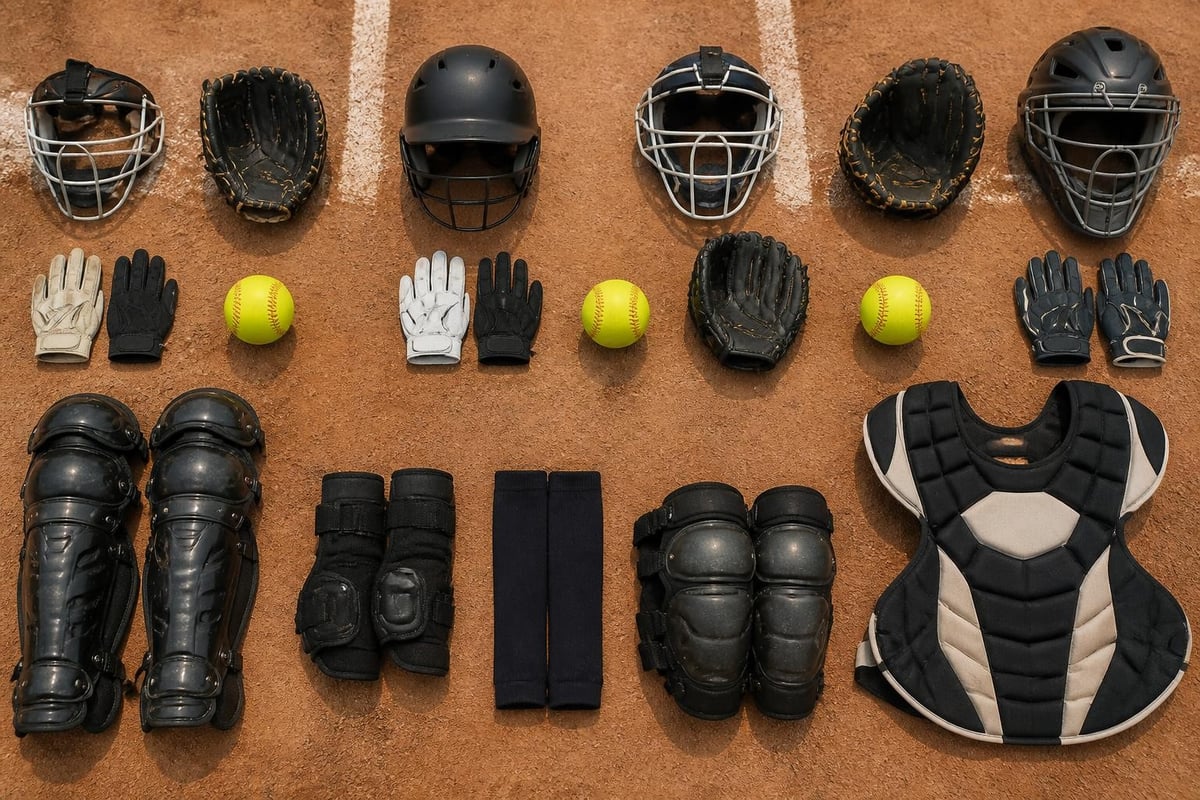
Every softball player needs fundamental gear before stepping onto the field. These essentials form the foundation of any equipment softball collection and serve distinct purposes in protection, performance, and compliance with league standards.
Mandatory equipment includes:
- Batting helmet with face guard
- Softball glove appropriate for position
- Athletic cleats (rubber or molded)
- Protective cup (required for catchers and recommended for infielders)
- Catcher's gear set (helmet, chest protector, shin guards)
The detailed requirements vary by age group, with youth leagues typically enforcing stricter safety regulations than adult recreational leagues. Coaches and parents should verify specific league requirements before making purchases, as non-compliant equipment can result in players being unable to participate.
Bats: Selecting the Right Tool
Softball bats represent one of the most significant equipment softball investments. The right bat enhances swing mechanics, improves contact, and increases hitting confidence. Modern softball bats come in several materials, each offering distinct performance characteristics.
Material considerations include:
| Material | Advantages | Best For | Price Range |
|---|---|---|---|
| Aluminum | Durable, consistent performance, lower cost | Beginners, practice, budget-conscious teams | $50-$150 |
| Composite | Larger sweet spot, better flex, enhanced performance | Competitive players, tournaments | $150-$400 |
| Hybrid | Balanced performance and durability | Intermediate players, versatile use | $100-$250 |
Bat selection requires attention to weight, length, and drop ratio. The drop (length minus weight) helps determine swing speed and control. Younger players typically benefit from higher drop ratios (lighter bats), while advanced players may prefer lower drops for increased power. USA Softball maintains a comprehensive certified equipment list that ensures bats meet performance standards and remain legal for sanctioned play.
Teams should consider purchasing multiple bats to accommodate different player sizes and preferences. Sideline Sport Supply's athletic equipment collections provide options for various skill levels and budgets.
Protective Gear: Prioritizing Player Safety
Safety equipment represents non-negotiable components of any equipment softball setup. Protective gear prevents injuries during practices and games while allowing players to perform confidently without fear of impact.
Helmets and Face Protection
Batting helmets must meet NOCSAE standards and include face guards for most youth leagues. The helmet should fit snugly without excessive movement, with the face guard positioned to protect the facial area without obstructing vision. Replace helmets immediately after significant impacts or when visible cracks appear.
Face guard requirements differ by league:
- Youth leagues (12U and below): Mandatory full-face guards
- High school: Required by most state associations
- College and adult: Optional but recommended
Fielder's masks have become increasingly popular, especially for corner infielders who face hard-hit balls with minimal reaction time. These masks provide additional protection without the bulk of batting helmets and can be worn during defensive play.
Catcher's Equipment
Catchers require specialized equipment softball gear that withstands repeated impacts and provides maximum protection. A complete catcher's set includes a helmet with throat guard, chest protector, shin guards, and protective cup.
Quality catcher's equipment features:
- Reinforced padding at high-impact zones
- Adjustable straps for proper fit
- Lightweight materials that don't restrict movement
- Extended throat protection
- Knee savers to reduce strain during games
Safety guidelines emphasize proper fitting as essential for effective protection. Equipment that's too large shifts during play, creating gaps in coverage, while gear that's too small restricts movement and causes discomfort.
Gloves: Position-Specific Selection
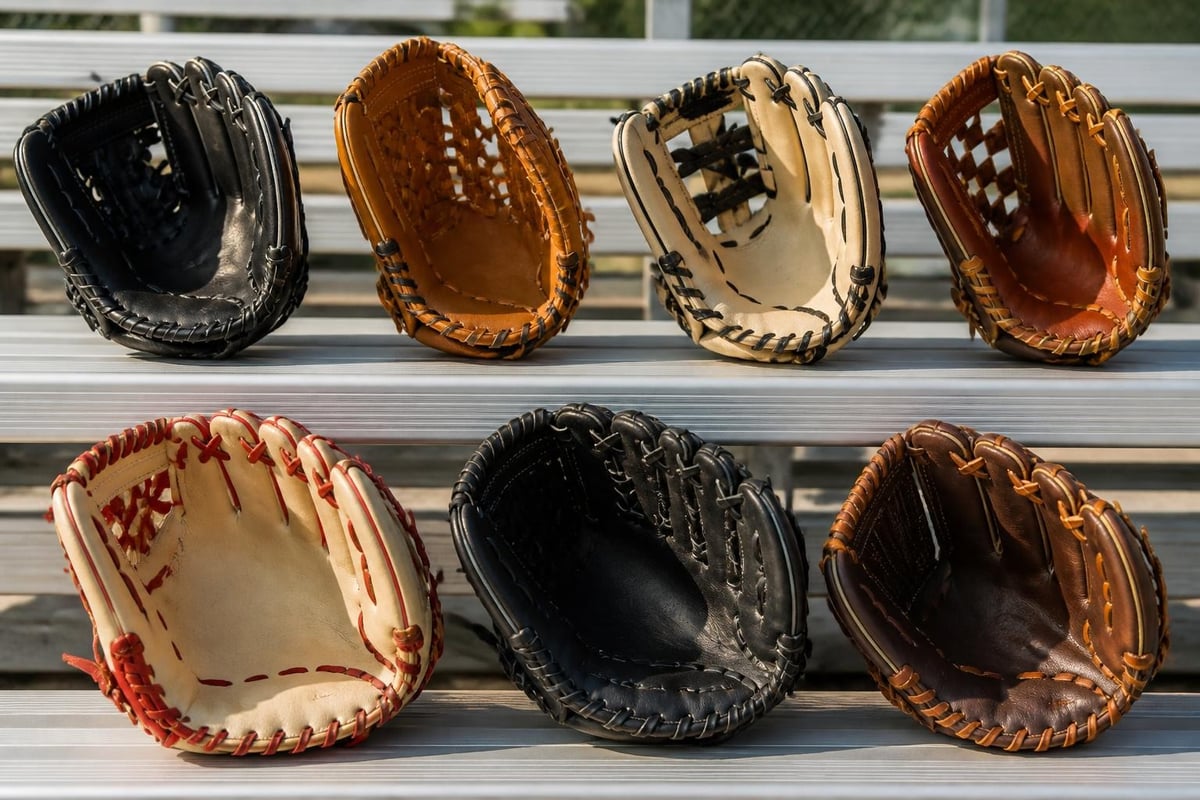
Softball gloves vary significantly by position, with design features optimized for specific defensive roles. Understanding these differences helps players select equipment softball gloves that enhance their natural abilities and position requirements.
Glove Specifications by Position
| Position | Size Range | Webbing Style | Key Features |
|---|---|---|---|
| Pitcher | 11.5"-12" | Closed web | Conceals grip, minimal break-in |
| Infield | 11"-12" | I-web, H-web | Quick transfer, shallow pocket |
| Outfield | 12"-13" | Basket, H-web | Deep pocket, extended reach |
| First Base | 12"-13" | Single post | Scooping design, larger target |
| Catcher | 33"-34" | Custom | Reinforced pocket, closed back |
Break-in period varies by glove construction. Leather gloves require substantial break-in time but offer superior durability and feel. Synthetic gloves come game-ready but may not last multiple seasons of heavy use.
Proper glove maintenance extends equipment life significantly. After each use, wipe dirt and moisture from the leather, apply leather conditioner monthly, and store the glove with a softball in the pocket to maintain shape. Teams should budget for glove replacement every 2-3 seasons for regular players.
Youth Player Considerations
Youth players need appropriately sized equipment softball gloves that fit their smaller hands. Oversized gloves hinder proper catching technique and slow defensive development. Age-appropriate equipment guidelines recommend specific glove sizes that match hand development and position assignments.
Footwear: Traction and Performance
Cleats provide the traction necessary for explosive movements, quick direction changes, and stable batting stances. Softball-specific cleats feature configurations designed for dirt and grass surfaces common to softball fields.
Cleat types include:
- Molded rubber cleats: Versatile, durable, league-approved for all levels
- Metal cleats: Superior traction, typically restricted to high school and above
- Turf shoes: Low-profile rubber studs for artificial surfaces
Proper fit requires a thumb's width of space at the toe when standing. Cleats that are too tight cause blisters and restrict circulation, while loose cleats create instability and increase injury risk. Many teams at Sideline Sport Supply prefer molded cleats for their versatility across different field conditions and universal league acceptance.
Training Equipment: Development Tools
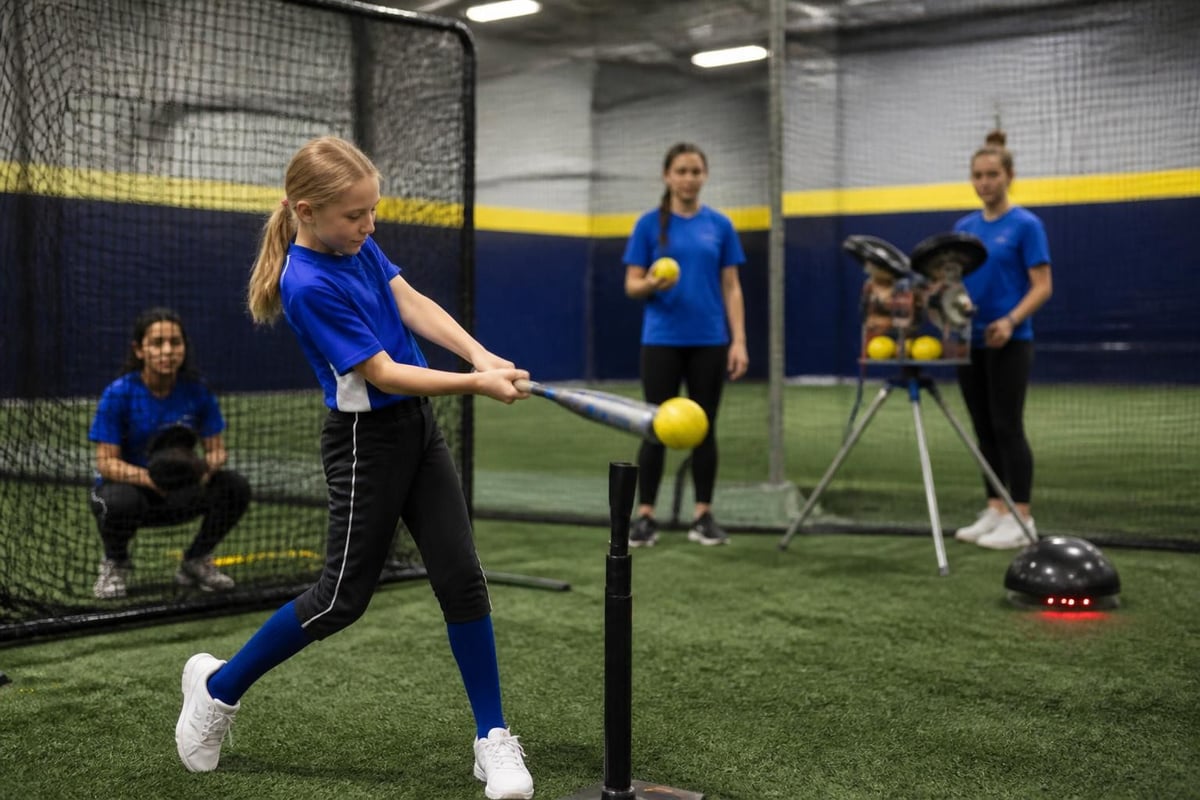
Beyond game-day gear, training equipment softball tools accelerate skill development and prepare players for competitive situations. Teams and individual players invest in training aids to maximize practice efficiency.
Essential training equipment includes:
- Batting tees for swing mechanics
- Pitching nets for accuracy training
- Soft-toss trainers for controlled repetitions
- Weighted balls for arm strengthening
- Speed and agility ladders for footwork
Pitching machines represent significant investments for teams serious about batting practice. These machines provide consistent pitches that allow batters to focus on mechanics without waiting for live pitching. Teams can explore pitching machine options that accommodate various budgets and training needs.
Bags and Storage: Organization Matters
Equipment softball bags keep gear organized, protected, and ready for transport. The right bag accommodates all necessary equipment while remaining manageable for players to carry.
Bag options by user:
| User Type | Recommended Size | Essential Features | Typical Contents |
|---|---|---|---|
| Youth Player | Backpack style | Bat sleeves, ventilated compartments | Glove, helmet, water bottle, cleats |
| Advanced Player | Wheeled bag | Separate shoe compartment, multiple pockets | Multiple bats, training gear, protective equipment |
| Catcher | Oversized wheeled | Reinforced construction, extra capacity | Full catcher's set, bats, accessories |
| Coach/Team | Large rolling bag | Heavy-duty wheels, organizational dividers | Practice equipment, first aid, team supplies |
Ventilated compartments prevent moisture buildup that damages equipment and creates odors. Separate shoe compartments keep dirty cleats away from gloves and uniforms. Quality bags feature reinforced stitching at stress points and durable zippers that withstand frequent use.
Compliance and Certification Standards
League compliance represents a critical aspect of equipment softball selection. Organizations like USA Softball and various state high school athletic associations maintain equipment standards that ensure fair play and player safety.
Certified equipment features visible stamps or labels indicating approval. Official certification lists update regularly as new products enter the market and older models become restricted. Coaches should verify certification status before purchasing bats, helmets, and protective gear to avoid mid-season replacement costs.
Common certification requirements:
- Bats must display USA Softball certification mark
- Helmets need NOCSAE approval for specific sport
- Catcher's equipment requires NOCSAE stamps
- Balls must meet compression and COR standards
Teams transitioning between leagues should confirm equipment compatibility. What's legal in recreational leagues may not meet competitive or scholastic standards. League-specific requirements provide clarity on acceptable equipment for different levels of play.
Budget Planning for Teams and Individuals
Equipment softball costs range from minimal investments for recreational players to substantial expenses for competitive teams. Strategic purchasing maximizes value while ensuring players have necessary gear.
Individual Player Budgets
Beginning players can expect to spend $200-$400 on essential equipment. This includes a quality glove ($50-$100), helmet ($40-$70), cleats ($40-$70), and bat ($60-$150). Advanced players investing in premium bats and specialized training equipment may spend $500-$800 annually.
Cost-saving strategies include:
- Purchasing previous year's models at discounted prices
- Buying used equipment for rapidly growing youth players
- Sharing specialized training equipment among teammates
- Taking advantage of team bulk purchase discounts
Team Equipment Investments
Coaches managing team budgets should prioritize quality for shared equipment that receives heavy use. Catcher's gear, practice balls, training aids, and storage solutions benefit from higher-quality purchases that last multiple seasons.
Teams can reduce per-player costs through collective purchasing. Sideline Sport Supply offers team sales options that provide volume discounts on equipment softball purchases. Bulk orders for items like practice balls, training equipment, and uniform accessories significantly reduce individual costs while ensuring equipment consistency across the roster.
Maintenance and Longevity
Proper equipment care extends the life of softball gear and maintains performance characteristics. Regular maintenance prevents premature replacement costs and ensures equipment remains safe for use.
Glove Care Protocol
Leather gloves require the most attention. Clean dirt and debris after each use with a soft cloth, apply leather conditioner monthly during active seasons, and store with a softball secured in the pocket. Never store gloves in extreme temperatures, which can dry out or damage leather.
Bat Maintenance
Composite bats need careful handling to prevent premature cracking. Avoid using composite bats in temperatures below 60°F, rotate the bat one-quarter turn after each hit during break-in, and never use composite bats with dimpled or weighted training balls. Store bats horizontally in temperature-controlled environments.
Helmet and Protective Gear
Inspect helmets before each use for cracks, dents, or loose padding. Replace any helmet that has absorbed a significant impact, regardless of visible damage. Wash protective gear padding with mild soap and water, air dry completely before storage, and replace worn straps or buckles immediately.
Sideline Sport Supply emphasizes equipment longevity through quality product selection and proper care guidance. Well-maintained equipment performs consistently and provides reliable protection throughout extended use.
Seasonal Preparation Checklist
Pre-season equipment softball preparation ensures teams and players are ready for the first practice. This systematic approach prevents last-minute purchases and identifies items needing replacement.
Complete pre-season checklist:
- Inspect all protective equipment for damage or wear
- Verify bat certification status and compliance
- Check glove condition and complete break-in
- Replace worn cleats or shoes with inadequate traction
- Inventory team equipment and identify shortages
- Review league rules for equipment requirement changes
- Test training equipment functionality
- Organize equipment bags and storage solutions
- Purchase replacement balls and practice supplies
- Schedule equipment fittings for new or growing players
Comprehensive equipment guides provide detailed checklists tailored to specific age groups and competitive levels. These resources help coaches and parents ensure nothing is overlooked during preparation periods.
Youth leagues often distribute equipment lists during registration. Parents should obtain these lists early to allow time for researching options, comparing prices, and making informed equipment softball decisions without pressure from approaching deadlines.
Equipping softball players properly requires balancing safety, performance, budget, and regulation compliance. From selecting certified bats and protective gear to maintaining equipment for maximum longevity, every decision impacts player development and team success. Sideline Sport Supply provides reliable, game-ready softball equipment designed to meet the practical needs of athletes, coaches, and sports organizations. Our straightforward pricing, quality products, and fast fulfillment help teams spend less time sourcing gear and more time developing skills on the field.