

Fitness Equipment Best Brands: 2026 Buying Guide
Selecting the right equipment for your training facility, school gym, or sports organization requires understanding which manufacturers consistently deliver quality, durability, and value. The fitness equipment market continues to expand as industry growth projections show strong momentum through 2034, making brand selection more critical than ever. Whether you're outfitting a complete facility or replacing individual pieces, knowing the fitness equipment best brands helps you make informed investments that serve athletes and teams for years to come.
Understanding What Makes a Top Fitness Equipment Brand
The distinction between average and exceptional fitness equipment manufacturers goes far beyond marketing budgets and brand recognition. Quality construction, engineering innovation, and consistent performance under demanding conditions separate leaders from followers in this competitive space.
Professional-grade equipment must withstand daily use by multiple athletes across different skill levels. The best brands invest heavily in research and development, materials science, and biomechanical engineering to create products that maintain performance standards even after thousands of training sessions.
Key Indicators of Brand Quality
When evaluating fitness equipment best brands, several objective criteria help distinguish superior manufacturers:
- Warranty coverage reflecting manufacturer confidence in product longevity
- Commercial-grade certifications meeting industry safety and performance standards
- Material specifications including frame gauge, upholstery durability, and component quality
- Service network availability for maintenance, parts, and technical support
- User weight capacities exceeding standard recreational equipment limits
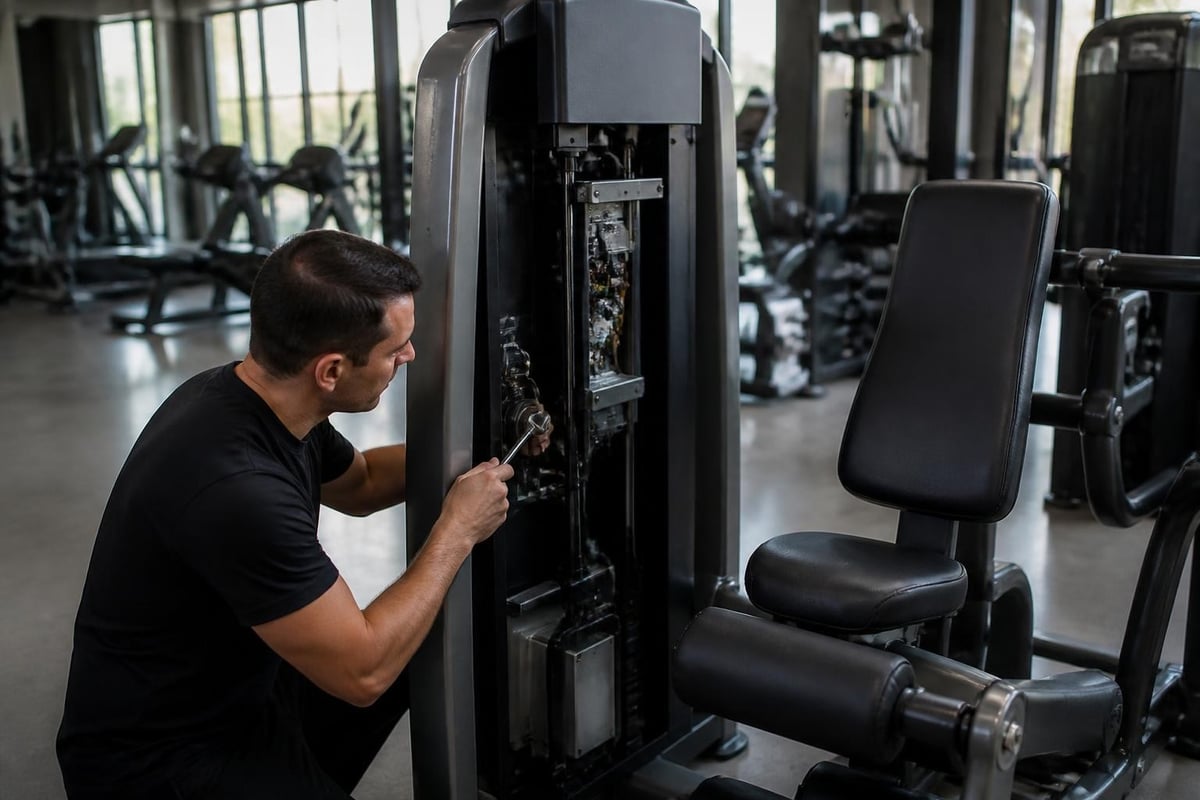
The investment in premium brands typically pays dividends through reduced replacement costs, minimal downtime, and consistent athlete experience. Schools and training facilities benefit particularly from equipment that maintains safety and functionality despite intensive daily use.
Strength Training Equipment Leaders
The strength training category encompasses everything from basic weight plates to sophisticated multi-station systems. Different brands have established leadership positions in specific niches within this broad category.
Power Racks and Free Weight Systems
Rogue Fitness has built a reputation for commercial-quality power racks and barbells that withstand the most demanding training environments. Their equipment features heavy-gauge steel construction, precise machining, and modular design allowing facility customization as programs evolve.
Sorinex offers similar commercial-grade strength equipment with particularly strong presence in collegiate and professional training facilities. Their products emphasize space efficiency and multi-functionality, critical factors for schools managing limited square footage.
| Brand | Specialty | Best For | Price Point |
|---|---|---|---|
| Rogue Fitness | Power racks, barbells | High-volume facilities | Premium |
| Sorinex | Custom systems | Space-constrained gyms | Premium |
| Body-Solid | Home/light commercial | Budget-conscious programs | Mid-range |
| Hammer Strength | Plate-loaded machines | Athletic training | Premium |
Adjustable Dumbbells and Versatile Options
For facilities needing space-efficient strength options, adjustable dumbbell systems offer significant advantages over traditional fixed-weight sets. PowerBlock and Bowflex lead this category with different mechanical approaches to weight adjustment.
Ironmaster provides another excellent option, using a pin-based system that closely replicates the feel of traditional dumbbells while saving considerable floor space. Their products particularly suit fitness and training programs where athletes transition between different exercises rapidly.
Cardio Equipment Excellence
Cardiovascular training equipment represents a significant investment for most facilities, making brand selection particularly consequential. The fitness equipment best brands in this category combine biomechanical precision with mechanical reliability.
Treadmill Manufacturers
Woodway treadmills utilize a unique curved slat design that reduces impact forces while providing superior durability compared to traditional belt systems. Though premium-priced, these machines often outlast multiple generations of conventional treadmills in commercial settings.
Life Fitness and Precor have dominated the commercial treadmill market for decades through consistent innovation and comprehensive service networks. Both offer extensive warranty coverage and maintain parts availability even for older models, reducing long-term ownership costs.
According to comprehensive testing of home treadmill options, many commercial-grade features now appear in residential models, but commercial warranties and construction standards remain distinctly superior for institutional applications.
- Woodway: Curved slat technology, 150,000+ mile durability
- Life Fitness: Extensive service network, proven reliability
- Precor: Biomechanically optimized stride, quiet operation
- Star Trac: Heavy-duty commercial construction, competitive pricing
Stationary Bikes and Cycling Solutions
The cycling equipment category has expanded significantly beyond basic stationary bikes. Expert testing of exercise bikes reveals considerable variation in resistance systems, computer interfaces, and overall construction quality.
Keiser leads the commercial air bike category with their M3 series, featuring magnetic resistance that requires no calibration and operates nearly silently. Concept2 BikeErg offers exceptional value for training facilities, combining accurate performance metrics with virtually indestructible construction.
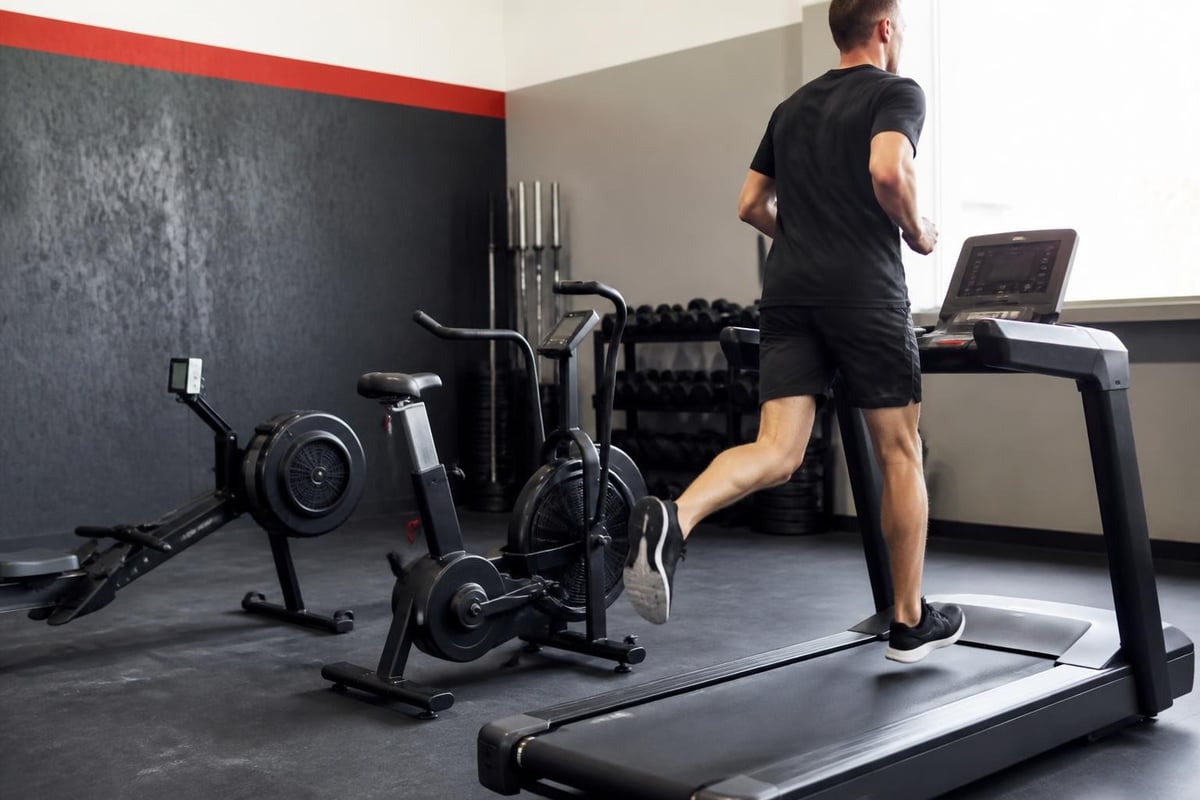
Assault Fitness and Schwinn both provide reliable options at mid-range price points, making quality cardio equipment accessible to schools and organizations with constrained budgets.
Multi-Purpose Training Systems
Some manufacturers excel at creating versatile equipment serving multiple training purposes. This category proves particularly valuable for schools and organizations maximizing limited facility space.
Functional Training Stations
TRX established the suspension training category and maintains quality leadership through continuous product refinement. Their commercial anchoring systems and professional straps withstand intensive use while requiring minimal maintenance.
LifeFitness Synrgy systems integrate cable stations, functional training zones, and bodyweight exercise options into cohesive training environments. These modular systems adapt to different sports programs, from baseball conditioning to lacrosse training.
Torque Fitness specializes in space-efficient functional training solutions, including their popular X-Lab systems combining multiple exercise stations in compact footprints. Their equipment suits facilities transitioning from traditional machine-based layouts to contemporary functional training approaches.
Cable Crossover and Plate-Loaded Machines
Hammer Strength pioneered plate-loaded machines mimicking free weight movement patterns while providing guided resistance paths. Their equipment remains the standard in collegiate and professional strength programs three decades after introduction.
Cybex and Hoist Fitness offer similar plate-loaded options with different ergonomic approaches. Both brands maintain strong reputations for commercial durability and biomechanical design excellence.
| Equipment Type | Leading Brands | Typical Lifespan | Maintenance Level |
|---|---|---|---|
| Suspension trainers | TRX, Monkii | 5-7 years | Minimal |
| Cable systems | LifeFitness, Cybex | 10-15 years | Moderate |
| Plate-loaded | Hammer Strength, Hoist | 15-20 years | Low |
| Functional trainers | Torque, Sorinex | 10-12 years | Moderate |
Sport-Specific Training Equipment
Certain brands have developed specialized equipment addressing the unique demands of specific sports. These manufacturers understand biomechanics, movement patterns, and training protocols particular to their focus areas.
Plyometric and Agility Equipment
SKLZ dominates the agility training market with comprehensive product lines covering speed ladders, resistance trainers, and reaction training tools. Their equipment appears in training facilities across virtually every sport.
Power Systems provides excellent options for plyometric boxes, medicine balls, and other explosive training tools. Their products balance commercial durability with reasonable pricing, making them accessible to high school and youth sports programs.
For facilities incorporating complete training equipment solutions, Rogers Athletic specializes in sled systems and blocking dummies primarily serving football programs but applicable to contact sports generally.
Recovery and Mobility Tools
Hyperice has revolutionized recovery equipment through powered percussion massage devices and vibrating foam rollers. While premium-priced, their products have become standard equipment in professional and collegiate training rooms.
TriggerPoint offers more budget-friendly foam rollers and mobility tools maintaining professional quality standards. Their products suit schools and organizations building comprehensive athlete care programs without unlimited budgets.
Commercial vs. Residential Equipment Distinctions
Understanding the differences between commercial and residential fitness equipment best brands prevents costly purchasing mistakes. While some manufacturers produce both categories, construction standards and warranty coverage differ substantially.
Frame Construction and Materials
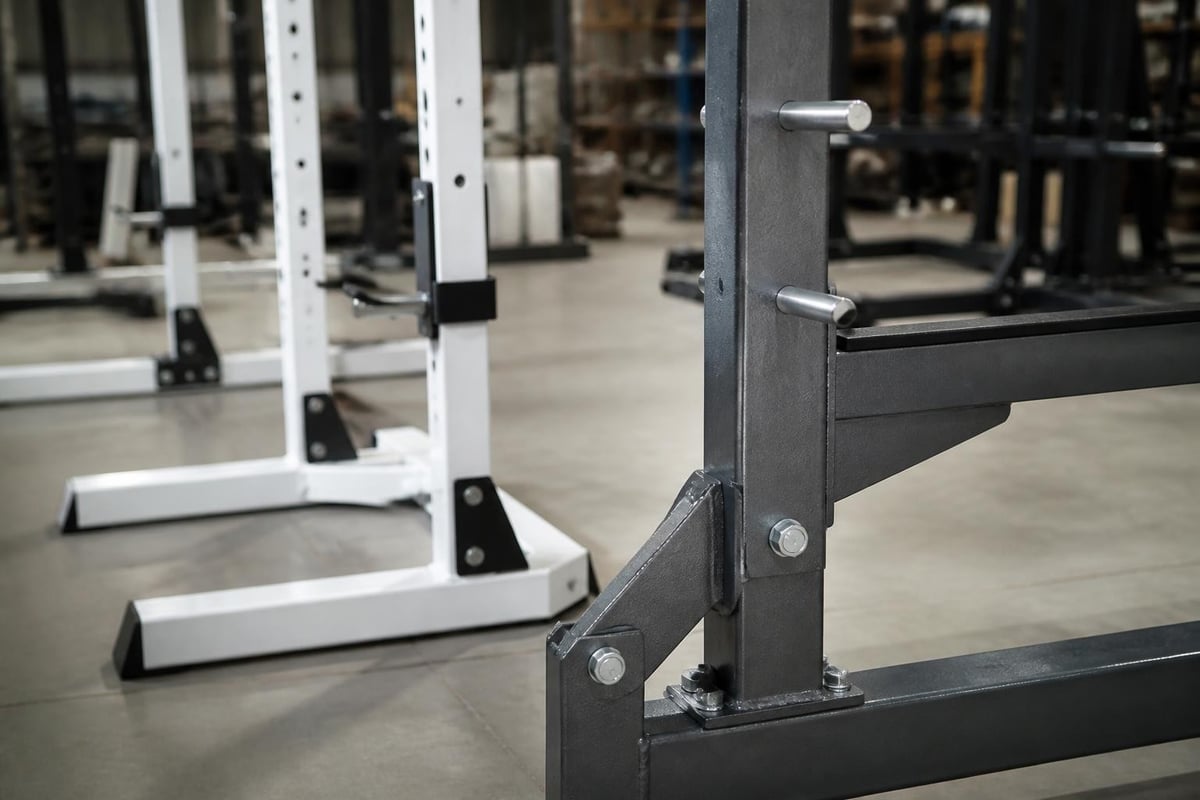
Commercial equipment typically features heavier gauge steel, reinforced welds, and corrosion-resistant finishes designed for 20+ hours daily use. Frame thickness often exceeds residential specifications by 50-100%, directly impacting longevity under institutional use patterns.
Weight capacity ratings reveal another critical distinction. Commercial equipment commonly accommodates users exceeding 350 pounds, while residential models may limit capacity to 250-300 pounds. Schools serving diverse athlete populations require commercial capacity standards.
Upholstery materials differ dramatically between categories. Commercial vinyl withstands UV exposure, sweat, and cleaning chemicals without deterioration, while residential fabrics often fail within 2-3 years under intensive use.
Warranty Coverage Analysis
Commercial warranties reflect manufacturer confidence in product durability:
- Frame warranties: 10-15 years commercial vs. 5-10 years residential
- Parts coverage: 3-5 years commercial vs. 1-2 years residential
- Labor coverage: 1-2 years commercial vs. 90 days-1 year residential
- Electronics: 1-3 years commercial vs. 90 days-1 year residential
These warranty differences justify premium commercial pricing by reducing long-term ownership costs through superior reliability and manufacturer support.
Emerging Brands and Innovation Leaders
The fitness equipment landscape continues evolving as newer manufacturers introduce innovative approaches to traditional training challenges. Several brands have gained traction by addressing gaps left by established manufacturers.
Technology-Integrated Equipment
Technogym has distinguished itself through sophisticated console technology and connected equipment platforms. Their products particularly appeal to facilities emphasizing data tracking, progress monitoring, and digital engagement. Recent aesthetic innovations like the Sandstone finish range demonstrate their design-forward approach.
Peloton, while primarily known for home equipment, has expanded into commercial markets with products designed specifically for shared-use environments. Their subscription-based content model creates ongoing engagement opportunities beyond traditional equipment offerings.
According to research on wearable fitness technology, integration between equipment and personal devices continues advancing, suggesting technology-forward brands may gain advantages in coming years.
Value-Oriented Quality Brands
Titan Fitness has disrupted traditional pricing models by offering commercial-quality construction at near-residential prices. Their direct-to-consumer model eliminates distributor markups while maintaining manufacturing standards approaching premium brands.
Rep Fitness follows a similar approach, particularly in the strength training category. While their warranty coverage doesn't match premium manufacturers, construction quality significantly exceeds typical budget brands.
For organizations balancing quality requirements against budget constraints, these emerging brands provide viable alternatives to established premium manufacturers.
Brand Selection for Different Facility Types
Optimal brand choices vary based on facility type, usage patterns, and budget parameters. Schools, municipal facilities, and private training centers face different equipment selection considerations.
High School and College Athletics
Educational institutions require equipment balancing durability, safety, and budget efficiency. Athletic Connection products exemplify equipment designed specifically for scholastic athletic programs.
Nautilus and Cybex both offer educational pricing programs recognizing budget constraints while maintaining commercial construction standards. Their service networks typically cover educational facilities comprehensively.
Strength equipment from Body-Solid provides another excellent option for school facilities, offering commercial warranties at price points below premium brands. Their products appear frequently in high school weight rooms nationwide.
Private Training Facilities
Private facilities can differentiate through equipment selection, making brand choice a marketing consideration alongside functional requirements. Premium brands like Precor, Life Fitness, and Technogym communicate quality to members and support premium pricing strategies.
Boutique facilities focusing on specific training methodologies benefit from specialized brands. CrossFit gyms gravitate toward Rogue Fitness and Sorinex, while functional training studios favor Torque and TRX systems.
Municipal Recreation Centers
Public facilities serving diverse populations require equipment emphasizing accessibility, ease of use, and minimal maintenance. Matrix Fitness and Star Trac both produce user-friendly equipment with straightforward maintenance protocols.
Cybex Arc Trainer provides an excellent cardio option for municipal facilities, offering low-impact movement appropriate for users across wide age and ability ranges. Their commercial construction withstands intensive use while remaining accessible to seniors and rehabilitation populations.
Making Your Brand Selection Decision
Evaluating fitness equipment best brands requires balancing multiple factors beyond initial purchase price. Total cost of ownership calculations should include maintenance expenses, replacement cycles, and operational impacts.
Assessment Framework
Develop a structured evaluation process considering:
- Usage volume projections: Daily users, sessions per week, peak demand periods
- Space constraints: Available square footage, ceiling heights, door widths
- Budget allocation: Initial capital, annual maintenance reserves, replacement planning
- User demographics: Age ranges, experience levels, physical capabilities
- Program requirements: Sport-specific needs, training philosophies, coaching preferences
This systematic approach prevents impulse purchases while ensuring equipment selections align with actual facility needs and constraints.
Testing Before Purchase
Whenever possible, physically test equipment before committing to large purchases. Many manufacturers maintain showrooms or demonstration facilities allowing hands-on evaluation. Professional reviews and testing provide valuable insights, but personal experience reveals factors invisible in specifications.
Consider trial periods or demonstration units for major purchases. Premium manufacturers often provide temporary equipment allowing evaluation under actual use conditions before final commitment.
Building Vendor Relationships
Establishing relationships with reputable dealers provides advantages beyond individual transactions. Quality vendors offer design consultation, installation coordination, and ongoing technical support contributing significantly to equipment lifecycle value.
Service availability becomes critical for commercial equipment requiring periodic maintenance and eventual repairs. Local service networks reduce downtime and extend equipment lifespan through proper preventive maintenance.
Research commercial gym equipment recommendations to understand industry standards and expectations for different facility types.
Maintenance and Longevity Considerations
Even the fitness equipment best brands require proper maintenance to achieve their longevity potential. Developing systematic maintenance protocols protects equipment investments while ensuring consistent safety and performance.
Preventive Maintenance Schedules
Different equipment types require varying maintenance frequencies:
| Equipment Category | Daily Tasks | Weekly Tasks | Monthly Tasks | Annual Tasks |
|---|---|---|---|---|
| Treadmills | Wipe down, inspect belt | Vacuum motor area | Lubricate belt, check tension | Professional service |
| Strength machines | Clean upholstery | Inspect cables | Tighten bolts | Replace worn components |
| Free weights | Return to racks | Inspect for damage | Clean thoroughly | Replace damaged pieces |
| Bikes/rowers | Wipe down | Check resistance | Lubricate chains | Calibrate sensors |
Schools and training facilities benefit from assigning specific staff members to equipment maintenance responsibilities rather than leaving upkeep to chance.
Warranty Registration and Documentation
Maintain comprehensive records of purchase dates, serial numbers, and warranty terms for all equipment. This documentation proves invaluable when filing warranty claims or tracking replacement schedules.
Create a centralized database or physical binder containing:
- Purchase invoices and delivery receipts
- Warranty certificates and registration confirmations
- Maintenance logs documenting all service performed
- Parts replacement history and receipts
- Manufacturer contact information and service numbers
Organized documentation supports warranty claims while providing data for budget planning and replacement scheduling.
Budget Optimization Strategies
Acquiring fitness equipment best brands within budget constraints requires strategic planning and creative procurement approaches. Several strategies help organizations maximize equipment quality while managing costs effectively.
Phased Implementation
Rather than compromising quality across all equipment categories, prioritize the most critical items for premium brand selection while accepting mid-range options for lower-priority equipment. A phased approach allows upgrading secondary equipment as budgets permit.
Focus initial investments on equipment receiving highest usage or presenting greatest safety concerns. Premium treadmills and power racks justify their costs through intensive daily use, while specialty items used occasionally may accept more budget-conscious selections.
Certified Pre-Owned Options
Many premium manufacturers offer certified pre-owned programs providing commercial-grade equipment at substantial discounts. These programs typically include refurbishment, inspection, and limited warranties making them viable alternatives to new equipment purchases.
Gym liquidation sales and facility upgrades create opportunities for purchasing premium equipment at significant savings. Exercise caution ensuring proper inspection before committing to used equipment purchases.
Volume Purchase Negotiations
Organizations outfitting complete facilities leverage purchasing power for better pricing. Consolidating purchases with single manufacturers or dealers often yields volume discounts unavailable for piecemeal buying.
Consider coordinating purchases with other schools or facilities within your organization or district. Combined ordering power increases negotiating leverage while standardizing equipment across multiple locations simplifies training and maintenance.
Selecting from the fitness equipment best brands requires balancing quality, durability, budget, and specific program needs to create training environments supporting athletic development effectively. The right equipment choices enhance athlete performance while providing years of reliable service that justifies initial investments.
Whether you're outfitting a complete facility or upgrading individual stations, Sideline Sport Supply provides access to reliable, game-day-ready equipment from trusted manufacturers at straightforward pricing. Our focus on quality products and fast fulfillment helps schools, coaches, and sports organizations spend less time sourcing equipment and more time developing athletes.