

Pitching Machine Guide: Expert Tips for 2026 Buyers
Are you ready to transform your baseball or softball training in 2026? The right pitching machine can dramatically enhance your practice sessions and help you achieve measurable results.
This comprehensive guide offers expert insights and practical advice so you can confidently choose the best pitching machine for your goals. We will break down machine types, key features, top brands, and essential buying tips.
Discover how an informed selection can boost performance, overcome common buyer challenges, and maximize your investment. Follow our step-by-step approach to make your next pitching machine purchase a winning decision.
Understanding Pitching Machines: Types and Uses
Choosing the right pitching machine is a game changer for any player, coach, or organization. Understanding the different types and their unique uses is the first step toward making a smart investment. This section will break down the main designs, sport-specific options, advanced features, training applications, and user groups to help you find the perfect fit for your needs.
The Two Main Pitching Machine Designs: Wheel vs. Arm
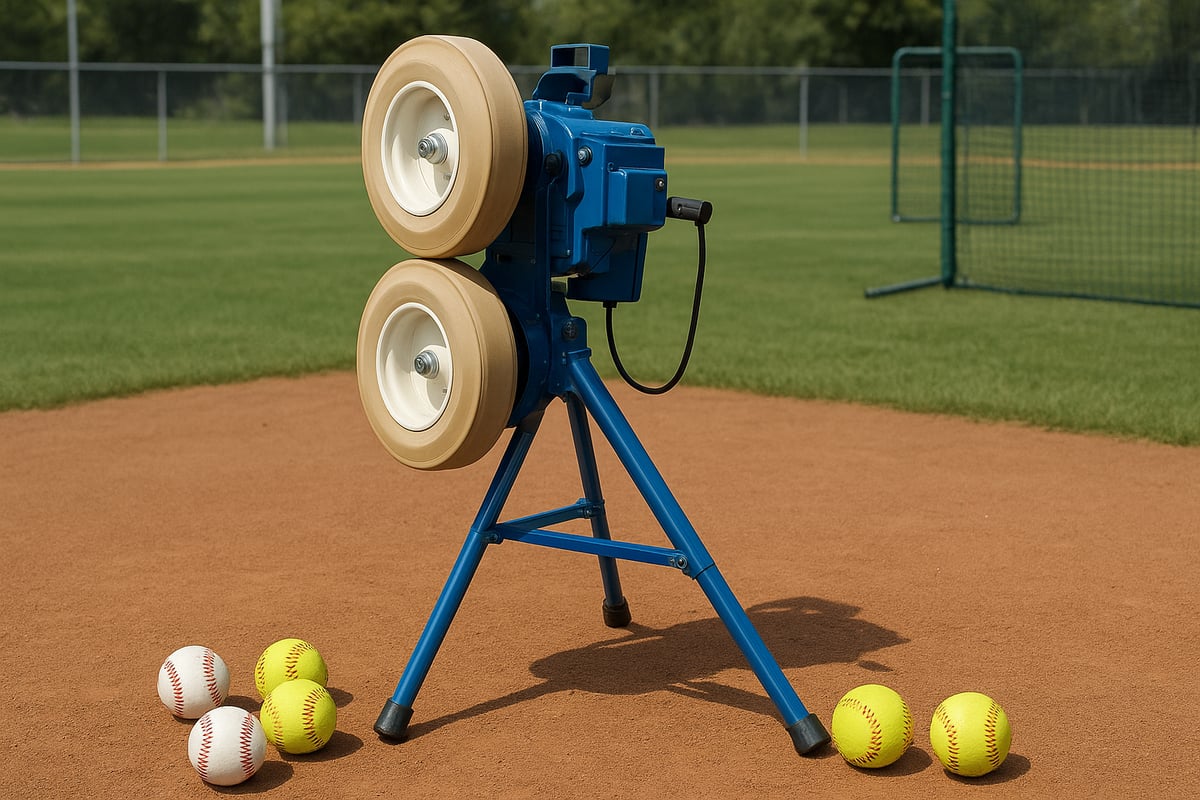
The most common pitching machine designs are wheel-style and arm-style. Wheel-style machines use one, two, or three spinning wheels to propel the ball, offering versatility in pitch type and speed. Arm-style machines, like the Iron Mike, use a mechanical arm to mimic the motion of a live pitcher, providing a realistic hitting experience.
Wheel-style pitching machines, such as those from BATA or Sports Tutor, are popular because they allow for a variety of pitches and are generally easier to maintain. However, arm-style machines excel in replicating the timing and delivery of a real pitcher, making them preferred for advanced training.
Here's a quick comparison:
| Feature | Wheel-Style | Arm-Style |
|---|---|---|
| Pitch Variety | High | Moderate |
| Realism | Moderate | High |
| Maintenance | Lower | Higher |
| Suitability | All levels | Advanced/Pro |
Your choice of pitching machine should reflect your training goals and player level.
Baseball vs. Softball vs. Combo Machines
Pitching machine models are available for baseball, softball, or both. Baseball-only and softball-only machines are tailored to the specific ball size and pitch types of each sport. Combo machines, like the BATA-2 Combo, offer flexible usage for programs that train both baseball and softball players.
A dedicated pitching machine ensures precise ball compatibility and performance, but combo machines are valuable for schools and clubs running multi-sport programs. Space and budget are critical factors, as combo units can save both. Data shows combo pitching machines are a top choice among community organizations.
When comparing, consider:
- Ball size compatibility
- Cost vs. specialization
- Training environment space
For a wide selection of baseball and combo pitching machines, explore the Baseball Pitching Machines Collection.
Fast Pitch, Slow Pitch, and Programmable Machines
Pitching machine technology now covers a range of speeds and training scenarios. Fast pitch machines, capable of speeds over 70 MPH, are ideal for advanced players aiming to face game-like velocity. Slow pitch machines are designed for youth and recreational leagues with lower speeds, reducing injury risk and building confidence.
Programmable pitching machines, like the Sports Tutor Triple Play Ultra, take training further by simulating sequences and game scenarios. These advanced machines boost skill progression and challenge hitters with realistic pitch patterns. While programmable models are more expensive, their versatility benefits teams at all levels.
For youth, a basic slow pitch machine is often enough. Varsity or collegiate programs may require programmable features for advanced drills.
Training Applications: Batting, Fielding, and Beyond
A quality pitching machine supports more than just batting practice. Coaches use these machines for consistent reps, pitch variety, and targeted drills. Fielding applications include launching grounders, pop flies, and line drives, which are crucial for developing reaction time and defensive skills.
Pitching machines help players improve pitch recognition and timing, especially in team training sessions. For individual practice, a machine offers reliable repetition. The Mound Yeti 2 is a standout for its multi-functionality in both batting and fielding drills.
Studies show coaches report increased practice efficiency and skill retention when using a pitching machine. However, it is essential to supplement machine work with live pitching to maintain real-game adaptability.
Common User Groups: From Youth to Pro
Pitching machine users range from youth leagues and schools to colleges, professional teams, and beyond. Coaches, private instructors, and even home users rely on these machines for tailored training. Community centers and recreational facilities also invest in pitching machines for group programs.
For example, Little League Training Packages are optimized for younger players, while pro teams often choose high-durability, programmable models. The type of pitching machine selected often aligns with the user's age, skill, and training intensity.
Key considerations for each group:
- Youth: Safety, easy controls, slower speeds
- Schools/Clubs: Combo machines, durability
- Pros: Realism, pitch variety, advanced programming
Selecting the right pitching machine ensures players at every level get the most from their practice sessions.
Key Features to Consider When Buying a Pitching Machine
Selecting the right pitching machine is a significant decision for any coach, player, or program. To maximize your investment and training outcomes, it is essential to evaluate the features that matter most for your goals, setting, and users. Let us walk through the core elements you should consider before making your final choice.
Pitch Speed Range and Adjustability
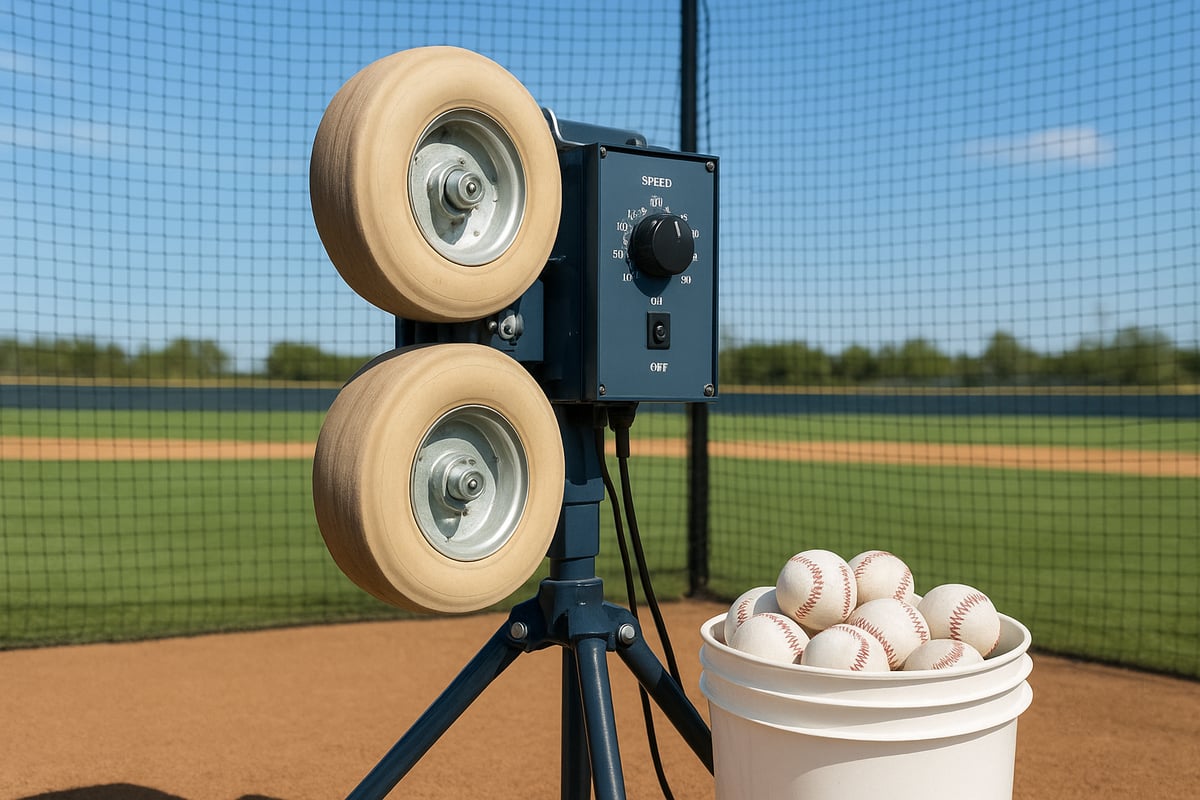
Pitch speed is fundamental in a pitching machine, as it determines the challenge level and skill progression for each player. Most machines offer a speed range from 20 to over 100 MPH, with models like the BATA-2 Pro catering to advanced users. For youth players, a machine such as the Mound Yeti 1, which tops out at 60 MPH, provides safe but challenging training.
Adjustability is crucial. You need to match pitch speeds to the age and skill of your athletes. Fast pitch and slow pitch capabilities in a pitching machine allow for tailored drills, helping prevent overuse injuries while promoting steady development.
Pitch Selection: Fastballs, Curves, Sliders, and More
Modern pitching machine models provide a variety of pitch types, from fastballs to breaking balls like curves and sliders. Mechanical machines offer basic pitch variation, while programmable models such as the BATA B-1 Curveball allow for more advanced pitch sequences.
For hitter development, access to multiple pitch types is invaluable. High school and college programs often prefer machines with greater pitch variety. When choosing a pitching machine, consider your hitters’ current level and their need for advanced training to prepare for real-game scenarios.
Ball Compatibility: Real Balls vs. Dimpled Balls
A crucial yet sometimes overlooked factor is ball compatibility. Some pitching machine models are designed for real leather balls, while others work best with dimpled practice balls. Using the correct ball type reduces wear and tear on both the machine and the balls themselves.
Manufacturers often recommend dimpled balls for heavy use, as they can extend the life of your equipment. For further insights on cost and durability, see this Durable Pitching Machine Balls: A Cost-Saving Guide for Cages. Prioritize safety and performance by choosing the right combination for your practice needs.
Portability and Power Source Options
Consider where and how your pitching machine will be used. Portable models, often battery-powered, are ideal for travel teams and field practices. Machines like the Bata Portable Pitching Machine Battery offer flexibility for locations without direct power access.
Stationary models, which are usually AC-powered, tend to be heavier and more stable but require a fixed setup. For indoor training or facilities with limited space, portability and weight should factor into your decision. The right choice ensures your pitching machine fits your training rhythm and location.
Durability, Warranty, and Build Quality
Durability and warranty are major concerns, especially for schools and teams making a long-term investment. The best pitching machine options use steel or aluminum components for longevity. Brands like BATA offer warranties up to 10 years, giving buyers peace of mind.
Iron Mike machines are known for their rugged construction and ability to withstand heavy use. Always compare warranty terms and build materials, as coaches often cite these as key decision factors. A quality pitching machine saves money over time by reducing repair and replacement costs.
Safety Features and User Controls
Safety is paramount when using any pitching machine. Look for features such as emergency stop switches, enclosed wheels, and protective guards to minimize injury risk, especially for youth and beginners.
User-friendly controls for adjusting speed and pitch type help coaches and players operate the machine confidently. Machines with enclosed mechanisms protect users’ fingers and hands. Schools and training facilities especially value compliance with safety standards, making safety features a top priority when selecting a pitching machine.
Step-by-Step Guide: How to Choose the Right Pitching Machine in 2026
Selecting a pitching machine in 2026 requires a clear process. With so many models and features on the market, a step-by-step approach helps you avoid costly mistakes. Follow these expert-guided steps to ensure your investment meets your training needs, budget, and expectations.
Step 1: Define Your Training Goals and User Group
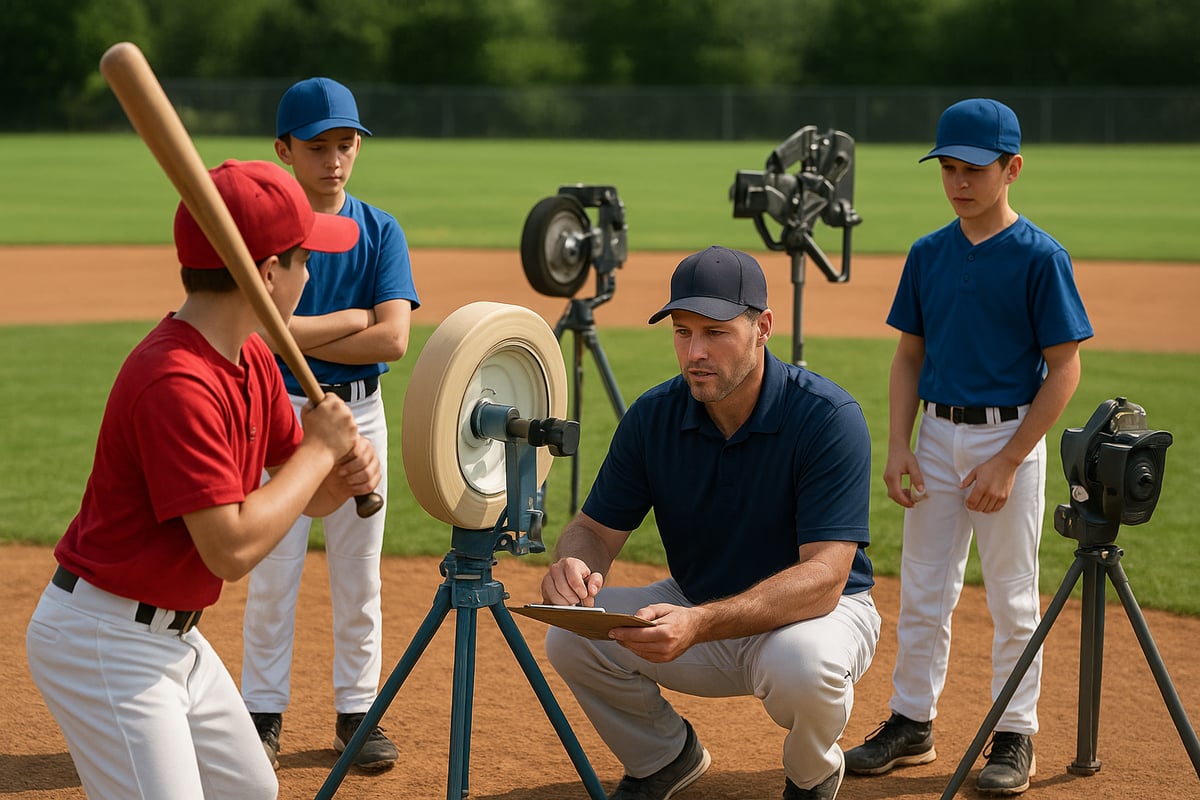
Start by clarifying the primary purpose of your pitching machine. Is it for a youth team, varsity squad, or individual training at home? Consider the age, skill level, and sport—baseball, softball, or both. High-frequency, intense use demands a different machine compared to casual weekend practice. For example, a high school varsity team needs a more robust model than a Little League squad. Data shows user group needs drive 80% of pitching machine selection choices. Avoid mismatches, as the wrong machine can limit development and waste resources.
Step 2: Set Your Budget and Calculate Total Cost of Ownership
Determine your budget early, factoring in more than just the initial pitching machine price. Machines range from $800 to over $10,000. Accessories like ball feeders, nets, and batteries add to the total. Maintenance and replacement parts also impact long-term costs. Schools often overlook these extras, leading to budget overruns. Consider bundle deals, such as the BATA-2 Ultimate Training Bundle, for added value. A good warranty and responsive support increase return on investment. Plan ahead to maximize your spending power.
| Cost Item | Estimated Range |
|---|---|
| Machine | $800 - $10,000+ |
| Accessories | $100 - $1,000 |
| Maintenance | $50 - $500/year |
| Replacement Parts | $30 - $300 |
Step 3: Compare Machine Types and Key Features
Shortlist pitching machine types based on your needs assessment. Prioritize speed range, pitch types, and portability. For realism, arm-style machines excel, while wheel machines offer more pitch variety. Reference competitor comparison tables to weigh your options. Combo machines are popular for multi-sport programs, balancing flexibility and cost. Assess trade-offs between price and function. User reviews and testimonials provide insight into real-world performance, helping you avoid common pitfalls.
Step 4: Research Top Brands and Read User Reviews
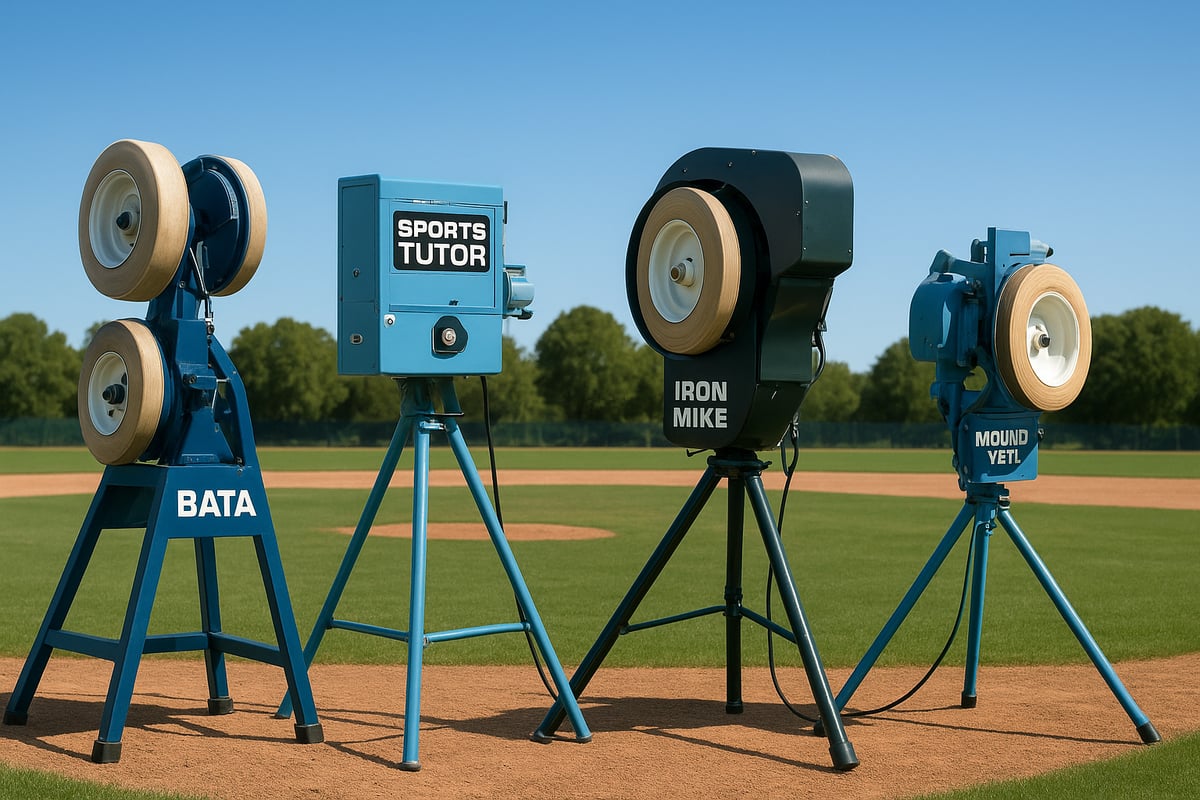
Investigate leading pitching machine brands such as BATA, Sports Tutor, Iron Mike, and Mound Yeti. Look for reputations built on reliability and innovation. USA-made models, like BATA, often score high in user ratings. Coaches value brands with strong after-sales support and long warranties. Pay attention to patterns in reviews—brand loyalty is strong when machines perform well. Watch for red flags like frequent breakdowns or poor customer service. Real-world feedback is a powerful decision tool.
Step 5: Evaluate Purchase Channels and Support Options
Decide whether to buy directly from the manufacturer or through an authorized dealer. Registering your pitching machine for warranty is crucial for future support. Consider price match guarantees and financing options. For team or bulk purchases, responsive customer service and order support matter. Policies from suppliers like Team Sales and Bulk Orders can simplify large orders and ensure timely delivery. Avoid gray market products to protect your investment and warranty rights.
Step 6: Test, Demo, or Consult Before Buying
Whenever possible, test or demo your chosen pitching machine. Hands-on experience reveals ease of use, noise levels, and maintenance needs. Ask sales reps about parts, upgrades, and long-term support. Local dealers or special events may offer demo days. Data indicates that 60% of buyers regret skipping this step, especially for high-ticket items. Virtual consultations can also answer key questions and provide peace of mind. Gather user references to confirm your choice.
Step 7: Plan for Delivery, Setup, and Initial Training
After purchase, schedule delivery and review shipping options. Some pitching machine models require professional assembly, while others offer easy DIY setup. Follow manufacturer setup guides for calibration and safety checks. Delays are common when setup steps are missed, so plan carefully. Organize your first use and provide orientation for all users. Ongoing training for operators ensures safe, effective sessions and extends your machine’s lifespan. A smooth rollout sets your program up for success.
Top Pitching Machine Brands and Models for 2026
Selecting the right pitching machine brand is crucial for maximizing training outcomes. In 2026, industry leaders continue to innovate, offering options for every level and training need. Let us explore the top brands and their standout models to help guide your search.
BATA Pitching Machines
BATA stands out for its USA-made pitching machine lineup, known for durability and consistent performance. Popular models include the BATA-1, BATA-2, and BATA B-1 Curveball, each designed to serve different training demands. The BATA-2 Pro is a top pick among advanced users, offering adjustable speeds and multiple pitch types.
Key strengths are long warranties, robust steel construction, and a broad speed range. Coaches and teams value BATA’s reliability for both baseball and softball applications. User reviews consistently highlight the machine’s longevity and ease of use.
BATA pitching machines are ideal for schools, travel teams, and professional organizations seeking quality and long-term value. Their support and warranty programs further enhance buyer confidence.
Sports Tutor Pitching Machines
Sports Tutor is recognized for its innovative, programmable pitching machine models. The Triple Play Ultra and Batting Tutor are particularly popular, thanks to advanced pitch programming, pitch sequence simulation, and portability. The Ultimate Home Plate Pitching Machine showcases Sports Tutor’s commitment to high-tech training solutions.
A major advantage is the ability to simulate complex pitch sequences, which is especially useful for hitter development. Advanced Features to Consider in High-End Pitching Machines highlights how programmable controls and mobile integration make these machines stand out.
Sports Tutor pitching machines appeal to training facilities, serious athletes, and anyone seeking customizable practice. The models are praised for versatility, though they may come at a higher price point.
Iron Mike (Master Pitch) Arm-Style Machines
Iron Mike, produced by Master Pitch, is synonymous with arm-style pitching machine realism. Models like the Iron Mike C-82 and Iron Mike MP-4 use a mechanical arm to closely mimic live pitching, delivering a natural release point and timing.
These machines are renowned for their rugged steel construction and ability to withstand heavy, commercial use. Iron Mike pitching machines are the standard in many professional training centers and commercial batting cages, valued for minimal maintenance and unmatched realism.
While they demand a larger investment, their durability and live-pitch feel make them the go-to choice for high-volume settings and teams wanting to replicate game conditions.
Mound Yeti and Other Notable Brands
Mound Yeti has gained traction as an affordable, versatile pitching machine brand. Models like the Mound Yeti 1 and 2 offer portability, straightforward controls, and value pricing, making them ideal for youth teams and budget-conscious buyers. These machines are easy to transport and set up, suiting both field and backyard use.
Schools and multi-sport programs often consider combo machines or specialized Softball Pitching Machines Options for flexible training. Other emerging brands, such as Spinball and Heater Sports, also provide competitive alternatives with unique features.
Mound Yeti pitching machines are best for those prioritizing cost-effectiveness and versatility, while still benefiting from solid performance and growing user support.
Expert Tips for Maximizing Your Pitching Machine Investment
Maximizing your pitching machine investment goes beyond initial purchase. With consistent care, smart usage, and the right accessories, your training sessions can become safer, more effective, and longer-lasting. Explore these expert strategies to ensure your pitching machine delivers top results for years to come.
Maintenance and Care Best Practices
Routine maintenance is essential for any pitching machine. Begin by wiping down surfaces after each use to prevent dirt buildup. Lubricate moving parts according to the manufacturer's guidelines, focusing on wheels and bearings. Schedule regular inspections to check for worn or damaged components, such as belts and wheels.
Proper storage also extends machine lifespan. Store your pitching machine indoors when possible to avoid moisture damage. If outdoor storage is unavoidable, use a weatherproof cover. Following a consistent maintenance schedule can reduce breakdowns and keep your pitching machine operating at peak performance.
Safety Guidelines for Players and Coaches
Safety should always be the top priority when using a pitching machine. Set up protective screens and barriers to shield players and coaches from errant balls. Establish clear loading and operation procedures, and ensure all users understand the controls. Supervise youth and beginner players closely.
For additional safety guidance, refer to Best Practices for Using a Pitching Machine Safely, which covers essential protocols for both new and experienced users. Enforce emergency plans and keep first aid supplies nearby to respond quickly if needed. Training all users on safe machine operation minimizes risk and maximizes confidence.
Creative Training Drills and Practice Routines
A pitching machine can transform standard practice into dynamic training. Use programmable models to simulate real-game pitch sequences, challenging hitters with varied speeds and movements. Rotate drills between batting, fielding grounders, and catching pop flies to build well-rounded skills.
Integrate other training aids, such as reaction balls or timing lights, for advanced drills. Alternating pitch types during batting practice helps hitters improve recognition and timing. Adapting routines for individual or group sessions ensures every player benefits from your pitching machine investment.
Accessorizing Your Machine for Enhanced Performance
The right accessories boost both safety and efficiency. Automatic ball feeders enable solo practice, while protective L-screens offer extra protection during drills. Specialized balls, such as dimpled or low-impact options, extend your pitching machine's lifespan and enhance training variety.
Consider browsing quality Batting Cages and Screens to further safeguard your practice area and equipment. Storage carts and replacement parts also help streamline setup and maintenance. Thoughtful accessorizing ensures your pitching machine supports diverse training goals.
Troubleshooting Common Issues and When to Call for Service
Even the best pitching machine may encounter occasional issues. If you notice inconsistent pitches or jams, first inspect for obstructions or worn parts. Check electrical connections or battery levels when facing power problems. Keeping a simple log of issues helps track patterns and supports warranty claims.
Most minor problems can be resolved with manufacturer troubleshooting guides and basic tools. However, if repeated faults or significant wear appear, contact your machine's support team for expert help. Timely repairs and proactive service keep your pitching machine safe and reliable for every practice.