

Rugby and Soccer: Key Differences in Equipment & Play
Understanding the distinctions between rugby and soccer remains essential for coaches, athletic directors, and equipment managers who must outfit teams for success. While both sports involve teams advancing a ball toward a goal, their fundamental differences in rules, equipment requirements, and physical demands create unique challenges for those responsible for supplying gear and training essentials. This comprehensive comparison examines how rugby and soccer diverge in their equipment needs, playing surfaces, and training approaches-insights that directly impact procurement decisions for schools and sports organizations.
Historical Origins and Global Development
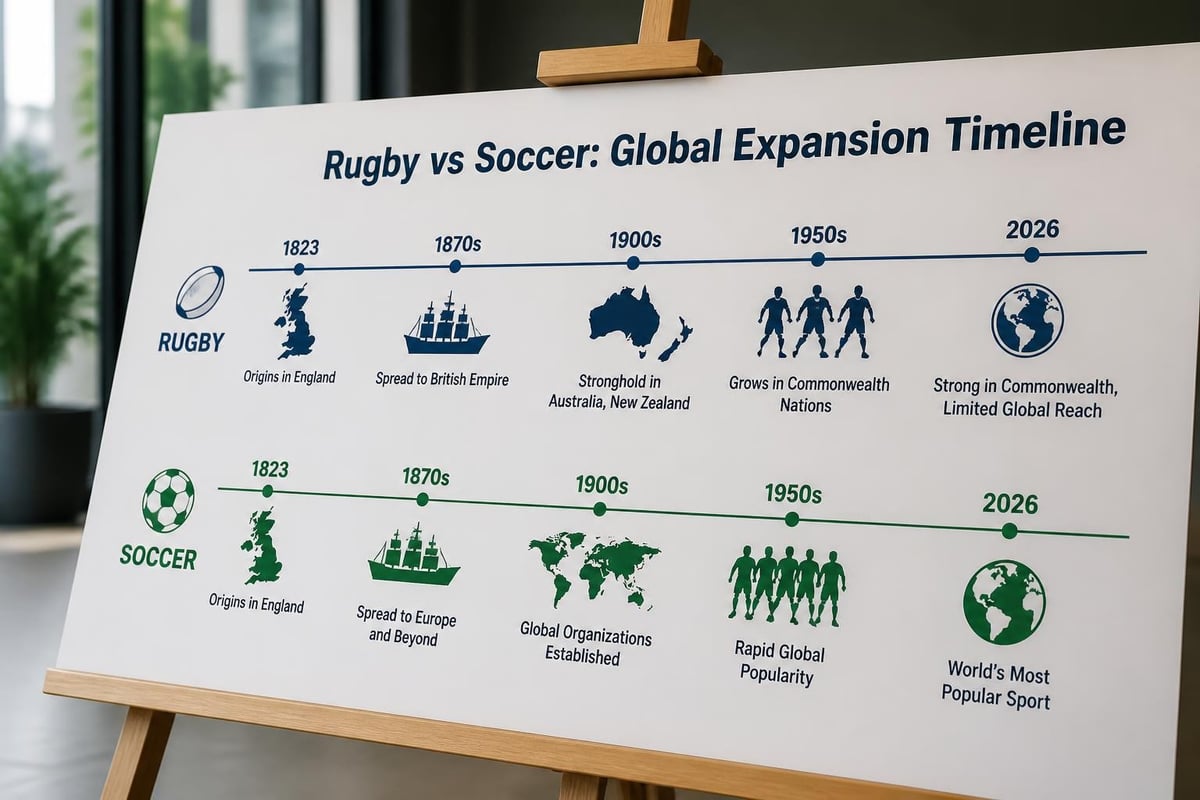
The separation of rugby from soccer occurred in 1823 at Rugby School in England, when student William Webb Ellis allegedly picked up the ball during a football match and ran with it. This moment created a fundamental split in football codes that continues today. Soccer maintained its emphasis on foot skills and restricting hand contact, while rugby embraced the physical contest for ball possession using hands and full-body contact.
Both sports spread globally through British colonial influence, but their growth patterns differed significantly. Rugby's expansion concentrated in specific regions-the British Isles, France, South Africa, Australia, and New Zealand-where it became deeply embedded in national sporting culture. Soccer, conversely, achieved truly universal appeal, becoming the world's most popular sport with professional leagues on every continent.
Equipment Standardization Differences
The equipment requirements for rugby and soccer reflect their distinct playing styles. Soccer teams need relatively simple gear: balls, goals, uniforms, and shin guards constitute the essential supplies. The spherical soccer ball, designed for precise foot control, differs fundamentally from rugby's oval ball, which facilitates carrying and passing through the air.
Rugby equipment demands extend beyond the basics. Players require protective gear including mouthguards, headgear, and padded jerseys for forwards. The posts for rugby feature an H-shape configuration to accommodate both tries scored by grounding the ball and kicks sent over the crossbar. Organizations like Sideline Sport Supply must maintain distinct inventory categories for these two sports due to their non-overlapping equipment specifications.
Playing Surface and Field Dimensions
Soccer pitches range from 100-130 yards in length and 50-100 yards in width, with standardized goal dimensions of 8 feet high by 24 feet wide. The playing surface can be natural grass, artificial turf, or hybrid systems, each requiring specific maintenance protocols and equipment considerations.
Rugby pitches measure 100 meters long (excluding in-goal areas) by 70 meters wide, with H-shaped posts positioned at each end. The in-goal areas add another 10-22 meters behind each goal line, creating additional spatial requirements. These dimensional differences impact not only field preparation but also the training equipment and portable goal systems schools need to purchase.
| Dimension | Soccer | Rugby Union |
|---|---|---|
| Field Length | 100-130 yards | 100 meters (main field) |
| Field Width | 50-100 yards | 70 meters |
| Goal Height | 8 feet | Crossbar at 10 feet |
| Goal Width | 24 feet | Posts 18.5 feet apart |
| Playing Time | 90 minutes (2x45) | 80 minutes (2x40) |
| Active Players | 11 per side | 15 per side (union) |
Training Surface Requirements
The physical nature of rugby demands specific surface considerations. While both sports benefit from quality turf, rugby's tackling and scrummaging create concentrated wear patterns requiring reinforced areas or specialized maintenance. Athletic programs running both rugby and soccer must account for different field stress patterns when planning training equipment purchases and field scheduling.
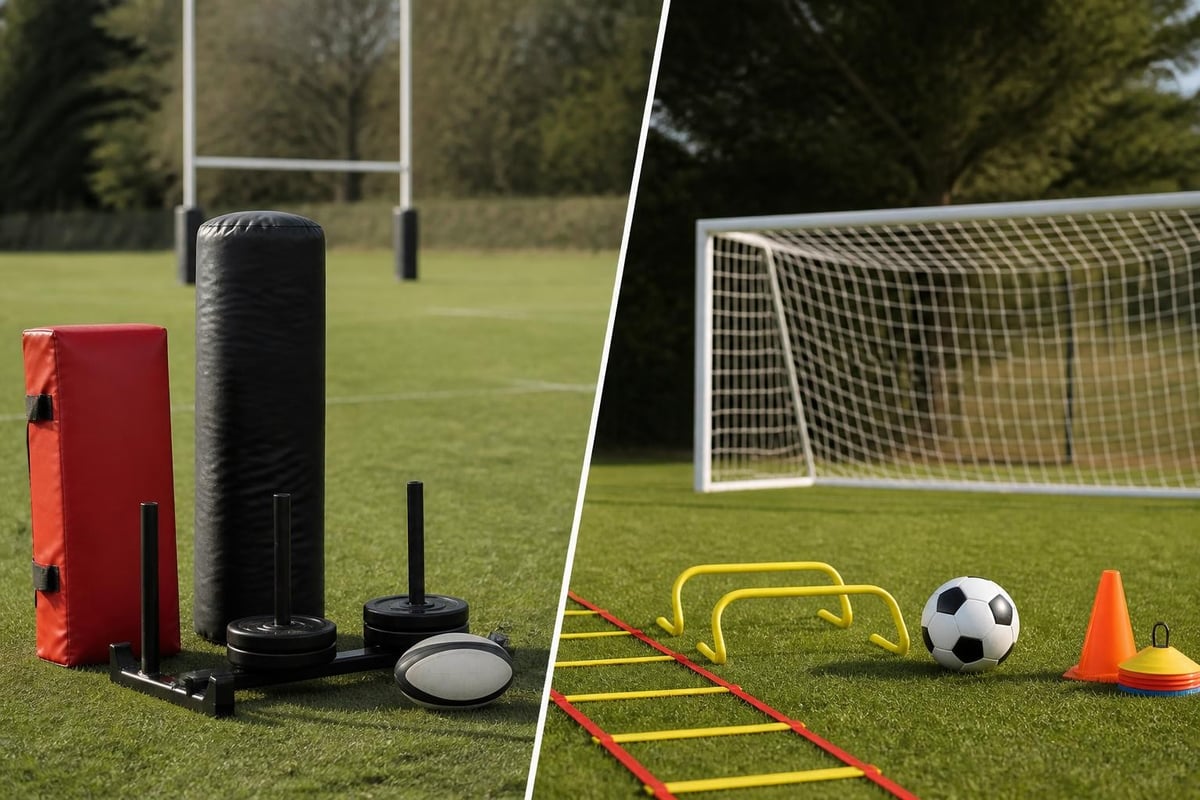
Soccer training emphasizes ball control drills, passing sequences, and shooting practice, requiring goals of various sizes for different age groups and skill development stages. Portable training goals and rebounders serve essential roles in practice sessions. Rugby training needs include tackle bags, scrum machines, and specialized padding systems that absorb the repeated impact of contact drills.
Physical Demands and Athletic Conditioning
The physical requirements of rugby and soccer create distinct training demands. Research comparing the sports demonstrates that soccer players typically cover 9-12 kilometers per match, emphasizing aerobic endurance and repeated sprint ability. Rugby players cover less total distance but engage in significantly more high-impact collisions and anaerobic bursts.
Soccer conditioning priorities include:
- Aerobic capacity for sustained running over 90 minutes
- Acceleration and deceleration mechanics
- Change-of-direction agility
- Lower body power for jumping and striking
- Core stability for balance during challenges
Rugby conditioning focuses on:
- Muscular strength for scrums and tackles
- Anaerobic power for explosive bursts
- Upper body development for ball retention
- Collision tolerance and contact conditioning
- Position-specific fitness (forwards vs. backs)
These divergent physical demands require different training equipment inventories. Soccer programs invest heavily in agility ladders, cone sets, and cardiovascular training tools. Rugby programs need substantial strength equipment, contact pads, and specialized conditioning apparatus designed for collision sports.
Injury Prevention Equipment
The contact nature of rugby necessitates comprehensive protective equipment and injury prevention protocols. While soccer shin guards provide minimal protection against incidental contact, rugby requires mouthguards (often mandatory), padded headgear, and shoulder padding for many positions. Schools and clubs must budget differently for these sports based on safety equipment requirements.
Both sports benefit from proper warm-up equipment, recovery tools, and sports medicine supplies. However, rugby programs typically maintain larger first-aid inventories and may require on-site medical personnel for matches due to the higher injury risk inherent in full-contact play.
Rules and Gameplay Structure
Understanding rule differences between rugby and soccer helps athletic directors and coaches plan appropriate equipment purchases. Soccer's offside rule, which restricts attacking players from positioning themselves beyond the defense, shapes tactical play and training needs. Rugby's offside rules differ fundamentally-players must remain behind the ball carrier-creating different spatial dynamics.
The fundamental rule distinctions extend to how teams advance the ball. Soccer prohibits hand contact except for the goalkeeper within the penalty area, while rugby allows both carrying and passing but restricts forward passes. These rules create entirely different skill development pathways and training equipment requirements.
Scoring Systems and Game Management
Soccer's single scoring method-goals worth one point each-creates low-scoring matches where individual moments carry enormous weight. Rugby's multiple scoring opportunities (tries worth 5 points, conversions worth 2, penalty kicks worth 3, drop goals worth 3) produce higher-scoring contests with varied tactical options. This scoring diversity impacts training priorities and the types of practice equipment coaches request.
Game management tools also differ. Soccer requires corner flags, substitution boards, and yellow/red cards for the referee. Rugby needs additional equipment including tee stands for conversions, specialized referee flags, and sin-bin timing systems. Athletic departments managing both programs need comprehensive equipment lists that account for these sport-specific items.
Team Size and Substitution Patterns
Rugby union fields 15 players per side, while soccer uses 11. Rugby league, another rugby variant, uses 13 players. These roster differences affect everything from uniform orders to bench equipment and sideline organization. Rugby's larger active roster creates proportionally greater equipment needs per team.
Substitution rules vary dramatically between rugby and soccer. Soccer permits limited substitutions (typically 3-5 depending on competition rules), and once removed, players cannot return. Rugby allows tactical substitutions with players able to return under specific circumstances, creating more dynamic roster management. This flexibility impacts how teams structure their bench areas and manage backup equipment.
Equipment implications of roster differences:
- Uniform and training kit quantities scale with roster sizes
- Larger rosters require more individual protective equipment in rugby
- Bench organization systems differ based on substitution patterns
- Practice planning demands more participants for full-contact rugby drills
- Budget allocation must account for proportionally higher per-team costs in rugby
Training Equipment Investment Strategies
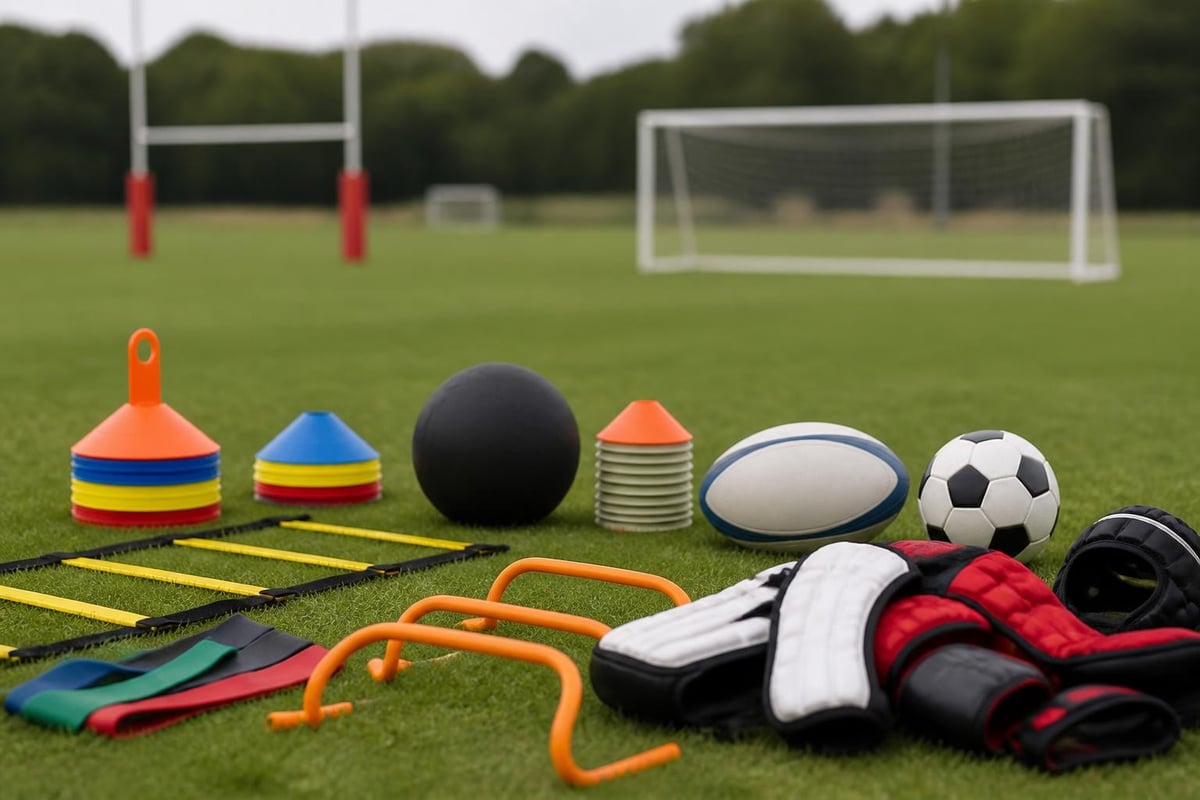
Schools and organizations operating both rugby and soccer programs face strategic decisions about equipment investment. Some training tools serve both sports effectively-agility equipment, fitness testing apparatus, and general conditioning tools provide cross-sport value. However, sport-specific items like practice goals and protective gear require dedicated budgets.
Smart procurement strategies recognize overlap opportunities while maintaining sport-specific quality standards. Multi-sport rebounders can serve both rugby passing practice and soccer ball control drills. Portable goal systems with adjustable configurations accommodate different training scenarios. Athletic directors maximizing limited budgets should identify these versatile equipment pieces while ensuring each program receives the specialized tools necessary for proper skill development.
Seasonal Considerations and Storage
In regions where rugby and soccer occupy different competitive seasons, equipment storage and rotation become critical operational considerations. Soccer typically dominates fall and spring schedules in American schools, while rugby may align with spring or specific club seasons. This temporal separation allows shared use of multi-purpose training spaces and equipment storage facilities.
Organizations must plan storage systems that protect sport-specific equipment during off-seasons while maintaining ready access to shared training tools. Climate-controlled storage preserves balls, uniforms, and protective equipment. Organized inventory systems prevent equipment loss and facilitate efficient seasonal transitions between programs.
Cost Analysis for Program Development
Budget planning for rugby and soccer programs requires understanding their distinct financial profiles. Initial equipment costs for soccer remain relatively modest-balls, goals, uniforms, and basic training gear represent manageable investments for most programs. Rugby's startup costs typically run higher due to protective equipment requirements and specialized training apparatus like scrum machines and contact pads.
| Cost Category | Soccer Budget Impact | Rugby Budget Impact |
|---|---|---|
| Player Equipment | Moderate | High |
| Protective Gear | Minimal | Substantial |
| Goal Systems | Moderate | Moderate-High |
| Training Apparatus | Moderate | High |
| Ball Inventory | Low-Moderate | Moderate |
| Field Maintenance | Moderate | Moderate-High |
Ongoing operational costs also differ. Rugby balls require more frequent replacement due to the wear from scrums and ground contact. Protective equipment needs regular inspection and replacement to maintain safety standards. Soccer programs face lower equipment replacement rates but may invest more heavily in specialized training technologies and ball varieties for different practice conditions.
Grant Opportunities and Equipment Partnerships
Schools developing new rugby programs should investigate sport-specific grant opportunities and equipment donation programs. Rugby's growth initiatives in the United States have created funding pathways through national governing bodies and community organizations. Soccer's established infrastructure offers different support mechanisms through youth development programs and club partnerships.
Building relationships with quality equipment suppliers like those specializing in athletic equipment creates long-term value through consistent pricing, product knowledge, and responsive customer service. Reliable vendors understand the distinct needs of rugby and soccer programs and can guide purchasing decisions that maximize budget effectiveness.
Player Development Pathways
The skills progression in rugby and soccer follows different trajectories, influencing equipment needs at various development stages. Young soccer players begin with simplified versions of the adult game, requiring smaller balls, reduced field dimensions, and appropriately sized goals. Youth rugby similarly scales down the contact elements, field size, and introduces modified rules that emphasize skill development over physicality.
Equipment suppliers must stock appropriate gear for multiple age brackets in both sports. Size 3, 4, and 5 soccer balls serve different age groups, while rugby offers similar ball size progressions. Goal systems need adjustment mechanisms or multiple sets to accommodate youth through adult play. Athletic programs serving broad age ranges require comprehensive equipment inventories spanning these developmental stages.
Skill-Specific Training Tools
Advanced player development demands specialized training equipment targeted at specific skills. Soccer programs invest in rebounders for first-touch training, passing gates for accuracy development, and various goal targets for shooting precision. Rugby development equipment includes passing accuracy targets, kicking tees of different heights, and contact shields graduated for different impact levels.
Organizations committed to excellence in both rugby and soccer recognize that generic training approaches produce generic results. Sport-specific training tools, properly implemented within structured development programs, accelerate skill acquisition and competitive success. Equipment budgets should allocate resources for these specialized training aids rather than relying solely on basic supplies.
Competitive Structure and Tournament Logistics
The tournament and competition structures for rugby and soccer create different logistical equipment demands. Soccer tournaments often involve multiple matches per day on adjacent fields, requiring efficient goal movement systems, organized bench setups, and streamlined equipment transitions. Rugby tournaments, particularly sevens rugby events, compress the game format but maintain similar equipment needs per match.
Schools and clubs hosting competitions must prepare appropriate equipment for visiting teams while managing their own inventory. Soccer tournaments need backup balls, corner flags for multiple fields, and referee equipment sets. Rugby hosting responsibilities include providing medical equipment access, adequate padding for posts, and proper field marking systems including in-goal areas.
Tournament hosting equipment checklist varies by sport:
- Soccer: Multiple goal sets, field marking systems, ball pumps, backup nets
- Rugby: Post padding, conversion tees, medical kits, sin-bin timing equipment
- Both: Referee communication systems, weather contingency supplies, hydration stations
Maintenance and Longevity Considerations
Equipment longevity directly impacts program budgets over time. Soccer balls maintain performance characteristics longer when properly inflated and stored, with quality balls lasting multiple seasons under normal use conditions. Rugby balls experience more abrasive contact and typically require more frequent replacement, particularly balls used for contact drills versus skill work.
Goal systems represent significant capital investments requiring proper maintenance protocols. Soccer goals need net inspection and replacement, post padding checks, and anchor system verification. Rugby posts require similar attention plus regular assessment of ground sleeves and stability systems. Preventive maintenance extends equipment life and prevents mid-season failures that disrupt training and competition.
Maintenance scheduling recommendations:
- Weekly equipment inspections during active seasons
- Monthly deep cleaning and inventory assessment
- Seasonal major maintenance and replacement planning
- Annual budget review incorporating replacement cycles
- Off-season rehabilitation of field equipment and storage areas
Understanding these maintenance rhythms helps programs avoid emergency purchases and budget more effectively for predictable equipment lifecycles. Quality equipment from reliable suppliers typically offers better longevity despite higher initial costs, creating long-term value.
Rugby and soccer present distinct but complementary opportunities for athletic programs, each requiring specialized equipment approaches while sharing fundamental training principles. The investment strategies, maintenance protocols, and inventory planning differ substantially between these sports, demanding careful consideration from coaches and athletic directors. Whether you're establishing a new program, expanding existing offerings, or optimizing current operations, Sideline Sport Supply provides the reliable equipment and straightforward expertise teams need to succeed-helping you spend less time managing gear and more time developing athletes who excel on the pitch.