

Balls of Sports: Equipment Guide for Teams and Coaches
Athletic programs, coaches, and sports organizations understand that the quality of equipment directly impacts player development, safety, and competitive performance. Among all the gear teams require, the balls of sports represent the most fundamental equipment investment. Whether you're outfitting a youth soccer program, managing a high school baseball team, or coordinating a multi-sport facility, understanding the specifications, materials, and selection criteria for different sport balls ensures your athletes train and compete with appropriate, reliable equipment. This comprehensive guide examines the critical factors that make each type of ball unique, helping athletic directors and coaches make informed purchasing decisions that balance performance requirements with budget constraints.
Understanding Ball Construction and Materials
The construction methods and materials used in balls of sports have evolved significantly over decades, transforming from primitive leather casings to sophisticated synthetic composites engineered for specific performance characteristics. Modern manufacturing techniques allow for precise control over weight, bounce, flight patterns, and durability.
Traditional Versus Modern Materials
Leather dominated ball construction for generations, particularly in basketball, football, and baseball. While leather provides excellent grip and develops a desirable feel through use, synthetic materials now offer superior consistency, weather resistance, and cost-effectiveness for training environments.
Synthetic composites have become the standard for most school and recreational programs because they:
- Maintain consistent performance across varying weather conditions
- Require minimal break-in periods compared to leather alternatives
- Offer extended durability through hundreds of practice sessions
- Provide predictable handling characteristics that support skill development
Rubber compounds serve as the foundation for many balls of sports, particularly those designed for outdoor use. Vulcanized rubber offers exceptional bounce consistency and withstands temperature fluctuations that would damage other materials.
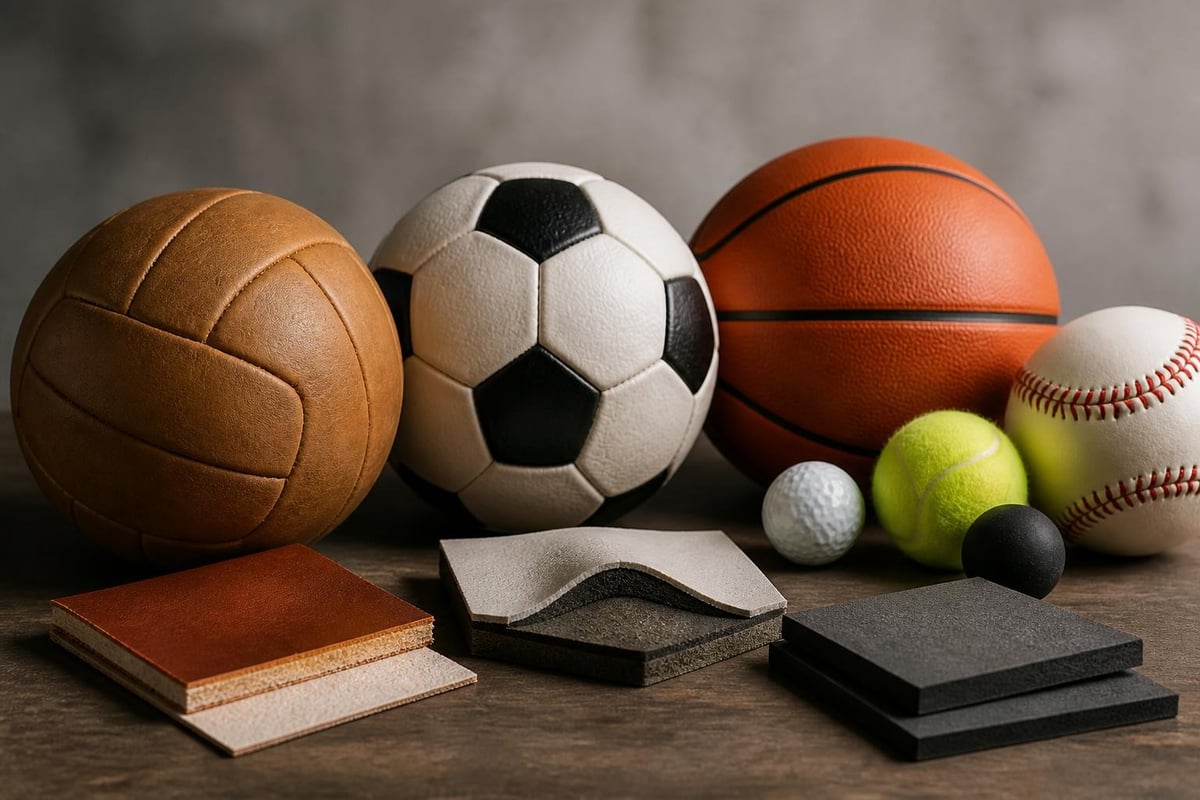
The history of sports balls reveals how ancient civilizations crafted early versions using available materials like animal bladders and plant fibers, establishing the foundation for today's precision-engineered equipment.
Inflation and Pressure Standards
Proper inflation pressure dramatically affects how balls perform during play. Each sport establishes specific PSI (pounds per square inch) requirements that optimize the ball's behavior for that particular game.
| Sport | Pressure Range (PSI) | Impact of Incorrect Inflation |
|---|---|---|
| Basketball | 7.5-8.5 | Unpredictable bounce, poor shooting |
| Soccer | 8.5-15.6 | Reduced control, inaccurate passing |
| Volleyball | 4.3-4.6 | Inconsistent sets, difficult serves |
| Football | 12.5-13.5 | Flight instability, grip issues |
Athletic programs should invest in reliable pressure gauges and establish pre-practice inflation checks as standard protocol. Maintaining proper pressure extends ball life and ensures athletes develop skills with equipment that performs to regulation standards.
Sport-Specific Ball Requirements
Each sport demands unique specifications for its balls, reflecting the distinct physical requirements and gameplay mechanics. Understanding these differences helps coaches and purchasing managers select appropriate equipment for their specific programs.
Soccer Balls
Soccer balls represent one of the most widely used types of balls of sports globally, with size variations accommodating different age groups and skill levels. The traditional 32-panel design has given way to thermally bonded constructions that eliminate stitching irregularities.
Size specifications for soccer programs:
- Size 3 (circumference 23-24 inches): Designed for players under 8 years old
- Size 4 (circumference 25-26 inches): Standard for youth players ages 8-12
- Size 5 (circumference 27-28 inches): Official size for players 13 and older
Training with properly sized equipment supports fundamental skill development while reducing injury risk from overly large or heavy balls. Programs can explore options like the PEVO Small Goal Series soccer goals that complement youth training environments.
Basketball Construction
Basketball construction has evolved to serve different playing environments, from indoor hardwood courts to outdoor asphalt surfaces. The surface texture, channel design, and material composition all influence grip and handling characteristics.
Indoor basketballs typically feature leather or high-grade composite covers that provide superior grip on clean court surfaces. Outdoor versions use rubber compounds resistant to abrasive concrete and asphalt while maintaining adequate grip despite dust and moisture exposure.
Teams operating both indoor and outdoor facilities should maintain separate ball inventories rather than interchanging them. The ball cart solutions available through quality suppliers help organize and transport equipment efficiently between venues.
Baseball and Softball Specifications
The balls of sports used in baseball and softball appear similar but feature distinct construction differences that reflect the unique demands of each game. Official baseballs measure 9-9.25 inches in circumference and weigh 5-5.25 ounces, while softballs range from 11-12 inches in circumference with varied compression ratings.
Softball compression levels:
- .44 COR (Coefficient of Restitution): Lower performance, suitable for recreational play
- .47 COR: Standard for most competitive leagues
- .52 COR: High performance, often restricted in certain divisions
Youth programs should match ball specifications to player age groups, ensuring appropriate weight and size that support proper throwing mechanics without causing strain or injury.
Performance Characteristics and Flight Dynamics
The aerodynamic properties of balls of sports fundamentally influence gameplay, affecting everything from shooting accuracy to defensive strategies. Surface texture, seam placement, and overall sphericity all contribute to how balls move through air and respond to player contact.
Surface Texture Engineering
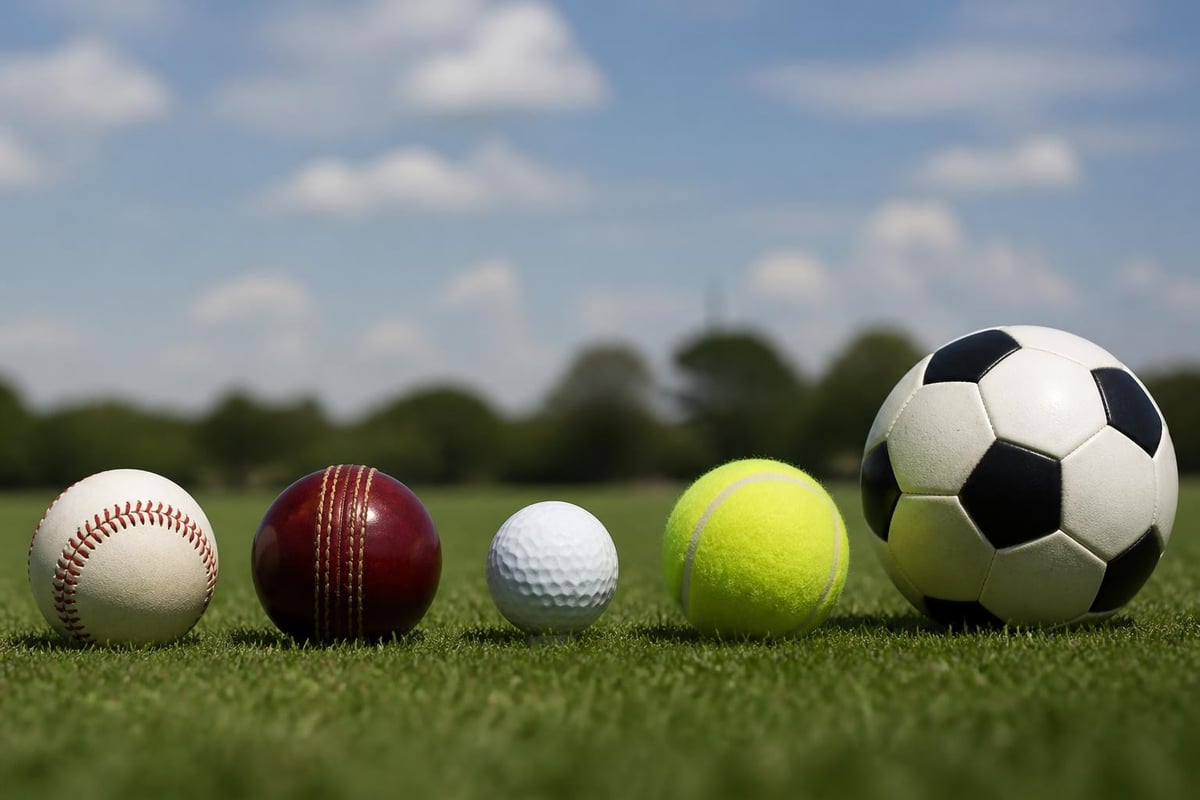
Golf balls demonstrate perhaps the most dramatic example of surface engineering with their characteristic dimple patterns. These dimples reduce drag and create lift, enabling significantly greater distances than smooth-surfaced alternatives would achieve. The scientific explanation behind golf ball dimples reveals how subtle surface modifications create substantial performance differences.
Tennis balls similarly rely on surface texture-their fuzzy covering affects both aerodynamics and grip against racket strings. The nap creates drag that slows the ball's flight while enhancing spin potential, allowing players to execute sophisticated shot strategies.
Spin and Control Factors
Athletes manipulate spin to control ball trajectory and behavior upon landing. Soccer players curve free kicks around defensive walls, basketball shooters apply backspin for soft rim contact, and baseball pitchers throw breaking balls that dive sharply.
The relationship between surface grip and spin generation explains why balls of sports designed for precision sports often feature pronounced textures or seam patterns. Volleyball manufacturers, for instance, carefully engineer panel designs that provide consistent grip regardless of hand position, supporting accurate sets and powerful serves.
Research into impact mechanics of inflated sports balls demonstrates how energy transfer during contact affects both spin rates and rebound characteristics, informing manufacturing approaches that optimize performance.
Durability and Maintenance Considerations
For athletic programs managing tight budgets, the longevity of balls of sports directly impacts the total cost of equipment programs. Strategic selection and proper maintenance protocols extend useful life while maintaining performance standards.
Usage Environment Impact
Indoor and outdoor environments subject balls to vastly different stress factors. Outdoor balls endure UV radiation, temperature extremes, moisture exposure, and abrasive surface contact that accelerate material degradation.
Environmental factors affecting ball lifespan:
- Temperature fluctuation: Causes material expansion/contraction, weakening seams
- UV exposure: Degrades synthetic materials and fades colors
- Moisture: Promotes leather deterioration and can compromise internal bladders
- Surface abrasion: Wears down outer coverings, particularly on concrete or asphalt
Programs should designate specific balls for outdoor training while reserving higher-quality equipment for competition and indoor practice. This tiered approach maximizes equipment investment by matching ball quality to usage demands.
Cleaning and Storage Protocols
Establishing routine maintenance procedures significantly extends the functional life of balls of sports. Simple protocols implemented consistently prevent premature equipment failure and maintain optimal playing characteristics.
- Clean balls after outdoor use with mild soap and water to remove dirt and debris
- Inspect inflation weekly, adjusting pressure to manufacturer specifications
- Store in climate-controlled environments when possible, avoiding extreme temperatures
- Rotate inventory to distribute wear evenly across available equipment
- Monitor for damage such as seam separation, surface cracks, or shape distortion
Organizations can reference guidance on proper sports goal maintenance that often applies similar principles to balls and other athletic equipment.
Selection Criteria for Athletic Programs
Purchasing managers and coaches face numerous decisions when selecting balls of sports for their programs. Balancing performance requirements, budget constraints, and inventory management creates complex procurement challenges that benefit from systematic evaluation frameworks.
Age-Appropriate Equipment
Youth development programs must prioritize age-appropriate balls that match players' physical capabilities and developmental stages. Oversized or overweight equipment hinders skill acquisition and increases injury risk, particularly for younger athletes still developing proper mechanics.
The evolution of ball sports across cultures demonstrates how games have historically adapted equipment to participant capabilities, a principle that remains crucial in modern youth athletics.
Budget Allocation Strategies
Athletic departments typically divide ball inventories into three categories, each serving distinct purposes within the program:
| Category | Quality Level | Primary Use | Replacement Cycle |
|---|---|---|---|
| Game balls | Premium | Competition only | Annually |
| Practice balls | Mid-grade | Regular training | Every 2 seasons |
| Conditioning balls | Economy | Drills, warm-ups | As needed |
This tiered approach concentrates spending on competition equipment while utilizing cost-effective options for high-volume training activities that rapidly wear down balls.
Bulk Purchasing Advantages
Volume purchasing agreements with reliable suppliers provide multiple benefits beyond unit cost savings. Consistent inventory sources ensure equipment standardization across teams, simplifying replacement planning and maintaining familiar training conditions.
Schools and organizations should explore partnerships with established suppliers like Sideline Sport Supply that understand institutional procurement requirements and offer appropriate pricing structures for multi-sport programs.
Innovation and Technology Integration
Modern balls of sports incorporate increasingly sophisticated technologies that enhance performance, durability, and player safety. Understanding these innovations helps programs evaluate whether premium features justify additional investment for specific applications.
Smart Ball Technology
Sensor-equipped balls now provide real-time data about velocity, spin rate, trajectory, and impact force. While primarily marketed to elite training environments, this technology gradually becomes more accessible to school programs seeking objective performance metrics.
Basketball training systems track shooting percentages, release angles, and arc consistency. Soccer balls measure strike power and accuracy. These data-driven approaches support targeted skill development by identifying specific mechanical inefficiencies.
Material Science Advances
Manufacturers continually develop new synthetic materials that improve upon traditional options. Recent innovations include water-resistant coatings that maintain grip in wet conditions, enhanced bladder materials that hold pressure longer, and composite covers that resist abrasion while providing superior touch.
The FIFA World Cup ball evolution illustrates how top-level competition drives technological advancement that eventually filters down to equipment available for recreational and school programs.
Sustainability Considerations
Environmental consciousness increasingly influences purchasing decisions as organizations seek to reduce their ecological footprint. Balls manufactured from recycled materials or using sustainable production methods appeal to institutions prioritizing environmental responsibility.
Some manufacturers now offer take-back programs for worn equipment, recycling materials into new products rather than contributing to landfill waste. These initiatives align with broader sustainability goals many educational institutions have adopted.
Multi-Sport Facility Management
Organizations operating multi-sport facilities face unique challenges in managing diverse inventories of balls of sports. Systematic organization, storage solutions, and inventory tracking become essential operational components.
Inventory Organization Systems
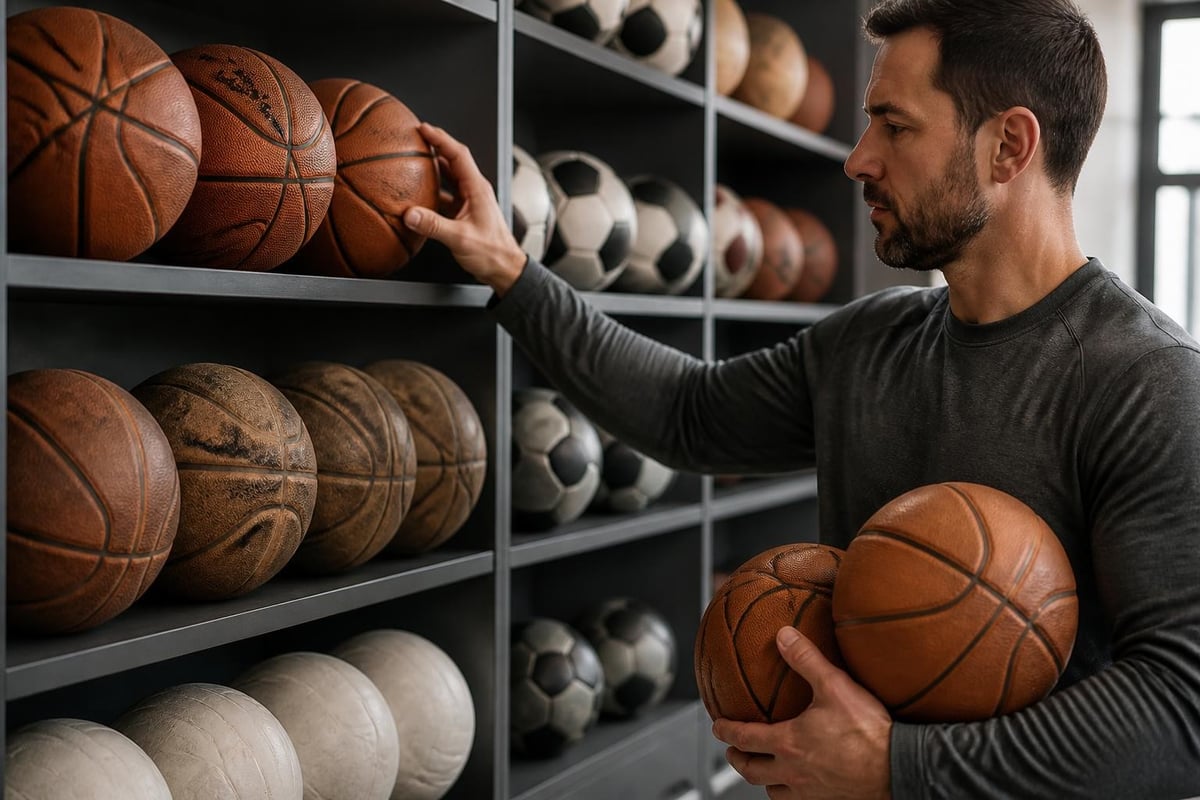
Color-coding systems help staff quickly identify balls designated for specific sports, age groups, or quality tiers. Simple visual indicators prevent mixing game balls with practice equipment or distributing inappropriate sizes to youth groups.
Effective organization strategies include:
- Dedicated storage areas for each sport's equipment
- Clear labeling systems indicating ball specifications and intended use
- Regular inventory audits to identify replacement needs before shortages occur
- Check-out procedures that track equipment usage and location
Facilities managing extensive inventories benefit from storage solutions that protect equipment while facilitating easy access. Quality suppliers offer equipment organization systems designed specifically for athletic environments.
Cross-Training Applications
Some balls of sports serve multiple purposes within training programs, providing versatility that maximizes equipment investments. Medicine balls develop core strength across numerous sports. Agility training often incorporates balls of various sizes to enhance hand-eye coordination and reaction time.
Creative coaches leverage available equipment for unconventional drills that maintain engagement while developing fundamental athletic skills. A volleyball can support basketball ball-handling drills, while soccer balls enhance footwork for athletes in multiple sports.
Regulatory Compliance and Official Standards
Competitive programs must ensure their balls of sports meet governing body specifications to avoid equipment violations during sanctioned events. Different organizations establish detailed requirements that manufacturers must satisfy for official approval.
Certification Requirements
National and international sports federations publish comprehensive specifications covering dimensions, weight, materials, and performance characteristics. Balls bearing official certification marks guarantee compliance with these standards, providing assurance for competitive programs.
Key certification bodies include:
- FIFA (soccer)
- FIBA (basketball)
- NFHS (high school sports in the United States)
- NCAA (collegiate athletics)
- USAV (volleyball)
The comprehensive overview of ball sports regulations details how standardization emerged to ensure fair competition across different venues and regions.
Testing and Quality Assurance
Manufacturers subject balls to rigorous testing protocols that simulate extended use conditions. Bounce tests, water absorption measurements, shape retention evaluations, and seam strength assessments ensure products meet published specifications throughout their expected lifespan.
Programs purchasing certified equipment gain confidence that balls will perform consistently and remain acceptable for competition. This reliability proves particularly important for tournaments and championship events where equipment failures could compromise outcomes.
Selecting appropriate balls of sports requires balancing performance requirements, budget constraints, and specific program needs while ensuring equipment supports safe, effective skill development. Understanding construction methods, material properties, and sport-specific requirements enables informed purchasing decisions that maximize value and longevity. Whether you're outfitting a single-sport team or managing a comprehensive multi-sport facility, Sideline Sport Supply provides the reliable, affordable equipment and straightforward expertise athletic programs need to focus on what matters most: developing athletes and winning games.