

Choosing the Right Balls for Sports: A Complete Guide
Selecting the right equipment can make or break an athlete's performance, and nowhere is this more critical than with the fundamental tool of any game: the ball itself. Whether you're outfitting a youth soccer league, stocking a high school gymnasium, or preparing for competitive tournament play, understanding the nuances of balls for sports ensures your investment delivers both performance and durability. From construction materials to regulatory standards, the world of athletic balls has evolved dramatically over the past century, offering coaches and sports organizations more specialized options than ever before.
Understanding Ball Construction and Materials
Modern balls for sports represent a sophisticated blend of engineering, materials science, and tradition. The construction methods vary significantly across different sports, with each design optimized for specific performance characteristics.
Traditional Leather vs. Modern Synthetics
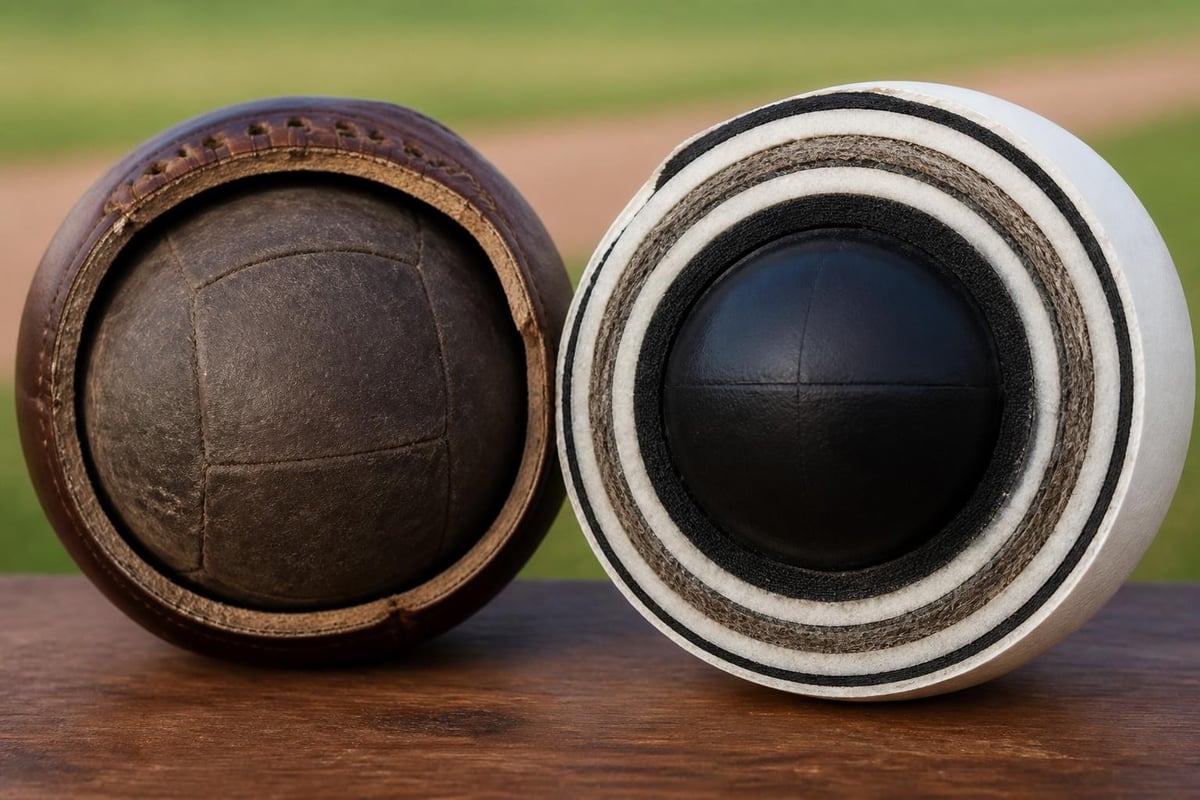
The evolution of sports balls from traditional leather to modern materials illustrates how technology has transformed athletic equipment. While leather balls dominated for decades, synthetic materials now offer superior consistency, weather resistance, and cost-effectiveness.
Key advantages of synthetic materials include:
- Consistent performance across different weather conditions
- Reduced water absorption for outdoor play
- Lower maintenance requirements
- Extended lifespan compared to traditional leather
- More affordable price points for bulk purchases
Modern composite materials combine the best qualities of both worlds. Microfiber composites mimic the feel of leather while delivering enhanced durability. Polyurethane coatings provide weather protection without sacrificing grip or touch.
Internal Bladder Technology
The bladder inside balls for sports plays a crucial role in performance consistency. Butyl bladders retain air pressure longer than latex alternatives, requiring less frequent inflation. This matters significantly for schools and organizations managing large inventories of equipment.
| Bladder Type | Air Retention | Responsiveness | Cost | Best For |
|---|---|---|---|---|
| Butyl | Excellent (weeks) | Moderate | Lower | Practice, youth leagues |
| Latex | Poor (days) | High | Higher | Competition, advanced play |
| Hybrid | Good | Good | Moderate | All-purpose use |
Sport-Specific Ball Requirements
Each sport demands unique specifications for balls, governed by official regulatory bodies. Understanding these requirements ensures compliance during competitive play while helping organizations make informed purchasing decisions.
Basketball Standards
Basketball balls vary by age group and competitive level. Official size 7 balls (29.5-inch circumference) serve men's competitions, while size 6 (28.5-inch) works for women's and youth leagues. Indoor basketballs feature full-grain leather or composite leather, while outdoor versions use rubber or durable synthetic materials resistant to rough surfaces.
The ball cart becomes essential for teams managing multiple basketballs during practice sessions. Proper storage prevents deformation and extends ball life significantly.
Soccer Ball Specifications
Official soccer ball qualities and measurements establish strict standards for circumference (68-70 cm), weight (410-450 grams), and pressure (0.6-1.1 atmosphere). The evolution of World Cup balls demonstrates how innovation continues pushing performance boundaries.
Size recommendations by age group:
- Size 3 (ages 8 and under) - 23-24 inch circumference
- Size 4 (ages 8-12) - 25-26 inch circumference
- Size 5 (ages 13+) - 27-28 inch circumference
Quality soccer balls require proper inflation and storage. Teams investing in soccer goals should equally prioritize ball quality to maximize training effectiveness.
Baseball and Softball Distinctions
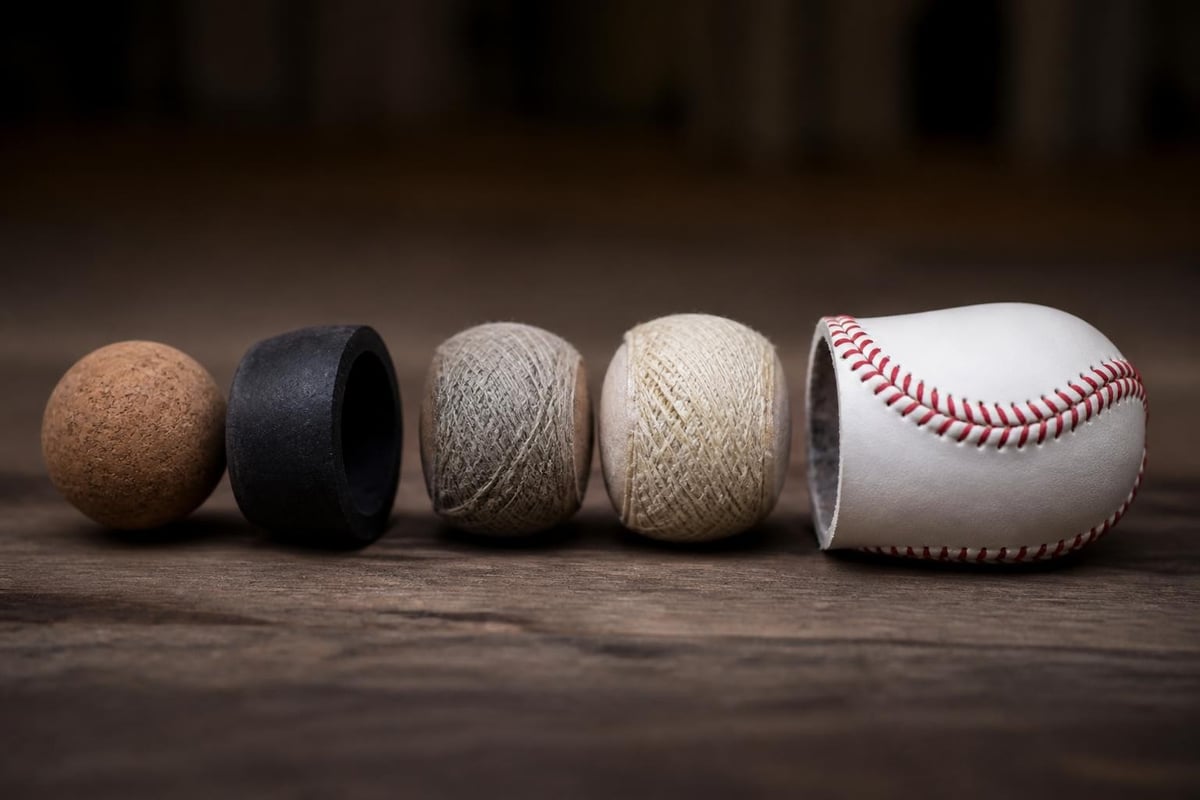
Baseball regulations specify balls with cork or rubber centers, wrapped in yarn, and covered with two strips of white leather stitched with red thread. Flat seam baseballs reduce air resistance for practice scenarios, while raised seam versions suit game play.
Softball balls for sports come in multiple sizes: 11-inch for youth fastpitch, 12-inch for adult fastpitch and slowpitch. The core compression and cover materials dramatically affect performance characteristics.
Performance Factors and Quality Indicators
Identifying quality balls for sports requires understanding several performance indicators beyond basic specifications. These factors directly impact player development, game consistency, and equipment longevity.
Testing Ball Quality
Professional-grade balls undergo rigorous testing for roundness, rebound consistency, and structural integrity. Simple field tests help evaluate ball quality before bulk purchases.
Quick quality assessment methods:
- Bounce test: Drop from consistent height; quality balls rebound uniformly
- Inflation retention: Check pressure after 24 hours; minimal loss indicates good bladder
- Surface inspection: Examine for consistent panel alignment and secure stitching
- Weight verification: Ensure balls meet regulatory weight standards
- Grip assessment: Test surface texture for appropriate tackiness
Pressure Dynamics and Game Impact
Research on impact mechanics of inflated sports balls reveals how internal pressure significantly influences performance. Over-inflation creates harder, faster balls that bounce higher but offer less control. Under-inflation results in sluggish response and unpredictable trajectories.
Coaches should maintain consistent inflation schedules. Digital pressure gauges provide precise measurements, ensuring all balls for sports in your inventory perform identically during practice and competition.
Maintenance and Longevity Strategies
Proper care extends the lifespan of balls for sports substantially, protecting your equipment investment and ensuring consistent performance throughout seasons.
Storage Best Practices
Temperature fluctuations and moisture damage balls over time. Store balls in climate-controlled environments between 60-80°F. Avoid leaving equipment in vehicles or unventilated storage areas where heat builds up.
| Storage Location | Temperature | Humidity | Ball Type | Lifespan Impact |
|---|---|---|---|---|
| Climate-controlled | 60-80°F | 40-60% | All types | Optimal |
| Unheated gym | Variable | High | Synthetic only | Reduced 20-30% |
| Outdoor shed | Extreme | Variable | Weather-resistant | Reduced 40-50% |
| Vehicle trunk | Extreme | Variable | Not recommended | Severe degradation |
Cleaning and Maintenance Protocols
Different ball materials require specific cleaning approaches. Leather balls need leather conditioner to prevent cracking. Synthetic balls tolerate mild soap and water. Never use harsh chemicals or abrasive cleaners that damage surface coatings.
Regular inspection catches problems early. Check for:
- Seam separation or loose stitching
- Surface cuts or abrasions
- Irregular inflation or bladder leaks
- Panel delamination on composite balls
- Loss of surface texture or grip
Rotating ball inventory during practice prevents over-use of individual balls, distributing wear evenly across your equipment stock.
Selecting Balls for Different Competitive Levels
Competition level dramatically influences ball selection criteria. Youth leagues prioritize safety and skill development, while elite competitions demand precision-engineered equipment meeting exact specifications.
Youth and Recreational Play
Younger athletes benefit from age-appropriate balls that match their physical capabilities. Lighter, smaller balls for sports help developing players master fundamental skills without struggling against equipment designed for adults.
Youth ball selection criteria:
- Reduced weight for easier handling
- Softer materials for safety
- High-visibility colors for tracking
- Durable construction for rough play
- Affordable pricing for replacement needs
Safety-conscious organizations should consider softer training balls that minimize injury risk during practice while maintaining realistic game characteristics.
High School and Collegiate Standards
Secondary and collegiate programs require balls meeting specific governing body regulations. NFHS (National Federation of State High School Associations) and NCAA establish detailed equipment standards teams must follow.
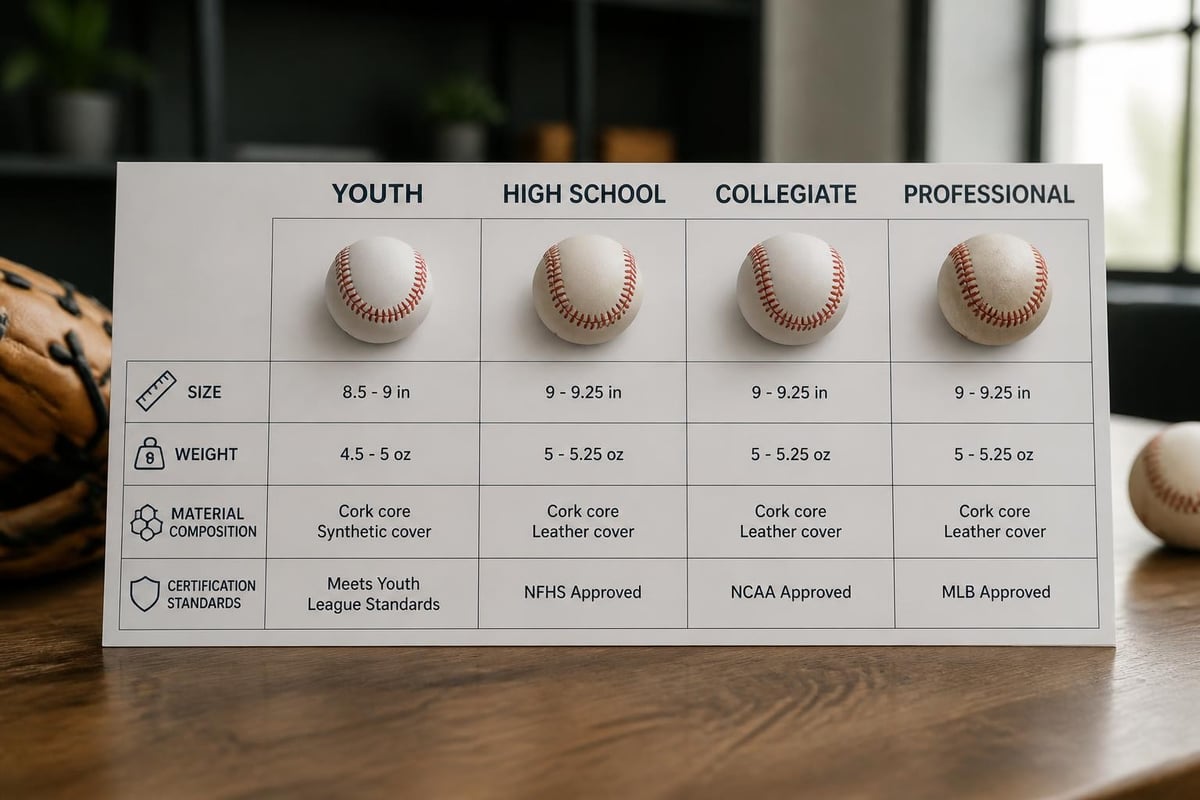
Investment in regulation balls ensures athletes train with equipment matching game conditions. Sideline Sport Supply stocks certified balls appropriate for every competitive level, helping schools and organizations maintain compliance.
Professional and Tournament Grade
Elite competition demands premium balls engineered to exact tolerances. These balls undergo comprehensive testing and certification processes, ensuring consistent performance across venues and conditions.
Professional-grade balls cost significantly more but deliver superior consistency, durability, and performance characteristics. Tournament organizers typically purchase from certified suppliers maintaining strict quality control standards throughout manufacturing and distribution.
Specialized Ball Categories
Beyond mainstream team sports, specialized athletic disciplines require unique ball designs serving specific performance needs.
Training and Practice Balls
Dedicated practice balls offer cost-effective solutions for high-volume training sessions. Practice baseballs with flat seams provide realistic hitting and fielding experiences at lower price points than game balls.
Weighted training balls develop strength and technique. Medicine balls build core power. Reaction balls improve hand-eye coordination through unpredictable bounces. Smart balls with embedded sensors provide performance data for advanced training programs.
Multi-Sport Facilities
Organizations running multiple programs need diverse ball inventories. Efficient storage systems keep equipment organized and accessible. Clear labeling systems prevent mix-ups between different sports, sizes, and quality levels.
Bulk purchasing strategies reduce per-unit costs while ensuring consistent inventory across programs. Standardizing on specific brands and models simplifies replacement ordering and maintains performance consistency.
Accessibility and Adaptive Sports
Adaptive sports programs require specialized balls for sports accommodating various abilities. Audible balls assist visually impaired athletes. Textured surfaces provide enhanced grip for athletes with limited hand function. Lighter weights suit participants with reduced strength.
These specialized options expand athletic opportunities for all participants, making sports more inclusive while maintaining competitive integrity.
Environmental and Sustainability Considerations
Modern sports organizations increasingly consider environmental impact when selecting equipment. Sustainable balls for sports address ecological concerns without sacrificing performance.
Eco-Friendly Materials
Manufacturers now produce balls using recycled materials, natural rubber, and biodegradable components. While traditional synthetic balls persist in environments for decades, eco-friendly alternatives break down more readily after their useful life.
Sustainable ball features include:
- Recycled polyester panel materials
- Natural latex bladders from renewable sources
- Water-based adhesives replacing chemical solvents
- Biodegradable packaging materials
- Carbon-neutral manufacturing processes
Lifecycle Management
Responsible equipment management extends beyond initial purchase. Implement ball recycling programs when equipment reaches end-of-life. Some manufacturers accept used balls for recycling into new products or alternative applications.
Repair programs extend ball lifespan. Simple fixes like bladder replacement, re-stitching seams, or surface conditioning keep balls functional longer, reducing waste and replacement costs.
Procurement Strategies for Organizations
Schools, leagues, and sports organizations benefit from strategic purchasing approaches that balance quality, budget, and operational needs.
Budget Allocation Guidelines
Allocate equipment budgets based on usage intensity and competitive requirements. Game balls warrant premium investment, while practice balls can use more economical options without compromising training quality.
| Program Type | Game Ball Budget % | Practice Ball Budget % | Specialty Equipment % |
|---|---|---|---|
| Youth Recreational | 30% | 50% | 20% |
| High School Competitive | 40% | 40% | 20% |
| Elite Travel | 50% | 30% | 20% |
| Multi-Sport Facility | 35% | 45% | 20% |
Vendor Relationships
Establishing relationships with reliable suppliers ensures consistent product availability and quality. Understanding the manufacturing processes behind balls for sports helps organizations evaluate supplier capabilities and quality standards.
Request product samples before committing to large purchases. Test balls under actual playing conditions to verify performance claims. Check supplier certifications ensuring products meet regulatory requirements.
Historical Context and Evolution
The history of ball sports reveals fascinating developments in materials, design, and manufacturing processes. Ancient civilizations played ball games with rudimentary equipment crafted from animal bladders, plant materials, and natural fibers.
The industrial revolution transformed ball production, enabling mass manufacturing and consistent quality. Vulcanized rubber revolutionized ball cores. Synthetic materials emerged mid-20th century, offering superior performance characteristics.
Recent decades brought unprecedented innovation. Computer modeling optimizes aerodynamic properties. Advanced polymers enhance durability. Embedded technology enables performance tracking and training analytics.
Making Informed Purchasing Decisions
Selecting appropriate balls for sports requires balancing multiple factors: performance requirements, budget constraints, competitive standards, and usage patterns.
Decision Framework
Start by defining specific needs:
- Sport type and competitive level
- Age group and skill level
- Indoor versus outdoor use
- Expected usage volume
- Budget parameters
Cross-reference these requirements against product specifications. Consult coaching staff about performance preferences. Review competitor feedback and independent testing results.
Quality vs. Price Analysis
Premium balls justify higher costs through superior performance and extended lifespan. Calculate total cost of ownership rather than focusing solely on purchase price.
Total cost considerations:
- Initial purchase price per ball
- Expected lifespan under normal use
- Maintenance requirements and costs
- Performance consistency over time
- Replacement frequency and timing
Budget balls may require replacement twice as often as premium versions, negating apparent savings. Mid-range options often provide optimal value, balancing performance and affordability.
Understanding the technical specifications, construction methods, and performance characteristics of balls for sports empowers coaches and organizations to make equipment decisions supporting athletic excellence. From youth development programs to elite competition, proper ball selection directly impacts player performance, skill development, and game enjoyment. Sideline Sport Supply provides comprehensive equipment solutions backed by straightforward pricing and expert guidance, helping your organization focus less on equipment sourcing and more on what matters most-developing athletes and winning games.