

Soccer Net Rebounder: Training Guide for 2026
Training without a partner doesn't mean compromising on skill development. A soccer net rebounder serves as a critical training tool for athletes who need consistent, quality practice sessions on their own schedule. Whether you're a youth player working on fundamentals, a competitive athlete refining technical skills, or a coach seeking equipment for team training, understanding how to select and use this versatile tool can dramatically improve practice effectiveness. These training systems offer immediate ball return, allowing players to execute hundreds of touches in a single session while developing muscle memory for game situations.
Understanding Soccer Net Rebounder Design and Function
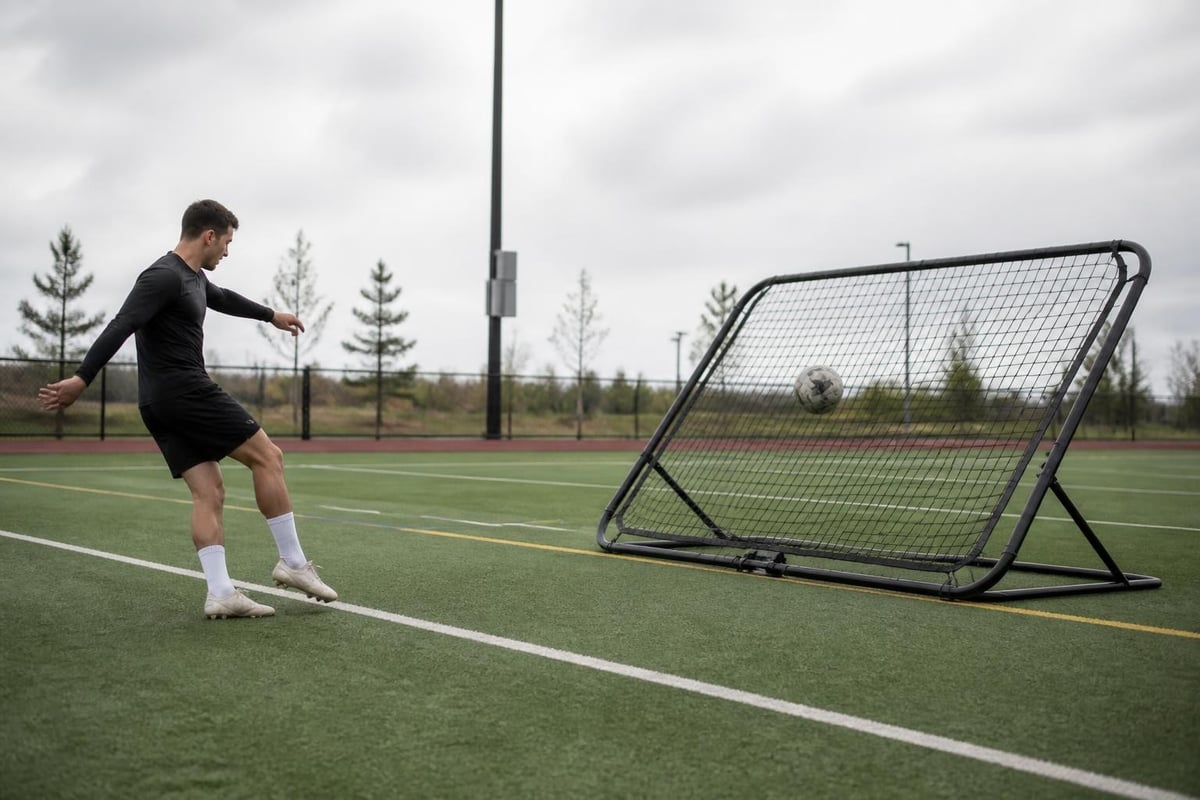
The soccer net rebounder uses tensioned netting stretched across a steel or aluminum frame to return balls at varying speeds and angles. Unlike solid rebound boards, the net construction creates less predictable returns that better simulate actual game passes and deflections.
Most models feature adjustable angles ranging from 90 degrees vertical to nearly flat positions. This adjustability allows players to customize the return trajectory based on specific drill requirements. A vertical setup produces ground balls and lower returns, while angled positions create airborne passes that challenge aerial control and volleys.
Frame Construction and Durability Standards
Quality frames utilize powder-coated steel or lightweight aluminum tubing. Steel frames offer superior stability for aggressive training sessions, particularly with older players generating significant ball speed. Aluminum options reduce overall weight, making them easier to move and store while still maintaining structural integrity.
| Frame Material | Weight Range | Best For | Typical Lifespan |
|---|---|---|---|
| Powder-Coated Steel | 35-55 lbs | Institutional use, high-volume training | 7-10 years |
| Aluminum Alloy | 20-35 lbs | Home use, youth programs, portability | 5-7 years |
| Hybrid Construction | 25-45 lbs | Multi-purpose facilities | 6-9 years |
The netting itself varies significantly in quality. Professional-grade rebounders use twisted polyethylene or nylon with UV protection to prevent degradation from sun exposure. Connection points between net and frame should feature reinforced grommets or continuous edge sleeves to distribute tension evenly and prevent premature tearing.
Selecting the Right Size for Your Training Needs
Soccer net rebounder dimensions directly impact training versatility and space requirements. Standard sizes range from compact 4x4-foot models suitable for close-range technical work to expansive 8x6-foot systems that accommodate shooting practice and long-range passing.
Smaller rebounders excel at developing quick feet and rapid-fire touch sequences. The limited target area demands precision while the compact footprint fits in driveways, backyards, or garage spaces. These models work particularly well for selecting appropriate youth soccer training equipment, offering manageable size without overwhelming younger players.
Matching Dimensions to Player Development Stages
Youth players ages 6-10 benefit from 4x4 or 5x5-foot rebounders. The smaller surface keeps drills focused and maintains engagement without requiring excessive space coverage. Players this age develop foundational skills through repetition, and a compact rebounder facilitates higher touch counts per session.
Pre-teen and teenage athletes need 6x4 or 6x6-foot options. These intermediate sizes support progression into more complex drills involving movement patterns, combination plays, and shooting technique. The expanded surface area accommodates stronger kicks while still fitting residential practice spaces.
Adult and advanced players maximize training effectiveness with 8x5 or 8x6-foot rebounders. These professional-sized units handle powerful strikes, enable long-range passing practice, and create realistic game-speed scenarios. Coaches working with high school, college, or club teams should prioritize these larger dimensions.
Strategic Placement and Setup Considerations
Optimal rebounder placement balances available space, surface conditions, and training objectives. The ideal setup provides 15-20 feet of clearance behind the player for ball retrieval and movement drills, though effective sessions are possible in more confined areas with adjusted exercises.
Surface type significantly influences rebounder stability and performance. Grass surfaces require anchor stakes or weighted bases to prevent shifting during use. Concrete and asphalt provide excellent stability but may accelerate ball wear and create harder, faster rebounds. Our portable soccer goals collection includes complementary equipment designed for various surface types.
Ground Anchoring Systems
- U-shaped stakes: Drive 8-12 inches into soil for temporary installations
- Auger anchors: Screw-type anchors providing superior hold in loose ground
- Sandbag weights: Non-penetrating solution for hard surfaces or rental properties
- Combination systems: Stakes plus weighted bases for maximum stability
The rebounder should face away from windows, vehicles, and other vulnerable items. Even controlled practice sessions can produce errant kicks, and proper positioning prevents costly accidents. Consider installing the unit against a fence or wall to create a natural backstop for missed attempts.
Essential Training Drills and Skill Development
A soccer net rebounder transforms individual practice through systematic drill progressions. Beginning with fundamental techniques and advancing to complex sequences, players can structure sessions that target specific weaknesses while reinforcing strengths.
The basic pass-and-receive forms the foundation. Stand 8-10 feet from the rebounder and strike the ball with your instep, focusing on clean contact and proper follow-through. As the ball returns, control it with your first touch, then immediately pass again. This simple drill builds touch consistency and develops the muscle memory essential for game situations. For comprehensive training sequences, review these effective soccer rebounder drills that progress from beginner to advanced skill levels.
Progressive Touch Development Sequence
- Single-touch returns: Control and return the ball with one touch, alternating feet every 10 repetitions
- Two-touch combinations: Receive with one foot, pass with the other, emphasizing smooth transitions
- Varied surface control: Use instep, outside, sole, and thigh to control returns before passing
- Movement integration: Add lateral steps, backpedaling, or forward sprints between touches
- Weak foot focus: Dedicate entire sessions to non-dominant foot development
Volleys and aerial control benefit tremendously from angled rebounder positions. Set the frame at 45 degrees and strike low drives that return as lofted balls. Practice controlling these aerial returns with chest, thigh, and foot, then transitioning immediately into ground passes or additional volleys.
Comparing Net Rebounders to Alternative Training Tools
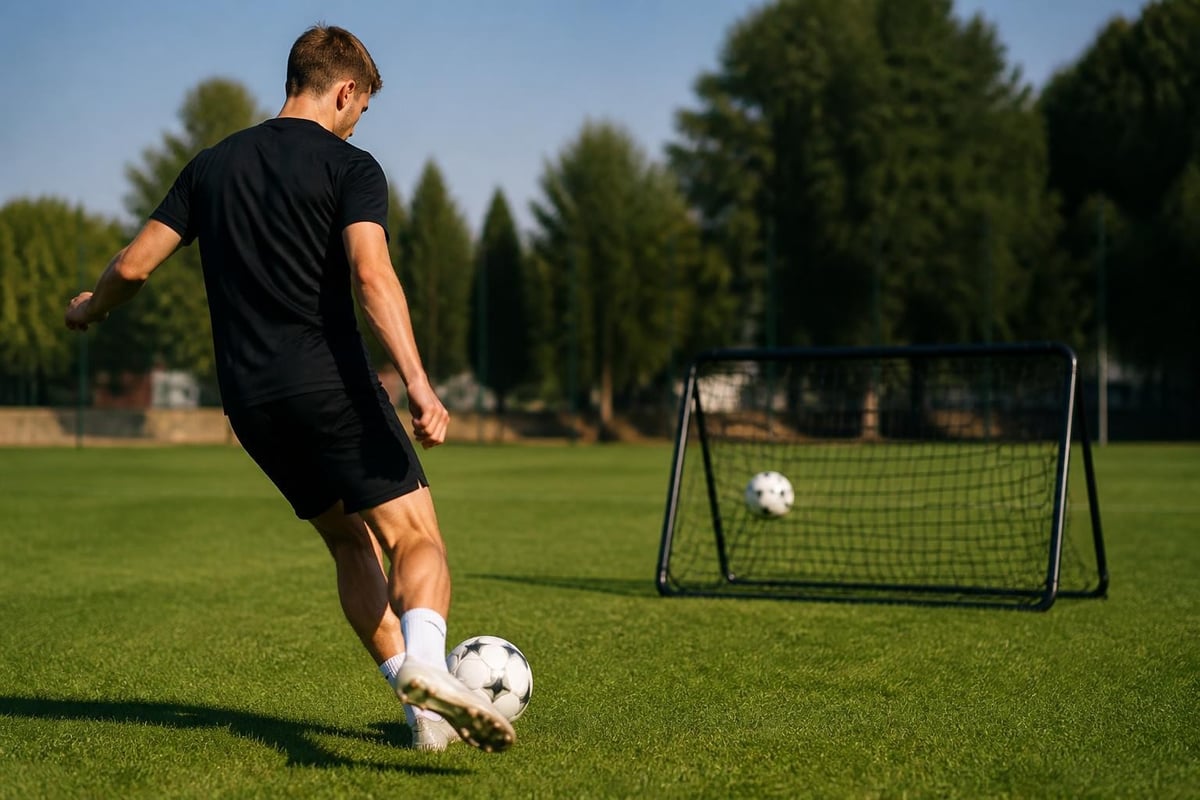
Training equipment decisions often involve choosing between similar tools serving overlapping purposes. The soccer net rebounder competes primarily with solid rebound boards and wall training, each offering distinct advantages.
Solid rebound boards return balls with greater predictability and typically produce faster, more powerful returns. This consistency benefits players drilling specific passing techniques where exact ball placement matters. However, comparing soccer rebounder boards and net rebounders reveals that net systems better simulate game conditions through variable returns.
| Training Tool | Return Predictability | Portability | Surface Versatility | Price Range |
|---|---|---|---|---|
| Net Rebounder | Variable (game-like) | High | All surfaces | $80-$350 |
| Solid Board | Highly consistent | Medium | Hard surfaces best | $120-$450 |
| Wall Training | Fixed angle only | N/A | Requires structure | Free |
| Partner Training | Variable | N/A | Any | Free |
Wall training costs nothing but limits angle variation and often disturbs neighbors with noise. Rebounders provide controlled practice without sound concerns or dependency on available wall space. The portability factor allows training location changes based on weather, available space, or specific session goals.
Integration with Team Training Programs
Coaches managing team practices find that soccer net rebounders maximize individual development during group sessions. Stations featuring rebounders keep players actively engaged while coaches focus attention on other position groups or tactical instruction.
Station rotation benefits include:
- Increased touches per player during limited practice time
- Simultaneous skill development across multiple proficiency levels
- Self-directed learning that builds player independence
- Reduced standing and waiting common in traditional drills
Setting up three or four rebounder stations with different drill assignments creates continuous movement and engagement. Players rotate through stations every 8-10 minutes, experiencing varied training stimuli while maintaining high intensity throughout practice. This approach works particularly well for programs with large rosters where individual attention proves challenging.
Teams can also use rebounders for pre-practice arrival activities. Players showing up early perform structured warm-up routines, getting additional touches before official training begins. This extends effective practice time without requiring coach supervision, as players follow posted drill cards or video demonstrations.
Maintenance and Longevity Optimization
Proper care extends rebounder lifespan and maintains performance consistency. Regular inspection identifies wear before failures occur, preventing practice interruptions and potential injuries from equipment malfunction.
Net tension requires periodic adjustment as materials stretch over time. Most quality rebounders feature adjustable connection points allowing retensioning without replacement. Check tension monthly during heavy use periods and before storing for extended periods. Loose netting produces inconsistent returns and may catch feet or balls awkwardly.
Seasonal Storage Best Practices
Rebounders left outdoors year-round deteriorate faster than those receiving seasonal protection. In regions with harsh winters, disassemble and store frames in dry locations. If disassembly isn't practical, cover the unit with weather-resistant tarps secured against wind.
Clean netting before storage by hosing off accumulated dirt and allowing complete drying. Moisture trapped in stored netting encourages mildew growth that weakens fibers. Inspect metal components for rust formation, treating any spots with rust-inhibiting spray before storage.
Frame joints and adjustment mechanisms benefit from annual lubrication using silicone spray. This prevents corrosion in adjustment points and maintains smooth angle changes. Avoid oil-based lubricants that attract dirt and complicate future adjustments.
Budget Considerations and Value Assessment
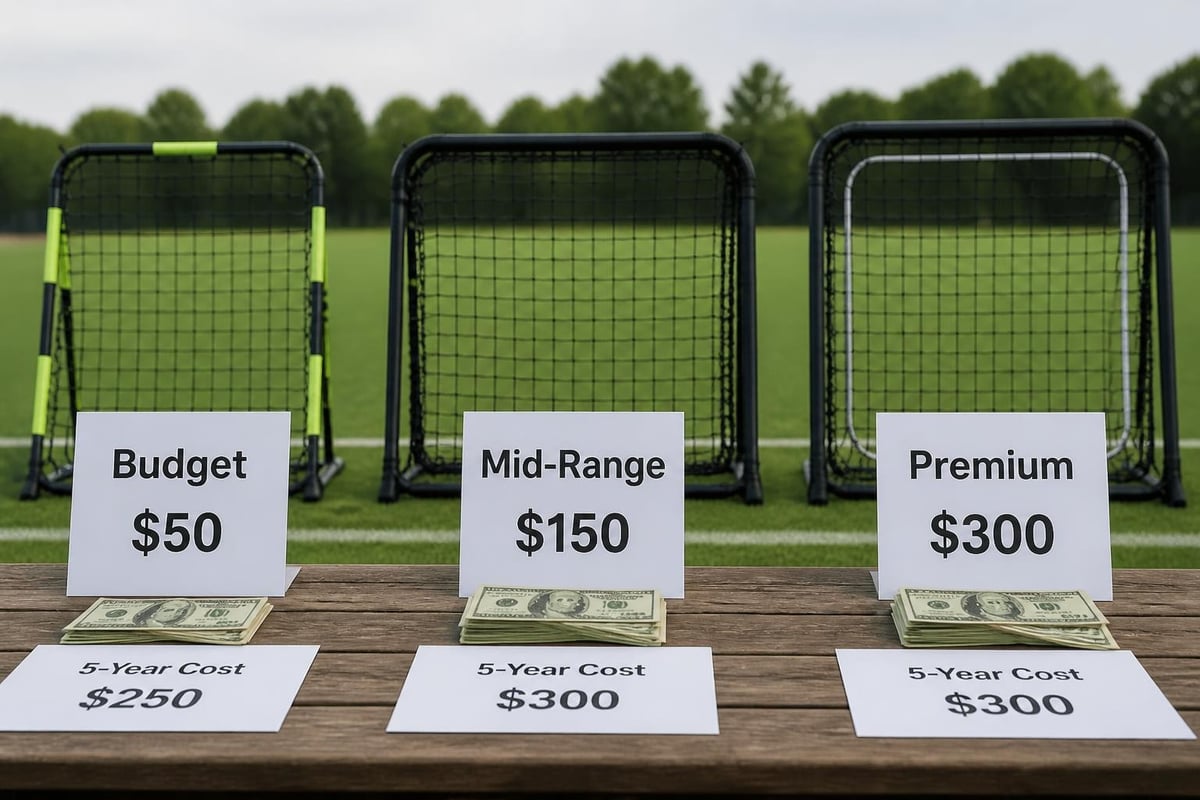
Soccer net rebounder pricing reflects construction quality, size, and brand reputation. Entry-level models start around $80-$120, offering basic functionality suitable for occasional use or young beginners. Mid-range options between $150-$250 provide better durability with features like reinforced frames, superior netting, and improved adjustment systems.
Premium rebounders exceeding $300 target serious athletes and institutional purchasers. These models incorporate heavy-duty construction rated for years of intensive use, often backed by extended warranties. Schools, clubs, and training facilities find this investment level justified through reduced replacement frequency and superior performance.
When evaluating value, consider total cost of ownership beyond initial purchase price. A $100 rebounder requiring replacement every two years costs more over five years than a $250 unit lasting the full period. Factor in performance consistency, as deteriorating equipment produces diminishing training benefits. For organizations outfitting multiple training spaces, explore our complete soccer equipment collection featuring items designed for coordinated training environments.
Advanced Training Techniques for Competitive Players
Elite players extract maximum value from rebounders through advanced drill progressions emphasizing speed, precision, and decision-making under pressure. These techniques simulate high-pressure game situations while maintaining the repetition necessary for skill mastery.
Speed ladder integration combines footwork agility with ball control. Position a speed ladder perpendicular to the rebounder, 6-8 feet away. Execute ladder footwork patterns, then immediately receive and return a pass from the rebounder. This drill develops the ability to control balls while recovering from explosive movements, mirroring game transitions.
Constraint-based training adds complexity through artificial limitations. Practice one-touch returns exclusively for entire sessions, eliminating the security of settling the ball before passing. Designate target zones on the rebounder face using tape or chalk, requiring precise placement on returns. These constraints force adaptation and accelerate skill development.
Combination Play Simulation
Set up two rebounders at angles creating a triangle with your position as the third point. Execute passes between rebounders in various patterns: left rebounder to right rebounder, both rebounders in sequence, or random selection requiring quick recognition. This configuration develops vision, spatial awareness, and rapid decision-making absent in single-rebounder training. Resources like this comprehensive buying guide for soccer rebounders provide additional insights into selecting equipment that supports these advanced training methods.
Incorporate finishing by adding a goal behind your starting position. Receive from the rebounder, turn, and shoot on goal in one fluid motion. This drill combines first touch, body positioning, and shooting technique while building the cardiovascular endurance required for 90-minute matches.
Safety Protocols and Injury Prevention
While soccer net rebounders present minimal inherent danger, establishing safety protocols prevents accidents during high-intensity training sessions. Proper warm-up remains essential before rebounder work, as the repetitive nature can stress cold muscles and joints.
Clear the training area of obstacles, debris, and tripping hazards. Balls that miss the rebounder can travel significant distances, particularly during shooting drills. Establish boundaries preventing balls from entering streets, neighboring properties, or areas with foot traffic.
Footwear selection impacts both performance and safety. Training shoes with appropriate traction prevent slipping during rapid direction changes while providing ankle support for lateral movements. Avoid using rebounders barefoot or in casual footwear lacking proper support.
Youth Supervision Requirements
Young players require adult supervision during rebounder training, especially when first learning proper techniques. Children may experiment with unsafe practices like climbing frames or using excessive force inappropriate for their strength levels. Supervision ensures proper form development while preventing misuse that could cause injury or equipment damage.
Establish clear rules regarding multiple players sharing one rebounder simultaneously. Collisions occur when players chase returns without designated zones or turn-taking systems. Organize training so only one player actively uses each rebounder, with others waiting at safe distances.
Weather Adaptability and Year-Round Training
Weather resistance varies significantly across rebounder models, affecting training consistency throughout the year. All-weather designs feature stainless steel hardware, UV-protected netting, and corrosion-resistant frame coatings that withstand rain, humidity, and temperature extremes.
Light rain doesn't typically prevent effective rebounder sessions, though wet conditions affect ball behavior and surface traction. Players should reduce drill intensity during wet weather, focusing on technical precision rather than explosive power. Heavy rain compromises visibility and creates hazardous footing, warranting postponement until conditions improve.
Extreme heat impacts both equipment and athlete performance. Direct sunlight degrades unprotected netting over time while creating uncomfortable training conditions. Consider shade structures or training during cooler morning and evening hours when temperatures exceed 90°F. Cold weather makes materials brittle, particularly cheaper plastic components that may crack during use.
Maximizing Training Efficiency Through Session Structure
Structured practice sessions optimize rebounder training effectiveness compared to unorganized kicking. Planning sessions with specific objectives, warm-up progressions, and skill focuses produces measurable improvement over random practice approaches.
Begin every session with dynamic stretching and light ball work. Five minutes of jogging, leg swings, and easy passing prepares muscles for intensive training. Progress into basic passing and receiving drills before advancing to complex combinations.
Sample 45-minute individual training session:
- Dynamic warm-up (5 minutes)
- Basic pass-and-receive, both feet (8 minutes)
- First-touch control variations (8 minutes)
- Weak foot exclusive work (10 minutes)
- Advanced combination drills (10 minutes)
- Cool-down and static stretching (4 minutes)
Track progress through objective metrics like consecutive successful touches, accuracy percentages to target zones, or drill completion times. Recording these numbers creates accountability and highlights improvement over weeks and months. Many athletes find that exploring various ways to use rebounders as training tools helps maintain engagement through training variety.
End sessions slightly before complete fatigue sets in. Training while exhausted ingrains poor mechanics and increases injury risk. Consistent moderate-length sessions produce better results than occasional marathon practices ending in complete exhaustion.
Complementary Equipment for Complete Training Systems
Soccer net rebounders function as part of comprehensive training environments rather than standalone solutions. Combining rebounders with complementary equipment creates varied, engaging practice sessions that develop complete players.
Portable goals transform rebounder sessions into finishing practice. Position a goal 15-20 feet behind your starting position, receive from the rebounder, and immediately turn and shoot. This progression develops the turn-and-shoot technique crucial for forwards and attacking midfielders. Check out options like the PEVO small goal series designed for training environments.
Cones and agility markers add movement components to static rebounder drills. Create dribbling courses leading to the rebounder, combining ball control while moving with precision passing. Sprint between markers after each rebounder touch to build the anaerobic capacity required for competitive play.
Essential complementary training items:
- Portable goals in various sizes for finishing practice
- Agility cones and markers for movement pattern work
- Speed ladders for footwork integration
- Training balls in multiple sizes and weights
- Storage solutions for equipment organization
Resistance bands and strength training equipment address physical development supporting technical skills. Soccer demands strength, power, and endurance alongside ball skills. Integrating physical conditioning with technical training through combined sessions produces well-rounded athletes prepared for competitive demands.
Selecting and effectively using a soccer net rebounder accelerates skill development for individual players while providing coaches valuable tools for efficient team training sessions. Understanding sizing options, drill progressions, maintenance requirements, and integration strategies ensures maximum return on your equipment investment. Whether you're outfitting a youth program, equipping a competitive club, or supporting individual player development, Sideline Sport Supply offers the reliable, affordable training essentials your athletes need to improve their game with straightforward pricing and fast fulfillment.